凤凰网财经

Search documents
本田汽车突然暴雷
凤凰网财经· 2026-03-12 09:28
Core Viewpoint - Honda Motor is expected to face significant financial losses in the fiscal year 2025, marking a potential first annual loss since its listing, with projected operating losses between 270 billion to 570 billion yen and net losses between 420 billion to 690 billion yen [1][2]. Group 1: Financial Projections - The company anticipates an operating loss of 270 billion to 570 billion yen for the fiscal year 2025, a stark contrast to the previously expected profit of 550 billion yen [1]. - Net losses are projected to be between 420 billion to 690 billion yen (approximately 11.6 billion to 24.7 billion RMB), compared to an earlier profit forecast of 300 billion yen [1]. Group 2: Strategic Adjustments - Honda has canceled certain research and development plans for electric vehicles manufactured in the U.S. and expects total costs and losses from reassessing its electrification strategy to reach up to 2.5 trillion yen (approximately 108.2 billion RMB) [1]. - The company is reportedly adjusting its product launch strategy, with plans to introduce Chinese-manufactured electric vehicles to the Japanese market, making it the first Japanese automaker to do so [4]. Group 3: Market Performance - In the Chinese market, Honda's sales have shown signs of decline, with February sales reported at 28,780 units, a year-on-year decrease of 15%, and a cumulative sales drop of 16% over the first two months of the year [2]. - The latest sales data indicates that Honda's market position is increasingly challenged by emerging brands such as Hongmeng Zhixing and Leap Motor [2].



日本东京医大在用的「净甲贴」,贴出健康甲
凤凰网财经· 2026-03-11 10:39
Core Viewpoint - The article discusses the issue of nail fungus and presents a solution in the form of a product called "Japan Takai Pharmaceutical Nail Patch," which utilizes innovative transdermal technology for nail care [11][13]. Group 1: Nail Fungus Issue - Nail fungus is described as a significant problem that affects both aesthetics and health, often leading to embarrassment and discomfort [2][4]. - The article highlights that many individuals spend considerable amounts of money on temporary solutions that do not effectively eliminate the fungus, leading to recurring issues [9]. Group 2: Product Introduction - The "Japan Takai Pharmaceutical Nail Patch" is introduced as a revolutionary product developed in collaboration with Tokyo Medical University, utilizing transdermal technology for effective nail care [11][13]. - The patch contains a unique ingredient, deacetylated chitosan, which helps form a protective film over the nails, promoting nail health [15]. Group 3: Product Features and Benefits - The product acts like a "smart repair mask" for nails, providing invisible protection during the day and delivering active ingredients overnight [17]. - It is noted for its gentle application without strong medicinal odors, making it suitable for daily use [19]. - The patch has been widely recognized in Japan, with millions of users endorsing it as an effective solution for nail fungus [21]. Group 4: Safety and Quality Assurance - The product has undergone rigorous safety testing and meets the standards set by cosmetic safety regulations [22]. - It is produced by a company with 83 years of experience in the pharmaceutical industry, ensuring high-quality standards and safety [30][39]. Group 5: Pricing and Availability - The retail price in Japan is approximately 2,200 yen per bag (about 106 yuan), with promotional prices available for bulk purchases [24][26]. - The article encourages consumers to consider purchasing multiple bags for better value and long-term use [49].

霍尔木兹海峡通没通,保险公司最清楚
凤凰网财经· 2026-03-11 10:39
Core Viewpoint - The article discusses the significant impact of geopolitical tensions in the Persian Gulf on maritime insurance, highlighting a crisis where traditional risk coverage has been severely compromised due to escalating war risks [4][5][6]. Group 1: Insurance Market Response - The International Group of P&I Clubs collectively terminated war risk coverage for vessels in Iranian waters and the Persian Gulf, affecting approximately 90% of global ocean-going vessels [4][5]. - The London Joint War Committee updated its exclusion list to classify Bahrain, Kuwait, Qatar, Djibouti, and Oman as high-risk areas, prompting similar adjustments from the China Shipowners Mutual Assurance Association [4][5]. - The withdrawal of coverage has left shipowners in a precarious position, as commercial insurers may either significantly raise premiums or refuse coverage altogether, leading to a state of "naked" operation for many vessels [5][6]. Group 2: Financial Implications - The cost of war risk insurance has surged, with rates for specialized war insurance now reaching 3% of the vessel's value, up from 0.25%, making it prohibitively expensive for many shipping companies [6][7]. - For instance, a super tanker valued at approximately $200 million to $300 million could face insurance premiums exceeding $7.5 million per voyage, necessitating frequent renewals [6][7]. - The current environment has led to a situation where conventional insurance cannot cover the heightened risks, necessitating the use of specialized war insurance, which is significantly more expensive [7]. Group 3: Strategic Recommendations - Experts suggest that shipowners should consider avoiding transit through the Strait of Hormuz or rerouting around the Cape of Good Hope, despite the increased time and costs involved, as a means to mitigate risk [6][9]. - The U.S. International Development Finance Corporation has a reinsurance mechanism covering about $20 billion in losses, but its scope is limited and does not provide a comprehensive solution for the broader market [8][9]. - The prevailing advice for commercial shipping companies is to suspend operations in high-risk areas until the geopolitical situation stabilizes, as this remains the most rational business decision [9].

阿里云在MWC亮出“全栈AI”
凤凰网财经· 2026-03-11 10:39
Core Viewpoint - The 2026 Mobile World Congress (MWC) highlighted artificial intelligence (AI) as the central theme, showcasing its transformation from a novelty to a necessity across various industries [1] Group 1: AI's Role and Impact - The MWC attracted over 10.9 million professional attendees and featured more than 2,900 exhibitors from 219 countries, with China contributing over 350 exhibitors, ranking third globally [1] - AI is reshaping industries at an unprecedented pace, moving from being a showcase item to an essential component in sectors such as mobile, automotive, and urban development [1] - The true transformation towards intelligence is a comprehensive project that involves full-stack capabilities, global services, and an all-encompassing ecosystem [1] Group 2: Alibaba Cloud's Innovations - Alibaba Cloud showcased the "Qianwen AI glasses," which weigh only 40 grams and offer real-time translation in 89 languages, enhancing communication and user experience [4] - The interactive wall at the Winter Olympics, supported by Alibaba Cloud, demonstrated AI's ability to analyze and replay athletic performances, marking the event as the "smartest Olympics" to date [5] - Alibaba Cloud's "Full Stack AI" architecture integrates IaaS, PaaS, and MaaS, providing a complete technical loop that enhances efficiency and reduces costs for clients [9][10] Group 3: Competitive Positioning - Alibaba Cloud ranks third globally and highest in the Asia-Pacific region in key AI infrastructure metrics, indicating its competitive edge against global giants [7][8] - The company emphasizes open-source models, offering over 400 models and significantly lowering innovation barriers with competitive pricing [11] - Alibaba Cloud's infrastructure improvements have led to substantial cost savings and enhanced performance metrics, positioning it as a leader in AI deployment [12][13] Group 4: Global Partnerships and Applications - Alibaba Cloud's partnerships with leading brands like AstraZeneca and BMW demonstrate its capability to deliver tailored AI solutions across various sectors, including healthcare and automotive [17] - The company has established a strong global presence, serving over 500 million customers and expanding its data center footprint in multiple countries [20][19] - Continuous improvements in service quality have resulted in a high customer satisfaction rate of 98.95% for its AI technology services [20]

“龙虾”经济学:一场AI狂热的样本
凤凰网财经· 2026-03-11 10:39
Core Viewpoint - OpenClaw has transitioned from a niche open-source project to a widely recognized AI tool, driven by both technological advancements and social media trends, particularly the "养龙虾" (raising lobsters) narrative, which has created a new service consumption model around AI deployment [2][4][6]. Group 1: Market Dynamics - The emergence of OpenClaw has led to a peculiar industry chain involving on-site deployment services, OpenClaw all-in-one machines, and installation courses, reminiscent of early broadband installation services [6]. - Social media buzz around potential earnings, such as "earning 260,000 in a week" from OpenClaw deployment, has attracted many individuals to explore this new business opportunity, despite the lack of verification of such claims [6][7]. - The demand for OpenClaw has resulted in a surge of orders on platforms like Taobao and Xianyu, with service prices ranging from 300 to several thousand yuan, indicating a significant market interest [6][8]. Group 2: User Demographics - Two main user groups are willing to pay for OpenClaw: individuals seeking AI assistance for daily work tasks and small to medium enterprises aiming to reduce labor costs and enhance operational efficiency [7][8]. - Users like Zhao Xuwei and Tang Mu have expressed interest in leveraging OpenClaw for various applications, from document organization to enhancing business operations [7][8][10]. Group 3: Challenges and Limitations - Despite the excitement, many users face significant barriers in deploying OpenClaw, including technical complexities that deter non-expert users [10][11]. - The operational costs associated with using OpenClaw, including the need for additional permissions and resources, can be substantial, leading to potential abandonment of the service by users who underestimated these costs [11][12]. Group 4: Beneficiaries of the Trend - The primary beneficiaries of the "养龙虾" trend are large model companies, as each task executed by OpenClaw requires API calls that generate revenue for these companies [15][16]. - Technology giants like Tencent and Alibaba have quickly adapted by offering user-friendly AI deployment solutions, capitalizing on the demand created by OpenClaw [18][19]. - Hardware manufacturers have also benefited, with products like the Mac mini experiencing increased demand as users seek reliable devices for running AI applications [19][20]. Group 5: Societal Implications - The initial excitement around OpenClaw has shifted to anxiety about job security in the face of AI advancements, leading many to invest in deployment services as a form of psychological reassurance [22][23]. - The misconception that AI can completely replace human labor has led to a flawed understanding of AI's role, which is more about enhancing human capabilities rather than outright replacement [25][26]. - The narrative surrounding OpenClaw reflects broader societal anxieties about technological displacement, highlighting the need for users to focus on unique human contributions rather than merely adopting AI for the sake of trend [28][30].

拜会未能劝退“拦路虎”, 沃什美联储主席之路受阻
凤凰网财经· 2026-03-11 10:39
然而,这位来自北卡罗来纳州的共和党参议员重申了他的立场:在司法部结束对现任美联储主席杰 罗姆·鲍威尔(Jerome Powell)的调查之前,他将阻止任何央行人事任命通过参议院银行委员会。 蒂利斯将这项调查称为"虚假调查",并希望其能尽快结束。 "我希望我们能够消除我对这项调查的反对意见,这样我们就能让他(沃什)及时上任,赶上5月的 日子,"蒂利斯对记者表示。 会面前,蒂利斯曾对媒体表示,他本就对沃什的能力"印象已经很深刻",并了解其过往工作,这也 正是他对当前处境感到"非常沮丧"的原因——在另一个问题解决之前,他无法投下赞成票。蒂利斯 透露,会面中沃什并未对正在进行的调查发表评论,他也未要求对方就此表态。 蒂利斯在参议院银行委员会的投票至关重要。若缺少他的支持,沃什的提名可能无法在委员会获得 足够票数并推进至参议院全体投票环节。 现任美联储主席鲍威尔的任期将于今年5月结束。截至当前,沃什能否在此之前顺利完成确认程序并 接任主席一职,仍存在不确定性。 来源丨国际财闻汇 美国总统特朗普提名的下一任美联储主席人选凯文·沃什(Kevin Warsh)3月11日与关键共和党参 议员汤姆·蒂利斯(Thom Tillis ...

万店巨头黯然退市,华莱士的低价神话撑不住了?
凤凰网财经· 2026-03-11 10:39
Core Viewpoint - Wallace, once a dominant player in the Chinese fast-food market with over 20,000 stores, has announced its delisting from the New Third Board, marking a significant retreat from the capital market due to operational challenges and declining consumer trust [1][9]. Group 1: Company Background and Growth - Wallace was founded in 2001 by brothers Hua Huaiyu and Hua Huaqing, initially struggling to attract customers with a KFC-style menu priced around 20 yuan [3]. - The company pivoted to a low-price strategy with its "Special Price 123" campaign, offering items at 1, 2, and 3 yuan, which resonated with budget-conscious consumers and led to rapid store openings [4][5]. - By 2023, Wallace's revenue surged from 2.5 billion yuan in 2019 to over 6 billion yuan, and it became the first fast-food chain in China to exceed 20,000 stores, surpassing KFC and McDonald's combined [8]. Group 2: Financial Challenges and Market Position - Despite its growth, Wallace faced significant financial challenges, raising only 10 million yuan since its listing in 2016, insufficient for its operational costs [8]. - The company reported a slight revenue decline of 0.49% in the first half of 2025, marking its first revenue drop since its rapid expansion began [11]. - Revenue growth rates have been decreasing, from 24.36% in 2022 to 18.2% in 2023, and further down to 13.31% in 2024, indicating increased competition in the low-price market [13]. Group 3: Consumer Issues and Brand Reputation - Wallace has been plagued by food safety concerns, with over 14,000 complaints on third-party platforms, leading to the nickname "Spraying Warrior" due to reports of foodborne illnesses [14][20]. - Investigations revealed serious hygiene issues, including the use of expired ingredients and poor oil quality, contributing to customer health problems [15][16]. - Despite attempts to rectify these issues, including store closures and new safety protocols, consumer complaints persist, highlighting systemic problems within the company's operational model [23].

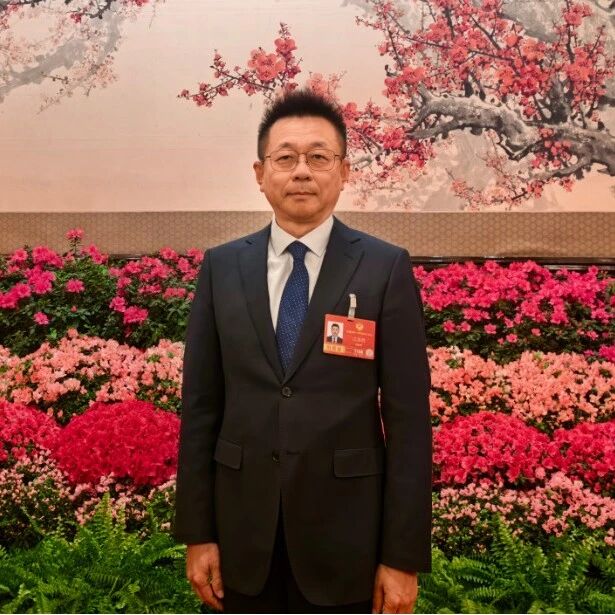
全国政协委员江浩然:为自动驾驶立法律,为AI手机立规矩
凤凰网财经· 2026-03-10 13:53
Core Viewpoint - The rapid advancement of technology, including AI and autonomous driving, is accompanied by concerns about blind following and homogenization in these industries, necessitating a tailored approach and regulatory frameworks to ensure sustainable development [1][2]. Group 1: Homogenization and Blind Following - The industries of autonomous driving and AI smartphones are showing signs of homogenized competition and blind following, with companies lacking differentiated strategies [4]. - The need to avoid low-level repetition and prevent "naked running" of technology is critical for high-quality, scalable development [2][4]. Group 2: Legal and Regulatory Challenges - Legal lag is identified as the biggest bottleneck for the development of autonomous driving, with the need for clear legal status and accident liability definitions to encourage investment and pilot programs [6][7]. - The proposal includes revising traffic laws and regulations to provide a legal framework for autonomous systems, enabling standardized practices and infrastructure development [6][7]. Group 3: Driver Education and Safety - Supporting the addition of intelligent driving questions in driving tests is essential to ensure drivers understand their responsibilities in human-machine collaboration, thereby reducing accidents [8][9]. - A three-tiered system combining technical safeguards, legal constraints, and personnel training is necessary to prevent accidents related to intelligent driving [10]. Group 4: AI Smartphone Regulations - The AI smartphone industry faces challenges such as excessive data collection and fragmented ecosystems, necessitating a dynamic control mechanism to prevent permission abuse [11][12]. - Establishing a permissions framework that emphasizes "need-based requests" and real-time user feedback is crucial for balancing innovation with data security [14][15]. Group 5: Industry Development Strategies - The robot industry is experiencing a surge in interest but risks falling into low-end homogenization, highlighting the need for a differentiated development strategy based on regional strengths [16][17]. - Encouraging companies to focus on niche applications and core technology development can help avoid redundant investments and promote high-quality growth in the robotics sector [17].

短剧“变天”,AI真人剧产能暴涨千倍
凤凰网财经· 2026-03-10 13:53
Core Viewpoint - The short drama industry is undergoing significant changes, with a shift from live-action to AI-generated content, driven by the need for cost reduction and increased profitability amid high production costs and industry losses [3][4][15]. Group 1: Industry Dynamics - The short drama market is experiencing a contraction, particularly in the live-action segment, as platforms like Hongguo cancel minimum guarantee policies for production companies, leading to reduced project initiations [5][6]. - The production costs for short dramas have escalated, with average costs rising from 100,000-200,000 to 400,000-500,000, and premium productions reaching up to 1 million [8][15]. - The industry is characterized by a high loss rate, with over 90% of companies operating at a loss, prompting a shift towards AI-generated content as a potential solution [3][15]. Group 2: Transition to AI Content - The industry is witnessing a rapid transition to AI-generated short dramas, with many production companies pivoting to this format in response to market changes and technological advancements [7][11]. - AI short dramas are becoming a refuge for creators, with production costs significantly lower than traditional live-action dramas, estimated at 15,000-150,000 per project compared to 300,000-1,000,000 for live-action [13][17]. - The introduction of advanced AI video generation tools, such as Seedance 2.0, is facilitating this transition, allowing for faster production cycles and lower costs [10][17]. Group 3: Market Competition and Future Outlook - The competition in the AI short drama space is intensifying, with a predicted explosion in production volume leading to potential price declines and increased market saturation [16][18]. - The industry is expected to shift from a director-centric model to a more individual-driven model, where creators can produce content independently using AI tools [17]. - Despite the technological advancements, there remains skepticism among audiences regarding the authenticity of AI-generated content, which could impact its acceptance in the market [15][18].

这9款包包,惊艳世界,却只有中国女人能驾驭
凤凰网财经· 2026-03-10 13:53
Core Viewpoint - The article emphasizes the resurgence of Xiangyun silk, a traditional Chinese fabric, as a fashionable choice for women, particularly as a gift for International Women's Day, highlighting its cultural significance and aesthetic appeal [2][22][129]. Group 1: Cultural Significance and Aesthetic Appeal - Xiangyun silk has been described as a "carryable piece of art," celebrating the unique charm of women and serving as a perfect gift [9][14]. - The fabric is rooted in ancient craftsmanship, with a production process that includes traditional methods such as "three steams, nine boils, and eighteen sun-dryings" [25]. - The article notes that each piece of Xiangyun silk embodies the essence of nature and craftsmanship, making it a luxurious yet culturally rich accessory [29][31]. Group 2: Product Offerings and Pricing - The article presents nine distinct styles of Xiangyun silk bags, each priced at a special Women's Day discount starting from 299 yuan, significantly lower than their original prices [11][131]. - Limited availability is highlighted, with only 50 units of each design, encouraging quick purchases [12]. - The bags are marketed as suitable for various occasions, from casual outings to formal events, enhancing the wearer's elegance and style [20][37]. Group 3: Quality and Practicality - The bags are made from high-quality materials, including a blend of silk and other fabrics, ensuring durability and ease of maintenance [33][35]. - The article emphasizes the practicality of the bags, noting their appropriate size for everyday use and versatility in styling [48][69]. - The craftsmanship is compared favorably to high-end brands, with attention to detail and quality that meets or exceeds market standards [123][127].