凤凰网财经

Search documents
网络骂战二十年,从没好好说过理
凤凰网财经· 2026-01-18 13:15
Core Viewpoint - The article discusses the evolution of online disputes in China, highlighting how they have escalated from anonymous forum arguments to public confrontations and legal battles, reflecting the growing intensity and complexity of internet culture and conflicts in the digital age [1][2][3][4][5]. Group 1: Historical Context of Online Disputes - The evolution of internet argumentation has progressed from early anonymous exchanges to real-name confrontations and live debates, indicating a shift in how disputes are handled online [3][4]. - Legal frameworks are increasingly relied upon to resolve disputes when consensus cannot be reached, marking a transition from informal to formal resolution mechanisms [5]. Group 2: Notable Disputes - The "Fang-Han War" in 2012, sparked by a blog post questioning the authenticity of writer Han Han, became a significant cultural event, showcasing the power of social media in shaping public opinion [6][7][8]. - The conflict escalated with Han Han offering a reward for evidence of ghostwriting, leading to a split in public opinion and further involvement from prominent figures like Fang Zhouzi, who intensified the scrutiny on Han Han's works [10][16][20]. - The "3Q War" between Tencent and Qihoo 360 highlighted the commercial aspects of online disputes, with both companies engaging in public and legal battles over user privacy and market dominance [21][22][31][32]. Group 3: Personal Confrontations in the Tech Industry - The 2014 live debate between Wang Ziru and Luo Yonghao over the evaluation of the Smartisan phone exemplified how personal and professional conflicts can draw massive public attention, with 2.5 million viewers tuning in [40][47]. - The debate showcased contrasting styles, with Luo presenting a prepared defense while Wang focused on clarifying his evaluation, leading to a heated public discourse [51][52][54]. Group 4: Escalation to Physical Confrontations - The incident between Wu Faitian and journalist Zhou Yan illustrates how online disputes can spill over into physical confrontations, culminating in a chaotic public altercation involving eggs and accusations of organized violence [56][68][75]. - This event reflects a concerning trend where online disagreements transition into real-world conflicts, raising questions about the societal implications of such behavior [78][81]. Group 5: Future of Online Disputes - As the internet matures, there is a movement towards more regulated and structured forms of discourse, with calls for disputes to be handled through media channels rather than public confrontations [81]. - The evolution of online conflict resolution indicates a shift towards a healthier internet ecosystem, where emotional outbursts are replaced by institutional frameworks for discussion and debate [81].




起诉鲍威尔、颠覆美联储?围绕美联储的各种斗争,下周分胜负?
凤凰网财经· 2026-01-18 13:15
Group 1 - The investigation into Federal Reserve Chairman Powell is evolving into a political backlash against the Trump administration, with a subpoena issued regarding renovation costs of the Fed building [2] - Powell's strong statement against the investigation has resonated within the Republican Party, signaling potential resistance to the confirmation of the next Fed chair if the investigation continues [2] - Trump's advisors are attempting to de-escalate the situation, suggesting that once the requested information is provided, the matter could be resolved [2] Group 2 - The upcoming Supreme Court hearing regarding Fed Governor Lisa Cook is critical for the independence of the Federal Reserve, as a ruling in favor of Trump could allow the president to dismiss any Fed official at will [3][5] - Strong economic data, such as a 4.3% GDP growth in Q4, raises concerns about the Fed's independence in combating inflation, with potential implications for bond yields if investors lose confidence [6] - The Supreme Court's signals currently lean towards protecting Cook, but any shifts in stance during the hearing could lead to significant market volatility [6] Group 3 - The selection process for the next Fed chair is expected to conclude soon, with candidates including Kevin Hassett and Kevin Warsh, though Hassett's loyalty to Trump may not secure him the position [7][8] - Signs indicate that Warsh is the likely candidate for the Fed chair, as he is viewed more favorably by Wall Street compared to Hassett, who is seen as too closely aligned with Trump [8] - Trump's upcoming speech in Davos may coincide with the announcement of the new Fed chair, although there is still a possibility of delays or unexpected candidates being introduced [9][10]

3000多七星酒店全羊毛被,今天100多入
凤凰网财经· 2026-01-18 13:15
Core Viewpoint - The article promotes the Oetker Collection's luxury bedding, specifically a 100% Australian Merino wool duvet, emphasizing its exclusivity and high quality, typically used in presidential suites of luxury hotels [1][3][4][6][7]. Group 1: Product Features - The duvet is made from 100% Australian Merino wool, providing temperature regulation and warmth, with an increase in bed temperature by 8°C [13][75]. - It is certified by the International Wool Textile Organisation, ensuring the use of new wool without recycled fibers [13][35]. - The duvet features a clean and odor-free experience, with a high standard of cleanliness achieved through multiple processing steps [71][73]. Group 2: Market Positioning - Oetker Collection is recognized as a top-tier luxury hotel group, with a reputation for exceptional service and high costs, often exceeding tens of thousands for a night [6][7][61]. - The duvet is marketed at a significantly lower price point compared to its typical market value, which can reach around €399 (approximately 3100+ yuan) [47][49]. - The product is positioned as a unique offering in the self-media space, with a promotional price starting at 169 yuan, making it accessible to a broader audience [49][108]. Group 3: Material and Quality - The Merino wool used is sourced from sheep living in high-altitude, cold regions of Australia, known for its fine and soft fibers, making it a premium material [24][27]. - The duvet's fabric is made from A-class Korean Huvis technology fibers, which are skin-friendly and provide additional benefits such as UV protection and moisture management [40][84]. - The duvet is designed to prevent clumping and ensure durability, with features like double-layer temperature locking and meticulous stitching [92][96].

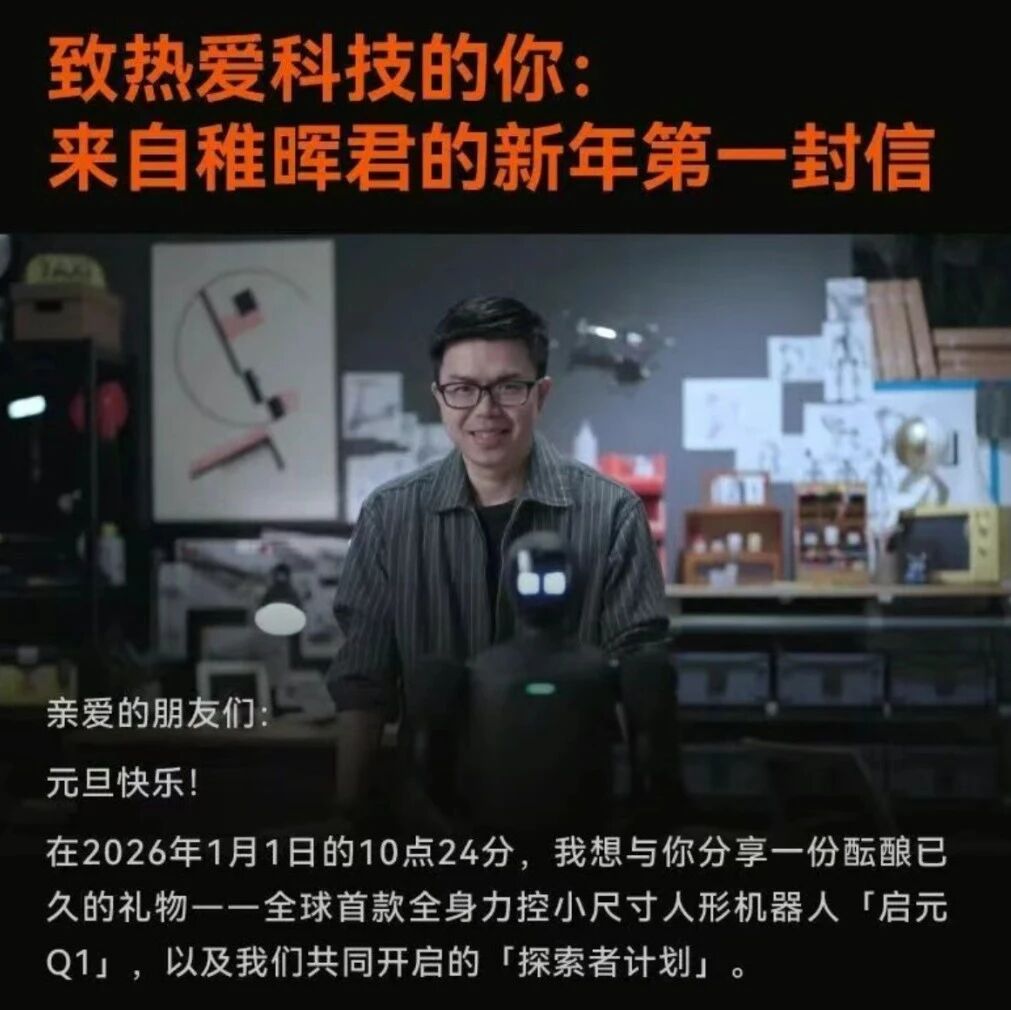
“稚晖君”当上市值600亿元“大牛股”董事长,账号发公司机器人宣传视频,引发监管问询!公司紧急回应
凤凰网财经· 2026-01-17 13:00
Core Viewpoint - The article discusses the strategic developments of Upwind New Materials, particularly its foray into the robotics sector, while addressing regulatory concerns regarding its independence and business direction [6][7][9]. Group 1: Business Strategy and Development - Upwind New Materials is expanding into the robotics field without altering its core business strategy, which remains focused on "carbon neutrality and new materials" [7]. - The company reported a revenue of 1.279 billion yuan and a net profit of 60.54 million yuan as of September 30, 2025, all derived from its new materials business [7]. - The robotics initiative is still in the research and development phase and has not yet generated any sales revenue or profit, indicating that it is an exploratory endeavor rather than a shift in core operations [8]. Group 2: Regulatory Compliance and Communication - Regulatory bodies have raised questions about the independence of Upwind New Materials, particularly concerning the role of its chairman, Peng Zhihui, who is also involved with Zhiyuan Robotics [9][12]. - The company clarified that Peng does not hold any senior management positions or participate in R&D, focusing instead on long-term strategic decisions and external communications [9][12]. - Upwind New Materials has committed to ensuring that its promotional content complies with advertising laws and maintains accuracy, especially regarding claims about its products [13].

老干妈,还得靠老妈
凤凰网财经· 2026-01-17 13:00
Core Viewpoint - Lao Gan Ma, once thought to be declining, has achieved a sales revenue of 5.391 billion yuan in 2024, nearing its historical peak, amidst fierce competition and changing consumer preferences [4][36]. Group 1: Company Background - Founded by Tao Huabi, Lao Gan Ma has evolved from a roadside condiment stall to a globally recognized brand, reaching tables in 160 countries and regions over thirty years [5]. - The brand's success is attributed to a commitment to quality, with strict standards for ingredient selection and production processes [12][13]. Group 2: Leadership Transition and Challenges - In 2014, Tao Huabi transferred her last 1% stake to her younger son, Li Miaoxing, while she stepped back from daily operations, leading to a decline in product quality and customer dissatisfaction [15][16]. - The company faced a significant drop in revenue from 45.49 billion yuan to 43.89 billion yuan between 2016 and 2018 due to changes in production practices [16]. - In 2019, Tao Huabi returned to oversee production, reinstating the original quality standards, which resulted in a revenue recovery to over 50 billion yuan [17][36]. Group 3: Market Dynamics - The external market is evolving, with younger consumers favoring healthier, low-fat options, challenging Lao Gan Ma's traditional high-oil products [24]. - New competitors are leveraging innovative distribution channels and online marketing strategies, contrasting with Lao Gan Ma's traditional approach [25][28]. - Despite these challenges, Lao Gan Ma maintains a strong market presence, with a focus on quality and a limited product range, which has created a significant competitive barrier [30][34]. Group 4: Future Considerations - The company's future hinges on its ability to transition from a founder-led model to a sustainable corporate governance structure, as reliance on Tao Huabi's personal authority poses risks [37][40]. - The success of the next generation in upholding the brand's values and adapting to market changes will be crucial for Lao Gan Ma's long-term viability [40][41].

国货逆袭!「北大博士团」突破发明,让牙齿牙龈“重获新生”
凤凰网财经· 2026-01-17 13:00
Core Viewpoint - The rise of domestic toothpaste brands, exemplified by Nobida's gum-protecting toothpaste, reflects the growing confidence in local products and their technological advancements [1]. Group 1: Product Innovation - Nobida's toothpaste is developed by a team of PhD researchers from Peking University and has received a national invention patent, showcasing its innovative formulation and preparation method [5]. - The toothpaste utilizes HAP-Rebuild technology, which features extremely small repair factor particles that possess excellent adsorption capabilities, effectively addressing stubborn dental plaque and gum issues [14][15]. Group 2: Efficacy and Testing - Third-party testing has validated that Nobida's toothpaste achieves a 61.69% inhibition rate of dental calculus, indicating its effectiveness in oral care [20]. - The product has been shown to remove stains from tea, smoke, and coffee, with a high antibacterial rate of 99.9%, contributing to the prevention of bad breath [34]. Group 3: Market Positioning - Despite lacking the marketing clout of international brands, Nobida's toothpaste has gained popularity through its proven results and user satisfaction, with many customers expressing a strong preference for the product after trying it [3][38]. - The pricing strategy positions the toothpaste as a cost-effective alternative to expensive dental treatments, promoting daily use as a preventive measure against oral health issues [43].

“烧钱”模式难续,先声药业分拆先声再明赴港上市谋独立
凤凰网财经· 2026-01-17 13:00
Core Viewpoint - The article discusses the independent listing journey of Xiansheng Zaiming Pharmaceutical, a subsidiary of Xiansheng Pharmaceutical, focusing on its challenges in profitability despite having commercialized products and the strategic importance of this move for the parent company [2][10]. Group 1: Financial Performance and Challenges - Xiansheng Zaiming has five commercialized products, four of which are included in the national medical insurance directory, generating significant revenue but facing a "revenue without profit" dilemma due to high R&D and sales expenses [4][5]. - The company's revenue from these products for 2023, 2024, and the first three quarters of 2025 was 14.26 billion, 11.85 billion, and 10.36 billion respectively, accounting for 93.7%, 91.5%, and 83.7% of total revenue [4]. - Despite commercialized products, Xiansheng Zaiming reported net losses of 3.36 billion in 2023, increasing to 5.06 billion in 2024, and 3.03 billion in the first three quarters of 2025, primarily due to high R&D and sales costs [5][6]. - R&D costs for 2023, 2024, and the first three quarters of 2025 were 8.31 billion, 7.08 billion, and 5.12 billion, with R&D expenses exceeding 50% of revenue in 2023 and 2024 [5][6]. Group 2: Dependency on Parent Company and Financing - Xiansheng Zaiming has historically relied heavily on financial support from its parent company, Xiansheng Pharmaceutical, with significant capital increases funded entirely by the parent [7]. - The company completed a 10.7 billion A-round financing in June 2025, involving five investment institutions, with a post-investment valuation of approximately 85.7 billion [7][9]. - The independent listing is seen as a crucial step to reduce dependency on the parent company and establish its own financing capabilities, which is essential for accelerating pipeline development and market expansion [9][10]. Group 3: Strategic Importance of Listing - The split listing is part of Xiansheng Pharmaceutical's broader strategy to optimize its business structure and focus on core areas, alleviating performance growth pressures [12]. - The move is expected to enhance financial flexibility and resource allocation efficiency for both Xiansheng Zaiming and its parent company, allowing them to independently access equity and debt capital markets [10][11]. - The independent listing is also driven by investor pressure, with specific clauses in financing agreements requiring Xiansheng Zaiming to submit an IPO application by June 30, 2027, or face buyback obligations [10].
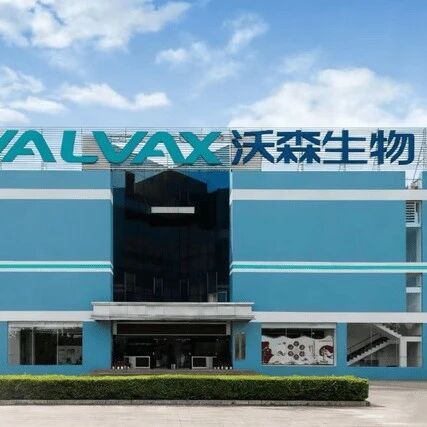
接连遭举报,疫苗明星沃森生物缘何惹怒投资者?
凤凰网财经· 2026-01-17 13:00
Core Viewpoint - Watson Bio has faced significant governance issues, including high executive salaries without proper approval, leading to investor concerns and regulatory scrutiny [1][3][4]. Group 1: Executive Compensation Issues - Watson Bio's executives received substantial salary increases without shareholder approval, with the chairman's salary rising from 1.45 million in 2020 to 4.33 million in 2023, significantly above the industry average of 1.85 million [4][7]. - The overall executive compensation increased by nearly 10 million in 2023 compared to 2022, despite a 19.12% decline in revenue and a 42.44% drop in net profit [8][7]. - Investors have raised alarms about the disconnect between executive pay and company performance, with many feeling that management is prioritizing personal financial gain over shareholder interests [8][10]. Group 2: Financial Performance and Governance Concerns - Watson Bio's revenue fell by 19.12% in 2023 and is projected to decline by 31.41% in 2024, with net profit dropping by 66.10% [8][23]. - The company has been criticized for its governance structure, which lacks effective oversight, allowing executives to make decisions without adequate checks and balances [10][12]. - Investors have reported that the independent directors have not adequately addressed governance issues, leading to a perception of collusion between management and the board [10][12]. Group 3: Cash Flow and Financial Health - Watson Bio's cash flow from operating activities plummeted by 85.75%, indicating a severe decline in its ability to generate cash from its core vaccine business [22][24]. - The company has engaged in significant cash outflows, including 7.6 billion in dividends to minority shareholders, while simultaneously pledging core assets for loans, raising concerns about its financial stability [18][20]. - As of the end of Q3 2025, the company's cash reserves decreased from 3.76 billion to 1.68 billion, highlighting a critical liquidity crisis [20][24]. Group 4: Shareholder Relations and Market Confidence - Watson Bio's stock price has seen a dramatic decline, falling from around 36 to approximately 15, leading to investor dissatisfaction and calls for accountability [15][17]. - The company's commitment to a share buyback program has been perceived as insincere, with only minimal execution against a backdrop of significant share price depreciation [14][15]. - The termination of the Hong Kong IPO plan further constrains the company's financial options, exacerbating investor concerns about its future [24][25].
大数据“杀熟”再引争议,“看人下菜碟”式价格歧视该休矣!
凤凰网财经· 2026-01-17 13:00
Core Viewpoint - The online travel industry leader, Ctrip, is facing multiple crises, including a wrongful termination notice, an antitrust investigation, and allegations of price discrimination through data manipulation, reflecting a broader consumer discontent with internet platforms [4][5]. Group 1: Pricing Discrimination Issues - Consumers have reported experiences of price discrimination, such as significant price differences between accounts or devices, abnormal price increases after repeated searches, and higher prices for long-term users compared to new users [4]. - The algorithmic pricing strategy employed by platforms like Ctrip is a form of price discrimination based on user characteristics, utilizing big data to analyze consumer habits and willingness to pay [4][5]. - Traditional economic theories suggest that reasonable price discrimination can expand market size and efficiency, benefiting both producers and consumers, as seen in practices like discounted afternoon tea in Hong Kong [4]. Group 2: Algorithmic Pricing and Market Dynamics - In the context of platform economies, algorithmic pricing has deviated from optimizing resource allocation and has become a tool for platforms to exploit information asymmetry, leading to consumer trust erosion [5][6]. - Consumers often lack a clear understanding of how pricing mechanisms work, while platforms leverage their data advantages to implement dynamic pricing that consumers may not notice, undermining fairness in the digital market [5]. - Examples of pricing anomalies include varying delivery fees based on smartphone brand and model, and ride-hailing prices that increase based on the user's phone battery level, indicating a shift from efficiency tools to profit extraction mechanisms [6]. Group 3: Regulatory Response and Industry Implications - The Chinese government has initiated regulatory measures, including the issuance of guidelines to standardize pricing behaviors on internet platforms, aiming to protect consumer and operator rights [6]. - Ctrip's recent investigation is not an isolated incident but signals a critical industry-wide issue regarding algorithmic pricing practices, emphasizing the need for transparency and fairness in pricing strategies [6]. - The long-term value of a business is rooted in consumer trust, and sacrificing this trust for short-term gains can undermine the foundation of the digital economy [6].


日流水暴增900%,AI漫剧狂飙背后,为何有人月入千万,有人只想逃离?
凤凰网财经· 2026-01-16 15:42
Core Viewpoint - The article discusses the rapid growth and potential of the AI comic drama (AI漫剧) industry, highlighting both the opportunities and challenges faced by creators and companies in this emerging market [3][6][20]. Group 1: Market Growth and Potential - The AI comic drama industry is projected to exceed 20 billion yuan in market size by 2025, with daily revenue growth of 900% and a 567% increase in monthly production of comic episodes [3][6]. - The production cost of AI comic dramas has significantly decreased, with prices dropping from thousands of yuan per minute to hundreds, while production cycles have shortened [3][6]. - The success of early AI comic dramas, such as "代管截教,忽悠出了一堆圣人," which garnered nearly 40 million views, indicates strong audience acceptance and profitability potential [6][7]. Group 2: Industry Dynamics and Challenges - Despite the hype, many non-top-tier companies are reportedly operating at a loss, with 90% of them struggling to turn a profit [6][20]. - The industry is characterized by a mix of established companies transitioning from traditional media and new entrants attracted by low barriers to entry and high profit margins [7][12]. - The production process is described as a "lottery," where the quality of AI-generated content can vary significantly, leading to increased workloads for creators who must refine and adjust outputs [16][19]. Group 3: Workforce and Economic Factors - The average salary for creators varies widely, with some earning between 8,000 to 10,000 yuan per month, while others can charge 1,000 to 2,000 yuan per minute for high-quality productions [15][19]. - The industry faces high turnover rates, with many creators leaving due to the intense workload and lack of creative fulfillment, as the focus shifts towards quantity over quality [19][20]. - The competitive landscape is pushing down prices, with production costs for AI comic dramas dropping from 3,000-5,000 yuan per minute to 500-1,000 yuan, forcing smaller teams to take on more work to maintain income [19][20]. Group 4: Future Outlook and Regulation - The future of the AI comic drama industry may involve a transition from mass production to a focus on quality and diversity, as the market matures [20][21]. - Regulatory measures are expected to increase, with the government initiating actions to address issues like copyright infringement and low-quality content [23][24]. - The industry is at a turning point, where only companies that prioritize creativity, quality, and compliance will likely survive in the long term [21][23].