凤凰网财经

Search documents
男士请进!牛仔的版型+运动裤的舒适,这条裤子封神了
凤凰网财经· 2025-11-25 13:06
因为它不需要你有多牛的穿搭功力,甚至不需要费心思考, 要说什么面料的裤子可以经久不衰,那 【牛仔】 必须占有一席之地。 尤其是男生,在没有那么多选择的前提下,牛仔裤就是蕞好的选择! 随便搭配一件卫衣/羽绒服/毛衣,都能轻松显得帅气精神。 但! 真的别买"精神小伙"同款紧身牛仔裤了! 毕竟男生的腿不是每个都又长又细又直 想要轻松穿出"清爽感",还得是 直筒版型的牛仔裤 (这点你对象应该都懂) 为了找到一条适合90%兄弟的牛仔裤,办公室的女同事用自己的眼光,帮我们选出了一条, 宽 松但不肥大,穿着还很舒服的牛仔裤: 版型特别符合亚洲男性的腿部特点 ,能把腿穿的又长又直还不显臃肿。 65.7%聚酯纤维+30.3%棉 +4.0%氨纶 让它既有棉的亲肤透气和垂感,又有聚酯纤维的耐磨,还有氨纶的弹力。 普通牛仔面料大部分都是偏硬挺一些的,但是这款不一样, 就是软的 ,rua起来很舒服~ 而且我们这次还专门为了不同区域,挑了 一条常规款,一条加绒款。 看你所在地区的温度,选择一条陪伴你过秋冬的牛仔裤。 但我更建议你两条都入手,不仅现在可以穿,到来年不冷的时候也能穿上。 毕竟一条好版型的裤子不好找,更何况我们这条还是实惠的大 ...


从“行业龙头”到立案调查,涉嫌财务造假的清越科技还有多少内幕?
凤凰网财经· 2025-11-25 13:06
Core Viewpoint - Suzhou Qingyue Optoelectronics Technology Co., Ltd. (Qingyue Technology) is facing a potential delisting due to a formal investigation by the China Securities Regulatory Commission (CSRC) for suspected financial data falsification, following a series of operational and financial issues [1][3][21] Group 1: Financial Misconduct and Investigations - Qingyue Technology has been under scrutiny for financial misconduct, including violations in the use of raised funds and improper financial accounting practices [5][8] - The company was previously warned by the Jiangsu Securities Regulatory Bureau regarding multiple issues, including undisclosed related party transactions [5][10] - In 2023, Qingyue Technology improperly recognized revenue, inflating its operating income and costs by 13.67 million yuan [8][9] Group 2: Performance Decline - The company has experienced a significant decline in performance, with revenues dropping from 10.44 billion yuan in 2022 to 6.61 billion yuan in 2023, and a net loss of approximately 1.87 billion yuan over three years [16][17] - The operating income for the first three quarters of 2025 was 476 million yuan, a year-on-year decrease of 13.64%, with a particularly sharp decline of 41.40% in the third quarter [18][20] Group 3: Dependency on Major Clients - Qingyue Technology's revenue is heavily reliant on its electronic paper module business, which accounted for over 70% of its income in 2024 [18][20] - The company faces pressure from declining product prices, with the average selling price of electronic paper modules dropping from 20.88 yuan per unit in 2022 to 17.76 yuan in 2024 [19][20] - A significant portion of the revenue from electronic paper modules comes from Han Shuo Technology, contributing 99% and 88% of the revenue in 2023 and 2024, respectively [20]

刘擎:在不确定的时代,守住思考的光
凤凰网财经· 2025-11-25 13:06
Core Viewpoint - The article explores the search for meaning in life, particularly among the younger generation, emphasizing the importance of philosophical inquiry in understanding one's existence and purpose [1][4]. Group 1: Personal Journey of Liu Qing - Liu Qing, a prominent philosopher and professor, transitioned from a successful academic career in chemical engineering to political philosophy, seeking to understand the world and human existence [5][7]. - His decision to study abroad in the United States during a time when it was uncommon in China reflects a deep self-inquiry and a desire for personal fulfillment [7]. Group 2: Insights on Modern Work and Meaning - Liu Qing highlights the challenges faced by today's youth, who, despite having higher starting points, grapple with competition, information overload, and an uncertain future [12]. - He argues that true meaning is found in everyday experiences and interactions, rather than solely in work that generates financial reward [10]. Group 3: Philosophy and Responsibility - Liu Qing believes that philosophy should not only analyze complex concepts but also engage with people and inspire them, addressing their anxieties and uncertainties [11][12]. - He emphasizes the importance of understanding and empathy in philosophy, advocating for a perspective that helps individuals face life rather than escape from it [14][16].

借款1.8万要还2.4万!金瀛分期被指变相收取高息,遭2万条投诉仍隐身
凤凰网财经· 2025-11-25 13:06
Core Viewpoint - The article highlights significant complaints against a lending platform named Jin Ying Fen Qi, focusing on issues such as high interest rates, aggressive collection practices, and hidden fees [2][3][18]. Group 1: Complaints and Issues - Over 20,000 complaints have been filed against Jin Ying Fen Qi on the "Black Cat Complaints" platform, primarily regarding violent debt collection and excessive service fees, with comprehensive interest rates exceeding 24% [2][3]. - A borrower reported a loan of 18,000 yuan with a repayment plan of 12 installments, resulting in a comprehensive interest rate of 38.6% [3]. - The platform allegedly forces users to pay for membership and consultation services under the pretext of expedited loan processing, while customer service denies access to loan contracts [3][15]. Group 2: Company Background - Jin Ying Fen Qi and Jin Ying Hua are trademarks of the same company, Hangzhou Ben Ying Information Technology Co., Ltd., established in February 2021 with a registered capital of 5 million yuan [5]. - The company recently underwent a rebranding from Jin Ying Fen Qi to Jin Ying Hua, claiming it was for brand upgrading purposes [11][13]. Group 3: Regulatory Context - The new regulations effective from October 1, 2023, require lending platforms to maintain transparency in fees and prohibit disguised fee increases under various names [17]. - Legal experts indicate that borrowers can demand refunds for any interest paid above the legal limit and can refuse to pay any excessive interest not yet paid [17].
但斌“晒单”引热议:海外基金三年赚138%,国内基金一年收益仅15%?
凤凰网财经· 2025-11-24 12:47
Core Viewpoint - The article discusses the performance and investment strategy of Dongfang Hongwan Investment, led by Chairman Dan Bin, highlighting the contrasting short-term and long-term returns of its funds, particularly in the context of AI investments and market dynamics [2][5][8]. Group 1: Investment Performance - As of October 2025, Dongfang Hongwan's overseas fund achieved a three-year return of 138.98%, ranking third among 9,970 global hedge funds, while its one-year return was 26.63% [2][5]. - The one-year return of 26.63% slightly exceeds the average of 24.32% for domestic subjective long-only strategies but falls significantly short of the top 5% return of 82.48% [2][5]. - Domestic products under Dongfang Hongwan have reported returns around 15%, which is notably lower than the 24.32% average for similar funds [6]. Group 2: Investment Strategy - The fund's investment strategy is heavily focused on AI, with significant holdings in companies like Nvidia, Google, Meta, and Microsoft, indicating a strong commitment to the AI sector [3][4]. - Dan Bin's recent investments include increasing positions in Alibaba and new investments in semiconductor companies like Astera Labs and Broadcom, reflecting a comprehensive approach to the AI supply chain [3][4]. - The emphasis on long-term value investment is evident, as Dan Bin stated that short-term volatility does not alter the commitment to growing alongside great companies [5][8]. Group 3: Market Dynamics and Investor Sentiment - The article notes a divergence in performance perceptions, with some investors expressing concerns over the short-term results of Dan Bin's funds, questioning whether he has been "over-mythologized" [6][7]. - Market analysts suggest that the performance differences stem from the inherent nature of value investing versus short-term speculation, especially in a market characterized by structural bull trends [7][8]. - The ongoing debate highlights the choice between chasing short-term gains versus investing in long-term growth, with Dan Bin's strategy leaning towards the latter [8].



165亿独角兽“轰然倒下”
凤凰网财经· 2025-11-24 12:47
又一电商巨头倒下。 以下文章来源于投中网 ,作者陈美 投中网 . 投中网是领先的创新经济信息服务平台,拥有立体化传播矩阵,为创新经济人群提供深入、独到的智识和洞见,在私募股权投资行业和创新商业领域拥有 权威影响力。官网:www.chinaventure.com.cn 作者丨陈美 来源丨投中网 近日,韩国首尔重整法院正式确认终止了对知名电商平台WeMakePrice(薇美铺)的重整程序,并宣告其破产。这意味着WeMakePrice长达一年的自救行 为,彻底落空。 破产前,这家电商巨头负债超千亿,为4462亿韩元(约合3.2亿美元),同时10.8万名卖家可能讨薪无望。追溯发现,这家电商平台曾与Coupang齐名,后 者被誉为"韩国版亚马逊",而WeMakePrice曾位列韩国电商平台TOP4。 然后,红极一时之下,WeMakePrice最终却落得破产的结局,那么这家电商平台究竟做错了什么? 01 韩国商界"鬼才"创业 说起来,WeMakePrice并非完全"草根"出身。 创始人许民(Heo Min)被称为韩国商界"鬼才",在创办WeMakePrice前,许民在游戏领域赚取过第一桶金,且与韩国知名游戏公司Nexon ...

今起全员不上班!“亲儿子”被曝原地解散,长城收场?
凤凰网财经· 2025-11-24 12:47
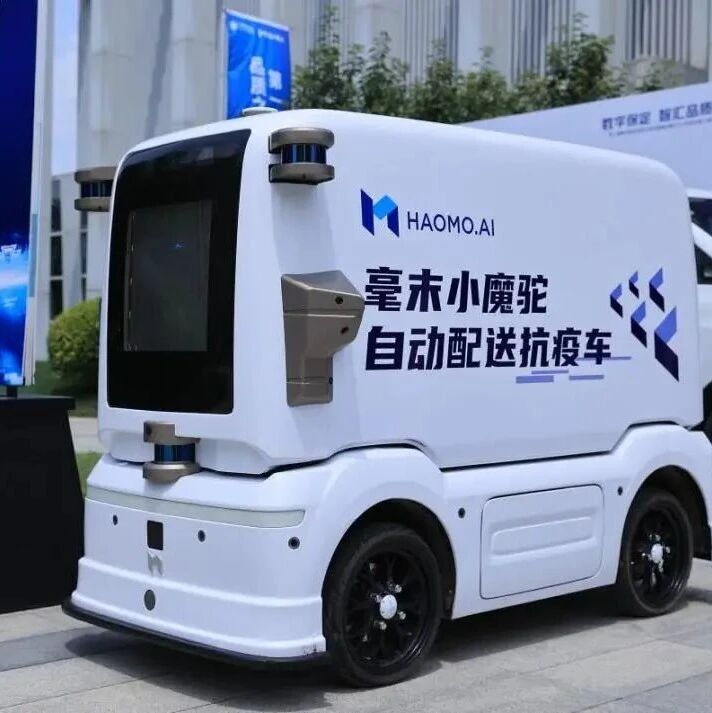
Core Viewpoint - The sudden announcement by Haomo Zhixing, a subsidiary of Great Wall Motors, to stop all employees from working starting November 24 has raised concerns about the company's potential dissolution and lack of communication regarding employee compensation and future plans [1][3]. Company Overview - Haomo Zhixing, established in 2019, was the first company in China to achieve mass production of autonomous driving technology, focusing on three main areas: passenger car intelligent assisted driving, last-mile logistics delivery vehicles, and smart hardware [3]. - The company had received significant investments, totaling approximately 2 billion yuan, and reached a valuation of over 1 billion USD after its Series A funding in 2021, peaking at a valuation of over 10 billion yuan [3]. Recent Developments - The company launched three affordable intelligent assisted driving products in October 2023, but has faced delays in the rollout of its urban NOH feature, leading to speculation about its operational viability [3][4]. - Great Wall Motors has begun to rely on external supplier Yuanrong Qihang for end-to-end intelligent driving technology solutions, indicating a shift in strategy and a potential decline in Haomo Zhixing's importance within the group [4]. Financial and Operational Challenges - The new model, Blue Mountain, has seen rapid sales growth, with over 8,571 units sold within 24 hours of launch, and a monthly sales increase of over 200% year-on-year [4]. - However, Haomo Zhixing has been experiencing internal turmoil, including layoffs and a lack of clarity regarding employee compensation, leading to a trust crisis among staff [5][6]. Employee Relations - Employees have expressed concerns over unpaid bonuses and delayed salaries, with reports of high-level executives leaving the company amid growing dissatisfaction [5][6]. - There is an expectation for Haomo Zhixing to develop a responsible employee transition plan, with hopes that Great Wall Motors will provide support during this challenging period [6].

一场精心策划的“智商税”,收割了多少想暴富的县城青年
凤凰网财经· 2025-11-24 12:47
Core Viewpoint - The article discusses the rise and fall of the brand "Nezha Xianyin," which has gained attention through social media humor and irony, despite its questionable business practices and the dubious status of its parent company [1][3][27]. Group 1: Brand Perception and Social Media Impact - "Nezha Xianyin" has been humorously dubbed with titles like "the true new emperor of the milk tea world," reflecting a mix of irony and sarcasm from netizens [1][3]. - The brand's marketing strategy relies heavily on social media engagement, where users mockingly praise the product, creating a viral effect that boosts its visibility [26][14]. - Despite the negative commentary, the brand has sparked a unique online phenomenon where users express exaggerated support, contributing to its "black-red" popularity [26][16]. Group 2: Business Model and Franchise Issues - The franchise model of "Nezha Xianyin" has been criticized for misleading potential franchisees, often leading them to poor location choices and low sales [8][60]. - Reports indicate that the parent company of "Nezha Xianyin" was dissolved in December 2024, raising concerns about the legitimacy of the current franchise operations [28][27]. - The current franchise operator, "Hangzhou Fenghuolun Catering Management Co., Ltd.," has no clear connection to the original company and lacks a proper operational structure, as evidenced by zero social security contributions in 2024 [35][32]. Group 3: Franchisee Experiences and Financial Viability - Franchisees have reported significant financial losses, with some claiming that their daily sales barely cover operational costs, despite high initial investment requirements [48][45]. - The high costs associated with joining the franchise, including a franchise fee of 138,000 and additional expenses, have left many franchisees feeling deceived [48][56]. - Many franchisees were lured by promises of low barriers to entry and high returns, only to find themselves in a challenging business environment with little support from the franchisor [72][60].

东北酒桌忒“豪横”!茅五剑都得排其次,唯独痴迷它
凤凰网财经· 2025-11-24 12:47
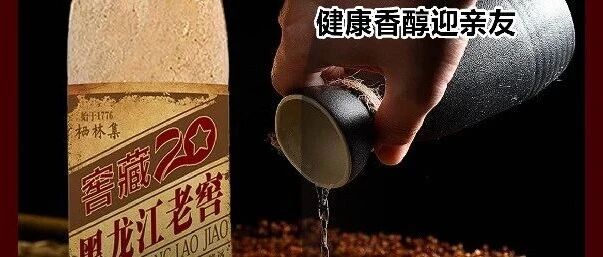
聊起喝酒,就不得不提 东北人的酒桌! 在东北的冬 天,由于天气寒冷没办法出门,他们就叫上亲朋好友,脱鞋上炕盘腿而坐,喝点小酒,脸儿对 脸儿边喝边唠,是冬天里的一大乐事。 但东北白酒那么多,怎么选呢? 本地人让小编必须告诉大家, 当然得选"地道的纯粮酒"! 就比如今天小编给大家带来的一款正宗纯粮酒。来自 黑龙江的特产—— 黑龙江老窖窖藏20年"东北纯 粮"52%vol浓香型白酒 去年上的同款纯粮食酒, 一上架就爆卖5000+(库存有限),直接卖到脱销! | 中国 PS07312 1321331213273213213213240026500049 1013-17-13 213-13-13 213-13-13 213-13-13 213-12-13 213-12-12 213-13 | 年大三 [即使第三] 「一方道 ■ Pus | | | | | --- | --- | --- | --- | --- | | 工会副 包2222年中市新政府官员 | 與 紫足 50 十 期間付十 出品原因 | 主力量 | 快运 | 本上下载】【或者定理念】 【然间 | | 金和四川市内 | 八九年十八十四八十八岁 | | | | ...
兽药残留超标11倍!杭州银行宁波分行食堂曝食品安全问题
凤凰网财经· 2025-11-24 12:47
Core Viewpoint - The article highlights a food safety issue involving the Ningbo branch of Hangzhou Bank, where shrimp sold in its cafeteria was found to have excessive levels of the veterinary drug Enrofloxacin, exceeding the legal limit by 11 times [3][5][7]. Group 1: Food Safety Incident - The Ningbo Market Supervision Administration reported that the shrimp sold at Hangzhou Bank's cafeteria contained Enrofloxacin residues at a level of 1160 μg/kg, which is significantly above the maximum allowable limit of 100 μg/kg [5][7]. - Enrofloxacin is a synthetic broad-spectrum antibiotic used for treating infections in animals, and its presence in food products raises serious health concerns [7]. - The local market supervision authority has mandated that the relevant departments take legal action against the non-compliant food products and their producers, with the findings recorded in the food safety credit archives of the involved businesses [7]. Group 2: Company Background - Hangzhou Bank was established in September 1996 and is headquartered in Hangzhou, having been listed on the Shanghai Stock Exchange in October 2016 [7]. - As of the end of the third quarter of 2025, the bank's total assets reached 2.3 trillion yuan, with operations covering major economic regions such as the Yangtze River Delta and the Pearl River Delta, and it operates nearly 300 branches [7].