投资界

Search documents
AI正在改写生物医药
投资界· 2025-12-19 01:39
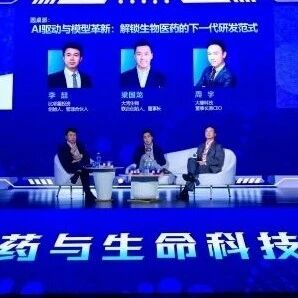
Core Insights - The article discusses the transformative impact of AI on the pharmaceutical research and development paradigm, emphasizing the shift from traditional animal models to innovative technologies like organ-on-a-chip systems [2][5][6]. Investment Opportunities - The investment landscape is evolving with the emergence of over 70 innovative companies in the medical sector, half of which were created from scratch, leading to the development of over 50 globally pioneering products [3]. - The management scale of investment funds has more than doubled through collaborations with government-guided funds in major Chinese cities, indicating a robust growth trajectory in the biotech investment space [4]. Technological Innovations - Organ-on-a-chip technology addresses the limitations of traditional animal models, which have a clinical success rate of less than 10% for drugs entering Phase I trials, particularly in oncology [5][6]. - The integration of AI with organ-on-a-chip technology enhances data analysis and model optimization, creating a high-throughput platform that generates real-time, dynamic cellular data [6][12]. Case Studies - A successful collaboration with Qilu Pharmaceutical utilized patient-derived organ-on-a-chip models to evaluate the efficacy of a bispecific antibody, resulting in the first IND approval for a bispecific drug using this technology in China [7]. - A clinical trial failure was mitigated by using liver chips to assess drug-induced liver toxicity, demonstrating the potential of organ-on-a-chip technology to prevent costly investments in ineffective drugs [7]. Data Utilization - High-quality, large-scale data is crucial for training AI models, with the organ-on-a-chip platform generating multimodal data that enhances predictive accuracy for drug safety and efficacy [11][12][13]. - The focus on problem-driven data collection ensures that AI models are trained on clean, relevant datasets, which is essential for effective predictions in drug development [14][15]. Future Directions - Companies aim to reduce drug development timelines significantly, with aspirations to cut the process from 24 months to 12 months by integrating various AI-enabled platforms [20][21]. - The vision includes creating a comprehensive ecosystem that spans drug discovery, preclinical evaluation, and process optimization, ultimately enhancing the efficiency and effectiveness of new drug development [22].

刮刮乐也卖不动了
投资界· 2025-12-18 07:21
Core Viewpoint - The decline in sales of instant lottery tickets is attributed to multiple factors, including a challenging economic environment, disrupted consumer habits due to previous supply shortages, and a lack of product appeal that does not align with current consumer trends [4][9][11]. Sales Performance - Instant lottery ticket sales have significantly decreased, with one store reporting sales of less than 200 yuan on a busy day, compared to thousands in previous years [4][6]. - The sales drop has persisted for an extended period, with the store holding approximately 50,000 yuan worth of unsold inventory, equivalent to five months' wages [6][10]. - The average spending per customer has dropped from 120-150 yuan in 2024 to 50-70 yuan in 2025, indicating a decline of over 50% [10]. Market Dynamics - The instant lottery segment accounts for 21% of total lottery sales in China, suggesting potential for growth compared to international standards [5]. - The sales decline is exacerbated by a supply shortage that began in 2024, disrupting consumer habits and leading to a loss of customer base [9][10]. - The supply chain issues have resulted in a significant imbalance, with some stores receiving only 60% of the actual demand, leading to a "cooling period" in the market [10]. Consumer Behavior - The willingness to spend on non-essential items, including lottery tickets, has decreased by 18% year-on-year, reflecting broader economic pressures [9]. - Many customers who previously purchased high-value tickets have shifted to smaller purchases or have become more hesitant to buy [10][11]. Statistical Discrepancies - Despite a reported overall increase in lottery sales, the actual experience of retailers indicates a disconnect between official statistics and market realities [12][13]. - The increase in sales figures is partly due to a low base effect from 2024, where sales were significantly impacted by supply shortages [14]. - The growth in sales is primarily driven by a small number of high-performing channels, while ordinary retail outlets have experienced an 18% decline in sales [14].

“CVC第一使命是赚钱”
投资界· 2025-12-18 07:21
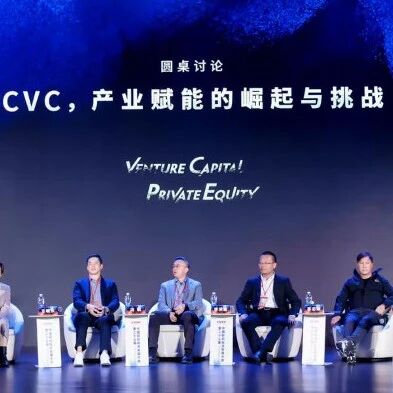
Core Viewpoint - The rise of Corporate Venture Capital (CVC) is significantly impacting the investment landscape, focusing on industry empowerment while facing various challenges in execution and strategy [2][5][20]. Group 1: CVC Overview and Development - The annual China Private Equity Annual Conference highlights the growing influence of CVC in the investment ecosystem, with over a thousand participants from various sectors [2]. - CVCs are increasingly recognized as vital players in the investment landscape, with a focus on both financial returns and strategic industry support [5][12]. Group 2: CVC Strategies and Missions - Different CVCs have varying missions; for instance, Huasheng Fund aims for profitability while also supporting its parent company, SANY Group, in strategic transformations [6][8]. - CVCs like Shangqi Capital focus on the automotive industry, emphasizing the importance of collaboration and resource sharing within the supply chain to enhance efficiency and innovation [9][10]. Group 3: Investment Focus and Trends - Investment trends indicate a shift towards hard technology and biomedicine, with CVCs diversifying their portfolios to include emerging sectors like AI and renewable energy [4][10]. - The automotive sector is undergoing significant transformation, with CVCs adapting to the competitive landscape by investing in new technologies and startups that align with industry trends [9][10]. Group 4: Challenges and Solutions - CVCs face challenges in quantifying the value of their empowerment efforts, particularly in sectors like automotive semiconductors, where integration into existing supply chains is complex [20][21]. - The need for CVCs to develop strong internal communication and management skills is emphasized, as they must bridge the gap between innovative startups and established industry players [21][22]. Group 5: Future Directions - The future of CVCs involves a focus on long-term investment strategies, with an emphasis on patience and the ability to navigate the complexities of the manufacturing process [22][23]. - CVCs are expected to adopt more flexible investment decision-making processes to better support early-stage projects, balancing financial returns with strategic industry insights [23][24].


“寒武纪已成老登”
投资界· 2025-12-18 07:21
新贵正忙 。 作者/冯雨晨 报道/投资界PEdaily 没有永远的小甜甜。 短 短 十 来 天 , 两 家 市 值 超 3 0 0 0 亿 的 巨 头 诞 生 —— 摩 尔 线 程 和 沐 曦 集 成 排 队 科 创 板 敲 钟,首日涨幅均超5 0 0 %,令人惊叹。若是打新中上一签,当日即可实现数十万浮盈。 一 时 间 , 几 乎 所 有 的 目 光 都 聚 集 在 这 两 家 芯 片 新 贵 身 上 。 而 作 为 AI 芯 片 带 头 大 哥 的 寒 武纪,也在这个热闹非凡的时刻被"端"了出来。正如股民们调侃:摩尔线程和沐曦集成 就像1 8岁热情洋溢的少女,寒武纪则像沉默寡言的老登。 其实,此时距离市场尊称其为"寒王",才仅仅过去不到四个月。 小登排队 敲钟 暴涨 寒王有点落寞 不曾想,A股总市值一下子 就增了6 0 0 0多亿 。 1 2 月 5 日 , 摩 尔 线 程 在 万 众 期 待 中 摘 下 "GPU 第 一 股 " , 首 日 表 现 较 发 行 价 最 高 涨 超 5 倍,市值突破3 0 0 0亿元。随后几个交易日又续写新高,股价一度开挂冲至9 4 1元成为A 股"第三贵",市值逼近4 ...

杭州要造火箭了
投资界· 2025-12-18 07:21
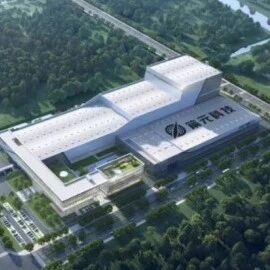
Core Viewpoint - The establishment of Arrow Yuan Technology's reusable rocket base in Hangzhou marks a significant milestone in China's commercial aerospace sector, positioning it as a counterpart to SpaceX and highlighting the growing investment and development in this industry [2][4]. Group 1: Company Overview - Arrow Yuan Technology is the first private enterprise in China to plan a reusable medium-to-large rocket using a "stainless steel + liquid oxygen methane" approach, aiming for 20 reuses per rocket and a launch cost of approximately 20,000 yuan per kilogram [4]. - The company's flagship product, the Yuanxing-1 rocket, has successfully completed its first sea recovery test and is on track for its first launch from Hangzhou by the end of next year [4][5]. Group 2: Industry Development - The "14th Five-Year Plan" emphasizes the accelerated development of strategic emerging industries, including aerospace, to drive economic growth and optimize the economic structure [4]. - The China Securities Regulatory Commission has included commercial aerospace in the fifth set of listing standards for the Sci-Tech Innovation Board, indicating a supportive regulatory environment for companies like Arrow Yuan Technology, Blue Arrow Aerospace, and Star River Power [4]. Group 3: Investment and Collaboration - Arrow Yuan Technology has received investment from leading domestic firms such as Nine Wisdom Capital and Tsinghua-related funds, showcasing strong backing from the investment community [6]. - The collaboration between social capital, state-owned capital, and local government in Hangzhou exemplifies a successful model for attracting investment in the commercial aerospace sector [6]. Group 4: Regional Significance - Zhejiang Province is recognized as an early developer of the commercial aerospace industry in China, with plans to become a national aerospace manufacturing stronghold by 2035 [5]. - Hangzhou's strategic focus on advanced manufacturing, including aerospace, is part of a broader initiative to create a significant industrial platform, with Arrow Yuan Technology's base being a key component of this vision [5].
刚刚,深圳超级国资诞生
投资界· 2025-12-17 03:08
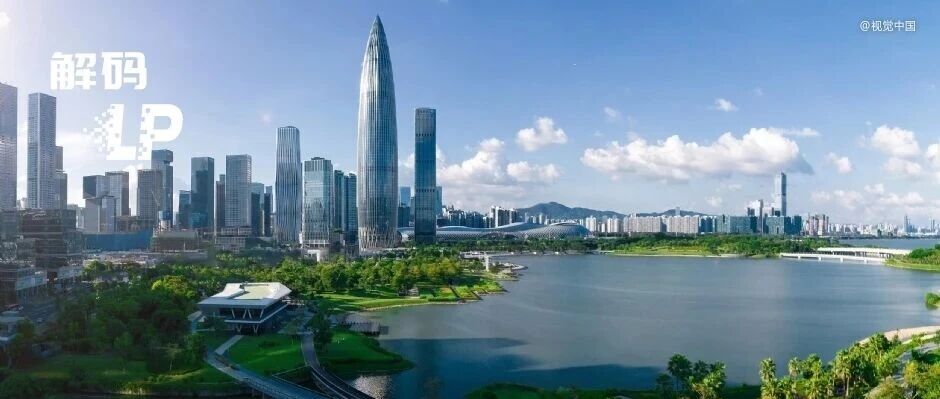
Core Insights - The article discusses the establishment of the "Guochuang Yinkechuang Fund" in Shenzhen, which has a registered capital of 18.9 billion RMB, highlighting the significant involvement of state-owned enterprises and government-backed funds in the investment landscape [5][6][7]. Fund Overview - The Guochuang Yinkechuang Fund was officially registered on December 15, 2025, with a total capital of 18.9 billion RMB, located in the Qianhai Shenzhen-Hong Kong Cooperation Zone [6]. - The fund is managed by Shenzhen Guochuang Investment Co., Ltd., which is wholly owned by the Shenzhen Guiding Fund Investment Co., Ltd. [6]. - Major contributors include Shenzhen Guiding Fund (12.8 billion RMB, 67.72%), Huitong Financial Holdings (3 billion RMB, 15.87%), and Qianhai Financial Holdings (2 billion RMB, 10.58%) [6][7]. Investment Landscape - Since 2015, Shenzhen has established government investment funds exceeding 150 billion RMB, creating 13 guiding funds that have mobilized nearly 500 billion RMB in capital [7]. - The total scale of state-owned funds in Shenzhen exceeds 7 trillion RMB, with over 500 funds targeting strategic emerging industries and future industries, accounting for over 90% of the investment [7]. Future Goals - Shenzhen aims to form a "dual ten-thousand" structure by the end of 2026, targeting a trillion-level "20+8" industrial fund group and over 10,000 registered equity investment and venture capital funds [8]. Economic Development Initiatives - Shenzhen's government has outlined nine key areas for economic work in 2026, focusing on nurturing new growth drivers, enhancing the integration of technology and industry, and optimizing traditional industries [9]. - The Shenzhen Municipal Financial Office has proposed measures to support the reform of the Growth Enterprise Market and promote venture capital activities [9]. Talent Attraction Strategies - Shenzhen has introduced various measures to attract young talent, including free accommodation for recent graduates, transitional housing at 60% of market rates, and entrepreneurial subsidies up to 30,000 RMB [9][10]. - Financial incentives for talent settlement include up to 100,000 RMB for PhDs, 50,000 RMB for master's degree holders, and 30,000 RMB for bachelor's degree holders [10]. Startup Ecosystem - The article highlights the vibrant startup ecosystem in Shenzhen, with notable companies like Ying Shi Innovation and Tuo Zhu Technology emerging from the region [10][11]. - The presence of a robust supply chain has attracted numerous investors to Shenzhen, particularly in the AI hardware sector [11].
中国下一批千亿公司
投资界· 2025-12-17 03:08
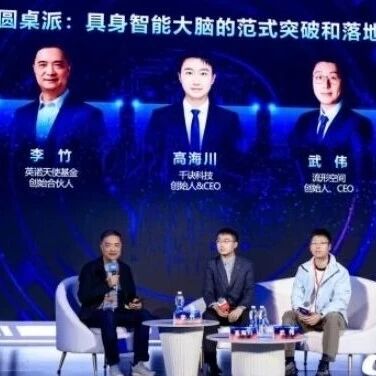
Core Viewpoint - The article discusses the advancements and potential of embodied intelligence, particularly focusing on the development of a "brain" for robots that can adapt and learn across various forms and tasks, highlighting the contributions of companies like Qianjue Technology and Liufeng Space [2][3][4]. Group 1: Embodied Intelligence Development - Embodied intelligence has emerged as a hot investment area, with significant advancements in creating "small brains" but challenges remain in developing a comprehensive "big brain" [3][4]. - Recent scientific research indicates substantial potential for embodied intelligence, although the foundational paradigms are still evolving [4]. - Qianjue Technology aims to create a "brain in a jar" that can be utilized by various robot forms, with plans to connect 100,000 devices to its system by next year [4][5]. Group 2: Technical Approaches - Qianjue Technology employs a decoupled approach to brain modeling, allowing for independent optimization and evolution of different brain regions, which enhances efficiency [5][14]. - Liufeng Space focuses on building world models that drive embodied brains, utilizing real-time interactive space generation technology [6][11]. - The two companies represent different paths in the development of embodied intelligence, with Qianjue emphasizing brain-like structures and Liufeng leveraging world models for practical applications [8][10]. Group 3: Data and Training - Data scarcity is a significant challenge in training embodied intelligence systems, with Qianjue Technology achieving multiple generations of pre-training, which is rare in the industry [14][17]. - Liufeng Space believes that good robot data should be treated as an asset, emphasizing the importance of diverse and abundant data for effective training [12][17]. - Both companies recognize the need for extensive data to achieve effective pre-training, with estimates suggesting that a billion clips may be necessary for comprehensive training [26][27]. Group 4: Future Outlook - The timeline for achieving a mature embodied brain technology is optimistic, with both companies suggesting that significant advancements could occur within two years [26][27]. - The potential for embodied intelligence to surpass language models is highlighted, with expectations for the emergence of numerous billion-dollar companies in this sector [27].
沐曦3000亿,投资人迎来超级回报
投资界· 2025-12-17 03:08
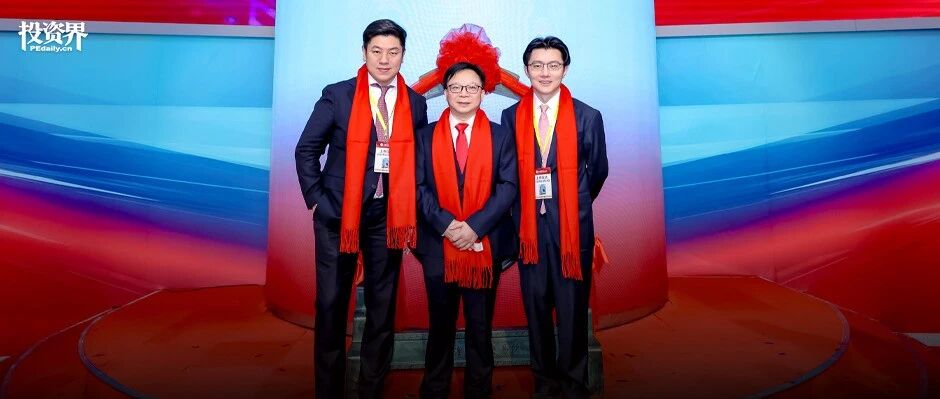
Core Viewpoint - The successful IPO of Muxi Integrated Circuit (Shanghai) Co., Ltd. on the STAR Market marks a significant milestone for domestic GPU manufacturers, with a market capitalization exceeding 300 billion yuan shortly after listing [2][3]. Company Overview - Muxi was founded in 2020 by Chen Weiliang, who has a strong technical background from AMD, along with partners Peng Li and Yang Jian, aiming to create a self-sufficient GPU ecosystem in China [3][6]. - The company has developed a range of products, including the Xisi N series GPU for AI computing and the Xiyun C series GPU for general computing, with a focus on breaking reliance on foreign technology [6][7]. Investment Journey - Muxi's funding journey began with nearly 100 million yuan in angel financing shortly after its establishment, attracting numerous investors including Sequoia China and ZhenFund [8][9]. - Despite facing challenges in 2022 due to competition and market conditions, Muxi secured significant investments based on its technological capabilities and team experience, leading to a pre-IPO valuation exceeding 15.88 billion yuan [9][10]. Market Context - The Chinese GPU market is projected to grow from 38.5 billion yuan in 2020 to 163.8 billion yuan by 2024, with a significant shift towards domestic suppliers expected by 2027 [9][10]. - Muxi's growth reflects a broader trend of increasing domestic capabilities in high-performance computing, with the company positioned as a key player in this evolving landscape [6][7]. Team and Leadership - Chen Weiliang's leadership and experience in GPU design and commercialization have been pivotal in Muxi's rapid growth, with the company achieving a compound annual growth rate of 4074.52% in revenue over the past three years [7][8]. - The team’s extensive experience in the industry is seen as a critical factor in navigating the complexities of chip development and market entry [6][7]. Future Outlook - Muxi aims to reach profitability by 2026, with ongoing product development and market expansion strategies in place [7][8]. - The company’s successful IPO is viewed as a validation of its long-term vision and the potential for further growth in the domestic GPU market [2][3].
印度CEO正被欧美「清算」
投资界· 2025-12-17 03:08
Core Insights - The article discusses the rising influence of Indian-origin executives in major global companies, highlighting that approximately 10% of CEOs in the Fortune 500 are of Indian descent, with over 60% of the top 300 global companies employing Indian executives [1][2]. Group 1: Education and Background - The Hyderabad Public School is identified as a significant contributor to the success of Indian executives, producing numerous leaders for multinational corporations like Microsoft and Adobe [3][4]. - The school emphasizes leadership education over mere academic performance, aiming to cultivate leaders across various fields [3][4]. - The tuition fees for the Hyderabad Public School range from 171,000 to 225,000 Indian Rupees (approximately 13,000 to 17,000 RMB), indicating that it primarily serves middle-class and affluent families [5][6]. Group 2: Networking and Mentorship - A strong alumni network plays a crucial role in the career advancement of Indian executives, providing support and opportunities for collaboration [6][9]. - The "mentor system," referred to as "passing the torch," is prevalent among Indian executives, where established leaders help guide and promote younger Indian professionals within organizations [9][10]. - Organizations like TiE have institutionalized this mentorship model, requiring successful members to mentor newcomers, thereby fostering a supportive community [10]. Group 3: Cultural Dynamics and Challenges - The close-knit nature of the Indian professional community in the U.S. has led to perceptions of exclusivity, causing discomfort among non-Indian colleagues [11]. - Criticism has emerged regarding the effectiveness of Indian executives, with some suggesting that their ability to present well may overshadow actual performance [12][13]. - Recent trends indicate a divide, where new Indian executives are rising while older ones face layoffs, suggesting a shift in the expectations of leadership effectiveness in the evolving business landscape [13].

“寒武纪卖早了”
投资界· 2025-12-16 07:52
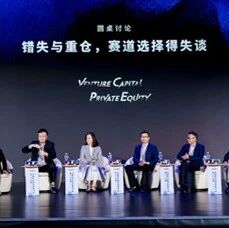
Core Insights - The article discusses the annual venture capital conference in Shenzhen, focusing on the theme of "missed opportunities and heavy investments" in the context of investment strategies and industry shifts in China [2][3]. Group 1: Investment Institutions Overview - Tang Capital, founded in 2019, focuses on hard technology, particularly in electronic information, advanced manufacturing, and new materials, managing over 3 billion [3]. - Huakong Fund, established in 2007, has over 10 billion under management, emphasizing hard technology sectors such as advanced manufacturing and AI [4]. - Huaying Capital, founded in 2008, has invested in over 280 companies, with over 50% of investments related to AI [4]. - Guozhong Capital, established in 2015, manages 16 billion across multiple funds, focusing on supporting small and medium-sized enterprises [5]. - Lenovo Star, since 2008, has invested in over 400 companies, primarily in technology and healthcare [6]. - Linghang New Frontier, founded in 2019, manages approximately 2.8 billion, focusing on smart technology and biomedical sectors [7]. - Tiantang Silicon Valley, established in 2000, has invested in over 230 projects, with over 50% achieving exits, focusing on technology and healthcare [8]. Group 2: Investment Strategies and Shifts - Investment strategies have evolved due to industry cycles, with institutions adjusting their focus based on market conditions and technological advancements [9][16]. - Huaying Capital's investment methodology adapts to different stages of technology development, focusing on disruptive technologies and market leadership [12]. - Institutions like Tang Capital and Huakong Fund emphasize AI and advanced technologies as key future investment areas, reflecting a shift towards more innovative sectors [29][30]. - Guozhong Capital aligns its investment strategy with national development plans, focusing on emerging industries as outlined in the "14th Five-Year Plan" [19]. Group 3: Missed Opportunities and Lessons Learned - Many institutions shared experiences of missed opportunities in sectors like quantum computing and commercial aerospace, highlighting the importance of timely decision-making [25][27]. - The article emphasizes the need for continuous learning and adaptation in investment strategies to avoid missing out on emerging trends [26][28]. - Institutions reflect on past mistakes, such as underestimating the potential of the solar energy sector, which has since become a leading industry [26]. Group 4: Future Focus Areas - Future investment focus areas include AI, embodied intelligence, and commercial aerospace, with expectations for significant growth in these sectors [29][30]. - Institutions are also looking at advanced materials and renewable energy as key investment opportunities over the next five years [32][33].