芯世相

Search documents
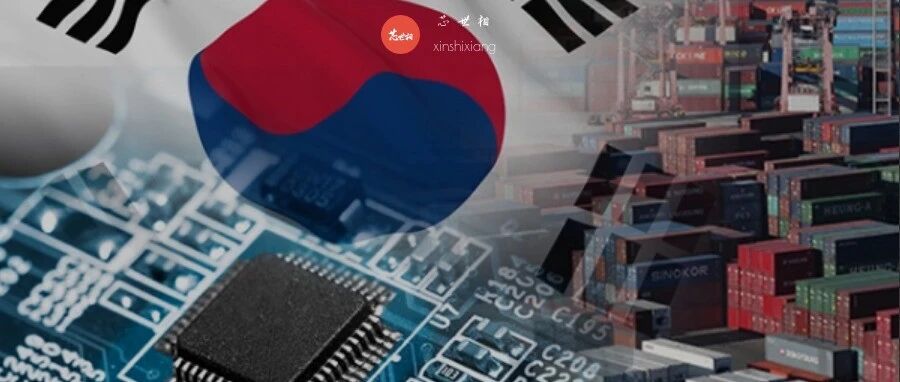
搞垮日本芯片产业40年后,美国又盯上了韩国
芯世相· 2025-09-06 01:06
Core Viewpoint - The article discusses the historical and current challenges faced by the South Korean semiconductor industry, drawing parallels with Japan's past struggles and highlighting the impact of U.S. policies on technological independence and market dynamics [5][20]. Group 1: Historical Context - The U.S.-Japan Plaza Accord in 1985 marked the decline of Japan's semiconductor dominance, which is now mirrored by South Korea's current predicament [5][9]. - Japan's semiconductor industry, once a leader, saw its global market share plummet from over 48% in the 1980s to less than 10% by 1995 due to U.S. trade measures [12][13]. - South Korea's semiconductor industry, supported by U.S. technology, grew rapidly, capturing over 30% of the global DRAM market by the mid-1990s [13]. Group 2: Current Challenges - The U.S. has tightened regulations on South Korean companies, requiring individual licenses for importing American semiconductor equipment, which has created significant operational challenges [5][20]. - South Korea's semiconductor market holds approximately 14% of the global share, with over 50% in DRAM and NAND flash sectors, but faces risks of losing this position due to U.S. restrictions [24][27]. - The reliance on U.S. technology and equipment is critical, with over 70% of the technology used in South Korean semiconductor production coming from American firms [27]. Group 3: Future Outlook - The article suggests that South Korea's semiconductor industry must develop a stronger sense of independence and innovation to break free from historical cycles of dependency [23][32]. - Comparatively, while Japan has pivoted to become a major supplier of semiconductor materials, South Korea lacks similar advantages and must navigate its position carefully amid U.S.-China tensions [24][27]. - The rise of China's semiconductor capabilities poses a new challenge, as evidenced by advancements in domestic technology and production capabilities [31][32].


7份料单更新!出售ST、英飞凌、Yuasa等芯片
芯世相· 2025-09-05 06:20
Core Insights - The article discusses the challenges of managing excess inventory in the semiconductor industry, highlighting the financial burden of storage and capital costs associated with unsold materials [1] - It emphasizes the services provided by Chip Superman, which has served 20,000 users and offers rapid transaction completion for inventory clearance [2][9] Group 1: Inventory Management - Excess inventory of 100,000 units incurs monthly storage and capital costs of at least 5,000, leading to a potential loss of 30,000 after six months [1] - Chip Superman offers a platform for companies struggling to sell excess inventory, promoting discounted sales and quick transactions [2][10] Group 2: Product Offerings - Chip Superman lists various electronic components for sale, including significant quantities of ST brand products from different years, indicating a diverse inventory [5][6] - The company has a total of over 50 million chips in stock, with a valuation exceeding 100 million, showcasing its extensive inventory capabilities [8] Group 3: Market Demand - There is a demand for specific components, with requests for large quantities of certain models, indicating ongoing needs in the market [7] - The article suggests that companies can benefit from utilizing Chip Superman's services to manage their inventory effectively and meet market demands [10]


拆解起亚和现代的ECU:给你讲解每颗芯片的具体作用
芯世相· 2025-09-05 06:20
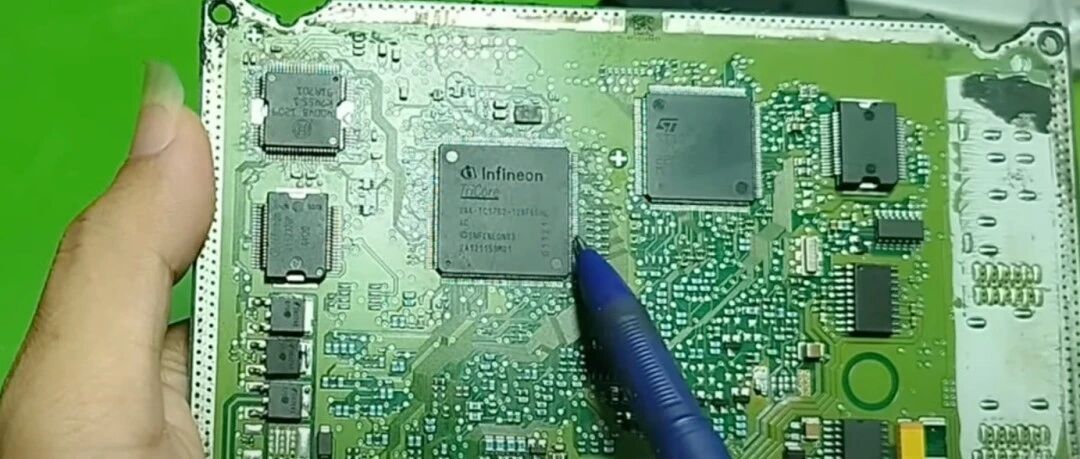
Core Viewpoint - The article provides an in-depth analysis of the components within an Engine Control Unit (ECU), detailing the functions and importance of various integrated circuits and components used in modern automotive systems [5][8][11]. Group 1: Main Control MCU - The main control MCU in the ECU is the Infineon TC17xx series, specifically the SAK-TC1762-128F66HLAC, which processes all data related to engine operation and other vehicle control systems [8]. - It has five primary functions: reading sensor signals, processing data through control algorithms, sending control signals to actuators, managing communication networks (CAN/LIN), and performing fault monitoring [11]. Group 2: Additional MCUs - Another MCU present is the ST10F275-CFG, which also collects sensor signals and processes them for engine and transmission control [14]. - This MCU operates independently to enhance reliability and efficiency in controlling both the engine and transmission systems [14]. Group 3: Power Integrated Circuits - The Bosch 30639 integrated circuit is a smart power IC that controls various vehicle actuators, including fuel injectors and EGR valves, and is designed to withstand harsh engine conditions [15]. - Another driver IC, model 40048, acts as an interface between the main MCU and external signals, converting analog signals to digital for processing [19]. Group 4: Low-Side Power Output Drivers - The Infineon TLE6232GP is a low-side power output driver used for controlling smaller load components like fuel pump relays and cooling fan relays [21]. - This driver enhances system stability and provides effective protection for the MCU by managing smaller load outputs [21]. Group 5: Auxiliary Components - Various capacitors, including filter capacitors, are used for noise filtering and voltage stabilization within the ECU [39][41]. - Diodes play a crucial role in reverse polarity protection and voltage spike absorption, ensuring the safety of integrated circuits [41]. Group 6: Comparison of Different ECUs - The article compares ECUs from vehicles with automatic and manual transmissions, noting that the main difference lies in the absence of transmission control components in manual transmission ECUs [56]. - Despite the differences, the fundamental components and their functions remain similar across different types of ECUs, emphasizing the importance of understanding each component's role [61].
安徽首富,又去IPO敲钟了
芯世相· 2025-09-05 06:20
Core Viewpoint - The article discusses the rise of Chinese renewable energy companies, particularly focusing on Sungrow Power Supply Co., Ltd., which is planning to list its H-shares in Hong Kong, reflecting the broader trend of Chinese renewable energy firms expanding globally [5][11]. Group 1: Company Overview - Sungrow Power, founded by Cao Renxian, has grown into a company with a market capitalization exceeding 200 billion RMB, specializing in photovoltaic inverters and expanding into various renewable energy sectors [5][8]. - The company achieved significant milestones, including being the first in China to develop a photovoltaic inverter with complete independent intellectual property rights in 2003 and successfully listing on the Shenzhen Stock Exchange in 2011 [8][11]. Group 2: Financial Performance - In the first half of the year, Sungrow Power reported a revenue of 43.53 billion RMB, a year-on-year increase of 40.34%, and a net profit of 7.73 billion RMB, up 55.97% from the previous year [11][12]. - The company's storage business revenue surpassed that of photovoltaic inverters for the first time, with storage systems generating 17.80 billion RMB, accounting for approximately 40.89% of total revenue [13]. Group 3: Market Expansion - Sungrow Power's overseas revenue reached 25.38 billion RMB, a significant increase of 88.32% year-on-year, making up 58.3% of total revenue [13]. - The company aims to enhance its global strategy through its Hong Kong IPO, seeking to improve its international brand image and diversify its financing channels [13][16]. Group 4: Industry Trends - The article highlights a broader trend of Chinese renewable energy companies going public in Hong Kong, with several firms like CATL and JinkoSolar also pursuing dual listings to attract international investors [16][17]. - China's renewable energy sector is experiencing rapid growth, with wind turbine exports increasing by 71.9% and solar product exports exceeding 200 billion RMB for four consecutive years [16].

行情、变现、外贸…近百名芯片人聚在一起,都聊了啥?
芯世相· 2025-09-04 12:31
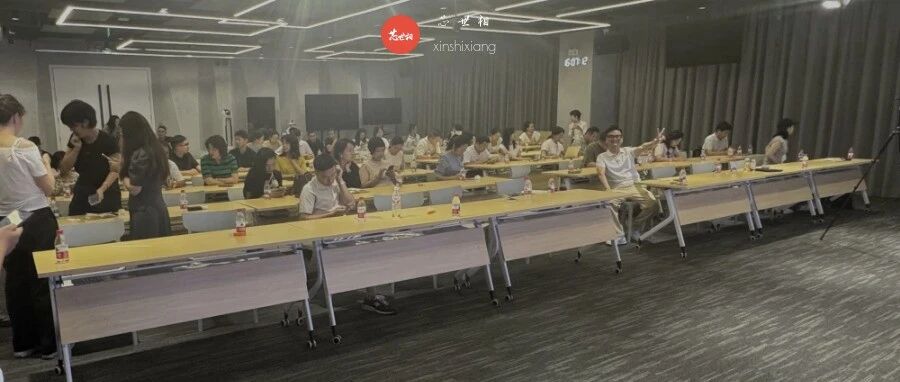
Core Insights - The article discusses the successful offline salon event of the Chip Distribution Club 2.0 held in Shenzhen, highlighting the enthusiastic participation and interaction among attendees [1][3]. Industry Overview - The article provides an analysis of the chip market outlook for 2025, noting significant price increases in TI and memory chips, as well as a recovery in performance from major manufacturers and distributors [4]. - It mentions that the chip distribution industry experienced a strong performance in early 2023, with some distributors reporting a doubling of sales, but faced a slowdown in June before showing signs of recovery in late July [4]. Flow Management and Monetization - The article emphasizes common misconceptions in generating traffic, stating that building trust within a targeted audience is essential for reducing customer acquisition costs and improving conversion rates [5]. - It discusses the importance of focusing on high-probability business opportunities rather than engaging with low-probability inquiries, providing practical methods for managing customer flow and conversion [6]. Entrepreneurial Insights - The article features a personal story from the CEO of CaiXin, who transitioned from various chip distribution models to developing software that enhances supply chain efficiency, ultimately addressing counterfeit issues in the industry [6][8]. - It highlights the significance of offline networking for expanding foreign trade opportunities, suggesting that while online methods are useful, substantial growth relies on face-to-face interactions [7][8]. Club Activities and Offerings - The Chip Distribution Club 2.0 offers monthly offline salons and small-scale gatherings for members to share insights and foster business relationships, with a focus on practical industry topics [10][12]. - The club has attracted over 5,491 members, who have collectively completed 19,038 hours of learning, with more than 70% of members successfully closing deals within the community [9][10]. Educational Resources - The club provides a comprehensive curriculum on chip distribution, including courses on market trends, customer relationship management, and industry-specific challenges, aimed at enhancing members' knowledge and skills [14][25]. - Members have access to exclusive market intelligence and insights, allowing them to stay ahead of industry trends and make informed business decisions [13][22].
9份料单更新!出售ST、微芯、Skyworks等芯片
芯世相· 2025-09-04 12:31
Core Viewpoint - The article discusses the challenges and solutions related to excess inventory of electronic components, emphasizing the need for efficient inventory management and liquidation strategies to minimize financial losses. Group 1: Inventory Management Challenges - A significant amount of obsolete inventory, specifically 100,000 units, incurs monthly storage and capital costs of at least 5,000, leading to a potential loss of 30,000 over six months if not addressed [1] - Companies are struggling with how to handle excess materials that cannot be sold or are difficult to find buyers for [1] Group 2: Sales and Inventory Solutions - "Chip Superman" has served a total of 20,000 users and offers discounted sales to clear inventory, promising transaction completion in as little as half a day [2][10] - The company has a smart warehouse covering 1,600 square meters, with over 1,000 models and a total of 50 million chips in stock, valued at over 100 million [9] - The company also operates an independent laboratory in Shenzhen, ensuring quality control for each component [9] Group 3: Product Listings - A variety of electronic components are listed for sale, including models from brands like ST, Microchip, and TI, with quantities ranging from 60 to 170,000 units [6][7] - There is also a request for specific components, indicating ongoing demand for certain models [8]



8份料单更新!出售NXP、ST、海力士等芯片
芯世相· 2025-09-03 07:54
Group 1 - The company "Chip Superman" operates a 1600 square meter intelligent chip storage base with over 1000 stock models and more than 100 brands, holding a total of 50 million chips valued at over 100 million [1] - The company has an independent laboratory in Shenzhen where each material undergoes QC inspection [1] Group 2 - The company is offering discounted sales on various advantageous materials, including a range of NXP and ST products with quantities and years specified [2] - Specific models available for sale include NXP LPC2214FBD144/01,5 (120 units, 2017) and ST STM32F401CBU6 (4680 units) among others [2] Group 3 - The company is actively seeking to purchase specific components, including ST STM32F051K6U7 (80K units) and SKYWORKS SE5004L-R (20K units) [3] - Additional sought-after components include ST LIS3MDLTR (80K units) and TI TLV9051IDBVR (180K units) [4] Group 4 - The company has served a cumulative total of 20,000 users and can complete transactions within half a day [4] - The company promotes a mini-program for factory surplus materials, indicating a focus on inventory management and sales [5]

32亿!这家国产模拟芯片公司,想要豪购同行
芯世相· 2025-09-03 07:54
Core Viewpoint - The article discusses the aggressive acquisition strategy of the domestic analog chip manufacturer, Jingfeng Mingyuan, which plans to acquire the loss-making wireless charging chip company, Yichong Technology, for 3.283 billion RMB (approximately 457 million USD), representing a premium of 260% over its market value. This move is part of Jingfeng Mingyuan's broader strategy to expand its product portfolio and enhance competitiveness despite facing financial losses in recent years [3][20]. Group 1: Acquisition Strategy - Since its establishment in 2008, Jingfeng Mingyuan has been actively pursuing acquisitions, with four notable deals since 2020, including the planned acquisition of Yichong Technology [4][5]. - The acquisition amounts have increased significantly over the years, indicating a growing ambition to strengthen the company's market position [5][6]. - The founder, Hu Liqiang, has emphasized that acquisitions are essential for growth and will continue to be pursued based on strategic needs [5][6]. Group 2: Financial Performance - Jingfeng Mingyuan has faced financial challenges, reporting net losses of 206 million RMB, 91 million RMB, and 33 million RMB from 2022 to 2024, respectively [21][22]. - Despite the losses, the company achieved a revenue of 1.503 billion RMB in 2024, a year-on-year increase of 15.38%, although it still reported a net loss [22][23]. - The company's R&D expenses increased significantly, reaching 400 million RMB in 2024, which contributed to the ongoing losses [22][23]. Group 3: Market Position and Challenges - Jingfeng Mingyuan's revenue from LED lighting driver chips decreased from 72.3% in 2023 to 57.76% in 2024, reflecting increased competition and price declines in the market [18][19]. - The company is diversifying into AC/DC power chips and motor control chips, which are seen as new growth areas, with AC/DC revenue increasing by 39.64% in 2024 [18][19]. - The competitive landscape in the analog chip industry is intensifying, with many companies pursuing similar acquisition strategies to enhance their product offerings [29].


拆解价值1000美元的特斯拉第四代驱动单元:用了什么芯片?
芯世相· 2025-09-02 06:49
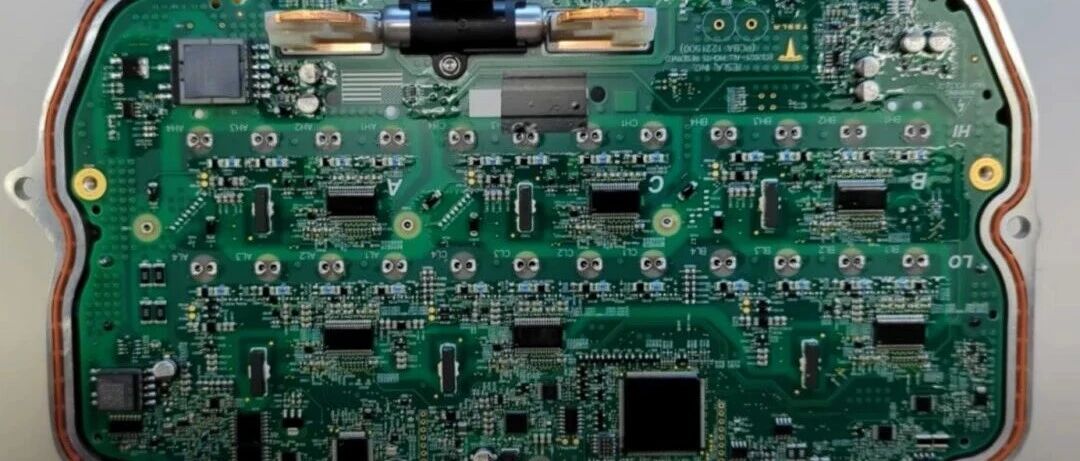
Core Viewpoint - The article provides an in-depth analysis of Tesla's fourth-generation drive unit, highlighting its evolution from the previous model with significant optimizations in design, cost reduction, and performance improvements [5][19]. Overall Structure and Layout - The fourth-generation drive unit maintains a similar overall layout to its predecessor but features comprehensive optimizations for a more compact design. Key components include the inverter, cooling system, oil pump, heat exchanger, gearbox, and motor [5]. Key Component Analysis - The inverter design is now more compact and regular, utilizing integrated casting and a new cooling component connected through innovative friction stir welding technology, optimizing material and fastener usage [10]. - The motor layout is similar to the previous version but has been optimized for weight reduction. The stator now features a new hairpin design, enhancing efficiency and reducing production costs by automating the manufacturing process [10]. - The drive unit includes a permanent oil filter integrated into the housing, designed to last the vehicle's entire lifecycle without replacement, filtering out wear debris and manufacturing impurities [10]. Inverter Circuit Board and Safety Features - The inverter's PCB design has been significantly optimized for compactness, introducing a thermal disconnect device for rapid fault response and a 10,000-amp interrupting current fuse for immediate load handling [14]. - The core control chip remains the Texas Instruments TMS320 dual-core DSP, with the addition of a custom chip for safety functions. New infrared sensors are employed for non-contact temperature detection, improving upon previous contact-based methods [14][18]. Summary of Innovations - The fourth-generation drive unit represents a significant evolution from its predecessor, achieving a more compact structure and lower production costs while enhancing performance and reliability. Innovations such as the hairpin stator, improved cooling system connections, and new temperature detection methods reflect Tesla's ongoing exploration and advancement in electric drive technology [19].

7份料单更新!出售nexperia、molex、TI等芯片
芯世相· 2025-09-02 06:49
Core Insights - The article highlights the capabilities and inventory of Chip Superman, which operates a 1,600 square meter smart warehouse with over 1,000 stock models and a total inventory of 50 million chips valued at over 100 million [1] Group 1: Inventory and Offerings - Chip Superman has a diverse inventory with over 100 brands and a total weight of 10 tons [1] - The company is actively seeking to purchase specific chip models, indicating a demand for components such as STM32F051K6U7 and TLV9051IDBVR in large quantities [2] - There are special offers on advantageous materials, including various models from brands like Infineon and Nexperia, with quantities ranging from 240 to 72,500 [3][4] Group 2: Customer Engagement and Services - Chip Superman has served 20,000 users and offers quick transaction completion, often within half a day [5] - The company encourages users to explore its platform for factory surplus materials, indicating a focus on facilitating sales and inventory turnover [7]