BambooWorks

Search documents
新闻概要:京东物流发力扩展,收入与利润齐增
BambooWorks· 2025-08-16 11:31
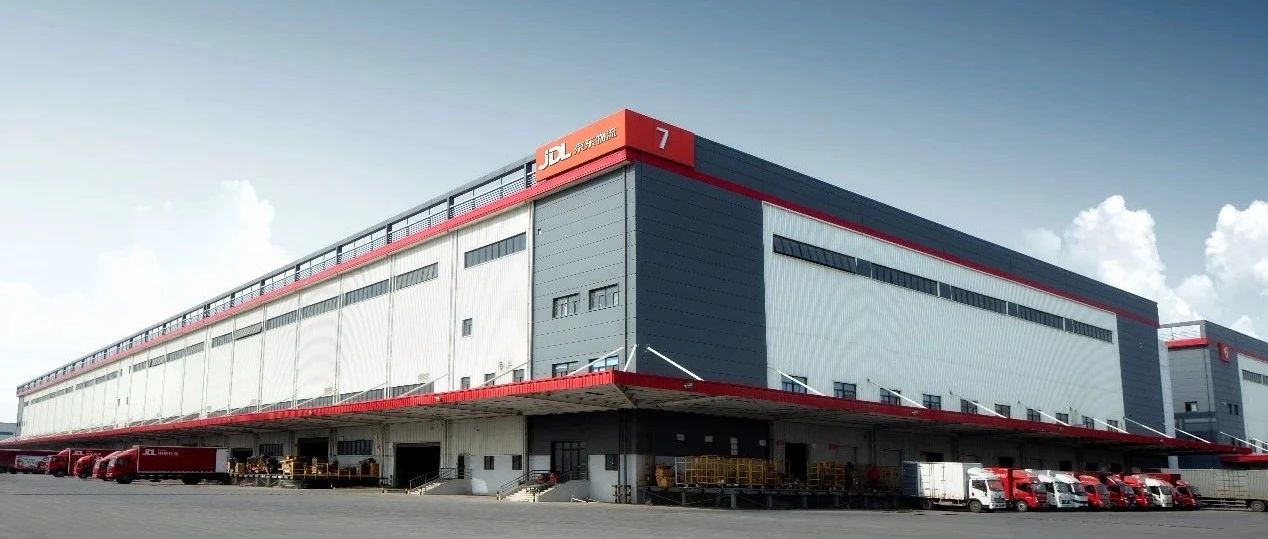
Core Viewpoint - JD Logistics has demonstrated strong growth in its integrated supply chain solutions, with significant revenue increases and improved profitability in the first half of 2025, driven by market expansion and efficiency optimization [1][3]. Group 1: Financial Performance - In the first half of 2025, JD Logistics reported a revenue increase of 14.1% year-on-year, reaching 98.5 billion yuan (approximately 13.7 billion USD) [1]. - The integrated supply chain (ISC) solutions business generated 50.1 billion yuan, accounting for over half of total revenue, with a year-on-year growth of 19.9% [1]. - Non-IFRS profit for the first half was 3.3 billion yuan, reflecting a 7.1% increase, primarily due to improved resource utilization efficiency [3]. Group 2: Customer and Market Expansion - The number of external ISC customers grew to 73,713, marking a 14.5% increase, with an average revenue per external customer of approximately 239,000 yuan [1]. - In Q2, JD Logistics achieved a revenue of 51.6 billion yuan, contributing about 15% to JD Group's total revenue, with a year-on-year growth of 16.6% [3]. Group 3: Operational Developments - The company has expanded its self-operated warehouses in various countries, including the US, UK, Saudi Arabia, South Korea, and Vietnam, enhancing its global logistics services [4]. - JD Logistics has launched its self-operated B2C express service, JoyExpress, in Saudi Arabia, offering last-mile delivery with same-day or next-day service [3]. - The deployment of the "Smart Wolf" automated warehousing solution aims to enhance order fulfillment efficiency and reduce manual operations in the supply chain [4].

雅乐科技借中核游戏开新篇章
BambooWorks· 2025-08-14 23:37
Core Viewpoint - Yala Technology, a leading social media and gaming company in the Middle East and North Africa, is set to launch its first two core games this quarter, with plans for additional self-developed and licensed games by year-end, aiming to tap into the hardcore gaming market and drive revenue growth [2][3]. Group 1: Company Strategy and Developments - Yala Technology has been preparing for over a year to enter the hardcore gaming sector, targeting players willing to invest significantly in games [3]. - The company reported over 42.4 million monthly active users (MAU) as of June, leveraging its chat services and casual games to attract users [3]. - Yala plans to release two "match-3" style core games this quarter, with a focus on differentiated user segments, and a self-developed "rogue-lite" game in Q4 [6][7]. - The company is also collaborating with third-party developers to introduce games through licensing agreements, indicating initial success in this strategy [6]. Group 2: Financial Performance - Yala's revenue for the second quarter reached $84.6 million, a 4.1% increase from $81.2 million year-over-year, with casual games contributing significantly to this growth [6][7]. - The company experienced a 17% increase in casual game revenue, reaching $30.7 million, marking the highest growth since Q4 2023 [6]. - Net profit for the quarter grew by 16.4% to $36.5 million, with a net profit margin increase of 4.6 percentage points to 43.2% [7]. - Yala has initiated an aggressive share buyback program, having completed $41 million of its $50 million target for the year, which is seen as a key support for its recent stock price [7]. Group 3: Market Reaction and Valuation - Yala's stock price has more than doubled since March, reflecting investor optimism regarding its new core gaming strategy [2][5]. - Following the earnings report, the stock experienced a 4% decline, indicating investor anticipation for the upcoming core games [5]. - Despite the recent surge, Yala's American Depositary Shares (ADS) trade at a price-to-earnings (P/E) ratio of around 10, which is lower than comparable companies like Pinterest at 12 and NetEase at 19, suggesting potential for further stock price appreciation if new games perform well [5].


季度业绩平平无奇 大健云仓为何急升?
BambooWorks· 2025-08-12 03:05
Core Viewpoint - The stock price of GCT.US surged by 30% following the release of its latest earnings report, despite a slowdown in revenue growth and expectations of stagnation due to US-China trade tensions [1][3][4]. Financial Performance - GCT.US reported a modest revenue increase of 3.8% in Q2, significantly down from a 65% growth in the previous year, and anticipates near-zero growth for the upcoming quarter [2][3][7]. - The company's revenue rose from $311 million to $323 million year-over-year, but the average annual spending per active buyer decreased by 13% [8][9]. - The gross margin fell from 24.6% to 23.9% due to tariff disruptions, yet net profit increased by 28.1% to $34.6 million, attributed to reduced administrative expenses [9]. Market Position and Valuation - Despite the recent stock price increase, GCT.US maintains a low price-to-earnings ratio of 9.4, compared to 25 for EDA Group and significantly higher ratios for Salesforce and Shopify [6]. - The company is seen as a potential "Chinese Easter egg" stock, indicating it is undervalued relative to its peers [5][6]. Strategic Developments - GCT.US is expanding its market presence by diversifying its supplier base beyond China to include Vietnam and Malaysia, and is accelerating its entry into the European market [6][8]. - The company has made strategic acquisitions, such as the $85 million purchase of Noble House Furnishings, which is expected to enhance its product offerings and operational efficiency [9]. Future Outlook - GCT.US's management views Europe as a key growth engine, with expectations that it could match the scale of its US operations in the coming years [8].


简讯:锅圈从居家餐饮趋势中取增长
BambooWorks· 2025-08-05 07:49
Core Viewpoint - The company, Guoquan Food (Shanghai) Co., Ltd., reported a significant increase in revenue and net profit in the first half of the year, driven by the growing trend of home cooking among cost-conscious Chinese consumers [2]. Group 1: Financial Performance - The company's revenue rose by 22% year-on-year, from 2.67 billion yuan to 3.24 billion yuan (approximately 450 million USD) [2]. - Net profit surged by 123% year-on-year, reaching 190 million yuan [2]. Group 2: Expansion and Market Strategy - Guoquan Food accelerated the expansion of its home cooking ingredient retail network, focusing on price-sensitive lower-tier markets, with a total of 10,400 stores nationwide by the end of June [2]. - The company is actively exploring overseas market opportunities [2]. Group 3: Operational Efficiency - The company enhanced operational efficiency through increased automation and the establishment of centralized production centers [2]. - A 24-hour unmanned retail model was launched, allowing stores to operate automatically after staff hours, with over 2,000 stores already upgraded [2]. - Plans are in place to establish a production base in Danzhou, Hainan, to further expand regional coverage [2]. Group 4: Online Sales Development - To cater to the younger consumer demographic favoring online shopping, the company developed its online sales channels [2]. - The company's Douyin account matrix achieved over 3.2 billion exposures, leading to a more than 100% year-on-year increase in Douyin sales [2].

竞争加剧盈收下滑 传音拟赴港上市抗逆势
BambooWorks· 2025-08-01 08:32
Core Viewpoint - Transsion Holdings, a budget smartphone manufacturer listed on the Shanghai STAR Market, is reportedly considering a secondary listing in Hong Kong with a potential fundraising target of up to $1 billion [2][3]. Group 1: Company Overview - Transsion Holdings has rapidly risen by focusing on budget smartphones priced between $100 and $200, establishing a dominant position in the African market and ranking among the top five global smartphone manufacturers [3][5]. - The company has faced challenges due to increased competition from domestic smartphone manufacturers in Africa and setbacks in new market expansions [3][6]. Group 2: Financial Performance - The company's revenue growth was robust until the first half of last year, achieving a 38% year-on-year increase to 34.6 billion yuan, but it experienced a significant downturn in the second half, with an 8.3% decline [7]. - In the first quarter of this year, Transsion reported a 25.5% year-on-year drop in revenue to 13 billion yuan, down from 17.4 billion yuan in the same period last year, and a 70% decline in net profit to 497 million yuan [7]. - The gross margin decreased from 21.4% to 19.3%, while competitors like Xiaomi and Apple reported gross margins of 22.8% and 35.9%, respectively [7]. Group 3: Market Challenges - Transsion's market share in Africa fell from 52% to 47% in the first quarter, ending a seven-quarter growth streak, while Southeast Asia and the Middle East saw declines of 20% and 30% in shipment volumes, respectively [7][8]. - The company is shifting its strategy from "growth at all costs" to pursuing higher-margin products, which may improve its situation in the second half of the year [8]. Group 4: IPO Considerations - Despite its current challenges, Transsion is encouraged by the booming IPO market in Hong Kong, which has attracted many Chinese companies for secondary listings [5][8]. - The potential Hong Kong listing could provide a new investment channel for investors in the Chinese smartphone manufacturing sector, although the company may need to issue shares at a price lower than its STAR Market valuation to raise the targeted $1 billion [8].


商业化速度更快 小马智行暂领跑
BambooWorks· 2025-07-29 09:43
Core Insights - The article highlights the significant expansion of autonomous taxi services in Shanghai, with companies like Pony.ai, WeRide, and Baidu Apollo Go receiving operational licenses for key urban areas [1][2] - Since going public in the US, Pony.ai's stock has risen by 16%, while WeRide's market value has decreased by approximately one-third, indicating a divergence in investor sentiment [1][4] - The competition in the autonomous taxi sector is intensifying, with both companies racing to commercialize their core businesses before depleting their funds [1][5] Expansion of Services - The recent expansion allows autonomous taxi services to operate in the core areas of Huamu and Jinqiao, significantly increasing the service radius to within 3 kilometers of the Lujiazui financial district [2] - This move enhances the operational footprint of Pony.ai, WeRide, and Baidu Apollo Go across major cities like Beijing, Shanghai, Guangzhou, and Shenzhen [2] Business Development Strategies - Both Pony.ai and WeRide are actively disclosing business progress to maintain investor confidence, with WeRide releasing 27 announcements this year and Pony.ai 17 [4] - Despite their similar business models, the stock performance of the two companies has diverged significantly since their respective IPOs [4][5] Financial Performance - In Q1, Pony.ai reported revenues of $14 million, a 12% increase from the previous year, while WeRide's revenue was approximately $1.01 million, growing only 1.6% [5] - The revenue from autonomous taxi services for Pony.ai surged from $576,000 to $1.73 million, marking a twofold increase, while WeRide's taxi service revenue reached approximately $225,000, also doubling but from a lower base [5] Fleet Size and Market Position - As of March, WeRide operated 1,200 vehicles, while Pony.ai expects to have 1,000 vehicles by year-end, indicating a competitive fleet size [6] - Uber has adopted a dual investment strategy, investing $100 million in WeRide while also exploring potential acquisition of Pony.ai's US subsidiary, reflecting its interest in the Chinese market [6] Financial Health - Both companies are currently operating at a loss, with Pony.ai reporting a net loss of $37.4 million in Q1 but holding $739 million in cash and liquid investments, sufficient for 20 years of operation at the current loss rate [7] - WeRide reported a quarterly loss of approximately $5.5 million, with cash reserves of about $6.5 billion, enough to cover over 11 years of losses [7]


万物新生加码ESG承诺 制定减排目标
BambooWorks· 2025-07-23 02:18
Core Viewpoint - The company, 万物新生, has ambitious goals for reducing emissions and expanding its recycling operations, positioning itself favorably in the ESG (Environmental, Social, and Governance) space, with a focus on sustainability and environmental protection [1][5][6]. Group 1: Business Performance and Strategy - In the previous year, the company processed and sold over 35.3 million second-hand smartphones and other second-hand goods, with sales volume projected at 32.3 million for 2023, driving a revenue growth of 26% to reach 16.3 billion yuan (approximately 2.3 billion USD) in 2024 [1]. - The company has implemented a "multi-category" strategy since 2022, significantly increasing the number of multi-category recycling stores, which have more than doubled [1]. - The company has expanded its trade-in services to align with national policies encouraging consumption through subsidies and incentives [2]. Group 2: Environmental Impact and ESG Goals - The company aims to reduce Scope 1 and Scope 2 emissions by 35% from 2024 levels by 2030, and to halve Scope 3 emissions during the same period [5][6]. - The company processed 137,000 electronic devices in an environmentally friendly manner last year, reducing e-waste pollution by 21.9 tons [5]. - The company is committed to achieving carbon peak by 2030 and carbon neutrality within the following thirty years, aligning with national planning [6]. Group 3: Technological Advancements - Technology plays a crucial role in the company's operations, utilizing artificial intelligence to detect second-hand products, thereby streamlining operations and ensuring consistent results [4]. - The company has successfully reduced Scope 2 emissions intensity from 0.30 to 0.28, although it increased to 0.31 last year, indicating the need for continued efforts to maintain a downward trajectory [6]. Group 4: Market Position and Investor Sentiment - The company's stock price has increased by nearly 70% over the past year, although its price-to-sales ratio remains below 1, suggesting potential for investor optimism if environmental initiatives yield financial benefits [7].


奥克斯冲刺港交所 低价高增长存隐忧
BambooWorks· 2025-07-21 10:00
Core Viewpoint - Aux's revenue grew by 20% last year, leveraging a domestic low-price strategy and overseas OEM model to surpass competitors [1][6] Group 1: Company Overview - Aux Electric Co., Ltd. was founded by Zheng Jianjiang over thirty years ago, with the name "Aux" symbolizing resilience and determination [2] - The company has recently submitted updated listing documents to the Hong Kong Stock Exchange, marking a significant milestone in its dual listing journey [2][4] - Aux's previous attempts to list on the Beijing "New Third Board" and A-share market faced challenges, but it is now focusing on the Hong Kong market with a potential fundraising scale exceeding $100 million [4] Group 2: Pricing Strategy - Aux is known for its aggressive low-price strategy, which played a significant role in the early 2000s price wars in China's air conditioning market [5] - The company has consistently offered products at prices lower than competitors, with online average prices at 2,207 yuan, significantly below the industry average [5][6] - The current economic downturn has increased consumer price sensitivity, creating favorable conditions for Aux's low-price strategy [5] Group 3: Financial Performance - Aux's revenue reached 29.8 billion yuan (approximately $4.15 billion) last year, significantly lower than Haier's 401.6 billion yuan [6] - The company achieved a revenue growth rate of 20%, outperforming Haier's 8% and Midea's 9.4%, while Gree's revenue declined by 7% [6] - In Q1 of this year, Aux's revenue increased from 7.36 billion yuan to 9.35 billion yuan, a growth of 27% [6] Group 4: Profitability and Quality Concerns - Despite revenue growth, Aux's focus on low pricing has led to quality concerns, with past accusations regarding product efficiency standards [6] - Aux's gross margin stands at 19.2%, significantly lower than Haier's 23.87%, and much lower than Midea's and Gree's margins [6] - The company has seen steady profit growth, with Q1 net profit rising from 752 million yuan to 925 million yuan, a 23% year-on-year increase [6] Group 5: Future Strategies - For long-term development, Aux needs to focus on building its own brand and improving product quality rather than relying solely on price competition [7] - The company is encouraged to expand into the higher-margin central air conditioning market, which has a gross margin of 30.4% compared to 19.25% for household units [7] - Transitioning overseas business from OEM to building its own brand is crucial for achieving a balance between growth, profitability, and quality [7]

印度生产基地成形,伯恩光学会否重启IPO计划?
BambooWorks· 2025-07-15 02:07
Core Viewpoint - The article discusses the potential for Bern Optical, a glass supplier for smartphones, to restart its IPO plans in Hong Kong, driven by strong recent performance in the Hong Kong IPO market and the company's expansion efforts in India and Vietnam [1][3]. Group 1: IPO Market Performance - The year 2025 is projected to be one of the strongest years for IPOs in Hong Kong in the last decade, potentially dubbed the "Year of Glass" [3]. - A competitor of Bern Optical recently raised HKD 4.8 billion (USD 611 million) in Hong Kong, leading to speculation that Bern Optical may seek a higher amount for its IPO [3]. - Bern Optical's previous attempt to go public in Hong Kong was in 2022, with plans to raise up to USD 2 billion, significantly more than its competitor [3][9]. Group 2: Company Expansion and Strategy - Bern Optical is establishing a new production base in India and expanding in Vietnam to diversify its manufacturing footprint in response to customer demand [2]. - The company is a key supplier for Apple, Samsung, Honor, and Xiaomi, and its partnership with Apple is driving its entry into the Indian market [5][6]. - Apple currently produces about 20% of its iPhones in India and plans to increase this to one-third in the next two years, encouraging suppliers like Bern Optical to establish local production [6]. Group 3: Financial and Operational Insights - Bern Optical has a total investment of HKD 40 billion globally, with a combined annual production capacity of 1.85 billion units from its factories in China and Vietnam [6]. - The company is expected to generate approximately USD 1 billion in revenue from its joint venture in India over the first four to five years [7]. - As a non-listed company, Bern Optical's financial information is limited, but its revenue was approximately HKD 30 billion as of the fiscal year ending March 2021 [8]. Group 4: Competitive Landscape - Compared to its competitor, Lens Technology, which has most of its production in China, Bern Optical's move into India may provide a competitive advantage by better serving clients shifting production to India [7]. - Bern Optical's higher gross margins may allow it to achieve a valuation premium compared to competitors with lower profit margins [8]. Group 5: Market Context - The Hong Kong IPO market has seen a resurgence with 44 new listings and USD 13.6 billion raised, marking a return to the top of the global rankings [9]. - Bern Optical's potential IPO could enhance its international visibility and attract global investors, similar to other companies that have pursued dual listings [9].
Zepp股价大涨:华尔街迎来中概股复兴?
BambooWorks· 2025-07-10 09:45
Core Viewpoint - Zepp Health's stock price has more than doubled in the past two weeks, with a forecast of 30% revenue growth in Q2, marking the first year-on-year increase in three years [1][6] Group 1: Company Transformation - Zepp Health is transitioning from being a contract manufacturer for Xiaomi to developing its own brand, Amazfit, which is expected to drive growth [3][5] - The company has seen a significant decline in revenue due to its previous reliance on Xiaomi, but is now experiencing a recovery as it focuses on its own brand [5][6] Group 2: Market Dynamics - The cases of Zepp and New Oxygen reflect a shift in investor perception, recognizing that not all Chinese companies should be viewed with the same skepticism [4] - Despite recent stock price increases, Zepp's price-to-sales ratio remains low at 0.46, indicating potential for further upside compared to global competitors [4][5] Group 3: Financial Performance - In Q1, Zepp reported a slight revenue decline of 3.6% to $38.5 million, but anticipates a 30% revenue growth in Q2 [6] - The company is still operating at a loss, with a net loss of $19.7 million in Q1, although it is optimistic about future growth and margin improvements [6][7] Group 4: Product Development - The anticipated revenue growth is attributed to the successful launch of two new products, Amazfit Active 2 and Bip 6, which have received positive market feedback [6] - The company is addressing supply chain bottlenecks and aims to resolve these issues by the end of June [6]