BambooWorks

Search documents
简讯:安踏品牌上季零售额录得负增长
BambooWorks· 2026-01-21 09:31
Group 1 - Anta Sports Products Limited (2020.HK) reported a low single-digit negative growth in retail value for the Anta brand in Q4, but achieved a low single-digit positive growth in retail sales for the entire year [2] - The Fila brand recorded a mid single-digit positive growth in retail sales year-on-year for Q4 and also for the full year [2] - Other brand segments, including Descente and Kolon Sport, experienced a retail sales growth of 35% to 40% in Q4, with an annual growth of approximately 45% to 50% [2] Group 2 - Anta's stock opened lower on Wednesday, trading at HKD 77.80, down 5.75%, with a cumulative decline of over 16% in the past six months [3]


比格比萨趁势上市 自助模式能走多远?
BambooWorks· 2026-01-20 09:55
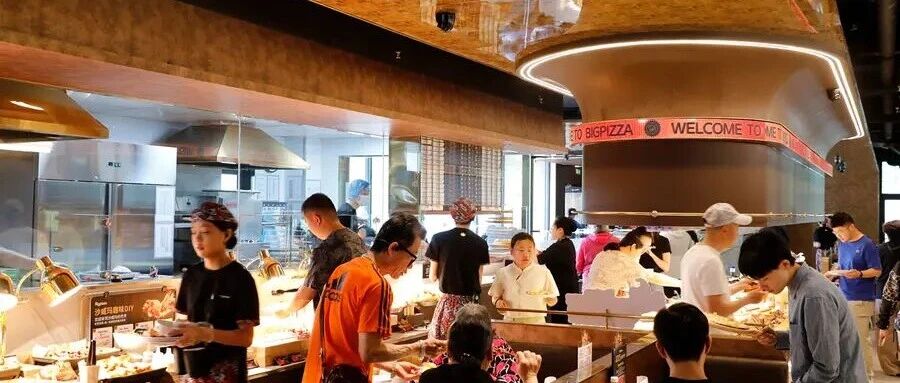
Core Viewpoint - Big Pizza, the third-largest pizza chain in China, is applying for a listing in Hong Kong, aiming to promote its successful business model to the capital market [2][3]. Group 1: Company Overview - Big Pizza is the largest domestic pizza chain in China, following international giants Pizza Hut and Domino's [2][3]. - The company has accelerated its expansion, with a more than 50% year-on-year increase in store count and double-digit same-store sales growth [2][3]. Group 2: Business Model and Strategy - The self-service model attracts customers seeking value for money, particularly appealing to those with larger appetites [3]. - Big Pizza emphasizes a self-operated store strategy, contrasting with many competitors that rely on franchise models for rapid growth [5]. - The company has implemented a localization strategy, being one of the first to introduce fruit pizzas, which aligns with Chinese dining culture that favors diverse flavors [5]. Group 3: Financial Performance - In the first nine months of last year, Big Pizza's revenue increased by 67% year-on-year, rising from 833 million yuan to 1.39 billion yuan [6][8]. - The company reported a profit growth of 59% to 51.6 million yuan during the same period, slightly outpacing the rate of store expansion [9]. - Approximately 85% of the company's revenue comes from self-operated stores, with the remainder from a smaller franchise business [6]. Group 4: Market Position and Competition - Big Pizza holds a market share of approximately 4.3%, significantly lower than Pizza Hut's 30.1% and Domino's 10.1% [8]. - The company's gross merchandise volume (GMV) surged by 59.2% year-on-year, outperforming competitors like Pizza Hut, which saw only a 0.8% increase, and Domino's at 25.3% [8]. - Despite a decline in average spending per customer, the foot traffic increased due to the pursuit of high value for money [8].
钱大妈门店趋饱和 走不出南方的困惑
BambooWorks· 2026-01-19 09:30
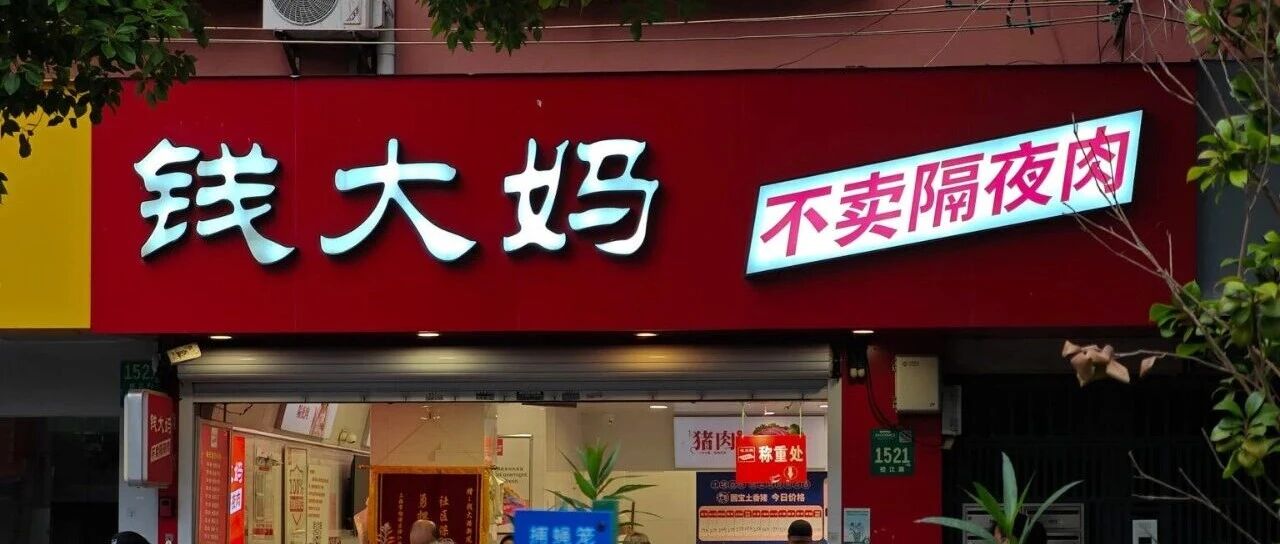
Core Viewpoint - Qian Dama, China's largest community fresh food chain, has applied for a listing in Hong Kong, marking a significant step towards entering the capital market [1][3]. Group 1: Company Overview - Qian Dama has nearly 3,000 stores as of September last year, with annual revenue exceeding 10 billion yuan [2][3]. - Founded by Feng Jisheng in 2012, Qian Dama started as a pork stall in Dongguan, focusing on high-quality meat and fresh produce with a promise of not selling overnight meat [3]. - The company adopted a "discount + daily clearance" model to ensure freshness, selling unsold products at discounted prices or donating them at night [3]. Group 2: Financial Performance - In the first nine months of last year, Qian Dama reported a revenue decline of 4.2% to 8.359 billion yuan, resulting in a loss of 288 million yuan due to fair value adjustments of redeemable convertible preferred shares [6]. - Adjusted profits increased, attributed to cost reductions, with sales and marketing expenses down 5.3% to 423 million yuan, and administrative expenses down 17% to 272 million yuan [7]. - The company's debt reached 2.686 billion yuan in 2023, projected to decrease to 2.45 billion yuan in 2024, with a significant reduction in debt by 30% to 1.73 billion yuan by September last year [7]. Group 3: Business Model and Challenges - Qian Dama relies heavily on a franchise model, with only 40 self-operated stores, generating over 90% of revenue from product sales to franchisees [8]. - The rapid expansion of stores has led to challenges, particularly in managing franchise operations effectively, resulting in a decline in store numbers from over 3,700 to 2,938 by September last year [10]. - The company faced difficulties in northern markets, leading to a retreat from Beijing due to differing consumer habits and high rental costs [9][10]. Group 4: Competitive Landscape - The fresh food market is becoming increasingly competitive, with rivals like Dingdong Maicai and Hema Fresh leveraging e-commerce models, while Qian Dama's community-based approach struggles with high operational costs [10]. - The future of Qian Dama hinges on its ability to utilize capital raised from the IPO to expand beyond southern China and re-establish its presence in northern markets [11].
新闻概要:瑞博生物强势进入港股生物技术快车道
BambooWorks· 2026-01-16 09:50
Core Viewpoint - Suzhou Rebio Biotech (6938.HK) has successfully listed on the Hong Kong Stock Exchange, marking the arrival of the first mRNA concept stock in the market and becoming a significant target for investors looking to enter the mRNA sector [1][3]. Group 1: IPO Details - Rebio's stock surged 42% on its debut, closing at HKD 82.10, with continued growth in the following week [3]. - The company issued 31.6 million shares at HKD 57.97 each, raising approximately HKD 1.7 billion (around USD 218 million) [3]. - The IPO attracted 11 cornerstone investors, including Taikang Life and Da Cheng International Asset Management, who collectively subscribed to 13.4 million shares, accounting for 42.5% of the total offering [3]. - The public offering was oversubscribed more than 100 times, with international investors oversubscribing by over 15 times [3]. Group 2: Product Pipeline and Collaborations - Rebio currently has seven self-developed drug assets in clinical trials targeting cardiovascular, metabolic, renal, and liver diseases [4]. - Among these, RBD4059 is the world's first siRNA drug for treating thrombotic diseases, while RBD5044 is the second siRNA drug in clinical development for treating hypertriglyceridemia [4]. - All products are still in clinical stages, with RBD4059 set to enter phase 2b trials and RBD5044 in phase 2 trials [4]. - Rebio has secured recognition and partnerships with several pharmaceutical companies, leading to significant revenue opportunities, including a collaboration with Qilu Pharmaceutical for the commercialization of RBD7022 and a partnership with Boehringer Ingelheim for innovative nucleic acid therapies, with a total collaboration value of up to USD 2 billion [4]. Group 3: Financial Projections - Rebio's revenue is projected to grow from nearly zero in 2023 to CNY 143 million (approximately USD 20.5 million) in 2024, with expectations to reach CNY 104 million in the first half of 2025 [5]. - The company reported a loss of CNY 97.8 million in the first half of 2025, an improvement compared to a loss of CNY 142 million in the same period of 2024 [5].

反垄断调查敲门 携程“舒适圈”到头
BambooWorks· 2026-01-16 09:50
Core Viewpoint - The recent antitrust investigation into Ctrip may force the company to terminate exclusive cooperation agreements and potentially divest its holdings in competitors, marking a significant regulatory action against market dominance in the online travel sector [1][4]. Group 1: Background and Market Position - Ctrip has been a leading player in the online travel industry since its NASDAQ listing in 2003, expanding aggressively through investments and acquisitions over the past decade, controlling over half of the market [2][4]. - The company has maintained a dominant position in the Chinese online travel market, with its hotel booking segment accounting for approximately 44% of its revenue in Q3 [4][8]. - Ctrip's market influence is further amplified by its stakes in major competitors, including a 48% stake in Qunar and a significant investment in Tuniu, which enhances its control over the market [7][8]. Group 2: Regulatory Investigation Details - The State Administration for Market Regulation (SAMR) has initiated an investigation into Ctrip for potential abuse of market dominance, focusing on its hotel booking business [4][5]. - Ctrip has been accused of requiring hotels to sign exclusive or restrictive agreements, leveraging its market power to secure favorable terms and limit competition [4][9]. - The investigation comes after previous antitrust actions against other major players like Alibaba and Meituan, raising questions about why Ctrip has only recently come under scrutiny despite being an early participant in such practices [5][6]. Group 3: Financial Impact and Future Outlook - Following the announcement of the investigation, Ctrip's stock price fell by 22% over four trading days, resulting in a market capitalization loss of approximately $9 billion [7]. - Despite the recent decline, Ctrip's stock has appreciated significantly since its IPO, with a current price of $61.30 reflecting a 54-fold increase from its adjusted IPO price [7]. - The online travel agency market in China was valued at approximately $105 billion last year, with a projected compound annual growth rate of about 15% over the next five years, in which Ctrip controls roughly one-third of the market [7][8]. - Anticipated regulatory outcomes may include substantial fines, potentially exceeding $1 billion, and mandated changes to Ctrip's business practices, which could disrupt its market position and lead to a more competitive landscape in the online travel sector [9].


专访:涂鸦智能以 AI 平台与核心能力加速布局全球消费市场
BambooWorks· 2026-01-15 10:21
Core Insights - The article discusses the launch of "Hey Tuya," an AI life assistant by Tuya Smart, marking its first consumer-facing product after 12 years of development in the IoT sector [1][2]. Group 1: Product Overview - "Hey Tuya" is designed to assist consumers with various daily tasks, including schedule management, to-do lists, health monitoring, and interaction with smart home devices [2]. - The product is currently in the testing phase and is expected to be officially launched later this year [2]. Group 2: Competitive Landscape - Tuya Smart claims that there are currently no direct competitors offering similar services, positioning itself as a unique value provider with an open platform for developers [3]. Group 3: Market Potential and Challenges - The penetration rate of smart home devices is relatively low, with only about 6%-7% of homes currently equipped, indicating significant growth potential [7]. - Key challenges include enhancing cross-device experiences and continuously identifying real user needs to match technological capabilities [7]. Group 4: Business Model - Tuya operates under three main business models: PaaS (Platform as a Service) for device manufacturers, solution business for emerging product categories, and SaaS (Software as a Service) for end-users [8]. - The company maintains a B2B2C structure, empowering device suppliers while also focusing on consumer insights to optimize product offerings [9]. Group 5: Future Outlook - Tuya anticipates that 2025 will be a foundational year for AI devices, with ongoing efforts to encourage developers to explore AI applications [9].


传安踏出手竞购彪马 布局全球一线运动品牌
BambooWorks· 2026-01-14 10:07
Core Viewpoint - Anta Sports has proposed to acquire a 29% stake in the German sports brand Puma from the Pinault family, which could significantly enhance its global expansion strategy if the deal is successful [2][3]. Group 1: Acquisition Details - Anta has approached the largest shareholder of Puma, the Pinault family, to purchase their 29% stake, which would further expand Anta's portfolio of international brands [2][4]. - The acquisition aligns with Anta's long-term strategy of expanding its brand portfolio through mergers and acquisitions, as evidenced by previous successful transactions [3][6]. - Anta's interest in Puma has been rumored since November last year, indicating a strategic move towards global brand acquisition [4][6]. Group 2: Financial and Market Context - Anta's recent acquisition of the outdoor brand Jack Wolfskin for $290 million and its previous acquisition of Amer Sports, valued at €4.6 billion (approximately $5.36 billion), demonstrate its capability in handling large-scale acquisitions [6][7]. - Currently, Anta's main revenue source is the Chinese market, with its core brands, Anta and Fila, contributing 81% of total revenue of 38.5 billion yuan (approximately $5.5 billion) [7]. - The acquisition of Puma could help Anta reduce its reliance on the Chinese market and mitigate domestic economic pressures, especially as Puma operates in over 120 countries [8]. Group 3: Challenges and Considerations - The acquisition may face challenges related to valuation and regulatory scrutiny, with Artemis reportedly seeking a price of at least €40 per share, representing a premium of over 70% [10]. - There are concerns regarding the willingness of Artemis to sell control of Puma to a Chinese company, especially in the context of rising geopolitical tensions [10][12]. - Despite Puma's current operational challenges, including a significant drop in stock price over the past five years, this may present an opportunity for Anta to acquire the stake at a relatively low price [9][10]. Group 4: Strategic Implications - If successful, the acquisition would accelerate Anta's global ambitions and provide valuable experience in managing multinational operations, which would otherwise take decades to develop independently [8][12]. - Anta's understanding of the Chinese market and its resources could help Puma regain competitiveness in a challenging market environment [12]. - The market's reaction to the acquisition news has been mixed, with Anta's stock price declining due to concerns over financial burdens, while Puma's stock price rose, reflecting investor optimism about the potential deal [12].

市场重科技轻消费 袁记云饺上不逢时?
BambooWorks· 2026-01-13 09:30
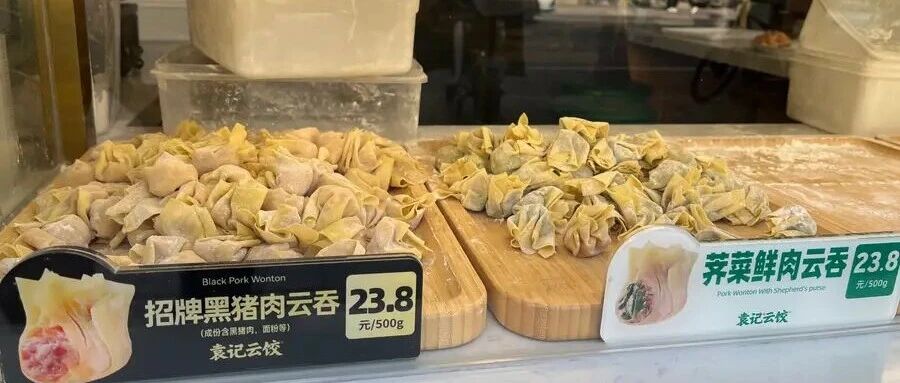
中国最大饺子连锁品牌袁记云饺赴港上市,但在消费股投资热度偏低的背景下,市场反应或趋审慎 ▶ 袁记云饺已向港交所递交上市申请,此前两年门店数量快速扩 张后,公司于2025年的收入增速明显放缓 ▶ 公司未来或可在冷冻饺子零售及海外市场拓展中,寻找新的增 长动能 Image Key takeaways: 如果说汉堡定义了西方的快餐文化,那么在中国,饺子无疑是最具代表性的日常速食之一。如今这个代表性的中式食品可能很快将出 现在资本市场,复制过往速食快餐在股市掀起的热潮。这或是 袁记 食品集团股份有限公司周一递交香港上市申请所欲达成的目标。 在 麦当劳 (MCD.US)以及美国的 汉堡王 、日本的 MOS Burger 等连锁品牌推动下,汉堡目前或许仍是全球最受欢迎的快餐。但若 论历史,仅有百多年历史的汉堡,与中国的饺子相比仍相距甚远。 相传这款最具代表性的中式快餐,历史可追溯至约1,800年前的汉代。传说中医张仲景在返乡途中,为医治百姓寒疾而发明了饺子。 自此,饺子逐渐成为中国社会中无处不在的饮食存在,不仅是日常主食,也是在春节、冬至等节庆中不可或缺的传统食品,从普及性 的角度上看,饺子或可堪称中国的汉堡。 袁记食品 ...
销量登顶全球后 比亚迪的下一关是获利
BambooWorks· 2026-01-12 09:53
Core Viewpoint - BYD has surpassed Tesla in global electric vehicle sales, but faces challenges in profit margins, rising risks in overseas markets, and a controversial financing model, leading to market skepticism about its ability to continue creating shareholder value [1][3]. Sales Performance - BYD achieved a significant increase in global sales, with a target of selling 2.26 million electric vehicles by 2025 and a 145% year-on-year growth in overseas sales. In contrast, Tesla's deliveries fell by 8.6% to 1.6 million units, marking its largest annual decline [3][4]. - In the Chinese market, BYD has established a dominant position, with Tesla experiencing its first sales drop of over 5% since the launch of its Shanghai factory [3]. Profitability Challenges - Despite the surge in sales, BYD's profitability has been under pressure, with a 32.6% year-on-year drop in net profit to 7.8 billion yuan (approximately 1.1 billion USD) in Q3, marking the largest decline in over four years. Revenue also saw its first decline in over five years, dropping to 195 billion yuan [6][8]. - BYD's gross margin was reported at 17.9%, comparable to Tesla's 18%, but its per-vehicle profit fell to 4,800 yuan, significantly lower than Tesla's projected profit of around 6,000 USD per vehicle for 2024 [7]. Market Competition and Risks - The domestic market is highly competitive, with rivals aggressively pursuing sales at low margins, which could further compress BYD's profitability. Additionally, rising vehicle purchase taxes and reduced government subsidies for lower-end electric vehicles pose further challenges [8]. - Analysts predict a slowdown in China's electric vehicle market, with expectations of declining sales by 2026, which may force BYD and its competitors to offer more consumer subsidies, further squeezing profit margins [8]. International Expansion and Financing Model - In response to domestic pressures, BYD is accelerating local production in Southeast Asia, Latin America, and Europe to avoid tariffs and shorten delivery times. However, establishing overseas factories has become increasingly complex due to scrutiny from local governments [9][10]. - BYD's controversial financing model, known as "Di Chain," has come under scrutiny, with the company being urged to reduce payment cycles to suppliers. As of May 2023, the related debt had ballooned to over 400 billion yuan, with an average payment cycle extending to 127 days [10][11]. Market Sentiment and Future Outlook - Despite the challenges, many analysts believe BYD is undervalued, with a majority recommending "buy" or "outperform" ratings. However, notable investors, including Berkshire Hathaway, have reduced their holdings, indicating a lack of confidence [11].



BD交易与政策红利共振 医药板块2025年强势反弹
BambooWorks· 2026-01-08 10:21
Core Insights - The core viewpoint of the article emphasizes that the surge in innovative drug licensing and BD transactions has significantly driven the stock price explosion in the pharmaceutical sector, with total transaction amounts reaching $135.655 billion in 2025, marking a 161% increase from 2024 [1][4]. Group 1: Market Performance - The Hong Kong biopharmaceutical sector has rebounded strongly in 2025, with the Hang Seng Healthcare Index (HSHCI) rising by 76%, outperforming the Hang Seng Index and the overall A-share biopharmaceutical sector, which saw a 25.64% increase [1]. - Southbound capital inflow reached a record high of HKD 1.4 trillion in 2025, with healthcare sector holdings increasing by 125.51% to HKD 540 billion, providing substantial liquidity to the market [1][3]. Group 2: Structural Differentiation - The structural differentiation within the biopharmaceutical sector is becoming more pronounced, with companies that have First-in-Class or Best-in-Class pipelines and stable BD revenue sources being favored, while those reliant on single core projects face valuation pressures [3]. - The CXO sector also performed well in 2025, benefiting from ongoing investments in innovative drugs, while the medical device and supplies sector showed solid performance due to stable cash flows [3]. Group 3: Policy and Regulatory Environment - The policy environment has been continuously optimized, with 76 innovative drugs approved for market entry by the National Medical Products Administration in 2025, significantly surpassing the 48 approvals in 2024 [5]. - The introduction of the first version of the innovative drug commercial insurance catalog marks a shift to a dual protection system of basic medical insurance and commercial health insurance, enhancing clinical medication standards and overall industry R&D returns [6]. Group 4: Future Outlook - The explosive growth in BD transactions and active IPOs is injecting strong cash flow and confidence into the biopharmaceutical industry, with expectations for leading companies like BeiGene to achieve profitability in 2026 [5]. - However, challenges remain, including potential market pressure from a wave of unlocks post-IPO lock-up periods and stricter regulatory scrutiny on IPO applications [7].