QYResearch

Search documents
行业聚焦:全球间位芳纶湿纺市场头部企业份额调研(附Top 5 厂商名单)
QYResearch· 2025-10-15 02:20
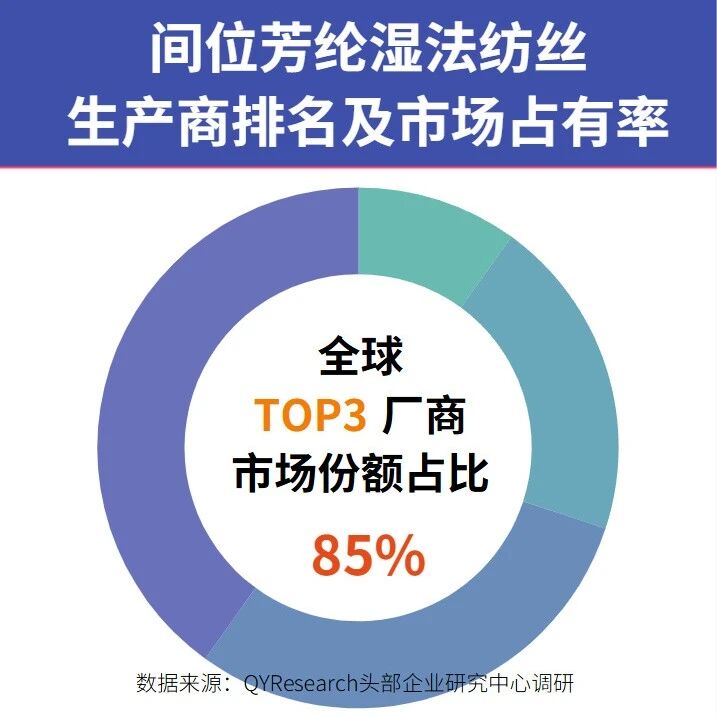
Core Viewpoint - The meta-aramid wet spinning market is a specialized segment within the advanced fiber industry, focusing on the production, application, and commercialization of fibers made from meta-aramid polymers through wet spinning technology. This market is characterized by unique properties of meta-aramid fibers, such as higher thermal stability and chemical resistance compared to para-aramid fibers, making them suitable for various industrial and protective applications [1][2]. Market Overview - The global market for meta-aramid wet spinning is projected to reach $850 million by 2031, with a compound annual growth rate (CAGR) of 6.5% in the coming years. Major manufacturers include Teijin, Huvis, Taiho New Materials, and Supermax New Materials, with the top three companies holding approximately 85% of the market share [4]. Key Players - **Teijin**: A leading manufacturer of high-performance aramid fibers, Teijin's meta-aramid products (Teijinconex®) are integrated into a broader product portfolio, emphasizing reliability and safety certifications. The company focuses on product innovation and sustainability, leveraging its extensive polymer chemistry expertise [5]. - **Huvis**: A large Korean fiber company, Huvis markets its meta-aramid products (METAONE) as high-temperature, high-safety fibers for industrial and protective markets. The company emphasizes its domestic technological leadership and aims to expand its application areas [6]. - **Taiho New Materials**: A Chinese manufacturer focused on rapid capacity expansion and supply chain integration, Taiho aims to meet the growing domestic and regional demand for meta-aramid fibers. The company emphasizes vertical integration to ensure raw material supply and maintain competitive pricing [8]. - **X-FIPER**: A smaller, specialized company focusing on meta-aramid and high-performance aramid paper production. X-FIPER's strategy revolves around niche markets, providing tailored solutions for specific applications [9]. Market Trends and Drivers - The primary driver for the meta-aramid wet spinning market is the sustained demand from safety-critical end applications requiring thermal stability and long-term heat resistance. This includes applications in firefighting gear, industrial protective clothing, and electrical insulation materials [10]. - Increasingly stringent safety and electrical standards in developed economies are enhancing the value proposition of materials that meet these regulations without complex assembly [11]. - Supply-side improvements are being driven by the limited but improving wet spinning capacity and the trend of manufacturers integrating upstream and downstream processes to enhance supply reliability [12]. - Sustainability and solvent management improvements are becoming increasingly important, with pressure from regulators and customers to reduce solvent consumption and improve recycling rates [13]. Challenges - The high capital intensity and technical complexity of wet spinning processes pose significant challenges, making market entry difficult and requiring ongoing capital investment for compliance and efficiency [14]. - Raw material security and volatility remain persistent challenges, as the supply of specific monomers and intermediates can be limited and subject to price fluctuations [14]. - Environmental regulations and community pressures complicate operations, as compliance with stricter discharge standards requires investment in advanced wastewater treatment systems [15]. - Competition from alternative materials and evolving product architectures presents another challenge, necessitating investment in differentiated products to maintain market position [16]. Future Outlook - The market is expected to experience steady incremental growth driven by safety-oriented end uses and strategic shifts influenced by capacity investments and sustainability pressures. Manufacturers demonstrating reliable supply and solvent management capabilities are likely to secure attractive contracts [16].

全球与中国胰岛素笔针头市场现状及未来发展趋势(2025版)
QYResearch· 2025-10-15 02:20
Core Viewpoint - The insulin pen needle industry is experiencing rapid growth driven by the increasing prevalence of diabetes and the demand for convenient self-injection methods. Innovations in needle design and safety features are enhancing user comfort and safety, while market dynamics are shifting towards smart and sustainable solutions [5][6][11]. Industry Current Status - The insulin pen needle industry has evolved since the 1980s, transitioning from traditional syringes to more user-friendly pen-style injectors. The design of needles has improved significantly, focusing on comfort and safety, with shorter and thinner needles becoming the norm [5][6]. - The market is currently dominated by standard needles, but safety needles are gaining traction due to their protective features, reducing the risk of needlestick injuries and cross-contamination [6][11]. Development Trends - Key trends include the miniaturization and pain reduction of needles, with 4mm needles becoming mainstream. Future designs may incorporate advanced cutting techniques and lubricants to further enhance comfort [8][17]. - The rise of safety needles is a significant trend, driven by stricter regulations and the need for occupational safety in healthcare settings. These needles are expected to see increased adoption in home care scenarios as well [8][10]. - The industry is moving towards smart and digital integration, with potential for insulin pen needles to connect with smart devices for better medication management [8][17]. Market Size and Forecast - The global insulin pen needle market is projected to grow from $1.178 billion in 2024 to $1.799 billion by 2031, with a CAGR of 6.58% from 2025 to 2031. The Chinese market is expected to grow from $194 million in 2024 to $315 million by 2031 [14][15]. - The demand for insulin pen needles is primarily driven by the rising number of diabetes patients, which exceeds 500 million globally, and the increasing preference for home self-injection [14][15]. Challenges and Opportunities - The market faces challenges such as intense price competition, particularly from local manufacturers in countries like China and India, which may compress profit margins [15][16]. - Patient education and adherence to proper needle usage are critical for market growth, as some patients may not understand the importance of using new needles for each injection [16]. - The push for environmentally friendly materials and cost control is becoming increasingly important, with manufacturers exploring biodegradable and recyclable options [10][17]. Policy Analysis - Insulin pen needles are classified as Class II medical devices, requiring strict regulatory compliance in most regions, including certifications like ISO 13485 and local health authority approvals [18]. - Insurance coverage for insulin pen needles varies by region, with some countries providing reimbursement, which can significantly influence market demand [18].

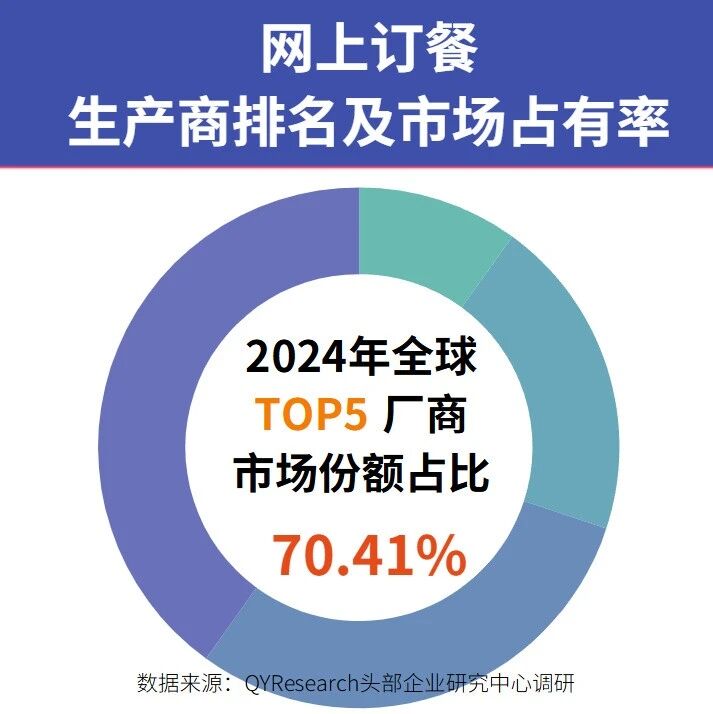
网上订餐行业洞察:2024年TOP5 企业占据全球70.41%的市场份额
QYResearch· 2025-10-14 02:16
Overview of Online Food Ordering - Online food ordering refers to the process of ordering food through a restaurant's own website or mobile application, or through multi-restaurant chains' websites or applications. Customers can choose between delivery or pickup. The ordering process includes selecting a restaurant, scanning the menu, choosing dishes, and finally selecting pickup or delivery. Payment methods include credit or debit card payments through the app or website, or cash payments at the restaurant [1]. Market Size and Growth - The global online food ordering market is expected to reach $13.47 billion by 2031, with a compound annual growth rate (CAGR) of 9.5%, compared to $7.086 billion in 2024 [2]. - The online food ordering market is becoming increasingly concentrated, with major players including McDonald's, KFC, Subway, Pizza Hut, Starbucks, Burger King, Domino's Pizza, Dunkin Donuts, Dairy Queen, Papa John's, Wendy's, Just Eat, Takeaway, Alibaba (Ele.me & Flash Delivery), GrubHub, OLO, Swiggy, Meituan Waimai, JD Waimai, Uber Eats, DoorDash, and Caviar. By 2024, the top five manufacturers are expected to account for approximately 70.41% of total revenue [2][9]. Market Segmentation - The online food ordering market is divided into independent ordering and restaurant self-operated ordering. As of 2024, delivery platforms dominate the market, accounting for 96.1% of the total market share. The online food ordering market primarily includes B2B and B2C models, with B2C holding the largest market share of approximately 91.3%, reaching $6.46 billion, while B2B is showing a declining trend globally [2][3]. Regional Insights - According to QYResearch, due to rising living standards and market maturity, the Asia-Pacific region is expected to hold the largest market share by 2025. Suppliers recognize the importance of this region, particularly in China and India, and are working to penetrate the market by strengthening their sales and distribution networks [3]. Competitive Landscape - Despite the intense competition in the global online food ordering market, many companies are able to achieve substantial profits from online food ordering production and marketing, which is believed to attract more entrants into the market. An increasing number of consumers are choosing online food ordering with higher frequency, leading to fierce competition between in-house delivery service providers and third-party delivery service providers. The potential introduction of artificial intelligence solutions and drone delivery is also anticipated [3].
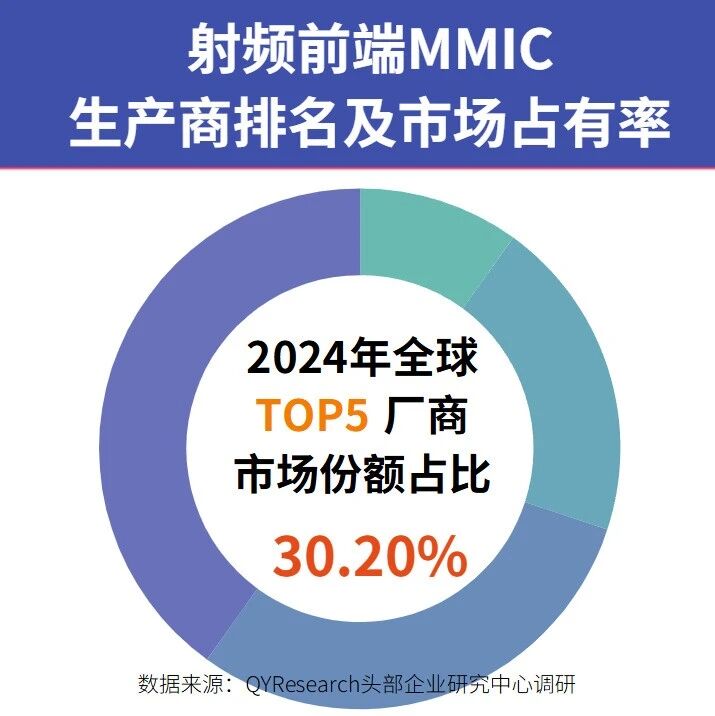
射频前端MMIC行业洞察:2024年TOP5 企业占据全球30.20%的市场份额
QYResearch· 2025-10-14 02:16
Core Viewpoint - The RF front-end MMIC market is experiencing significant growth driven by advancements in wireless communication technologies such as 5G, satellite communication, radar, and the Internet of Things (IoT) [1][2]. Market Overview - RF front-end MMICs are critical components in modern wireless communication systems, integrating multiple functions like amplification, filtering, and switching into compact semiconductor devices, thus reducing system size and power consumption [1]. - The market is becoming a focal point for technological advancements and strategic investments, supporting the performance and scalability of next-generation connectivity solutions [1]. Current Development Status - The development of RF front-end MMIC technology is steadily improving, with increasing diversification in materials, architectures, and applications [2]. - GaAs-based MMICs remain widely used due to their stable high-frequency performance, while GaN technology is rapidly gaining traction in demanding environments like radar and defense [2]. - SiGe technology is also evolving as a cost-effective solution, particularly in mass markets such as consumer electronics and communications [2]. Future Trends - Advanced semiconductor materials will significantly influence the future development of the RF front-end MMIC market, with GaN being highlighted for its high power density and efficiency at high frequencies [3]. - The global deployment of 5G networks and ongoing research into 6G technology are increasing the demand for RF front-end solutions capable of handling higher bandwidth and faster data transmission [3]. - Miniaturization and system integration are key trends, with a focus on integrating multiple RF front-end functions into compact MMIC modules to enhance reliability and reduce power consumption [3]. Thermal Management and Packaging Innovations - Thermal management is becoming a critical factor affecting the performance and lifespan of RF front-end MMICs, especially in high-power and high-frequency applications [4]. - Future designs will emphasize advanced packaging methods and thermal management technologies to address reliability challenges [4]. SWOT Analysis Strengths - The RF front-end MMIC market thrives due to its essential role in enhancing the high-frequency performance of advanced communication systems, radar, and satellite applications [5]. - The availability of mature semiconductor technologies like GaAs and SiGe, along with the growing adoption of GaN technology, provides a range of solutions balancing efficiency, power consumption, and cost [5]. Weaknesses - The industry faces challenges such as complex production processes and high costs, particularly in the GaN device sector, where manufacturing processes are still evolving [6]. - Thermal management issues at high power densities remain a technical bottleneck, and reliance on specialized foundries and advanced packaging technologies increases supply chain risks [6]. Opportunities - The development of 5G and future 6G networks, along with the growing demand for high-frequency and millimeter-wave solutions, presents significant growth potential for the industry [7]. - Expanding applications in aerospace, defense, and satellite communications further broaden market opportunities [7]. Threats - Global supply chain disruptions and geopolitical uncertainties pose risks to raw material procurement and semiconductor manufacturing [8]. - Intense competition between existing companies and new entrants may lead to increased price competition, compressing profit margins [8]. - Rapid technological changes, such as emerging alternative architectures or disruptive wireless technologies, could challenge the long-term dominance of existing millimeter-wave integrated circuit solutions [8]. Market Size and Forecast - According to QYResearch, the global RF front-end MMIC market is projected to reach approximately $14.13 billion by 2031, with a compound annual growth rate (CAGR) of 8.31% in the coming years [11]. - GaN currently dominates the product type segment, holding about 33.94% of the market share, while IT and telecommunications represent the largest downstream market, accounting for approximately 30.34% of the demand [15][16].
全球与中国电机铁芯级进模市场现状及未来发展趋势2025版
QYResearch· 2025-10-14 02:16
Core Viewpoint - The electric motor core progressive die industry is experiencing significant advancements in technology, increasing demand from various sectors, and a shift towards automation and digitalization, which presents both opportunities and challenges for domestic manufacturers [3][4][6][10]. Group 1: Current Industry Status - Progressive die technology is continuously optimized, moving towards multi-station and large-scale production, with domestic companies achieving international standards in electric motor core automatic stacking dies [3]. - International cooperation is deepening, with increased cross-border mergers and technology alliances, particularly in material research and production equipment [3]. - The demand for electric motor core progressive dies is growing due to the explosion of the electric vehicle market and the rapid development of industries like robotics [3]. - The market is becoming more segmented, with customized products due to differences in downstream fields, leading to a "honeycomb pattern" in market entry barriers [3]. - Domestic high-end market share remains limited, with companies from Europe, the US, and Japan dominating the high-end market, necessitating continued reliance on imports for some high-end molds [3]. Group 2: Market Development Trends - The global electric motor core progressive die market is projected to grow from $400.34 million in 2024 to $633.41 million by 2031, with a CAGR of 6.30% [17]. - The Chinese market is rapidly evolving, expected to reach $137.65 million in 2024, accounting for approximately 34.38% of the global market, and projected to grow to $234.48 million by 2031 [17]. - The demand for electric motor core progressive dies is driven by the global carbon neutrality goals, with increasing sales of electric vehicles [10]. - Automation and industrialization are pushing the need for high-efficiency and precision motors, further driving the evolution of progressive die technology [11]. - Emerging fields such as aerospace and 5G communication are gradually releasing demand for specialized electric motor cores [12]. Group 3: Policy Analysis - The electric motor core progressive die industry is encouraged by national policies, with various supportive measures aimed at promoting high-value-added precision molds [18][19]. - Policies such as the "14th Five-Year Plan for Industrial Green Development" emphasize the development of high-level, high-quality, and efficient manufacturing systems [20]. - Local governments, such as Zhejiang Province, are focusing on breakthroughs in precision stamping die technology and strengthening intellectual property protection [6].

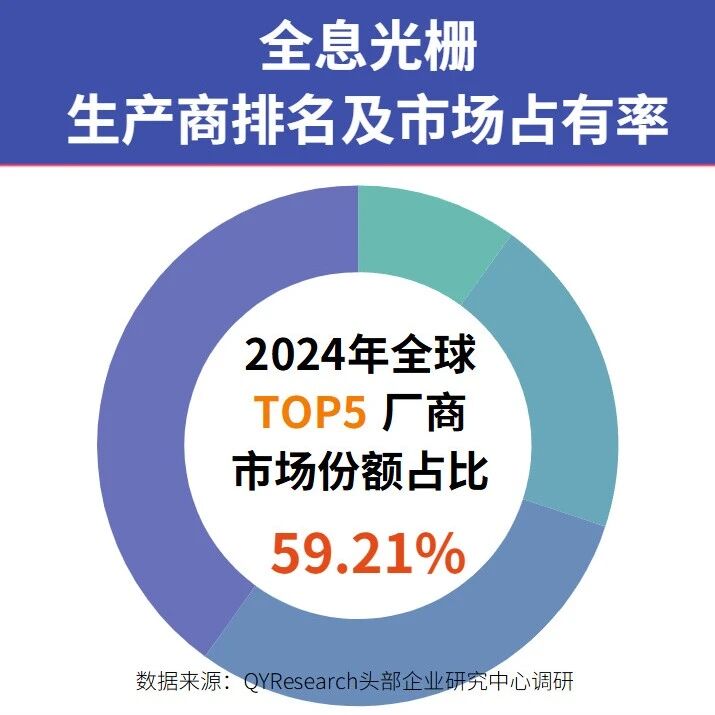
全息光栅行业洞察:2024年TOP5 企业占据全球59.21%的市场份额
QYResearch· 2025-10-14 02:16
Core Viewpoint - The holographic grating market is an emerging segment in advanced optics, driven by the increasing demand for high-precision optical components in fields such as spectroscopy, laser systems, telecommunications, and optical storage. The advantages of holographic gratings over traditional mechanical techniques include lower diffraction light scattering, higher diffraction efficiency, and more precise wavelength control, although high production costs and complex manufacturing processes remain challenges [3][4]. Market Overview - The holographic grating market is characterized by steady growth, with expanding applications in high-precision optics and continuous innovation in manufacturing technologies. Leading manufacturers are investing in advanced lithography, nanofabrication, and coating technologies to enhance diffraction efficiency and spectral resolution [4]. - North America and Europe maintain market leadership due to established research infrastructures, while the Asia-Pacific region is rapidly emerging as the fastest-growing market, driven by advancements in photonic technology and electronic manufacturing [4]. Future Trends - Integration with photonic devices is expected to increase, supporting applications in telecommunications, quantum computing, and next-generation data transmission [5]. - Advances in nanofabrication technologies will enable the production of higher precision and more flexible holographic gratings, lowering barriers for broader commercial applications [5]. - The Asia-Pacific market is projected to grow rapidly due to industrialization and increased investment in photonics technology [5]. SWOT Analysis - **Strengths**: Holographic gratings exhibit high precision and efficiency compared to ruled gratings, with broad applications in spectroscopy, laser tuning, and communication [6]. - **Weaknesses**: High production costs and low market awareness compared to traditional optical components limit widespread adoption [7]. - **Opportunities**: The growth of photonics and quantum technologies, along with expanding applications in medical and environmental monitoring, present significant opportunities [7]. - **Threats**: Competition from alternative technologies and supply chain risks related to specialized substrates and coatings could impact market share [7]. Market Size and Projections - According to QYResearch, the global holographic grating market is expected to reach USD 298.40 million by 2031, with a compound annual growth rate (CAGR) of 4.20% over the next few years [10]. - The leading manufacturers in the global holographic grating market include HORIBA, Newport Corporation, and Zeiss, with the top five companies holding approximately 59.21% of the market share [12]. Product Type and Application Segmentation - Currently, concave holographic gratings dominate the market, accounting for about 64.77% of the share, while laser applications represent the largest downstream market, comprising approximately 47.12% of the demand [15][16]. - Holographic gratings are essential components in laser systems, astronomical spectrometers, and optical communication systems, enhancing performance and reliability [16][17].
行业聚焦:全球单向离合器市场头部企业份额调研(附Top 10 厂商名单)
QYResearch· 2025-10-13 05:31
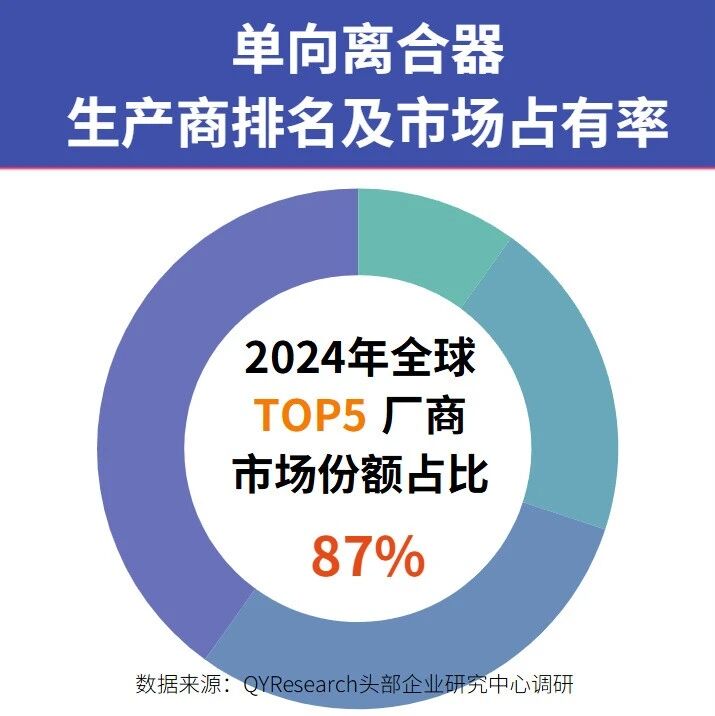
Core Insights - The article discusses the single-direction clutch market, highlighting its expected growth and key drivers, including the rise of electric vehicles and advancements in industrial automation [1][15][16]. Market Overview - The global single-direction clutch market is projected to reach $822 million by 2031, with a compound annual growth rate (CAGR) of 3.76% over the coming years [1]. - The leading manufacturers in the single-direction clutch market include NTN, NSK-Warner, Schaeffler, SKF, and Jiangsu Nanfang Precision, which collectively hold approximately 87% of the market share [5][20]. Product Segmentation - Roller-type single-direction clutches dominate the market, accounting for about 51% of the total market share [7]. - In terms of application, the transportation sector is the largest downstream market, representing approximately 42% of the demand [9]. Regional Insights - Major production regions for single-direction clutches are primarily located in North America and Europe, while key consumption areas include Japan and Europe [12][15]. Growth Drivers - The explosion of the electric vehicle market is increasing demand for high-performance, low-noise, and long-life clutches, particularly in electric drive systems and energy recovery systems [15]. - The advancement of industrial automation and smart manufacturing is driving the need for precision, reliability, and durability in transmission components, leading to stable growth in demand for single-direction clutches [16]. - Technological advancements and product innovations, such as the use of new materials and smart control systems, are enhancing the performance and applicability of single-direction clutches [17]. - Policy support for high-end manufacturing and the expansion into emerging markets are creating favorable conditions for the growth of the single-direction clutch industry [18].
行业聚焦:全球三轴等离子清洗机市场头部企业份额调研(附Top 5 厂商名单)
QYResearch· 2025-10-13 05:31
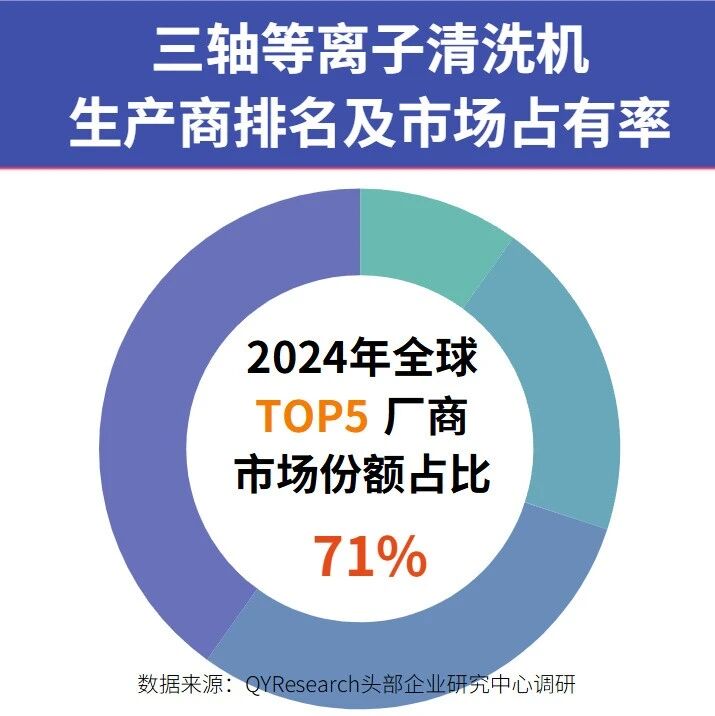
Core Viewpoint - The 3-Axis Plasma Cleaner is an automated surface treatment device that integrates XYZ three-axis motion systems and plasma generators, primarily used for cleaning, activation, and modification of material surfaces, driven by the increasing demand from high-end manufacturing sectors such as electric vehicles, semiconductors, and micro-medical devices [1][2]. Global Trends and Drivers - The global market for 3-Axis Plasma Cleaners is primarily driven by the surging demand for precision cleaning and surface activation in high-end manufacturing, particularly in the electric vehicle, advanced semiconductor packaging, and micro-medical device sectors [1]. - The technological trend is moving towards smart and integrated solutions, requiring devices to connect with MES systems and incorporate AI vision and process monitoring for real-time closed-loop control and traceability [1]. Competitive Landscape - The market exhibits a highly concentrated competitive landscape dominated by technology leaders from Germany and the United States, such as Plasmatreat, Nordson, and Diener, which have established significant technical barriers and brand moats [2]. - These leading companies provide customized solutions and continuous technological iterations, forming strong binding relationships with top clients across various industries, making it challenging for new entrants to compete [2]. Opportunities and Challenges from Policies and Regulations - Opportunities arise from global "carbon neutrality" policies that promote the expansion of emerging industries like electric vehicles, photovoltaics, and hydrogen energy, which heavily rely on reliable plasma cleaning processes [2]. - Challenges include increasingly stringent environmental and energy efficiency regulations that require manufacturers to reduce harmful chemicals and energy consumption, raising R&D costs and technical complexity while pushing the industry towards greener and more sustainable technologies [2]. Market Size and Growth - According to QYResearch, the global market size for 3-Axis Plasma Cleaners is expected to reach USD 321 million by 2031, with a compound annual growth rate (CAGR) of 5.5% over the next few years [3]. Market Segmentation - Currently, offline systems dominate the market, accounting for approximately 70% of the share, while online systems hold about 30%. The share of online systems is expected to steadily increase, but offline systems will continue to play a significant role due to their unmatched flexibility [10]. Key Drivers and Barriers - The core driver for the 3-Axis Plasma Cleaner market is the high-end manufacturing industry's pursuit of surface treatment quality and process consistency, with smart manufacturing and Industry 4.0 pushing for fully automated production line integration [11]. - The primary barrier is cost, as online systems are expensive and complex to integrate, deterring many small and medium-sized enterprises. Additionally, insufficient standardization of processes limits technology adoption, and while offline systems are flexible, they face efficiency limitations [12]. Future Opportunities - Future opportunities are concentrated in emerging fields requiring large-scale production, such as electric vehicle battery cells, electronic control, and sensor manufacturing, which depend on online cleaning to ensure quality and efficiency [13]. - The demand for ultra-precision cleaning processes in advanced semiconductor packaging and Micro-LED applications will further drive the market, alongside the modular and intelligent upgrades of equipment that will open broader mid-market opportunities [13].
全球与中国半导体设备用电源市场现状及未来发展趋势2025版
QYResearch· 2025-10-13 05:31
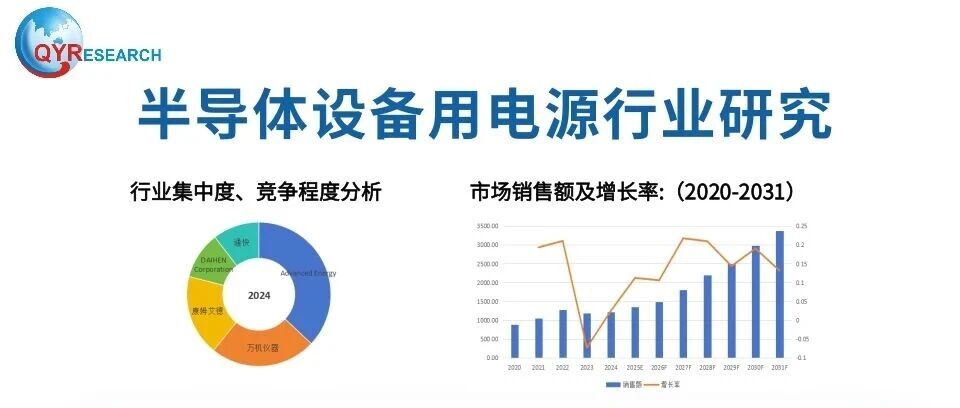
Core Viewpoint - The semiconductor equipment power supply industry is experiencing rapid growth driven by policy support and downstream demand, with domestic companies making breakthroughs in key areas like RF power supplies, although high-end products still rely on imports [3][4]. Product Definition and Statistical Scope - The article focuses on RF power supplies and DC power supplies used in the semiconductor industry, defining RF power supplies as capable of generating fixed frequency sine wave voltages within the RF range (approximately 3KHz to 300GHz) with power ratings from 0.3 to 15kW [2]. Current Industry Status - The Chinese semiconductor equipment power supply industry is growing rapidly due to policy support and demand, with domestic firms achieving breakthroughs in RF and high-voltage DC power supplies. However, high-end products still depend on imports, and the self-sufficiency rate of core components remains low [3]. - The global market is dominated by companies from the US, Europe, and Japan, with American firms like MKS and AE holding significant market shares in RF power supplies. Japanese and German companies monopolize the high-end sector, leveraging advanced technologies for superior efficiency and power density [3][4]. Technological Evolution - The industry is evolving towards higher frequency, integration, and intelligence, with increased penetration of SiC/GaN devices enhancing energy efficiency. Domestic companies face three main challenges: reliance on imported high-end RF amplifiers, discrepancies in impedance matching precision, and insufficient stability in microsecond-level response for wafer manufacturing power supplies [4]. Development Trends - SiC and GaN wide bandgap semiconductor materials are rapidly replacing traditional silicon-based devices, significantly enhancing power supply performance. These materials offer higher breakdown voltages, lower on-resistance, and ultra-high frequency switching characteristics, achieving power density levels 1.5 times higher than domestic products [6]. - Power management systems are integrating AI algorithms and IoT technologies for dynamic energy efficiency optimization and remote intelligent control, including real-time voltage/frequency adjustments and embedded sensors for predictive maintenance [6]. - Global carbon neutrality goals are driving upgrades in power supply efficiency standards, with China's "dual carbon" policy mandating a conversion efficiency of ≥ 95%, pushing companies to focus on zero standby loss and renewable energy compatibility [6]. Market Scale Analysis - The global semiconductor equipment power supply market is projected to reach $1,208.9 million in 2024, with expectations to grow to $3,364.3 million by 2031, reflecting a compound annual growth rate (CAGR) of 16.52% [7]. - The Chinese market is rapidly evolving, with a projected size of $343.8 million in 2024, accounting for approximately 28.4% of the global market, and expected to reach $1,036.1 million by 2031, increasing its share to 30.8% [8]. Competitive Landscape - Major global manufacturers include Advanced Energy, 万机仪器, 康姆艾德, DAIHEN Corporation, and 通快, with the top five companies expected to hold over 44.38% of the market share in 2024. Competition is anticipated to intensify, particularly in the Chinese market [8]. Policy Analysis - Internationally, the US has imposed restrictions on the export of power supplies for devices below 14nm to China, impacting the supply of high-end power equipment. In contrast, Japan and South Korea are implementing national strategies to bolster their semiconductor industries, enhancing local demand for power supply equipment [12][13]. - Domestically, China is prioritizing semiconductor equipment power supplies in its "Made in China 2025" and "14th Five-Year Plan," aiming to increase the localization rate of SiC/GaN power modules by 2025 to break the monopoly of US and Japanese firms [14].
发电厂运维机器人市场总体规模和主要参与者介绍
QYResearch· 2025-10-13 05:31
发电厂运维机器人是一种集成了传感技术、人工智能( AI )、机器视觉、自动控制和物联网( IoT ) 等多种先进技术的智能装备。它被设计用于替代或辅助 人工,在发电厂复杂、恶劣和危险的环境下执行设备巡检、监控、维护和应急处理等任务。 上游核心零部件包括伺服电机、减速器、控制器、芯片等。中游指的机器人本体制造与系统集成。下游主要是发电厂运维,包括设备巡检、设备维护、应急处 理等。 2024 年,全球发电厂运维机器人产量约为 16,285 台,全球平均市场价格约为每台 58,460 美元。 2024 年,全球发电厂运维机器人的总产能达到了 27,000 台。 发电厂运维机器人 ,全球市场总体规模 公司一: 天策机器人 Trinabot 在 2024 年凭借发电厂运维机器人实现了 1460 万美元的营收。 官网: https://www.trinarobot.com/ 天策机器人立足全球能源转型和无人智能化发展趋势,持续构建无人驾驶和人工智能两大关键技术能力,探索双碳场景应用,自主研发光伏组件安装机器人和 光伏组件清洁机器人,提供以客户为中心的解决方案,致力于成为全球领先的双碳智能高科技企业。天策机器人由天合光能光 ...