中国有色金属工业协会硅业分会

Search documents
【安泰科】单晶硅片周评-终端需求偏弱 硅片价格继续下滑(2025年5月15日)
中国有色金属工业协会硅业分会· 2025-05-15 09:05
Group 1 - The core viewpoint of the articles indicates that silicon wafer prices continue to decline due to weak terminal demand and ample supply, leading to a bearish market sentiment [1][2] - The average transaction prices for N-type silicon wafers have decreased, with G10L at 0.95 yuan/piece (down 5.94% week-on-week), G12R at 1.10 yuan/piece (down 1.79%), and G12 at 1.30 yuan/piece (down 3.70%) [1] - The overall industry operating rate has slightly decreased to around 55%, with major integrated companies operating between 58% and 80% [1] Group 2 - Downstream battery and module prices have also seen a slight decline, with module prices at 0.66-0.67 yuan/W (down 0.01 yuan/W) and battery prices at 0.26-0.27 yuan/W (down 0.01 yuan/W) [2] - Despite the ongoing price pressure on silicon wafers due to declining battery prices and weak terminal demand, the future price drop potential is limited as current spot prices are below the production costs for most companies [2]

工业硅行业“洗牌”进行时?
中国有色金属工业协会硅业分会· 2025-05-15 09:05
《期货日报》创刊于1994年9月,是唯一一家全面反映国内外期货市场发展动态的专业日报,是中国期 货市场权威的新闻中心和信息载体,肩负着维护和促进整个行业健康发展的重要使命。多年来,《期货 日报》与中国期货市场风雨同舟,形成了密不可分的关系。 在供过于求的市场格局下,工业硅价格一路走低,众多硅企面临着巨大的经营压力。为了打破困 局,硅企纷纷选择减产,期望凭借自身的努力,谋求可持续的发展之路。从行业的角度来看,当前 的"低谷"是市场发展的必经之路。这一阶段,不仅是工业硅行业产能出清与供需博弈并存的关键 期,更是我国新材料产业迈向高质量发展的重要转折点。 硅企盼联合减产 破解周期困境 "现在工业硅的价格这么低,大家的日子都不好过。前段时间四川部分硅厂选择开工,但受价格持 续低迷影响,开了半个月后又停工了。"四川省铁合金(工业硅)工业协会秘书长张勇感慨道,"随 着工业硅价格持续探底,四川硅厂都在思考该怎么度过这段困难时期。"据张勇介绍,四川硅厂处 在偏远地区、小水电丰富地区,如果长期停工,对当地居民收入影响比较大。往年这个时候,四川 硅厂的开工率在40%~50%,今年开工率降了,仅有20%。 受供需失衡影响,2025 ...
硅产业链新闻动态
中国有色金属工业协会硅业分会· 2025-05-14 09:40
1、若羌县二期10万吨/年工业硅合规产能项目 5月7日,新疆维吾尔自治区工业和信息化厅发布了关于新疆特变电工楼兰新材料技术有限公司 若羌县二期10万吨/年工业硅合规产能的公告。 据悉,新疆特变电工楼兰新材料技术有限公司与阿勒泰福中科技发展有限公司均属新疆天池能 源有限公司全资子公司。经新疆天池能源有限公司申请,自治区工业硅合规产能认定会商机制成员 单位同意将阿勒泰福中科技发展有限公司放弃建设的福海县10万吨/年工业硅指标转至新疆特变电 工楼兰新材料技术有限公司,用于建设若羌县二期10万吨/年工业硅项目。 建设单位:内蒙古兴发科技有限公司 项目投资:14.95亿元 建设规模:项目一期用地面积:241867平方米,建筑面积101999.65平方米,计容面积 151347.35平方米,建设10万吨/年工业硅项目。 3、 弘元绿能:拟以12.45亿元转让内蒙古鑫元27.0737%股权 5月7日,弘元绿能发布公告称,公司拟将所持内蒙古鑫元硅材料科技有限公司(以下简称"内 蒙古鑫元")27.0737%的股权以12.45亿元的价格全部转让给江苏中能硅业科技发展有限公司(以 下简称"江苏中能")。本次交易完成后,公司将不再持 ...

【安泰科】多晶硅周评—在产企业数量减少 价格小幅下跌(2025年5月14日)
中国有色金属工业协会硅业分会· 2025-05-14 09:40
Group 1 - The core viewpoint of the article indicates that the polysilicon market is experiencing a slight price decline due to high inventory levels and rapid price drops in downstream products [1][2] - The transaction price range for n-type re-investment materials is between 360,000 to 410,000 CNY per ton, with an average transaction price of 386,000 CNY per ton, reflecting a month-on-month decrease of 1.53% [1] - The transaction price range for n-type granular silicon is between 350,000 to 370,000 CNY per ton, with an average price remaining stable at 360,000 CNY per ton [1] - The transaction price range for p-type polysilicon is between 300,000 to 350,000 CNY per ton, with an average price of 313,000 CNY per ton, showing a month-on-month decrease of 3.10% [1] - The current monthly supply and demand balance is precarious, and if downstream operations continue to decline, there may be a risk of inventory accumulation in the polysilicon sector [1] - Downstream companies are cautious in signing large orders due to previous price declines, opting for high-frequency, small-batch purchases which may stabilize polysilicon prices [1] Group 2 - As of this week, two companies have entered maintenance shutdowns, reducing the number of operating companies to 11 [2] - The production of polysilicon in China is reported to be 99,100 tons as of April 2025, reflecting a month-on-month decrease of 6.08% [2] - The market is experiencing frequent shifts in expectations due to a surge in polysilicon news, with actual outcomes dependent on company announcements [2]
【安泰科】工业硅周评—市场情绪悲观 价格小幅下跌(2025年5月14日)
中国有色金属工业协会硅业分会· 2025-05-14 09:40
Core Viewpoint - The industrial silicon market is experiencing a slight decline in spot prices, with a mixed sentiment in trading and a stable supply-demand dynamic [1][2] Group 1: Price Trends - The main contract price fluctuated between 8315 CNY/ton and 8490 CNY/ton, with a weekly increase of 2.10% [1] - The national average price decreased by 193 CNY/ton to 9276 CNY/ton, with specific grades showing varied declines: 553 grade at 9027 CNY/ton, 441 grade at 9520 CNY/ton, and 421 grade at 9928 CNY/ton [1] - FOB prices remained stable despite the fluctuations in domestic prices [1] Group 2: Supply Dynamics - Southern regions saw a slight increase in operating rates, while northern regions maintained stable operations with minimal reductions from large plants [1] - Overall supply changes were limited, indicating a balanced supply situation [1] Group 3: Demand Factors - There was a slight increase in demand for industrial silicon due to the completion of maintenance at some organic silicon monomer plants [1] - Demand from polysilicon plants remained stable, while aluminum alloy companies continued to purchase industrial silicon as needed [1] - The overall trend indicates a slight increase in demand from the three major downstream sectors [1] Group 4: Market Sentiment - The market atmosphere for industrial silicon transactions was described as subdued, with downstream buyers adopting a cautious approach [1] - Despite a rise in the main contract price, spot prices continued to decline due to insufficient demand momentum and ongoing inventory pressure [2] - Short-term expectations suggest that spot prices will remain in a bottoming-out phase [2]
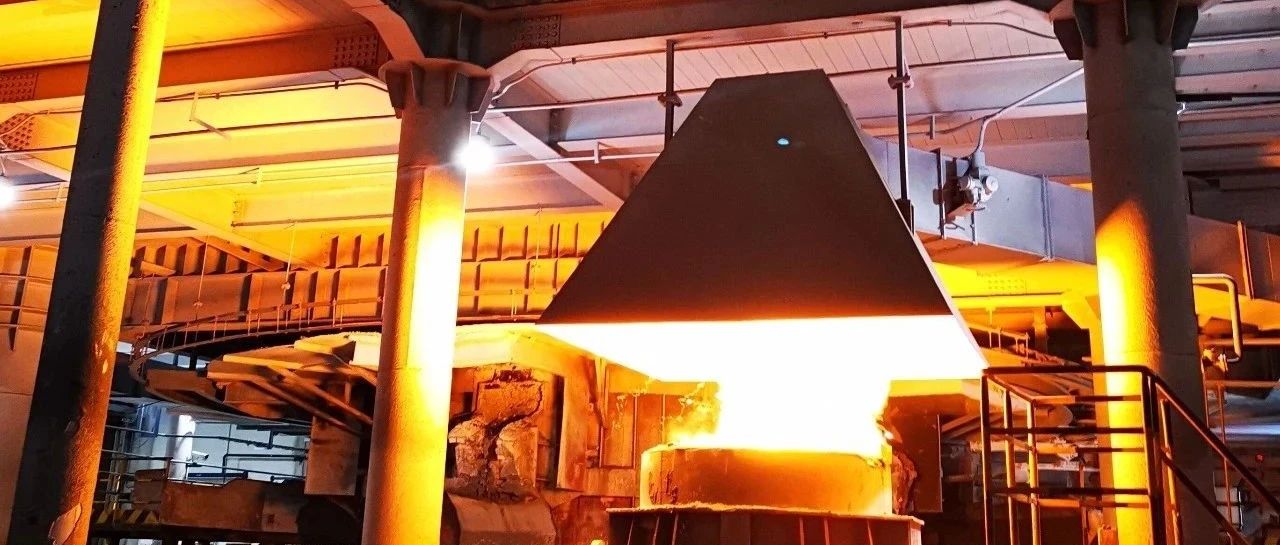
【安泰科】光伏玻璃价格(2025年5月13日)
中国有色金属工业协会硅业分会· 2025-05-13 07:08
『 主办单位 : 中 国 有 色 金 属 工 业 协 会 硅 业 分 会 了 ㄴ Hosted by: Silicon Industry of China Nonferrous Metals Industry Association – 回国確心 China Silicon Industry ...

石英玻璃,为什么是首选
中国有色金属工业协会硅业分会· 2025-05-13 07:08
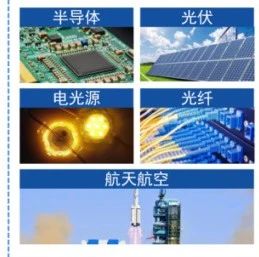
Core Viewpoint - Quartz glass, primarily composed of silicon dioxide, is an essential material in modern strategic emerging industries such as information technology, optics, photovoltaics, semiconductors, and aerospace due to its superior properties like high transparency, high-temperature resistance, low expansion coefficient, strong chemical stability, high purity, and excellent electrical insulation [1]. Industry Chain of Quartz Glass Products - The quartz glass products can be categorized based on application fields, including semiconductor quartz products, photovoltaic solar quartz products, optical fiber quartz products, electric light source quartz products, optical quartz products, and others [2][3]. Semiconductor Sector - The semiconductor sector is the largest application area for quartz products, where high purity and chemical stability of quartz glass make it an indispensable material in semiconductor integrated circuit manufacturing [3][5]. - In the semiconductor industry, quartz products are used in various processes such as single crystal growth, wafer processing, integrated circuit wafer production, and packaging. Key quartz products include quartz crucibles, quartz plates, quartz rings, and quartz diffusion tubes [5][6]. - The demand for quartz glass is expected to grow significantly due to the increasing domestic semiconductor market and the push for domestic substitution in the semiconductor supply chain [6]. Photovoltaic Sector - In photovoltaic manufacturing, quartz products like quartz crucibles are crucial for the production of monocrystalline and polycrystalline silicon. The performance of quartz crucibles directly affects the quality of crystal pulling [8][10]. - The rapid development of the photovoltaic industry has led to a significant increase in demand for high-quality quartz products, particularly in the N-type high-efficiency monocrystalline segment [10]. Optical Fiber Communication Sector - Quartz glass materials are essential in the production of optical fiber preform rods and other supporting materials. Over 95% of the components in optical fiber preform rods are high-purity quartz products [12]. - The rapid growth of the optical fiber and cable industry in China has established it as the largest in the world, leading to an increasing demand for quartz rods and tubes in the coming years [12]. Optical and Electric Light Source Sector - Optical quartz glass is widely used in various optical applications due to its high-temperature resistance and low expansion rate. It is used in telescopes, laboratory optical equipment, communication devices, and projection displays [14]. - The demand for quartz glass in electric light sources is expected to remain stable as technology advances and production scales increase [14]. Conclusion - The quartz products industry is poised for significant growth as high-tech industries such as semiconductors, optical fiber communication, photovoltaics, electric light sources, and optical instruments continue to develop [16].
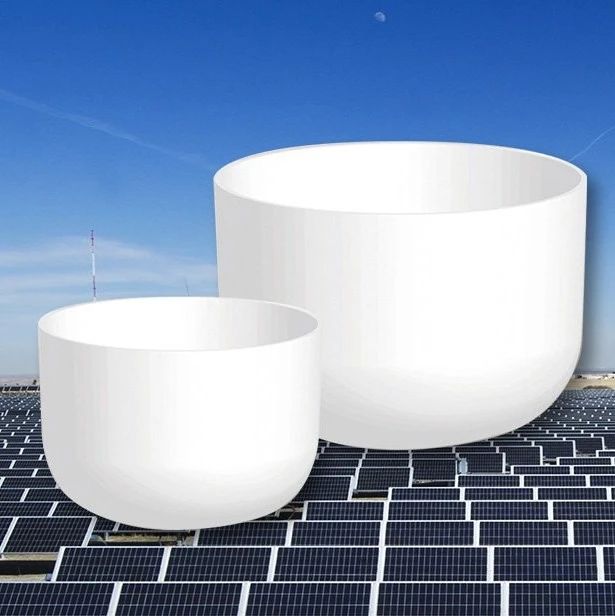
【安泰科】高纯石英砂/石英坩埚价格(2025年5月13日)
中国有色金属工业协会硅业分会· 2025-05-13 07:08
『 主办单位 : 中 国 有 色 金 属 工 业 协 会 硅 业 分 会 了 ㄴ Hosted by: Silicon Industry of China Nonferrous Metals Industry Association – 回国確心 China Silicon Industry ...
工信部:加强碳管理、绿色制造与循环利用标准建设
中国有色金属工业协会硅业分会· 2025-05-12 01:44
Core Viewpoint - The article emphasizes the importance of standards in promoting industrial green and low-carbon development, aligning with national strategies for modernization and sustainability [5][12]. Group 1: Carbon Management Standards - The establishment of a comprehensive carbon management standard system is prioritized, focusing on greenhouse gas standards across various aspects such as calculation, verification, and monitoring [12]. - Development of standards for carbon footprint accounting and clean low-carbon hydrogen applications is also highlighted [12]. Group 2: Green Manufacturing Standards - The revision of standards for green factories, green industrial parks, and green supply chains is essential, with a focus on sector-specific evaluations [2][12]. Group 3: Resource Conservation and Recycling Standards - Accelerating the formulation of standards for industrial solid waste utilization, pollution prevention, and water conservation is crucial [3][12]. - The article mentions the need for standards related to water quotas and water-saving enterprises [3]. Group 4: Coordination of Standards with Industry Development - The article stresses the need for standards to align with industrial development strategies, planning, and policies to enhance the resilience and safety of supply chains [6][7]. - It highlights the importance of integrating standards into national-level planning for digital economy and green development [6][7]. Group 5: Traditional and Advantageous Industries Standards - The development of standards for traditional industries such as petrochemicals and heavy machinery is emphasized, focusing on advanced processes and quality consistency [8]. - Standards for advantageous industries like photovoltaics and lithium batteries are also prioritized to drive innovation and product development [8]. Group 6: Emerging and Future Industries Standards - The article discusses the need for standards in emerging industries such as cloud computing and blockchain, as well as future industries like quantum information and humanoid robots [9][10]. - It emphasizes the importance of establishing standards for new materials and advanced manufacturing technologies [9][10]. Group 7: Information Technology and Industrial Integration - Establishing standards for the digital transformation of manufacturing and the integration of artificial intelligence is crucial for enhancing productivity [10][11]. - The article highlights the need for standards in networked collaboration and smart manufacturing [11]. Group 8: Globalization of Standards - The article encourages participation in international standard-setting organizations to promote global industrial development [14][15]. - It emphasizes the importance of aligning domestic standards with international standards to enhance competitiveness [15]. Group 9: Modernization of Industry Governance - The article calls for the establishment of a comprehensive national standard system to ensure product quality and safety [13][16]. - It highlights the need for effective management of the standard lifecycle and the establishment of standardization technical organizations [16][17].
工业硅供需基本面未出现明显好转 价格持续下跌
中国有色金属工业协会硅业分会· 2025-05-09 08:30
Core Viewpoint - The industrial silicon supply and demand fundamentals have not improved entering the second quarter, with a lack of significant growth in downstream demand, primarily driven by just-in-time purchasing [1] Supply Side - Some northern manufacturers have reduced production by shutting down furnaces, while southern regions maintain low operating rates, leading to a decrease in overall output from existing capacity [1] - New capacity investment plans are slowing down, but there is some actual output supplementing the overall production, which is expected to increase significantly during the flood season [1] Demand Side - The price of organic silicon monomer has significantly increased due to production cut plans, restoring profits; however, downstream purchasing enthusiasm has cooled, leading to a substantial price drop [1] - Monomer manufacturers are maintaining current operating levels with a willingness to support prices, resulting in stable demand for industrial silicon [1] - There are no large-scale resumption plans from polysilicon companies, and aluminum alloy companies are producing steadily, purchasing industrial silicon as needed, leading to little change in overall demand [1] Inventory Situation - Industrial silicon inventory remains high, exceeding 900,000 tons, and is roughly flat compared to the end of the first quarter, indicating difficulties in inventory consumption [1] Overall Market Outlook - The industrial silicon market faces significant inventory pressure, coupled with weak downstream demand, making it difficult for prices to rise; however, prices have fallen below the cost line, indicating limited downside potential [1]