日经中文网

Search documents
高市早苗重视这些经济和外交政策
日经中文网· 2025-10-05 08:04
Group 1 - The new president of the Liberal Democratic Party, Sanae Takaichi, has clarified the direction of "active fiscal" policy, emphasizing the need to lower gasoline taxes and support loss-making companies in raising employee salaries [2][4] - Takaichi reiterated her commitment to "responsible active fiscal" policies during her campaign, advocating for the early cancellation of the current gasoline tax rate of approximately 25 yen per liter and exploring increased subsidies for local governments to address rising prices [4][6] - Takaichi expressed a proactive attitude towards collaboration between the government and the Bank of Japan, indicating a preference for continued monetary easing to stimulate demand and manage inflation [6][8] Group 2 - The potential cancellation of both gasoline and light oil tax rates could result in a revenue loss of approximately 1.5 trillion yen annually, raising concerns about funding sources for proposed policies [6][8] - Takaichi's proposal to increase the basic deduction for income tax could further expand fiscal spending, leading to risks of market sell-offs if financial markets perceive a loosening of Japan's fiscal policy [6][8] - The need for cooperation with opposition parties to pass the supplementary budget and ensure the smooth passage of the 2026 budget is critical, as the current special public bond law will expire in 2025 [8]

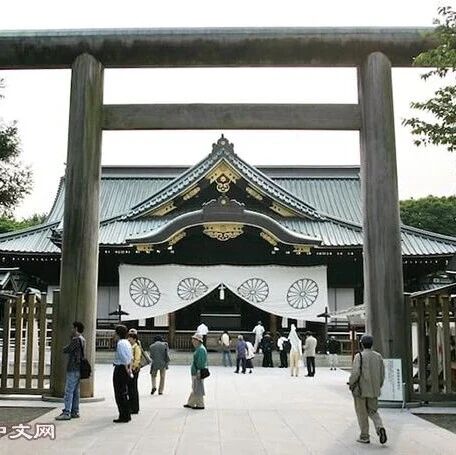
高市就参拜靖国神社表示将作出恰当判断
日经中文网· 2025-10-05 08:04
Core Viewpoint - The article discusses the concerns raised by Kaito Tetsuo, the representative of the Komeito Party, regarding the political implications of visits to the Yasukuni Shrine by the newly elected president of the Liberal Democratic Party (LDP), Takashi Sanae, highlighting the potential diplomatic issues arising from this practice [2][4]. Group 1 - Kaito Tetsuo expressed three main concerns: (1) clarifying the boundary between "politics and money" and enhancing regulation of political donations from corporations and groups; (2) historical recognition and visits to the Yasukuni Shrine; (3) coexistence with foreigners [4]. - Kaito indicated that many supporters are worried about these issues, stating that if they are not addressed, forming a coalition government would be impossible [4]. - Takashi Sanae responded by expressing a desire to alleviate these concerns and mentioned that she would make appropriate judgments regarding visits to the Yasukuni Shrine at the right time [4][5].
中国首家“吉伊卡哇”专卖店落户上海
日经中文网· 2025-10-05 08:04
Group 1 - The first "Giyikawa" specialty store has opened in Shanghai, marking a significant expansion of the brand into the Chinese market [2] - This store aims to cater to the growing demand for unique and high-quality products among Chinese consumers [2] - The opening of the store is part of a broader strategy to enhance brand visibility and capture market share in Asia [2] Group 2 - The brand's entry into Shanghai is expected to drive sales growth and increase brand loyalty among local customers [2] - The store features a range of exclusive products that are tailored to the preferences of Chinese consumers [2] - The expansion reflects the company's commitment to investing in international markets and adapting to local consumer trends [2]

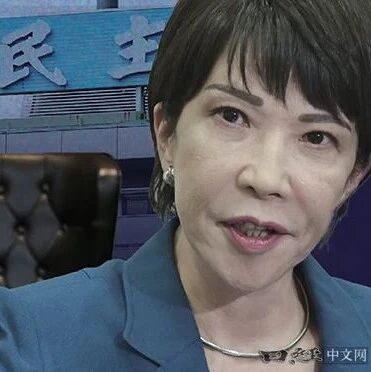
高市早苗走向“日本撒切尔”的脚步
日经中文网· 2025-10-04 08:51
Core Viewpoint - The article discusses the rise of Sanae Takaichi as the first female leader of Japan's ruling Liberal Democratic Party (LDP) and her potential to become Japan's first female Prime Minister, breaking the "glass ceiling" in Japanese politics [1][2]. Group 1: Background and Political Journey - Sanae Takaichi was born in Osaka and grew up in Nara, graduating from Kobe University before entering the Matsushita Institute of Government and Management, marking the beginning of her political career [3]. - She has a history of political involvement, including her first unsuccessful attempt at the Senate election in 1992, followed by her election to the House of Representatives in 1993 [3][11]. - Takaichi has held various significant positions, including Deputy Minister of Economy, Trade and Industry, and Minister of Internal Affairs and Communications, showcasing her extensive experience in government [3][12]. Group 2: Political Ideology and Influences - Takaichi is viewed as a conservative within the LDP, with her strong nationalistic stance rooted in the U.S.-Japan trade friction of the 1980s [4]. - Her experience working in the office of U.S. Congresswoman Patricia Schroeder shaped her perspective on Japan's self-defense and international standing [5]. - Influenced by former British Prime Minister Margaret Thatcher, Takaichi considers her a political role model and often refers to her autobiography for guidance [13][14]. Group 3: Policy Focus and Personal Experiences - Takaichi emphasizes policies that reflect the perspectives of everyday citizens, drawing from her personal experiences caring for her parents and managing her own health issues [12]. - She advocates for the establishment of comprehensive hospitals addressing women's health issues and the introduction of a national qualification system for domestic support services [12]. Group 4: Political Strategy and Future Aspirations - Despite setbacks in previous leadership elections, Takaichi remains focused on building alliances and refining her policies, preparing for future leadership contests [15][18]. - She aims to create a core team of young and mid-level politicians to support her potential administration, indicating her strategic approach to leadership [18]. - Takaichi's goal transcends merely being the first female Prime Minister; she seeks to achieve recognition through tangible political accomplishments [19].

富士通与英伟达联合开发AI半导体
日经中文网· 2025-10-04 08:51
Core Insights - Fujitsu and NVIDIA are collaborating to develop a semiconductor aimed at artificial intelligence (AI) applications, with a goal to connect their chips on the same substrate by 2030, enhancing computational efficiency and energy savings [1][2] - The partnership aims to tap into new markets such as data centers and robotics, leveraging NVIDIA's expertise in GPU technology and Fujitsu's CPU development [1][2] Group 1: Collaboration Details - The joint semiconductor development will utilize NVIDIA's technology to achieve ultra-fast interconnectivity between multiple chips, allowing them to function as a single chip [1] - Fujitsu's new CPU, named "MONAKA," is being developed based on Arm architecture, with a target of achieving double the power efficiency compared to competitors, and is expected to be operational by 2027 [2] - The collaboration is expected to enhance energy efficiency significantly, with Fujitsu's president stating it marks an important step towards an AI-driven society [2] Group 2: Market Expansion and Strategic Goals - NVIDIA is looking to expand its market presence in Japan by leveraging Fujitsu's extensive experience in system construction and its established customer base across various sectors, including government and finance [5] - The partnership also includes plans for future collaboration on the successor to the "Fugaku" supercomputer, aiming for higher computational capabilities by integrating CPU and GPU technologies [5] - Other Japanese companies, such as Hitachi and NTT, are also engaging in partnerships with international firms to enhance energy efficiency in AI data centers, indicating a broader trend of collaboration in the tech industry [4]


日本开发出植物基“金枪鱼生鱼片”
日经中文网· 2025-10-01 00:36
Core Viewpoint - The article discusses the development of plant-based "tuna sashimi" in Japan, highlighting its potential impact on the food industry and sustainability efforts [2]. Group 1: Product Development - Japanese researchers have successfully created a plant-based alternative to traditional tuna sashimi, aiming to cater to the growing demand for sustainable seafood options [2]. - The new product mimics the texture and flavor of real tuna, making it appealing to consumers who are looking for meat alternatives [2]. Group 2: Market Implications - The introduction of plant-based tuna could significantly reduce the environmental impact associated with fishing, addressing concerns over overfishing and marine ecosystem degradation [2]. - This innovation aligns with global trends towards healthier and more sustainable eating habits, potentially opening new market opportunities for food companies [2]. Group 3: Consumer Trends - There is an increasing consumer interest in plant-based diets, driven by health consciousness and environmental awareness, which could lead to higher adoption rates of products like plant-based tuna [2]. - The product is expected to attract not only vegetarians and vegans but also flexitarians who are looking to reduce their meat consumption [2].

日经Gaming精选:《怪物猎人荒野》大卖的CAPCOM,下一个目标是...... [专访CAPCOM辻本春弘社长(二)]
日经中文网· 2025-10-01 00:36
Group 1 - The core viewpoint of the article emphasizes the strategic development of esports, particularly through the CAPCOM CUP events, which are seen as a way to enhance revenue sharing with teams and players [3][5]. - CAPCOM is focusing on rebuilding the CAPCOM CUP in Japan before expanding it internationally, indicating a phased approach to growth in the esports sector [3]. - The success of the recent CAPCOM CUP events in Japan serves as a reference for future endeavors, suggesting that the company is optimistic about the potential for increased revenue through content monetization and broadcasting rights [5]. Group 2 - The announcement of CAPCOM CUP 12 to be held at the National Sports Hall in Japan from March 11 to 15, 2026, highlights the company's commitment to continuing its esports initiatives [5]. - There are ongoing discussions regarding the implementation of a payment system for video streaming, which is identified as a significant challenge for global monetization [5]. - The experience gained from previous events indicates that even with a paywall, the content is deemed valuable enough to support revenue generation, suggesting a positive outlook for future profitability [5].

稀土涨价升级,中国非管品类跟涨
日经中文网· 2025-10-01 00:36
Core Viewpoint - The partnership between MP Materials and the U.S. Department of Defense highlights a significant shift in the rare earth market, with the government committing to purchase neodymium-praseodymium products at approximately double the market price, ensuring a minimum price for 10 years, which reflects a rare interventionist approach by the government [1][9]. Group 1: Rare Earth Market Dynamics - The prices of rare earth elements are experiencing a surge, influenced by China's export controls and the U.S. strategy to secure its own supply chains, particularly affecting the prices of neodymium and praseodymium, which are essential for electric vehicles and wind turbines [1][3][6]. - As of September 18, dysprosium reached $840 per kilogram, approximately three times its price before China's export controls, while terbium hit a record high of $3,600 per kilogram [3]. - The price of neodymium-praseodymium (NdPr) has also risen significantly, with the Chinese price reaching $90,850 per ton in late August, marking a high not seen since March 2023 [6]. Group 2: U.S. Supply Chain and Policy Changes - MP Materials has ceased exporting rare earth concentrates to China due to high tariffs, leading to anticipated shortages of light rare earths in the U.S. market, which is driving up prices [9]. - The U.S. Geological Survey indicates that the U.S. accounts for 12% of global rare earth production, with MP Materials operating the only rare earth mine in the U.S. [6]. - The U.S. government's commitment to purchase NdPr at $110 per kilogram, nearly double the market price, is seen as an unusual socialist-like intervention in the market [9]. Group 3: Geopolitical Implications - The ongoing tensions between the U.S. and China regarding rare earth resources are expected to continue, with strict export licensing from China and decreasing inventories among demand-side players [10]. - China's recent regulations to strengthen control over domestic rare earth mining and refining are likely to further impact global prices and supply dynamics [9][10].


甲骨文创始人埃里森——靠对抗精神成为世界首富
日经中文网· 2025-10-01 00:36
Core Viewpoint - Larry Ellison, at the age of 81, has become the world's richest person with a net worth of $393 billion as of September 10, surpassing Elon Musk, due to the soaring stock price of Oracle, the company he founded [2][5]. Group 1: Background and Achievements - Larry Ellison was born in New York and adopted shortly after birth. His exposure to computers and move to the West Coast was pivotal in his entrepreneurial journey. He founded Oracle in 1977, focusing on data management software [4]. - Through aggressive acquisitions, Ellison transformed Oracle into a software giant, demonstrating a strong competitive spirit against industry leaders like IBM and Microsoft. He was notably vocal in the antitrust lawsuits against Microsoft in the 1990s [4]. - Ellison has maintained a close relationship with former President Trump and has been involved in the acquisition of TikTok's U.S. operations [5]. Group 2: Current Initiatives and Personal Life - In the competitive landscape of AI infrastructure investment, Ellison stated that he plans to build more data centers than all competitors combined, showcasing his relentless competitive drive [5]. - Ellison's luxurious private life has attracted significant attention, and he is known to have a villa in Kyoto's Nanzen-ji Temple, indicating his affinity for Japan [5].


索尼向“娱乐界的综合商社”加速转型
日经中文网· 2025-10-01 00:36
Core Viewpoint - Sony Group is set to accelerate its investment strategy in the entertainment sector following the spin-off of its financial business, aiming to enhance its position as a comprehensive player in the entertainment industry [1][4]. Group 1: Financial Business Spin-off - Sony Group's financial business will be listed on the Tokyo Stock Exchange Prime market on September 29, allowing the company to focus more on acquiring intellectual property (IP) in the entertainment sector [1][4]. - The spin-off is expected to shift investor attention towards Sony's entertainment business, necessitating detailed explanations of investment returns on large projects [1][4]. Group 2: Investment in Intellectual Property - Over the past seven years, Sony Group has invested 1.9 trillion yen in IP, including stakes in Bandai Namco Holdings and KADOKAWA, to compensate for its perceived weakness in creating IP from scratch [3][7]. - The acquired IP is integrated with Sony's various businesses, such as gaming, film, and animation, maximizing value [3][7]. Group 3: Business Performance and Strategy - Sony Group's business performance for the fiscal year 2024 includes projected revenues and profits across various sectors, with gaming expected to generate 4.67 trillion yen in revenue and 4.148 billion yen in operating profit [10]. - The company has introduced a "Pollinator network" system to enhance talent matching within its divisions, leveraging generative AI to improve collaboration between gaming and film sectors [10]. Group 4: Market Position and Valuation - Analysts have raised Sony Group's investment rating to the highest level, citing a gap between the company's enterprise value and stock price, which may be due to insufficient disclosure of information necessary for evaluating its entertainment business [8]. - Despite strong stock performance, there is a concern that the market capitalization gap between Sony and comparable entertainment companies like Disney could widen by approximately 1 trillion yen [11].