高工锂电

Search documents
GGII:市场驱动下, 磷酸铁锂装机份额仍有上行空间
高工锂电· 2026-01-02 11:50
Core Viewpoint - The domestic lithium iron phosphate (LFP) battery installation volume is expected to reach a new high, driven by market demand and the increasing acceptance of LFP batteries due to their safety, cost-effectiveness, lifespan, and resource sustainability advantages [17]. Group 1: Market Performance - In the period from January to November 2025, the domestic installation volume of LFP batteries is approximately 490 GWh, representing a year-on-year growth of 55% and a market share of 78.5%, which is an increase of 10 percentage points compared to the same period last year [5][4]. - The market share of LFP batteries is close to the peak of 81% reached in 2014, with only a 2.5% difference, raising the question of whether it will surpass this peak again [5]. Group 2: Market Drivers - The significant increase in the share of LFP batteries is fundamentally different from 2014, as it is now primarily market-driven, particularly in the passenger vehicle sector, whereas in 2014, it was mainly policy-driven, focusing on the bus sector [8]. - The proportion of new vehicles equipped with LFP batteries has remained between 90% and 96% this year, indicating a growing preference among manufacturers for LFP technology [10]. Group 3: Vehicle Models and Growth - The number of passenger vehicle models equipped with LFP batteries has increased from 213 in the past three years to 536 by November this year, with popular models like Geely Xingyuan, Xiaomi SU7, and XPeng MONA M03 contributing to this growth [13]. - Specific vehicle installation numbers and year-on-year growth rates for LFP battery models include: - Geely Xingyuan: 417,935 units (1214%) - Hongguang MINI EV: 405,752 units (81%) - Xiaomi SU7: 161,753 units (277%) - XPeng MONA M03: 161,142 units (398%) [14]. Group 4: Competitive Landscape - The top 10 companies in the domestic LFP battery installation market accounted for 95.3% of the total volume from January to November 2025, with companies like CATL, EVE Energy, and others showing steady growth over the past three years [16].

近 200 亿高镍订单“蒸发” 特斯拉4680电池进展追踪
高工锂电· 2026-01-02 11:50
Core Viewpoint - The significant reduction in the long-term supply contract for high-nickel cathode materials between L&F and Tesla has raised concerns about the viability of Tesla's 4680 battery project, indicating potential challenges in production and demand for electric vehicles [1][2][6]. Group 1: Contract Details and Implications - L&F initially signed a supply agreement with Tesla in February 2023, valued at approximately 3.83 trillion KRW, covering the period from 2024 to 2025 [1][2]. - By December 29, 2025, L&F announced that the contract's estimated value had been reduced to less than 10 million KRW, a decrease of nearly 99%, attributed to changes in supply volume [1][3]. - The drastic reduction in contract value has directly impacted L&F's performance expectations and serves as a financial signal regarding the challenges faced by Tesla's 4680 battery production [2][5]. Group 2: Market Reactions and Analysis - Following the announcement, L&F's stock price fell by over 7% on the first trading day, reflecting immediate market concerns [4]. - Analysts have linked the contract's reduction to two main factors: Tesla's slower-than-expected ramp-up of 4680 battery production and a general slowdown in demand for electric vehicles in the U.S. market [7][8]. - The Cybertruck, as the only mass-produced vehicle utilizing the 4680 cells, has not met sales expectations, further diminishing the demand for high-nickel materials [8]. Group 3: Broader Industry Context - The initial optimism surrounding high-nickel expansion has been reversed due to the realities of production challenges and market demand [5][10]. - Tesla's shift in battery strategy includes a focus on LFP (Lithium Iron Phosphate) batteries for standard range models, indicating a pivot away from high-nickel configurations for mass-market vehicles [11][13]. - The overall market environment, including high interest rates and uncertain subsidy policies, has led to a reevaluation of electric vehicle investments, impacting demand for high-nickel batteries [14]. Group 4: Resource Market Adjustments - Concurrently, there have been significant developments in the nickel resource sector, with companies like Shengtu Mining terminating high-nickel projects due to weak nickel prices and profitability pressures [15][16]. - Indonesia's government plans to reduce nickel production quotas significantly by 2026, aiming to stabilize prices and alleviate oversupply issues [17]. - These adjustments in the nickel supply chain reflect a broader trend of recalibrating expectations around high-nickel battery production and resource availability [18].


锂业并购再升级:盛新锂能吃下启成矿业,盐湖股份补齐第二块盐湖
高工锂电· 2026-01-01 08:09
Core Viewpoint - The lithium price rebound has led to a new phase of resource mergers and acquisitions, characterized by a "full industry chain game" as companies seek to secure upstream resources amid rising lithium carbonate prices [2][3]. Group 1: Mergers and Acquisitions - Shengxin Lithium Energy announced a cash acquisition of 30% equity in Sichuan Qicheng Mining for 2.08 billion yuan, aiming for full control and securing lithium resources from two mines [2][5]. - Salt Lake Co. disclosed plans to acquire 51% of Wenkang Salt Lake for 4.605 billion yuan, integrating its lithium production capacity into its financial statements [2][8]. - The combined value of these transactions is approximately 6.685 billion yuan, coinciding with lithium carbonate prices surpassing 100,000 yuan per ton [3]. Group 2: Resource Valuation and Production Capacity - The valuation of Qicheng Mining is approximately 6.933 billion yuan, consistent with previous funding rounds [6]. - The core asset of Qicheng Mining is the Yajian Muro Lithium Mine, with proven lithium oxide resources of 989,600 tons and a planned extraction capacity of 3 million tons per year [7]. - Wenkang Salt Lake's core asset, the Yili Ping Salt Lake, has established production capacities of 15,000 tons/year for lithium carbonate and 200 tons/year for lithium phosphate, among others [8][11]. Group 3: Industry Trends and Strategic Shifts - The trend in mergers is shifting from speculative assets to those with visible production and core processes, with a focus on achieving over 51% control [12][13]. - Companies are increasingly targeting upstream resources and key materials, as seen with Shengxin Lithium Energy's multiple acquisitions and Huazhong Holdings' purchase of Argentum Lithium [14]. - The integration of assets is becoming a primary tool for restructuring within the industry, as companies seek to enhance their competitive positions and resolve historical issues [15][16].


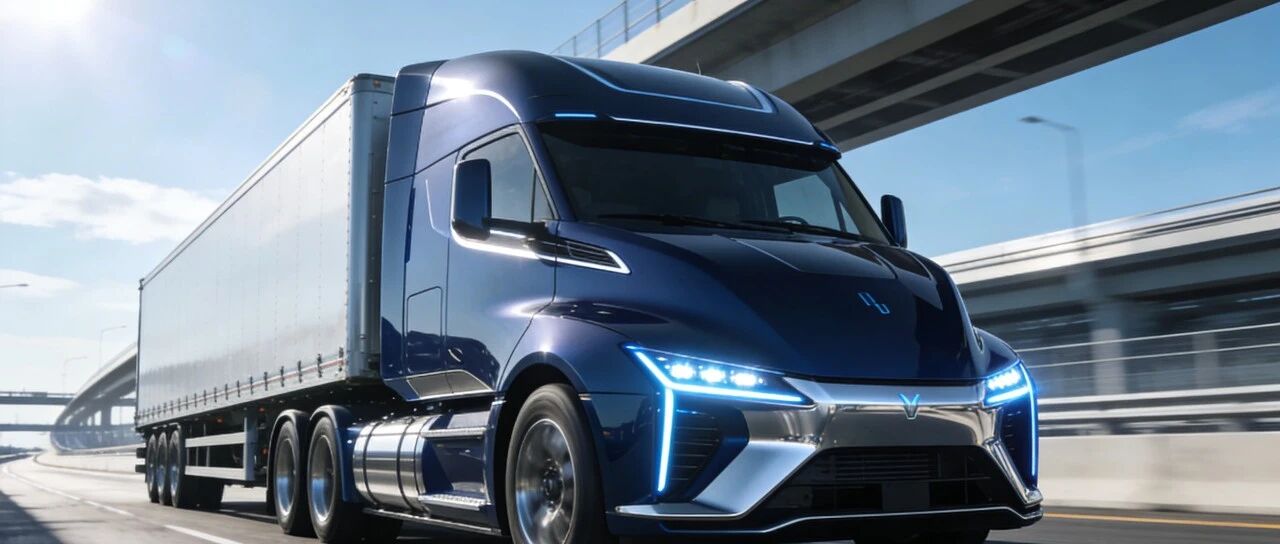
回望2025:重卡电动化渗透率飙升、技术方向确定、IPO接踵
高工锂电· 2026-01-01 08:09
Core Insights - The electric heavy truck industry has rapidly evolved, completing a development phase that took over a decade for electric passenger vehicles in just a few years [1][3] - By 2025, the penetration rate of electric heavy trucks in China is expected to exceed 20%, with various technologies such as hybrid, ultra-fast charging, battery swapping, and even autonomous trucks emerging [2][3] - As of November, domestic electric heavy truck sales surpassed 180,000 units, marking a nearly 180% increase, making it the fastest-growing segment in the new energy vehicle market after passenger cars [2] Industry Trends - The electric heavy truck sector is experiencing a surge in IPO activities, with companies like SANY and others filing for listings [2] - Industry sentiment indicates a projected growth rate of 150% for new energy commercial vehicles in 2026, with electric heavy trucks expected to see even higher growth rates [2] Technological Developments - The technology landscape for electric heavy trucks has diversified, moving from battery swapping to charging solutions, supported by advancements in ultra-fast charging batteries, high-voltage platforms, and liquid-cooled charging stations [3] - Key players in battery technology include CATL, EVE Energy, and Ruipu, with products capable of ultra-fast charging and high energy density [3][11] Safety Considerations - Safety remains a critical challenge for the widespread adoption of ultra-fast charging in electric heavy trucks, given the significantly higher energy capacities compared to passenger vehicles [4] - The industry is focusing on battery safety through advanced monitoring systems and the development of liquid-cooled charging stations to mitigate risks [4] Market Demand - Currently, 35% of electric heavy truck demand is in short-haul scenarios, while 65% is in long-haul transportation, with the latter being a key area for future growth due to issues related to range and economics [5] - Major infrastructure projects, such as coal transportation in Xinjiang and the construction of the Yarlung Tsangpo River hydropower station, are driving significant demand for electric heavy trucks [6][7] Strategic Initiatives - Companies like CATL are actively engaging in hydropower projects, positioning themselves as not just battery manufacturers but also as solution providers in the zero-carbon technology space [9] - The Yarlung Tsangpo River project, with an estimated investment of over 1.2 trillion yuan, is expected to create substantial demand for electric heavy trucks, particularly in challenging environments where traditional fuel trucks struggle [8] Future Directions - The future of electric heavy trucks is leaning towards high power and smart technology, with advancements in high-voltage systems and intelligent logistics solutions [10][11] - The integration of AI for predictive safety measures and the transparency of battery lifecycle data are expected to enhance operational efficiency and safety in the electric heavy truck sector [14]

2026以旧换新:AI眼镜进场,汽车补贴门槛抬高
高工锂电· 2025-12-31 11:56
Core Viewpoint - The recent announcements from various government departments regarding the implementation of large-scale equipment updates and trade-in policies for consumer goods in 2026 are seen as a comprehensive consumer stimulus plan, significantly impacting multiple sectors within the lithium battery industry, including passenger vehicles, public transport, 3C devices, home appliances, and battery recycling [3]. Group 1: Passenger Vehicle Subsidies - The new subsidy policy for passenger vehicles shifts from a fixed amount to a percentage of the vehicle price, favoring mid-to-high-end new energy vehicles. In 2026, individuals can receive a one-time subsidy of 12% of the new vehicle's tax-inclusive price (up to 20,000 yuan) when trading in old vehicles [4][5]. - The policy differentiates between the subsidies for new energy vehicles and traditional fuel vehicles, with the former receiving a higher percentage, thus concentrating funds on mid-to-high-end models. This change may disadvantage low-priced electric vehicles that rely on price competition [5]. Group 2: Public Transport and Commercial Vehicles - The policy framework also includes support for battery updates in public transport and commercial vehicles, encouraging the replacement of high-emission operational trucks with electric ones. The continuation of subsidies for new energy city buses and battery updates is emphasized [6]. - The allocation of 625 billion yuan in special bonds for local governments will support the trade-in and related infrastructure, indicating a stable demand for high-capacity, long-life batteries in public transport and freight sectors [6]. Group 3: Consumer Electronics and Smart Devices - The 2026 trade-in policy for consumer electronics will support the purchase of digital and smart products, with a subsidy of 15% for items priced under 6,000 yuan, expanding the scope to include smart glasses for the first time [7][8]. - This initiative aims to accelerate the integration of next-generation smart terminals into daily consumer scenarios, creating new demand for high-energy-density batteries and lightweight battery management systems [7]. Group 4: Home Appliances and Smart Home Products - The policy continues to support the trade-in of home appliances, offering a 15% subsidy for energy-efficient products, with a maximum of 1,500 yuan per item. This includes support for smart home products, with local governments determining specific categories and subsidy standards [8]. - The demand for lithium batteries in 3C products is expected to remain stable, while the implementation of smart home policies may influence the market for battery-powered devices [8]. Group 5: Recycling and Sustainable Practices - The new policies emphasize the importance of recycling and the development of recycling networks, supporting the application of recycled materials and adhering to environmental standards. This aligns with the anticipated large-scale retirement of batteries, providing clearer policy signals for the industry [9].

国家级零碳园区对准锂电扩产:52个项目释放哪些信号
高工锂电· 2025-12-31 11:56
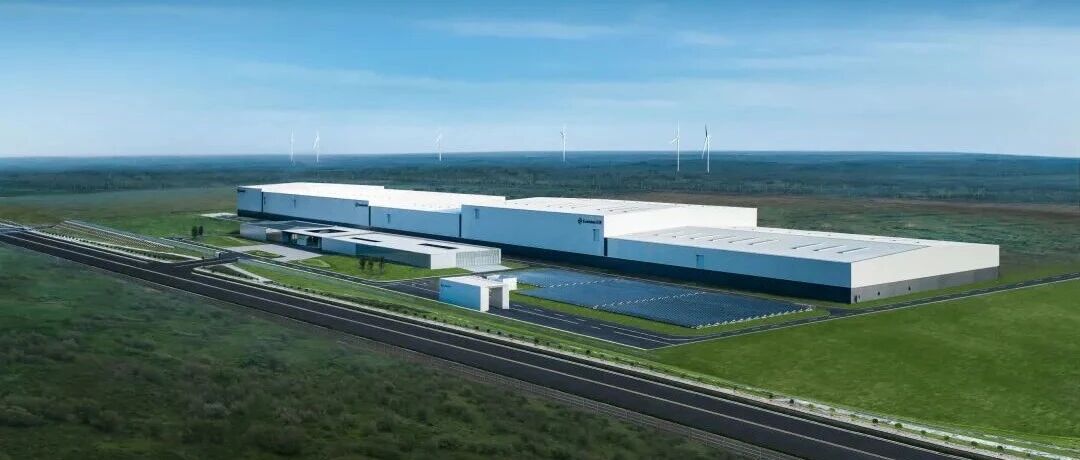
Core Viewpoint - The first batch of national-level zero-carbon parks has been announced, with nearly 40% located in key lithium battery manufacturing bases, indicating a strong alignment between zero-carbon industrial parks and China's lithium battery and new energy industries [1][3][4]. Group 1: Overview of Zero-Carbon Parks - A total of 52 parks have been selected, serving as a sample to observe the coupling of China's new energy and industrial systems [2]. - The selected parks cover various types across eastern, central, and western regions, including national economic development zones, high-tech zones, resource-based development zones, and specialized industrial parks [6]. - The construction period for these parks is required to be completed between 2027 and 2030, with local governments encouraged to provide support in funding, resources, technology, and finance [7]. Group 2: Industry Chain and Structure - The parks related to lithium battery and new energy manufacturing encompass a complete chain from resource extraction to manufacturing and application [8]. - Key parks include those in Jiangxi, Yunnan, and Xinjiang, which focus on lithium resources and new energy materials, as well as manufacturing bases for major companies like CATL and BYD [8][10]. - Downstream applications include parks focused on electric vehicles, energy storage equipment, and data centers, indicating a multi-dimensional approach to energy and storage [10]. Group 3: Zero-Carbon Parks as Experimental Models - Zero-carbon parks are not merely single-factory transformations but aim to reconstruct energy systems and carbon management logic at the industrial cluster level [11]. - The selection of lithium battery and new energy industries as pilot projects is due to their foundational role in supporting energy transition and their strong linkage to emission reduction targets [13][14]. - The parks are expected to validate a replicable set of indicators and operational mechanisms under varying regional and industrial conditions [11][21]. Group 4: Case Study of Inner Mongolia - The Inner Mongolia Ordos Mongsu Economic Development Zone serves as a concrete example of a zero-carbon park, integrating wind, solar, storage, and hydrogen energy into a closed-loop system [22][25]. - The facility aims for full carbon neutrality across its value chain, utilizing high proportions of green electricity and a digital carbon management platform [26][30]. - This model is being expanded to other regions, demonstrating the potential for replicable solutions across different resource endowments and industrial structures [33]. Group 5: Implications for Future Investments - The first batch of zero-carbon parks reflects new constraints and implicit thresholds for the next round of lithium battery and new energy industry layouts [39]. - Local governments' ability to implement green electricity direct connections and integrated carbon monitoring systems will influence the feasibility of high-value new energy projects [40]. - Parks that have established comprehensive new energy and lithium battery industry clusters are more likely to be selected for future projects, shaping the spatial layout of the new energy industry [41][42].
国标公示:取消“半固态电池”分类
高工锂电· 2025-12-31 11:56
Core Viewpoint - The article discusses the establishment of a national standard for solid-state batteries in China, which aims to clarify the definitions and classifications of solid-state and semi-solid batteries, thereby providing a unified framework for the industry [3][4][9]. Group 1: National Standard Development - On December 31, 2025, China's first national standard for solid-state batteries for electric vehicles entered the public consultation phase, marking a significant step in the standardization of this technology [3]. - The standard will provide a unified definition, classification methods, and quantitative indicators to determine whether a battery qualifies as a solid-state battery [4][8]. - The drafting committee includes over 30 organizations from the entire supply chain, including major battery manufacturers and automotive companies, indicating a broad consensus among key industry players [5][6]. Group 2: Classification and Testing Criteria - The standard introduces a three-part classification system for batteries: liquid, mixed solid-liquid, and solid-state, eliminating the independent categories of "semi-solid" and "fully solid" batteries [10][12]. - A weight loss rate test with a threshold of 0.5% is established to determine if a battery can be classified as solid-state, with specific testing procedures outlined [14][15]. - The classification will also consider the type of solid electrolyte, ion conduction type, and application scenarios, allowing for differentiated product development in various fields [13][17]. Group 3: Industry Implications - The introduction of this standard is expected to accelerate the industrialization of solid-state batteries, with major automotive companies planning to validate and produce these batteries by 2026 and 2027 [19]. - The solid-state battery concept index has seen a nearly 60% increase this year, reflecting strong market interest and investment in this technology [20]. - The standard aims to provide a common language for academic research and technology development, set baseline expectations for product marketing, and establish conditions for future performance and safety standards [22][24].
锂价翻倍、LFP 集中停产、电池厂加注钠电 锂电产业链博弈“三重门”
高工锂电· 2025-12-30 10:55
Core Viewpoint - The lithium battery industry is undergoing significant changes in pricing mechanisms, production adjustments, and technological advancements, with key players like Tianqi Lithium leading the way in redefining pricing structures and production strategies [3][8][41]. Pricing Restructuring - Lithium carbonate prices have surged, with the benchmark price exceeding 120,000 yuan/ton by December 30, marking a more than 30% increase from the beginning of the month and doubling from the year's low of under 60,000 yuan/ton [5][6]. - Tianqi Lithium announced a shift in its pricing model starting January 1, 2026, moving from a single pricing reference to a dual structure based on either the Mysteel index or the futures contract price, allowing customers to choose [9][10][12]. Production Adjustments - Major players in the lithium iron phosphate sector, including Hunan Youneng and Wanrun New Energy, have announced production cuts due to high operational loads and maintenance needs, with total reductions estimated between 30,000 to 70,000 tons, representing 7% to 17% of the domestic output in January [17][19][20]. - The industry is experiencing a shift from total price negotiations to discussions around processing fees, with leading companies seeking to raise processing fees by 2,000 to 3,000 yuan/ton to offset rising raw material costs [24][22]. Technological Developments - Sodium-ion batteries are gaining attention, with companies like CATL aiming for large-scale applications by 2026, focusing on energy storage and commercial vehicles [35][39]. - The economic viability of sodium-ion batteries is becoming more favorable as they do not require lithium carbonate or copper, providing a cost advantage in a high-price environment [38][39]. Market Dynamics - The lithium battery supply chain is attempting to redefine profit and risk boundaries in anticipation of a "tight balance" in 2026, with various strategies being employed across different segments of the industry [43][44]. - The overall net profit margin for lithium battery companies is around 9%, with upstream resources maintaining higher profitability while many midstream and downstream companies face tighter cash flows [42].




1月锂电排产“踩刹车”,但国补续期预期升温
高工锂电· 2025-12-30 10:55
Group 1 - The core viewpoint of the article highlights a convergence of supply-side adjustments and demand-side support in the lithium battery and new energy vehicle industry as it enters 2026, with a notable reduction in production and an extension of government subsidies for vehicle trade-ins [1][7][9] Group 2 - In January 2026, the production of lithium batteries in China is estimated to be around 210 GWh, reflecting a month-on-month decline of over 4%, while global production is expected to be approximately 220 GWh, down more than 6% [2] - Major battery manufacturers in mainland China are planning a production decrease of about 7% in January 2026, with some companies reducing output by nearly 10%, which is worse than previous optimistic expectations of a low single-digit adjustment [2][3] - The decline in production is attributed to seasonal factors and negotiations with upstream suppliers rather than a systemic deterioration in end-demand [3] Group 3 - Leading companies in the cathode material sector, such as Hunan Youneng and Wanrun New Energy, have announced production cuts or maintenance starting January 1, 2026, with reductions in phosphate cathode products expected to range from 3,000 to 35,000 tons [4][5] - The companies involved in these maintenance announcements hold a significant market share, and the rationale provided focuses on the need for safety and quality assurance, although market interpretations lean towards price factors [5][6] Group 4 - The government has confirmed the continuation of subsidies for vehicle trade-ins in 2026, emphasizing a more precise and structured approach to support [7][9] - Data from the Ministry of Commerce indicates that trade-in programs led to over 2.5 trillion yuan in sales from January to November 2025, with over 11.2 million vehicles traded in, significantly boosting the automotive market [8] Group 5 - The expected changes in subsidy structures may lead to a redistribution of support, favoring high-end electric vehicles while potentially reducing subsidies for lower-priced models, accelerating structural differentiation in the automotive market [10][12] - The adjustments in subsidy mechanisms are anticipated to impact the competitiveness of different vehicle types, pushing manufacturers to invest more in technology and efficiency [13] Group 6 - The interplay between reduced production in January and the continuation of government subsidies is not merely a simple balancing act but reflects a complex reallocation of risks and rewards across the industry under high costs and low profits [14]


水电站、芯片、机器人灵巧手... 宁德时代系统化“破圈”释放什么信号?
高工锂电· 2025-12-30 10:55
Core Viewpoint - CATL is redefining its position in the industry chain from a battery manufacturer to a system player focusing on "power assets, automotive intelligence entry, and physical AI coupling" through a series of seemingly scattered investments [4][17]. Investment in Hydropower Project - CATL has invested in a hydropower project in Sichuan, partnering with State Power Investment Corporation and Sichuan Tieneng Power Development Co., with a total installed capacity of 1.15 million kilowatts and a dynamic total investment of 15.273 billion yuan [4][6]. - The project is expected to yield an internal rate of return of approximately 5.95% based on certain assumptions, with CATL's direct investment estimated at around 458 million yuan [4][5]. Strategic Shift and Regulatory Support - The investment in the hydropower station is not merely a financial investment but aligns with the national policy encouraging private enterprises to invest in energy infrastructure, thus providing a clearer pathway for private capital in large energy projects [5]. - CATL signed a strategic cooperation agreement with the State Power Investment Corporation in 2021, covering various energy sectors including wind, solar, and hydropower [5]. Energy and Carbon Neutrality Goals - CATL aims to achieve core operational carbon neutrality by 2025 and value chain carbon neutrality by 2035, responding to the EU's new battery regulations that require digital battery passports for electric vehicle batteries starting February 18, 2027 [8]. - The investment in the hydropower project allows CATL to secure a more stable and traceable green electricity supply, which is crucial for meeting these sustainability requirements [8]. Expansion into Automotive Intelligence - CATL's recent investments extend beyond energy assets; it is also entering the automotive domain by investing in automotive domain control chip development through a partnership with Unisoc [9]. - This move positions CATL deeper into the automotive intelligence supply chain, betting on the second growth curve for car manufacturers beyond electrification [9]. Semiconductor and AI Investments - CATL has been actively investing in semiconductor and key chip sectors, including power semiconductor companies and chip design firms, to enhance its supply chain control and product definition capabilities [10][9]. - The company is also investing in AI-related technologies, such as a recent investment in a robotics company to enhance manufacturing efficiency and integrate AI into production processes [12][13]. Systematic Layout and Competitive Advantages - CATL's investments in hydropower, automotive chips, and AI reflect a systematic approach to building competitive advantages in energy control, automotive intelligence, and manufacturing efficiency [14][17]. - This strategy is similar to other industry players like Tesla and BYD, who are also focusing on integrating energy systems with advanced technologies [15][16].