材料汇

Search documents
1000+深度报告:半导体材料/显示材料/新材料能源/新材料等
材料汇· 2025-08-06 15:53
Investment - The article discusses various investment opportunities in new materials, semiconductors, and renewable energy sectors, highlighting the potential for growth and innovation in these industries [1][3][4]. Semiconductor - It emphasizes the importance of semiconductor materials such as photolithography, electronic special gases, and silicon wafers, which are critical for advanced packaging and manufacturing processes [1][3]. - The report also covers the advancements in third and fourth generation semiconductors, including silicon carbide and gallium nitride technologies, which are expected to drive future growth [1][3]. New Energy - The article outlines the investment landscape in new energy, focusing on lithium batteries, solid-state batteries, and hydrogen energy, which are pivotal for the transition to sustainable energy solutions [1][3]. - It highlights the significance of materials like silicon-based anodes and composite current collectors in enhancing battery performance [1][3]. Photovoltaics - The report details the photovoltaic sector, including materials such as solar glass, encapsulants, and back sheets, which are essential for solar panel efficiency [1][3]. - It also mentions the role of quartz sand and perovskite materials in the development of next-generation solar technologies [1][3]. New Display Technologies - The article discusses the emerging display technologies, including OLED, MiniLED, and MicroLED, and the materials required for their production, such as optical films and adhesives [3][4]. - It notes the growing demand for high-performance display materials driven by advancements in consumer electronics [3][4]. Fibers and Composites - The report covers the fiber and composite materials sector, highlighting the applications of carbon fiber and aramid fibers in various industries, including automotive and aerospace [3][4]. - It emphasizes the importance of these materials in achieving lightweight and high-strength components [3][4]. Notable Companies - The article lists key players in the materials sector, including ASML, TSMC, and Tesla, which are at the forefront of technological innovation and market expansion [4][3]. - It discusses the impact of these companies on the supply chain and their role in driving industry standards [4][3].

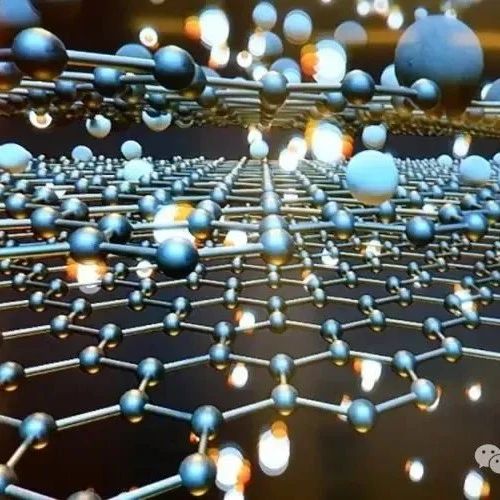
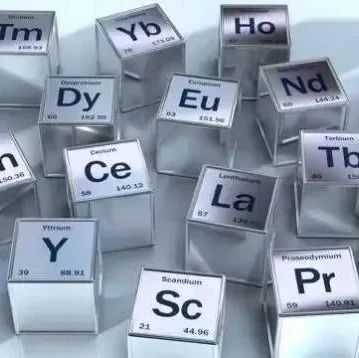
院士报告:100页详解稀土与磁性材料
材料汇· 2025-08-05 16:05
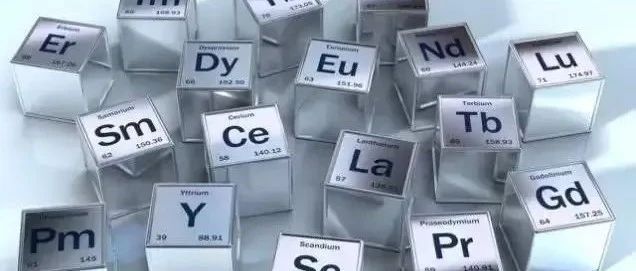
Core Viewpoint - Rare earth elements are critical strategic resources with significant economic and strategic importance, often referred to as the "vitamins of modern industry" and the "new material treasure trove of the 21st century" [15][13]. Group 1: Importance of Rare Earth Elements - Rare earth elements possess unique magnetic, optical, and electrical properties, making them essential in various high-tech applications across 13 fields and over 40 industries, including aerospace, new energy vehicles, and defense [15][18]. - The U.S. Department of Defense has identified five rare earth elements as critical for clean energy technologies and supply chain risks [18]. - China holds the largest reserves of rare earth elements, accounting for over 90% of global market demand despite having only 23% of the world's total reserves [27][36]. Group 2: Global Competition and Strategic Significance - The competition for rare earth resources is intensifying globally, with countries like the U.S., Japan, and Australia implementing strategic plans to secure their supply chains [20][18]. - Rare earths are indispensable in the production of advanced military technologies, including missiles, radars, and satellites, highlighting their strategic military importance [97][98]. Group 3: China's Dominance in Rare Earth Production - China has established itself as the world's leading producer of rare earth elements, with production levels exceeding 85% of global output in 2019 [75][27]. - The Baiyun Obo mine in Inner Mongolia is the largest rare earth mine globally, contributing significantly to China's production capacity [37][27]. Group 4: Challenges and Sustainable Development - The rare earth industry faces challenges such as low extraction efficiency, environmental pollution, and a lack of high-end products, necessitating improvements in technology and sustainable practices [42][90]. - There is a pressing need for efficient and balanced utilization of rare earth resources to address global sustainability concerns [79][80]. Group 5: Applications of Rare Earth Materials - Rare earth magnetic materials are crucial in various applications, including clean energy, satellite communication, and medical technologies, with a significant portion of their use in high-end sectors [63][70]. - The demand for rare earth permanent magnets is increasing, with China being the largest producer and consumer in this sector [75][70].
作为磁性材料“大国”,为何存在磁性材料“卡脖子”问题?
材料汇· 2025-08-05 16:05
Group 1: Permanent Magnetic Materials - The production of permanent magnetic materials in China reached approximately 130 million tons in 2021, including 800,000 tons of ferrite permanent magnets and 213,300 tons of rare earth permanent magnets [36][2] - Ferrite permanent magnets dominate the market due to their low cost and corrosion resistance, accounting for over 60% of global production [6][39] - Rare earth permanent magnets, particularly neodymium-iron-boron (Nd-Fe-B), are critical for high-performance applications in electric vehicles and renewable energy sectors, with demand expected to increase fivefold by 2025 compared to 2020 levels [66][65] Group 2: Market Dynamics and Trends - The demand for ferrite permanent magnets in the automotive sector is projected to reach 614,000 tons by 2025, driven by the growth of electric vehicles [45] - In the home appliance sector, the demand for ferrite permanent magnets is expected to reach 201,000 tons by 2025, with variable frequency air conditioners leading the demand [45] - The global market for soft magnetic materials is anticipated to grow from $13.2 billion in 2020 to $18.1 billion by 2025, reflecting a compound annual growth rate (CAGR) of 8% [14][32] Group 3: Technological Barriers and Challenges - High-end technologies for rare earth permanent magnets, such as grain boundary diffusion and thermal pressing, are currently monopolized by companies in the US and Japan, posing a challenge for domestic manufacturers [28][32] - The production of high-performance ferrite magnets in China is still in the developmental stage, with a significant reliance on imports for advanced products [41][46] - The industry faces challenges related to resource security, particularly concerning the price volatility of heavy rare earth elements like neodymium and dysprosium [28][32] Group 4: Future Development Directions - The focus for ferrite permanent magnets will be on developing rare earth-doped and cobalt-free technologies, aiming for thinner and higher precision products [8][46] - For rare earth permanent magnets, the goal is to achieve a domestic production rate of 70% for high-end products by 2025 and 80% by 2030 [12][71] - The industry is expected to see significant advancements in the development of high-performance magnetic materials for applications in robotics, aerospace, and electric vehicles [72][74]




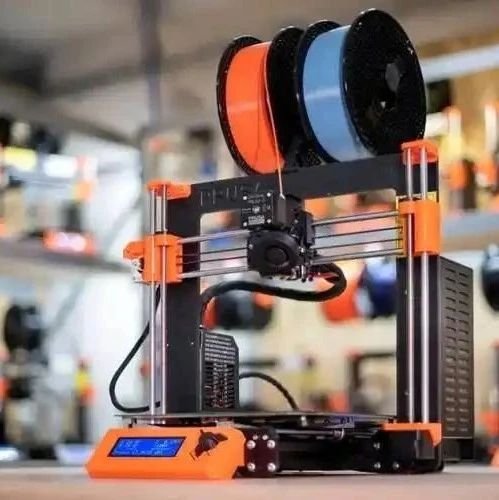
消费级3D打印企业:拓竹营收突破55亿,利润近20亿,全球市占超50%
材料汇· 2025-08-04 15:12
Group 1: Desktop 3D Printing Market - The global desktop 3D printing market is projected to grow from $5.9 billion in 2024 to $20.9 billion by 2030, with a CAGR of 23% [14][11]. - In 2023, China's desktop 3D printing market size was $300 million, accounting for approximately 6% of the global market, with key applications in dental/healthcare (24%), jewelry (21%), and food (19%) [14][12]. - The desktop 3D printing technology is categorized into FDM and SLA, with FDM being more cost-effective but less precise compared to SLA [14][13]. Group 2: Competitive Landscape - Bambu Lab is a leading player in the desktop 3D printing market, achieving revenues of 2.7 billion yuan in 2023, with a projected revenue of 5.5 billion yuan in 2024 [28]. - Creality, established in 2014, has sold over 5.5 million 3D printers globally, maintaining a market share of approximately 39% in the entry-level segment [29]. - Voxelab, founded in 2015, has launched over 20 products and achieved annual revenues exceeding 1 billion yuan, focusing on cost-effective solutions [35]. Group 3: Laser Engraving Market - The global laser engraving market is expected to reach $4.4457 billion in 2024, with a CAGR of 8.7% from 2025 to 2030 [47]. - The desktop laser engraving machine market is growing rapidly, with a 23% increase in sales from 2022 to 2023, reaching 370,000 units sold [47][48]. - Major players in the laser engraving market include xTool, Ortur, and Atomstack, with xTool holding a significant market share [50][54]. Group 4: Key Companies and Financials - Bambu Lab's community forum has over 100,000 members, enhancing user engagement and product adoption [28]. - xTool's revenue exceeded 1 billion yuan in 2023, with projections of 2 to 3 billion yuan in 2024, aiming for over 5 billion yuan by 2025 [54]. - The laser control system supplier, Jin Chengzi, is expected to generate revenue of 212 million yuan in 2024, with a net profit margin of 13.9% [65].




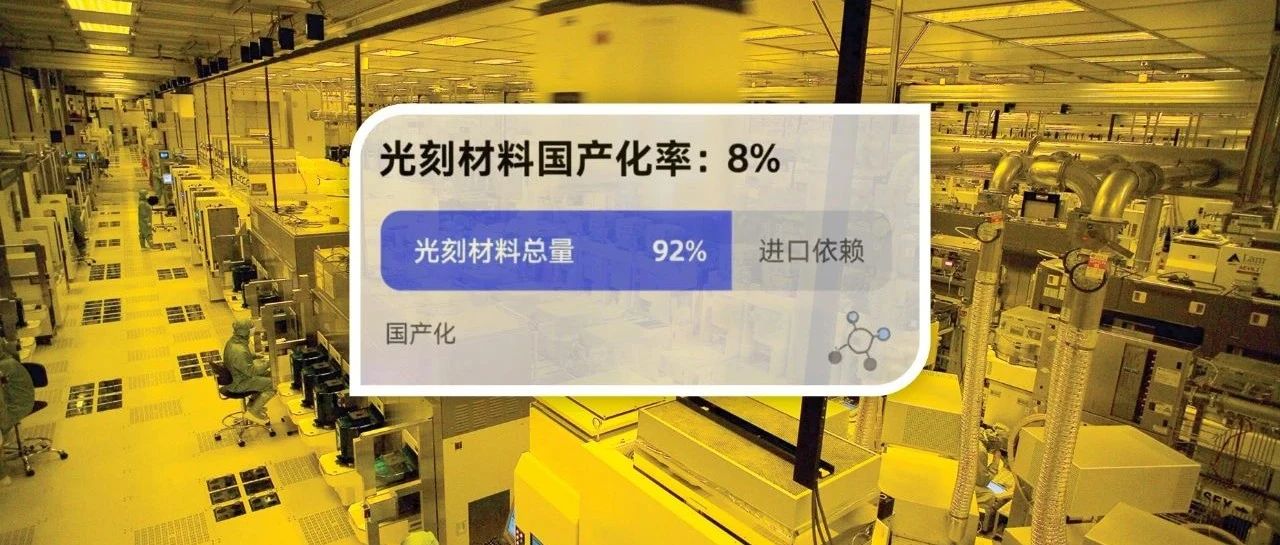
比EUV光刻机更隐秘的战场:SOC/BARC国产化率10%背后的光刻材料生死局
材料汇· 2025-08-04 15:12
Core Viewpoint - The article discusses the critical role of photolithography materials in semiconductor manufacturing, highlighting their importance in determining chip performance, integration, and production costs, as well as the ongoing innovation and upgrades in these materials due to evolving technological requirements [2][31]. Group 1: Photolithography Materials Overview - Photolithography materials are essential in the photolithography process, which transfers patterns from masks to substrates, playing a crucial role in integrated circuit manufacturing [3][5]. - Key components of photolithography materials include SOC (Spin On Carbon), anti-reflective coatings (BARC and TARC), photoresists, adhesion promoters, top coatings, diluents, and developers [3][5][19]. Group 2: Market Growth and Trends - The domestic integrated circuit key materials market is projected to grow from CNY 66.47 billion in 2019 to CNY 113.93 billion in 2023, with a compound annual growth rate (CAGR) of 14.4%, and is expected to reach CNY 258.96 billion by 2028 [31][32]. - The domestic photolithography materials market is anticipated to grow from CNY 5.37 billion in 2019 to CNY 12.19 billion in 2023, with a CAGR of 22.7%, and is projected to reach CNY 31.92 billion by 2028 [39]. Group 3: Specific Material Insights - SOC is a foundational material in photolithography, providing excellent anti-reflective properties and etch resistance, with its usage expected to increase significantly due to the complexity of wafer manufacturing processes [7][40]. - BARC serves as a barrier in the photolithography process, effectively reducing interference from reflected light, and its market share is expected to grow alongside advancements in integrated circuit technology [12][45]. - TARC functions as a top anti-reflective coating, enhancing exposure stability and accuracy by controlling light reflection during the photolithography process [17][18]. Group 4: Competitive Landscape - Major global players in the photolithography materials market include DuPont, Shin-Etsu Chemical, and Brewer Science, which dominate due to their technological expertise and comprehensive product offerings [54][55]. - The domestic market is gradually increasing its share, with local companies enhancing their R&D capabilities and production levels, although foreign firms still hold a significant market share in advanced processes [39][54].
选材宝典!70张超高清图材料各项性能对比
材料汇· 2025-08-03 15:39
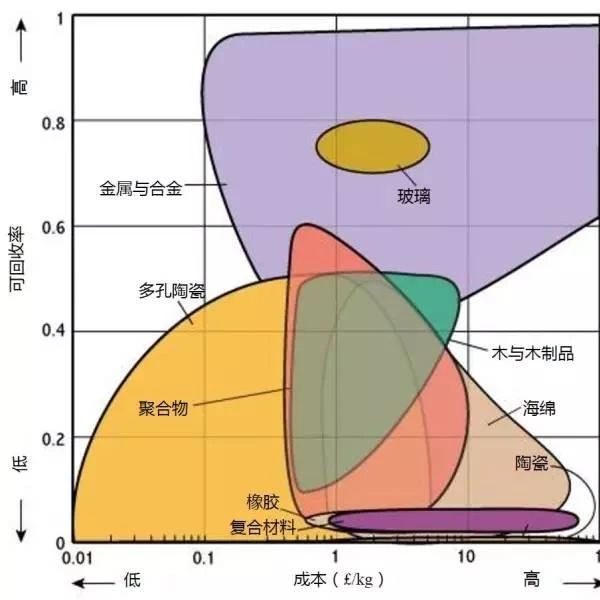
Core Viewpoint - The article provides a comprehensive guide on material selection based on various mechanical properties such as Young's modulus, strength, and cost, emphasizing the importance of choosing the right materials for specific applications. Group 1: Young's Modulus and Density - When hard materials are needed, such as for top beams or bicycle frames, materials at the top of the chart should be selected [2] - For low-density materials, such as packaging foam, materials on the left side of the chart are recommended [2] - Finding materials that are both rigid and lightweight is challenging, and composite materials are often a good choice [3] Group 2: Young's Modulus and Cost - For hard materials, the top materials in the chart should be chosen for applications like top beams and bicycle frames [14] - For low-cost materials, those on the left side of the chart are preferred [14] - If a cheap and hard material is required, materials in the upper left corner of the chart, mostly metals and ceramics, should be selected [15] Group 3: Strength and Density - The strength indicated in the chart refers to tensile strength, with ceramics showing compressive strength [26] - High-strength and low-density materials are located in the upper left part of the graph [26] - Strength is a critical indicator of a part's ability to resist failure under load [26] Group 4: Strength and Cost - The strength indicated is tensile strength, except for ceramics which indicate compressive strength [38] - Many applications require materials with high strength, such as screwdrivers and seat belts, but these materials are often expensive [38] - Only a few materials can meet both strength and cost requirements, typically found in the upper left part of the chart [38] Group 5: Strength and Toughness - The strength indicated is tensile strength, while ceramics indicate compressive strength [50] - Typically, materials with poor toughness also have low strength; increasing strength may reduce toughness [50] - Strength measures a material's ability to resist external forces, while toughness measures its ability to absorb energy before failure [50] Group 6: Strength and Elongation at Break - Ceramics have very low elongation at break (<1%); metals have moderate elongation (1-50%); thermoplastics have high elongation (>100%) [61] - Rubber exhibits long-term elastic elongation, while thermosetting polymers have low elongation (<5%) [61] Group 7: Strength and Maximum Working Temperature - The chart applies to components used in environments where working temperatures exceed room temperature, such as cookware and automotive parts [73] - Polymers have lower maximum working temperatures, metals have medium, and ceramics can withstand very high temperatures [73] Group 8: Specific Strength and Specific Stiffness - Specific strength is defined as strength divided by material density, while specific stiffness is stiffness divided by material density [84] - High strength and high stiffness usually coexist, as they largely depend on the bonding forces between atoms [84] Group 9: Resistivity and Cost - The chart is primarily for selecting materials that require low prices and good electrical insulation or conductivity [97] - Good electrical conductors are typically good thermal conductors, while good electrical insulators are good thermal insulators [97] Group 10: Recyclability and Cost - The chart identifies materials' recyclability features, especially for expensive and recyclable materials [108] - Metals are particularly suitable for recycling due to ease of sorting and remelting, while ceramics are rarely recycled [108] Group 11: Production Energy Consumption and Cost - The energy consumed in producing a material is a factor in raw material costs, with most materials located in the low-cost/low-energy or high-cost/high-energy quadrants [121] - Metals often require significant energy for extraction, such as aluminum production consuming a substantial portion of total energy in the U.S. [123]
万字深度报告:一文读懂显示材料全景图,从LCD到柔性屏的国产化机遇与挑战
材料汇· 2025-08-03 15:39
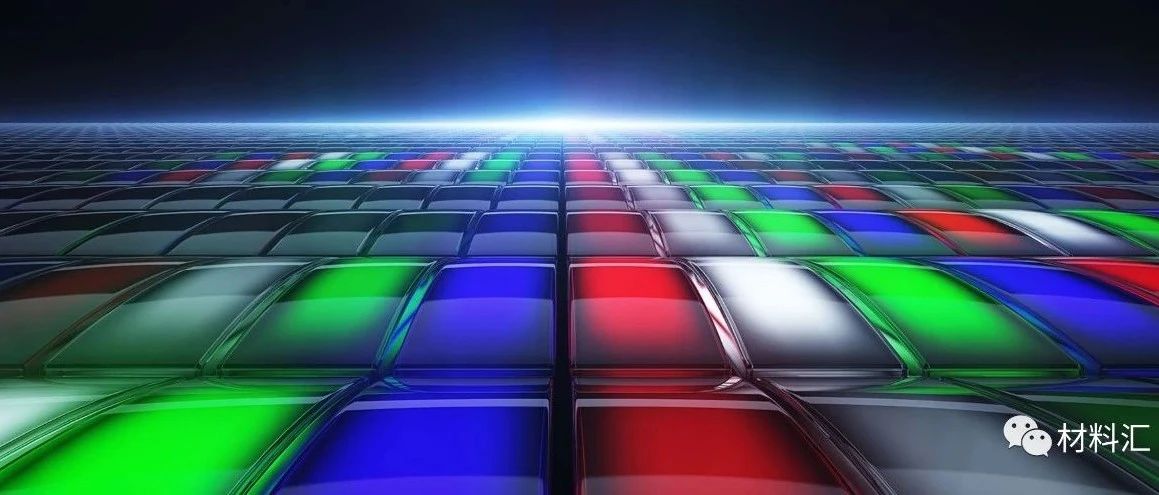
Core Viewpoint - The article discusses the current landscape and future strategies of China's display materials industry, emphasizing the dual mainstream technologies of LCD and OLED, the rise of new technologies like quantum dots and Micro-LED, and the critical need for domestic production of high-end materials to overcome reliance on imports [2][5][8]. Group 1: Display Technology Overview - The main display technologies currently dominating the market are TFT-LCD and OLED, with TFT-LCD holding a 40% market share globally due to its low cost and high resolution [7][12]. - OLED is preferred for small to medium-sized high-end displays, with significant advancements in flexible display materials [7][12]. - The demand for new display technologies, including quantum dots and Micro-LED, is increasing, driven by the need for higher resolution and energy efficiency [4][12]. Group 2: Challenges in High-End Materials - The industry faces a "bottleneck" where 90% of high-end materials are imported, particularly in areas like OLED emitting materials and glass substrates [5][7]. - Key materials such as glass substrates and target materials are dominated by foreign companies, leading to a significant reliance on imports [7][12]. - The lack of domestic production capabilities for critical materials poses a risk to the stability and competitiveness of the display industry [5][7]. Group 3: Strategic Solutions - A national-level platform is proposed to integrate resources from enterprises, universities, and research institutions to build a shared database for display materials [6]. - Leading companies are encouraged to focus on technological breakthroughs in high-purity OLED materials and ultra-thin flexible glass [6]. - Collaboration between academia and industry is essential for cultivating talent in display materials engineering to address the skills gap [6]. Group 4: Future Material Innovations - Emerging technologies such as quantum dots and Micro-LED are highlighted as future trends, with quantum dots expected to replace traditional materials due to their superior properties [4][43]. - The development of new materials like transparent PI films and COP films is crucial for the advancement of flexible displays [24][30]. - The article emphasizes the importance of overcoming the limitations of existing materials to enhance the performance and durability of next-generation displays [4][32].
刹车全球第一,航发紧追不舍!陶瓷基复材的黄金十年开启(附报告)
材料汇· 2025-08-02 15:09
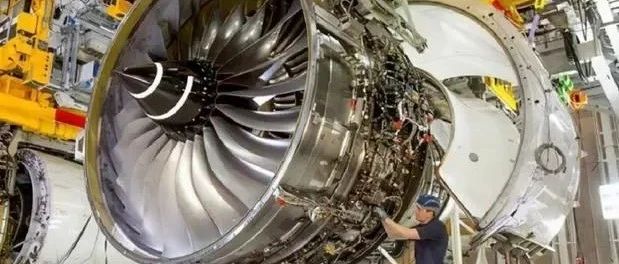
Core Viewpoint - Ceramic matrix composites (CMCs) exhibit excellent high-temperature performance and have broad applications in aerospace, nuclear power, and automotive industries, with significant market potential. China leads in brake and thermal protection for aircraft but lags in aerospace engine applications [2]. Group 1: CMC Characteristics and Applications - CMCs are defined as composites formed by introducing reinforcement materials into a ceramic matrix, resulting in superior properties such as high-temperature resistance, low density, high specific strength, and oxidation resistance [3][17]. - SiCf/SiC composites are highlighted as ideal materials for the hot sections of aerospace engines, already in mass production for static components, with ongoing exploration for rotating parts [4][29]. - In the nuclear sector, SiCf/SiC composites are considered ideal candidates for reactor core components due to their high melting point, thermal conductivity, and neutron irradiation stability [41]. - Cf/SiC composites are widely used in aerospace for thermal protection and satellite mirrors, effectively addressing the thermal protection and weight reduction needs of hypersonic vehicles [45][46]. - CMCs are emerging as the preferred choice for high-performance brake materials, already in mass production for automotive and aviation applications [52][53]. Group 2: Market Growth and Trends - The global CMC market was valued at $11.9 billion in 2022 and is projected to grow at a CAGR of 10.5%, reaching $21.6 billion by 2028, with the highest market share in defense and aerospace sectors [5]. - The demand for CMCs in China's aerospace engine industry is expected to reach a turning point by 2024, driven by technological advancements and cost reductions [12][11]. Group 3: CMC Production and Industry Landscape - The production of CMC components involves complex processes with high barriers to entry, including fiber preparation, preform weaving, interface layer preparation, matrix densification, and machining [6][7]. - GE has established a vertically integrated CMC supply chain, producing significant quantities of CMC materials and components, with a tenfold increase in production expected over the next decade [8][37]. - China's CMC industry has developed a relatively complete supply chain, with advancements in silicon carbide fiber production and CMC applications, although challenges remain in scaling up production and improving product stability [10][11].
光刻胶IPO遇冷,监管戳破真相:半导体材料之困与破局之道
材料汇· 2025-08-01 13:02
Core Viewpoint - The article discusses the challenges faced by semiconductor material companies, particularly in the context of IPO applications being delayed or halted, highlighting the tension between capital enthusiasm and the high technical barriers in the industry [2][3][4]. Group 1: Capital Frenzy and Semiconductor Material IPOs - The semiconductor materials sector is currently a hot spot for investment, with over 10 companies filing for IPOs in 2023, focusing on critical areas like photoresists and electronic specialty gases [4]. - Despite the vibrant market, regulatory scrutiny has intensified, with a clear focus on the authenticity of core technologies, production capabilities, and the feasibility of domestic substitution [4][5]. - Companies are facing challenges in transitioning from laboratory samples to mass production, with regulatory bodies questioning the economic viability and sustainability of their technologies [5][6]. Group 2: Photoresists as a Technical Dilemma - Photoresists play a crucial role in chip manufacturing, acting as the blueprint for circuit patterns, and their performance directly impacts chip yield and feature size [9][11]. - The technical complexity of photoresists is significant, with advancements tied closely to the evolution of chip manufacturing processes, creating steep technical curves [12][13]. - Domestic companies are struggling to achieve stable mass production of advanced photoresists, particularly in the ArF and EUV categories, where only a few have made progress [12][13][18]. Group 3: Technical Challenges and Capital Relations - The technical challenges faced by companies like 恒坤新材 are indicative of broader issues in the semiconductor materials industry, including long R&D cycles, high investment requirements, and significant technical barriers [29][30]. - The relationship between capital and technology is complex, with capital needing to shift from a short-term profit focus to a long-term investment perspective to support sustainable growth in the sector [32][33]. - Regulatory bodies are now demanding more substantial proof of technological capabilities and sustainable business models, moving away from mere narratives of domestic substitution [34][36]. Group 4: Path Forward for Semiconductor Materials - The semiconductor materials industry requires a collaborative ecosystem that integrates technology patience, capital foresight, and industry cooperation to overcome current challenges [38][39]. - Companies must embrace a long-term R&D philosophy, focusing on foundational materials science and rigorous quality control to ensure successful commercialization of advanced materials [40][41]. - Government support is essential in creating a favorable environment for the development of the semiconductor materials sector, including financial incentives and robust intellectual property protections [51][52].
掘金生物基千亿市场:FDCA替代石油化工,这些公司已抢占赛道
材料汇· 2025-08-01 13:02
Group 1 - FDCA is a high-value bio-based compound with a wide range of applications, serving as a substitute for terephthalic acid and enabling the production of high-performance bio-based polymers [2][8] - The synthesis routes for FDCA are diverse, with the HMF route being the most promising and showing significant progress towards industrial production [17][18] - The global FDCA market is expected to grow at a compound annual growth rate (CAGR) of 8.9% from 2021 to 2028, potentially reaching $873.28 million by 2028 [4][51] Group 2 - Internationally, several companies have achieved FDCA production, with significant investments made since 2004, including major players like Coca-Cola, DuPont, and Avantium [3][35] - Domestic research on FDCA began around 2010 and has rapidly advanced, with notable breakthroughs in synthesis and polymerization processes [3][41] - The domestic industry is still in its early stages of commercialization, but there is a growing number of patents and publications, indicating a strong research foundation [3][41] Group 3 - PEF, derived from FDCA and ethylene glycol, exhibits superior properties compared to PET, including higher mechanical strength and better gas barrier performance, making it a promising alternative [5][10] - The application areas for PEF include food packaging, films, and fibers, with significant potential for replacing PET in various markets [5][10] - The production of PEF is expected to expand, driven by the increasing demand for sustainable materials and the growth of the bio-based product market [5][51] Group 4 - Companies like Avantium and Eastman are leading the way in FDCA production technology, with Avantium's YXY technology being a notable example [36][39] - Domestic companies such as Hefei Lif Biological and Zhongke Guosheng are making strides in FDCA production, with innovative processes and significant production capacity planned for the near future [44][45] - The collaboration between research institutions and companies is fostering innovation and accelerating the commercialization of FDCA and its derivatives in China [41][44]