材料汇

Search documents
散热革命:液冷吞噬风冷市场!华为微泵黑科技曝光,这些公司躺赢
材料汇· 2025-07-31 15:31
Core Viewpoint - The article emphasizes the critical role of thermal management in the performance and reliability of electronic devices, driven by increasing power density due to advancements in technologies like 5G, AI, and IoT. Effective heat dissipation solutions are essential to prevent device failures and ensure optimal operation [7][10][15]. Group 1: Thermal Density and Management - The rise in power density of electronic components necessitates advanced thermal management solutions, as temperature increases can significantly reduce system reliability [7][10]. - The failure rate of electronic components increases exponentially with temperature, with a 50% reduction in reliability for every 10°C increase [7][8]. - The thermal flow density has surged from under 10W/cm² to nearly 100W/cm², driven by both increased power and reduced chip sizes [11][15]. Group 2: Passive Cooling Solutions - Passive cooling methods, which do not use active components, include materials like metal heat sinks, graphite films, and heat pipes, relying on thermal interface materials (TIMs) to transfer heat away from components [23][26]. - Metal heat sinks are effective for low-power devices but face limitations in high-power applications due to their thermal transfer rates [28][31]. - Graphite films have been widely adopted in consumer electronics for their high thermal conductivity in the X-Y plane, although their Z-axis conductivity is limited [32][33]. Group 3: Active Cooling Solutions - Active cooling methods, such as forced air cooling and liquid cooling, are becoming necessary as device power levels increase beyond the capabilities of passive systems [68][69]. - Liquid cooling systems can achieve heat dissipation rates of 10-1000W/cm², significantly outperforming air cooling methods [73][74]. - Data centers are increasingly adopting liquid cooling solutions to manage the rising power density of servers, with some configurations exceeding 30kW per cabinet [80][81]. Group 4: Market Opportunities and Beneficiaries - Companies involved in the development of advanced thermal management solutions, such as VC (vapor chamber) technology and liquid cooling systems, are positioned to benefit from the growing demand for efficient heat dissipation in high-performance electronics [49][54]. - Key players in the market include companies like Feirongda, Suzhou Tianmai, and others that are innovating in thermal management technologies [5][6].





欧美日韩围剿中国固态电池!国内2大技术路线反超(附66页PPT)
材料汇· 2025-07-31 15:31
Core Viewpoint - The article discusses the evolution and future prospects of solid-state batteries, highlighting their advantages over traditional lithium-ion batteries, particularly in terms of energy density, safety, and longevity. It outlines the current state of research, development, and commercialization of solid-state and semi-solid batteries in the automotive and consumer electronics sectors. Group 1: Solid-State Battery Development - Solid-state batteries are seen as a revolutionary technology that can potentially replace existing lithium-ion batteries due to their higher energy density and improved safety features [11][12][13] - The development of solid-state batteries has progressed through various stages, with significant advancements in materials and manufacturing processes expected by 2035 [14][15] - The energy density of solid-state batteries is projected to exceed 500 Wh/kg by 2030, making them suitable for future electric vehicles and other applications [11][12][32] Group 2: Market Trends and Industry Players - Major companies like CATL, BYD, and others are leading the charge in solid-state battery technology, with plans for mass production and commercialization by 2025-2030 [21][22][31] - The semi-solid battery market is expected to grow significantly, with several manufacturers already testing and preparing for commercial applications [29][30] - The automotive industry is increasingly adopting semi-solid batteries, with companies like NIO and others planning to integrate these technologies into their upcoming vehicle models [21][22][30] Group 3: Technical Challenges and Innovations - Key challenges in solid-state battery development include manufacturing costs, complex processes, and the need for a mature supply chain [31][32] - Innovations in materials, such as the use of sulfide and polymer electrolytes, are critical for enhancing the performance and safety of solid-state batteries [19][20][35] - The transition from liquid to solid-state electrolytes is expected to mitigate risks associated with dendrite formation and improve overall battery stability [11][12][19] Group 4: Applications and Future Outlook - Solid-state batteries are anticipated to play a crucial role in various applications, including electric vehicles, consumer electronics, and aerospace [28][30] - The demand for high-performance batteries in emerging sectors like eVTOL (electric vertical takeoff and landing) is driving research and development in solid-state technologies [28][30] - The global market for solid-state batteries is projected to expand rapidly, with significant investments from both private and public sectors aimed at achieving commercial viability [31][32][33]

光刻技术深度解析:474步芯片诞生,212步命悬“光”线!
材料汇· 2025-07-30 15:34
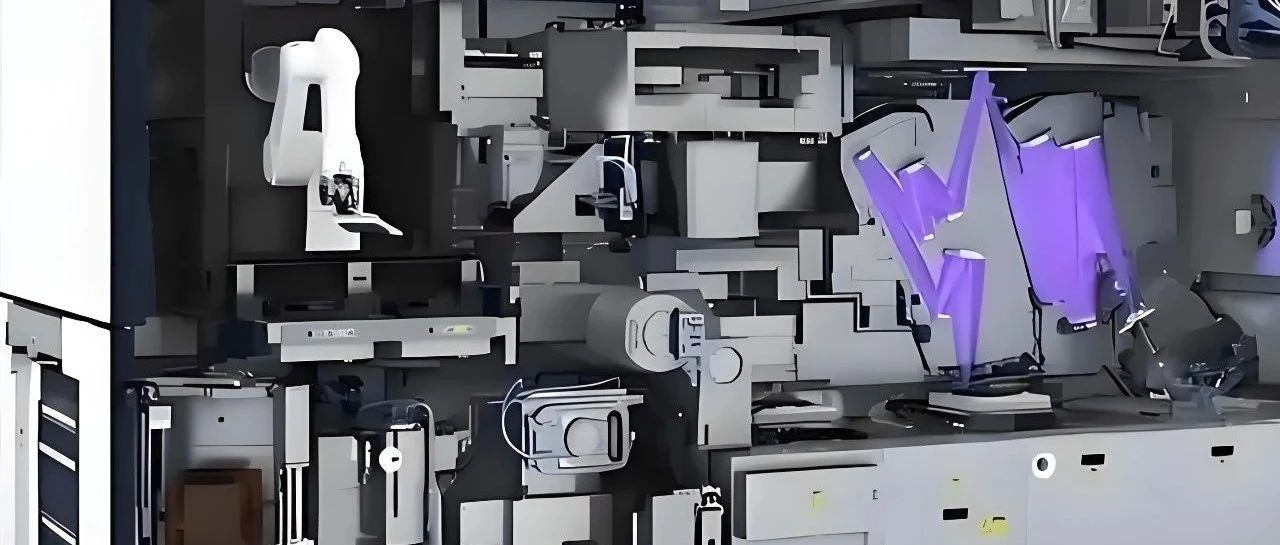
Core Viewpoint - Photolithography is a crucial component of semiconductor manufacturing technology, serving as the starting process for each mask layer. The importance of photolithography lies not only in the demand for mask layers but also in its role in determining the limiting factors for the next technology node [1][9]. Group 1: Photolithography Process - The basic flow of photolithography includes spin coating photoresist, pre-baking, exposure, and development. The prerequisite for device photolithography is the design and manufacturing of the mask [3][26]. - Photolithography technology can be divided into mask-based and maskless lithography. Maskless lithography is currently limited by production efficiency and photolithographic precision, making it unsuitable for large-scale semiconductor manufacturing [3][26]. - The production of photomasks involves three main stages: CAM layout processing, photolithography, and inspection. The mask patterns are typically generated directly on blank mask substrates using direct-write lithography [41][42]. Group 2: Market Trends and Projections - In 2024, the combined market size for wafer exposure equipment, photolithography processing equipment, and mask manufacturing equipment is projected to be approximately $29.367 billion. With the introduction of 2nm processes, the demand for EUV lithography is expected to increase, with related equipment projected to reach $31.274 billion by 2025 [7]. - The server, data center, and storage market is expected to grow at a compound annual growth rate (CAGR) of 9% from 2025 to 2030, driven by the explosive growth of AI, big data, and cloud computing applications. The total semiconductor sales scale is anticipated to exceed $1 trillion [7]. Group 3: Differences in Logic and Memory Chip Lithography - Logic chip metal interconnect layers are more complex, while memory chips (DRAM and NAND) have core storage arrays composed of highly regular line/space structures. The line width and spacing in memory chips are typically pushed to their limits and are very uniform [2][17]. - In DRAM, the word lines and bit lines are designed with the minimum possible line width to achieve maximum capacitance and minimal area occupancy. The challenges in pitch differ between logic circuits and storage arrays [2][17]. Group 4: Equipment and Technology - The imaging system of photolithography machines is critical to semiconductor photolithography technology, with lenses determining the resolution and imaging quality. DUV lenses typically use fluoride materials to ensure low absorption and high laser damage thresholds [6]. - The light source is a key factor determining the wavelength of photolithography machines. For wavelengths above 365nm, high-pressure mercury lamps are commonly used, while KrF and ArF lasers are used for shorter wavelengths [5][6]. Group 5: Advanced Lithography Techniques - Phase shift masks (PSM) introduce phase modulation elements in the light regions of the mask to enhance imaging contrast through interference. PSM can significantly improve resolution by nearly doubling it under the same numerical aperture/wavelength conditions [43][44]. - Attenuated PSMs allow a small portion of light to pass through the opaque regions, enhancing imaging contrast while maintaining a high degree of light absorption [44]. Group 6: Challenges in Lithography - The complexity of logic devices increases the difficulty of interconnecting devices in very small areas, necessitating multiple photolithography steps. Critical layers in logic devices require new processes to ensure performance and yield [24][30]. - The introduction of new technology nodes typically requires new equipment and materials, which are developed in tandem with new processes to produce higher-performance devices [30].

PCB上游材料解析:AI服务器引爆千亿覆铜板战场!国产树脂突袭松下霸权
材料汇· 2025-07-30 15:34
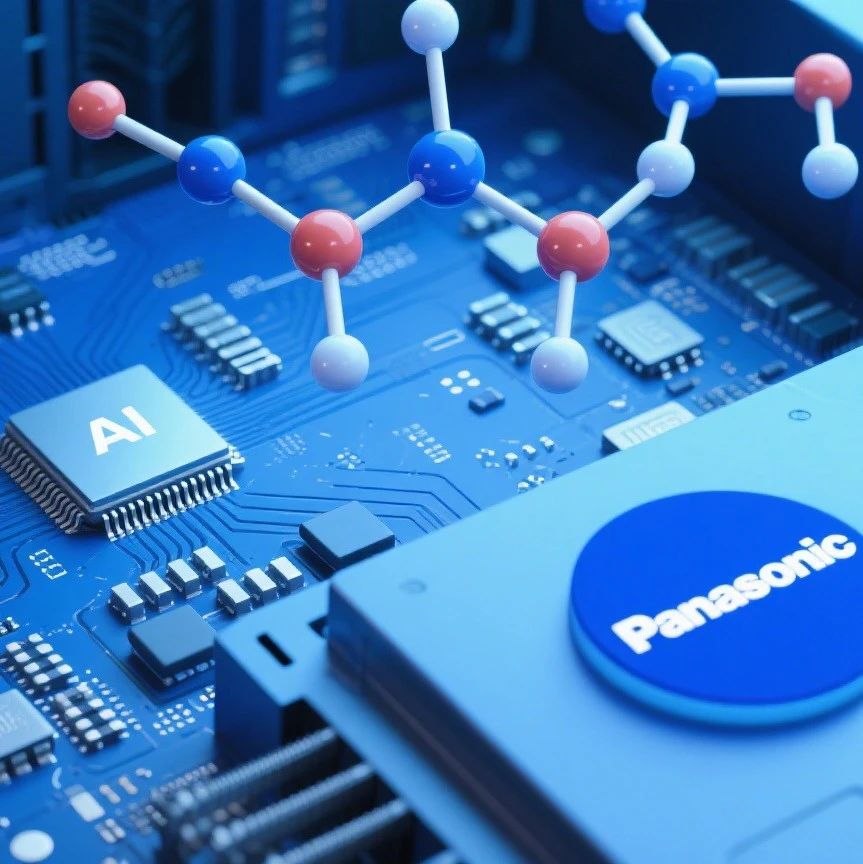
Core Viewpoint - The article discusses the growth and dynamics of the PCB (Printed Circuit Board) industry, particularly focusing on the demand for high-frequency and high-speed PCBs driven by advancements in AI servers and other electronic applications [6][21]. PCB Industry Overview - PCB serves as a crucial electronic interconnect component, connecting various electronic parts to form predetermined circuits [7]. - The upstream of PCB includes raw materials such as copper foil, fiberglass cloth, and resin, while the downstream encompasses various electronic products including communication devices, consumer electronics, and automotive applications [8]. Copper Clad Laminate (CCL) Insights - CCL is identified as the core intermediate product for PCB manufacturing, providing essential functions of conductivity, insulation, and support [10]. - The cost structure of PCB indicates that direct costs account for nearly 60%, with CCL representing the highest cost share at 27.31% [15]. Performance Metrics of CCL - Electrical performance is highlighted as a core indicator for CCL quality, impacting PCB performance, manufacturing costs, and long-term reliability [16]. - High-frequency and high-speed PCBs are increasingly utilized in applications such as 5G base stations and AI server GPU clusters, with signal transmission rates exceeding 112 Gbps [16]. Market Demand for High-End PCBs - The global AI infrastructure market is projected to grow significantly, with the market size expected to reach $124.03 billion by 2033, driven by rapid AI application deployment [25]. - AI server shipments are anticipated to rise sharply, with a forecasted shipment of 213.1 million units in 2025, reflecting a year-on-year growth of 27.6% [24]. Upgrading Server Requirements - The demand for PCBs is increasing as ordinary servers upgrade their specifications, necessitating higher performance CCLs [31]. - The global server shipment is expected to grow from 13.6 million units in 2020 to 16.3 million units by 2025, with a compound annual growth rate of 4.15% [31]. Market Growth Projections - The PCB market is projected to experience substantial growth, particularly in the server segment, with a compound annual growth rate of 11.6% from 2023 to 2028 [37]. - The high-end CCL market is expected to expand rapidly, with projections indicating a market size increase from under $4 billion to over $6 billion between 2024 and 2026, reflecting a compound annual growth rate of 28% [37]. Competitive Landscape - Japanese and Taiwanese companies hold significant advantages in the high-end CCL market, with major players like Panasonic and Rogers leading in high-frequency and high-speed CCL technology [38]. - The market for rigid special CCL is dominated by a few key players, with 13 companies accounting for approximately 93% of global sales [38].

深度解析:万亿核聚变竞赛背后的超导材料之战(附产业链图谱)
材料汇· 2025-07-29 15:37
Industry Overview - The superconducting materials industry is a crucial segment of advanced materials, showcasing unique properties such as zero electrical resistance and the Meissner effect, with applications in energy, transportation, medical, and high-end manufacturing sectors [2][5]. - The industry has evolved from low-temperature superconductors to high-temperature superconductors, becoming a focal point in global technological competition, especially with the increasing demand for clean energy and efficient transmission [2][5]. Major Superconducting Materials and Preparation Processes - Superconducting materials are categorized based on critical temperature: low-temperature superconductors (Tc ≤ 25K) and high-temperature superconductors (Tc ≥ 25K) [11][12]. - Low-temperature superconductors include NbTi and Nb3Sn, while high-temperature superconductors include various cuprates like YBCO and Bi-2212 [11][12]. - The preparation methods for these materials vary, with powder-in-tube (PIT) being the mainstream process for most superconductors, while advanced techniques like pulsed laser deposition (PLD) and metal-organic chemical vapor deposition (MOCVD) are used for high-temperature superconductors [42][67]. Key Application Areas - The primary application of superconducting materials is in the field of controlled nuclear fusion and high-field applications, where their ability to carry large currents and generate strong magnetic fields is essential [30][31]. - Superconducting materials are also utilized in power applications, such as superconducting cables, motors, and energy storage systems, enhancing efficiency and reducing size and weight [30][31]. Competitive Landscape of High-Temperature Superconductors - The competitive landscape for high-temperature superconductors is characterized by ongoing technological advancements and the emergence of new materials, with companies like SuperPower and Fujikura leading in the development of REBCO materials [50][68]. - The market is witnessing a shift towards the commercialization of high-temperature superconductors, with significant investments from governments and private sectors aimed at enhancing production capabilities and reducing costs [50][68]. Market Size Forecast - The superconducting materials market is expected to grow significantly, driven by increasing applications in energy, transportation, and advanced manufacturing sectors, with a focus on reducing operational costs and improving efficiency [2][5]. Related Companies - Key players in the superconducting materials industry include SuperPower, Fujikura, and various domestic companies in China such as Shanghai Superconductor and Eastern Superconductor, each employing different technological routes for material production [68].

国产芳纶突围战!反垄断调查暂停仍引爆千亿替代空间,30+企业鹿死谁手?
材料汇· 2025-07-29 15:37
Investment Logic - The core investment logic for aramid and its products (fiber, paper) lies in their irreplaceability, high-growth applications, and opportunities for domestic substitution [2][3][4] - Aramid fibers possess exceptional properties such as high strength, heat resistance, flame retardancy, and insulation, making them difficult to replace in various fields like safety protection, aerospace, and electronics [2][4] - The domestic market is at a critical stage for substitution, with core technologies historically monopolized by overseas giants like DuPont and Teijin. Domestic companies are making technological breakthroughs and expanding capacity, leading to significant substitution opportunities [3][4] - The high technical barriers in the entire production chain from fiber to paper ensure strong profitability and pricing power for a few concentrated enterprises [4] Industry Overview - The global aramid market is expected to reach approximately 37 billion yuan by 2025, with the global aramid paper market demand reaching 4.4 billion yuan in 2023 [9][10][24] - The high-end market is currently dominated by DuPont, but domestic companies like Taihe New Materials and Sinochem International are gradually breaking this monopoly [10][18] - The aramid fiber market is projected to grow at a CAGR of 8.0%, driven by military and new energy applications [24] Application Areas - In the protective field, demand for meta-aramid fibers is growing due to rigid requirements for firefighting suits and military bulletproof gear, driven by global safety standards [6] - Lightweight applications for para-aramid fibers are surging in automotive (hoses, brake pads), new energy (battery pack components), and aerospace (composite materials) [6] - High-end insulation applications for aramid paper are seeing increased demand in ultra-high voltage transmission, new energy vehicle motors/batteries, and 5G communications, representing the highest technical barriers and profit margins in the industry [6] Domestic Market Dynamics - Domestic aramid production has been led by Taihe New Materials, which achieved mass production of meta-aramid in 2004 and para-aramid in 2011, with current capacities of 31,400 tons for para-aramid and 25,500 tons for meta-aramid [19][20] - The industry is experiencing "involution" as domestic companies expand capacity, leading to a decline in aramid prices. For instance, the average price of aramid products is projected to drop to 117,000 yuan per ton in 2024 [22] - The domestic market for aramid paper is also growing, with a demand of 1.26 billion yuan in 2023, primarily driven by the electrical insulation sector [32] Key Companies - Taihe New Materials is the first domestic company to achieve mass production of aramid fibers, with a production capacity of 32,000 tons and a strong presence in the aramid deep processing sector [45] - Minshida, a subsidiary of Taihe New Materials, specializes in aramid paper and has become a significant supplier in both domestic and international markets, with plans to increase its production capacity [46] - Other notable companies include Zhongfang Special Fiber, which has made breakthroughs in aramid production technology, and Supermeis, which focuses on aramid paper and has plans for expansion [49][50]


航发CMC拐点已至!百亿赛道爆发,这几家龙头率先受益
材料汇· 2025-07-28 15:57
Core Viewpoint - Ceramic matrix composites (CMCs) exhibit excellent high-temperature performance and have broad applications in aerospace, nuclear power, and automotive industries, with significant market potential. China leads in brake and thermal protection for aircraft but lags in aerospace engine applications. The demand for CMCs in China's aerospace industry may reach a turning point in 2024, driven by advancements in production technology and cost reductions [2][12]. Group 1: CMC Characteristics and Applications - CMCs are defined as composites that incorporate reinforcing materials into a ceramic matrix, resulting in superior properties such as high-temperature resistance, low density, and high strength [3][19]. - SiCf/SiC composites are a research focus due to their excellent oxidation resistance and longevity, making them ideal for aerospace engine applications [4][26]. - CMCs are increasingly recognized as strategic materials for next-generation aerospace engines, capable of withstanding temperatures significantly higher than traditional nickel-based superalloys [29][33]. Group 2: Market Growth and Demand - The global CMC market was valued at $11.9 billion in 2022 and is projected to grow at a CAGR of 10.5%, reaching $21.6 billion by 2028, with the highest market share in defense and aerospace sectors [5]. - The demand for CMCs in the aerospace sector is expected to surge, particularly for components like combustion chambers and turbine blades, as countries strive for higher engine efficiency and reduced emissions [32][40]. Group 3: CMC Production and Industry Landscape - The production of CMCs involves complex processes with high barriers to entry, including fiber preparation, preform weaving, interface layer preparation, and matrix densification [6][7]. - General Electric (GE) has established a vertically integrated CMC supply chain, significantly increasing production capacity and demonstrating successful applications in various engine components [6][40][41]. - China's CMC industry has developed a relatively complete supply chain, with advancements in silicon carbide fiber production and CMC applications, particularly in brake materials for aircraft [8][10][11]. Group 4: Future Investment Opportunities - The anticipated turning point in demand for CMCs in China's aerospace industry presents substantial growth potential for related companies, especially as production technologies improve and costs decrease [12][8]. - As the application of SiCf/SiC composites matures, upstream raw material demand will increase, leading to potential rapid growth for midstream CMC component manufacturers [12][10].





军工材料盘点:国防领域6大前沿新材料和关键技术
材料汇· 2025-07-28 15:57
Group 1: Carbon Fiber - Carbon fiber is a crucial material in modern warfare, enhancing the performance of military equipment due to its high strength, low density, and excellent thermal and electrical properties [4][6][10] - The development of carbon fiber began in the 1860s, and it is recognized for its superior characteristics, making it a strategic material for military applications [6][7] - The complexity of manufacturing carbon fiber has led to significant advancements in military technology, with countries investing heavily in its development to improve weapon systems [8][9] Group 2: Advanced Materials - The modern information warfare emphasizes the importance of high-performance materials, with carbon fiber and composites being essential for achieving stealth, low energy consumption, and high maneuverability in military equipment [10] - Countries are focusing on developing higher strength and modulus carbon fibers, along with advanced resins and manufacturing technologies, to enhance their military capabilities [10] Group 3: Metamaterials - Metamaterials are engineered to have properties not found in naturally occurring materials, offering revolutionary applications in military technology, particularly in stealth and radar evasion [14][18] - The development of metamaterials has led to significant advancements in stealth technology, enabling military assets to avoid detection by various means [18][19] Group 4: Graphene - Graphene is recognized as a leading material in military technology due to its exceptional strength, flexibility, and conductivity, with applications in microelectronics and advanced protective materials [28][30] - The U.S. and other developed nations are investing heavily in graphene research to enhance military capabilities, including the development of faster and more efficient computing systems [30][31] Group 5: Armor Materials - The demand for advanced armor materials has increased due to the evolving nature of warfare, with a focus on improving the protective capabilities of military vehicles [36][37] - Various materials such as ballistic glass, steel, ceramics, and high-strength fibers are being utilized to enhance the armor protection of military equipment [38][41][42] Group 6: Stealth Coatings - Stealth coatings are critical for reducing the detectability of military assets, with various types designed to minimize radar, infrared, and visual signatures [46][49] - The development of multi-functional stealth materials is a key focus, aiming to provide comprehensive protection against multiple detection methods [58][59] Group 7: 3D Printing in Defense - 3D printing technology is becoming increasingly important in the defense sector, allowing for the rapid production of complex components and reducing costs [66][67] - The U.S. military is integrating 3D printing into its operations to enhance the maintenance and performance of aircraft and other military equipment [71][74]

国产替代爆发!14种卡脖子的先进封装材料,百亿赛道谁将突围?
材料汇· 2025-07-27 15:58
Key Points Summary - The article emphasizes the critical role of packaging materials in the integrated circuit industry, accounting for 40%-60% of total packaging costs, and highlights the urgent need for domestic alternatives due to foreign monopolies in high-end materials [3][6]. Group 1: Importance of Materials - Packaging materials are a key bottleneck in the development of the integrated circuit industry, comprising 40%-60% of total packaging costs [3][6]. Group 2: Urgency for Domestic Alternatives - High-end materials are dominated by Japanese and American companies, with low domestic production rates: photoresists (<2%), PSPI (93% by four foreign companies), and silicon powder (70% by Japanese companies) [3]. - The "Made in China 2025" policy is driving local companies to achieve technological breakthroughs, such as Dinglong Co. and Shanghai Xinyang [3]. Group 3: High-Growth Segments - Photo-sensitive materials: The global PSPI market is expected to grow at a CAGR of 25.16%, reaching $2.032 billion by 2029; the Chinese market for photoresists is projected to reach $5.95 million by 2025 [3][18]. - Epoxy molding compounds (EMC): The global market is expected to reach $9.9 billion by 2027, with advanced packaging EMC growing even faster [3]. - Silicon powder: The Chinese market is projected to grow at a CAGR of 22.3%, reaching $5.5 billion by 2025 [3]. - Electroplating and polishing liquids: Global copper electroplating liquids are expected to grow at a CAGR of 10.79%, while CMP polishing liquids in China are expected to grow at 15% [3]. Group 4: Core Materials and Technical Barriers - Photo-sensitive materials: PSPI and BCB are mainstream media for wafer-level packaging, with PSPI being a trend [3]. - Temporary bonding adhesives and underfill materials are critical for 3D packaging, with a market CAGR of 8.2% [3]. - TSV materials are dominated by foreign companies, with the highest cost share (34% for temporary bonding and electroplating) [3]. Group 5: Key Domestic Enterprises - Key players in photo-sensitive materials include Dinglong Co. (mass production of PSPI) and Qiangli New Materials (in certification phase) [3]. - In epoxy molding compounds, Huahai Chengke and Hengsu Huawai are notable companies [3]. - For silicon powder, Lianrui New Materials is focusing on domestic alternatives [3]. - In photoresists and electroplating liquids, Shanghai Xinyang and Tongcheng New Materials are key players [3]. - The fields with low domestic production rates (under 10%) include photoresists, PSPI, spherical silicon powder, and TSV materials, indicating significant replacement potential [3]. Group 6: Investment Logic - Focus on high-growth areas (PSPI, silicon powder), high barriers (photoresists), and high domestic replacement potential (EMC, electroplating liquids) [3].





1000+深度报告:半导体材料/显示材料/新材料能源/新材料等
材料汇· 2025-07-27 15:58
Investment - The article discusses various investment opportunities in new materials, semiconductors, and renewable energy sectors, highlighting the importance of understanding market trends and technological advancements [1][4]. Semiconductor - It covers a wide range of semiconductor materials and technologies, including photolithography, electronic specialty gases, and advanced packaging materials, emphasizing the growth potential in these areas [1][3]. - The article mentions the significance of third-generation semiconductors like silicon carbide and gallium nitride, which are crucial for high-efficiency applications [1][3]. New Energy - The focus is on the rapid development of lithium batteries, solid-state batteries, and hydrogen energy, indicating a shift towards sustainable energy solutions [1][3]. - It highlights the importance of materials such as silicon-based anodes and composite current collectors in enhancing battery performance [1][3]. Photovoltaics - The article outlines the advancements in photovoltaic materials, including solar glass and back sheets, which are essential for improving solar panel efficiency [1][3]. - It also discusses the potential of perovskite materials in revolutionizing the solar energy market [1][3]. New Display Technologies - The article addresses innovations in display technologies such as OLED, MiniLED, and MicroLED, which are driving the demand for advanced optical materials [3][4]. - It emphasizes the role of optical adhesives and films in enhancing display performance [3][4]. Fibers and Composites - The discussion includes various fiber materials like carbon fiber and aramid fiber, which are critical for lightweight and high-strength applications [3][4]. - The article notes the growing interest in composite materials for their versatility and performance in multiple industries [3][4]. Notable Companies - Key players in the new materials and semiconductor sectors are identified, including ASML, TSMC, and Tesla, showcasing their impact on industry trends and innovations [1][4]. - The article highlights the importance of technological innovation and domestic substitution in driving growth within these companies [1][4].