
机器人大讲堂

Search documents
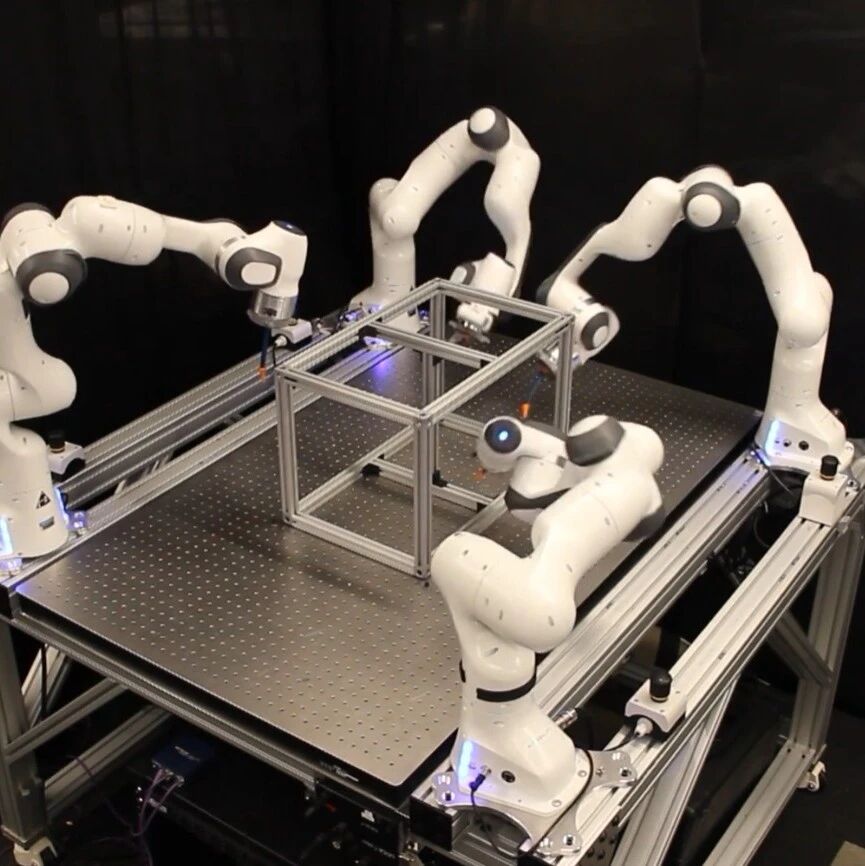
《Science Robotics》封面:DeepMind发布RoboBallet,重新定义多机器人协同规划
机器人大讲堂· 2025-09-17 11:13
Core Viewpoint - Multi-robot systems are becoming a key technology for improving production efficiency in modern industrial manufacturing, but face significant challenges in coordinating multiple robots in shared environments [1][4]. Group 1: Challenges in Multi-Robot Coordination - Three core sub-problems must be solved for effective multi-robot coordination: motion planning, task scheduling, and task assignment, each presenting significant computational challenges [3][4]. - Motion planning requires collision-free path planning for each robot, which becomes exponentially complex as the number of robots and obstacles increases [3]. - Task scheduling is akin to the classic Traveling Salesman Problem, with computational complexity that escalates with the number of tasks [3]. - Task assignment involves determining which robot performs which task, with costs dependent on other tasks' assignments, creating a coupled relationship among the three sub-problems [3][4]. Group 2: RoboBallet Framework - RoboBallet is a novel framework developed by engineers from University College London and Google DeepMind, combining Graph Neural Networks (GNN) and Reinforcement Learning (RL) to automate the resolution of multi-robot coordination issues [4][5]. - The framework represents the collaborative scene as a dynamic graph, where nodes represent individual robots and edges denote their interactions based on spatial proximity [5]. - GNN efficiently processes structured information, allowing the model to generalize well to unseen configurations of obstacles and tasks [5]. Group 3: Training and Performance - RoboBallet employs a fine-tuned TD3 algorithm for training the policy network, enabling the generation of multi-robot trajectories while addressing task assignment, scheduling, and motion planning [7]. - The reward mechanism includes task completion rewards and collision penalties, promoting efficient task execution while avoiding collisions [7]. - The model is trained in randomly generated environments, allowing it to learn effective coordination strategies through millions of interactions [7][9]. Group 4: Computational Efficiency and Scalability - RoboBallet demonstrates impressive computational efficiency, achieving planning steps in approximately 0.3 milliseconds even with a maximum configuration of 8 robots, 40 tasks, and 30 obstacles [8]. - The framework's inference time scales linearly with the number of robots, tasks, and obstacles, making it feasible for real-time applications [11]. - Increasing the number of robots significantly enhances task execution efficiency, with average execution time dropping from 7.5 seconds to 4.5 seconds (a 40% reduction) when the number of robots is increased from 4 to 8 [12].

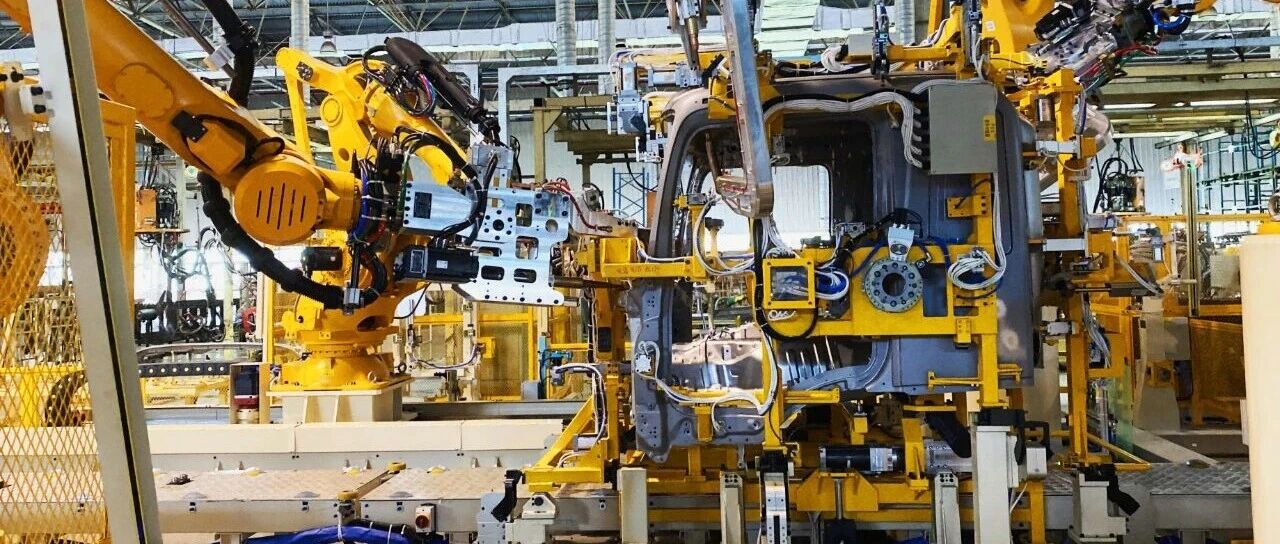
埃斯顿登顶中国工业机器人市场,汽车焊装应用彰显硬实力
机器人大讲堂· 2025-09-17 11:13
Core Viewpoint - The article highlights the strong growth momentum of Estun in the industrial robot market, driven by the recovery in demand and the acceleration of domestic substitution, as evidenced by its financial performance and market leadership in China [1][3]. Financial Performance - Estun's revenue for the first half of 2025 reached 2.549 billion yuan, representing a year-on-year growth of 17.50% [1]. - The company achieved a market share of 10.5% in the Chinese industrial robot market, surpassing foreign brands for the first time [1]. Market Strategy - Estun employs a "general + segmented" market strategy, focusing on customized development for niche markets and expanding application scenarios in sectors such as new energy, metal processing, automotive, electronics, and welding [1]. - The company is involved in the construction of several "lighthouse factories" in the lithium battery, photovoltaic, coal machinery, and engineering machinery industries [1]. Technological Innovation - Estun has made significant advancements in high-end equipment manufacturing, particularly in automotive manufacturing, rail transit, and aerospace, enhancing its high-end manufacturing capabilities [1][12]. - The company has developed a complete solution for automotive manufacturing, integrating robots with various processes such as stamping, welding, and intelligent handling [1][12]. Product Development - Estun launched a globally leading 700KG industrial robot, which features self-developed dynamic algorithms and lightweight structural design, suitable for heavy-duty applications [3]. - The company is set to introduce a 1200KG six-joint robot, filling a gap in the domestic market for high-load robots [3]. Quality and Certification - Estun's robots have achieved multiple authoritative certifications, including a 120,000-hour MTBF certificate and compliance with international safety standards, ensuring high reliability and stability for automotive applications [4]. Automotive Applications - Estun has made comprehensive breakthroughs in automotive spot welding, developing specialized robots that significantly enhance production efficiency and quality [6][9]. - The company has established solid partnerships with major automotive manufacturers, providing intelligent manufacturing solutions across various production stages [11]. Aerospace and Rail Transit - Estun is expanding into the aerospace and rail transit sectors, contributing to the intelligent production lines for key components and achieving significant technological breakthroughs [12][14]. - The company is involved in the construction of automated production lines for rail transit, enhancing efficiency and meeting modern production demands [12]. Future Outlook - Estun aims to deepen its investment in industrial robot technology and enhance its core competitiveness in high-end manufacturing applications [16]. - The company plans to leverage its domestic supply chain advantages to optimize cost structures and build global service and product delivery capabilities [16].

浙大高飞博士创业企业「微分智飞」连续完成近两亿元PreA&PreA+轮融资!
机器人大讲堂· 2025-09-17 11:13
Core Viewpoint - 微分智飞 has successfully completed PreA and PreA+ funding rounds, raising nearly 200 million RMB to enhance its technological development and market expansion in the field of flying robots and embodied intelligence [1][3]. Group 1: Company Overview - 微分智飞 was founded in 2024, capitalizing on the rise of embodied intelligence, with a mission to connect flying robots to various industries and households [3]. - The company focuses on four core technologies: autonomous navigation, embodied decision-making, end-to-end control, and collective intelligence, aiming to create a flying robot base model for diverse applications [3][4]. Group 2: Product Development - The company launched the P300 autonomous exploration flying robot, which operates independently without satellite communication or human intervention, providing critical support for safety in complex environments [5][7]. - The P300 has been successfully applied in various industries, including mining, forestry, electricity, municipal services, transportation, and emergency rescue [7]. Group 3: Technological Innovations - The autonomous navigation technology allows the robot to operate without GPS or external communication, enabling it to navigate complex environments safely [8]. - The intelligent "brain" of the robot is powered by proprietary AI decision-making algorithms, allowing real-time decision-making for complex tasks [8]. - The end-to-end control architecture enables high-precision control in complex environments, enhancing the robot's agility and maneuverability [8]. Group 4: Future Directions - 微分智飞 plans to continue deepening its focus on flying robots and embodied intelligence technologies, aiming to overcome core technical challenges and develop a new generation of flying embodied intelligence models [16]. - The company is committed to exploring new application scenarios and enhancing its technological capabilities to maximize the value of flying robots in various contexts [16].
快讯|Figure融资10亿估值达390亿美元;Rethink Robotics再次倒闭;西湖大学研发昆虫尺度软体机器人等
机器人大讲堂· 2025-09-17 11:13
1、 Figure完成C轮融资10亿美元 Figure周二宣布,已完成C轮融资,新资本超过10亿美元,估值达390亿美元。此轮融资由Parkway Ventur e Capital领投,其他参与者包括Nvidia、Brookfield Asset Management、Macquarie Capital、Intel Capit al、Align Ventures、Tamarack Global、LG Technology Ventures、Salesforce、T-Mobile Ventures和Qua lcomm Ventures。Figure创始人兼首席执行官Brett Adcock在一份声明中表示:"这一里程碑对于开启人形 机器人的下一阶段增长、扩大我们的人工智能平台Helix和BotQ制造规模至关重要。新合作伙伴的支持以 及现有投资者的持续支持,既反映了Figure的市场领先地位,也体现了我们对未来这项技术将成为日常生 活自然组成部分的共同信念。" 2、 法国工业公司Niryo宣布推出其新的机器人平台Nate 法国工业公司Niryo宣布推出其新的机器人平台Nate,Nate是一个模块化平台,它汇集了快 ...


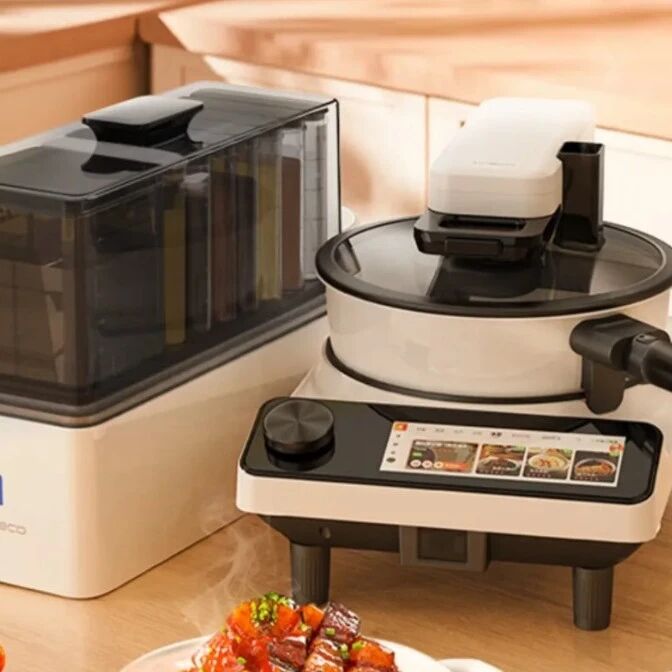
罗永浩VS西贝带火炒菜机器人?
机器人大讲堂· 2025-09-17 11:13
Core Viewpoint - The stir-fry robot industry is transitioning from the concept validation phase to a critical point of large-scale commercial application, driven by the demand for freshly cooked and healthy meals [1][2]. Industry Overview - The stir-fry robot market is expected to grow rapidly, with the market size projected to exceed 3 billion yuan in 2024 and reach 11.72 billion yuan by 2030 [2]. - The demand for "freshly cooked" meals is leading to a decline in the pre-prepared meal industry, while the market for intelligent cooking devices like stir-fry robots is gaining momentum [2]. Company Summaries 1. Ecovacs - Ecovacs has been developing stir-fry robots for five years, focusing on the digitalization and standardization of Chinese cuisine [2]. - The latest model, "Shiwantian Gong," features AI capabilities for personalized cooking and has over 100 recipes available, with 200 more in development [2]. 2. Supor - Supor, a leading kitchen appliance manufacturer, plans to enhance user experience and content creation for stir-fry robots in 2024 [4]. - The company aims to leverage AI for digital recipe standardization and improve interconnectivity among devices [4]. 3. Ruidi Intelligent - Ruidi Intelligent has made significant strides in the smart appliance sector, focusing on high-precision control modules and low-latency communication [6]. - The company has successfully launched stir-fry robots in collaboration with Ecovacs and other partners [6]. 4. Tuobang Co., Ltd. - Tuobang has expanded its robot business to include various applications, achieving sales revenue of 277 million yuan in the first half of 2025 [7]. - The company’s stir-fry robots have undergone several iterations, achieving market readiness and recognition in competitions [8]. 5. Midea Group - Midea's PY18-X2 stir-fry robot features advanced cooking technology, ensuring even heat distribution and ease of cleaning [10]. - The robot connects to the Midea app for access to numerous recipes and cooking guidance [10]. 6. Joyoung - Joyoung has diversified its product line beyond traditional appliances, focusing on smart kitchen devices, including stir-fry robots [12]. - The company plans to leverage partnerships with retailers like Suning to enhance product distribution and consumer experience [12].

链接技术与产业生态,聚焦落地与真实场景!2025年第二届中关村具身智能机器人应用大赛持续征集报名
机器人大讲堂· 2025-09-17 09:01
Core Insights - The article highlights the rapid development and commercialization of humanoid robots and embodied intelligence technology, with significant orders and partnerships being established in the industry [1][2][4]. Group 1: Market Developments - UBTECH signed a procurement contract worth 250 million yuan for humanoid robot products and solutions, addressing pain points in industrial scenarios [1]. - Zhi Ping Fang and Hui Zhi Wu Lian plan to deploy over 1,000 humanoid robots in logistics and manufacturing over the next three years [1]. - The competition aims to showcase the practical application of humanoid robots in various sectors, including industrial, manufacturing, and logistics [1][10]. Group 2: Competition Overview - The second Zhongguancun Embodied Intelligence Robot Application Competition will take place in November, focusing on real-world applications of humanoid robots [1][2]. - The competition will feature various application scenarios such as home services, commercial services, industrial manufacturing, and emergency response [10][21]. - The event aims to provide a platform for academic exchange and industry collaboration, attracting top experts and teams from around the world [34][35]. Group 3: Competition Structure - The competition consists of three main tracks: Embodied Intelligence Model Capability Challenge, Embodied Intelligence Scene Application, and Embodied Intelligence Academic Frontier and Industry Ecosystem [18][26]. - Each track will have specific challenges and evaluation criteria, with substantial cash prizes and opportunities for collaboration with leading research institutions [18][29]. - The competition encourages participation from domestic and international teams, fostering innovation and practical applications in humanoid robotics [32][36].

两月连融两轮!「模量科技」领跑触觉传感赛道!
机器人大讲堂· 2025-09-17 04:15
Core Viewpoint - The article highlights the advancements in tactile sensing technology by Modulus Technology, emphasizing its successful completion of a multi-million Pre-A funding round to enhance production capacity and deepen market penetration across various sectors such as robotics, smart vehicles, and healthcare [1][2]. Group 1: Company Overview - Modulus Technology, founded in 2024, is one of the few companies globally capable of mass-producing industrial-grade multimodal tactile sensing technology, aiming to integrate this technology into both industrial and consumer applications [2]. - The founding team consists of elite talents from Xiamen University and Hong Kong University, along with experienced executives from well-known hard-tech companies, all with over ten years of experience in tactile sensor research and engineering [2]. Group 2: Market Potential - According to VMR's latest report, the global tactile sensor market is expected to exceed $26 billion by 2028, with the electronic skin market for humanoid robots in China projected to reach 9 billion yuan by 2030, reflecting a compound annual growth rate of 64.3% [3]. - Mastery of tactile perception is seen as crucial for the next generation of smart devices across various sectors, including industrial inspection, embodied intelligence, smart vehicles, and wearable technology [3]. Group 3: Technological Advancements - Modulus Technology focuses on material innovation and algorithm integration to create a comprehensive product matrix for tactile sensing, ensuring both sensitivity and manufacturability [3]. - The company has developed various tactile sensing products, including flexible electronic skin, industrial pressure distribution detection systems, high-sensitivity temperature and pressure sensors, and fabric-based flexible sensors for smart automotive interiors [5][7][9]. Group 4: Commercialization and Applications - Modulus Technology has successfully transitioned from laboratory research to commercial production, providing innovative solutions across multiple industries, including consumer electronics, healthcare, and smart home applications [11][12]. - The company collaborates with leading manufacturers in the intelligent manufacturing sector and has established partnerships in the humanoid robotics and smart automotive industries to enhance operational precision and user experience [14][15].

全球瞩目,湖北人形机器人产业生态大会九月启幕!剑指国家级产业高地,重塑机器人创新格局
机器人大讲堂· 2025-09-16 12:00
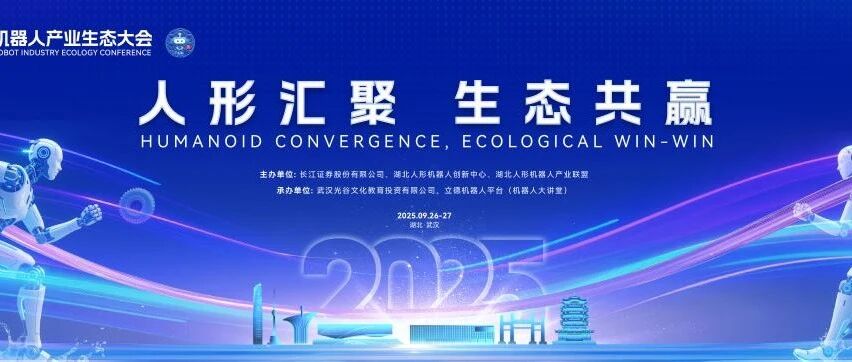
2025年,被视为中国人形机器人实现产业化爆发的关键元年。 随着 人工智能、多模态感知与智能控制等前 沿技术的深度融合,人形机器人不再局限于单一场景的初步应用,而是逐步具备多任务执行、自适应环境与协 同作业的能力,迈向量产应用的新阶段。 全球产业竞争格局加速形成,中国凭借在硬件制造、算法迭代与市 场应用方面的深厚积累,已成为人形机器人供应链的核心主导力量, 国产关键零部件如减速器、 伺服电机、 灵巧手 等不断突破技术壁垒,产业化、规模化生态正在迅速成型。 在这一背景下,湖北武汉作为华中地区的科技与产业创新高地,展现出独特的系统竞争力。 依托武汉大学、 华中科技大学、北京大学武汉人工智能研究院等一批高水平研发机构,本地在机器视觉、运动控制、仿生结构 与具身智能等基础技术领域积累深厚,可快速构建 "产学研用"紧密联动的创新生态。 同时,光谷作为区域创 新极核,也已汇聚大量高新技术企业,覆盖具身智能、云计算与高端制造等关键环节。在省市两级政策的有力 引导下,企业积极拓展 人形 机器人落地应用,加速技术从实验室走向产线、走向市场。 为进一步提升湖北在机器人与具身智能领域的影响力和集聚力,吸引全球高层次人才与创新 项目 ...
跻身国产四大家的“技术黑马”:珞石机器人+AI,高增长背后藏着哪些破局关键?
机器人大讲堂· 2025-09-16 09:06
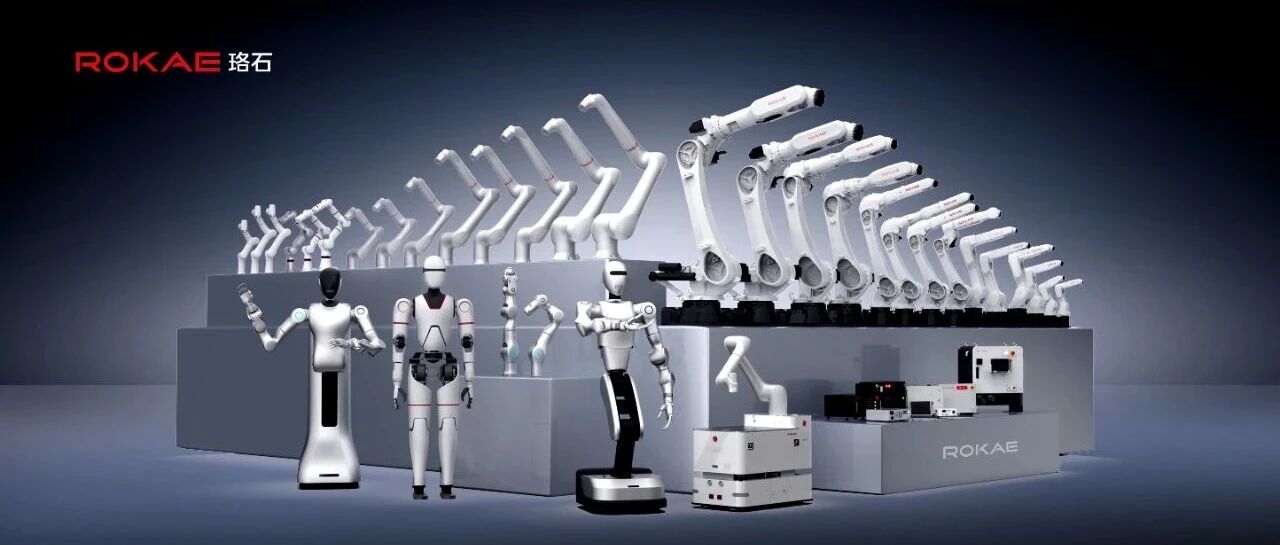
Core Insights - The Chinese industrial robot industry is entering a new phase characterized by "total growth and structural differentiation" from 2024 to 2025, with overall growth slowing but remaining steady due to structural changes and competition logic reshaping [1][2] - Traditional sectors like automotive and 3C electronics are reaching a plateau, while demand in niche applications such as precision welding, polishing, flexible assembly, and painting is surging, alongside new growth opportunities in emerging industries like new energy, photovoltaics, and semiconductors [1][2] Industry Trends - Companies relying solely on price competition or scale expansion are facing growth bottlenecks, while those focusing on high-value scenarios and core technology are emerging as leaders [2][5] - The rise of companies like Lush Robot, which entered the top 10 in the Chinese robot market in 2024 with over 70% growth in the first half of 2025, highlights the potential for new players in the market [2][6] Company Performance - Lush Robot's impressive growth is attributed to its focus on high-value applications and core markets, with expectations to exceed 10,000 units sold in 2024 [6][9] - The company has achieved significant market penetration in the 3C electronics sector and has scaled applications in welding, contributing to its 70% growth [7][9] Strategic Focus - Lush Robot emphasizes high-value scenario development over low-price competition, indicating a strategic shift towards quality and performance [9][11] - The company aims to provide comprehensive robot solutions, expanding its product line and integrating AI technologies to enhance usability and reduce costs [11][12] Key Growth Drivers - Three key factors driving Lush Robot's success are product competitiveness, scenario deepening, and intelligent interaction [12][15] - The company prioritizes product quality and performance, focusing on practical applications that address customer pain points [12][13] - Lush Robot has invested in developing scene-specific solutions, particularly in polishing and welding, to establish itself as a competitive domestic player [13][20] Technological Advancements - Lush Robot is building a competitive edge through a dual strategy of embracing AI technology while investing in core technology for stability and reliability [16][18] - The xCore control system, developed by Lush Robot, serves as a foundational technology that enhances the performance and reliability of its robots [17][18] Ecosystem Collaboration - The ROKAE+ platform allows Lush Robot to collaborate with ecosystem partners, facilitating the development of customized solutions and addressing integration challenges in the industry [18][21] - By fostering partnerships with upstream component manufacturers and downstream integrators, Lush Robot aims to create a stable ecosystem that enhances robot application efficiency [21][22] Future Outlook - The industrial robot industry is expected to experience a "two extremes" scenario, where companies lacking core technology will face risks, while those focusing on deep technology and collaboration will achieve high-quality growth [26] - Lush Robot's pragmatic approach, focusing on market needs and technological implementation, positions it well for sustained growth in the evolving landscape of the industrial robot sector [25][26]
AI+机器人智慧零售赛道黑马「安诺机器人」完成数千万元天使轮融资
机器人大讲堂· 2025-09-16 09:06
Core Viewpoint - Anno Robotics has successfully completed a multi-million yuan angel round financing, which will be used to support its technology research and development, scene implementation, and global business expansion [1][3]. Group 1: Technology Development - Anno Robotics will continue to deepen research in "multi-modal perception" and "human-machine symbiosis" to strengthen its technological barriers and support product scaling and multi-scenario applications [3]. - The company plans to upgrade its intelligent production lines and expand capacity to enhance overall delivery capabilities [3]. - Anno Robotics aims to open its technology interfaces to partners, promoting the evolution of AI robots from standalone operations to system collaboration, thereby building an integrated robot ecosystem [3]. Group 2: Market Expansion - The company will focus on high-potential scenarios such as catering, cultural tourism, and commercial services, offering customized solutions to accelerate global business development [3]. - Anno Robotics has established itself as a national high-tech enterprise and a specialized and innovative enterprise, recognized as a benchmark in China's intelligent manufacturing [5]. Group 3: Team and Core Technologies - The founding team possesses core component R&D capabilities and commercialization experience, with the founder having received multiple awards in the robotics industry [6]. - Anno Robotics has mastered over 70 national patents, focusing on high-precision motion control, deep integration of AI and IoT, and modular flexible deployment [9]. Group 4: Product Innovation - The company has developed AI robot solutions targeting the retail industry, addressing high labor costs, standardization challenges, and limited scenarios [11]. - Anno Robotics' Drinks+ robot integrates AI, IoT, and the internet to provide on-demand beverage customization, supporting a wide range of flavors [13]. - The product matrix includes AI robots for coffee, milk tea, cocktails, and ice cream, utilizing high-precision robotic arms and intelligent visual capture technology [14]. Group 5: Operational Efficiency - The AI coffee robot can replace approximately three full-time employees, reducing labor costs by about 60% while enhancing the symmetry and stability of latte art [16]. - The cloud management platform allows real-time monitoring of device status globally, achieving a fault diagnosis rate of 95% and reducing operational costs by 50% [16]. - Anno Robotics plans to launch an "AI Virtual Barista" by 2025, offering personalized beverage recipes through large model technology [24].
