GLP1减重宝典

Search documents
不知道以下几点,真心劝你不要用司美格鲁肽减重!!!
GLP1减重宝典· 2025-10-20 09:21
Core Viewpoint - The effectiveness of semaglutide and other GLP-1 drugs for weight loss varies among individuals, largely influenced by genetic factors [4][6]. Group 1: Genetic Factors and Weight Loss - A study presented at the 2024 Digestive Disease Week investigated 84 individuals with obesity or weight management issues, focusing on how genetic factors affect the efficacy of weight loss medications [6]. - Researchers developed a machine learning genetic risk score to predict genetic phenotypes, identifying "hunger gut positive" individuals who experience faster gastric emptying and earlier feelings of hunger [6]. - Those classified as "hunger gut positive" lost 14% of their body weight after 9 months on the same dose of semaglutide, compared to a 10% loss in "hunger gut negative" individuals. After 12 months, the weight loss for "hunger gut positive" individuals reached 19%, while "hunger gut negative" individuals remained around 10% [6]. Group 2: Lifestyle and Weight Management - Patients responding to semaglutide should not expect to lose weight without maintaining a healthy diet and regular exercise [7]. - Exercise is emphasized as a crucial component of a healthy lifestyle, aiding in calorie burning, metabolism, and overall health [9]. - A comprehensive approach includes at least 150 minutes of aerobic exercise weekly and strength training at least twice a week to enhance cardiovascular health and improve insulin sensitivity [9]. Group 3: Weight Regain After Stopping Medication - Research indicates that semaglutide effectively aids in weight loss, but like other chronic conditions, weight regain is common after discontinuation of treatment [10]. - Individuals who engaged in exercise while using GLP-1 medications showed less tendency to regain weight after stopping the medication [12]. - Maintaining an active lifestyle and healthy eating habits is essential for sustaining weight loss results [12]. Group 4: Broader Applications of Semaglutide - Semaglutide and other GLP-1 drugs have been shown to effectively regulate blood sugar and promote weight loss, with ongoing research exploring their potential in treating various other conditions, including alcohol use disorder, polycystic ovary syndrome, non-alcoholic fatty liver disease, heart disease, obstructive sleep apnea, and chronic kidney disease [13]. - Notably, a study indicated that semaglutide could significantly reduce the severity of obstructive sleep apnea in obese adults [14].

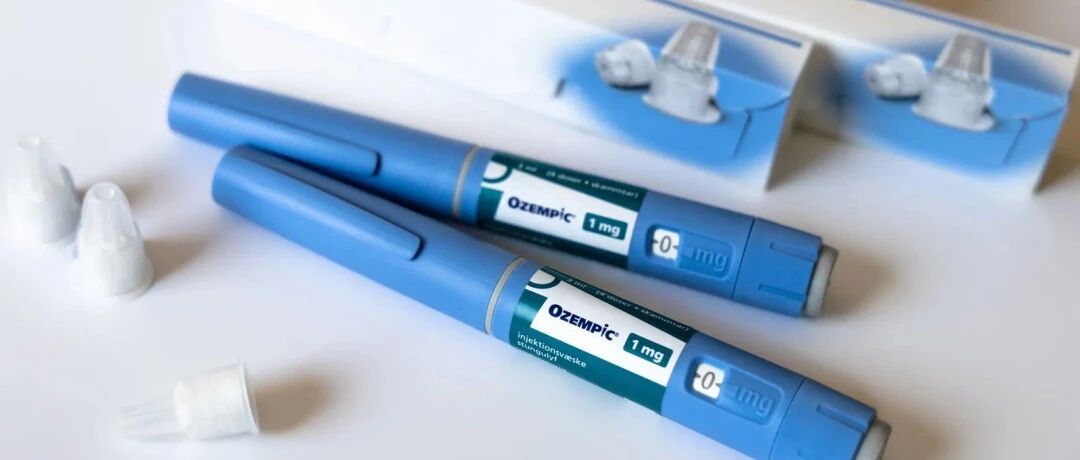
科学实证:每日10分钟快走显著延长寿命,男性获益1.4年女性0.9年!运动强度成关键变量
GLP1减重宝典· 2025-10-20 09:21
Core Insights - A groundbreaking study from the UK Biobank reveals that simple brisk walking can effectively extend lifespan, challenging traditional beliefs about exercise duration and intensity [4][5][7] - The study indicates that maintaining a daily brisk walking habit of just 10 minutes can lead to an average lifespan increase of 1.4 years for men and 0.9 years for women [4][8] - The research emphasizes that the intensity of exercise, rather than just the duration, plays a crucial role in health benefits, with brisk walking being the ideal exercise for most people [5][8] Summary by Sections Study Overview - A long-term study involving over 71,000 middle-aged and older adults provides compelling evidence for the relationship between exercise intensity and longevity [7] - The research utilized high-precision accelerometers to objectively monitor daily activities over nearly seven years, recording 1,719 deaths primarily from cancer [7] Key Findings - For individuals aged 60 and above, those maintaining high levels of both exercise volume and intensity can expect a lifespan of 95.6 years for women and 94.5 years for men, which is 3.4 and 4.6 years longer than those with the lowest activity levels, respectively [7] - The study found that even without increasing total exercise volume, simply enhancing intensity (e.g., switching from walking to brisk walking) can significantly increase lifespan, with women gaining an average of 1.7 years and men also benefiting by over 1.7 years [7] Practical Implications - The research suggests that sedentary individuals can gain 0.9 years of life by adding just 10 minutes of brisk walking daily, and this benefit increases to 1.4 years for women and 2.5 years for men with 30 minutes of brisk walking [8] - The findings indicate that the health benefits of exercise intensity are consistent across different age groups and are not influenced by factors such as BMI or chronic diseases [8] - The study introduces a novel way to visualize lifespan differences using a "zodiac cycle" (12 years) and "half-century" metrics, enhancing public understanding of the findings [8]

《自然》重磅解读“双效减脂法”!全新瘦身利器有望让“爆款减肥药”相形失色
GLP1减重宝典· 2025-10-20 09:21
Core Viewpoint - The article discusses the revolutionary impact of GLP-1 receptor agonists in obesity treatment, highlighting recent advancements in combining these drugs with NMDA receptor antagonists to enhance weight loss effects [6][8][14]. Summary by Sections GLP-1 Receptor Agonists - In 2021, the FDA approved semaglutide, a GLP-1 receptor agonist, for long-term weight management in obese and overweight adults, showing an average weight reduction of 15% with weekly injections [6]. - GLP-1 receptor agonists were initially approved for type 2 diabetes treatment, with their weight loss effects discovered during early clinical trials [8]. Innovative Combination Therapy - Researchers from Copenhagen University proposed a novel approach by combining GLP-1 receptor agonists with NMDA receptor-targeting drugs to achieve a dual weight loss effect [8]. - NMDA receptors play a significant role in appetite regulation, and previous studies have shown that NMDA receptor antagonists can induce anorexia and weight loss in mice [11]. Experimental Findings - In experiments with diet-induced obese mice, the new GLP-1–MK-801 compound resulted in a remarkable weight reduction of 23.2%, outperforming traditional calorie restriction methods [13]. - The compound maintained metabolic rates comparable to obese mice, addressing the common issue of metabolic compensation during weight loss [13]. Safety and Future Research - The safety evaluation of GLP-1–MK-801 indicated no severe adverse reactions in mice, supporting further development of this innovative drug [14]. - Future studies are needed to assess the long-term effects and safety of GLP-1–MK-801, with the potential to become a more powerful treatment option than existing weight loss medications [14]. Current GLP-1 Weight Loss Drugs - A list of GLP-1 weight loss drugs currently in various clinical stages includes: - Mounjaro (Tirzepatide) - FDA approved - Wegovy (Semaglutide) - FDA approved - Saxenda (Liraglutide) - FDA approved - Several others in clinical trials [15].

速递|GLP-1上市药企撤回文件:终止定增!
GLP1减重宝典· 2025-10-20 09:21
Group 1 - The core point of the article is that Borui Pharmaceutical has decided to terminate its plan for a specific issuance of A-shares for 2024 due to a comprehensive assessment of the current market environment and its own operational status [4][6] - The company had previously planned to raise 500 million yuan through this issuance, which was to be fully subscribed by its actual controller, Yuan Jiandong [4] - The initial plan was approved in May 2024, but there was no substantial progress over the year, leading to multiple revisions of the issuance plan before the company voluntarily withdrew its application [4] Group 2 - Borui Pharmaceutical is planning to issue H-shares and list on the Hong Kong Stock Exchange in 2025 to accelerate its internationalization and enhance its capital strength [6] - The company has appointed Ernst & Young as the auditing firm for this upcoming Hong Kong listing [6] - Established for over 20 years, Borui Pharmaceutical's product portfolio includes innovative drugs across various therapeutic areas, including metabolism, antiviral, antifungal, immunosuppressive, respiratory, and oncology [6] Group 3 - As of now, Borui Pharmaceutical has a market capitalization of approximately 24.5 billion yuan and has completed three rounds of financing since its IPO in November 2019 [6] - The company received a warning letter from the China Securities Regulatory Commission in June due to improper management of raised funds [6]


《自然》重磅消息:致胖“元凶”现身!牛津科学家发现食欲中枢神经肽Y竟能激活棕色脂肪抵御肥胖
GLP1减重宝典· 2025-10-19 12:08
Core Insights - The article discusses the dual role of Neuropeptide Y (NPY) in regulating appetite and energy expenditure, revealing its complex functions in both the brain and peripheral fat tissues [7][12][16]. Group 1: NPY's Role in Appetite Regulation - NPY is known to stimulate appetite in the brain, but its absence does not significantly affect food intake in mice [11]. - Mutations in the NPY gene are associated with higher Body Mass Index (BMI) in humans, indicating a more complex relationship between NPY and weight regulation beyond just appetite stimulation [11][17]. Group 2: NPY's Role in Energy Expenditure - In peripheral fat tissues, NPY helps maintain the thermogenic capacity of brown adipose tissue (BAT) and promotes energy expenditure [7][12]. - Research shows that when NPY is knocked out in the sympathetic nerves of mice, their brown fat turns "white," leading to reduced thermogenic ability and increased susceptibility to weight gain, even without changes in food intake or activity levels [14][16]. Group 3: Mechanisms of NPY Action - Approximately 40% of sympathetic neurons in white adipose tissue express NPY, indicating its significant presence in fat tissue regulation [12][14]. - NPY promotes the proliferation of perivascular cells, which can differentiate into thermogenic fat cells, thus playing a crucial role in fat tissue regulation [14][16].

《新英格兰医学杂志》重磅研究:口服司美格鲁肽为高风险2型糖尿病患者带来心血管福音
GLP1减重宝典· 2025-10-19 12:08
Core Viewpoint - The article discusses the significant cardiovascular benefits of oral semaglutide for high-risk type 2 diabetes patients, highlighting its potential to reduce major adverse cardiovascular events (MACE) and improve treatment adherence compared to injectable forms [4][5][15]. Summary by Sections Global Diabetes Statistics - Over 828 million people globally have diabetes, with more than 90% being type 2 diabetes patients, who face increased cardiovascular disease risks [4]. Clinical Research Overview - The SOUL study, published in the New England Journal of Medicine, involved a large-scale, international, multi-center, randomized controlled trial focusing on high-risk type 2 diabetes patients with a history of atherosclerotic cardiovascular disease or chronic kidney disease [4][7]. Study Design and Methodology - The study recruited 9,650 participants aged 50 and older with HbA1c levels between 6.5% and 10.0%, excluding those with end-stage renal disease [8]. - Participants were randomly assigned to receive either oral semaglutide (starting at 3 mg and increasing to 14 mg daily) or a placebo, with all patients receiving standard treatment [9][10]. Key Findings - Oral semaglutide significantly reduced the incidence of MACE: 12.0% in the treatment group compared to 13.8% in the control group [13]. - The study also reported a 26% reduction in non-fatal myocardial infarction risk and a 12% reduction in stroke risk [17]. Safety and Efficacy - The incidence of serious adverse events was lower in the treatment group (47.9% vs. 50.3%), while gastrointestinal reactions were slightly higher (5.0% vs. 4.4%) [14]. - The renal protective effect did not reach statistical significance, indicating a need for further research in patients with poorer baseline kidney function [15]. Implications for Treatment - The findings suggest that oral semaglutide could reshape diabetes treatment paradigms by providing a convenient oral option that maintains efficacy comparable to injectable forms, particularly in reducing non-fatal myocardial infarction risk [15]. - The study emphasizes the importance of further research to explore the drug's effects on renal outcomes in different patient populations [15].

延长一年!司美格鲁肽可显著延缓减肥平台期
GLP1减重宝典· 2025-10-19 12:08
Core Viewpoint - The article discusses the effectiveness of GLP-1 medications, such as semaglutide, in delaying weight loss plateaus, which are common among dieters after approximately one year of weight loss efforts [4][7][8]. Group 1: Research Findings - A study indicates that semaglutide and other GLP-1 medications can extend the time before patients reach a weight loss plateau by an average of one year compared to those who only restrict calorie intake [8]. - Bariatric surgeries, like gastric bypass, show even greater effectiveness, delaying the plateau by an additional year on average [9]. - The research highlights that the body's resistance to weight loss is akin to a survival mechanism, where increased weight loss leads to heightened appetite [5][8]. Group 2: Understanding Obesity - Obesity is defined as a complex disease influenced by genetic, socioeconomic, behavioral, and environmental factors, with risks potentially starting in utero [10]. - The American Medical Association recognizes obesity as a disease, yet stigma persists, often leading to oversimplified advice like "eat less, move more," which fails to address the chronic nature of obesity [10][14]. - There is a need for compassionate and supportive approaches to tackle obesity, recognizing it as a medical condition rather than a personal failing [14][12].
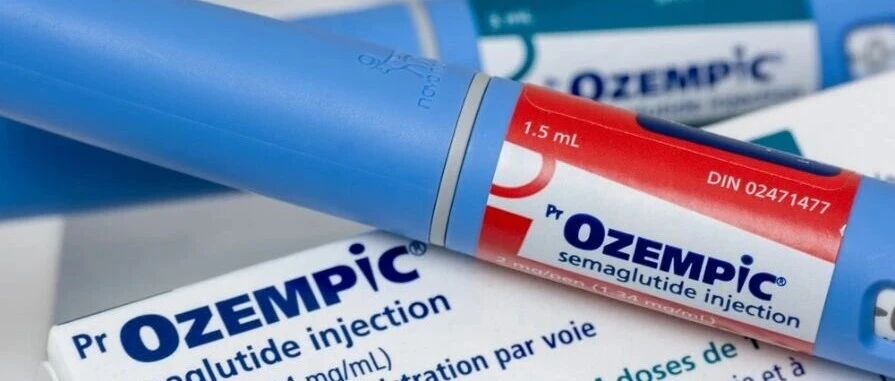
速递|司美格鲁肽专利悬崖将至,万亿赛道即将迎来混战
GLP1减重宝典· 2025-10-19 12:08
Core Insights - The clinical application of Semaglutide has expanded to multiple treatment areas including diabetes, obesity, cardiovascular diseases, kidney diseases, non-alcoholic fatty liver disease, autoimmune diseases, and Alzheimer's, showcasing significant market potential [2] - The expiration of Novo Nordisk's core patent for Semaglutide on March 20, 2026, is expected to lead to strong competition from generic drugs, prompting companies to build competitive advantages [2] Market Potential - Semaglutide achieved sales of $16.6 billion in the first half of 2025, ranking first among global pharmaceuticals, followed closely by Tirzepatide at $14.734 billion [5] - Global sales of GLP-1RA drugs are projected to exceed $150 billion by 2031, driven by a large patient base, with 589 million adults expected to have diabetes by 2024 and 1.13 billion projected to be obese by 2030 [5] - In China, the overweight rate among adults has surpassed 50%, potentially rising to 70.5% by 2030 if not controlled, indicating a significant market opportunity for weight management drugs [5] Competitive Landscape - The global clinical pipeline for GLP-1RA drugs has reached 283 projects, with over 360 in Phase III trials, indicating a highly competitive environment [6] - The development of GLP-1RA drugs is evolving from single-target to dual and multi-target mechanisms, with a shift from injectable to oral formulations and extended dosing intervals [6] Domestic Market Dynamics - Over 100 companies are reportedly engaged in the development of Semaglutide generics and GLP-1RA innovative drugs in China, with 8 companies having submitted applications for market approval [7] - The competition is intensifying as nearly 30 companies have had their clinical applications accepted, indicating a rapidly growing domestic market [7]
速递|刚刚,诺和诺德口服司美格鲁肽新适应症获批上市!
GLP1减重宝典· 2025-10-18 10:55
Core Viewpoint - The FDA has approved Rybelsus® as the only oral GLP-1 medication for reducing the risk of major adverse cardiovascular events (MACE) in adults with type 2 diabetes, regardless of prior cardiovascular events, highlighting the need for treatment options beyond blood sugar control [2][3][5]. Group 1: FDA Approval and Clinical Evidence - Rybelsus® is now recognized as the only oral GLP-1 drug approved for both primary and secondary prevention of MACE in high-risk type 2 diabetes patients [5]. - The SOUL study aimed to evaluate the effectiveness of oral semaglutide 14mg combined with standard treatment in reducing MACE risk, with MACE defined as cardiovascular death, non-fatal myocardial infarction, or non-fatal stroke [5][6]. - In the study, 12.0% of patients receiving semaglutide experienced MACE events compared to 13.8% in the placebo group, demonstrating a hazard ratio of 0.86, indicating a 14% relative risk reduction over four years [6]. Group 2: Safety and Side Effects - The overall safety profile of oral semaglutide 14mg was consistent with previous studies, with serious adverse events (SAEs) occurring in 47.9% of the semaglutide group compared to 50.3% in the placebo group [8]. - The most common SAEs included heart disease and infections, with gastrointestinal issues being slightly more prevalent in the semaglutide group (5.0% vs. 4.4%) [8]. - Discontinuation due to adverse events occurred in 15.5% of the semaglutide group versus 11.6% in the placebo group, primarily due to gastrointestinal disorders and infections [8]. Group 3: Future Developments - The company has submitted a supplemental application to the FDA for a daily oral semaglutide formulation, Wegovy®, aimed at treating obesity, with results expected later this year [9].

肥胖全因贪吃?一文速查这些疾病引发的发胖你了解多少
GLP1减重宝典· 2025-10-18 10:55
Core Viewpoint - Obesity is a chronic metabolic disease that poses significant health risks, including diabetes, coronary heart disease, and stroke. It is essential to recognize the complex nature of obesity beyond simple lifestyle factors and to adopt a comprehensive approach to its management [4][21]. Summary by Sections Understanding Obesity - Obesity is often misunderstood as merely a result of personal behavior, but it is influenced by societal changes and has become a significant health issue in China, which has the fastest-growing obesity rates globally [4][6]. - The World Health Organization defines obesity with a BMI threshold of ≥30.0 kg/m², while Chinese guidelines set it at ≥28 kg/m², reflecting local health characteristics [7]. Health Risks Associated with Obesity - Obesity can lead to severe health issues, including a 6 to 14-year reduction in life expectancy. It is linked to increased risks of type 2 diabetes, hypertension, and psychological disorders [6][21]. - The importance of maintaining a healthy BMI (18.5-23.9 kg/m²) is emphasized as a critical factor in preventing chronic diseases [6]. Classification of Obesity - Obesity is not a single disease but has various classifications based on genetic, metabolic, and anatomical factors. This includes primary and secondary obesity, as well as classifications based on fat distribution and metabolic health [7][12]. - The evolution of obesity classification reflects a deeper understanding of its underlying causes, necessitating tailored treatment strategies for different obesity types [7][12]. Specific Conditions Related to Obesity - **Hypothyroidism**: Symptoms include weight gain, fatigue, and cold intolerance, often misattributed to general health issues, leading to delayed diagnosis [8]. - **Cushing's Syndrome**: Characterized by excessive cortisol levels, leading to central obesity and other systemic effects. Early recognition of symptoms is crucial for effective management [10][11]. - **Polycystic Ovary Syndrome (PCOS)**: Affects a significant portion of women in China, with high rates of hyperandrogenism leading to abdominal obesity and insulin resistance [12]. - **Genetic Obesity**: Rare but significant, often linked to specific genetic mutations affecting metabolic pathways. Early genetic testing is recommended for individuals with early-onset obesity [13][15][16]. Contributing Factors to Obesity - **Medication-Induced Obesity**: Certain medications, including diabetes treatments and psychiatric drugs, can lead to weight gain, highlighting the need for careful medication management [18]. - **Psychological Factors**: Increased anxiety and depression in modern society contribute to unhealthy eating behaviors and sedentary lifestyles, exacerbating obesity rates [19]. - **Endocrine Disorders**: Conditions like hypogonadism can complicate obesity management, necessitating a comprehensive evaluation of hormonal health [20]. Conclusion - Recognizing obesity as a chronic condition requiring long-term management is vital. A scientific understanding of its multifaceted nature can help in developing effective intervention strategies to prevent related health complications [21].