GLP1减重宝典

Search documents
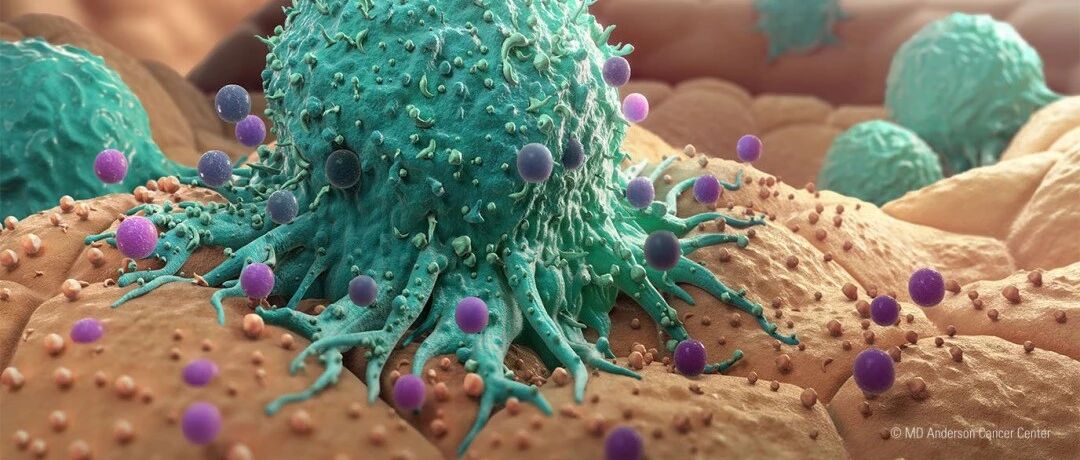
减重也抗癌!司美格鲁肽竟可有效降低10种患癌风险
GLP1减重宝典· 2025-09-07 09:49
Core Viewpoint - There is a significant correlation between obesity and the incidence of various cancers, with obesity being a contributing factor to at least 12 types of cancer, including colorectal, liver, and breast cancer [4][6]. Group 1: Relationship Between Obesity and Cancer - The rise in obesity rates is associated with an increase in the incidence of obesity-related cancers, particularly among younger populations, highlighting the need for improved public health policies and lifestyle changes [6]. - Mechanisms linking obesity to cancer risk include chronic inflammation, metabolic disorders, changes in the tumor microenvironment, immune function suppression, and alterations in gut microbiota [7][8][9][10]. Group 2: GLP-1 and Cancer Risk Reduction - Recent research published in JAMA Network Open indicates that GLP-1 therapy significantly reduces the risk of 10 obesity-related cancers among type 2 diabetes patients, compared to insulin treatment [11]. - Specific reductions in cancer risk include gallbladder cancer (65%), meningioma (63%), pancreatic cancer (59%), and liver cancer (53%), among others, suggesting potential benefits of GLP-1 drugs in cancer prevention for high-risk populations [13]. Group 3: Weight Loss Data from GLP-1 Treatments - In the PIONEER PLUS study, participants treated with oral semaglutide lost an average of 9.2 kg (9.54%) and 7.0 kg (7.26%) over 68 weeks, depending on the dosage [14]. - The latest OASIS 1 study reported an average weight loss of 18.34 kg (17.4%) in patients treated with 50 mg of oral semaglutide, indicating enhanced weight loss efficacy [15].

重磅!中国团队登《自然》:王卫庆/王计秋揭秘"脑肠黄金通道"操控体重密码
GLP1减重宝典· 2025-09-07 09:49
Core Insights - The article discusses a groundbreaking study revealing a new physiological phenomenon where the central nervous system regulates intestinal nutrient absorption, particularly fat absorption, through the vagus nerve [10]. Group 1: Research Findings - The study identifies that the Phox2b neurons in the dorsal motor nucleus of the vagus (DMV) can significantly influence fat absorption in the intestines, leading to weight loss in mice on a high-fat diet [7]. - The research team discovered that the herbal compound puerarin can reduce the activity of Phox2b DMV neurons, promoting fat excretion and aiding in weight loss [8]. - The study confirmed that the GABRA1 protein, a subunit of the GABA A receptor, is a key target for puerarin, which enhances chloride ion influx and inhibits DMV neuron activity [9]. Group 2: Methodology and Techniques - The research utilized advanced techniques such as pharmacogenetics, neurophysiology, and cryo-electron microscopy to explore the central regulation of intestinal nutrient absorption [10]. - The team employed a combination of mouse models and viral tracing techniques to establish a direct pathway from the DMV to the intestine that regulates fat absorption [9]. Group 3: Implications for Future Research - The findings open new avenues for drug development targeting obesity and metabolic diseases by identifying critical molecular targets and intervention strategies [10]. - The study highlights the potential for further exploration of the brain-gut signaling pathways, which could lead to innovative treatments for obesity [10].

新一代减重药物突破:Amylin疗法或将成为代谢性疾病治疗新星
GLP1减重宝典· 2025-09-06 03:53
Core Viewpoint - The global obesity crisis is escalating, with the World Health Organization predicting that the number of obese individuals will exceed 1 billion by 2024 and potentially reach 4 billion by 2035. This public health challenge is driving innovation in the development of weight-loss treatments, particularly amylin analogs, which may reshape the market for metabolic disease therapies worth billions of dollars [4]. Group 1: Discovery and Mechanism of Amylin - Amylin was discovered in 1987 by a research team at the University of Auckland, which identified a unique substance in pancreatic tissues of diabetic patients, leading to its naming as Islet Amyloid Polypeptide (IAPP) and later as Amylin. This discovery opened new avenues for understanding and treating metabolic diseases [6]. - Amylin, a neuroendocrine hormone composed of 37 amino acids, works alongside insulin to regulate various metabolic processes, including suppressing glucagon secretion, enhancing insulin sensitivity, and reducing appetite through central nervous system mechanisms. It also delays gastric emptying and promotes energy expenditure, contributing to weight loss [7]. Group 2: Development of Amylin Analog Drugs - The evolution of amylin analogs has progressed from short-acting to long-acting formulations. Pramlintide, the first synthetic amylin analog approved in 2005, faced limitations in clinical use due to side effects and inadequate efficacy, leading to early treatment discontinuation in about half of patients [8]. - Recent advancements include the long-acting amylin analogs, Cagrilintide and the combination product CagriSema, which have shown significant weight loss effects in clinical trials. Cagrilintide demonstrated a dose-dependent weight loss of 6% to 10.8%, outperforming placebo and showing comparable safety profiles to existing treatments [9]. Group 3: Innovations in Delivery Methods - The development of Amycretin, the first GLP-1/amylin dual receptor agonist, represents a breakthrough in drug delivery methods, utilizing an oral administration system that enhances intestinal absorption and bioavailability. Early clinical trials indicated an average weight loss of 13.1% in treated patients, highlighting its potential as a leading candidate in metabolic disease therapy [10]. - The trajectory of amylin analogs from short-acting to long-acting therapies and now to oral formulations illustrates significant progress in the treatment of metabolic diseases, offering patients more effective and convenient treatment options [11].

速递|替尔泊肽参与2025国家医保谈判!减肥药能否成功入医保?
GLP1减重宝典· 2025-09-06 03:53
Core Viewpoint - The recent submission of Eli Lilly's drug "Tirzepatide Injection" for inclusion in the 2025 National Medical Insurance Directory has garnered significant attention in the industry [2]. Group 1: Drug Approval and Market Context - Tirzepatide is a dual agonist that acts on both GIP and GLP-1 receptors, approved in mainland China in May 2024 for treating adult Type 2 Diabetes Mellitus (T2DM) and moderate to severe obstructive sleep apnea (OSA) associated with obesity [5]. - Currently, there are seven GLP-1 receptor agonists included in the National Medical Insurance Directory, such as Exenatide, Liraglutide, and Semaglutide [5]. Group 2: Clinical Trial Results - Eli Lilly provided multiple clinical trial results indicating that Tirzepatide outperforms existing GLP-1 receptor agonists in terms of glucose reduction and weight loss. For instance, a network meta-analysis showed that Tirzepatide 5mg reduces HbA1c by 1.25% more than Semaglutide 1mg [5]. - In a randomized controlled trial, patients treated with Tirzepatide 5mg lost an average of 5kg over 40 weeks, while the weight loss in the Semaglutide 1mg group was comparatively smaller [7]. - In a Phase III study for OSA, Tirzepatide significantly reduced the Apnea-Hypopnea Index (AHI), with 51.5% of patients achieving symptom relief or mild symptom levels [7].


惊爆!一种神奇氨基酸7天激活"燃脂开关",减重30%还能抗衰老
GLP1减重宝典· 2025-09-06 03:53
Core Viewpoint - The article discusses recent breakthroughs in metabolic regulation, particularly focusing on the amino acid cysteine and its significant impact on weight loss and metabolic health [6][7][12]. Summary by Sections Metabolic Challenges - Many individuals struggle with weight management despite trying various diets, leading to frustration as they oscillate between enjoying food and controlling their weight [6]. - The body functions like a precise metabolic machine, and imbalances in nutrients can lead to obesity and accelerated aging [6]. Breakthrough Research - Recent studies have shown that the removal of cysteine can lead to significant weight loss in mice, with a reduction of 30% in just seven days, primarily from fat tissue [7][13]. - Research from Yale University corroborated these findings, revealing the mechanisms by which cysteine influences fat metabolism and aging [7][12]. Cysteine in Diet - Cysteine is a conditionally essential amino acid found in foods like chicken, eggs, and tofu, and is crucial for various metabolic processes [10][12]. Mechanisms of Action - Two primary mechanisms were identified that explain how cysteine deficiency triggers fat burning: 1. Activation of the sympathetic nervous system and adrenaline signaling, which promotes fat breakdown and the conversion of white fat to brown-like fat [14]. 2. Depletion of coenzyme A leading to metabolic reprogramming, which enhances fat oxidation even in the presence of sufficient caloric intake [15]. Anti-Inflammatory Effects - Cysteine deficiency also reduces chronic inflammation associated with aging, improving insulin sensitivity and overall metabolic health [15][17]. Reversal of Metabolic Aging - The studies indicated that cysteine regulation could reverse metabolic aging, as evidenced by improved mitochondrial function and reduced levels of aging markers in previously obese mice [17]. Conclusion - The findings suggest that cysteine plays a critical role in managing obesity and metabolic disorders, highlighting the potential for dietary interventions to recalibrate metabolic health [17].

美国代谢与减重外科协会医学博士:使用司美格鲁肽的七点建议
GLP1减重宝典· 2025-09-06 03:53
Core Viewpoint - The article emphasizes the growing popularity of weight loss medications, particularly GLP-1 receptor agonists, while highlighting the importance of professional medical guidance to mitigate risks associated with their use [4][5]. Summary by Sections Introduction to Weight Loss Medications - Weight loss drugs have become a hot topic, frequently discussed in media and among friends, but self-medication without professional guidance can lead to serious risks [4]. Mechanism of Action - Medications like Semaglutide and Tirzepatide work by delaying gastric emptying, promoting prolonged satiety, and mimicking the action of GLP-1, which affects both gut receptors and the brain to reduce appetite [5]. Recommendations for Safe Use - **Gradual Dosage Increase**: Semaglutide is typically administered as a single injection at home, with dosage needing to be gradually increased over 4 to 5 months to reach optimal levels [8]. - **Consultation with Professionals**: It is advised to seek treatment from weight loss specialists or metabolic surgery teams for comprehensive evaluation and management of side effects [9]. - **Target Population**: These medications are suitable for individuals with a BMI of 30 or higher, or 27 with obesity-related conditions, while those with a history of thyroid cancer, pancreatitis, or gallbladder disease should avoid them [10]. - **Avoiding Unregulated Purchases**: Purchasing injections from non-prescription sources poses risks due to unknown ingredients, and self-purchasing after being denied a prescription increases danger [11]. - **Understanding Limitations**: While these drugs assist in weight loss, they may not improve conditions like high cholesterol or sleep apnea, and metabolic surgery may be more appropriate for those needing to lose over 100 pounds [12]. - **Nutritional Balance**: Maintaining a balanced diet is crucial to prevent complications such as heart palpitations and vitamin deficiencies, with regular monitoring of blood sugar and nutrient levels recommended [13]. - **Long-term Habit Formation**: Weight may rebound after stopping medication, necessitating ongoing support from healthcare professionals, nutritionists, and coaches [14]. - **Signs for Medical Attention**: Symptoms like constipation, abdominal pain, or allergic reactions should prompt immediate medical consultation [16]. Expert Background - Dr. Karl W. Strom, a prominent figure in metabolic and bariatric surgery, has extensive training and experience in the field, contributing to the credibility of the recommendations provided [19][20].

减肥反弹背后的生物学真相:《自然》双重研究揭秘"曾胖标记"与炎症细胞如何联手破坏你的减重成果
GLP1减重宝典· 2025-09-05 03:34
Core Insights - The article emphasizes that weight loss is not merely about the numbers on a scale but involves significant changes in the underlying fat tissue, which can reverse aging processes in metabolic cells [7][9][10]. Group 1: Research Findings - A study published in July 2025 in *Nature* revealed that obesity accelerates the aging of metabolic and vascular cells within fat tissue, but weight loss can significantly reverse this premature aging phenomenon [7]. - The research highlights that while weight loss reduces inflammation, the memory of immune responses remains, posing a risk for potential weight regain [10][12]. - The study focused on subcutaneous abdominal fat, which is linked to central obesity and metabolic disorders like type 2 diabetes and hyperlipidemia, suggesting that understanding its dynamic changes is crucial for unlocking the health benefits of weight loss [8]. Group 2: Mechanisms of Weight Loss - Weight loss not only leads to a decrease in body weight but also transforms the structure and function of fat tissue towards a healthier state, driven by complex immune regulatory mechanisms [10][15]. - Despite improvements in local inflammation and reductions in inflammatory markers, some macrophages remain in a pre-activated state, which could trigger inflammation again upon encountering new stimuli, potentially leading to weight regain [10][15]. Group 3: Long-term Effects of Obesity - Research indicates that even after successful weight loss, changes at the cellular level persist, with fat cells retaining characteristics from the obese state, which may lead to faster fat accumulation upon re-exposure to high-fat diets [15][19]. - Animal studies corroborate these findings, showing that fat tissue in obese mice retains a form of epigenetic memory that influences their metabolic responses even after weight loss [19]. Group 4: Implications for Weight Management - The persistent "obesity memory" in fat tissue and immune cells suggests that weight management strategies must consider these long-term changes to prevent weight regain and associated metabolic diseases [19]. - The article underscores the importance of developing comprehensive weight management approaches that address both the physiological and psychological aspects of obesity [19].

速递|礼来口服GLP-1 orforglipron,国内新增六项临床获受理
GLP1减重宝典· 2025-09-05 03:34
Core Viewpoint - Eli Lilly's new weight loss candidate Orforglipron has received regulatory acceptance for six clinical trial applications, reigniting market confidence following disappointing earlier data [2][3]. Group 1: Clinical Trial Results - The latest results from the Phase III ATTAIN-2 trial indicate that Orforglipron significantly aids weight loss in adults with obesity or overweight and type 2 diabetes, achieving primary and secondary endpoints across all dosage groups [4]. - In a 72-week study, patients taking the highest dose of 36mg lost an average of 10.5% of their body weight (22.9 pounds), with improvements in average blood sugar levels and cardiometabolic risk indicators [5]. - The 12mg group lost an average of 7.8%, the 6mg group lost 5.5%, and the placebo group lost 2.2%. Over half of the patients in the 36mg group lost at least 10% of their body weight, compared to 7% in the placebo group [5]. Group 2: Market Implications - Eli Lilly plans to present complete data at future medical conferences and has confirmed the acquisition of a "complete data package" to advance global submissions [6]. - The results from ATTAIN-2 contrast sharply with the earlier ATTAIN-1 trial, which showed a 12.4% weight loss in obese and overweight patients without diabetes, leading to a lukewarm investor response [6]. - The positive outcomes from ATTAIN-2 have somewhat restored market confidence regarding future market share for Orforglipron [7]. Group 3: Competitive Advantage - According to industry experts, the combined results from the three Phase III studies suggest that Orforglipron exhibits a strong competitive advantage in the diabetes sector, which affects approximately 15% of adults in the U.S. [8].

孤独与社交隔离:被忽视的肥胖和2型糖尿病危险因素
GLP1减重宝典· 2025-09-05 03:34
Core Viewpoint - Loneliness and social isolation are increasingly recognized as significant public health challenges that can exacerbate the risk of type 2 diabetes (T2DM) through complex physiological mechanisms [5][7][15]. Summary by Sections Impact of Loneliness and Social Isolation - A significant portion of the global population experiences social isolation, with over 25% affected, and more than 20% suffering from chronic loneliness, which poses risks beyond psychological health [5][7]. - Research indicates that individuals lacking social connections have a 30% higher risk of developing T2DM compared to those with adequate social support [5][9]. Research Findings - A meta-analysis involving over 1.11 million participants revealed that individuals experiencing loneliness have a 32% increased risk of T2DM, while those who are socially isolated face a 20% higher risk [9]. - The study adjusted for confounding factors such as gender, age, and socioeconomic status, confirming the stability of these associations [9]. Biological Mechanisms - Loneliness can disrupt the hypothalamic-pituitary-adrenal (HPA) axis, leading to increased cortisol levels, which in turn raises blood sugar levels and contributes to insulin resistance [10]. - Social isolation can cause excessive sympathetic nervous system activation and inflammatory responses, further impairing metabolic health and increasing T2DM risk [11]. Implications for Public Health - The findings suggest a need for integrating social health assessments into chronic disease management strategies, emphasizing the importance of social connections in diabetes prevention [8][13]. - Recommendations include encouraging community engagement and support networks, as well as implementing psychological interventions to address loneliness [13][15]. Future Directions - A comprehensive management approach that includes social support and psychological adjustment is essential for effective T2DM prevention and treatment [14][15]. - The integration of social prescriptions and community resources into healthcare systems could significantly improve outcomes for high-risk populations, such as the elderly and socially isolated individuals [13][15].

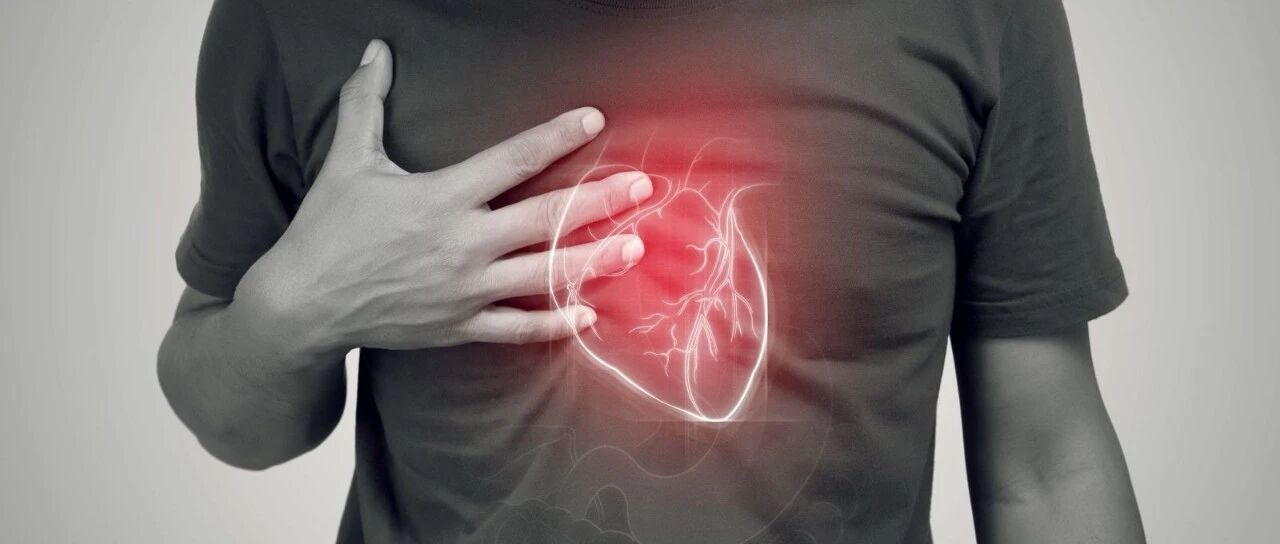
心衰:司美格鲁肽等减重药物可将住院与死亡风险降低40%!肥胖对健康的系统性影响不容忽视心衰
GLP1减重宝典· 2025-09-05 03:34
Core Viewpoint - Recent studies indicate that certain weight loss medications, specifically semaglutide and tirzepatide, may significantly improve health outcomes for heart failure patients, reducing the combined risk of hospitalization and all-cause mortality by approximately 40% [4][5][6]. Group 1: Research Findings - Semaglutide and tirzepatide effectively lower hospitalization risks and all-cause mortality in patients with heart failure with preserved ejection fraction (HFpEF) [5][6]. - The study integrated data from five cohort studies spanning 2018 to 2024, with a total sample size of approximately 58,000 for semaglutide and 11,000 for tirzepatide, enhancing the external validity of the findings [8]. - The research was published in the Journal of the American Medical Association (JAMA) on August 31, further solidifying the evidence for GLP-1 receptor agonists in heart failure management [8]. Group 2: Patient Demographics and Implications - HFpEF affects around 3 million people in the U.S. and over 30 million globally, with an average annual hospitalization rate of 1.4 times and a mortality rate of about 15% [9]. - The findings provide new treatment possibilities for HFpEF patients, particularly those with obesity and type 2 diabetes, who are recognized as significant risk factors [9][11]. Group 3: Broader Health Implications - Obesity is estimated to affect approximately 40% of U.S. adults, increasing the risk of various health issues, including type 2 diabetes and cardiovascular diseases [12]. - The study emphasizes the systemic impact of obesity on health, highlighting the need for effective weight management strategies [12][14]. Group 4: Lifestyle Interventions - Lifestyle changes remain crucial for cardiovascular health, including regular physical activity, balanced diet, quality sleep, and weight management [15]. - The use of weight loss medications should complement ongoing lifestyle management efforts to achieve optimal health outcomes [15].