GLP1减重宝典

Search documents
秋季即将公布结果!司美格鲁肽或将彻底改变阿尔茨海默病的治疗?
GLP1减重宝典· 2025-09-04 11:05
Core Viewpoint - The article discusses the potential of GLP-1 drugs, particularly Novo Nordisk's semaglutide, in treating Alzheimer's disease, highlighting the promising results from preliminary studies and the significant market opportunity if successful [4][7][10]. Group 1: Research Findings - A study indicated that diabetes patients using GLP-1 drugs like Victoza had a 20% lower risk of developing dementia after two years of continuous use [4]. - Novo Nordisk is conducting trials to test the efficacy of GLP-1 drugs on Alzheimer's, with results expected in the fall [7][10]. - The mechanism of semaglutide differs from existing Alzheimer's drugs, potentially offering anti-inflammatory effects and improving glucose utilization in the brain [10][12]. Group 2: Market Potential - UBS analysts estimate that if successful, Novo Nordisk could see an annual revenue increase of $15 billion from Alzheimer's treatments [7]. - The annual cost of dementia care in the U.S. is projected to rise significantly, with individual costs estimated at $150,000 per year, encompassing medical expenses and quality of life losses [13]. Group 3: Challenges and Competition - The development of Alzheimer's drugs is notoriously difficult, with many promising studies failing; however, Novo Nordisk's trial is the largest of its kind for GLP-1 drugs [8][12]. - Novo Nordisk has faced challenges from generic competition and stronger products from Eli Lilly, leading to a 60% drop in its stock price over the past year [13]. - Eli Lilly has no current plans to test its GLP-1 drugs for dementia, indicating a competitive landscape [13]. Group 4: Future Directions - Even if Novo Nordisk's trials fail, research on the relationship between GLP-1 drugs and Alzheimer's is expected to continue in the academic community [14]. - Ongoing studies are exploring the combination of semaglutide with other treatments to enhance efficacy against Alzheimer's [14].



速递|博瑞制药新型减重剂,中国临床试验获受理
GLP1减重宝典· 2025-09-04 11:05
Core Viewpoint - The article discusses the recent clinical trial application acceptance for BGM1812, a new weight loss candidate drug developed by Bory Pharmaceutical, highlighting its unique features and potential advantages over existing GLP-1 drugs [2][3]. Group 1: Drug Development and Clinical Trials - Bory Pharmaceutical's BGM1812 injection has received clinical trial application acceptance in both China and the United States, with the oral version still in preclinical stages [2]. - The drug is designed using AI/ML optimization and emphasizes strong efficacy and ultra-long-lasting effects [2]. - A paper published in the Journal of Medicinal Chemistry indicates that BGM1812 offers significant advantages over GLP-1 drugs, including improved muscle retention and better gastrointestinal tolerance [3]. Group 2: Mechanism and Potential - BGM1812 achieves weight management by enhancing satiety rather than inducing food aversion, making it more physiologically aligned for weight control [3]. - The drug shows high solubility and stability without forming fibers, suggesting potential for combination therapies with GLP-1/GIP agonists [5]. - The company has not yet disclosed specific timelines for patient enrollment in the clinical trials [5].


减肥反弹背后的生物学真相:《自然》双重研究揭秘"曾胖标记"与炎症细胞如何联手破坏你的减重成果
GLP1减重宝典· 2025-09-04 11:05
Core Insights - The article emphasizes that weight loss is not merely about the numbers on the scale but involves significant changes in the underlying fat tissue, which can reverse aging processes in metabolic cells [7][9][10] - It highlights the persistent "memory" of inflammation in immune cells and fat tissue, which can lead to weight regain after initial weight loss [10][15][19] Group 1: Research Findings - A study published in July 2025 in *Nature* revealed that obesity accelerates the aging of metabolic and vascular cells in fat tissue, while weight loss can significantly reverse this premature aging [7] - The research indicates that while weight loss reduces inflammation, the immune system retains a "memory" of the previous obese state, which may contribute to weight regain [10][12] - The study focused on subcutaneous abdominal fat, linking it to metabolic disorders such as type 2 diabetes and hyperlipidemia, suggesting that understanding its dynamics is key to unlocking the health benefits of weight loss [8] Group 2: Mechanisms of Weight Loss - Weight loss not only reduces body weight but also transforms the structure and function of fat tissue towards a healthier state, involving complex immune regulatory mechanisms [10][15] - Despite improvements in local inflammation and reduced expression of inflammatory factors, some macrophages remain in a pre-activated state, posing a risk for future inflammation and weight regain [10][12] - Research shows that even two years after successful weight loss, fat cells retain changes from the obese state, leading to increased absorption of sugars and fats, which can accelerate fat accumulation upon re-exposure to high-calorie diets [15][19] Group 3: Experimental Evidence - Animal studies using C57BL/6J mice demonstrated that after weight loss, the fat tissue still exhibited increased macrophage presence and persistent gene expression changes associated with obesity [17][19] - The findings indicate that these "obesity memories" in fat cells can lead to abnormal responses to metabolic stimuli, contributing to the risk of weight regain and the recurrence of obesity-related metabolic diseases [19]

肥胖全因贪吃?一文速查这些疾病引发的发胖你了解多少
GLP1减重宝典· 2025-09-04 11:05
Core Viewpoint - Obesity is a significant health risk that can lead to various chronic diseases, and it is essential to understand its complex nature beyond simple lifestyle choices [4][6][21]. Group 1: Understanding Obesity - Obesity is often misperceived as merely a result of personal behavior, but it is influenced by societal changes and has become a major health issue in China, which has the fastest-growing obesity rates globally [4][6]. - The World Health Organization defines obesity with a BMI threshold of ≥30.0 kg/m², while Chinese guidelines set it at ≥28 kg/m², indicating a need for tailored approaches to obesity diagnosis and management [7][21]. - Obesity is not a singular disease but a complex health issue with various classifications based on genetic, metabolic, and environmental factors, necessitating comprehensive evaluation for effective treatment [7][21]. Group 2: Health Risks Associated with Obesity - Obesity significantly increases the risk of developing type 2 diabetes, hypertension, sleep apnea, and can reduce life expectancy by 6 to 14 years [6][21]. - The relationship between obesity and psychological issues, such as anxiety and depression, is critical, as these can exacerbate unhealthy behaviors leading to further weight gain [19][21]. Group 3: Specific Conditions Related to Obesity - Conditions like hypothyroidism, Cushing's syndrome, and polycystic ovary syndrome (PCOS) are linked to obesity, with specific symptoms and metabolic disruptions that require targeted management [8][10][12]. - Genetic factors play a role in obesity, with certain rare genetic syndromes leading to early-onset obesity and associated metabolic disorders, highlighting the need for genetic screening in specific populations [13][15][16]. Group 4: Treatment and Management Strategies - Effective obesity management requires a multifaceted approach, including lifestyle changes, psychological support, and medical interventions tailored to individual needs [21]. - Identifying and addressing medication-induced weight gain is crucial, as certain drugs can significantly contribute to obesity [18][21].

减重神药再无"霸主"?清华团队一针见效新技术问世,改造免疫细胞实现持久控糖瘦身双效
GLP1减重宝典· 2025-09-03 03:23
Core Viewpoint - The article discusses a groundbreaking research study that introduces a long-lasting CAR-T cell platform for the delivery of biologics, specifically targeting chronic diseases like obesity and diabetes, offering a potential solution for patients requiring lifelong treatment [7][8][20]. Group 1: Research Breakthroughs - The research team from Tsinghua University developed a revolutionary long-lived CAR-T cell, named GD2TIF, which can achieve sustained release of GLP-1, a key drug for obesity and diabetes, with a single injection [8][18]. - This innovative approach allows for long-term management of chronic diseases, potentially eliminating the need for repeated injections that are common with current peptide/protein biologics [7][20]. Group 2: Mechanism and Advantages - The GD2TIF cells can maintain stable levels in the body without the need for chemotherapy pre-treatment, which is often risky for non-cancer patients [16][17]. - The platform targets GD2, a tumor-associated antigen, ensuring safety by minimizing off-target effects, as GD2 is highly expressed in certain tumors but not in normal tissues [16][17]. Group 3: Clinical Implications - In animal models, a single infusion of GD2TIF cells secreting GLP-1 resulted in sustained weight management and normal blood sugar levels, meeting clinical "cure" standards for obesity and diabetes [18][20]. - The research indicates that this method could provide a cost-effective alternative to traditional biologic therapies, which often require ongoing treatment and frequent medical visits [20].

重磅发布!2025版美国糖尿病逆转指南震撼出炉,减重15公斤以上可实现86%超高逆转率
GLP1减重宝典· 2025-09-03 03:23
Core Viewpoint - The article emphasizes the significant rise in global diabetes prevalence, projecting over 1.3 billion cases by 2050, with annual healthcare costs reaching $1.5 trillion. It highlights the critical link between obesity and diabetes, advocating for weight management as a key strategy for disease reversal [5][6][8]. Summary by Sections Global Diabetes Trends - The number of diabetes patients is expected to exceed 1.3 billion by 2050, with healthcare expenditures soaring to $1.5 trillion annually. Type 2 diabetes is recognized as a leading chronic epidemic of the century [5]. Weight Management and Diabetes Reversal - Scientific weight loss can effectively halt disease progression, with over 50% of patients reversing their condition after losing more than 10 kg. The 2025 American Diabetes Management Guidelines prioritize weight management as a first-line treatment for Type 2 diabetes [6][7]. New Clinical Guidelines - The American College of Lifestyle Medicine released the first global clinical guidelines for Type 2 diabetes and prediabetes, emphasizing lifestyle interventions as core strategies. Six key pillars are identified: scientific nutrition, regular exercise, stress management, quality sleep, healthy social connections, and avoidance of harmful substances [7][11]. Evidence of Reversal - Recent consensus redefines diabetes treatment, indicating that patients can achieve remission after stopping medication for over three months while maintaining stable blood sugar levels. This challenges the notion of lifelong medication dependency [8][9]. Impact of Weight Loss on Reversal Rates - Studies show that weight loss significantly increases the likelihood of diabetes reversal: an 86% reversal rate for those losing over 15 kg, 57% for 10-15 kg, and 34% for 5-10 kg [9][10]. Recommended Weight Loss Goals - Experts recommend a 10% weight loss target for diabetes remission, achievable through a daily caloric deficit of 500-1000 kcal. Various dietary patterns, including Mediterranean and low-carb diets, can support this goal [10]. Six Core Intervention Strategies 1. **Scientific Nutrition**: Focus on low glycemic index foods, balanced macronutrient intake, and sufficient dietary fiber [12]. 2. **Exercise Prescription**: At least 150 minutes of moderate-intensity aerobic exercise weekly, combined with resistance training [13]. 3. **Psychological Adjustment**: Address chronic stress through cognitive behavioral therapy and relaxation techniques [14]. 4. **Sleep Optimization**: Aim for 7-8 hours of quality sleep to enhance insulin sensitivity [15]. 5. **Social Support**: Strong social networks improve treatment adherence and metabolic outcomes [16]. 6. **Avoiding Harmful Substances**: Smoking cessation and alcohol moderation are essential for metabolic health [18]. Long-term Benefits - Implementing these strategies can lead to over 60% remission rates within a year, with some patients achieving up to 86% reversal rates. This shift from medication-based management to lifestyle interventions represents a significant advancement in diabetes care [18].

口服,将决定GLP-1药物能否从“明星药物”升级为“普及性重磅药物”的关键
GLP1减重宝典· 2025-09-03 03:23
Core Viewpoint - The article emphasizes the growing recognition and effectiveness of GLP-1 receptor agonists in managing obesity and type 2 diabetes, highlighting the transition from injectable to oral formulations as a key development for broader accessibility and patient adherence [4][12]. Injectable GLP-1 Agonists - Semaglutide and tirzepatide have shown significant clinical efficacy, with semaglutide leading to a weight reduction of approximately 10%-15% and a decrease in HbA₁c by about 1.5%-2.0% [4]. - Tirzepatide, as a dual agonist, demonstrates superior efficacy and has become a milestone in metabolic treatment [4]. - Despite the effectiveness of injectable forms, patient adherence is challenged by the complexity of administration, prompting ongoing improvements in injection devices [5]. Oral Semaglutide: PIONEER Series - Oral semaglutide (Rybelsus) is the first GLP-1 oral medication, with PIONEER studies indicating an average HbA₁c reduction of 1.0%-1.5% and a weight loss of about 4 kg over 52 weeks [6]. - Subgroup analyses in Chinese populations show that oral semaglutide outperforms sitagliptin in controlling HbA₁c and weight, with consistent safety profiles [8]. - The convenience of oral administration significantly enhances patient adherence, making it suitable for daily management [8]. Small Molecule Oral GLP-1: Future Market Potential - Eli Lilly's small molecule GLP-1 agonist Orforglipron shows promising oral stability and production advantages, with Phase 3 trials indicating an average weight loss of 7.3 kg and HbA₁c reduction of about 1.5% over 40 weeks [10]. - In larger studies, high-dose groups achieved a weight loss of 10.5% and over 75% of patients met diabetes remission criteria [10]. - The oral formulation's convenience may attract a broader patient base, with ongoing studies aimed at establishing local data support [10]. Pathway to Popularization of Oral GLP-1 - Oral GLP-1 medications are seen as pivotal for widespread adoption due to their alignment with daily lifestyles, cost-effectiveness, and improved patient adherence [12]. - The future trend is expected to involve both injectable and oral forms, focusing on personalized metabolic management [12]. - Collaborative efforts among companies, healthcare providers, and insurance sectors are essential to enhance the accessibility and affordability of GLP-1 treatments [12]. Outlook: Towards an Era of Oral GLP-1 - The next few years may witness the emergence of an "oral GLP-1 era" in China, driven by accelerated clinical progress, clear policy guidelines, and improved insurance coverage [14]. - This transformation is anticipated to elevate the management of metabolic diseases and contribute significantly to public health strategies [14]. - Companies that proactively develop high-quality products and services will play a leading role in this evolving landscape [14].

速递|FDA批准!用于体重管理,首款的AI驱动非处方连续血糖监测系统获批
GLP1减重宝典· 2025-09-03 03:23
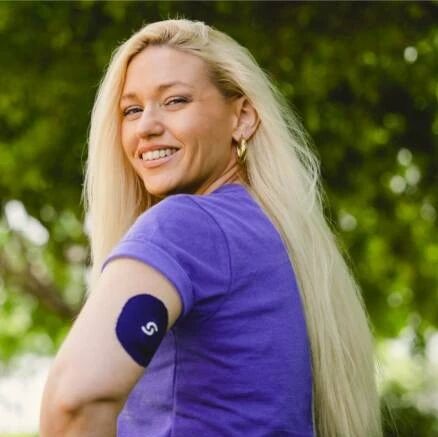
Core Viewpoint - Signos has launched the first FDA-approved over-the-counter blood glucose monitoring system specifically designed for weight management, combining Dexcom's Stelo glucose sensor with an AI-driven platform to provide personalized metabolic insights [2][11]. Group 1: Product Features and Benefits - The Signos system interprets individual metabolic responses, allowing users to understand how diet, timing, activity, stress, and sleep affect their bodies, thus enabling informed health choices based on personal biology [2][9]. - It offers personalized data to help improve sleep, manage weight, and reduce chronic disease risk, focusing on understanding rather than restriction [4][11]. - The AI-driven insights convert glucose fluctuations into clear, actionable daily guidance, simplifying complex data for users [5][11]. - Users gain a comprehensive view of how diet, exercise, rest, and stress impact their overall health, providing a holistic health perspective [6][11]. - Signos provides powerful glucose tracking capabilities without the need for prescriptions or high costs, making real-time metabolic health insights accessible [7][11]. Group 2: Market Context and Demand - There is a pressing demand for effective and user-friendly metabolic health solutions, with 73.6% of American adults being overweight or obese and 88% considered metabolically unhealthy [9][11]. - The global diabetes patient population is projected to reach 1.3 billion by 2050, highlighting the need for proactive, science-based approaches to health management [9][11]. - Signos aims to facilitate gradual lifestyle changes through early intervention, promoting lasting health improvements centered around blood glucose, the body's primary energy source [9][10]. Group 3: Company Background - Founded in 2018, Signos is dedicated to reducing obesity through a focus on metabolic health, combining continuous glucose monitoring with an AI-driven mobile system to provide personalized insights [11]. - The company is composed of experts in data science, artificial intelligence, and behavioral design, committed to developing technologies that improve long-term health outcomes [11].
碾压替尔泊肽!司美格鲁肽心血管获益显著优于替尔泊肽,风险降低57%
GLP1减重宝典· 2025-09-02 12:49
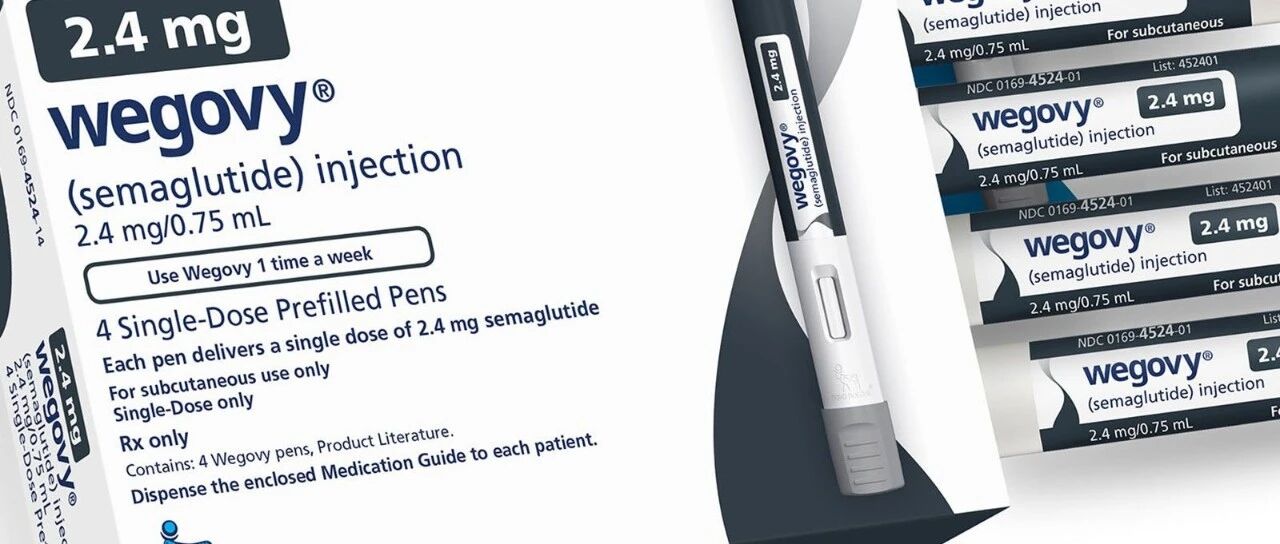
Core Viewpoint - The article discusses the competitive landscape of GLP-1 medications, particularly focusing on the recent STEER real-world study results that highlight the cardiovascular benefits of semaglutide (Wegovy) compared to tirzepatide, emphasizing its unique position in the market for patients with obesity and cardiovascular disease without diabetes [3][5][8]. Group 1: Study Results - The STEER study showed that semaglutide significantly reduced the risk of major adverse cardiovascular events (MACE) by up to 57% in patients with cardiovascular disease and obesity, with only 0.1% of events occurring in the semaglutide group compared to 0.4% in the tirzepatide group [5][7]. - Even when including patients with treatment interruptions, semaglutide still demonstrated a 29% risk reduction in cardiovascular events over an average follow-up of 8.3 months [5][7]. Group 2: Market Performance - In the first half of 2025, semaglutide generated sales of $16.632 billion, leading the global pharmaceutical sales, while tirzepatide followed closely with $14.734 billion, surpassing semaglutide in quarterly sales for the first time in Q2 2025 [11]. - Tirzepatide's dual mechanism (GLP-1/GIP) has shown superior weight loss results, averaging an additional weight loss of approximately 8 kg compared to semaglutide over 72 weeks [11]. Group 3: Competitive Dynamics - The results from the STEER study provide semaglutide with a differentiated advantage, particularly for older patients or those at high cardiovascular risk, potentially influencing physician prescribing habits and insurance reimbursement acceptance [13]. - The competition among GLP-1 drugs is evolving beyond just weight loss to a more tailored approach, matching the right drug to the appropriate patient population [13].

婚姻是男性"发福催化剂"?最新研究揭示惊人数据!
GLP1减重宝典· 2025-09-02 12:49
Core Viewpoint - The recent research from the European Obesity Congress indicates that married men face a significantly higher risk of obesity compared to their single counterparts, with a 3.2 times increase in obesity risk, while married women do not experience a similar trend [5][8][11]. Summary by Sections Marriage and Obesity Risk - Married men have a 62% higher probability of being overweight compared to single men, while married women have a 39% higher risk of being overweight compared to single women [8][11]. - The obesity risk for married men is 3.2 times that of single men, whereas marriage does not significantly affect the obesity risk for women [11]. Study Demographics and Findings - The study analyzed 2,405 participants from the WOBASZ II survey, with an average age of 50 years and 46% being male. Among the participants, 35.3% had normal weight, 38.3% were overweight, and 26.4% were obese [9][10]. - Among those with normal weight, overweight, and obese categories, the prevalence of cardiovascular diseases was 12%, 18%, and 28% respectively [9]. Factors Influencing Weight - Age is an independent factor affecting weight, with each additional year increasing the risk of being overweight by 3% for men and 4% for women, and the risk of obesity by 4% for men and 6% for women [11]. - Factors such as depression and lack of health knowledge can further increase the obesity risk for women [11]. Lifestyle Implications - The increase in weight for married men may be attributed to increased food intake, more social gatherings, and reduced physical activity, while women may focus more on weight management due to societal pressures [11]. - The study emphasizes the importance of health knowledge dissemination throughout the life cycle as a key strategy to curb rising obesity rates [11].