
CHINA TAIPING(00966)

Search documents
财寿两大子公司补位70后掌门 1.9万亿中国太平革故鼎新
Xin Lang Cai Jing· 2025-12-29 10:56
Group 1: Management Changes - The recent personnel adjustments at China Taiping reflect a shift in the management model between the group and its subsidiaries, with internal promotions rather than cross-appointments from group executives [2][13] - Wang Xuze has been appointed as the Party Secretary and proposed General Manager of Taiping Life, while Peng Yunping has been appointed as the Party Secretary and proposed General Manager of Taiping Property Insurance, both pending regulatory approval [4][14] - This change enhances the autonomy and decision-making flexibility of the subsidiaries, aligning with a broader industry trend of promoting internal candidates [2][13] Group 2: Financial Performance - For the first three quarters of 2025, Taiping Life achieved insurance business revenue of 158.04 billion yuan, a year-on-year increase of 6.6%, and a net profit of 18.13 billion yuan, up 61.2% [3][20] - Taiping Property Insurance reported insurance business revenue of 25.87 billion yuan, a 4.24% increase, and a net profit of 974 million yuan, reflecting an 82.4% growth [3][20] - The investment return rate for Taiping Life was 2.82%, with total assets reaching 1.4 trillion yuan, a 10.19% increase from the beginning of the year [20][21] Group 3: Leadership Profiles - Wang Xuze, born in August 1972, has extensive management experience within Taiping, having served in various roles since starting at the Tianjin branch [4][14] - Peng Yunping, born in October 1973, has a strong background in multi-channel development and has held several key positions within Taiping Property Insurance [8][18]


太平人寿、太平财险同步“换帅”,王旭泽、彭云苹内部晋升“上位”
Huan Qiu Lao Hu Cai Jing· 2025-12-29 09:12
Group 1 - The core viewpoint of the news is the internal leadership changes at China Taiping Insurance Group, with Wang Xuze appointed as the Party Secretary and proposed General Manager of Taiping Life, and Peng Yunping appointed as the Party Secretary and proposed General Manager of Taiping Property Insurance [1][2] - Both newly appointed executives are internal promotions within the Taiping system, with Wang Xuze having extensive experience in various leadership roles within Taiping Life, and Peng Yunping having a strong background in insurance technology and innovation [2] - The leadership changes come amid broader personnel adjustments at the group level, including the upcoming retirement of the current Chairman Wang Sidong and the appointment of Yin Zhaojun as the new Chairman [3] Group 2 - Taiping Life, as the core profit source for China Taiping, has shown steady growth, with insurance business revenue reaching 158.04 billion yuan, a year-on-year increase of 6.6%, and a net profit of 18.13 billion yuan [3] - Taiping Property Insurance has also seen significant improvement in profitability, with insurance business revenue of 25.865 billion yuan, a year-on-year increase of 4.24%, and a net profit of 974 million yuan, reflecting an 82.3% increase [3] - The combined cost ratio for Taiping Property Insurance has improved to 98.18%, a 1.43 percentage point improvement compared to the same period last year [3]
邢台金融监管分局同意中国太平巨鹿支公司营业场所变更
Jin Tou Wang· 2025-12-29 05:24
Core Viewpoint - The Xingtai Financial Regulatory Bureau has approved the relocation of the Tai Ping Life Insurance Company's Julu branch to a new address in Xingtai City, Hebei Province [1] Group 1 - The new business location for Tai Ping Life Insurance Company's Julu branch is specified as: No. 3 and No. 2, 2nd Floor, Junyuefu, North Jianshe Street, Julu County, Xingtai City, Hebei Province [1] - The approval was issued in response to a request from Tai Ping Life Insurance Company regarding the change of business premises [1] - Tai Ping Life Insurance Company Hebei Branch is required to handle the change and obtain the necessary permits in accordance with relevant regulations [1]
保险行业周报(20251222-20251226):资负共振,驱动保险板块估值修复-20251229
Huachuang Securities· 2025-12-29 05:13
Investment Rating - The report maintains a "Recommended" rating for the insurance sector, expecting the industry index to outperform the benchmark index by more than 5% in the next 3-6 months [19]. Core Insights - The insurance index increased by 2.98%, outperforming the broader market by 1.03 percentage points. Individual stock performances varied, with notable increases from ZhongAn (+4.74%), Ping An (+3.51%), and China Pacific (+3.14%) [1]. - As of November 2025, the insurance industry is projected to achieve a cumulative original premium of 5.76 trillion yuan, with property insurance at 1.34 trillion yuan and life insurance at 4.42 trillion yuan [2]. - The report highlights a potential short-term upward trend in long-term interest rates, which may benefit the insurance sector. Despite anticipated performance pressure due to high investment bases in 2026, the report suggests that stabilizing interest rates and improving "spread" (investment income minus comprehensive liability costs) could drive valuation recovery [3][4]. Summary by Sections Market Performance - The insurance sector's absolute performance over the past 12 months is 33.4%, with a relative performance of 16.6% compared to the benchmark [6]. Company Valuations - The report provides PEV valuations for life insurance companies: China Life at 0.89x, Ping An at 0.86x, New China at 0.8x, and China Pacific at 0.69x. For H-shares, Ping An is at 0.74x, New China at 0.57x, and China Pacific at 0.54x [4]. - The report recommends focusing on companies with significant valuation recovery potential, such as China Life H and China Pacific [3]. Earnings Forecasts - Earnings per share (EPS) estimates for 2025E for key companies are as follows: China Pacific at 5.68 yuan, China Life at 6.34 yuan, New China at 12.62 yuan, China Pacific at 3.00 yuan, and China Property at 2.07 yuan. The report also provides PE and PB ratios for these companies, indicating a favorable investment outlook [4].


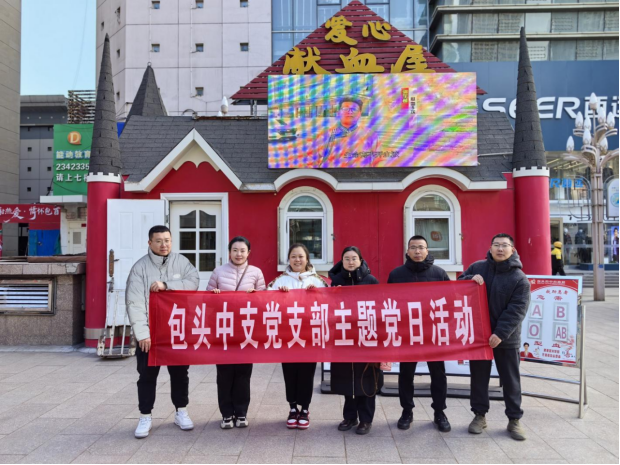
党建引领公益 热血传递温暖——太平人寿包头中心支公司党支部组织无偿献血活动
Xin Lang Cai Jing· 2025-12-28 09:11
Group 1 - The core theme of the event organized by the Party branch of Taiping Life Insurance Company in Baotou is "Party Building Leads Public Welfare, Love Transmits Warmth" [1] - The event involved participation from Party members, active applicants, and employees, showcasing their commitment to social responsibility and community support [1][7] - The blood donation activity was conducted smoothly with participants following medical staff guidance, reflecting a collective spirit of care and respect for life [3] Group 2 - Participants received certificates and souvenirs after donating blood, emphasizing the importance of such activities as both charitable contributions and educational practices [5] - The Party branch has a history of integrating public welfare actions into company development, including various initiatives like educational support and community services [7] - The blood donation event has further stimulated the enthusiasm of Party members and employees for public welfare, contributing to the social responsibility of the insurance industry [7]
太平人寿、太平财险重要人事调整!
Bei Jing Ri Bao Ke Hu Duan· 2025-12-28 06:41
Group 1 - The core viewpoint of the news is the appointment of new leadership at China Taiping Insurance Group, with Wang Xuze becoming the Party Secretary and proposed General Manager of Taiping Life, and Peng Yunping taking the same roles at Taiping Property Insurance [1] - Wang Xuze has held various positions within Taiping Life since April 2022, including Vice General Manager and has experience in market management and branch operations [1] - Peng Yunping has been with Taiping Property Insurance since August 2022, serving in multiple management roles and has a background in both headquarters and branch operations [1] Group 2 - In the first three quarters of this year, Taiping Life achieved insurance business revenue of 158.04 billion yuan, representing a year-on-year growth of 6.6% [1] - From January to November, Taiping Property Insurance reported original insurance premium income of 30.2 billion yuan, with a year-on-year increase of 3.7% [1]
中国太平旗下寿险财险齐“补将”:实战派“老将”,基层起家!
Xin Lang Cai Jing· 2025-12-26 12:32
Core Viewpoint - The leadership changes at China Taiping Insurance Group's subsidiaries, Taiping Life and Taiping Property Insurance, have been finalized, with Wang Xuze and Peng Yunping appointed as the new heads of their respective companies [1][10]. Group and Subsidiary Leadership Changes - Wang Xuze has been officially appointed as the Party Secretary and proposed General Manager of Taiping Life, while Peng Yunping has been appointed as the Party Secretary and proposed General Manager of Taiping Property Insurance [1][10]. - The official appointment of the General Manager position is pending regulatory approval [2][11]. Background of New Leaders - Wang Xuze, born in August 1972, has over 30 years of experience in the insurance industry and has held various positions within Taiping Life, including roles in team development and market expansion [3][13][4]. - Peng Yunping, born in October 1973, has over 20 years of experience in the property insurance sector and has held multiple roles within China Taiping, focusing on business planning and technology integration [5][14][6]. Recent Trends in Leadership Appointments - The trend of appointing leaders from the "70s generation" has been observed, with several key positions within China Taiping being filled by individuals born in the 1970s [8][17]. - Recent appointments include Yin Zhaojun as Chairman and Li Kedong as General Manager of China Taiping, along with various leadership changes across subsidiaries [8][17][18]. Strategic Focus of China Taiping - China Taiping is committed to transforming its operations in line with national strategies, emphasizing risk management, development promotion, and safety assurance [9][18].
同日调整!王旭泽任太平人寿党委书记,彭云苹任太平财险党委书记
Xin Lang Cai Jing· 2025-12-26 10:49
Group 1 - The core point of the article is the significant personnel changes at China Taiping's life insurance and property insurance companies, with Wang Xuze appointed as the Party Secretary and proposed General Manager of Taiping Life, and Peng Yunping appointed as the Party Secretary and proposed General Manager of Taiping Property Insurance [2] - Wang Xuze has over 30 years of experience in the life insurance industry, having held various positions including market director and general manager of multiple branches, showcasing his extensive management experience [2] - Peng Yunping has over 20 years of experience in the property insurance industry, with a strong background in sales, management, governance, and party discipline, indicating her capability in leading Taiping Property Insurance [3] Group 2 - In the first three quarters of this year, Taiping Life achieved insurance business revenue of 158.04 billion yuan and a net profit of 18.13 billion yuan, with solvency ratios indicating strong financial health [3] - As of the end of the third quarter, Taiping Life's comprehensive solvency adequacy ratio and core solvency adequacy ratio were 247.69% and 155.55%, respectively, with recent risk ratings of AA and A [3] - Taiping Property Insurance reported insurance business revenue of 25.87 billion yuan and a net profit of 974 million yuan in the same period, with solvency ratios also reflecting solid financial stability [3]
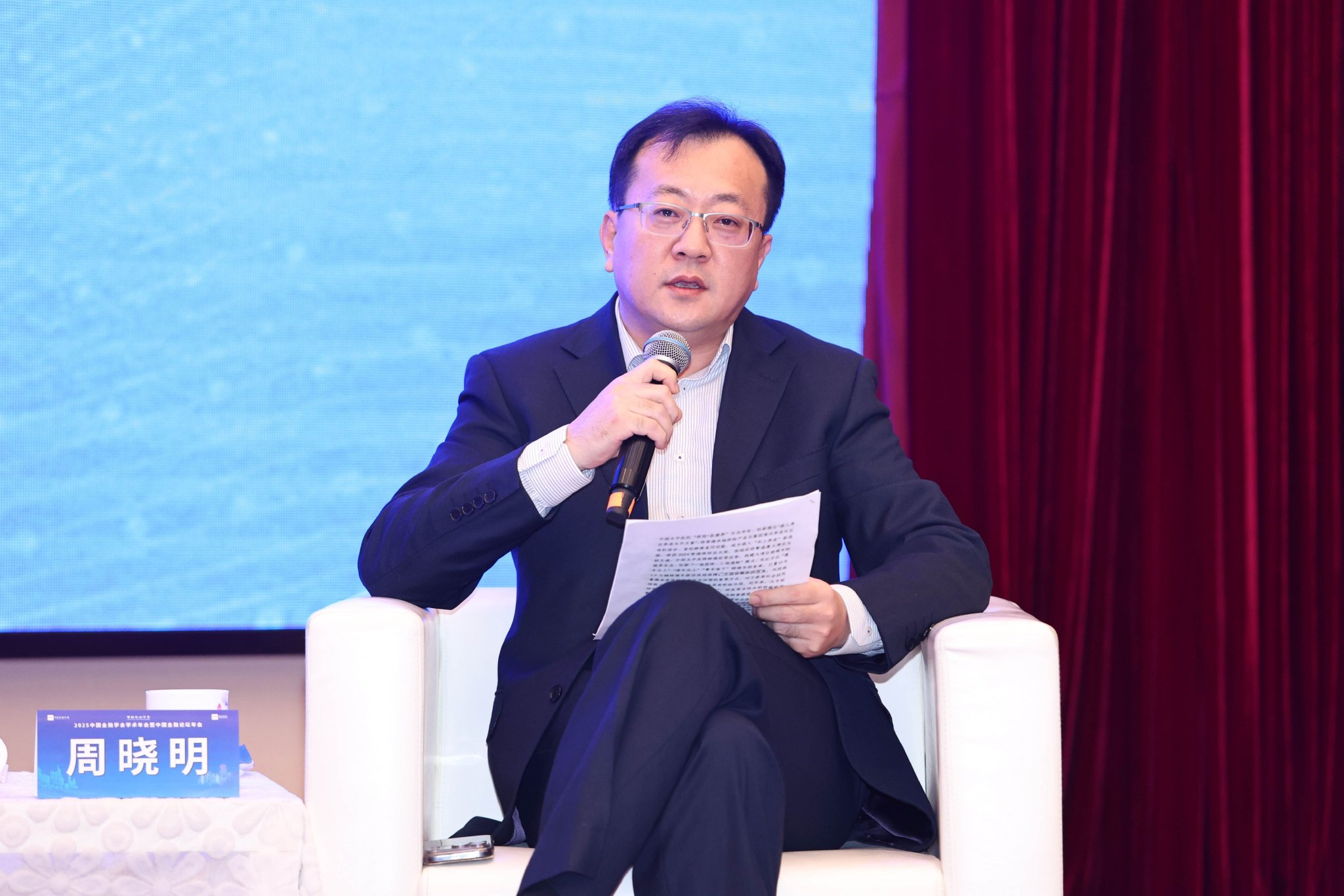
中国太平保险集团战略规划部助理总经理周晓明在2025中国金融学会学术年会暨中国金融论坛年会上的演讲
Zhong Guo Jin Rong Xin Xi Wang· 2025-12-26 06:42
Core Viewpoint - The speech emphasizes the importance of deepening supply-side structural reforms in finance, particularly in the insurance sector, to enhance service quality and support high-quality economic development [4][9]. Group 1: Financial Supply-Side Structural Reform - Deepening financial supply-side structural reform is a crucial part of China's financial development strategy, aimed at promoting high-quality financial growth and building a strong financial nation [4]. - The insurance sector plays a vital role as a modern financial pillar, connecting various industries and impacting national and public welfare [4]. Group 2: Innovation in Insurance Products and Services - China Pacific Insurance is actively exploring new models of "product + service" to drive a virtuous cycle of supply and demand, focusing on five key areas of service for high-quality economic development [5]. - The company has introduced innovative products such as the first scallop farming wind index insurance and carbon sink index insurance for marine aquaculture, supporting the development of green finance [5]. - In the realm of inclusive finance, the company has developed insurance products tailored for new economy workers, such as ride-hailing drivers, covering their entire operational process [5]. Group 3: Utilizing Insurance Capital for New Productive Forces - Insurance serves as an economic stabilizer and social stabilizer, providing risk management and long-term investment support for high-level technological self-reliance and the cultivation of new productive forces [6]. - The company has increased investments in technology innovation through various financial instruments, supporting strategic emerging industries and advanced manufacturing [7]. Group 4: Insurance Technology and Social Governance - The insurance sector has significant potential in innovating social governance and enhancing governance efficiency through specialized and market-oriented mechanisms [8]. - The company has developed a cross-border car insurance service ecosystem in the Guangdong-Hong Kong-Macao Greater Bay Area, facilitating insurance for cross-border vehicles [8]. - Long-term care insurance is highlighted as a key measure to address aging populations and improve social security systems, with successful pilot programs demonstrating significant social benefits [8]. Group 5: Future Outlook - The deepening of supply-side structural reforms presents both a major task for the insurance sector and an important opportunity for its own high-quality development [9].
多家险企康养社区密集落地
Jin Rong Shi Bao· 2025-12-26 02:01
Core Insights - The article highlights the growth and development of senior living communities in China, particularly those operated by major insurance companies, as they adapt to the aging population and enhance service offerings [1][2][3] Group 1: Company Developments - China Taiping's "Wutong Renjia" community in Shanghai welcomed its 1500th resident, showcasing its successful growth since opening in November 2019, with interest groups increasing from over 10 to over 30 [1] - Taikang's "Taikang Zhijia" in Nantong opened a new experience center, planning to build approximately 1500 senior living units and a rehabilitation medical facility, expected to be operational by Q4 2027 [2] - China Pacific Insurance launched two new communities, "Taibao Jiayuan" in Beijing and "Sanya International Leyang Center," expanding its network to 15 projects, with 14 already operational [2] Group 2: Industry Trends - The insurance sector is transitioning from single project operations to a nationwide network, offering comprehensive services that include health management, cultural entertainment, and travel vacation options for seniors [3] - The trend of travel-based senior living communities is emerging, with companies like Dajia Insurance establishing locations in scenic areas, indicating a diversification in the types of services offered [2][3]