SMIC(00981)

Search documents
半导体概念港股走强 中芯国际和华虹半导体涨4%
Xin Lang Cai Jing· 2026-02-23 01:56
Group 1 - ASMPT (02166.HK) shares increased by 6% [1] - SMIC (00981.HK) shares rose by 4% [1] - Hua Hong Semiconductor (01347.HK) shares also saw a 4% increase [1]

智通港股通资金流向统计(T+2)|2月20日
智通财经网· 2026-02-19 23:32
Group 1 - Tencent Holdings (00700), Yingfu Fund (02800), and Shandong Gold (01787) ranked the top three in net inflow of southbound funds, with net inflows of 736 million, 423 million, and 393 million respectively [1] - Alibaba-W (09988), SMIC (00981), and Hua Hong Semiconductor (01347) ranked the top three in net outflow of southbound funds, with net outflows of -524 million, -391 million, and -199 million respectively [1] - In terms of net inflow ratio, Nanhua Futures (02691), Southern East Select (03441), and Oculent (00501) led the market with ratios of 70.54%, 59.14%, and 56.33% respectively [1] Group 2 - The top ten stocks by net inflow included Tencent Holdings (00700) with 736 million and a closing price of 548.000, Yingfu Fund (02800) with 423 million and a closing price of 27.480, and Shandong Gold (01787) with 393 million and a closing price of 40.180 [2] - The top ten stocks by net outflow included Alibaba-W (09988) with -524 million and a closing price of 160.100, SMIC (00981) with -391 million and a closing price of 70.000, and Hua Hong Semiconductor (01347) with -199 million and a closing price of 99.600 [2] - The top three stocks by net inflow ratio were Nanhua Futures (02691) at 70.54% with a closing price of 11.230, Southern East Select (03441) at 59.14% with a closing price of 11.650, and Oculent (00501) at 56.33% with a closing price of 103.900 [3] Group 3 - The top three stocks by net outflow ratio included Zhengzhou Bank (06196) at -50.51% with a closing price of 1.150, China Energy Construction (03996) at -49.70% with a closing price of 1.180, and Hongye Futures (03678) at -48.03% with a closing price of 3.220 [3] - Other notable stocks with significant net inflow ratios included China Overseas Macro Yang Group (00081) at 55.30% and a closing price of 2.650, and Xinhua Wenhui (00811) at 50.59% with a closing price of 11.080 [3]
智通港股通资金流向统计(T+2)|2月19日
智通财经网· 2026-02-18 23:32
Key Points - Tencent Holdings (00700), Yingfu Fund (02800), and Shandong Gold (01787) ranked the top three in net inflow of southbound funds, with net inflows of 736 million, 423 million, and 393 million respectively [1] - Alibaba-W (09988), SMIC (00981), and Hua Hong Semiconductor (01347) ranked the top three in net outflow of southbound funds, with net outflows of -524 million, -391 million, and -199 million respectively [1] - In terms of net inflow ratio, Nanhua Futures (02691), Southern East Select (03441), and Oculent (00501) led the market with ratios of 70.54%, 59.14%, and 56.33% respectively [1] - In terms of net outflow ratio, Zhengzhou Bank (06196), China Energy Construction (03996), and Hongye Futures (03678) had the highest ratios at -50.51%, -49.70%, and -48.03% respectively [1] Top 10 Net Inflow Stocks - Tencent Holdings (00700) had a net inflow of 736 million with a net inflow ratio of 5.67% and a closing price of 548.000 [2] - Yingfu Fund (02800) recorded a net inflow of 423 million with a net inflow ratio of 5.13% and a closing price of 27.480 [2] - Shandong Gold (01787) saw a net inflow of 393 million with a net inflow ratio of 31.27% and a closing price of 40.180 [2] - Bilibili-W (09626) had a net inflow of 335 million with a net inflow ratio of 27.53% and a closing price of 252.800 [2] - China National Offshore Oil Corporation (00883) recorded a net inflow of 301 million with a net inflow ratio of 22.88% and a closing price of 24.800 [2] Top 10 Net Outflow Stocks - Alibaba-W (09988) experienced a net outflow of -524 million with a net outflow ratio of -6.30% and a closing price of 160.100 [2] - SMIC (00981) had a net outflow of -391 million with a net outflow ratio of -6.39% and a closing price of 70.000 [2] - Hua Hong Semiconductor (01347) recorded a net outflow of -199 million with a net outflow ratio of -15.56% and a closing price of 99.600 [2] - Changfei Optical Fiber (06869) saw a net outflow of -172 million with a net outflow ratio of -5.33% and a closing price of 107.500 [2] - WISCO (01208) had a net outflow of -168 million with a net outflow ratio of -32.19% and a closing price of 10.160 [2] Top 10 Net Inflow Ratios - Nanhua Futures (02691) had a net inflow ratio of 70.54% with a net inflow of 5.40 million and a closing price of 11.230 [3] - Southern East Select (03441) recorded a net inflow ratio of 59.14% with a net inflow of 5.74 million and a closing price of 11.650 [3] - Oculent (00501) had a net inflow ratio of 56.33% with a net inflow of 1.45 million and a closing price of 103.900 [3] Top 10 Net Outflow Ratios - Zhengzhou Bank (06196) had a net outflow ratio of -50.51% with a net outflow of -3.13 million and a closing price of 1.150 [3] - China Energy Construction (03996) recorded a net outflow ratio of -49.70% with a net outflow of -16.96 million and a closing price of 1.180 [3] - Hongye Futures (03678) had a net outflow ratio of -48.03% with a net outflow of -5.22 million and a closing price of 3.220 [3]

年前最后一周机构密集调研科创板 这些细分赛道成焦点
Huan Qiu Wang· 2026-02-18 02:00
Group 1 - A total of 9 companies in the Sci-Tech Innovation Board received institutional research from February 9 to 15, with Huazhu Gaoke receiving the most attention from 23 institutions [1] - Huazhu Gaoke's 3D printing equipment is primarily used in the aerospace sector, including commercial aerospace, addressing challenges in lightweight and complex structure manufacturing [3] - Oukeyi noted that as domestic tool capabilities improve, the market share of domestic tools in the aerospace sector is gradually increasing, with product reserves for high-temperature alloys and titanium alloys [3] Group 2 - Zhongxin International indicated that strong demand for AI in storage is squeezing orders in the mid-to-low-end sectors, while orders related to AI, storage, and high-end applications are increasing [3] - Oulain New Materials stated that despite rising raw material prices, the company maintains strong profitability due to ongoing R&D and the extension into high-value fields such as nuclear medicine and controlled nuclear fusion [3] - The precision tool industry is experiencing rapid increases in tungsten raw material prices, which Oukeyi believes will accelerate the industry's shift from price competition to value competition [4] Group 3 - Liyuanheng highlighted solid-state battery equipment as a key focus area, with some projects already implemented, showcasing the company's capability to supply core process equipment across the entire production line [4] - Fuke Technology is leading a strategic frontier project aimed at breaking through the technology for converting biogas into green methanol, laying the foundation for a 100,000-ton green fuel industry application [4]



智通港股通资金流向统计(T+2)|2月18日



Xin Lang Cai Jing· 2026-02-17 23:49
2月11日,腾讯控股(00700)、盈富基金(02800)、山东黄金(01787)南向资金净流入金额位列市场 前三,分别净流入7.36 亿、4.23 亿、3.93 亿 阿里巴巴-W(09988)、中芯国际(00981)、华虹半导体(01347)南向资金净流出金额位列市场前 三,分别净流出-5.24 亿、-3.91 亿、-1.99 亿 在净流入比方面,南华期货股份(02691)、南方东西精选(03441)、豪威集团(00501)以70.54%、 59.14%、56.33%位列市场前三。 在净流出比方面,郑州银行(06196)、中国能源建设(03996)、弘业期货(03678) 以-50.51%、-49.70%、-48.03%位列市场前三。 前10大资金净流入榜 | 股票名称 | 净流入(元)↓ | 净流入比 | 收盘价 | | --- | --- | --- | --- | | 腾讯控股(00700) | 7.36 亿 | 5.67% | 548.000(-0.54%) | | 盈富基金(02800) | 4.23 亿 | 5.13% | 27.480(+0.37%) | | 山东黄金(01787) | 3.9 ...
AI技术突破与政策支持成互联网科技热点,半导体板块资金流入显著
Xin Lang Cai Jing· 2026-02-17 22:48
Group 1: Core Insights - The internet technology sector is experiencing significant developments in AI technology breakthroughs, policy support, and industry collaboration during the week of February 11 to 18, 2026 [1] - ByteDance released a preview of its image generation model Seedream 5.0 on February 10, while promoting the video model Seedance 2.0, leading to a surge in demand for AI video generation [1] - Meta announced an expansion of its partnership with NVIDIA on February 18, planning to deploy millions of AI chips in data centers, which will boost AI computing power demand [1] Group 2: Stock Market Trends - The A-share technology sector saw significant capital inflow, with the semiconductor sector experiencing a net inflow of 5.69 billion yuan on February 12 [2] - Notable stocks included Zhaopin Co., which rose over 15%, and companies in the liquid cooling server concept, such as Yuke Technology and Capital Online, hitting the daily limit [2] - Google Cloud announced a price increase of 100% for North American data transfer fees starting May 1, prompting a reevaluation of the value in the IDC and computing leasing sectors [2] Group 3: Financial Report Analysis - SMIC reported a net profit of 1.22 billion yuan for Q4 2025, a year-on-year increase of 23.2%, with an annual capacity utilization rate of 93.5% [3] - TSMC's revenue in January surpassed 400 billion New Taiwan dollars for the first time, reflecting a year-on-year growth of 36.8%, indicating strong demand for AI chips [3] - Both companies exceeded expectations, highlighting the robust health of the semiconductor industry chain [3] Group 4: Institutional Perspectives - A Bank of America report indicated that China's AI industry is at a critical turning point, with the explosion of video models driving a surge in computing power demand [4] - There is a noticeable divergence between the US and Chinese AI industries, with US tech stocks under pressure due to concerns over return on investment, while China's model commercialization accelerates [4] - New antitrust compliance guidelines have been introduced, encouraging platform companies to shift from "involution" to innovation, which is beneficial for the long-term health of the ecosystem [4]

智通港股通资金流向统计(T+2)|2月17日
智通财经网· 2026-02-16 23:34
Group 1 - Tencent Holdings (00700), Yingfu Fund (02800), and Shandong Gold (01787) ranked the top three in net inflow of southbound funds, with net inflows of 736 million, 423 million, and 393 million respectively [1] - Alibaba-W (09988), SMIC (00981), and Hua Hong Semiconductor (01347) ranked the top three in net outflow of southbound funds, with net outflows of -524 million, -391 million, and -199 million respectively [1] - In terms of net inflow ratio, Nanhua Futures (02691), Southern East Select (03441), and Oculent (00501) led the market with ratios of 70.54%, 59.14%, and 56.33% respectively [1] Group 2 - The top ten stocks by net inflow included Tencent Holdings (00700) with 736 million and a closing price of 548.000, Yingfu Fund (02800) with 423 million and a closing price of 27.480, and Shandong Gold (01787) with 393 million and a closing price of 40.180 [2] - The top ten stocks by net outflow included Alibaba-W (09988) with -524 million and a closing price of 160.100, SMIC (00981) with -391 million and a closing price of 70.000, and Hua Hong Semiconductor (01347) with -199 million and a closing price of 99.600 [2] - The top three stocks by net inflow ratio were Nanhua Futures (02691) at 70.54% with a closing price of 11.230, Southern East Select (03441) at 59.14% with a closing price of 11.650, and Oculent (00501) at 56.33% with a closing price of 103.900 [3] Group 3 - The top three stocks by net outflow ratio included Zhengzhou Bank (06196) at -50.51% with a closing price of 1.150, China Energy Construction (03996) at -49.70% with a closing price of 1.180, and Hongye Futures (03678) at -48.03% with a closing price of 3.220 [3] - Other notable stocks with significant net inflow ratios included China Overseas Macro Yang Group (00081) at 55.30% and a closing price of 2.650, and Xinhua Wenhui (00811) at 50.59% with a closing price of 11.080 [3]
智通港股通资金流向统计(T+2)|2月16日
智通财经网· 2026-02-15 23:33
Key Points - Tencent Holdings (00700), Yingfu Fund (02800), and Shandong Gold (01787) ranked the top three in net inflow of southbound funds, with net inflows of 736 million, 423 million, and 393 million respectively [1] - Alibaba-W (09988), SMIC (00981), and Hua Hong Semiconductor (01347) ranked the top three in net outflow of southbound funds, with net outflows of -524 million, -391 million, and -199 million respectively [1] - In terms of net inflow ratio, China Overseas Macro Holdings (00081), Xinhua Wencuan (00811), and China Oriental Education (00667) led the market with ratios of 55.30%, 50.59%, and 49.55% respectively [1] - Conversely, Zhengzhou Bank (06196), China Energy Construction (03996), and Hongye Futures (03678) had the highest net outflow ratios at -50.51%, -49.70%, and -48.03% respectively [1] Top 10 Net Inflow Stocks - Tencent Holdings (00700) had a net inflow of 736 million, representing a 5.67% increase, with a closing price of 548.000 [2] - Yingfu Fund (02800) saw a net inflow of 423 million, with a 5.13% increase, closing at 27.480 [2] - Shandong Gold (01787) experienced a net inflow of 393 million, with a significant 31.27% increase, closing at 40.180 [2] - Bilibili-W (09626) had a net inflow of 335 million, with a 27.53% increase, closing at 252.800 [2] - China National Offshore Oil (00883) had a net inflow of 301 million, with a 22.88% increase, closing at 24.800 [2] Top 10 Net Outflow Stocks - Alibaba-W (09988) faced a net outflow of -524 million, with a -6.30% decrease, closing at 160.100 [2] - SMIC (00981) had a net outflow of -391 million, with a -6.39% decrease, closing at 70.000 [2] - Hua Hong Semiconductor (01347) saw a net outflow of -199 million, with a -15.56% decrease, closing at 99.600 [2] - Changfei Optical Fiber (06869) experienced a net outflow of -172 million, with a -5.33% decrease, closing at 107.500 [2] - Minmetals Resources (01208) had a net outflow of -168 million, with a -32.19% decrease, closing at 10.160 [2] Top 10 Net Inflow Ratios - China Overseas Macro Holdings (00081) led with a net inflow ratio of 55.30%, with a net inflow of 8.1564 million, closing at 2.650 [3] - Xinhua Wencuan (00811) followed with a net inflow ratio of 50.59%, with a net inflow of 5.2208 million, closing at 11.080 [3] - China Oriental Education (00667) had a net inflow ratio of 49.55%, with a net inflow of 15.9379 million, closing at 6.100 [4] Top 10 Net Outflow Ratios - Zhengzhou Bank (06196) had the highest net outflow ratio at -50.51%, with a net outflow of -3.1282 million, closing at 1.150 [4] - China Energy Construction (03996) followed with a net outflow ratio of -49.70%, with a net outflow of -16.9578 million, closing at 1.180 [4] - Hongye Futures (03678) had a net outflow ratio of -48.03%, with a net outflow of -5.2165 million, closing at 3.220 [4]
3万亿美元豪赌AI!中芯国际CEO泼冷水:世界根本没想清楚建那么多数据中心干什么
Sou Hu Cai Jing· 2026-02-15 12:35
Core Viewpoint - The blind expansion of AI data centers may lead to a significant bubble in the AI era, as warned by Zhao Haijun, co-CEO of SMIC [1] Group 1: Investment Trends - Major tech companies are projected to spend a staggering $660 billion on capital expenditures in 2026 alone, with a total global AI-related infrastructure spending potentially exceeding $3 trillion over the next five years [4] - Chinese internet giants are also increasing their investments, with Alibaba raising its budget for AI infrastructure and cloud computing from 380 billion yuan to 480 billion yuan, and ByteDance expected to spend 160 billion yuan in 2026 [4] Group 2: Concerns Over Utilization - Zhao Haijun highlighted the absurdity of companies rushing to build data centers equivalent to ten years of usage within just two years, without a clear understanding of their actual utility [6] - Historical parallels were drawn to the late 1990s internet bubble, where telecom companies over-invested in fiber optics, resulting in underutilization and financial losses [6] Group 3: Technological Risks - Data centers are not ordinary real estate; the chips within them have a limited lifespan, with Meta's AI chips lasting about 5.5 years, and some investors suggesting an effective lifespan of only 2 to 3 years due to rapid technological advancements [8] - If demand falls short, the resulting waste could be irreparable, leading to significant financial losses [8] Group 4: Market Reactions - Despite announcing massive capital expenditure plans, the combined market value of the four tech giants dropped by $950 billion, indicating investor skepticism about the return on such investments [10] - The market is shifting from a focus on "technological imagination" to "commercial realization," reflecting a critical reassessment of AI valuations [10] Group 5: Strategic Recommendations - Zhao Haijun's warnings emphasize the need for rational planning in AI infrastructure to avoid repeating the mistakes of the internet bubble, advocating for alignment with future demand rather than blind over-investment [12] - For Chinese companies, the focus should shift from merely competing in computational scale to creating value in local scenarios, ensuring that data centers serve practical purposes rather than being underutilized assets [14]
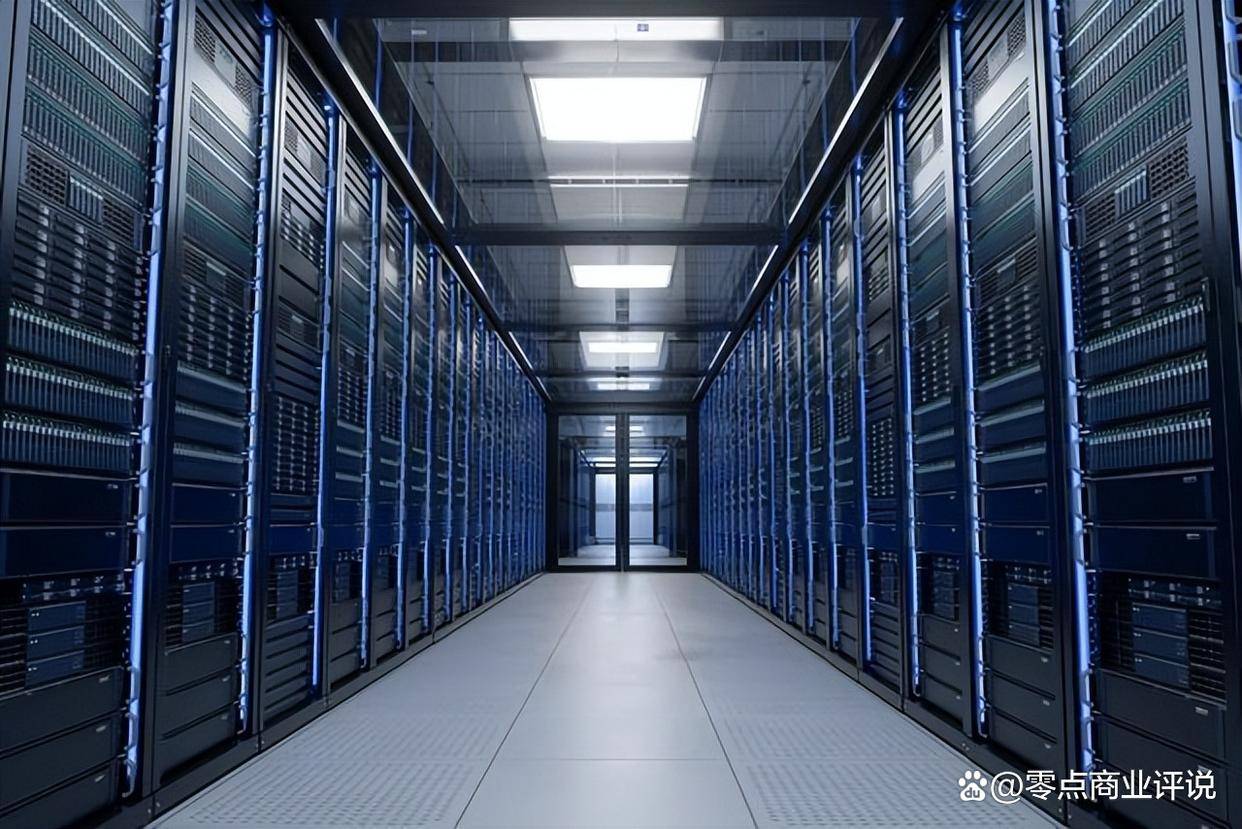
中芯国际CEO警告:世界并没有想清楚3万亿美元建设数据中心的用处
Sou Hu Cai Jing· 2026-02-14 09:23
Core Viewpoint - The global rush to invest $3 trillion in AI infrastructure raises questions about the necessity and effectiveness of such investments, as highlighted by Zhao Haijun, co-CEO of SMIC, during the company's 2025 annual financial report [1][3]. Investment Trends - Global AI infrastructure investment is projected to exceed $650 billion this year, with cumulative investments potentially surpassing $3 trillion by 2028, which is larger than Germany's GDP in 2025 [3]. - The urgency to invest stems from a fear of falling behind in the AI "second industrial revolution" [3]. Industry Concerns - Major tech companies like Alphabet, Meta, Microsoft, and Amazon are preparing for future competition using resources accumulated over the past decade, indicating a trend of blind expansion driven by collective panic [5]. - The rapid obsolescence of high-performance GPUs, which can cost tens of thousands of dollars, poses a significant economic challenge, as their effective lifespan is much shorter than anticipated [5][7]. Economic Misalignment - The economic lifespan of chips is often only half of their physical lifespan, leading to faster depreciation and longer payback periods for investments in data centers [10]. - This phenomenon of "rapid obsolescence" is becoming a norm in the industry, raising concerns about the sustainability of such investments [8][10]. Planning and Utilization Issues - There is a lack of strategic planning regarding the deployment of data centers, including site selection, chip deployment, energy consumption, and maintenance [12]. - The current investment climate is driven more by hot money, political performance, and industry trends rather than sound planning and rational decision-making [12]. Financial Risks - The largest tech companies have easier access to financing, which allows them to absorb risks that smaller investors cannot, potentially leading to a misalignment of financial burdens [13]. - Questions remain about who will ultimately bear the $3 trillion cost of these investments and whether they will yield the expected revenue growth [13][15]. Call for Rational Investment - Zhao Haijun emphasizes the need for rationality in technology investments, warning against the potential for future investments to become a financial joke if not approached thoughtfully [15][17]. - The industry must consider how much to invest and whether current projects will remain relevant in the future, as the current enthusiasm may lead to a bubble if not managed properly [15][17].