
SMIC(00981)

Search documents
中芯国际集成电路制造有限公司关于订立中芯南方新合资合同及新增资扩股协议暨关联交易的公告
Shang Hai Zheng Quan Bao· 2025-12-29 18:51
Group 1 - The core announcement involves the establishment of a new joint venture agreement and a capital increase agreement for SMIC Southern, increasing its registered capital from $6.5 billion to $10.0773 billion [2][3] - The shareholding structure post-capital increase will be as follows: SMIC Holdings 41.561%, National Integrated Circuit Fund 9.392%, National Integrated Circuit Fund II 14.885%, National Integrated Circuit Fund III 8.361%, Shanghai Integrated Circuit Fund 7.939%, Shanghai Integrated Circuit Fund II 11.253%, Tai Xin Ding Ji 5.545%, and Xian Dao Integrated Circuit Fund 1.063% [2][3] - The total cash contribution from all parties for this capital increase amounts to $7.778 billion, with $3.5773 billion allocated to registered capital and $4.2007 billion to capital reserves [7] Group 2 - The new joint venture agreement stipulates that all parties must complete 40% of their respective contributions by December 31, 2025, and the remaining 60% by December 31, 2026 [3][7] - The board of directors of SMIC Southern will consist of 7 members, with SMIC Holdings entitled to nominate 4 directors, and other funds entitled to nominate the remaining directors [4] - The management of SMIC Southern will be fully responsible for its daily operations and management [5] Group 3 - The capital increase is expected to reduce the asset-liability ratio of SMIC Southern, thereby creating a more robust financial structure for the group [9] - The new joint venture and capital increase agreements are deemed fair and reasonable by the board, aligning with the overall interests of the company and its shareholders [9][10] - The transactions are classified as connected transactions under Hong Kong listing rules due to the shareholding structure involving major shareholders [10][11]
406.01亿元!中芯国际重磅收购新进展
Shang Hai Zheng Quan Bao· 2025-12-29 16:14
中芯国际重磅收购,迎来新进展。 12月29日晚间,中芯国际公告称,公司拟向国家集成电路基金等5名中芯北方股东发行5.47亿股股份购买其所持有的中芯北方49%股权,交易价格406.01亿 元。公告显示,这五名股东分别为国家集成电路基金、集成电路投资中心、亦庄国投、中关村发展、北京工投。 本次交易完成后,中芯国际将持有中芯北方100%的股权,中芯北方将成为公司的全资子公司。本次交易不会导致公司控制权变更。交易对方所获股份锁 定期为自股份发行结束之日起12个月。 中芯国际作为中芯北方的控股股东与核心技术供给方,全面主导并负责中芯北方的生产运营管理,为其技术落地与产能释放提供了坚实保障。 据悉,标的公司中芯北方成立于2013年,是中芯国际与北京市政府共同投资设立的12寸先进制程集成电路制造厂,是中芯国际控股子公司。公司主要从事 半导体(硅片及各类化合物半导体)集成电路芯片的制造(含线宽28纳米及以下大规模数字集成电路制造)、针测及测试、光掩膜制造、测试封装,是中 芯国际重要的12英寸晶圆厂。 对于此次收购,公司表示,本次交易有利于进一步提高上市公司资产质量、增强业务上的协同性,促进上市公司的长远发展。交易前后上市公司 ...

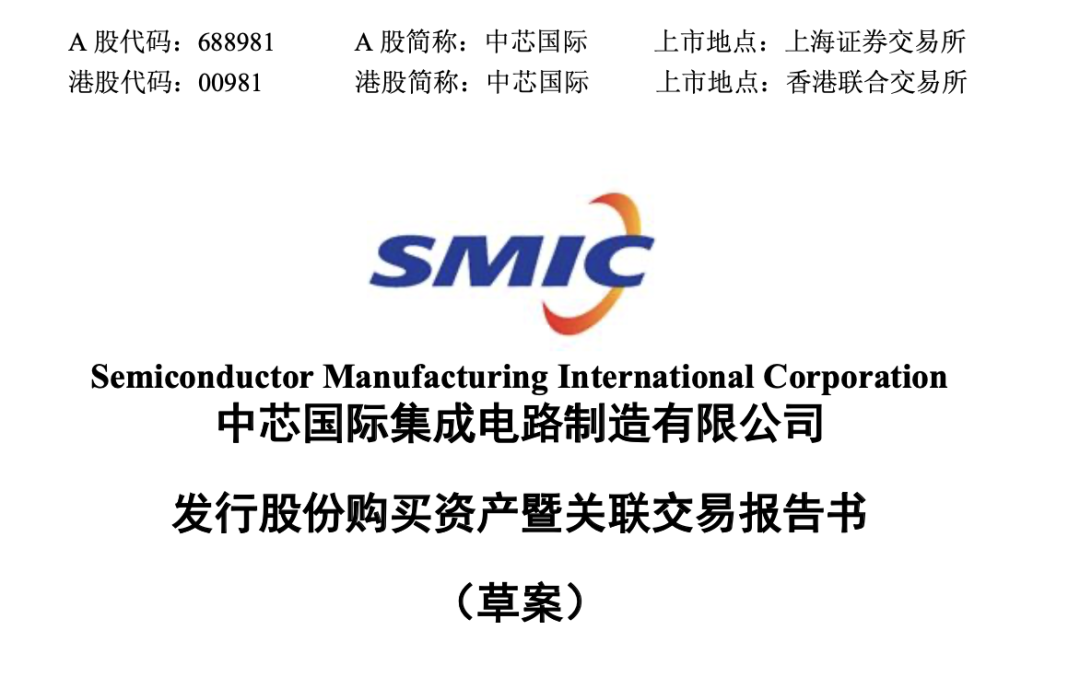
中芯国际拟花406亿元收购中芯北方
2 1 Shi Ji Jing Ji Bao Dao· 2025-12-29 15:57
记者丨刘雪莹 编辑丨曾静娇 12月29日晚,中芯国际(688981.SH)公告称,公司拟向国家集成电路基金等5名中芯北方股东发行股份购买其所持有的 标的公司49%股权,交易价格406亿元。 本次交易完成后,中芯国际将持有中芯北方100%的股权,中芯北方将成为公司的全资子公司。中芯北方主要为客户 提供不同工艺平台的12英寸集成电路晶圆代工及配套服务。 本次交易有利于进一步提高上市公司资产质量、增强业务上的协同性,促进上市公司的长远发展。交易前后上市公司 的主营业务范围不会发生变化。 此外,中芯国际同时公告,中芯控股与国家集成电路基金、国家集成电路基金二期等订立新合资合同及新增资扩股协 议,中芯南方注册资本将由65亿美元增加至100.773亿美元。中芯控股、国家集成电路基金、国家集成电路基金二 期、国家集成电路基金三期、上海集成电路基金、上海集成电路基金二期、泰新鼎吉、先导集成电路基金将分别持有 中芯南方41.561%、9.392%、14.885%、8.361%、7.939%、11.253%、5.545%及1.063%股权。 业绩方面,中芯国际2025年第三季度报告显示,公司前三季度营收为495.10亿元,同比增 ...
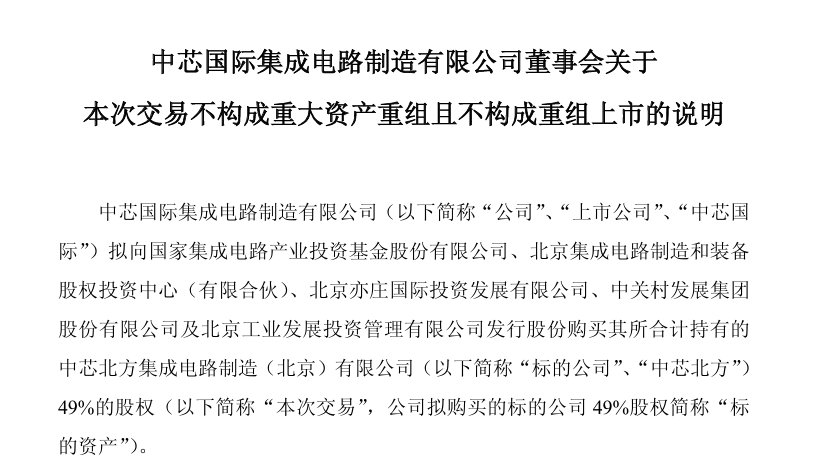
中芯国际大消息!拟购买中芯北方49.00%股权
Mei Ri Jing Ji Xin Wen· 2025-12-29 15:50
中芯国际(688981.SH)12月29日晚间公告称,公司拟向国家集成电路基金等5名中芯北方股东发行股份购买其所持有的标的公司49.00%股权,交易价格 406.01亿元。本次交易完成后,中芯国际将持有中芯北方100.00%的股权,中芯北方将成为公司的全资子公司。 此外,中芯国际公告称,公司全资子公司中芯控股与国家集成电路基金、国家集成电路基金二期等订立新合资合同及新增资扩股协议,以修订前合资合同。 据此,中芯南方注册资本将由65亿美元增加至100.773亿美元。中芯控股、国家集成电路基金、国家集成电路基金二期、国家集成电路基金三期、上海集成 电路基金、上海集成电路基金二期、泰新鼎吉、先导集成电路基金将分别持有中芯南方41.561%、9.392%、14.885%、8.361%、7.939%、11.253%、5.545% 及1.063%股权。 盘面上,截至A股今日收盘,中芯国际股价涨0.33%,报122.5元/股,总市值9800.5亿元。 中芯北方主要为客户提供不同工艺平台的12英寸集成电路晶圆代工及配套服务。本次交易有利于进一步提高中芯国际资产质量、增强业务上的协同性,促进 公司的长远发展。交易前后中芯国际的 ...

中芯国际 大消息!
Mei Ri Jing Ji Xin Wen· 2025-12-29 15:47
中芯北方主要为客户提供不同工艺平台的12英寸集成电路晶圆代工及配套服务。本次交易有利于进一步 提高中芯国际资产质量、增强业务上的协同性,促进公司的长远发展。交易前后中芯国际的主营业务范 围不会发生变化。 此外,中芯国际公告称,公司全资子公司中芯控股与国家集成电路基金、国家集成电路基金二期等订立 新合资合同及新增资扩股协议,以修订前合资合同。据此,中芯南方注册资本将由65亿美元增加至 100.773亿美元。中芯控股、国家集成电路基金、国家集成电路基金二期、国家集成电路基金三期、上 海集成电路基金、上海集成电路基金二期、泰新鼎吉、先导集成电路基金将分别持有中芯南方 41.561%、9.392%、14.885%、8.361%、7.939%、11.253%、5.545%及1.063%股权。 盘面上,截至A股今日收盘,中芯国际股价涨0.33%,报122.5元/股,总市值9800.5亿元。 中芯国际(688981.SH)12月29日晚间公告称,公司拟向国家集成电路基金等5名中芯北方股东发行股 份购买其所持有的标的公司49.00%股权,交易价格406.01亿元。本次交易完成后,中芯国际将持有中芯 北方100.00%的股权, ...
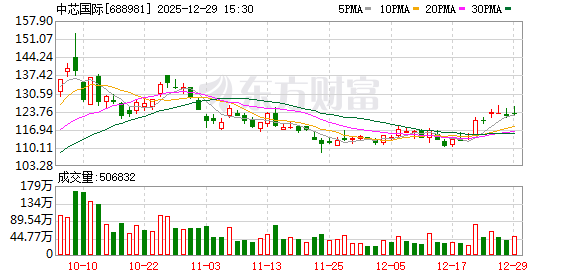
中芯国际:12月29日召开董事会会议
Mei Ri Jing Ji Xin Wen· 2025-12-29 15:36
Core Viewpoint - SMIC (Shanghai Microelectronics International Corporation) announced that its board meeting on December 29, 2025, will not convene a shareholders' meeting to review related transaction matters, indicating a strategic decision-making process within the company [1]. Company Summary - For the first half of 2025, SMIC's revenue composition is as follows: Consumer electronics accounted for 38.28%, smartphones for 23.08%, computers and tablets for 15.2%, industrial and automotive for 9.48%, internet and wearables for 7.79%, and other businesses for 6.17% [1]. - As of the report, SMIC's market capitalization stands at 980 billion yuan [1]. Industry Summary - A new type of chip has emerged in China that bypasses the limitations of lithography machines, supporting AI training and embodied intelligence, and can be mass-produced using mature processes of 28 nanometers and above [1].
美国对华芯片加征关税,18个月后再提,24小时内中方坚决回应
Sou Hu Cai Jing· 2025-12-29 15:31
Core Viewpoint - The recent announcement by the U.S. to impose tariffs on Chinese semiconductors is seen as an attempt to hinder China's chip development, but it may inadvertently accelerate China's advancements in the semiconductor industry [1][3]. Group 1: Tariff Announcement and Implications - The U.S. has announced a 0% tariff on Chinese semiconductor imports, with plans to increase tariffs starting in June 2027, leaving an 18-month window [3][5]. - This delay suggests that the U.S. is concerned about its domestic companies losing access to the Chinese market while trying to curb China's chip development [5][7]. Group 2: China's Semiconductor Industry Response - China's semiconductor industry, particularly in mature process chips, is reportedly thriving despite U.S. tariffs, with a 30% increase in foundry prices for 14nm processes [9][11]. - The demand for automotive chips in China is projected to exceed 120 billion units by 2025, with domestic self-sufficiency rising from 5% in 2020 to 18% [13][14]. Group 3: Equipment and Technological Advancements - Chinese companies are experiencing significant breakthroughs in semiconductor equipment, with orders for equipment extending to 2027 and a 25% increase in production capacity for major foundries [11][16]. - A Shenzhen laboratory has reportedly developed a prototype EUV lithography machine, a significant advancement in semiconductor manufacturing technology [18][22]. Group 4: Future Outlook and Market Dynamics - The collaborative efforts across China's semiconductor industry are expected to yield a functional EUV chip by 2028, significantly faster than previous global timelines [22][26]. - The U.S. tariffs may ultimately serve as a catalyst for China's semiconductor advancements, as historical trends show that restrictions often lead to accelerated innovation [31][32].


中芯国际拟约406.01亿元收购中芯北方49%股权
Zhi Tong Cai Jing· 2025-12-29 15:16
中芯国际(00981)公布,就公司拟收购中芯北方49%股权,于2025年12月29日,公司与卖方签订补充协 议,据此,各方已厘定拟议收购事项的最终对价及拟发行的对价股份数量。 最终对价为约人民币406.01 亿元,本次发行的对价股份数量共计547,182,073股对价股份。 ...
中芯国际(00981)拟约406.01亿元收购中芯北方49%股权
智通财经网· 2025-12-29 15:10
智通财经APP讯,中芯国际(00981)公布,就公司拟收购中芯北方49%股权,于2025年12月29日,公司与 卖方签订补充协议,据此,各方已厘定拟议收购事项的最终对价及拟发行的对价股份数量。 最终对价 为约人民币406.01亿元,本次发行的对价股份数量共计547,182,073股对价股份。 ...
港股通成交活跃股追踪 招商银行近一个月首次上榜
Zheng Quan Shi Bao Wang· 2025-12-29 15:09
12月29日上榜港股通成交活跃榜个股中,招商银行为近一个月首次上榜。 证券时报·数据宝统计显示,12月29日港股通(包括沪市港股通及深市港股通)成交活跃股合计成交 361.66亿港元,占当日港股通成交金额的31.41%,净卖出金额31.00亿港元。 上榜的成交活跃股中,阿里巴巴-W成交额为66.55亿港元,成交金额居首;其次是腾讯控股、中芯国 际,成交金额分别为60.71亿港元、51.50亿港元。 以上榜次数统计,12月29日上榜个股中,近一个月上榜次数最多的是腾讯控股、小米集团-W等,近一 个月均上榜19次,最受港股通资金关注。 招商银行为近一个月首次上榜,当日港股通成交额为9.84亿港元,成交净买入9.71亿港元,该股当日收 盘上涨1.07%。(数据宝) 12月29日港股通成交活跃股榜单 | 证券 | 证券简称 | 成交金额(亿 | 净买入金额(亿 | 近一个月上榜 | 最新收盘价 | 日涨跌幅 | | --- | --- | --- | --- | --- | --- | --- | | 代码 | | 港元) | 港元) | 次数 | (港元) | (%) | | 00700 | 腾讯控股 | 60.7 ...


