
LENOVO GROUP(00992)

Search documents
应对存储芯片涨价潮!联想杨元庆:已签署协议锁定长期供应
第一财经· 2025-11-20 05:44
Core Viewpoint - The article discusses Lenovo's strategies and outlook in response to challenges in the tech industry, particularly regarding AI and component shortages, emphasizing that while there may be short-term pressures, the overall direction of AI development is positive and not a bubble [3][6]. Group 1: AI and Market Dynamics - Lenovo's chairman, Yang Yuanqing, believes that the current AI development phase is not a bubble, as it is entering a stage of widespread application and infrastructure investment, similar to the internet boom [3][6]. - The demand for components such as memory and solid-state drives is experiencing significant growth, with price increases expected to persist throughout 2026 [3][6]. Group 2: Supply Chain Management - Lenovo is one of the largest buyers of components in the industry, maintaining close relationships with suppliers and securing optimal contracts to ensure supply stability for the upcoming year [4][5]. - The company is cautious about user demand growth exceeding forecasts, which could impact pricing strategies [6]. Group 3: Financial Performance - For the second fiscal quarter ending September 30, 2025, Lenovo reported a revenue increase of 15% year-on-year to 146.4 billion RMB, achieving a historical high for the quarter, with adjusted net profit rising 25% to 3.66 billion RMB [6][7]. - AI-related business revenue now accounts for 30% of total revenue, up 13 percentage points year-on-year, driven by AI devices, servers, and solutions [6][7]. Group 4: Business Segments - The IDG smart device segment generated 108.1 billion RMB, a 12% increase year-on-year, with AI terminal devices making up 36% of IDG's revenue, a nearly 17 percentage point increase [7]. - The ISG infrastructure solutions segment saw revenue of approximately 29.3 billion RMB, a 24% year-on-year increase, with AI server revenue experiencing high double-digit growth [7]. - Lenovo plans to launch a personal super-intelligent device globally in January, integrating various wearable and environmental sensing devices for enhanced user interaction [7].


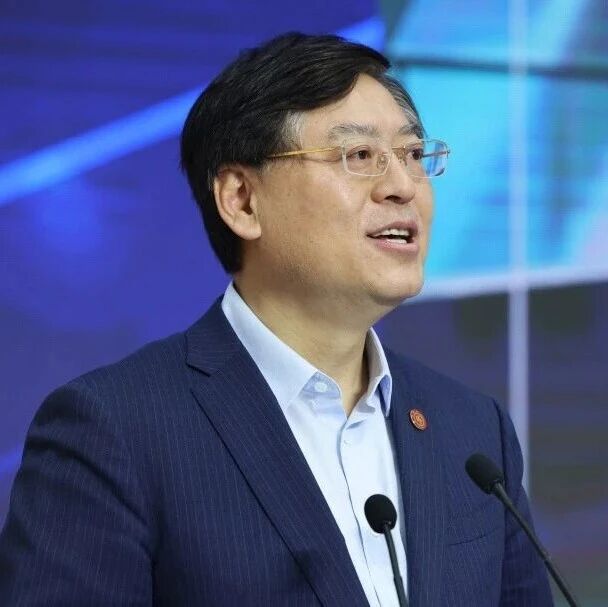
应对存储芯片涨价潮!联想称已签协议锁定零部件长期供应
Di Yi Cai Jing· 2025-11-20 05:39
Core Insights - Lenovo has signed agreements to secure long-term supply of components in response to rising storage chip prices, which have increased more than gold prices [1] - The company reported a revenue of $20.5 billion for the second fiscal quarter, reflecting a year-on-year growth of 15% [1] Group 1: Industry Context - The technology sector is currently experiencing discussions around the AI bubble, with significant investments and competition emerging in the early stages of innovation [1] - Lenovo's chairman, Yang Yuanqing, emphasized that while some areas may experience bubbles, the overall direction of AI development is not a bubble, as it is entering a phase of widespread application [1] Group 2: Company Strategy - Lenovo is one of the largest buyers of components in the industry, managing close relationships with suppliers, particularly for critical components [1] - The company has secured optimal contracts with core component suppliers to ensure sufficient supply for the upcoming year, effectively managing current supply shortages and price increases [1]
联想集团杨元庆:AI不存在泡沫 需求将会持续增长
Ge Long Hui· 2025-11-20 05:35
Core Viewpoint - Lenovo's CEO Yang Yuanqing expressed optimism about the growth of the PC market driven by AI technology, countering concerns about an AI bubble and emphasizing the ongoing demand for AI applications across various sectors [1][2]. Group 1: AI Bubble Debate - Yang stated that there is no AI bubble, highlighting that AI encompasses more than just large language models, including computer vision, autonomous driving, and industrial automation, with widespread applications still in the early stages [2]. - This perspective aligns with views from industry leaders and economists, such as Nobel laureate Michael Spence, who described current AI investments as a "rational bubble" where the cost of under-investment outweighs the risks of over-investment [2]. - NVIDIA's CEO Jensen Huang noted that the AI industry is in the early stages of building a multi-trillion-dollar intelligent economy, contrasting the current situation with the internet bubble era [2]. Group 2: Response to Storage Chip Price Increases - Yang addressed the cost pressures from the storage chip market, attributing them to increased demand driven by rapid AI development, and indicated that price fluctuations may continue into next year [3]. - Lenovo's strong supply chain management and long-term partnerships with suppliers allow the company to secure critical component supplies and mitigate cost impacts on profits [3]. - Analysts believe Lenovo's resilience during the storage chip price increase is due to its high proportion of enterprise clients, which focus on total cost of ownership rather than price sensitivity [3]. Group 3: PC Market Growth Prospects - Yang indicated that the upgrade cycle for Windows 10 PCs is not yet over, which will continue to support market growth for several quarters [5]. - The core growth driver for the PC market is the rise of AI PCs, which enhance user experience through localized AI features [5]. - Lenovo forecasts a 5%-10% growth in the global PC market by 2026, driven by the end of Windows 10 updates and the proliferation of AI PCs, with confidence in maintaining double-digit growth for the year [5]. Group 4: Strategic Outlook on AI Infrastructure - Lenovo is accelerating its focus on enterprise-level AI infrastructure, shifting the AI computing focus from public cloud training to local data centers and edge-side inference [6]. - The company plans to promote intelligent transformation for enterprise clients through hybrid AI solutions and customized services, which will open new market opportunities [6]. - This strategic shift is expected to help Lenovo's infrastructure business return to profitable growth [6].
应对存储价格上涨!联想集团宣布已签署长期零部件供应协议
Zhi Tong Cai Jing· 2025-11-20 04:42
Core Viewpoint - Lenovo Group has signed long-term supply contracts with key component suppliers to address the rising storage chip prices driven by the surge in AI demand [1][2] Group 1: Supply Chain Strategy - Lenovo's chairman and CEO, Yang Yuanqing, stated that the company has secured sufficient supply guarantees for the upcoming year through optimal contracts with core suppliers [1] - The global storage chip prices are increasing due to heightened demand from data center operators for AI server construction, leading to a tightening supply of traditional storage chips used in smartphones, computers, and gaming devices [1] - By locking in supply chain resources, Lenovo demonstrates a strong emphasis on stability and sustainability during its AI transformation [1][2] Group 2: Market Position and Competitive Advantage - Lenovo's strong supply chain resilience and shipping capabilities provide it with significant leverage in supply chain negotiations, allowing it to effectively respond to market fluctuations [2] - As a major buyer of core components, Lenovo can secure better pricing and establish deeper strategic ties with suppliers, creating a competitive advantage that smaller players cannot match [2] Group 3: Financial Performance and AI Focus - In the recently released Q2 financial results for the fiscal year 2025/26, Lenovo's Intelligent Devices Group (IDG) reported revenue of 108.1 billion RMB, a year-on-year increase of 12% [2] - The revenue from AI terminal devices has significantly increased, now accounting for 36% of IDG's overall revenue, up 17 percentage points year-on-year, marking it as a key growth driver [2] - Yang Yuanqing emphasized that the market is not expected to experience a bubble, predicting that AI technology will transition from high-end applications to widespread adoption [2]
联想中国区总裁刘军:天禧AI明年年初将发布4.0
Xin Lang Ke Ji· 2025-11-20 04:41
Core Insights - Lenovo Group reported a 15% year-on-year revenue growth for Q2 of the fiscal year 2025/26, reaching 146.4 billion RMB, marking a historical high for the quarter [1] - Adjusted net profit increased by 25% year-on-year, amounting to 3.66 billion RMB [1] - The company’s Executive Vice President and President of China Region, Liu Jun, announced that the Tianxi AI Super Intelligent System has nearly 10,000 developers and over 5,000 partners, providing customers with integrated cloud computing, technology environment, and privacy protection [1] - Lenovo plans to release version 4.0 of the AI system early next year, which will feature enhanced capabilities [1]
应对存储价格上涨!联想集团(00992)宣布已签署长期零部件供应协议
智通财经网· 2025-11-20 04:37
Core Viewpoint - Lenovo Group has signed long-term supply contracts with key component suppliers to address the rising storage chip prices driven by the surge in AI demand [1][2] Group 1: Supply Chain Strategy - Lenovo's chairman and CEO, Yang Yuanqing, stated that the company has secured sufficient supply guarantees for the upcoming year through optimal contracts with core suppliers [1] - The global storage chip prices are increasing due to heightened demand from data center operators for AI server construction, leading to a tightening supply of traditional storage chips used in smartphones, computers, and gaming devices [1] - By locking in supply chain resources, Lenovo demonstrates a strong emphasis on stability and sustainability during its AI transformation [1][2] Group 2: Market Position and Competitive Advantage - Lenovo's strong supply chain resilience and shipping capabilities provide it with significant leverage in supply chain negotiations, allowing it to effectively respond to market fluctuations [2] - As a major buyer of core components, Lenovo can secure better pricing and establish deeper strategic ties with suppliers, creating a competitive advantage that smaller players cannot match [2] Group 3: Financial Performance and AI Focus - In the recently released Q2 financial results for the fiscal year 2025/26, Lenovo's Intelligent Devices Group (IDG) reported revenue of 108.1 billion RMB, a 12% year-on-year increase [2] - The revenue from AI terminal devices has significantly increased, now accounting for 36% of IDG's total revenue, up 17 percentage points year-on-year, marking it as a key growth driver [2] - Yang Yuanqing emphasized that the market is not expected to experience a bubble, predicting that AI technology will transition from high-end applications to widespread adoption [2]
应对存储芯片涨价潮!联想杨元庆:已签署协议锁定长期供应
Di Yi Cai Jing· 2025-11-20 04:37
Core Viewpoint - Lenovo is positioned as one of the largest buyers of components in the industry, particularly in the context of rising demand for AI-related technologies and components, despite challenges such as supply shortages and price increases [1][2]. Group 1: AI and Market Dynamics - The discussion around the AI bubble continues, with Lenovo's chairman stating that while some areas may experience bubbles, the overall direction of AI development is not a bubble and is entering a phase of deeper integration and application [1]. - The demand for components such as memory and solid-state drives is experiencing significant growth, with expectations that shortages and price increases will persist throughout 2026 [1]. Group 2: Supply Chain Management - Lenovo has established close relationships with key component suppliers and has signed optimal contracts to ensure sufficient supply for the upcoming year, allowing the company to better manage current supply shortages and rising prices [2]. - The company is cautious about the pace of user demand growth, hoping it does not exceed forecasts [3]. Group 3: Financial Performance - For the second fiscal quarter ending September 30, 2025, Lenovo reported a revenue increase of 15% year-on-year to 146.4 billion RMB, marking a historical high for the quarter, with adjusted net profit rising 25% to 3.66 billion RMB [3]. - AI-related business revenue now accounts for 30% of total revenue, up 13 percentage points year-on-year, driven by growth in AI devices, servers, and solutions [3]. Group 4: Business Segments - The IDG smart device business achieved revenue of 108.1 billion RMB, a 12% year-on-year increase, with AI terminal devices now representing 36% of IDG's total revenue, up nearly 17 percentage points [4]. - The ISG infrastructure solutions group reported revenue of approximately 29.3 billion RMB, a 24% year-on-year increase, with AI servers experiencing high double-digit revenue growth [4]. - The SSG solutions and services group saw nearly 20% year-on-year revenue growth, marking the 18th consecutive quarter of double-digit growth [4]. Group 5: Future Innovations - Lenovo plans to launch a personal super intelligent agent globally in January, which will integrate various wearable devices and environmental sensing terminals, enhancing user experience through real-time understanding of user context and intent [4].
联想集团CEO杨元庆:我们并不认为存在AI泡沫
Ge Long Hui· 2025-11-20 04:36
Core Viewpoint - Lenovo Group has signed long-term supply contracts with key component suppliers to address the rising storage chip prices driven by surging demand for artificial intelligence (AI) [1][2] Group 1: Supply Chain Strategy - Lenovo's CEO Yang Yuanqing announced that the company has secured optimal contracts to ensure sufficient supply for the upcoming year [1] - The global storage chip prices are increasing due to heightened demand from data center operators for AI server construction, leading to a tightening supply of traditional storage chips used in smartphones, computers, and gaming devices [1] - By locking in supply chain resources, Lenovo demonstrates a strong emphasis on stability and sustainability during its AI transformation [1][2] Group 2: Market Position and Strategy - Lenovo is accelerating its transition from a traditional PC manufacturer to an "intelligent computing service provider," indicating a significant long-term strategic move [2] - As a top player in the global supply chain, ranked 8th by Gartner, Lenovo's strong supply chain resilience and shipping capabilities provide it with significant leverage to navigate market fluctuations [2] - The company's large procurement volume allows it to negotiate better prices and establish deeper strategic ties with suppliers, creating a competitive advantage that smaller players cannot match [2] Group 3: Financial Performance - In the recently released Q2 FY2025/26 results, Lenovo's Intelligent Devices Group (IDG) reported revenue of 108.1 billion RMB, a year-on-year increase of 12% [2] - The revenue from AI terminal devices has significantly increased, now accounting for 36% of IDG's total revenue, up 17 percentage points year-on-year, marking it as a key growth driver [2] Group 4: Market Outlook - Yang Yuanqing expressed confidence that the market will not experience a bubble, predicting that AI technology will move from high-end applications to widespread adoption [3]
联想集团CEO杨元庆:我们并不认为存在人工智能泡沫
Xin Lang Ke Ji· 2025-11-20 04:31
Core Insights - Lenovo Group has signed long-term supply contracts with key component suppliers to address the rising storage chip prices driven by increased demand for artificial intelligence [1] - The company is transitioning from a traditional PC manufacturer to an "intelligent computing service provider," indicating a strategic shift towards AI infrastructure [1] - Lenovo's significant purchasing power allows it to negotiate better terms in the supply chain, providing a competitive advantage over smaller players [1] Financial Performance - Lenovo's Intelligent Devices Group (IDG) reported a revenue of 108.1 billion RMB in the second quarter of the 2025/26 fiscal year, marking a 12% year-on-year increase [1] - Revenue from AI terminal devices has significantly increased, now accounting for 36% of IDG's total revenue, up 17 percentage points year-on-year, highlighting its role as a key growth driver [1] Market Outlook - Lenovo's CEO, Yang Yuanqing, expressed confidence that the market will not experience an AI bubble, predicting a shift towards the popularization of AI technology from high-end applications to broader consumer use [2]
联想中国区总裁刘军:异构算力的调度和液冷是联想的差异化竞争优势
Xin Lang Ke Ji· 2025-11-20 04:24
Core Insights - Lenovo Group reported a 15% year-on-year revenue increase to 146.4 billion RMB for the second fiscal quarter of 2025/26, achieving a historical high for the quarter [1] - Adjusted net profit rose by 25% year-on-year, reaching 3.66 billion RMB [1] Strategic Developments - The company has refined its business models targeting large clients and small to medium-sized enterprises [1] - Lenovo has completed its strategic layout of "one horizontal and four verticals," which includes a comprehensive heterogeneous computing platform and focuses on servers, storage, data networks, and hyper-convergence [1] - All major Cloud Service Providers (CSPs) are now clients of Lenovo, with notable performance and rapid growth in the E/SMB sector, indicating a stable market [1] - Lenovo's differentiated competitive advantages lie in the scheduling of heterogeneous computing power and liquid cooling technology [1]