
HWORLD(01179)

Search documents
读完季琦三本书,悟道中国酒店“真善美”
3 6 Ke· 2025-10-16 05:51
Core Insights - The core idea of the articles revolves around the evolution of the Chinese hotel industry, emphasizing a shift from superficial innovations to a deeper philosophical approach in business practices, as articulated by the founder of Huazhu, Ji Qi [1][12]. Group 1: Industry Evolution - The Chinese hotel industry is transitioning from a phase of superficial changes, such as redesigns and trendy elements, to a more profound understanding of true innovation, which involves rethinking production factors and market needs [2][12]. - The industry has seen a proliferation of new brands and hotel groups, but many of these innovations are merely cosmetic and do not represent genuine advancements [2][12]. Group 2: Huazhu's Innovations - Huazhu has introduced several technically advanced innovations, such as fiber-optic access, modular design, and a "ten-second check-in" system, which reflect a continuous inquiry into real customer needs [3][4]. - The company's culture is rooted in authenticity, with a focus on understanding the true demands of customers rather than engaging in superficial trends [3][4]. Group 3: Business Philosophy - Ji Qi emphasizes the importance of a unique corporate philosophy as a competitive barrier, arguing that without philosophical guidance, technical innovations can easily be replicated [12][15]. - The concept of "至善" (ultimate goodness) is central to Huazhu's strategy, aiming to democratize quality experiences for consumers and create a win-win situation for all stakeholders, including customers, partners, and employees [6][7][8]. Group 4: Employee and Partner Relations - Huazhu prioritizes the interests of franchisees and suppliers, fostering a "community of destiny" that ensures mutual benefits and sustainable partnerships [7][8]. - The company invests in employee development, transforming staff into leaders and ensuring that service quality remains high during rapid expansion [8][9]. Group 5: Aesthetic and Balance - The pursuit of "尽美" (ultimate beauty) reflects a shift towards a more aesthetic and balanced approach in business, where simplicity and functionality are prioritized [9][10]. - Huazhu's competitive advantage lies in its ability to provide lasting comfort and experience rather than fleeting visual appeal, aligning with the fundamental needs of hotel guests [11][12]. Group 6: Future Directions - The future of the hotel industry will hinge on value innovation and the establishment of a unique corporate philosophy, moving away from mere technical advancements [12][14]. - The competitive landscape will evolve into an ecosystem-based competition, where collaboration and mutual growth among partners will be essential for long-term success [14][15].

对话大咖 - 酒店板块企稳修复了吗?
2025-10-15 14:57
Summary of Hotel Industry Conference Call Industry Overview - The hotel industry has shown signs of recovery since late August, with September data turning positive and a significant increase in both volume and price during the National Day holiday in October, indicating a rebound from the bottom [1][2] - Major brands like Hanting and Quanjing reported positive performance for the first time in 18 months, suggesting market stabilization [1][4] Key Insights - **Market Performance**: Post-National Day, market performance varied across regions. Cities like Beijing and Shanghai continued to show improvement, while Guangdong faced challenges due to external events [5][6] - **Tourism Trends**: Record high travel numbers and increased disposable income among the middle class have driven hotel performance. The exit of older hotels and the rise of high-quality establishments have also contributed to improved metrics [6][7] - **Investment Opportunities**: The decline in commercial property prices (down approximately 30% from peak) and policies allowing the conversion of office spaces into hotels present new investment opportunities [8] Financial Metrics - **Average Daily Rate (ADR)**: September saw a significant increase in ADR across all stores, with occupancy rates and overnight rates also improving markedly [4] - **Return on Investment**: The payback period for mid-range and upscale hotels has extended to approximately 4.5 years, yet the market still holds substantial growth potential [9][10] Competitive Landscape - **Brand Performance**: Brands like Quanjing, Atour, and Hilton Garden Inn are performing well, with Hanting and Quanjing showing strong recovery [1][10] - **Quality vs. Price**: Despite a trend of consumption downgrade, high-quality mid-range products remain competitive, with brands like Atour and Huazhu achieving occupancy and RevPAR above industry averages [11][12] Supply Chain Advantages - Huazhu's supply chain benefits from standardized, large-scale procurement, which helps control costs and improve investment returns for franchisees [13] - The competitive edge of Huazhu's supply chain is difficult for other hotel groups to replicate due to its established scale and negotiation power [14] Future Directions - The domestic hotel industry is expected to continue evolving towards high-quality, mid-range offerings, driven by increasing demand from the middle class for value and quality [11][12] - The introduction of new brands, such as Atour's Light Stay, reflects a successful strategy to penetrate both high-end and lower-tier markets [15] Impact of New Openings - New hotel openings can impact the performance of existing hotels, but the extent of this impact depends on the local market dynamics [16] Technological Integration - The entry of internet companies into the hotel sector is anticipated to enhance operational efficiency and user experience, with AI technology beginning to play a role in hotel management [16] Conclusion - The hotel industry is on a recovery path, with positive indicators in performance metrics and investment opportunities. The focus on quality and competitive pricing will be crucial for sustaining growth in the evolving market landscape [1][10][11]
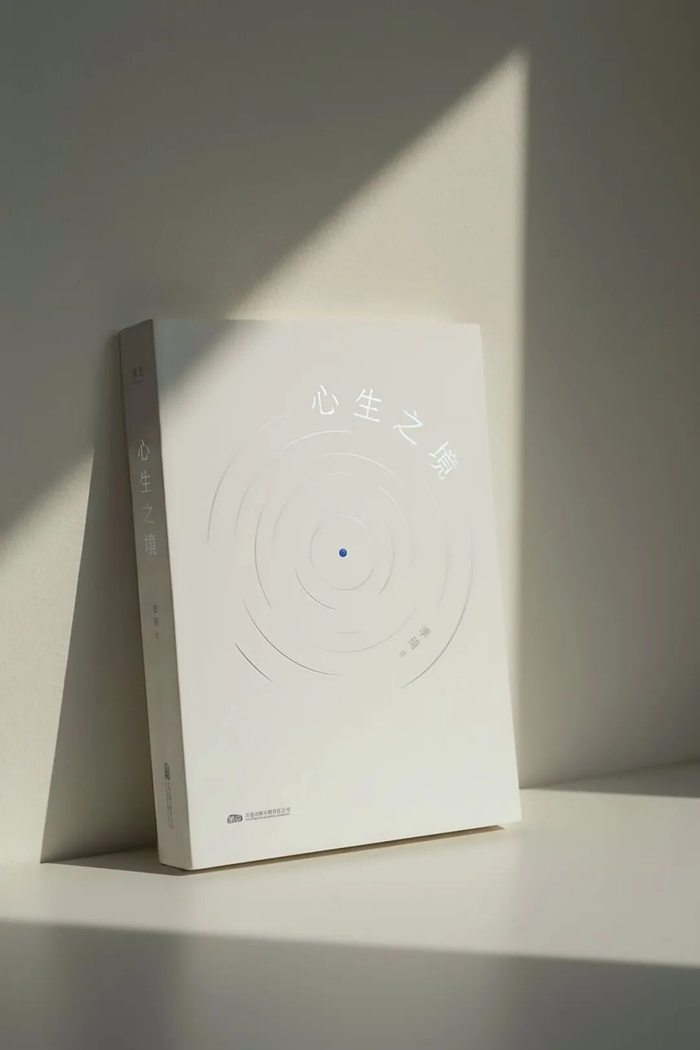
心生之境:与季琦深聊“观念如何改变实体”
Xin Lang Cai Jing· 2025-10-15 07:45
Core Insights - The article discusses the 20th anniversary of Huazhu Group and highlights the release of its founder Ji Qi's new book "Heart and Realm" [2][6] Group 1: Book Overview - "Heart and Realm" connects the concepts of "heart" (the world of ideas) and "realm" (the physical world) [6] - The book consists of 12 essays under the title "Cosmology," reflecting Ji Qi's deep philosophical thoughts on life and existence [7][10] - Ji Qi emphasizes that life has no inherent meaning, only the process matters, and that the world is primarily a realm of ideas [10][11] Group 2: Entrepreneurial Journey - Ji Qi's entrepreneurial journey spans 20 years, during which he built Huazhu Group into the fourth-largest hotel group globally [16] - The article contrasts the challenges faced by entrepreneurs in difficult environments with the difficulties of maintaining innovation in comfortable circumstances [18][19] - Ji Qi's approach to entrepreneurship involved leveraging internet thinking to transform traditional industries and focusing on differentiation and operational excellence [18][20] Group 3: Philosophical Insights - The book offers insights for both struggling entrepreneurs and successful leaders, emphasizing the importance of long-term thinking and self-reflection [22] - Ji Qi's writings reflect a blend of practical experience and philosophical inquiry, making the book a unique record of his intellectual and business evolution over 20 years [23][24]

本土酒店出海,为何热衷“首攻”东南亚?
3 6 Ke· 2025-10-15 03:12
Core Insights - Huazhu Group's brand, Qianxi, is accelerating its expansion in Southeast Asia, with recent signings in Kuala Lumpur and Phnom Penh, marking a significant step in its overseas strategy [1][2] - The Southeast Asian market is becoming a testing ground for domestic hotel brands seeking global presence, driven by increasing business travel and tourism from China [5][6] Group 1: Qianxi's Southeast Asia Expansion - Qianxi has signed three new hotels in Southeast Asia, with locations in Kuala Lumpur and Phnom Penh, targeting business and leisure travelers [1][2] - The Kuala Lumpur hotel will feature 101 rooms and is set to open in Q4 2026, while the Phnom Penh hotel aims to become a benchmark in the CBD area, opening in Q2 2026 [2] - The strategy involves analyzing local market trends and consumer demands, indicating a shift from mere acquisitions to a more nuanced approach in overseas expansion [2] Group 2: Market Dynamics and Opportunities - The Southeast Asian tourism landscape is changing, with Vietnam becoming the top destination for Chinese tourists, receiving 3.5 million visitors in 2025, a 44% increase [5] - Recent visa policies in Southeast Asia have facilitated travel for Chinese tourists, enhancing the potential customer base for Qianxi hotels [6] - The growing demand for quality accommodations is driven by a young population, with over 50% under 30 years old, and a rapidly expanding middle class [7][8] Group 3: Competitive Landscape and Strategic Approaches - Domestic hotel groups are increasingly looking to Southeast Asia as a new growth market amid intense competition in the domestic market [9][15] - The first wave of expansion involved partnerships and franchise models, while the current phase sees more direct investments and brand establishment [9][10] - Companies like Jinjiang and Huazhu are diversifying their brand offerings and leveraging local partnerships to enhance their market presence [11][12] Group 4: Technological and Operational Innovations - The integration of digital systems and localized operations is becoming a competitive advantage for hotel groups entering Southeast Asia [14] - Huazhu's establishment of a global headquarters in Singapore aims to streamline operations and adapt to local market needs [3] - The focus on a robust membership system and localized marketing strategies is essential for building brand recognition and customer loyalty in new markets [13][15]
发现了季琦一本很神奇的新书
半佛仙人· 2025-10-14 04:08
Core Viewpoint - The article discusses the insights and strategies from the book "The Realm of Heart" by Ji Qi, highlighting his unique approach to business and problem-solving in the hospitality industry [3][5][10]. Group 1: Author's Background and Achievements - Ji Qi is a co-founder of Ctrip and has successfully launched multiple hotel brands, including Home Inn and Hanting, all of which went public [4][5]. - His journey reflects a deep understanding of both online and offline business models, showcasing a blend of luck and exceptional skill across four successful ventures [5]. Group 2: Key Insights from the Book - A central theme in Ji Qi's philosophy is the concept of "freedom" for users, emphasizing that customers often prefer minimal interference rather than excessive service [10]. - The book argues that true service excellence lies in understanding customer needs and reducing unnecessary interactions, which can lead to a more satisfying experience [10][11]. Group 3: Practical Strategies in Hospitality - Ji Qi identified a critical shift in customer needs, such as the demand for free internet access in hotels, which significantly influenced customer choices in the past [12]. - The design of hotel amenities, like pillows and bathrooms, is crucial for customer satisfaction, with innovations such as dual-layer buckwheat pillows and wet-dry separated bathrooms setting standards in the industry [12]. - The use of signature scents in hotels, particularly those that resonate with cultural elements, can create lasting impressions on guests, enhancing brand recall [12]. Group 4: Broader Reflections - The book also delves into philosophical reflections on business and life, encouraging readers to rethink their approaches and assumptions in both fields [11].

体验经济崛起“十一”酒店市场价稳、人旺、“更会玩”
Zhong Guo Jing Ying Bao· 2025-10-13 12:19
Core Insights - The "Super Golden Week" during the Mid-Autumn Festival and National Day in 2025 saw a significant boost in the tourism and hotel industry, with hotels becoming a key indicator of consumer recovery [1][3][8] Hotel Industry Performance - The hotel industry experienced stability during the "Golden Week," with controlled price increases in high-demand areas, indicating a rational pricing strategy and high occupancy rates [1][6] - Huazhu Group reported over 10.55 million guests at its hotels during the holiday, a 36% increase year-on-year, with foreign guests increasing by 75% [1][6] - The overall occupancy rate exceeded 80%, peaking on October 3 with over 8,100 hotels fully booked, particularly in popular cities like Beijing and Chengdu [1][3] New Hotel Openings and Strategies - Huazhu Group's high-end brand, Huajian Tang, opened a new hotel in Beijing, marking a strategic expansion into the high-end hotel market [2][6] - The brand aims to provide an immersive urban vacation experience, reflecting a trend towards structural upgrades in the hotel industry [2][6] Emerging Trends in Travel and Accommodation - The "Super Golden Week" led to a surge in bookings for hotels in second and third-tier cities, driven by unique local experiences and events [3][4] - Music festivals and sports events significantly boosted hotel bookings, with some locations seeing increases of over 200% [3][4] Shift in Consumer Behavior - More than 30% of office workers opted for staggered travel, extending the holiday experience and alleviating peak demand pressures [4][5] - The night tourism economy gained traction, with a 200% increase in searches for night activities, indicating a shift in consumer preferences towards experiential travel [5][6] Experience Economy and Market Dynamics - The hotel industry is witnessing a shift towards high-end, personalized, and culturally immersive experiences, as consumers seek more than just accommodation [6][7] - Huajian Tang's expansion and the success of other high-end hotels reflect the growing demand for unique cultural experiences among new middle-class consumers [6][7] Conclusion - The "Super Golden Week" highlighted a more mature and layered tourism market, with consumers becoming more discerning and seeking emotional and cultural connections through their travel experiences [8]
餐饮旅游行业:国庆中秋长假数据稳健向好
Orient Securities· 2025-10-13 09:47
Investment Rating - The industry investment rating is maintained as "Positive" [5] Core Insights - The holiday data continues to validate the resilience of cultural and tourism consumption, with both short-term catalysts and mid-term growth logic present [3] - During the National Day and Mid-Autumn Festival holiday, domestic travel reached 888 million trips, with total spending of 809 billion yuan, indicating stable tourism activity and resilient travel demand [8] - The integration of cultural and tourism consumption is highlighted, with key retail and catering enterprises seeing a sales increase of 2.7% year-on-year during the holiday period [8] Summary by Sections Holiday Data Performance - The holiday period saw 888 million domestic trips, averaging 111 million trips per day, a year-on-year increase of 1.6% [8] - Total domestic travel expenditure was 809 billion yuan, averaging 101.1 billion yuan per day, with a year-on-year increase of 1.0% [8] - Cross-regional personnel flow reached 2.432 billion trips, averaging 304 million trips per day, a historical high with a year-on-year increase of 6.2% [8] Scenic Area Performance - Scenic areas generally experienced increased visitor numbers, with Emei Mountain receiving 371,000 visitors, a 41.3% increase [8] - The overall performance of Xinyuan Cultural Tourism's scenic areas reached a historical high, with 1.655 million visitors and revenue of 98.4 million yuan, marking a 20% increase [8] Duty-Free and Outbound Tourism - Hainan's duty-free shopping amounted to 944 million yuan, a 13.6% increase, with 122,900 shopping trips, indicating a recovery in outbound tourism [8] - Nationally, outbound travel reached 16.34 million trips, an 11.5% increase, with significant growth in foreign visitors [8] Consumer Behavior Trends - The holiday period exhibited three main characteristics: parallel long-distance and nearby travel, expansion of nighttime and experiential consumption, and more efficient transportation operations [8] - The integration of cultural and tourism sectors continues to drive growth, with a focus on enhancing travel experiences and innovative sales strategies [8]



体验经济崛起 “十一”酒店市场价稳、人旺、“更会玩”
Zhong Guo Jing Ying Bao· 2025-10-10 21:25
Core Insights - The "Super Golden Week" during the Mid-Autumn Festival and National Day in 2025 saw a significant boost in the tourism and hotel industry, with hotel occupancy rates exceeding 80% and a notable increase in guest numbers [1][3][8] Hotel Industry Performance - Huazhu Group reported over 10.55 million guests during the holiday period, a 36% increase year-on-year, with foreign guests rising by 75% [1] - The overall hotel occupancy rate peaked at over 80%, with more than 8,100 hotels fully booked on October 3 [1] - High-end hotels in popular cities like Beijing, Chengdu, and Hangzhou experienced high demand, leading to limited availability [1] New Developments in High-End Hotels - Huazhu Group launched its high-end cultural resort brand, Huajian Tang, in Beijing, marking a strategic expansion into the high-end hotel sector [2] - The brand aims to provide an immersive urban vacation experience, reflecting a trend towards structural upgrades in the hotel industry [2] Emerging Trends in Tourism - The holiday period saw a surge in bookings for lesser-known destinations, with some areas experiencing a doubling of orders for accommodations [3] - Events like music festivals and sports competitions significantly boosted hotel bookings, with some locations seeing increases of up to 260% [3] Travel Behavior Changes - Over 30% of office workers opted for staggered travel, extending the holiday experience and alleviating peak demand pressures [4] - Domestic flight volumes increased by 20%, while outbound travel grew by 30% during the holiday [4] Night Economy and Outbound Travel - The night economy gained traction, with a 200% increase in searches for night activities, highlighting its role in attracting tourists [5] - Outbound travel saw a significant rise, with hotel bookings in popular destinations like Japan and Thailand increasing dramatically [5] Shift Towards Experience Economy - The hotel industry is witnessing a shift towards high-end, personalized, and culturally immersive experiences, driven by consumer demand for unique travel experiences [6][7] - Huajian Tang's expansion exemplifies this trend, focusing on local culture and modern aesthetics [6] Conclusion on Market Maturity - The "Super Golden Week" reflects a more mature and layered tourism consumption market, with consumers seeking emotional, cultural, and social experiences rather than just accommodation [8]
申万宏源:双节出行热度攀升 小众化、分段式旅游倾向凸显
Zhi Tong Cai Jing· 2025-10-10 06:45
Core Insights - The 2025 Mid-Autumn and National Day holiday saw record-high travel volume and tourism revenue, but the average spending per trip did not increase significantly [1][2] - There is a notable shift towards self-driving tourism and staggered travel patterns, with a significant increase in non-commercial small vehicle usage [2] - The retail and dining sectors experienced stable growth during the holiday, driven by policies encouraging consumption and rising gold prices [4] Group 1: Travel and Tourism Trends - During the 2025 holiday, 888 million domestic trips were made, an increase of 123 million trips compared to 2024, with total spending reaching 809 billion yuan, up 108.2 billion yuan [1] - Daily average travel volume was 111 million trips, a 1.6% increase year-on-year, while daily average spending was 101.1 billion yuan, a 1% increase [1] - The peak travel flow occurred on the third day of the holiday for outbound trips and the seventh day for return trips, indicating a trend towards staggered travel [2] Group 2: Scenic Spots and Consumer Behavior - Key scenic areas maintained growth above the industry average, with the Yangtze River Three Gorges cruise products experiencing high demand, leading to sold-out tickets during the holiday [3] - The average passenger load factor for cruises was 81.6%, a 9.1 percentage point increase from the previous year [3] - The retail and dining sectors saw a 2.7% year-on-year increase in sales, with significant growth in energy-efficient appliances and smart home products [4] Group 3: Investment Opportunities - Companies to watch include Sanxia Tourism, Xiangyuan Cultural Tourism, Jiuhua Tourism, Huangshan Tourism, Huazhu, Atour, and China Duty Free [5]



机构:国庆中秋假期旅游服务人次较去年增长30%
Bei Jing Shang Bao· 2025-10-09 09:46
Group 1: Overall Market Performance - During the 2025 National Day and Mid-Autumn Festival holiday, Fliggy reported a 48% increase in GMV compared to last year, with service users growing by 30%, leading the tourism market [1] - Hotel stays during the holiday period saw a significant increase, with Fliggy reporting a 78% rise in hotel night stays compared to the previous year [1] - Huazhu Group's hotels received over 10.55 million guests during the holiday, a 36% increase from the same period last year, with foreign guests increasing by 75% [2] Group 2: Specific Company Performance - Fliggy's domestic flight and global hotel bookings reached historical peaks, with record single-day highs in both metrics [1] - Jinjiang Hotels reported a 4% increase in average occupancy rate, with over 13 million guests served, marking a more than 30% increase year-on-year [1] - Huazhu Group's overall hotel occupancy rate exceeded 80% during the holiday, peaking at over 98% on October 3, with more than 8,100 locations fully booked [2]
