SPD BANK(600000)

Search documents
股票行情快报:浦发银行(600000)12月9日主力资金净买入4310.80万元
Sou Hu Cai Jing· 2025-12-09 12:22
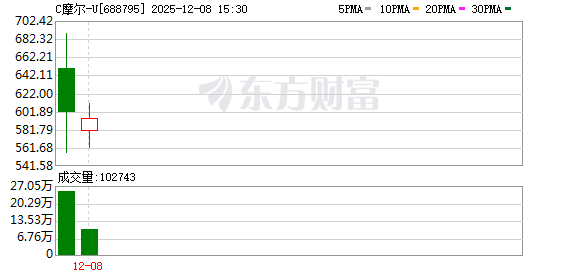
Core Viewpoint - As of December 9, 2025, Shanghai Pudong Development Bank (SPDB) reported a closing price of 11.32 yuan, reflecting a decrease of 0.61% with a turnover rate of 0.18% and a trading volume of 585,900 hands, amounting to a transaction value of 666.5 million yuan [1] Financial Performance - For the first three quarters of 2025, SPDB's main revenue reached 132.28 billion yuan, an increase of 1.88% year-on-year; net profit attributable to shareholders was 38.819 billion yuan, up 10.21% year-on-year; and net profit excluding non-recurring items was 38.9 billion yuan, rising by 14.54% year-on-year [2] - In Q3 2025, the bank's quarterly main revenue was 41.721 billion yuan, a year-on-year increase of 0.31%; quarterly net profit attributable to shareholders was 9.082 billion yuan, up 10.29% year-on-year; and quarterly net profit excluding non-recurring items was 8.916 billion yuan, increasing by 24.61% year-on-year [2] - The bank's liability ratio stands at 91.5%, with investment income reported at 18.867 billion yuan [2] Market Sentiment - Over the past 90 days, six institutions have provided ratings for SPDB, with five giving a "buy" rating and one an "accumulate" rating; the average target price set by institutions is 15.79 yuan [3]



浦发银行获批收购宁波海曙浦发村镇银行并设立分支机构
Xin Lang Cai Jing· 2025-12-09 10:51
12月9日金融一线消息,宁波金融监管局今日发布关于浦发银行收购宁波海曙浦发村镇银行设立支行的 批复,同意上海浦东发展银行股份有限公司收购宁波海曙浦发村镇银行股份有限公司,承接其资产、负 债、业务和员工,并设立上海浦东发展银行股份有限公司宁波天一支行。 责任编辑:曹睿潼 12月9日金融一线消息,宁波金融监管局今日发布关于浦发银行收购宁波海曙浦发村镇银行设立支行的 批复,同意上海浦东发展银行股份有限公司收购宁波海曙浦发村镇银行股份有限公司,承接其资产、负 债、业务和员工,并设立上海浦东发展银行股份有限公司宁波天一支行。 责任编辑:曹睿潼 ...
浦发银行郑州分行精准赋能债券市场
Huan Qiu Wang· 2025-12-09 08:24
人民银行河南省分行相关负责人表示,发展柜台债券业务是健全多层次债券市场体系、提升直接融资比 重的重要举措,呼吁各机构凝聚共识、协同发力,共促河南柜台债市场繁荣发展。随后,浦发银行郑州 分行相关负责人介绍了浦发银行积极参与河南金融市场建设、为客户提供多元化金融服务的实践成果。 在专题分享环节,中国外汇交易中心、农业银行总行及浦发银行总行的专家围绕柜台债券业务发展与实 践,进行深入解读与经验交流。随后的现场答疑中,相关专家结合政策与实战经验,给予了专业细致的 解答。 此次推进会的成功举办,有效普及了浦发银行郑州分行柜台债券业务的优势,搭建了高效便捷的交流平 台。下一步,该行将以此为契机,持续深化与省内金融机构的合作,共同推动河南省银行间债券市场柜 台业务蓬勃发展,为构建现代化金融市场体系持续贡献浦发力量。 来源:环球网 为拓宽社会投资渠道,推动河南省银行间债券市场高质量发展,近日,由人民银行河南省分行主办、浦 发银行郑州分行承办的"河南省银行间债券市场柜台业务推进会"召开。 此次会议采取"主会场+分会场"联动形式,河南农村商业银行、中原银行、郑州银行、中原证券、百瑞 信托等17家省内法人金融机构与11家省内重点企 ...
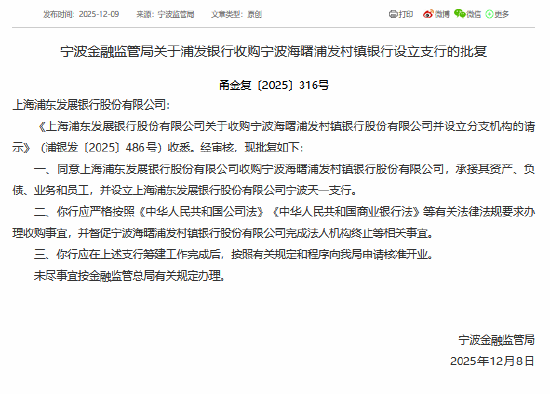
2025企业家博鳌论坛丨数字金融安全发展大会暨数字金融联合宣传年年度活动成功举行
Sou Hu Cai Jing· 2025-12-09 06:18
Core Insights - The conference focused on the theme "Digital Financial Security Development" and aimed to explore breakthroughs in financial technology, digital security, and high-quality financial development [2][10] - A memorandum for cooperation on key technologies and standards in intelligent communication within the financial industry was signed by multiple parties, marking the start of strategic collaboration [19] Group 1: Industry Perspectives - The importance of an open, collaborative, and secure digital financial ecosystem was emphasized as a consensus among industry leaders [4] - The prosperity of digital finance relies on an open and collaborative industrial ecosystem, as highlighted by the President of China UnionPay [6] - The need for high-level security to ensure high-quality development in digital finance was stressed by the Director of the Technology Department of the People's Bank of China [8] Group 2: Technological Innovations - CFCA's General Manager discussed the establishment of a trusted digital identity system to enhance digital financial security and support the digital transformation of finance [12] - The Deputy General Manager of the Beijing National Financial Standardization Research Institute outlined the seven roles of financial standards in enhancing data quality and risk prevention in digital finance [14] - The Chief Engineer of China Postal Savings Bank emphasized the need for financial institutions to build efficient and stable fintech platforms to enhance service capabilities [16] Group 3: Collaborative Efforts - A strategic cooperation memorandum was signed among China UnionPay, Huawei, Shanghai Pudong Development Bank, and CFCA to focus on key technology research and standard formulation in intelligent communication [19] - Industry experts shared innovative solutions for digital financial security, highlighting the importance of collaboration among banks, regulatory bodies, and technology companies [21][22] Group 4: Future Outlook - The conference included discussions on how digital technology can reshape financial services and improve service quality [24] - The release of the "2025 Digital Banking Survey Report" provided insights into the evolving landscape of digital banking, utilizing a large data sample of over 70 million active users [27] - The successful hosting of the conference established a platform for collaboration and consensus on digital financial security development [28]



浦发银行董事长张为忠:并购市场进入高度活跃期 将力争成为“并购首选银行”
Xin Hua Cai Jing· 2025-12-09 06:03
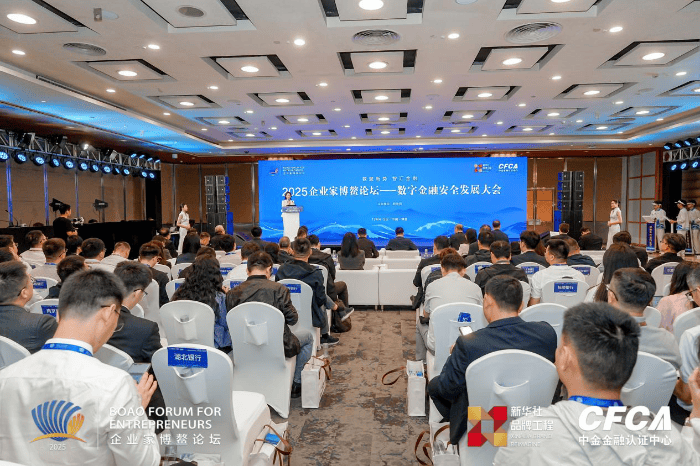
新华财经上海12月9日电(记者 王淑娟)8日,2025并购金融大会在上海举办。"并购发展和产业发展必然是同步而行,产业兴、经济兴,并购一定要赶上 来。"浦发银行董事长张为忠在致辞中表示,经济转型升级正处于关键时期,并购重组是重要驱动力,也是加速器和催化剂,未来并购市场将进入以产业整 合为核心的高度活跃期。 张为忠指出,政策、产业与资本已形成推动并购市场发展的"三重奏"。随着"国九条""科八条""并购六条"等政策密集出台,产业发展呈现三大特征:一是从 规模扩张转向质量并重,推动高质量发展落地;二是科技创新与产业深度融合,形成融合驱动态势;三是产业布局聚焦战略性新兴产业与未来产业,核心逻 辑从多元扩张转向纵深发展,产业链"补链、强链、延链"成为重点。 ===== 开 购 金融 大 会 AMILANIL 并购市场是观察产业整合和资本流动的重要窗口。张为忠表示,政策推动叠加市场拉动、科技驱动,今年并购市场出现了爆发式增长的态势。去年以来国家 鼓励科技创新、产业升级和新质生产力的市场化并购战略方向,上海在这方面独具优势。上海"并购十二条"等配套政策落地,叠加高端制造业研发能力、科 技产业前瞻布局等优势,为并购市场提供了 ...
2025年并购金融大会在沪举行
Guo Ji Jin Rong Bao· 2025-12-09 05:25
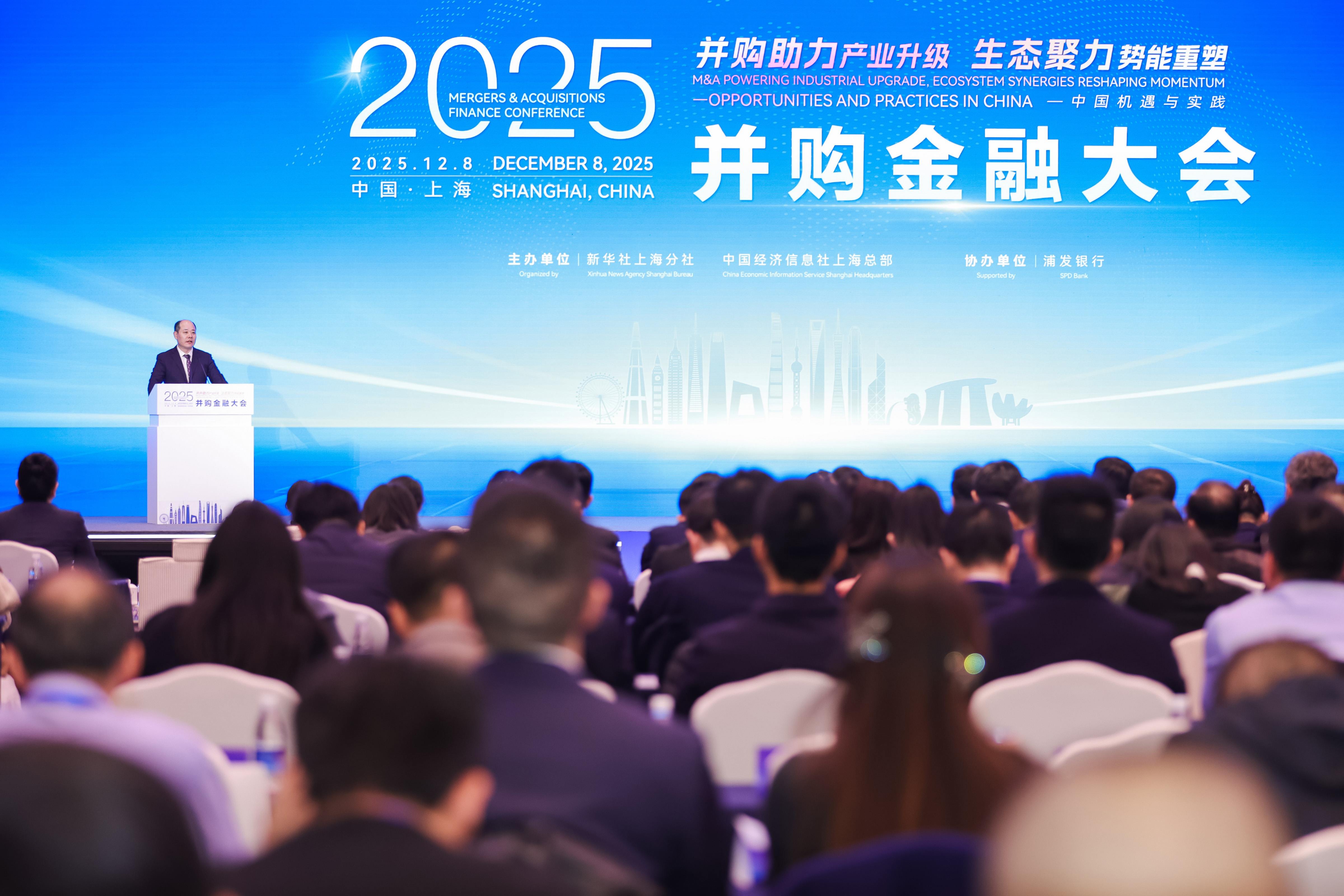
在《上海市支持上市公司并购重组行动方案(2025—2027年)》(下称上海"并购十二条")发布一周年之际,2025年并购金融大会12月8日在沪举行。 活动现场,"中国并购综合指数(2025)"对外发布,浦发银行、太保集团、国泰海通证券作为核心发起机构发起成立"并购联盟"。 政策暖风激发并购市场活力 并购重组对提升企业竞争力、推动科技创新、培育新质生产力具有深远意义。去年印发的上海"并购十二条"提出,力争到2027年,将上海打造成为产业 能级显著提升、并购生态更加健全、协作机制多元长效的上市公司并购重组先行区和示范区。 "并购重组既是资本市场优化资源配置的核心抓手,也是培育新质生产力、驱动经济转型升级的重要引擎。"上海市政府副秘书长、市发展改革委主任顾 军指出,上海"并购十二条"发布一年来,上海并购市场呈现"量质齐升"的良好态势。上海在集成电路、生物医药、人工智能等重点领域推动一批标杆案例成 功落地,以并购重组切实提升产业集群的核心竞争力。他勉励金融机构勇当"主力军",各类企业争做"排头兵",市区部门做好"服务员",努力将上海打造成 为全球并购重组的首选地。 图为上海市政府副秘书长、市发展改革委主任顾军致辞 会 ...

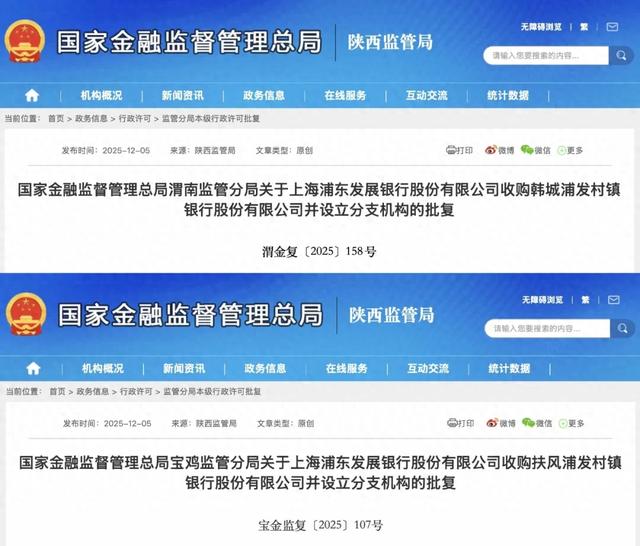
浦发银行,收购陕西两家银行
Bei Jing Ri Bao Ke Hu Duan· 2025-12-08 16:14
转自:北京日报客户端 据国家金融监督管理总局陕西监管局官网消息,日前,上海浦东发展银行股份有限公司获批收购陕西省 韩城浦发村镇银行、扶风浦发村镇银行,并设立分支机构。 两份批复显示,浦发银行在收购两家银行后,将分别设立上海浦东发展银行股份有限公司渭南韩城支 行、上海浦东发展银行股份有限公司宝鸡扶风支行,并承接其清产核资后的资产、负债、业务和员工 等。 长安街知事注意到,收购前,浦发银行是这两家村镇银行的控股股东。它们属一级法人机构,是由浦发 银行作为主发起行,吸收当地优良民间资本,共同发起设立的。 收购后,浦发银行将这两家村镇银行纳入统一管理体系,成为其支行。 11月以来,浦发银行正以密集动作承接旗下多家村镇银行,将它们改为支行,包括:辽宁大连甘井子浦 发村镇银行、山西泽州浦发村镇银行、重庆铜梁浦发村镇银行、新疆乌鲁木齐米东浦发村镇银行、山东 邹平浦发村镇银行、云南昆明富民浦发村镇银行、浙江平阳浦发村镇银行等。 2025年政府工作报告强调,按照市场化、法治化原则,统筹推进地方中小金融机构的风险处置与转型发 展。中央一号文件则明确提出,"一省一策"加快农村信用社改革,稳妥有序推进村镇银行改革重组。 1月,金融监 ...
指数发布、联盟成立,这场大会见证上海加速迈向全球并购新高地
Xin Hua Cai Jing· 2025-12-08 15:22
12月8日,在《上海市支持上市公司并购重组行动方案(2025-2027年)》(简称上海"并购十二条")发布一周年之际,2025年并购金融大会在沪举行。活动 现场,"中国并购综合指数(2025)"对外发布,浦发银行、太保集团、国泰海通证券作为核心发起机构发起成立"并购联盟",产业链各环节携手助力提升上 海国际金融中心服务能级,推动并购重组市场高质量发展。 指数洞察:政策暖风激发并购市场活力 并购重组对提升企业竞争力、推动科技创新、培育新质生产力具有深远意义。近年来,中央和地方政府围绕并购重组密集出台一系列重磅支持政策,政策红 利持续释放,市场活力不断激发,标杆案例密集涌现。去年印发的上海"并购十二条"提出,力争到2027年,将上海打造成为产业能级显著提升、并购生态更 加健全、协作机制多元长效的上市公司并购重组先行区和示范区。 "并购重组既是资本市场优化资源配置的核心抓手,也是培育新质生产力、驱动经济转型升级的重要引擎。"上海市政府副秘书长、市发展改革委主任顾军在 致辞中指出,上海"并购十二条"发布一年来,上海并购市场呈现"量质齐升"的良好态势。上海在集成电路、生物医药、人工智能等重点领域推动一批标杆案 例成功落 ...

股份制银行板块12月8日涨0%,华夏银行领涨,主力资金净流入1.71亿元
Zheng Xing Xing Ye Ri Bao· 2025-12-08 09:09
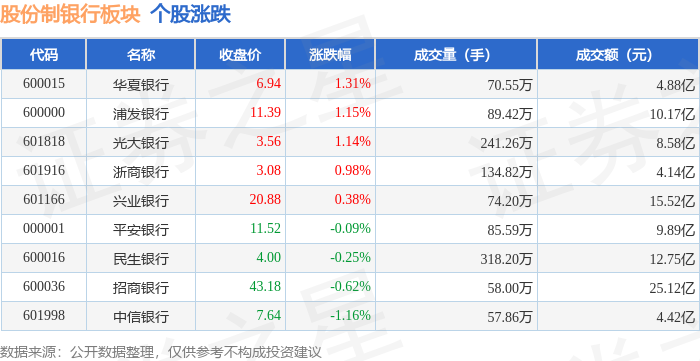
Core Viewpoint - The banking sector showed a slight increase on December 8, with the Shanghai Composite Index rising by 0.54% and the Shenzhen Component Index increasing by 1.39% [1] Group 1: Stock Performance - The banking sector rose by 0.0% compared to the previous trading day, with Huaxia Bank leading the gains [1] - Key stock performances include: - Huaxia Bank: Closed at 6.94, up 1.31% with a trading volume of 705,500 shares and a turnover of 488 million [1] - Pudong Development Bank: Closed at 11.39, up 1.15% with a trading volume of 894,200 shares and a turnover of 1.017 billion [1] - Everbright Bank: Closed at 3.56, up 1.14% with a trading volume of 2.4126 million shares and a turnover of 858 million [1] - Other banks showed mixed results, with some experiencing slight declines [1] Group 2: Capital Flow - The banking sector experienced a net inflow of 171 million in main funds, while retail investors saw a net outflow of 1.44 billion [1] - Detailed capital flow for selected banks includes: - China Merchants Bank: Net inflow of 114 million, with a 4.53% share of main funds [2] - Huaxia Bank: Net inflow of 69.04 million, with a 14.13% share of main funds [2] - Minsheng Bank: Net inflow of 65.87 million, with a 5.17% share of main funds [2] - Other banks like Ping An Bank and CITIC Bank experienced net outflows [2]





摩尔线程五年“加速度”背后的金融推力
Xin Hua Cai Jing· 2025-12-08 08:26
新华财经上海12月8日电(记者王淑娟)近日,摩尔线程在科创板上市,市值一度突破2800亿元,成为 我国半导体自主创新进程中的重要里程碑。这家被寄予厚望的"国产GPU第一股"企业,用五年时间完成 了一场从"0"到"1"的华丽蜕变。从初创期的研发攻坚,到如今的资本腾飞,浦发银行与摩尔线程相伴同 行,用专业眼光和勇气担当,为新质生产力崛起注入关键的"金融推力"。 为技术攻坚提供关键助力 不同于一般的芯片设计公司,摩尔线程自创立之初就选择了一条"少有人走的路"——研发全功能GPU。 这是芯片行业公认的"珠穆朗玛峰",技术门槛极高,但战略意义重大。要实现从硬件架构设计到软件生 态构建的全面突破,意味着需要持续、高强度的研发投入。 时间回溯到2024年,就在摩尔线程成功搭建首个国产全功能GPU千卡智算集群,进入向全功能GPU技术 发起总攻的关键节点,现金流也开始面临严峻考验。 "硬科技"企业大多有一流的技术团队、宏大的战略蓝图,但缺乏足够的抵押物和好看的财务报表,并不 符合传统银行信贷标准。 2024年5月,在人民银行中关村分行举办的一场业务交流会上,浦发银行北京分行团队了解到摩尔线程 的金融需求,当即便与企业建立了联系 ...