
WINGTECH(600745)

Search documents
闻泰科技给荷兰下“死令”,提出恢复前CEO职务!做不到的话,安世半导体别想从中国出口
Sou Hu Cai Jing· 2025-10-31 07:36
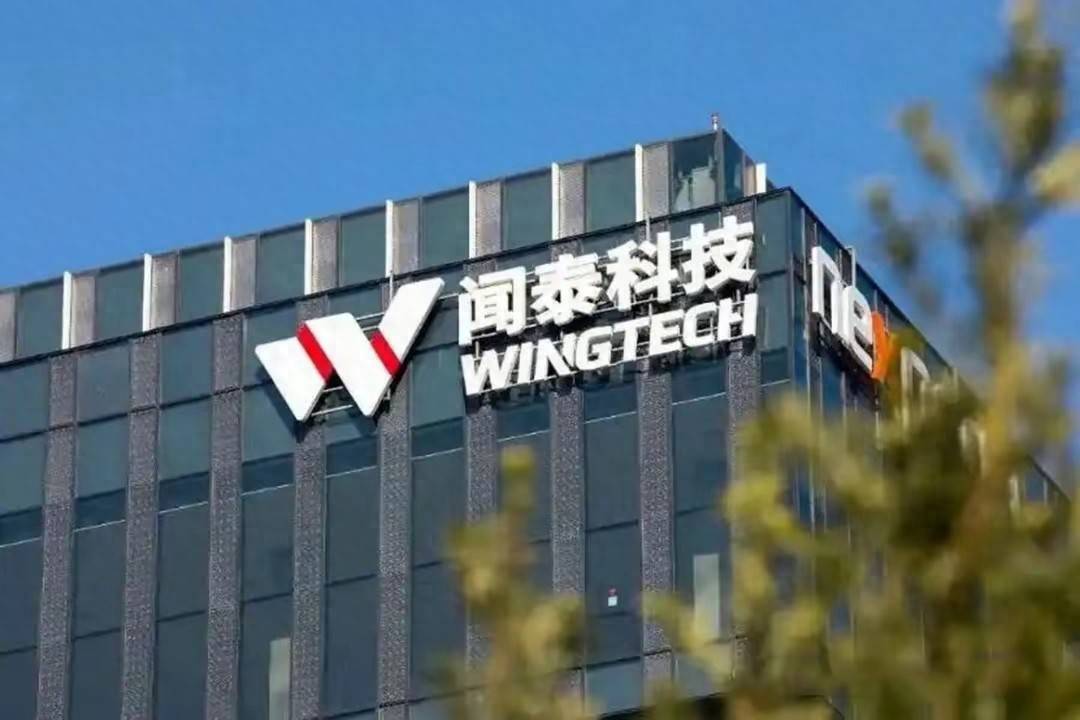
Core Viewpoint - The statement from Wentai Technology emphasizes the reinstatement of the former CEO of Nexperia as a condition for resuming exports from China, highlighting the complex geopolitical dynamics at play in the semiconductor industry [1][5]. Group 1: Geopolitical Context - The Dutch government's takeover of Nexperia is framed as a move to prevent technology leakage, but it is perceived as an attempt to diminish the influence of Chinese companies in the global semiconductor supply chain [1][3]. - This action is seen as part of a coordinated effort by the U.S. and its allies to counter China's technological rise, indicating a broader geopolitical strategy rather than isolated national security concerns [1][3]. Group 2: Supply Chain Implications - Nexperia relies heavily on Chinese production, with 80% of its chip packaging and testing occurring in China, suggesting that any disruption could have severe repercussions for the European automotive industry [3]. - The European Automobile Manufacturers Association (ACEA) has warned that the shortage of Nexperia chips could lead to production halts for major car manufacturers like Volkswagen and BMW, indicating a potential crisis for the European industrial system [3]. Group 3: Legal and Governance Issues - The Dutch government's actions are criticized for overstepping reasonable boundaries of corporate governance, with Wentai Technology's statement serving as a legal challenge to the legitimacy of the takeover [5]. - The lack of concrete evidence from the Dutch government to support its claims of national security risks raises questions about the political motivations behind the intervention [5]. Group 4: Changing Dynamics for Chinese Companies - Chinese companies, such as Wentai Technology, are shifting from a defensive posture to a more proactive role in international negotiations, reflecting a change in competitive dynamics within the global supply chain [6][8]. - This new approach signifies a transition from being mere participants to active shapers of the market, advocating for fair competition and asserting their rights in the face of external pressures [6][8]. Group 5: Future Considerations - The actions of the Dutch government threaten to undermine commercial trust between China and the Netherlands, potentially leading to a restructuring of the European industrial landscape [9]. - To navigate these challenges, Chinese companies must enhance their technological capabilities and market competitiveness, while the government should advocate for China's position in international regulatory frameworks [9].


严正声明:必须恢复张学政为CEO!
国芯网· 2025-10-31 04:48
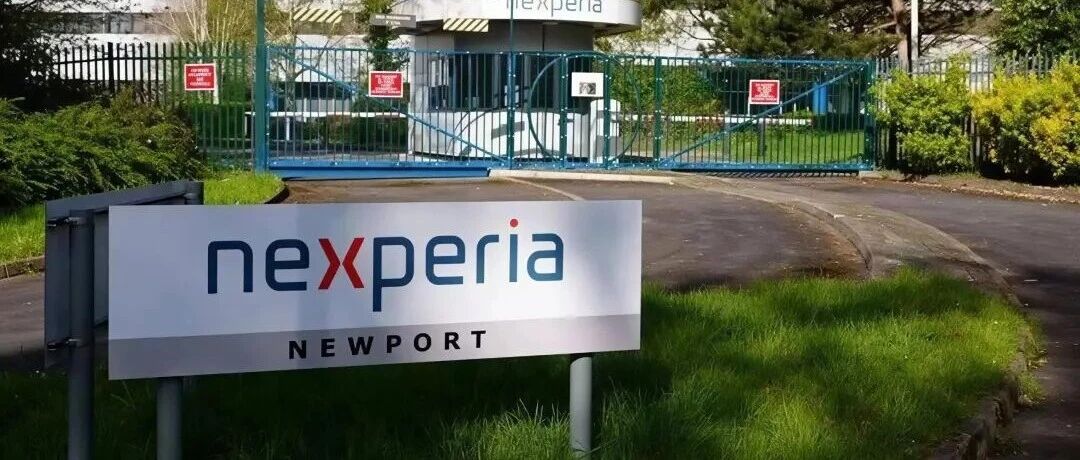
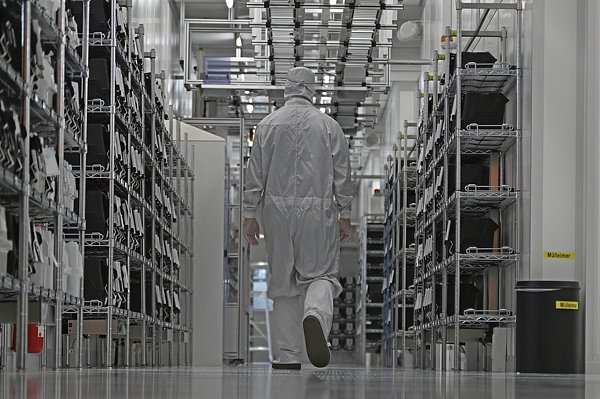
Group 1 - The core issue revolves around the negotiations between Wentai Technology and the Dutch government regarding the resumption of exports for Nexperia, a subsidiary of Wentai Technology. The company insists that any agreement must include the reinstatement of its former CEO, Zhang Xuezheng, as a condition for moving forward [2][4]. - Wentai Technology has set a "high threshold" in negotiations, urging the Dutch government to change its stance and retract allegations of technology theft. The spokesperson emphasized that restoring full control and ownership is essential for easing tensions and stabilizing the situation [4][5]. - The Dutch government has invoked a law not used since 1952, citing "national security" concerns, to impose restrictions on Nexperia, preventing any adjustments related to assets, intellectual property, business, or personnel for one year starting September 30 [4][5]. Group 2 - The actions taken by the Dutch government began on September 30, but were publicly disclosed only on October 12. This coincided with the U.S. government's announcement of additional export controls on Wentai Technology's subsidiaries, which are on the "entity list" [5]. - There have been communications between the Dutch and U.S. governments regarding the "penetration rules," with the U.S. requesting changes in Nexperia's management structure to avoid sanctions [5]. - Nexperia operates semiconductor wafer production in Germany and the UK, with approximately 80% of its final products being completed in China [5].
闻泰科技股价涨5.4%,融通基金旗下1只基金重仓,持有36.43万股浮盈赚取85.97万元
Xin Lang Cai Jing· 2025-10-31 02:24
Group 1 - Wentech Technology's stock increased by 5.4%, reaching 46.03 yuan per share, with a trading volume of 2.655 billion yuan and a turnover rate of 4.72%, resulting in a total market capitalization of 57.29 billion yuan [1] - The company, founded on January 11, 1993, and listed on August 28, 1996, is based in Shenzhen, Guangdong Province, and its main business includes real estate development and operation, research and manufacturing of mobile internet devices primarily focused on smartphones, and upstream semiconductor products [1] - The revenue composition of Wentech Technology is as follows: smart terminals account for 69.00%, semiconductor products 30.88%, and others 0.12% [1] Group 2 - According to data from the top ten heavy stocks of funds, one fund under Rongtong has a significant holding in Wentech Technology. The Rongtong Tongqian Research Selected Flexible Allocation Mixed A Fund (002989) reduced its holdings by 43,200 shares in the third quarter, holding a total of 364,300 shares, which represents 4.8% of the fund's net value, making it the sixth-largest heavy stock [2] - The fund has achieved a return of 20.04% year-to-date, ranking 4547 out of 8154 in its category, and a return of 13.4% over the past year, ranking 5282 out of 8046 [2] - The fund manager, Shi Zhu, has been in the position for 3 years and 121 days, with the fund's total asset size at 367 million yuan, achieving a best return of 12.33% and a worst return of -35.25% during his tenure [3]
闻泰科技:要想重启安世半导体从中国出口,必须满足这一条件
Guan Cha Zhe Wang· 2025-10-31 01:08
Core Viewpoint - The Dutch government's forced takeover of Nexperia, a subsidiary of China's Wingtech Technology, has significant implications for Sino-Dutch relations and the global automotive supply chain, exacerbating the ongoing chip shortage crisis [1][4]. Group 1: Company Actions and Responses - Wingtech Technology has set a high bar for negotiations with the Dutch government, insisting that any agreement to resume exports from Nexperia must include the reinstatement of its former CEO [1]. - The spokesperson for Wingtech Technology denied any wrongdoing, asserting that there was no technology transfer or theft involved, and emphasized that technology sharing is a common practice in the semiconductor industry [3]. - Following the Dutch government's intervention, Nexperia's operations in China have been restricted, leading to a planned "four days on, three days off" work schedule, which poses challenges for supply chain localization [4]. Group 2: Impact on the Industry - The Dutch government's actions have caused a "major earthquake" in the global automotive supply chain, with European automakers facing potential production halts due to the chip supply shortage from Nexperia [5]. - A report indicated that 86% of major European companies in various industries rely on chips produced by Nexperia's Chinese facilities, highlighting the widespread risk to European industrial sectors [5]. - The Chinese government has expressed its opposition to the Dutch actions, emphasizing the need to avoid politicizing trade issues and maintain market principles [5].
闻泰科技:10月30日召开董事会会议
Mei Ri Jing Ji Xin Wen· 2025-10-30 23:05
Group 1 - The company, Wentai Technology, announced the convening of its 12th Board of Directors' 22nd meeting on October 30, 2025, via telecommunication voting [1] - The meeting reviewed the proposal regarding the appointment of the company's president among other documents [1] Group 2 - Multiple regions are experiencing "negative electricity prices," raising questions about why power plants are reluctant to shut down despite not making profits from selling electricity [1]
X @Bloomberg
Bloomberg· 2025-10-30 13:46
Corporate Strategy - Wingtech requires reinstating Nexperia's former CEO as part of any agreement to resume Nexperia's exports from China [1]
闻泰科技(600745) - 第十二届董事会第二十二次会议决议公告
2025-10-30 10:15
本公司董事会及全体董事保证本公告内容不存在任何虚假记载、误导性陈述 或者重大遗漏,并对其内容的真实性、准确性和完整性承担法律责任。 一、董事会会议召开情况 (一)闻泰科技股份有限公司(以下简称"公司")第十二届董事会第二十 二次会议的召开符合有关法律、行政法规、部门规章、规范性文件和《公司章程》 的规定。 (二)2025 年 10 月 28 日通过邮件方式向全体董事及高级管理人员发出了 会议通知。 (三)本次会议于 2025 年 10 月 30 日以通讯表决方式召开。 (四)本次董事会会议应当出席的董事 5 人,实际出席会议的董事 5 人(其 中:委托出席的董事 0 人,以通讯表决方式出席会议 5 人),0 人缺席会议。 | 证券代码:600745 | 证券简称:闻泰科技 | 公告编号:临 2025-153 | | --- | --- | --- | | 转债代码:110081 | 转债简称:闻泰转债 | | 闻泰科技股份有限公司 第十二届董事会第二十二次会议决议公告 (五)本次董事会由董事长杨沐女士主持,财务总监列席了本次会议。 二、董事会会议审议情况 审议通过《关于聘任公司总裁的议案》 同意聘任沈新佳女士 ...
闻泰安世并购案警示:地缘政治下,企业出海的治理陷阱与破局三策
创业邦· 2025-10-30 10:14
Core Viewpoint - The merger between Wingtech Technology and Nexperia has evolved from a successful business transaction into a critical lesson for Chinese companies aiming to expand internationally, highlighting that commercial success alone does not guarantee the success of cross-border mergers in the new global landscape [5][6]. Event Review - On October 12, Wingtech Technology announced that the Dutch government had issued a directive on September 30 to freeze the assets and intellectual property of its subsidiary Nexperia for one year, marking a significant escalation in a multi-year cross-border merger struggle [10][12]. - The timeline of events includes the acquisition of Nexperia from NXP in 2017, the complete acquisition by Wingtech from 2018 to 2020, and the subsequent acquisition of Newport Wafer Fab in 2021, which triggered national security reviews in the UK [12][13]. Governance Traps and Strategic Misjudgments - **Trap One**: The commitment to "independent operation" was perceived as a "covert takeover" due to changes in the power structure among key executives, leading to a loss of trust [17][18]. - **Strategic Insight**: Governance transparency is prioritized over control, emphasizing the need for clear processes in executive changes to maintain stakeholder trust [18]. - **Response Strategy**: Establish a governance structure that includes local independent directors to advise on decisions involving core technologies and local security [20]. - **Trap Two**: Financial success masked cultural integration failures, with the pandemic-induced demand surge temporarily alleviating internal issues [23][24]. - **Strategic Insight**: A dynamic communication mechanism with stakeholders is essential to address internal vulnerabilities [25]. - **Response Strategy**: Regular dialogue with all key stakeholders, including local unions and government departments, is crucial for building trust [28]. - **Trap Three**: The production of legacy chips triggered national security concerns, illustrating the broadening definition of "national security" in geopolitical contexts [29][30]. - **Strategic Insight**: Redefining "national security" is necessary, as it now encompasses critical infrastructure and core technologies [31]. - **Response Strategy**: Conduct geopolitical pressure tests during merger planning to assess potential impacts and develop contingency plans [32]. Summary and Path Forward - The Wingtech-Nexperia case underscores the extreme risks associated with geopolitical tensions, suggesting that future winners will be those companies that can balance financial acumen with geopolitical awareness [37]. - Companies must integrate their governance structures with national strategies, leveraging policy financial support and industry alliances to build systemic risk resilience [38]. - A clear action plan for global-minded enterprises includes elevating governance design to a strategic level, viewing stakeholder communication as a core competency, and conducting thorough geopolitical risk assessments [39][40].

全球车企到处找芯片,“最终都得跟中国坐下来谈”
Guan Cha Zhe Wang· 2025-10-30 05:06
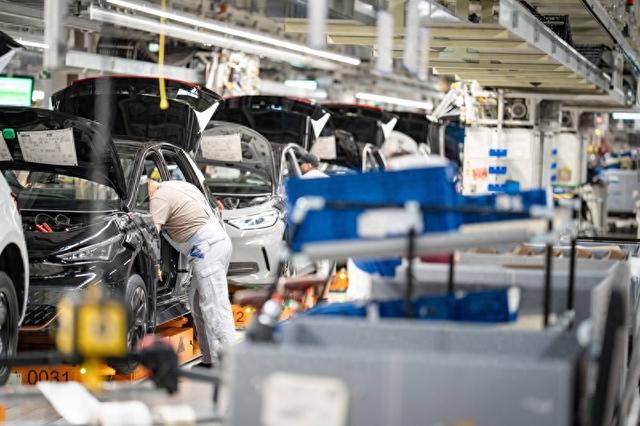
Core Viewpoint - The Dutch government's forced takeover of Nexperia has triggered a global chip supply crisis affecting the automotive industry, prompting manufacturers to urgently seek alternative sources and assess inventory levels [1][5]. Group 1: Impact on Automotive Manufacturers - The European Automobile Manufacturers Association warned that the chip shortage related to Nexperia will soon disrupt production plans across the automotive sector [1]. - Nissan's chip inventory is expected to last only until the first week of November, while Honda has already suspended production at a factory in Mexico and is adjusting plans in the U.S. and Canada [1]. - Some Brazilian automotive manufacturers may be forced to halt production within two to three weeks if the crisis persists [1]. Group 2: Responses from Automotive Executives - Nissan's Chief Performance Officer stated that while the company currently has no major issues until early November, understanding the full supply chain situation remains challenging [3]. - Lucid Motors' CEO mentioned that their engineering team is actively seeking alternative sources to mitigate the impact on production plans [3]. - General Motors reported that they are managing the situation without affecting factory output, while Mercedes-Benz's CEO emphasized the need for political solutions to address the crisis [4]. Group 3: Broader Supply Chain Concerns - The crisis is rooted in political factors, contrasting with previous chip shortages that were primarily supply chain issues [4]. - The Dutch government's actions against Nexperia were based on a rarely used Cold War-era law, raising concerns about the implications for global supply chains [5]. - The European Union is developing emergency plans to enhance local production of minerals and diversify supplier networks in response to the crisis [6]. Group 4: Geopolitical Context - Analysts noted that Europe is caught between U.S. security reliance and economic dependence on China, complicating the resolution of the crisis [7]. - Recent discussions between Chinese and EU officials highlighted the need for constructive engagement to address the semiconductor supply chain issues [7].
安世半导体出口受阻,引发全球车企芯片短缺
Guo Ji Jin Rong Bao· 2025-10-29 08:49
Core Viewpoint - The global automotive industry is facing a renewed production crisis due to a semiconductor shortage, exacerbated by the Dutch government's takeover of Nexperia, a chip manufacturer, citing national security concerns, which has led to export restrictions from China [1][2]. Group 1: Impact on Automotive Manufacturers - Honda's assembly plant in Ontario, Canada, has announced a production cut of 50% starting October 27, with plans to halt production for a week beginning October 30 [1]. - Multiple Honda "mass production" plants in North America have begun implementing emergency measures, including temporary shutdowns, in response to the semiconductor supply chain issues [2]. - Volvo's CEO highlighted that while the affected components are not strategic, their abundance means that shortages could halt production [3]. Group 2: Semiconductor Supply Chain Issues - The Dutch government invoked a law not used since 1952 to prevent Nexperia from making any adjustments to its assets or operations for one year, following China's export control measures on specific components [2]. - Nexperia generated approximately $2 billion in revenue last year, with around 60% coming from the automotive sector, indicating its significant role in the supply chain [3]. - Barclays warned that some automotive suppliers may run out of inventory in the coming days, with the chip shortage potentially impacting production as early as this week [3]. Group 3: Broader Industry Implications - The German Mechanical Engineering Industry Association (VDMA) cautioned that the impact of Nexperia's export suspension could extend beyond the automotive sector to include power generation, engineering machinery, and agricultural machinery [3]. - U.S. automakers like Ford and General Motors are in discussions with the Trump administration to find solutions before production is significantly affected [3].