
基础芯片

Search documents
英媒借“安世之乱”炒作:这也能成为中国对抗西方的筹码
Guan Cha Zhe Wang· 2025-11-24 16:27
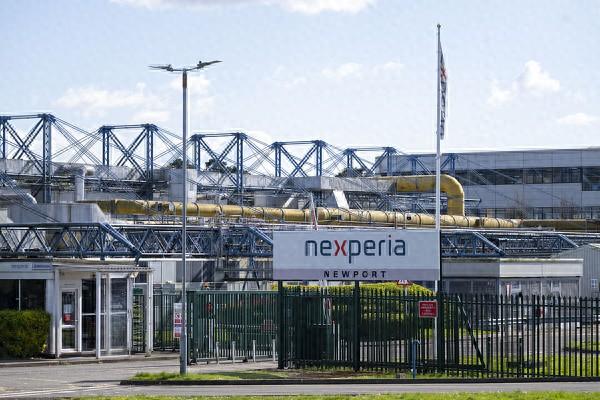
Core Viewpoint - The article discusses the disruption in the global automotive supply chain caused by the Dutch government's intervention in the semiconductor company Nexperia, highlighting the unexpected role of basic chips as leverage in geopolitical tensions between China and the West [1][3]. Group 1: Impact on Automotive Supply Chain - The Dutch government's takeover of Nexperia, a subsidiary of China's Wingtech Technology, has led to a significant chip supply crisis affecting automotive manufacturers in the US, Europe, and Japan, forcing many to adjust production plans [3][4]. - Nexperia's chips, while not cutting-edge, are produced in large quantities and are crucial for major automotive clients like BMW and Volkswagen, indicating a reliance on these components that has not been adequately addressed by manufacturers [4][5]. - The current crisis reveals a strategic vulnerability among manufacturers, as many did not prepare sufficient alternative suppliers despite previous supply chain disruptions caused by the pandemic [4][5]. Group 2: Responses and Future Considerations - The automotive industry is now considering alternative suppliers, but the testing and approval process for new components could take up to a year, complicating efforts to stabilize supply chains [7]. - Experts suggest that enhancing supply chain resilience and diversification will be costly and challenging, as many companies are accustomed to just-in-time inventory management [7]. - The Chinese Ministry of Commerce has emphasized its responsible approach to maintaining the stability of the global semiconductor supply chain, urging the Dutch government to take accountability for its actions that have led to the current turmoil [8].


社评:荷兰改变态度,希望能触动整个欧洲
Huan Qiu Wang· 2025-11-19 17:33
Core Insights - The Dutch government's decision to suspend the administrative order against ASML Semiconductor reflects a shift towards rationality in response to global supply chain pressures, signaling a positive development for the semiconductor industry [1][4][5] Group 1: Government Actions and Responses - The Dutch Minister of Economic Affairs, Kaag, announced the suspension of the administrative order against ASML Semiconductor to demonstrate goodwill and continue constructive dialogue with the Chinese government [1] - The Chinese Ministry of Commerce welcomed the Dutch decision, viewing it as a step towards resolving the underlying issues affecting the global semiconductor supply chain [1][3] Group 2: Implications for Supply Chains - The initial freezing of control over ASML Semiconductor by the Dutch government due to "national security" concerns disrupted the global automotive supply chain, leading to a chip supply crisis for manufacturers in the US, Europe, and Japan [1][2] - The suspension of intervention indicates a return to a more rational decision-making process, which is crucial for maintaining the stability of the semiconductor supply chain [4][5] Group 3: Lessons for the Dutch Government - The incident highlights that "national security" cannot be an all-encompassing justification for limiting foreign enterprises, as the backlash from the industry was more severe than anticipated [2] - The Dutch government recognized the importance of respecting the interconnectedness of technology supply chains, particularly in the case of ASML Semiconductor, which plays a critical role in global chip production [2] Group 4: Future Cooperation and Industry Dynamics - The suspension of intervention may lead to a reevaluation of risk perceptions within Europe, encouraging a more balanced approach to relations with China [4] - The event underscores the potential for cooperation between China and Europe in the semiconductor sector, indicating that there remains significant collaborative space in the foundational chip supply chain [4]
“安世客户怕再被荷兰坑,想了一招:自己去找中国工厂谈包装”
Guan Cha Zhe Wang· 2025-11-14 04:01
Core Viewpoint - The Dutch government's seizure of the Chinese semiconductor company Nexperia has led to a global chip supply crisis, particularly affecting the European automotive industry, which is struggling with supply chain disruptions due to the refusal of Nexperia's European division to supply wafers to its Chinese counterpart [1][6]. Group 1: Supply Chain Disruption - Nexperia's European customers are seeking alternative solutions to bypass the dispute between its European and Chinese operations, referred to as a "temporary patch," which involves purchasing silicon wafers directly from the European factory and shipping them to China for final packaging [1][3]. - The automotive sector is experiencing significant pressure due to chip shortages, impacting production for major companies like Volkswagen, Bosch, Continental, and Honda [3][4]. Group 2: Alternative Solutions - Nexperia (China) is exploring alternative wafer sources, including domestic Chinese semiconductor manufacturers, to mitigate supply chain disruptions [4][6]. - Other potential solutions being considered include sourcing similar chips from companies like Onsemi and STMicroelectronics [3]. Group 3: Regulatory and Diplomatic Context - The Dutch government has frozen Nexperia's assets and intellectual property for one year, which has exacerbated the supply chain crisis and drawn criticism from China [6][7]. - Dutch officials acknowledge the importance of predictable supply chains and are seeking diplomatic dialogue with China to resolve the issues surrounding Nexperia [7][8].

安世荷兰,还没恢复供货
半导体芯闻· 2025-11-13 10:28
Core Viewpoint - Despite China's agreement to lift export restrictions, European automotive manufacturers and other industrial companies are still facing a "devastating" chip shortage that could halt global production lines within weeks [2][3]. Group 1: Chip Supply Issues - Nexperia's Dutch subsidiary has not been supplying silicon wafers to its Chinese subsidiary due to ongoing tensions, impacting the production of essential automotive chips [2]. - Although some shipments of Nexperia chips have resumed following China's recent easing of export bans, the automotive industry remains in a "very severe" situation due to the strained relationship between Nexperia's Dutch and Chinese operations [2][3]. - A senior automotive executive indicated that while there are some wafer stocks in Chinese factories, the supply could be exhausted quickly if wafers from Germany and the EU are not received [2]. Group 2: Urgency for Resolution - Automotive manufacturers are urgently seeking alternative sources for chips, with a limited supply expected to last only a few weeks [3]. - The European Automobile Manufacturers Association (ACEA) welcomed China's announcement to lift export controls but emphasized that without sufficient wafer exports from the EU, the chip supply issue remains unresolved [3]. Group 3: Governance and Control Issues - The crisis stems from a power struggle over control of Nexperia, with the Dutch government taking over the company in October and forcing the departure of its Chinese CEO due to "serious corporate governance deficiencies" [4]. - Nexperia announced a suspension of direct wafer supplies to its Chinese factory, citing governance issues and unauthorized actions by its Chinese operations [4]. - The Dutch Ministry of Economic Affairs clarified that there have been no export controls imposed on Nexperia or other companies by the Netherlands or Brussels [4].

一场控制权争夺,撕裂全球半导体命脉
Tai Mei Ti A P P· 2025-11-04 02:25
Core Viewpoint - The control struggle over Nexperia, a semiconductor company, has led to a significant supply chain crisis affecting global automotive production, highlighting the geopolitical tensions between the Netherlands and China [1][10]. Group 1: Supply Chain Impact - Nexperia's production capacity has been severely disrupted, with a 30% reduction in parking space and one-third of packaging equipment idle due to wafer supply interruptions from its Dutch headquarters [1]. - Major automotive manufacturers, including Volkswagen and BMW, have halted production lines due to critical chip shortages, with the European automotive industry warning of a potential 15% reduction in production capacity if the crisis continues [7][11]. - The crisis has led to a tenfold increase in the price of basic chips, with costs exceeding 3 yuan per unit, directly impacting global automotive production plans [5][7]. Group 2: Historical Context and Acquisition - Nexperia's origins trace back to the 1920s, evolving through various ownerships, including a significant acquisition by a Chinese consortium in 2016 for $2.75 billion, which was seen as a strategic move to fill gaps in China's automotive semiconductor market [2][3]. - The acquisition by Wingtech Technology in 2019 for 34 billion yuan transformed Nexperia into a key player in the automotive semiconductor sector, significantly increasing its revenue and market share [3][4]. Group 3: Legal and Political Dynamics - The Dutch government invoked a 1952 law to freeze Nexperia's assets and remove its Chinese CEO, citing concerns over financial resource misuse and technology transfer risks [4][5]. - The legality of the Dutch court's decision has been questioned, with Wingtech asserting its rights as the 100% controlling shareholder, while the timing of the Dutch intervention aligns with U.S. pressures on Chinese management [5][6]. - The geopolitical context reveals that the Netherlands is aligning with U.S. semiconductor restrictions, reflecting broader strategic concerns about China's technological advancements [10][11]. Group 4: Future Implications and Lessons - The crisis underscores the vulnerabilities of global supply chains, particularly the reliance on a single region for critical components, prompting discussions about regional redundancy in production [13][14]. - The situation serves as a cautionary tale for Chinese companies regarding the importance of political risk assessment in overseas acquisitions, emphasizing the need for a more integrated operational approach to mitigate geopolitical risks [14][16]. - The ongoing conflict illustrates the potential for political actions to disrupt established business contracts, raising concerns about the future of international investments and the sanctity of contracts [14][15].
中美谈成后,中方腾出手来跟荷兰算账,英媒:中国成了欧洲新父母
Sou Hu Cai Jing· 2025-11-01 15:49
Group 1 - The core viewpoint of the article is that the recent easing of tariffs between China and the U.S. has left Europe in a precarious position, particularly highlighted by the Netherlands' aggressive actions against Chinese company Nexperia [1][24]. - The Netherlands has been criticized for its unilateral actions in seizing control of Nexperia, a subsidiary of Chinese company Wingtech Technology, under dubious pretexts such as "technology transfer" and "job protection" [4][24]. - The semiconductor supply chain disruption caused by the Netherlands' actions has led to significant operational halts in major European automotive companies like BMW and Volkswagen, revealing Europe's dependency on Chinese semiconductor supplies [6][26]. Group 2 - The article argues that Europe has been complacent, believing that China relies on its high-end technology, but the reality is that China's control over critical supply chains, such as rare earths and semiconductors, has put Europe in a vulnerable position [8][26]. - The U.S. is portrayed as exploiting its European allies, allowing them to become de-industrialized while failing to meet defense spending commitments, which has left Europe exposed [10][26]. - The response from Wingtech Technology to regain control over Nexperia and counter the Netherlands' actions is described as a textbook example of corporate strategy, emphasizing the shift in power dynamics [12][24]. Group 3 - The article suggests that Europe is at a crossroads, facing the choice of either continuing to rely on the U.S. or taking steps to rebuild its industrial sovereignty in the face of ongoing chip shortages and inflation [16][26]. - The historical context indicates that as China strengthens its economic ties with Europe through initiatives like the China-Europe Railway Express, Europe's inaction may lead to more severe consequences [18][26]. - The narrative concludes that the rise of China and the decline of Europe are inevitable, with the article framing the situation as a reflection of changing global power dynamics [24][26].

安世半导体出口受阻,引发全球车企芯片短缺
Guo Ji Jin Rong Bao· 2025-10-29 08:49
Core Viewpoint - The global automotive industry is facing a renewed production crisis due to a semiconductor shortage, exacerbated by the Dutch government's takeover of Nexperia, a chip manufacturer, citing national security concerns, which has led to export restrictions from China [1][2]. Group 1: Impact on Automotive Manufacturers - Honda's assembly plant in Ontario, Canada, has announced a production cut of 50% starting October 27, with plans to halt production for a week beginning October 30 [1]. - Multiple Honda "mass production" plants in North America have begun implementing emergency measures, including temporary shutdowns, in response to the semiconductor supply chain issues [2]. - Volvo's CEO highlighted that while the affected components are not strategic, their abundance means that shortages could halt production [3]. Group 2: Semiconductor Supply Chain Issues - The Dutch government invoked a law not used since 1952 to prevent Nexperia from making any adjustments to its assets or operations for one year, following China's export control measures on specific components [2]. - Nexperia generated approximately $2 billion in revenue last year, with around 60% coming from the automotive sector, indicating its significant role in the supply chain [3]. - Barclays warned that some automotive suppliers may run out of inventory in the coming days, with the chip shortage potentially impacting production as early as this week [3]. Group 3: Broader Industry Implications - The German Mechanical Engineering Industry Association (VDMA) cautioned that the impact of Nexperia's export suspension could extend beyond the automotive sector to include power generation, engineering machinery, and agricultural machinery [3]. - U.S. automakers like Ford and General Motors are in discussions with the Trump administration to find solutions before production is significantly affected [3].
芯片短缺,本田北美本周开始停工,汽车行业“停产潮”要来了?
Hua Er Jie Jian Wen· 2025-10-29 02:24
Core Insights - A geopolitical dispute over basic chips is evolving into a global supply chain crisis for automobile production [1] - Honda announced a 50% reduction in production capacity at its Alliston assembly plant in Ontario, which produces Civic sedans and CR-V SUVs [1] - The Dutch government has frozen operations of the Chinese company Nexperia, which is a subsidiary of Wingtech Technology, citing "economic security" [1][4] - This situation has led to a critical shortage of chip inventory for some automakers and suppliers, with analysts warning that the issue cannot be easily resolved through temporary procurement of substitutes [1][2][3] Industry Impact - Basic chips produced by Nexperia are not advanced semiconductors, but their widespread application in vehicles complicates the search for alternative suppliers [2] - Volvo's CEO highlighted that the issue involves hundreds of small microprocessors used in various vehicle systems, indicating that this crisis cannot be managed through simple adjustments to production plans [3] - Ford's COO warned of the need for a rapid resolution to avoid production losses in Q4, emphasizing the broader implications for the entire industry [5] - The global largest automotive supplier Bosch is preparing to adjust production plans at a German factory due to the supply chain disruptions [5] - The European Union's trade commissioner stressed the importance of restoring and securing the semiconductor supply chain for Europe and its global partners [5] Supply Chain Concerns - Barclays analysts noted that while many suppliers believe there are alternatives for basic chips, the limited inventory poses a significant challenge, with most suppliers holding only two to three weeks of stock [5] - The chip shortage could impact automotive suppliers as early as this week, and if the supply chain stagnation continues, the effects may extend beyond the automotive industry [5][6] - The German Mechanical Engineering Industry Association (VDMA) indicated that production stoppages could affect manufacturers of generators, construction machinery, and agricultural machinery [6]

芯片断供危机爆发!荷兰明抢中国资产,德国车企莫名躺枪?
电动车公社· 2025-10-25 17:29
Core Viewpoint - The article discusses the potential resurgence of a global chip crisis, triggered by a Chinese semiconductor company, Anshi Semiconductor, which has led to significant disruptions in the automotive supply chain, particularly affecting major manufacturers like Volkswagen [2][5][11]. Group 1: Impact on Automotive Industry - Volkswagen has announced production halts at major factories, impacting core models like Golf and Tiguan, indicating a severe disruption in its product line [2][5]. - The German automotive industry faces serious production limitations, with the possibility of factory shutdowns if supply interruptions are not resolved quickly [7]. - The Japanese automotive industry has confirmed potential delivery issues, with companies actively seeking solutions to mitigate the crisis [9][10]. Group 2: Anshi Semiconductor's Background - Anshi Semiconductor, originally part of NXP Semiconductors, specializes in basic non-advanced process chips crucial for automotive applications, such as electric control and safety systems [12][14][15]. - The company was acquired by Chinese firm Wentech after facing bankruptcy, transforming it into a significant player in the semiconductor supply chain [30][36]. - Post-acquisition, Anshi Semiconductor's market share and revenue significantly increased, with a nearly 60% growth in revenue and a rise in gross margin from 20% to nearly 40% [37]. Group 3: Legal and Regulatory Challenges - The Dutch government has frozen Wentech's assets and knowledge rights in Anshi Semiconductor, citing concerns over supply chain security and governance issues [40][44]. - The legal actions taken against Wentech and its CEO, Zhang Xuezheng, are seen as part of a broader geopolitical struggle involving semiconductor technology and supply chains [51][55]. - The U.S. has expanded its sanctions, complicating the operational landscape for Anshi Semiconductor, which is now at risk of being included in the U.S. entity list due to its ties with Wentech [57][59]. Group 4: Response and Future Outlook - In response to the Dutch actions, the Chinese government has implemented export controls on Anshi's operations, significantly affecting its European supply chain [61][63]. - Anshi's Chinese operations have declared independence from Dutch management, asserting their capability to maintain production standards and meet customer demands [66][70]. - The development of a new wafer factory in China positions Anshi to potentially replace its European supply chain, indicating a shift in the semiconductor landscape [72][76][80]. Group 5: Broader Implications - The crisis highlights the ongoing global competition in the semiconductor sector, which has evolved from a focus on technology to a comprehensive confrontation over supply chains and regulations [93][94]. - The European automotive industry is likely to seek alternative supply solutions to avoid future disruptions, reflecting a shift in strategy following the crisis [91][92].
SK海力士预言AI存储芯片爆发:HBM市场未来十年年增30% 定制型2030年规模达数百亿美元
智通财经网· 2025-08-11 02:24
Core Viewpoint - The market for specialized storage chips used in artificial intelligence is expected to grow at an annual rate of 30% over the next decade, reaching significant levels by 2030, despite ongoing price pressures in the sector [1][2]. Group 1: Market Growth and Demand - The global growth outlook for high bandwidth memory (HBM) chips is optimistic, driven by strong demand from end-users in the AI sector [1]. - Major cloud computing companies like Amazon, Microsoft, and Alphabet are anticipated to increase their AI investment spending, positively impacting the HBM market [1][2]. - SK Hynix's HBM business planning head indicated that the relationship between the number of AI devices installed and the procurement of Hynix memory is straightforward, suggesting a clear correlation [1]. Group 2: Strategic Changes in Storage Business - HBM technology, first introduced in 2013, utilizes vertical stacking of chips to save space and reduce energy consumption, which is crucial for handling large data volumes generated by complex AI applications [2]. - SK Hynix expects the customized HBM market to grow to several billion dollars by 2030, reflecting a significant strategic shift in the storage business [2]. - The company has reassured the market about future HBM demand, emphasizing that major tech companies are competing for investments in AI, which will drive long-term growth [2]. Group 3: Customization and Competition - There is an expectation that customers will seek more in-depth customization services beyond what SK Hynix currently offers, with only large clients like Nvidia receiving personalized services [3]. - SK Hynix is currently the main HBM supplier for Nvidia, while competitors like Samsung and Micron have smaller supply volumes [4]. - The introduction of customized logic chips in HBM products indicates a shift away from interchangeable products, enhancing competitive differentiation [2]. Group 4: Geopolitical and Export Dynamics - The U.S. plans to impose approximately 100% tariffs on semiconductor chips imported from countries that do not produce or plan to produce them in the U.S., but this policy will not affect Samsung and SK Hynix [4]. - South Korea's chip exports to the U.S. reached $10.7 billion last year, accounting for 7.5% of total chip exports, with projections indicating that exports to Taiwan for packaging will rise to 18% of total exports by 2024, a 127% increase from the previous year [4].