
AECC AP(600893)

Search documents
航发动力(600893.SH):南方公司拟向公司控股股东转让所持有航发控制不超过2500万股股票
Ge Long Hui· 2025-11-14 09:04
Core Viewpoint - The company,航发动力, announced a board meeting scheduled for November 14, 2025, to review the proposed transfer of stocks from its subsidiary, 中国航发南方工业有限公司, to other listed companies, indicating strategic moves in asset management and potential partnerships [1] Group 1 - The board meeting will be the tenth session of the eleventh board of directors [1] - The agenda includes the review of stock transfer proposals, which may impact the company's financial positioning and market strategy [1]

航发动力:南方公司拟向公司控股股东转让所持有航发控制不超过2500万股股票
Ge Long Hui· 2025-11-14 08:53
Core Viewpoint - The company has approved a proposal for its subsidiary to transfer shares to its controlling shareholder through a block trade [1] Group 1 - The company held its 11th board meeting on November 14, 2025, where the proposal was reviewed and approved [1] - The subsidiary, China Aviation Power Southern Industry Co., Ltd., plans to transfer up to 25 million shares [1] - The transfer will be conducted via a block trade to the company's controlling shareholder, China Aviation Power [1]
航发动力:子公司拟向控股股东转让不超2500万股航发控制股票
Xin Lang Cai Jing· 2025-11-14 08:46
Core Viewpoint - The company announced that its subsidiary, Southern Company, will transfer up to 25 million shares of Aviation Power to its controlling shareholder, China Aviation Power, through a block trade [1] Group 1: Company Actions - The board of directors approved the transfer of shares at the tenth meeting of the eleventh session on November 14, 2025 [1] - Southern Company currently holds 18.12 million shares of Aviation Power, accounting for 13.78% of the total share capital [1] Group 2: Financial Performance - Aviation Power reported a revenue of 5.481 billion yuan and a net profit of 755 million yuan for the year 2024 [1] - For the first nine months of 2025, the company achieved a revenue of 3.968 billion yuan and a net profit of 405 million yuan [1] Group 3: Transaction Details - The share transfer does not constitute a major asset restructuring [1] - There are risks associated with the transaction, including the possibility of it not being implemented or fully executed due to market price fluctuations [1]

视频丨我国自主研制3D打印涡喷发动机完成首次单发飞行试验
Yang Shi Xin Wen Ke Hu Duan· 2025-11-14 00:39
Core Viewpoint - The successful flight test of China's self-developed 3D-printed simplified turbojet engine marks a significant breakthrough in the engineering application of 3D-printed engines [1][3]. Group 1: Flight Test Details - The flight test lasted 30 minutes, reached an altitude of 6000 meters, and achieved a maximum speed of 0.75 Mach, with all operational parameters functioning normally [3]. - This test was the first single-engine flight test using the 3D-printed turbojet engine, demonstrating its reliability at higher altitudes and in more complex environments [3]. Group 2: Engine Design and Manufacturing - The engine utilizes 3D printing technology, with over 75% of its components manufactured through this method, significantly reducing the number of parts and achieving lightweight, high-performance design goals [5]. - This innovative design lays a solid foundation for future flights at higher altitudes and speeds [5]. Group 3: Application Prospects - The successful test indicates the engine's compatibility with various platforms such as cruise missiles, drones, and target aircraft, showcasing promising application prospects [3].

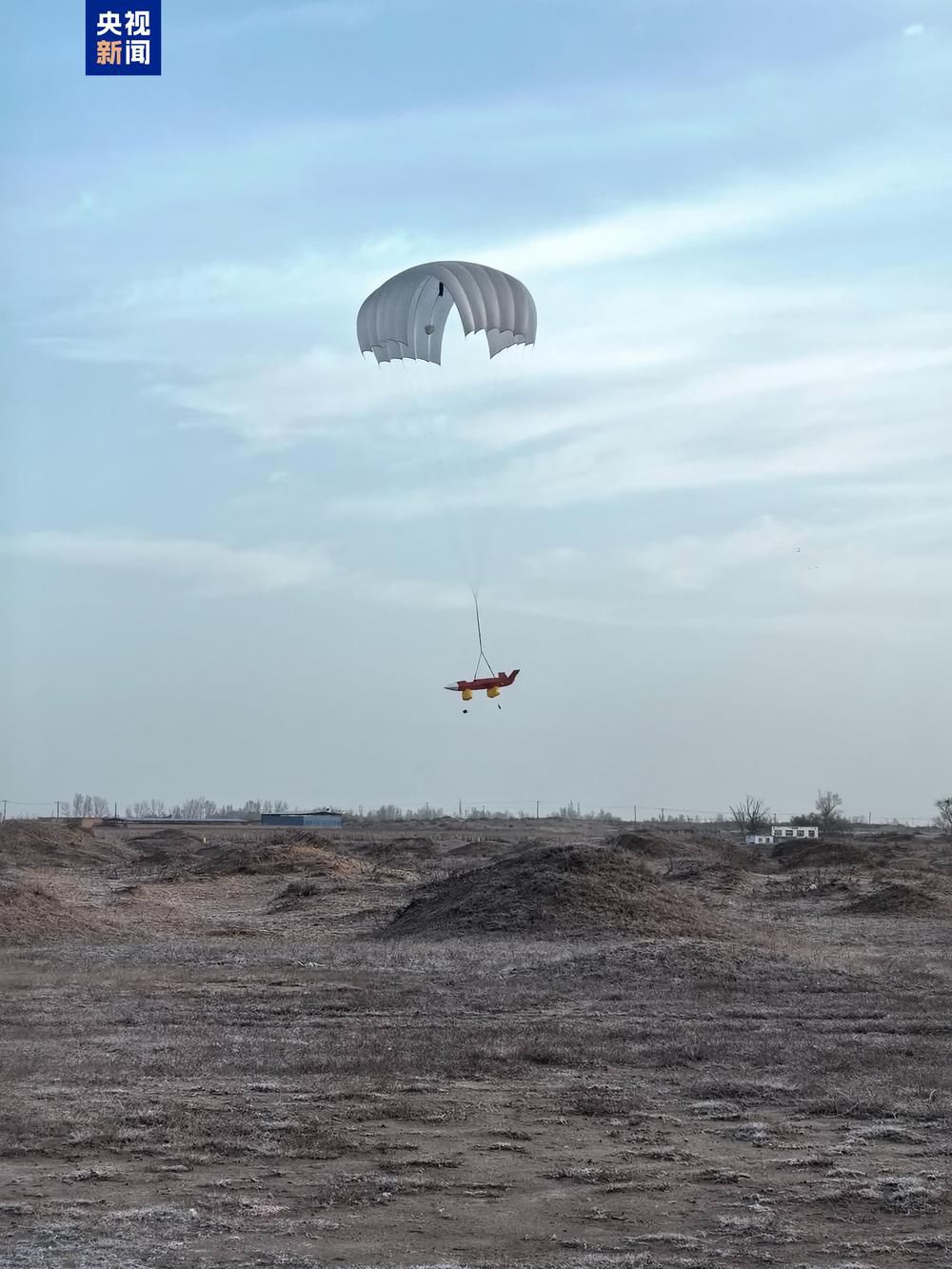
3D打印制造!这款微型涡喷发动机完成首次单发飞行试验
Bei Jing Ri Bao Ke Hu Duan· 2025-11-13 14:02
Core Insights - The China Aviation Engine Group has successfully completed the first single-engine flight test of its 3D-printed lightweight micro turbojet engine, achieving a flight duration of 30 minutes at an altitude of 6000 meters and a speed of 0.75 Mach [2] Group 1 - The successful flight test demonstrates the engine's reliability at higher altitudes and in more complex environments, validating its compatibility with aircraft and showcasing promising application prospects [2] - This engine is the first domestically developed 3D-printed lightweight micro turbojet engine with a thrust of 160 kilograms, utilizing multidisciplinary topology optimization and 3D printing technology to achieve lightweight and high-performance design goals [2] - Over three-quarters of the engine's components, including all rotor parts, are manufactured using 3D printing, resulting in reduced part count, lighter weight, and simplified maintenance [2] Group 2 - With ongoing design optimization and deeper application of 3D printing technology in the aviation engine sector, the development cycle for engines is expected to shorten, accelerating China's independent research and manufacturing of aviation power [3]
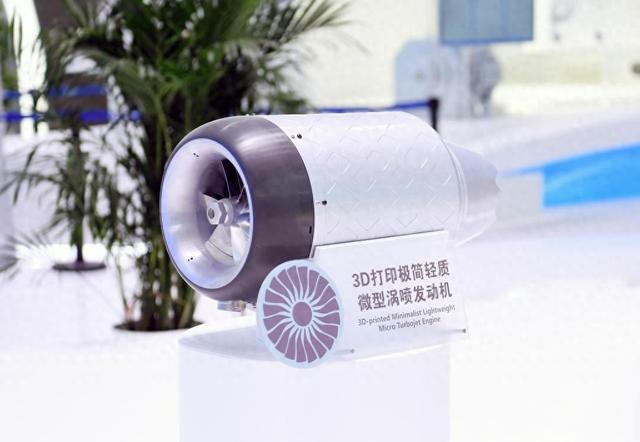
我国自主研制,完成首次试验
中国能源报· 2025-11-13 12:08
Core Viewpoint - The successful flight test of China's self-developed 3D-printed turbojet engine marks a significant breakthrough in the engineering application of 3D-printed engines [1]. Group 1: Flight Test Details - The flight test lasted 30 minutes, reached an altitude of 6000 meters, and achieved a maximum speed of 0.75 Mach, with all operational parameters functioning normally [3]. - This test represents the first single-engine flight test of the self-developed 3D-printed turbojet engine, confirming its operational reliability [3]. Group 2: Engine Development and Applications - The engine's reliability has been further validated for higher altitudes and more complex environments, demonstrating its compatibility with various platforms such as cruise missiles, drones, and target aircraft [4]. - Over 75% of the engine's components are manufactured using 3D printing technology, significantly reducing the number of parts and achieving lightweight, high-performance design goals [6].
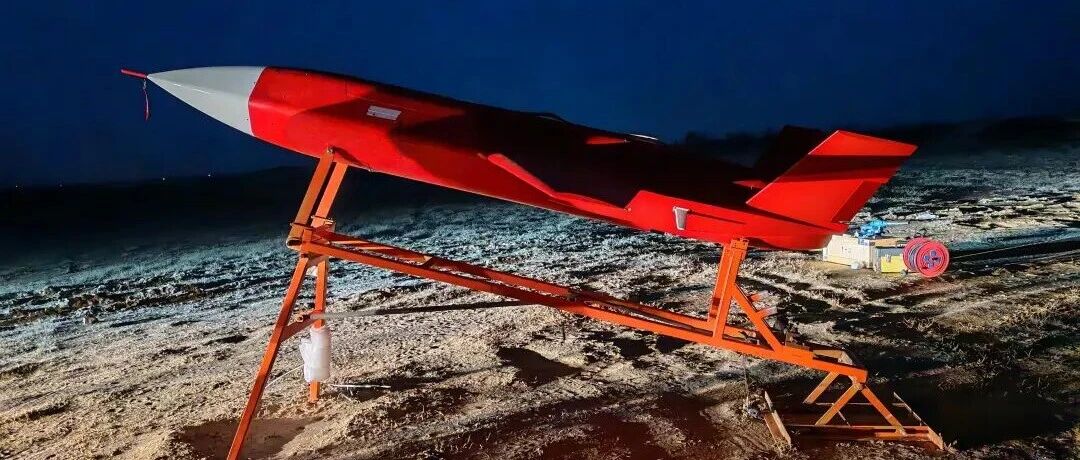
想不到吧!3D打印涡喷发动机完成首次单发飞行试验 应用前景广阔
Yang Shi Wang· 2025-11-13 08:05
Core Viewpoint - The successful completion of the first single-engine flight test of the 3D-printed simplified turbojet engine by China Aviation Engine Group marks a significant breakthrough in the engineering application of 3D-printed engines [1][3]. Group 1: Flight Test Details - The flight test lasted 30 minutes, reached an altitude of 6000 meters, and achieved a maximum speed of 0.75 Mach, with all operational parameters functioning normally [1]. - This test demonstrates the engine's reliability at higher altitudes and in more complex environments, validating its compatibility with various platforms such as cruise missiles, drones, and target aircraft [3]. Group 2: Engine Manufacturing and Design - The engine utilizes 3D printing technology, with over 75% of its components manufactured using this method, significantly reducing the number of parts and achieving lightweight, high-performance design goals [5]. - This design lays a solid foundation for future flights at higher altitudes and speeds [5]. Group 3: Future Plans - The company plans to focus on two main areas: conducting more challenging flight tests to verify adaptability in extreme environments and expanding the range of flight platforms [7]. - Additionally, there is an emphasis on optimizing mass production processes to transition from technical success to product success [7].
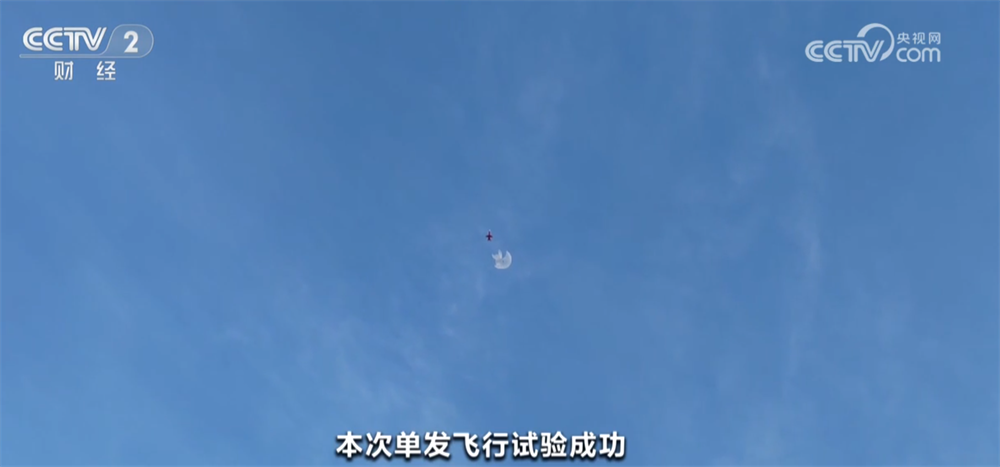
我国3D打印涡喷发动机,单发首飞成功!
Huan Qiu Wang· 2025-11-13 07:39
Core Viewpoint - The successful flight test of the 3D-printed simplified turbojet engine developed by China Aviation Engine Group marks a significant breakthrough in the engineering application of 3D-printed engines [1][3]. Group 1: Flight Test Details - The flight test lasted 30 minutes, reached an altitude of 6000 meters, and achieved a maximum speed of 0.75 Mach, with all operational parameters functioning normally [3]. - This test was the first single-engine flight test of the domestically developed 3D-printed turbojet engine, demonstrating its reliability at higher altitudes and in more complex environments [3]. Group 2: Engine Design and Manufacturing - The engine utilizes 3D printing technology, with over 75% of its components manufactured using this method, significantly reducing the number of parts and achieving lightweight, high-performance design goals [5]. - This design lays a solid foundation for future flights at higher altitudes and speeds [5]. Group 3: Application Prospects - The successful test indicates that the engine can provide new power solutions for platforms such as cruise missiles, drones, and target aircraft, showcasing promising application prospects [3].
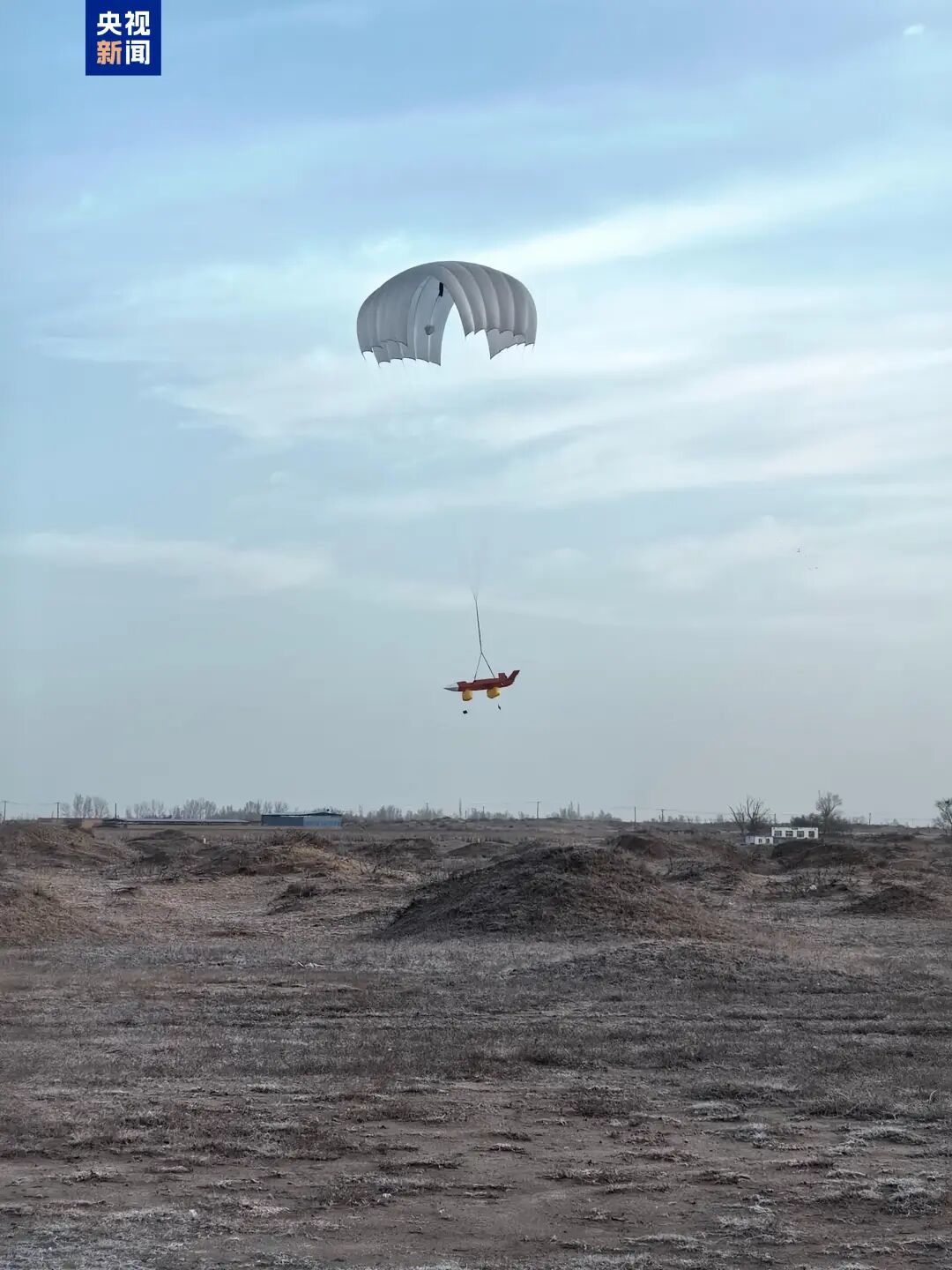
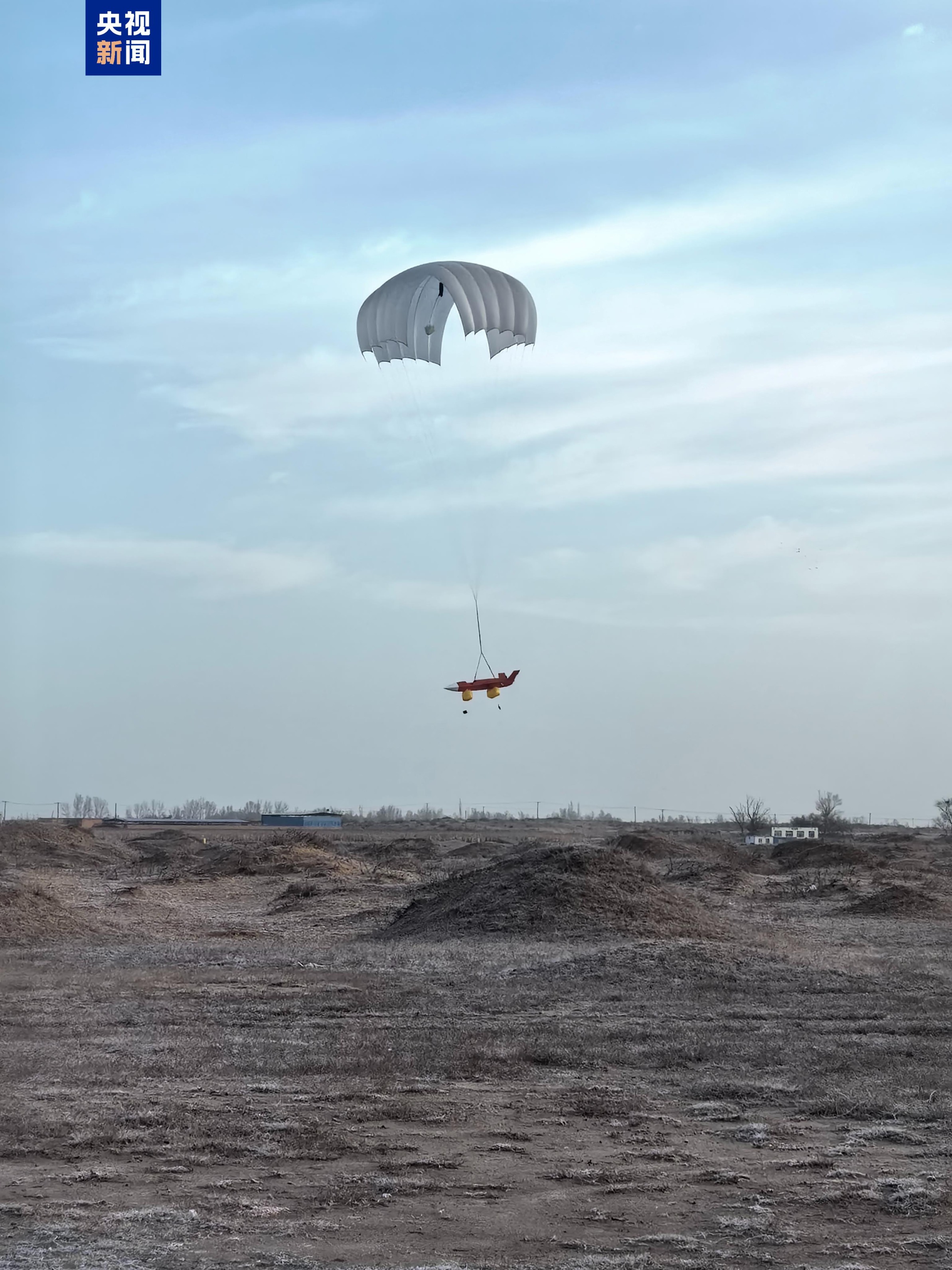
我国自主研制3D打印涡喷发动机完成首次单发飞行试验
Yang Shi Xin Wen· 2025-11-13 06:05
Core Points - The successful flight test of the 3D-printed simplified turbojet engine marks a significant breakthrough in the engineering application of 3D-printed engines [1][4] - The flight lasted 30 minutes, reached an altitude of 6000 meters, and achieved a maximum speed of 0.75 Mach, demonstrating the engine's reliability in complex environments [4] Summary by Categories Flight Test Details - The flight test lasted for 30 minutes and reached an altitude of 6000 meters with a maximum speed of 0.75 Mach [4] - The engine operated under full conditions with no abnormal parameters reported, successfully completing the first single-engine flight test [4] Engine Technology and Design - The engine is primarily manufactured using 3D printing technology, with over 75% of its components produced through this method, significantly reducing the number of parts [4] - This design approach has achieved lightweight and high-performance goals, laying a solid foundation for future flights at higher altitudes and speeds [4] Application and Future Prospects - The successful test indicates improved reliability of the engine in higher altitudes and complex environments, validating its compatibility with various platforms such as cruise missiles, drones, and target aircraft [4] - The engine presents promising application prospects as a new power solution for these platforms [4]
25Q3各板块盈利能力迎来拐点且多项指标已回暖,看好新质新域与军贸方向
Orient Securities· 2025-11-13 02:51
Investment Rating - The report maintains a "Positive" outlook on the defense and military industry, indicating a turning point in profitability and growth potential [6][4]. Core Insights - The military industry is expected to enter a new growth cycle driven by the initiation of the "14th Five-Year Plan" equipment construction, military trade, and commercial aerospace advancements [2][3]. - The overall revenue for the military sector increased by 3.07% year-on-year in the first three quarters of 2025, while net profit attributable to shareholders decreased by 9.89%, showing a narrowing decline compared to the previous year [6][11]. - Key segments such as components, sub-systems, and assembly levels have shown signs of recovery, with revenue growth turning positive for the first time since 2021 [18][25]. Summary by Sections 1. Performance Analysis - In Q3 2025, revenue growth rates for components, sub-systems, and assembly levels were 8.30%, 3.37%, and 1.16% respectively, marking a positive shift from negative growth in 2024 [18][19]. - The net profit for the components level increased by 6.94% year-on-year, while sub-systems and assembly levels saw declines of 28.98% and 19.48% respectively [18][23]. 2. Cash Flow Improvement - The cash flow from operations for sub-systems and assembly levels improved, while components faced temporary pressure [40][42]. - The sales collection ratio for assembly levels rose significantly by 23.23 percentage points to 92.50% in Q3 2025, indicating better cash flow management [40][41]. 3. Prepayments and Inventory - Prepayments (including contract liabilities) across all levels showed an upward trend, with assembly levels increasing by 21.85% to 63.345 billion yuan [48][49]. - Inventory levels for components, sub-systems, and assembly increased by 12.57%, 8.81%, and 19.82% respectively, suggesting a positive outlook for future performance [53][54]. 4. Segment Performance - The weaponry segment led revenue growth with a remarkable 27.52% increase, while the aerospace segment grew by 6.17% and the information technology segment by 5.37% [35][36]. - The information technology segment achieved a net profit growth rate of 136.38%, indicating strong performance and future growth potential [36][39].


