SA(601021)

Search documents
春秋航空春运新增北京直飞揭阳航线 助力华北旅客直达潮汕烟火秘境
Zhong Guo Min Hang Wang· 2026-01-22 07:27
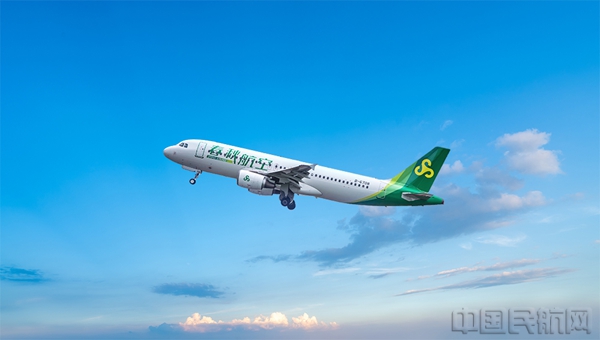
揭阳作为潮汕文化的核心发祥地之一,是通往汕头、潮州等粤东热门旅游目的地的关键枢纽。在1.25平 方公里的揭阳古城内,进贤门的晨晖、学宫的红墙黛瓦诉说着南宋以来的岁月更迭;思贤路、中山路骑 楼街的老商铺里,工夫茶的香气袅袅不绝;黄满寨瀑布群以三百多米的五级落差造就"岭南第一瀑"的清 幽胜景,神泉古镇的渔港日落勾勒出800年海港的原生风貌。揭阳更是"舌尖上的潮汕"典型代表。传承 四代的隆江猪脚饭上,胶质丰腴的猪脚浸润香浓卤汁,令人一口难忘;现切的吊龙、五花趾在牛肉火锅 清汤里涮煮三秒便尽显本味,搭配灵魂沙茶酱堪称绝配。此外,还有粿汁、蚝烙、鸭母捻等特色小吃, 以及清甜解腻的草粿、胶啰糍等古早甜品,每一口都是地道的潮汕风味。 目前,北京直飞揭阳的航班已全面开启销售。春秋航空表示,将持续优化服务流程、提升运营质量,以 高频次、高性价比的航线布局,为华北与粤东地区的人员往来、文化交流与经济互动注入新活力,为旅 客提供更加多元、便捷的出行选择。(编辑:陈虹莹 校对:李佳洹 审核:韩磊) (春秋航空供图) 该航线计划运营至3月28日,采用天天班的运营模式,航班号为9C7161/7162。其中,北京至揭阳段 (9C7161) ...


春秋航空2月2日将新开北京直飞揭阳航线
Bei Jing Shang Bao· 2026-01-22 07:20
(文章来源:北京商报) 据了解,该航线计划从2026年2月2日运营至2026年3月28日,每天一班,航班号为9C7161、9C7162。其 中,北京至揭阳段(9C7161)上午10:00从北京大兴国际机场起飞,13:10抵达揭阳潮汕国际机场,飞行 时间约3小时10分钟;揭阳至北京段(9C7162)下午13:00从揭阳潮汕国际机场起飞,16:00返回北京大 兴国际机场,全程约3小时。 北京商报讯1月22日,记者从春秋航空获悉,2026年2月2日起,春秋航空将正式开通北京直飞揭阳的往 返航线。此航线将为前往广东揭阳的北京及周边地区旅客提供"朝发午至"的直飞选择,无需再经中转绕 行。 ...
交通运输物流行业2025年12月航空数据点评:国内客座率涨幅扩大,看好国际航线2026年继续扩张
Guolian Minsheng Securities· 2026-01-21 13:38
Investment Rating - The report maintains a "Buy" rating for major airlines, including China National Aviation (China Air), China Eastern Airlines, Southern Airlines, and others, based on their projected earnings growth and favorable market conditions [2][3]. Core Insights - The domestic passenger load factor has increased significantly, reaching a historical high of 85.7% in December 2025, with a year-on-year increase of 2.4 percentage points [7][10]. - The international passenger load factor has shown a slight increase, but the growth rate has slowed due to disruptions in the Japanese route, with December figures reflecting a year-on-year increase of 0.9 percentage points [14][15]. - The overall industry demand growth continues to outpace supply growth, with a combined ASK/RPK increase of 6.6% and 9.1% respectively for the six listed airlines in December [7][10]. Summary by Sections 1. December International Supply and Demand Trends - The demand growth in December 2025 exceeded supply growth, with both domestic and international load factors reaching historical highs [10][11]. - The domestic routes saw a supply increase of 4.2% in ASK and a demand increase of 7.2% in RPK, while international routes experienced a 12.0% increase in ASK and a 13.3% increase in RPK [7][14]. 2. Aircraft Introductions and Fleet Growth - The total fleet of the six airlines increased by 0.4% in December, with a net addition of 14 aircraft, bringing the total to 3,386 [22][24]. - The A320 series was the primary aircraft introduced, with significant contributions from China National Aviation and Southern Airlines [22][27]. 3. Investment Recommendations - The report suggests that the tight supply-demand relationship in domestic routes will lead to a moderate increase in ticket prices in 2026, supported by regulatory measures to address low pricing [7][11]. - The international routes are expected to benefit from increased inbound tourism, with airlines like China Eastern Airlines and Spring Airlines positioned to gain from this trend [7][15].





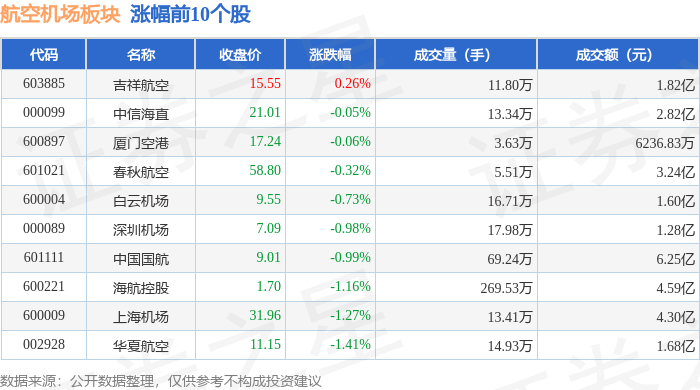
航空机场板块1月21日跌1.17%,中国东航领跌,主力资金净流出8483.06万元
Zheng Xing Xing Ye Ri Bao· 2026-01-21 08:54
Core Viewpoint - The aviation and airport sector experienced a decline of 1.17% on January 21, with China Eastern Airlines leading the drop, while the Shanghai Composite Index rose by 0.08% and the Shenzhen Component Index increased by 0.7% [1]. Group 1: Market Performance - The closing price of China Eastern Airlines was 6.22, reflecting a decrease of 2.20% with a trading volume of 1,109,700 shares and a transaction value of 6.95 million [2]. - The aviation and airport sector saw a net outflow of 84.83 million from major funds, while retail investors experienced a net outflow of 10.9 million, and speculative funds had a net inflow of 194 million [2][3]. Group 2: Individual Stock Performance - China National Aviation (China National Airlines) had a net outflow of 22.99 million from major funds, with a net inflow of 5.52 million from speculative funds and a net outflow of 28.51 million from retail investors [3]. - Xiamen Airport reported a net outflow of 2.03 million from major funds, while speculative funds had a net inflow of 1.35 million, and retail investors saw a net inflow of 0.68 million [3]. - Shenzhen Airport experienced a net inflow of 12.93 million from major funds, with a net inflow of 2.77 million from speculative funds and a net outflow of 15.69 million from retail investors [3].

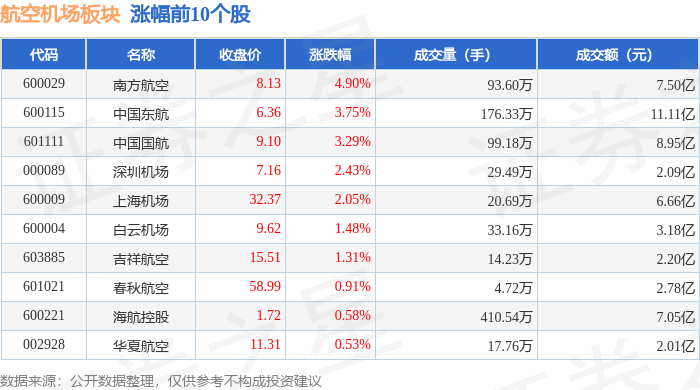
航空机场板块1月20日涨2.53%,南方航空领涨,主力资金净流入1.37亿元
Zheng Xing Xing Ye Ri Bao· 2026-01-20 08:51
Core Viewpoint - The aviation and airport sector experienced a notable increase of 2.53% on January 20, with Southern Airlines leading the gains, while the overall stock market indices showed slight declines [1]. Group 1: Market Performance - The Shanghai Composite Index closed at 4113.65, down 0.01%, and the Shenzhen Component Index closed at 14155.63, down 0.97% [1]. - Southern Airlines saw a closing price of 8.13, with a rise of 4.90%, and a trading volume of 936,000 shares, resulting in a transaction value of 750 million yuan [1]. - China Eastern Airlines closed at 6.36, up 3.75%, with a trading volume of 1,763,300 shares and a transaction value of 1.111 billion yuan [1]. Group 2: Individual Stock Performance - China National Aviation Holdings closed at 9.10, increasing by 3.29%, with a trading volume of 991,800 shares and a transaction value of 895 million yuan [1]. - Shenzhen Airport's closing price was 7.16, up 2.43%, with a trading volume of 294,900 shares and a transaction value of 209 million yuan [1]. - Shanghai Airport closed at 32.37, rising by 2.05%, with a trading volume of 206,900 shares and a transaction value of 666 million yuan [1]. Group 3: Capital Flow - The aviation and airport sector saw a net inflow of 137 million yuan from main funds, while retail investors experienced a net outflow of 1.22 billion yuan [2]. - Southern Airlines had a net outflow of 57.22 million yuan from main funds, with retail investors also showing a net outflow of 38.10 million yuan [3]. - Shanghai Airport recorded a net inflow of 45.37 million yuan from main funds, while retail investors had a net outflow of 34.33 million yuan [3].


航空迎来黄金时代系列报告:航空“反内卷”初见成效
Shenwan Hongyuan Securities· 2026-01-20 07:37
Investment Rating - The report maintains a positive outlook on the aviation industry, indicating it is entering a "golden era" with an investment rating of "Overweight" [2][3]. Core Insights - The National Civil Aviation Work Conference emphasized "quality improvement and efficiency enhancement," with initial signs of reducing "involution" in the industry. The 2026 targets include a total transport turnover of 1,750 billion ton-kilometers, 810 million passenger transport, and 10.7 million tons of cargo, representing year-on-year growth of 6.7%, 5.2%, and 5.2% respectively [3]. - The global aircraft supply chain remains unhealed, with an aging fleet exacerbating supply constraints. Airbus plans to deliver 793 aircraft in 2025, while Boeing aims for 600, both below pre-pandemic levels. The backlog exceeds 15,000 aircraft, and the delivery cycle has extended to 6.8 years, leading to prolonged service of older models [3]. - Demand is bolstered by visa exemption policies, driving an increase in inbound travelers. The proportion of foreign visitors entering China under visa exemptions has stabilized above 70%. The upcoming Spring Festival is expected to see a daily average of 5.3% growth in passenger volume, with ticket prices projected to rise by 20% compared to the previous year [3]. - The report recommends continued investment in the aviation sector, highlighting the unprecedented constraints in aircraft manufacturing, high passenger load factors, and the growth of inbound and outbound travel. Key companies recommended include China Eastern Airlines, China Southern Airlines, Air China, Spring Airlines, Huaxia Airlines, and Juneyao Airlines [3]. Summary by Sections Supply Side - The global aircraft supply chain is still recovering, with significant delivery delays and an aging fleet leading to supply constraints. The total number of passenger aircraft in China is projected to grow by only 4% in 2025, with a peak in retirements expected by 2030 [3]. Demand Side - The implementation of visa exemption policies is expected to significantly increase the number of inbound travelers, with international routes becoming the main driver of demand growth in 2026. The Spring Festival is anticipated to show a notable increase in both volume and pricing [3]. Investment Recommendations - The report suggests a strong investment in the aviation sector, citing the current supply constraints and the potential for significant improvements in airline profitability. Specific airlines and global aircraft leasing companies are highlighted as key investment opportunities [3][4].
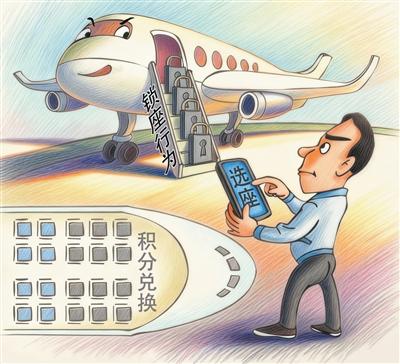
10家航司经济舱均存在锁座行为,春秋深航超半数座位被锁
Mei Ri Jing Ji Xin Wen· 2026-01-20 04:32
Core Insights - The article discusses the prevalent practice of airlines locking certain economy class seats, which limits consumer choice and is seen as a method for airlines to increase revenue through service tier differentiation [1][2] Group 1: Airline Practices - A survey conducted by the Jiangsu Consumer Protection Committee revealed that none of the 10 major airlines fully open all economy class seats for selection, indicating that seat locking has become a common practice in civil aviation services [1] - The airlines surveyed include Eastern Airlines, Southern Airlines, Air China, Hainan Airlines, Xiamen Airlines, Shenzhen Airlines, Shandong Airlines, Sichuan Airlines, Spring Airlines, and Juneyao Airlines [1] Group 2: Seat Locking Statistics - The proportion of locked seats during the purchasing phase varies significantly among the surveyed airlines, ranging from 19.9% to 62.1%, with an average of 38.7% [1] - Specific routes with high seat locking include Spring Airlines' "Nanjing-Lanzhou" route, which has over 60% of economy seats locked, and Shenzhen Airlines' "Shenzhen-Zhanjiang" route, with over 50% locked [1] Group 3: Consumer Concerns - Consumers have raised questions regarding the reasons for seat locking, the extent of locked seats, unlocking methods, and related rules, but airline customer service responses have been vague regarding these issues [2]
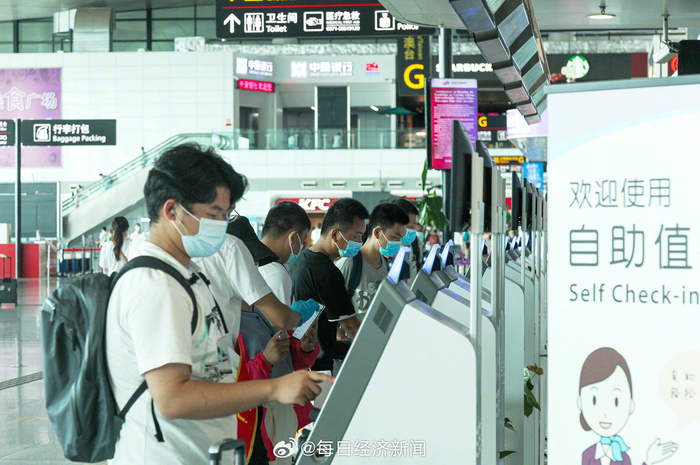
春运开售引爆旅游板块,社保基金重仓股抢滩“假期股”
Huan Qiu Wang· 2026-01-20 03:50
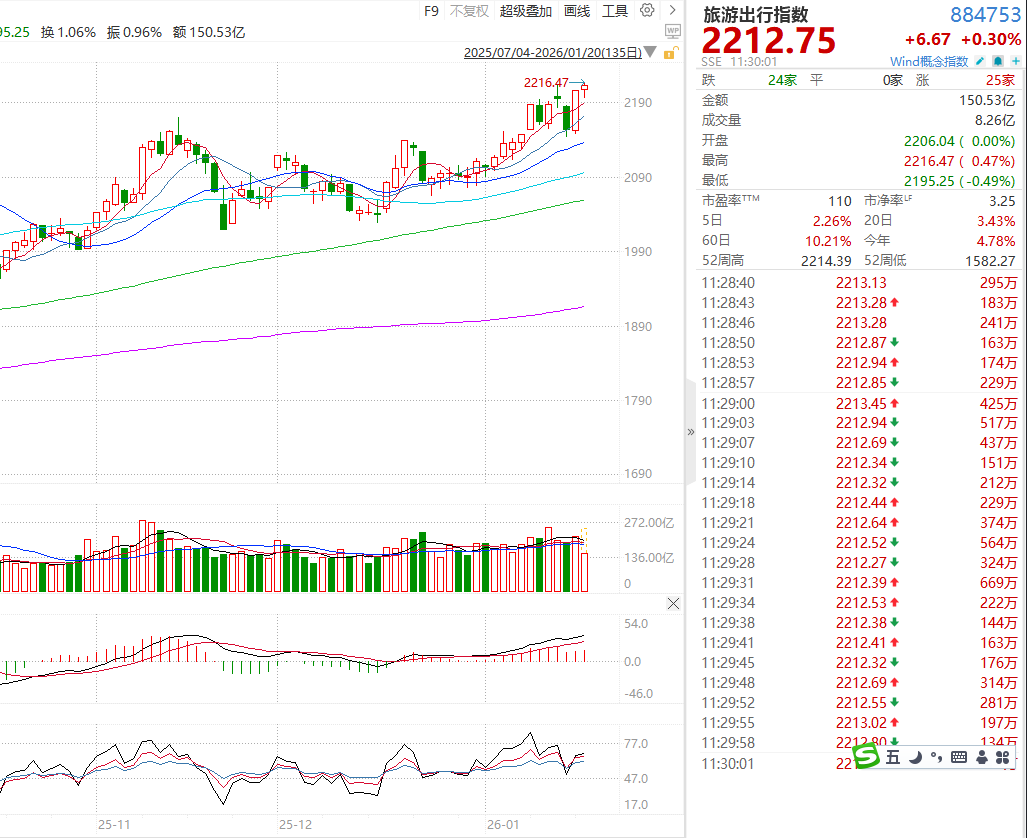
Core Viewpoint - The tourism and travel sector in the A-share market is experiencing a significant rally ahead of the 2026 Spring Festival, driven by strong demand and favorable policies [1][3]. Group 1: Market Performance - On January 19, 2026, the Wind tourism index surged by 2.5%, with major stocks like Dalian Shengya and Jiuhua Tourism hitting the daily limit [1]. - Key stocks such as Junting Hotel, Three Gorges Tourism, and China Duty Free saw gains exceeding 5%, while others like Jinjiang Hotel and Tianmu Lake rose over 4% [1]. - The overall market sentiment is bullish, indicating a preemptive warming of the Spring Festival market [1]. Group 2: Demand Drivers - The 2026 Spring Festival holiday, lasting from February 15 to 23, is expected to boost travel demand significantly, with a projected 5.39 billion passengers during the 40-day railway Spring Festival travel period, a 5% increase year-on-year [1][3]. - Domestic flight ticket bookings for the Spring Festival have surpassed 4.13 million, with a daily growth rate of approximately 21% [1][3]. - The trend of "reverse Spring Festival travel" is emerging, with a 35% year-on-year increase in ticket bookings for parents traveling to their children's workplaces for the holiday [1]. Group 3: Policy Support - Continuous policy support has been crucial for the recovery of the tourism sector, with multiple government initiatives aimed at boosting consumption and expanding travel services [3]. - In 2025, domestic tourism saw 4.998 billion trips, an 18% increase, with total spending reaching 4.85 trillion yuan, up 11.5% [3]. - The tourism market is expected to grow by 10% in 2025, driven by sustained leisure travel demand and experiential consumption [3]. Group 4: Institutional Investment - Institutional interest in the tourism sector is rising, with 25 out of 55 A-share tourism stocks receiving ratings from five or more institutions [3][4]. - The National Social Security Fund has invested heavily in eight tourism stocks, with a total market value of 3.094 billion yuan, favoring airlines and duty-free operators [4]. - Spring Airlines reported a 23.68% year-on-year increase in available ton-kilometers in December 2025, indicating strong operational recovery [4]. Group 5: Future Outlook - The upcoming Spring Festival is expected to lead to a peak in tourism consumption, benefiting related companies [4]. - Long-term prospects for the tourism sector are bolstered by the implementation of duty-free policies, recovery of international routes, and ongoing service consumption policies [4]. - Investors are advised to focus on leading companies in the duty-free, airline, and premium scenic spot sectors that are likely to benefit from consumption upgrades and policy advantages [4].

江苏省消保委调查10家主流航司 机票锁座比例最高达62.1%
Ren Min Ri Bao· 2026-01-20 01:04
Core Viewpoint - The practice of charging for seat selection in airlines is seen as a method to increase revenue by locking premium seats, which raises concerns about consumer rights and fair trading [1] Group 1: General Findings - The survey conducted by Jiangsu Consumer Protection Committee revealed that all 10 selected domestic airlines have implemented seat locking practices, with no airline fully opening all economy class seats [2] - The average seat locking rate across the surveyed routes is 38.7%, with some airlines like Spring Airlines and Shenzhen Airlines exceeding 60% and 50% respectively [2] Group 2: Payment for Unlocking Seats - Many airlines require consumers to use miles or membership points to unlock preferred seats, with specific examples showing that certain seats can require up to 2000 points for unlocking [3] - Some airlines have introduced additional paid options for purchasing points or miles, further pushing consumers towards paid unlocking methods [3] Group 3: Lack of Transparency - Airlines provided vague explanations for seat locking, citing reasons such as reserving seats for special passengers or maintaining flight balance, which do not align with the high locking rates observed [4][5] - Customer service responses were often unclear, failing to provide solid justifications for the locking practices [5] Group 4: Unfair Terms - The seat selection agreements of the airlines contain unfair terms, lacking clear communication about locking rules and fees, which may infringe on consumer rights [6] - Airlines are currently evaluating their policies to balance revenue optimization with consumer rights and improve transparency in seat selection information [6]
10家航司机票锁座比例最高达62.1%,飞机锁座收费合理吗?
Bei Jing Ri Bao Ke Hu Duan· 2026-01-19 23:37
Core Viewpoint - The investigation by Jiangsu Consumer Protection Committee reveals that the practice of locking seats by airlines is widespread and raises concerns about consumer rights and transparency in the airline industry [3][4]. Group 1: Investigation Findings - The survey included 10 major domestic airlines, all of which confirmed the existence of seat locking practices, with no airline fully opening all economy class seats [4]. - The average seat locking ratio across the surveyed airlines is 38.7%, with some routes showing locking ratios as high as 62.1%, such as Spring Airlines' "Nanjing-Lanzhou" route [4]. - Preferred seating areas, such as front rows and exit rows, are commonly included in the locked categories, with higher fees or points required for unlocking these seats [4]. Group 2: Payment and Redemption Issues - Some airlines require consumers to use miles or membership points to unlock preferred seats, with specific examples showing redemption thresholds of 2000 points for premium seats [5]. - Airlines have introduced additional paid options for purchasing points or miles, further pushing consumers towards paid unlocking methods [6]. Group 3: Transparency and Communication - Airlines provided vague explanations for seat locking, citing reasons like reserving seats for special passengers or maintaining flight balance, which contradicts the high locking ratios observed [7]. - Customer service responses were often unclear, failing to provide satisfactory explanations for the locking practices, which raises concerns about consumer rights [7]. Group 4: Unfair Terms and Conditions - The seat selection agreements of the airlines contain unfair terms, lacking clear communication about locking rules and fees, which may infringe on consumer rights [8]. - Airlines often use ambiguous language in their agreements, avoiding the disclosure of free seat availability and locking practices, which benefits the airlines at the expense of consumer transparency [8].