PICC(601319)

Search documents
A股异动丨风险因子下调,保险股走强,中国平安涨2.6%领涨
Ge Long Hui A P P· 2025-12-08 02:14
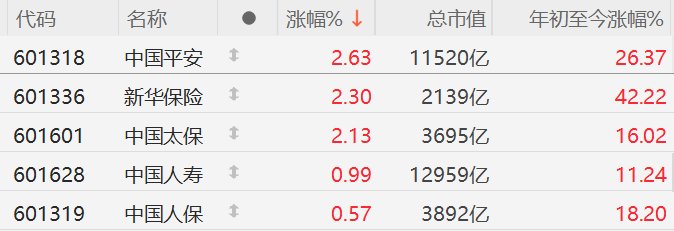
Core Viewpoint - The A-share market's insurance stocks have shown strong performance, driven by regulatory changes that lower risk factors for long-term equity holdings by insurance companies, encouraging long-term capital investment [1][2]. Group 1: Market Performance - Insurance stocks collectively strengthened, with China Ping An leading the gains at 2.6%, followed by New China Life and China Pacific Insurance, both rising over 2% [1]. - Year-to-date performance shows significant increases, with China Ping An up 26.37%, New China Life up 42.22%, and China Pacific Insurance up 16.02% [2]. Group 2: Regulatory Changes - The National Financial Regulatory Administration announced a policy on December 5, 2025, adjusting risk factors for insurance companies holding specific A-shares for a certain period, which will positively impact their solvency ratios [1]. - This policy is seen as a measure to encourage long-term capital into the market, providing additional incentives for insurance companies to increase equity allocations [1]. Group 3: Industry Outlook - CICC's report anticipates a "golden era" for the life insurance industry by 2026, with a more positive trend in liabilities and a shift in investment logic towards valuing growth capabilities [1]. - High-quality life insurance companies are expected to regain their valuation targets, with P/EV ratios projected to exceed 1.0x [1].



中信建投期货在烟台落地生猪“保险+期货”项目
Qi Huo Ri Bao Wang· 2025-12-08 02:11
本报讯 为深入贯彻落实乡村振兴战略,深化金融服务实体经济能力,近期,在大商所的大力支持下, 中信建投期货联合中国人保财险烟台市分公司,在山东省烟台市牟平区相继落地两批次大商所"农保计 划"生猪饲料养殖专项"保险+期货"项目。 项目旨在发挥期货工具优势,为烟台市牟平区养殖户化解在栏生猪包括价格下跌在内的综合养殖风险, 保障养殖收益。两批次项目总金额为2736.02万元,为当地养殖户在养的20046头生猪提供风险保障。 近年来,"保险+期货"业务模式更加丰富,越来越多的农户从这一创新金融服务中受益。中信建投期货 将始终牢记初心,践行企业社会责任,利用期货工具更好服务我国广大农村地区经济发展。(鲍仁) ...

看好证券保险岁末年初行情!
2025-12-08 00:41
看好证券保险岁末年初行情!20251207 摘要 监管鼓励券商整合,支持并购重组,旨在提升行业集中度和竞争力,头 部券商如国泰海通的并购案例显示出规模效应,预示行业整合加速。 监管提倡价值竞争,转变过去的价格竞争模式,通过提供高质量服务获 客,稳定费率,促进券商行业健康发展,公募基金费率改革已落地,券 商轻资产业务费率预期触底。 险资偿付能力新规调整风险因子,降低了沪深 300、科创板股票及出口 信用保险业务的风险权重,支持长期资金入市,缓解了中小保险公司的 资本补充压力。 截至 2025 年 9 月末,险资二级市场权益配置规模达 5.59 万亿元,较 2024 年末增加 1.49 万亿元,配置比例接近 15%,提升 2.6 个百分点, 险资入市进程超预期。 调降股票投资风险因子预计为 A 股上市险企带来 789 亿元的股票增配空 间,并优化最低资本 200 亿元,核心和综合偿付能力充足率平均提升 1.5 和 2.1 个百分点。 末已大幅消除。此外,中金办理发行股份收购信达中心等并购事件也推动了整 个板块的表现。 吴清主席强调监管逐步回暖,并充分肯定过去四年多来证券公 司的整体发展,包括总资产、净资产及服务实 ...





12月8日投资早报|中国人保副总裁于泽涉嫌严重违纪违法被查,沐曦股份网上发行最终中签率为0.03348913%,今日两只新股申购
Xin Lang Cai Jing· 2025-12-08 00:36
Market Performance - On December 5, 2025, the A-share market saw all three major indices close higher, with the Shanghai Composite Index at 3902.81 points, up 0.7%, the Shenzhen Component Index at 13147.68 points, up 1.08%, and the ChiNext Index at 3109.3 points, up 1.36%. Over 4300 stocks rose, with total trading volume reaching 1.73 trillion yuan, an increase of 170 billion yuan from the previous trading day [1] - The Hong Kong stock market also closed positively, with the Hang Seng Index rising 0.58% to 26085.08 points and the Hang Seng Tech Index up 0.84% to 5662.46 points, with a total trading volume of 210.47 billion HKD [1] - In the U.S. stock market, all three major indices closed higher but did not reach historical highs, with the S&P 500 up 0.19% to 6870.4 points, the Nasdaq Composite up 0.31% to 23578.13 points, and the Dow Jones Industrial Average up 0.22% to 47954.99 points [1] New Stock Offerings - Two new stocks are available for subscription today: - Nabai Chuan (创业板, code 301667) with an issue price of 22.63 yuan per share and a price-to-earnings ratio of 28.7. The company focuses on thermal management products for new energy vehicle batteries and has leading market positions in China, serving major manufacturers like Tesla and NIO [2] - Youxun Co., Ltd. (科创板, code 688807) with an issue price of 51.66 yuan per share and a price-to-earnings ratio of 60.27. The company specializes in high-speed transceiver chips for optical communication and provides solutions for various sectors including 5G and data centers [2] Regulatory Updates - The Financial Regulatory Bureau has announced adjustments to the risk factors related to stock investments by insurance companies to enhance their role as patient capital. This includes adjustments to risk factors for investments in stocks and export credit insurance, encouraging insurance companies to support foreign trade enterprises and improve long-term investment management capabilities [3] - The National Healthcare Security Administration and the Ministry of Human Resources and Social Security have issued a new drug directory for basic medical insurance, maternity insurance, and work injury insurance, effective January 1, 2026. The new directory will replace the previous version and requires strict adherence by local authorities [4]
垣信卫星牵手空客,发力低轨卫星飞机互联;我国成功发射卫星互联网低轨14组卫星——《投资早参》
Mei Ri Jing Ji Xin Wen· 2025-12-08 00:16
Group 1: Pharmaceutical Industry - In December 2025, the National Medical Insurance Catalog successfully added 114 new drugs, including 50 innovative Class A drugs such as Teriparatide and the domestic ADC drug Lukanosatuzumab [1] - The commercial insurance innovative drug catalog includes 5 domestic CAR-T cell therapies, 2 imported Alzheimer's drugs, and rare disease medications, with CAR-T therapy costing over 1 million yuan per treatment if paid out of pocket [1] Group 2: Satellite Internet Industry - On December 4-5, the 2025 Satellite Internet Industry Ecosystem Conference was held, where Yuanxin Satellite signed a cooperation agreement with Airbus for low-orbit satellite aircraft connectivity [2] - The satellite internet industry is expected to reach a market size of 200-400 billion yuan by 2030, with an annual compound growth rate of 10%-28% [3] Group 3: Cultured Diamond Industry - The 2025 Cultured Diamond Industry Conference was held on December 6, signing 30 projects with a total investment of no less than 15 billion yuan [4] - The current market size of China's cultured diamond industry is approximately 14 billion yuan, projected to exceed 102.5 billion yuan by 2030 [4] Group 4: Optical Fiber Communication Industry - On December 5, China Telecom launched the world's first cross-border hollow-core optical fiber and ultra-low latency commercial transmission system [5] - The hollow-core optical fiber technology is expected to achieve a compound annual growth rate of 56.52% over the next six years [5]





中国人民保险集团股份有限公司其他重大事项公告
Shang Hai Zheng Quan Bao· 2025-12-07 18:41
证券代码:601319 证券简称:中国人保 公告编号:临2025-040 中国人民保险集团股份有限公司 其他重大事项公告 第五届董事会第十三次会议决议公告 本公司董事会及全体董事保证本公告内容不存在任何虚假记载、误导性陈述或者重大遗漏,并对其内容 的真实性、准确性和完整性承担法律责任。 本公司第五届董事会第十三次会议(以下简称"会议")以书面传签方式召开,会议通知和材料于2025年 11月30日以书面方式通知全体董事,并于12月7日收到全体董事的书面表决意见。会议的召开和参加表 决人数符合《中华人民共和国公司法》等相关法律、行政法规、部门规章和《中国人民保险集团股份有 限公司章程》的规定,会议合法、有效。 本次会议审议通过了《关于香港大埔火灾事件专项捐赠的议案》。 表决结果:11票同意,0票反对,0票弃权 根据中央纪委国家监委网站于2025年12月6日所披露的消息,中国人民保险集团股份有限公司("本公 司")副总裁于泽涉嫌严重违纪违法,目前正接受中央纪委国家监委纪律审查和监察调查。该事项不影 响本公司经营管理。 特此公告。 中国人民保险集团股份有限公司董事会 2025年12月7日 证券代码:601319 证券 ...
中国人保:副总裁于泽涉嫌严重违纪违法 目前正接受中央纪委国家监委纪律审查和监察调查
Xin Lang Cai Jing· 2025-12-07 15:04
中国人保(601319.SH)公告称,公司副总裁于泽涉嫌严重违纪违法,目前正接受中央纪委国家监委纪律 审查和监察调查。该事项不影响本公司经营管理。 中国人保(601319.SH)公告称,公司副总裁于泽涉嫌严重违纪违法,目前正接受中央纪委国家监委纪律 审查和监察调查。该事项不影响本公司经营管理。 (文章来源:智通财经) (文章来源:智通财经) ...

抢跑——A股一周走势研判及事件提醒


Datayes· 2025-12-07 14:12
摘要 / 创造新的增量 嘿嘿,周五没什么好的段子,就没发文,唯一一个我觉得好笑的就是,保险券商 异动股的时候,群里传出小作文,说"会议重提jzjx"! 盘后保险业务相关因子调整的文件出来了,谁又知道内幕抢跑了! 《通知》明确: 1)险资持仓时间超过三年的沪深300指数成分股、中证红利低波动100指数 成分股的风险因子从0.3下调至0.27,持仓时间根据过去6年加权平均持仓时 间确定。 2)险资持仓时间超过两年的科创板上市普通股的风险因子从0.4下调至 0.36,持仓时间根据过去4年加权平均持仓时间确定。 3)保险公司出口信用保险业务和中国出口信用保险公司海外投资保险业务的 保费风险因子从0.467下调至0.42,准备金风险因子从0.605下调至0.545。 根据申万宏源,以9月末水平静态测算,本次调降险资股票投资风险因子合计给A 股上市险企带来200亿元最低资本优化,调整后核心/综合偿付能力充足率平均提 升1.5/2.1pct。假设调整风险因子后,A股上市险企维持偿付能力充足度不变, 沪深300成分股(持有3年以上)的潜在增配空间达789亿元。 没有增量,创造增量也要上! 这个拼音缩写大概率是降准降息,哈哈哈 ...
金融监管总局再放大招 引导险企助力资本市场发展
Mei Ri Jing Ji Xin Wen· 2025-12-07 13:26
Core Viewpoint - The Financial Regulatory Administration has announced a reduction in risk factors for insurance companies' related businesses to enhance their capital efficiency and support the real economy [1][2]. Group 1: Adjustments to Risk Factors - The notification primarily focuses on two areas: adjusting risk factors for investments in stocks and for export credit insurance businesses, encouraging insurance companies to support foreign trade enterprises [2][3]. - The risk factor for stocks held for over three years in the CSI 300 index has been reduced from 0.3 to 0.27, while for stocks held over two years in the STAR Market, it has been lowered from 0.4 to 0.36 [2][3]. - The risk factor for export credit insurance premiums has been decreased from 0.467 to 0.42, and the reserve risk factor from 0.605 to 0.545 [2]. Group 2: Implications for Insurance Companies - The reduction in risk factors is intended to guide insurance funds into the equity market as long-term capital, thereby alleviating the solvency pressure on insurance companies [3][4]. - Insurance companies are expected to enhance their internal controls and accurately measure investment holding periods to improve long-term capital management capabilities [3][4]. - Following the announcement, insurance stocks saw significant gains, with China Pacific Insurance rising by 6.85% and Ping An Insurance by 5.88% [3]. Group 3: Historical Context and Future Outlook - This is not the first time the Financial Regulatory Administration has lowered risk factors; previous adjustments were made in September 2023 and May 2023 to encourage insurance companies to support the capital market [5][6]. - The adjustments are seen as a means to optimize capital allocation, allowing insurance companies to invest more in quality assets and enhance overall operational efficiency [6][7]. - The policy changes are expected to facilitate greater investment in strategic industries and high-tech enterprises, thereby promoting innovation and economic development [7].
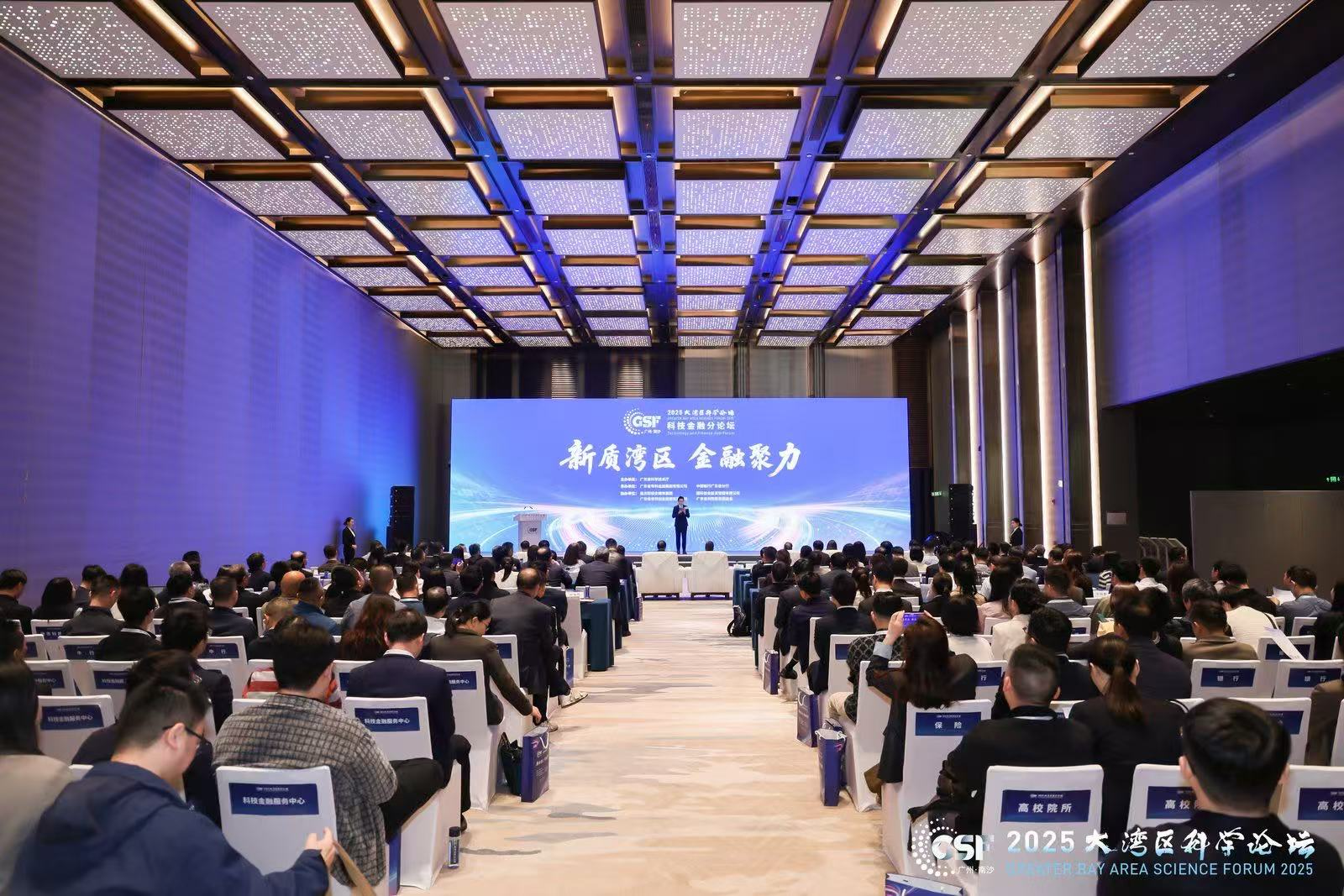
汇聚合力 共谋新篇 2025大湾区科学论坛科技金融分论坛成功举行
Feng Huang Wang Cai Jing· 2025-12-07 13:14
Core Viewpoint - The 2025 Greater Bay Area Science Forum's Technology Finance Sub-Forum emphasizes the importance of integrating technology and finance in the Guangdong-Hong Kong-Macau Greater Bay Area, marking the first time a dedicated forum on this theme has been established [1][3]. Group 1: Government and Institutional Perspectives - The Guangdong Provincial Department of Science and Technology highlights the strategic significance of technology finance, urging financial resources to be directed towards hard technology and early-stage projects to foster innovation breakthroughs [3]. - The Guangdong Provincial Science and Technology Finance Group aims to empower development through venture capital, project-capital matching, and targeted financial supply to support hard technology projects [4]. - The forum is organized by the Guangdong Provincial Department of Science and Technology, with multiple institutions collaborating to enhance the technology finance ecosystem [4]. Group 2: Financial Market Insights - The forum features discussions on how global capital markets can support technological innovation, with insights from representatives of major financial institutions [5]. - Morgan Stanley emphasizes the critical role of capital in enabling technological breakthroughs and aims to provide comprehensive financial services to clients, including technology companies [5]. - The Greater Bay Area is seen as having a unique advantage in establishing a collaborative mechanism among government, industry, research, and finance to accelerate the technology-industry-finance cycle [6]. Group 3: Infrastructure and Product Launches - The forum launched the Guangdong Province Technology Finance Digital Platform, aimed at integrating enterprise innovation capability data to address mismatches between financial and technological resources [8]. - Multiple cooperation agreements were signed, including the "Inclusive Technology Loan" initiative to enhance credit support for technology-driven enterprises [10]. - Strategic partnerships were formed to create a comprehensive service system for technology enterprises, focusing on financial support throughout their lifecycle [13]. Group 4: Insurance and Risk Management - The forum introduced several technology insurance demonstration clauses to enhance service levels and product innovation in the insurance sector, covering key areas such as artificial intelligence and biotechnology [14]. - The role of technology insurance in supporting the entire lifecycle of technological innovation is emphasized, with a focus on aligning with national strategic needs [6]. Group 5: Future Industry Discussions - A roundtable discussion focused on future industries such as quantum technology, biomanufacturing, and hydrogen energy, exploring investment logic and opportunities within the Greater Bay Area [17][20].