CNCB(601998)

Search documents
刘建军卸任,中信银行行长芦苇出任中国邮政集团副总经理
Bei Jing Shang Bao· 2025-12-23 13:14
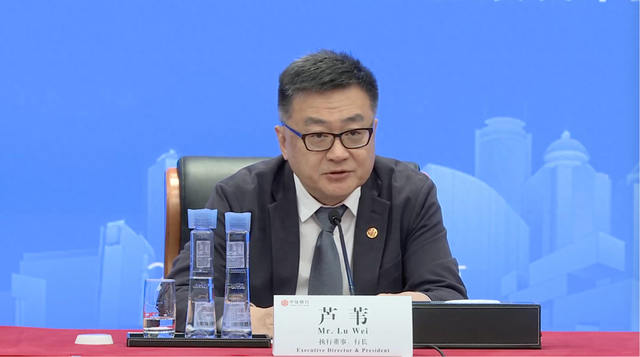
与刘建军一样,此次"接棒"的芦苇亦具备深厚的金融行业积淀,从业经历覆盖银行、信托等多个核心金 融领域。芦苇1971年10月出生,澳大利亚迪肯大学会计学硕士,1994年7月参加工作,1997年1月入职中 信银行,曾任中信银行党委委员、副行长,同时兼任中信银行深圳分行党委书记、行长及阿尔金银行董 事;历任中信银行总行营业部(现北京分行)副总经理、中信银行计划财务部总经理、资产负债部总经 理、董事会秘书、公司秘书、授权代表、业务总监、香港分行筹备组副组长及中信百信银行股份有限公 司董事。2023年3月起芦苇任中信信托有限责任公司总经理,2024年5月起任中信信托有限责任公司董事 长。 2025年2月,中信银行发布公告称,刘成因工作调整,辞去其所担任的该行执行董事、行长、董事会风 险管理委员会主席、董事会战略与可持续发展委员会委员职务;同日,中信银行召开董事会,同意聘任 芦苇为该行行长,自监管机构核准其行长任职资格之日起正式就任,任期三年。 业内普遍认为,在履行相应程序后,芦苇将接替刘建军担任邮储银行行长职位。 北京商报讯(记者 宋亦桐)12月23日,据中国邮政网发布的消息,12月23日,中国邮政集团有限公司 召开党 ...


芦苇出任中国邮政集团有限公司副总经理
Xin Lang Cai Jing· 2025-12-23 11:45
Core Viewpoint - The China Post Group has appointed Lu Wei as the new Deputy General Manager and member of the Party Committee, while Liu Jianjun has been removed from the same position [1][4]. Group 1: Appointment Details - Lu Wei has been appointed as the Deputy General Manager and member of the Party Committee of China Post Group [1][4]. - Liu Jianjun has been relieved of his duties as Deputy General Manager and member of the Party Committee [1][4]. Group 2: Background of Lu Wei - Lu Wei, born in October 1971, holds CPA qualifications from China, Hong Kong, and Australia, and has a Master's degree in Professional Accounting from Deakin University, Australia [1][4]. - He has over 25 years of experience in the banking industry, having held various significant positions at CITIC Bank and CITIC Trust [2][5]. Group 3: Insights on Banking Industry - Lu Wei has expressed concerns regarding the narrowing interest margins in the banking sector due to a declining interest rate environment, which may lead to lower asset yields as high-yield assets mature [2][5]. - He believes that government policies aimed at regulating orderly competition in the banking sector will help banks leverage financial support for the real economy and maintain healthy development [3][6]. - The central bank's symmetrical interest rate cuts are expected to enhance the transmission effect of monetary policy, allowing banks to further reduce liability costs [3][6].
独家 | 接棒刘建军,中信银行芦苇赴任邮储银行
Xin Lang Cai Jing· 2025-12-23 11:08
今日下午,智通财经记者从多位知情人士处确认,芦苇在履行相应程序后,将接替即将退休的邮储银行 行长刘建军。 芦苇调任后,谁将接替他出任中信银行行长?多位知情人士透露,目前尚未有确定人选。智通财经记者 联系中信银行相关人士,对方亦表示,"谁来接替芦苇行长的职务暂未有最新消息。" 智通财经12月23日讯(记者 彭科峰)连日来,市场有消息称,中信银行行长芦苇将会进一步获得重 用,前往其他机构任职。 12月23日下午,中国邮政集团发布消息称,芦苇同志任中国邮政集团有限公司副总经理、党组成员,免 去刘建军同志的中国邮政集团有限公司副总经理、党组成员职务。相关职务任免按有关法律规定办理。 对于芦苇,中信银行内部人士评价称,虽然任职行长的时间较短,但"年轻有为",是"实干家"。 现任邮储银行行长刘建军,1965年出生,曾获东北财经大学经济学硕士学位,高级经济师。曾任中国建 设银行山东省分行潍坊分行副行长、济南分行副行长、德州分行行长,招商银行济南分行副行长,招商 银行总行零售银行部总经理、零售综合管理部总经理、总行业务总监兼零售金融总部常务副总裁、信用 卡中心理事长,招商银行执行董事、副行长、董事会秘书等职务。4年多前,刘建 ...
中信银行行长芦苇拟调任邮政集团 并出任邮储银行行长
2 1 Shi Ji Jing Ji Bao Dao· 2025-12-23 09:49
南方财经全媒体记者 林汉垚 近日,21世纪经济报道记者获悉,原中信银行行长芦苇拟调任邮政集团党组成员、副总经理,同时拟任 邮储银行行长一职。 公开资料显示,芦苇生于1971年10月,澳大利亚迪肯大学会计学硕士。1994年7月参加工作,1997年入 职中信银行。 2017年1月至2019年6月,芦苇任中信银行董事会秘书、公司秘书和授权代表。2019年1月起任深圳分行 党委书记,同年5月起任深圳分行行长。 2019年7月起,芦苇任中信银行业务总监,并自2020年10月起担任中信银行党委委员。同时,芦苇还曾 担任中信银行香港分行筹备组副组长、阿尔金银行董事。 2020年11月,中信银行发布董事会会议决议公告称,董事会同意聘任芦苇为该行副行长。2021年4月, 原银保监会对上述任职资格进行了批复。 正式担任中信银行副行长两年后,芦苇又出任中信信托总经理,并在2024年5月升任中信信托董事长。 2025年2月,芦苇回归中信银行,并出任中信银行行长。 彼时,中信银行发布的董事会会议决议公告显示,该行董事会审议通过《关于聘任芦苇先生为中信银行 股份有限公司行长的议案》,同时审议通过《关于提名芦苇先生为中信银行股份有限公司第 ...


中信银行行长芦苇或将调任邮政集团,邮储银行行长年满60
Guan Cha Zhe Wang· 2025-12-23 09:21
【文/羽扇观金工作室】 国有大行高管层再迎重大变动。12月23日,腾讯新闻《一线》从多方获悉,中信银行党委副书记、行长 芦苇将调任中国邮政集团有限公司,出任党组成员,并担任邮储银行相关职务;待相关流程完成后,芦 苇或将接任邮储银行行长。财新亦从接近监管层人士处获得相似信息。与此同时,现任邮储银行党委书 记、行长刘建军已于今年8月年满60周岁,面临到龄退休。 这一人事调整若落地,将成为今年年末银行业最重磅高管变动。对于芦苇而言,今年4月刚从中信信托 回归中信银行出任行长,履职仅8个月便再度换岗,完成从头部股份行到国有大行的跨越。资料显示, 现年54岁的芦苇是"老中信",1997年入职中信银行后深耕26年,历任计划财务部总经理、资产负债部总 经理、董事会秘书、深圳分行行长、副行长等要职,2022年调任中信信托任董事长,今年2月回归中信 银行。 而对于资产规模逾18.6万亿元的邮储银行,行长更迭事关这家以"三农"、城乡居民和中小企业为服务定 位的零售银行战略延续。刘建军1965年8月出生,曾在招商银行深耕20年,是招行零售转型的核心推动 者之一,2021年出任邮储银行行长。今年1月,他打破国有大行惯例,以行长身份兼 ...
中信“老将”芦苇拟任邮储银行行长,深耕金融系统超28年
Jin Rong Jie· 2025-12-23 08:00
54岁的中信银行"老将"芦苇,在中信系统深耕28年后,将执掌全国网点最多的国有大行。 据悉,中国邮政集团有限公司党组成员、副总经理兼邮储银行党委书记、行长刘建军现已年满60岁。作 为接棒者,中信银行行长芦苇已调任中国邮政集团有限公司党组成员、副总经理,并拟任邮储银行行长 一职。 履历丰富:深耕中信系统超28年 在中信银行总行营业部(现北京分行)工作期间(1997年1月至2013年3月),芦苇曾在多家分支行担任 要职,历任公司业务部副科长、副处长(期间曾公派英国汇丰银行泽西支行工作),西单支行负责人、 副行长、行长,京城大厦支行行长,金融同业部总经理,总行营业部党委委员、总经理助理、副总经理 等职务,积累了扎实的基层管理与金融业务经验。 复合型人才:经历覆盖银行前中后台及信托 随着管理能力的不断提升,2013年起,芦苇步入中信银行总行管理层,先后担任计划财务部副总经理 (主持工作)、计划财务部(现财务会计部)总经理、资产负债部总经理,全面负责银行的财务与资本 管理。2017年,芦苇进入中信银行高层,出任董事会秘书、公司秘书和授权代表;2019年起,他又调任 深圳分行党委书记、行长,并担任银行业务总监。2020年 ...
重磅!芦苇调任邮储集团副总经理,拟任邮储银行行长
Xin Lang Cai Jing· 2025-12-23 06:11
12月23日消息,金融一线获悉,中信银行行长芦苇调任邮储集团党组成员、副总经理,同时拟任邮储银 行行长一职。 据了解,邮政集团党组成员、副总经理兼邮储银行党委书记、行长刘建军现已满60岁。 "70后"芦苇是一名中信银行"老将",1997年加入该行后,曾在多家分支行担任要职,积累了丰富的金融 管理经验;2022年10月,芦苇离开中信银行,被中信信托任命为党委书记,后获批成为该公司总经理、 董事长;今年2月,芦苇回归中信银行担任党委副书记,4月获批出任行长一职,任职经历覆盖银行前中 后台以及信托业态。 在担任行长期间,芦苇曾指出,中信银行已经摒弃了规模情结,将更专注于效益和质量并重的增长,此 构成该行财务业绩背后的业务支撑。此外,他还深度推进"五篇大文章"和"五个领先"银行战略,提出将 财富管理打造成新的增长极。 芦苇将任邮储银行行长,曾在中信系统深耕超28年 公开资料显示,芦苇,男,1971年10月出生,持有中国、中国香港及澳大利亚注册会计师资格,获澳大 利亚迪肯大学会计学硕士学位。 2020年11月,中信银行发布董事会会议决议公告称,董事会同意聘任芦苇为该行副行长,2021年4月该 任职资格获批。 而后,芦苇 ...
中信银行再添关键“拼图”,百亿AIC落地广州
Hua Er Jie Jian Wen· 2025-12-23 01:57
Group 1 - The core point of the article is the establishment of Xinyin Financial Asset Investment (信银金投), a key subsidiary of CITIC Bank, which aims to enhance the bank's comprehensive financial services and support its strategic transformation towards a "light and strong" model [1][10][20] - Xinyin Financial Asset Investment will leverage CITIC Group's full financial license resources and integrate into the "CITIC Equity Investment Alliance" ecosystem, enhancing its capabilities in fundraising, investment, management, and exit [1][4] - The establishment of the AIC (Asset Investment Company) is seen as a critical step in CITIC Bank's "Five Leading" strategy, which focuses on wealth management, comprehensive financing, transaction settlement, foreign exchange services, and digitalization [5][16] Group 2 - The AIC's business scope has expanded from pure debt-to-equity swaps to include core debt-to-equity swaps, direct equity investments, private equity management, and financial advisory services [2][3] - The market demands more long-term capital operations that focus on early, small, and hard technology investments, prompting banks to transition from traditional funding intermediaries to comprehensive financial service providers [3][6] - Xinyin Financial Asset Investment will focus on two core functions: market-oriented debt-to-equity swaps to reduce corporate debt ratios and enhance equity financing, and utilizing equity investment licenses to support high-level technological self-reliance [4][10] Group 3 - The establishment of the AIC is expected to support CITIC Bank's comprehensive financing business, filling gaps in credit solutions for technology and startup enterprises [7][8] - The AIC will also contribute to achieving CITIC Bank's wealth management goals by providing equity investment products for private banking and high-net-worth clients [9][10] - The bank's comprehensive financing balance increased by 4.35% to 14.91 trillion yuan by the end of the third quarter, indicating a focus on quality and efficiency rather than just scale [8][17] Group 4 - The new management team at CITIC Bank, including the appointment of younger executives, aims to foster a more dynamic and capable leadership structure [19] - The bank's transformation towards a "light and strong" model is still in progress, with mixed results in terms of profitability and asset quality [18][20] - The AIC's role in the bank's strategy is to enhance the overall ecosystem and support the transition to a more efficient and value-driven banking model [10][16]
中信银行“少年看世界”成长新视界活动首场天津站落地
Jin Rong Jie· 2025-12-23 01:47
Group 1 - The "Youth See the World" event by CITIC Bank aims to provide practical study abroad and employment planning for families, focusing on selecting the right major, school, and internship paths [1][2] - This initiative expands from the previous "Youth See China" series, enhancing the educational experience by incorporating global perspectives and addressing the needs of families regarding international education [2][3] Group 2 - The first event in Tianjin highlighted the challenges faced by returnees in the job market, identifying four main issues: mismatch between majors and market demand, lack of overseas internship opportunities, visa policy restrictions, and disconnection between overseas employment environments and domestic industry trends [3] - The expert, Zhen Jinhui, proposed a "golden logic" approach to career planning, emphasizing the importance of aligning industry demand with major selection and school matching, thus shifting the focus from rankings to strategic career paths [3] - Zhen also stressed the need to transform the study abroad period into a job preparation phase, providing insights on effectively utilizing internship and work visa policies [3] Group 3 - CITIC Bank is focusing on comprehensive financial services for families, aiming to enhance wealth management and educational planning through a multi-faceted service approach [4] - The bank's new "Happy Growth Package" for families includes services across four dimensions: passion, future, knowledge, and companionship, catering to various wealth stages and life plans [4] - By continuously improving its dedicated service system for families, CITIC Bank aims to support long-term prosperity and enriching experiences for parents and children [4]
多地促消费兴文旅 银行如何以未来收益唤醒旅游资源
Mei Ri Jing Ji Xin Wen· 2025-12-22 22:49
Core Viewpoint - The recent loan of 90 million yuan to the operation of the Zhuangxu Longdong Scenic Area by Postal Savings Bank, utilizing a "guarantee + revenue pledge" model, highlights a practical approach to addressing financing bottlenecks in the cultural tourism industry in China [1][2][3] Group 1: Financing Model - The loan issued by Postal Savings Bank has a term of 29 years and an annual interest rate of 4.4%, with a reduction of 60 basis points to lower financial costs for the enterprise by approximately 8 million yuan over the loan's duration [2] - The "revenue pledge" model allows the future cash flows from ticket sales and parking fees to be used as collateral, transforming expected revenues into recognizable and assessable financing assets [3][6] Group 2: Policy Support - The People's Bank of China has established a 500 billion yuan service consumption and pension re-loan to encourage financial institutions to increase support for key sectors, including cultural tourism [4] - Local governments are also promoting financial support for the cultural and tourism industries, with various policies aimed at attracting social capital and enhancing financial services [5][6] Group 3: Industry Challenges - The cultural tourism sector faces challenges such as low asset utilization and high management costs, which complicate financing efforts [2][3] - Issues like the difficulty in valuing revenue rights and the reluctance of high-quality scenic enterprises to engage in revenue pledge financing have been identified as barriers to the widespread adoption of this financing model [7]