LOPAL(603906)

Search documents
UBS Group AG减持龙蟠科技(02465)51.3万股 每股均价约14.82港元
智通财经网· 2025-12-16 11:22
Group 1 - UBS Group AG reduced its stake in Longpan Technology (02465) by 513,000 shares at an average price of HKD 14.8242 per share, totaling approximately HKD 7.6048 million [1] - After the reduction, UBS's latest holding amounts to 9.2385 million shares, representing a holding percentage of 7.70% [1]


产销两旺 价格看涨 磷酸铁锂行业掀锁单扩产潮
Zheng Quan Ri Bao Wang· 2025-12-14 13:27
Core Viewpoint - The lithium iron phosphate (LFP) industry has experienced a strong recovery since 2025, characterized by robust production and sales, with leading companies seeing a surge in orders and operating at full capacity [1] Market Performance - Since the third quarter, the LFP business has shown strong production and sales across the industry, with companies like Beijing Easpring Material Technology Co., Ltd. reporting profitability and becoming mainstream suppliers in the domestic LFP battery market, primarily focusing on overseas applications [2] - From January to November, China's cumulative installation of LFP batteries reached 545.5 GWh, accounting for 81.2% of total installations, with a year-on-year growth of 56.7% [2] - Several LFP companies are planning price increases due to supply-demand imbalances and rising raw material costs, with some already adjusting product prices [2] Price Adjustments and Profitability - A major manufacturer has announced a uniform increase in processing fees for all LFP products starting in 2026, which is expected to improve profitability for lithium battery manufacturers previously operating at low margins [3] - The rise in LFP prices is anticipated to help some companies turn losses into profits [3] Industry Trends and Competition - The rapid iteration of LFP materials towards high-pressure density is gaining market traction, with significant demand for high-pressure LFP as a means to enhance battery energy density [3] - The competitive landscape is shifting, with leading companies leveraging technological and scale advantages, while smaller firms face greater challenges due to high technical barriers and cost pressures, potentially leading to increased industry concentration [3] Expansion and Contracts - The LFP industry is witnessing a wave of long-term contracts and capacity expansions, with companies like Jiangsu Longpan Technology signing a long-term procurement agreement to supply 106,800 tons of LFP materials from 2026 to 2030 [4] - Hunan Youneng has received approval for a stock issuance aimed at raising up to 4.788 billion yuan for capacity construction of LFP and manganese iron phosphate materials [5] - Ningbo Ronbay New Energy Technology plans to acquire a 54.97% stake in Guizhou Xinren and invest 140 million yuan to enhance its production capabilities [5] Capacity Development - Shandong Fengyuan Chemical has established a total LFP capacity of 225,000 tons, with an additional 75,000 tons under construction, and plans to adjust capacity based on industry trends and customer demand [6] - Zhongwei New Materials has developed an integrated layout from upstream resources to downstream production, achieving a total LFP capacity of 50,000 tons [6] - The current expansion in the LFP industry is characterized by high-end, integrated, and international features, with competitive advantages in technology, supply chain, cost, and overseas layout being crucial for success [6]


一年拿下逾600亿元订单 龙蟠科技能否扭转颓势?
Zhong Guo Jing Ying Bao· 2025-12-12 14:15
中经记者 李哲 北京报道 去年营收76.73亿元的龙蟠科技(603906.SH、02465.HK),在2025年却接连揽获大单,总额逾600亿 元。 协议约定,预计将由锂源(亚太)自2026年至2030年间合计向Sunwoda销售10.68万吨符合双方约定规格 的磷酸铁锂正极材料。双方约定每两年校准一次需求量,校准后的需求量不低于协议已约定的年度最低 采购量。具体单价由双方根据协议条款逐月确定,如按照预计数量及市场价格估算,合同总销售金额约 45亿—55亿元。 此前,在11月25日,龙蟠科技控股子公司常州锂源及控股孙公司南京锂源与楚能新能源全资子公司—— 武汉楚能、孝感楚能及宜昌楚能共同签署了《〈生产材料采购合作协议〉之补充协议二》(以下简 称"《补充协议二》"),对原常州锂源、南京锂源与武汉楚能、孝感楚能、宜昌楚能签订的《生产材料 采购合作协议》及《补充协议》(以下合称"《原协议》")相关条款进行补充与修订。 《原协议》约定,自2025年至2030年期间,卖方合计向买方销售15万吨磷酸铁锂正极材料产品。《补充 协议二》约定,自2025年至2030年期间,卖方合计向买方销售130万吨磷酸铁锂正极材料产品。按照 ...
激战欧洲,锂电巨头大迁徙
3 6 Ke· 2025-12-11 23:11
Core Insights - The article discusses the global expansion of Chinese lithium battery manufacturers, particularly focusing on their investments in Europe and North America to adapt to changing market dynamics and regulatory environments [1][2][3]. Group 1: Market Dynamics - Domestic battery production capacity utilization in China has dropped to a warning level, while overseas markets, particularly Europe and North America, show increasing demand for electric vehicles and energy storage [1][2]. - The average selling price of key battery products in China has decreased by over 35% in the past two years, while raw material costs have fluctuated significantly, squeezing profit margins [8][9]. Group 2: Strategic Investments - CATL's investment in a joint battery factory in Zaragoza, Spain, exceeds 30 billion RMB, with a planned capacity of 50GWh, focusing on cost-effective lithium iron phosphate batteries for Stellantis [3][4]. - EVE Energy's factory in Hungary is in the critical phase of mechanical and electrical installation, with a planned capacity of 28GWh, while Guoxuan High-Tech's factory in Slovakia has completed initial construction with a capacity of 20GWh [5][6][7]. Group 3: Regulatory Challenges - The U.S. Inflation Reduction Act (IRA) and the EU's new battery law impose significant barriers, requiring local production and stringent carbon footprint regulations, which compel Chinese companies to establish manufacturing bases abroad [2][10][11]. - The EU's new battery law necessitates a comprehensive tracking system for the carbon footprint of battery components, increasing the operational complexity for Chinese manufacturers in Europe [14]. Group 4: Operational Challenges - Chinese companies face significant challenges in adapting to local supply chains and regulatory environments when establishing factories abroad, including longer approval processes and the need for local compliance [13][14]. - The transition from exporting battery products to building factories and hiring local workers represents a substantial shift in operational strategy for Chinese lithium battery firms [8][12]. Group 5: Future Outlook - The strategic decision to expand overseas is seen as essential for survival, with companies aiming for 40% of their production capacity to be located internationally by 2030 [12][17]. - The focus is shifting from merely being a cost-effective manufacturer in China to becoming a recognized provider of high-tech solutions in global markets [12][17].




锂电巨头踏上“远征路”
Jing Ji Guan Cha Wang· 2025-12-11 12:37
Core Viewpoint - The article highlights the strategic shift of Chinese lithium battery companies, such as CATL and EVE Energy, towards establishing manufacturing facilities overseas in response to domestic market saturation and increasing competition, aiming to become global manufacturers rather than just suppliers from China [2][11]. Group 1: Investment and Expansion - CATL is investing over 30 billion RMB in a joint battery factory with Stellantis in Zaragoza, Spain, with a planned capacity of 50 GWh, targeting production by the end of 2026 [3][6]. - EVE Energy's factory in Debrecen, Hungary, is in the critical phase of mechanical and electrical installation, with a planned capacity of 28 GWh [4][5]. - Guoxuan High-Tech is constructing a battery super factory in Slovakia with an initial capacity of 20 GWh, strategically located near major automotive clients [5][6]. Group 2: Market Dynamics - Domestic battery capacity utilization has dropped to alarming levels, while overseas markets, particularly in Europe and North America, show strong demand for electric vehicles and energy storage [2][8]. - The gross profit margins for overseas operations of companies like CATL and EVE Energy are reportedly 5 to 10 percentage points higher than domestic margins, indicating a lucrative opportunity in international markets [2][8]. Group 3: Regulatory Environment - The U.S. Inflation Reduction Act (IRA) and the EU's new battery regulations impose strict localization requirements, pushing Chinese companies to establish local production to remain competitive [9][10]. - The EU's regulations require comprehensive tracking of carbon footprints and recycling ratios for battery components, necessitating significant adjustments in supply chain management for Chinese firms [10][13]. Group 4: Challenges and Adaptation - Chinese companies face significant challenges in adapting to local regulations, labor laws, and supply chain logistics when establishing overseas factories [12][13]. - Despite these challenges, companies are committed to overcoming obstacles to become global players, indicating a long-term strategic vision [14][15].
龙蟠科技(603906) - H股公告-2025年第六次临时股东会通函、通告及委任表格
2025-12-11 10:46
此 乃 要 件 請 即 處 理 閣下如對本通函任何方面或應採取之行動有疑問,應諮詢 閣下之股票經紀或其他註冊證券交易商、銀行經理、 律師、專業會計師或其他專業顧問。 閣下如已出售或轉讓 閣下所持江蘇龍蟠科技集團股份有限公司(「本公司」)全部股份,應立即將本通函轉交買 主或承讓人或經手買賣或轉讓之銀行、股票經紀或其他代理商,以便轉交買主或承讓人。 香港交易及結算所有限公司及香港聯合交易所有限公司對本通函之內容概不負責,對其準確性或完整性亦不發 表任何聲明,並明確表示概不會就因本通函全部或任何部分內容而產生或因倚賴該等內容而引致之任何損失承 擔任何責任。 Jiangsu Lopal Tech. Group Co., Ltd. 江蘇龍蟠科技集團股份有限公司 (於中華人民共和國註冊成立的股份有限公司) (股份代號:2465) (1) 建議採納2025年股票期權激勵計劃及建議授予; (2) 建議授權董事會處理2025年股票期權激勵計劃相關事宜; (3) 建議更新一般授權; (4) 建議向控股子公司提供財務資助; (5) 建議延長暫停辦理股份過戶登記期間;及 (6) 2025年第六次臨時股東會通告 獨立董事委員會及獨立股 ...
磷酸铁锂企业集体酝酿涨价,车企“抢货大战”再上演
Mei Ri Jing Ji Xin Wen· 2025-12-11 10:19
Core Viewpoint - The recent price increase of lithium iron phosphate (LFP) materials is driven by multiple factors, including rising upstream raw material costs and the ongoing losses in the industry, prompting several LFP manufacturers to negotiate price hikes with downstream battery manufacturers [1][5]. Group 1: Price Increase Dynamics - Multiple LFP companies have proposed price increases to downstream battery manufacturers, with one company planning to raise processing fees by 3,000 yuan per ton starting January 1, 2026 [3]. - The cost structure of LFP batteries shows that cathode materials account for over 40% of the total cost, indicating that price hikes from LFP manufacturers could significantly impact downstream battery and new energy vehicle sectors [3][5]. - Some battery manufacturers, such as Funeng Technology, have acknowledged the trend of rising battery prices due to increased raw material costs and expanding market demand [3][5]. Group 2: Market Conditions and Trends - The price of LFP materials has seen a significant decline from 173,000 yuan per ton at the end of 2022 to 34,000 yuan per ton in August 2025, a drop of 80.2%, leading to over 36 months of continuous losses in the industry [5]. - As of December 10, 2023, the average market price for LFP batteries has stabilized at 41,000 yuan per ton for power-type, 37,800 yuan per ton for energy storage-type, and 25,400 yuan per ton for repair-type [5]. - The domestic power battery installation volume reached 578.0 GWh from January to October 2023, with LFP batteries accounting for 470.2 GWh, representing 81.3% of the total and a year-on-year growth of 59.7% [6]. Group 3: Industry Sentiment and Future Outlook - The rapid growth of the downstream new energy vehicle and energy storage markets has provided LFP manufacturers with confidence to pursue collective price increases [7]. - Many leading LFP companies have their orders booked through the first half of the next year, operating at near full capacity [7]. - The upcoming reduction in vehicle purchase tax for new energy vehicles is intensifying competition among car manufacturers for battery supply, further complicating the supply chain dynamics [9].

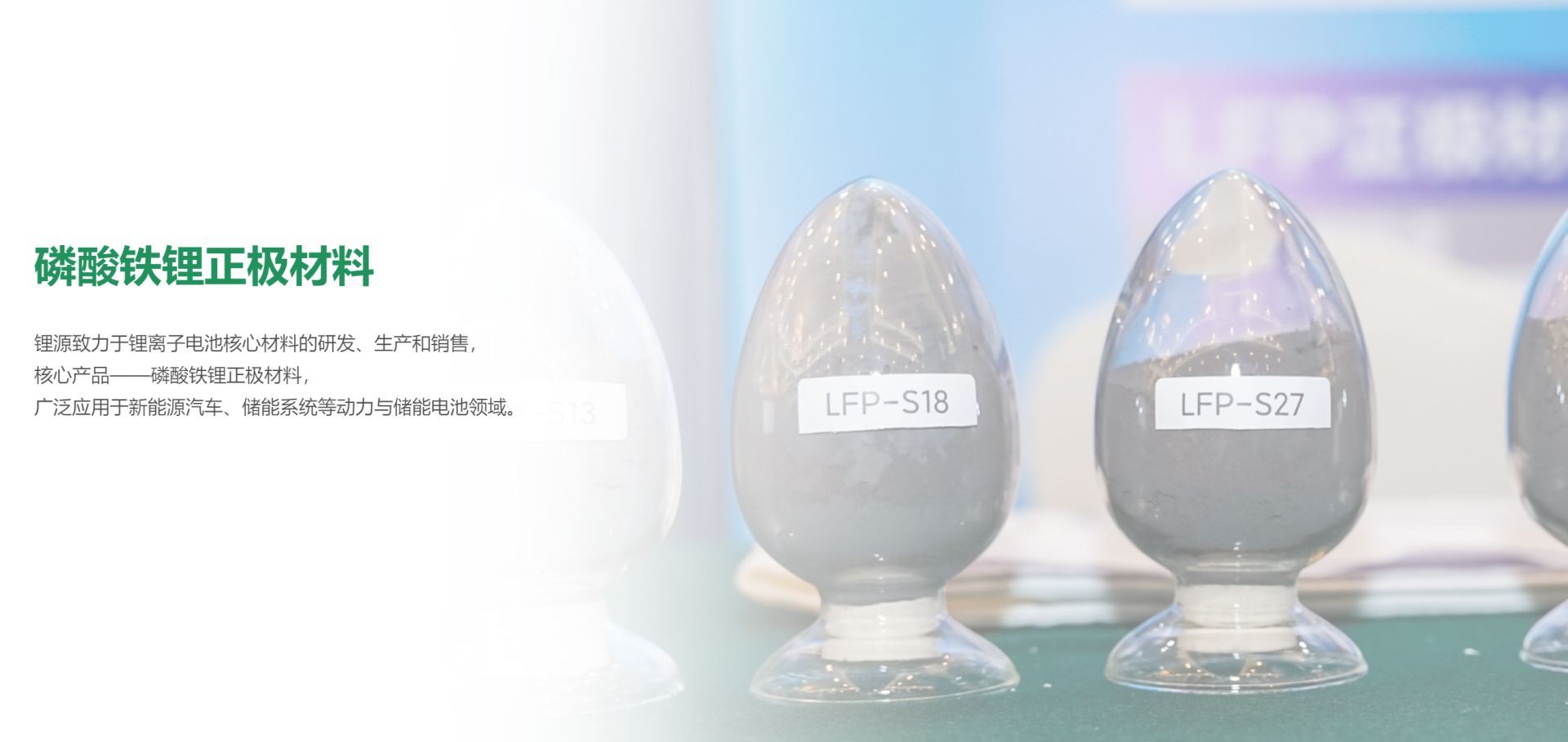
磷酸铁锂企业集体酝酿涨价:已有动力电池厂商上调价格,车企“抢货大战”再上演
Mei Ri Jing Ji Xin Wen· 2025-12-11 10:05
Core Viewpoint - The price of lithium iron phosphate (LFP) is set to increase due to rising costs from upstream raw material suppliers and ongoing discussions between LFP manufacturers and downstream battery producers [1][3]. Group 1: Price Increase Dynamics - Multiple LFP companies have proposed price increases to downstream battery manufacturers, with one company planning to raise processing fees by 3,000 yuan per ton starting January 1, 2026 [3]. - The cost structure of LFP batteries shows that cathode materials account for over 40% of total costs, indicating that price hikes from LFP manufacturers will impact downstream battery and new energy vehicle sectors [3][5]. - Some battery manufacturers, such as Funeng Technology, have already begun to implement price increases due to rising raw material costs and expanding market demand [3][5]. Group 2: Market Trends and Performance - The price of LFP materials has seen a significant decline from 173,000 yuan per ton at the end of 2022 to 34,000 yuan per ton in August 2025, a drop of 80.2%, leading to over 36 months of continuous losses in the industry [5]. - As of December 10, 2023, the average market price for LFP batteries has stabilized at 41,000 yuan per ton for power-type, 37,800 yuan for energy storage-type, and 25,400 yuan for repair-type [5]. - The domestic power battery installation volume reached 578.0 GWh from January to October 2023, a year-on-year increase of 42.4%, with LFP batteries accounting for 470.2 GWh, or 81.3% of the total, marking a 59.7% year-on-year growth [6]. Group 3: Industry Confidence and Challenges - The rapid growth of the downstream new energy vehicle and energy storage markets has provided LFP manufacturers with confidence to pursue collective price increases [7]. - Many leading LFP companies have their orders booked through the first half of the following year, operating at near full capacity [7]. - The upcoming reduction in vehicle purchase tax for new energy vehicles is intensifying competition among car manufacturers for battery supply, leading to challenges in ensuring supply and delivery for battery manufacturers and vehicle producers [9].

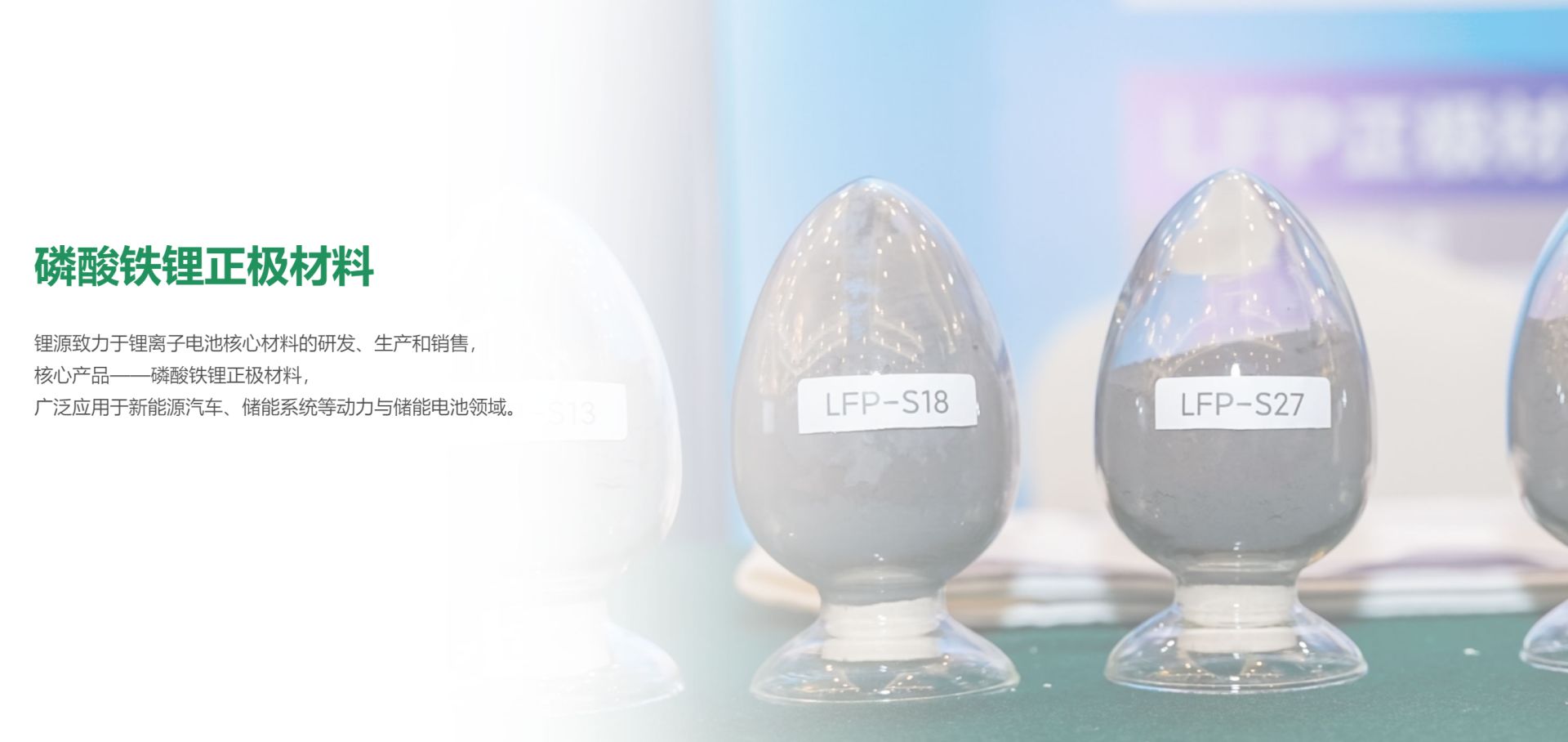
锂电股多数走高 产业链涨价潮持续 机构看好锂电新一轮上行周期
Zhi Tong Cai Jing· 2025-12-11 02:29
Group 1 - Lithium battery stocks mostly rose, with Ganfeng Lithium up 4.51% at HKD 53.2, Tianqi Lithium up 4.14% at HKD 49.86, and CATL up 3.43% at HKD 515.5 [1] - Dejia Energy announced a 15% price increase for its battery products starting December 16 due to rising raw material costs [1] - Contemporary Amperex Technology Co., Ltd. (CATL) is in discussions with clients regarding price increases, with some products already seeing price hikes [1] Group 2 - According to CICC's previous report, a bottom reversal trend in lithium batteries is expected to emerge from 2025 as industry prices stabilize and supply-demand structures improve [2] - The outlook for 2026 anticipates a new upward cycle in lithium batteries, with energy storage expected to be a key driver [2] - A new round of lithium battery technology cycle, centered around solid-state batteries, is accelerating towards an industrialization inflection point [2]


一“芯”难求 + 全球抢单 中国锂电产业链开启新一轮“价值跃迁”
Shang Hai Zheng Quan Bao· 2025-12-10 17:57
Core Viewpoint - The lithium battery industry is experiencing significant price increases and supply chain adjustments due to rising raw material costs and strong demand, particularly in the energy storage and electric vehicle sectors [3][4][5]. Industry Trends - Dejia Energy announced a 15% price increase for its battery products starting December 16 due to rising production costs from upstream raw materials [3]. - Contemporary Amperex Technology Co., Ltd. (CATL) and other leading companies are securing long-term agreements to lock in upstream capacity and supply chains, emphasizing the importance of capacity acquisition for future growth [3][4]. - The lithium battery supply chain is currently characterized by a "full production and sales" state, with companies like Penghui Energy and Tianji Co. reporting strong demand and rising prices for their products [4]. Market Demand - Global power battery installation reached 811.7 GWh in the first three quarters of this year, a 34.7% increase from the previous year, while the energy storage market saw a 90.7% year-on-year growth [5]. - The rapid growth in renewable energy installations and the expansion of AI data centers are driving increased demand for energy storage solutions [5]. Long-term Contracts - The industry is witnessing a surge in long-term contracts, with significant agreements such as a 10-year strategic partnership between Haibosi and CATL for a minimum of 200 GWh of procurement [6]. - Other notable contracts include a collaboration between Hicharge Energy and CRRC Zhuzhou Electric Locomotive Research Institute for at least 120 GWh of energy storage products [6]. Price Dynamics - The price of battery-grade lithium carbonate has surged to 92,750 RMB per ton, a 23% increase from the previous month, while the price of lithium hexafluorophosphate has exceeded 180,000 RMB per ton [4]. - The tight supply and high demand have led to longer delivery times, with some companies reporting that delivery schedules extend into the first half of next year [4]. Technological Advancements - The industry is undergoing a "quality upgrade" driven by technological advancements, with companies like CATL launching fifth-generation lithium iron phosphate batteries that improve energy density and cycle life [9][10]. - High-density lithium iron phosphate products are becoming a focus, with expectations that their market share will increase significantly by 2026 [9]. Capacity Expansion - Companies are accelerating capacity expansion to meet growing demand, with Fulin Precision Engineering planning to invest 4 billion RMB to build a new production line for lithium iron phosphate [8]. - Dragon Power Technology is also raising funds to expand production capacity in response to customer needs [8]. Globalization Efforts - Leading companies are pursuing global expansion strategies, with firms like Hunan YN planning production capacity in Spain and Dragon Power Technology nearing full production at its Indonesian facility [10]. - The industry is shifting from scale competition to value competition, aiming for high-quality development as new products are launched and recycling systems are improved [10].