TCL TECH.(000100)

Search documents
国内验证:产链壁垒,海外降维,三代黑电MiniLED从领先迈向全面突破
East Money Securities· 2025-12-31 13:33
Investment Rating - The report maintains an "Outperform" rating for the home appliance industry, specifically focusing on the Mini LED segment [2]. Core Insights - The Mini LED technology is positioned as a core driver of transformation in the black electrical appliance sector, with significant advancements in display technology and market penetration expected [16][17]. - The report highlights a shift in consumer preferences towards larger screen sizes and superior picture quality, which Mini LED technology addresses effectively [21][34]. - The competitive landscape is evolving, with domestic brands leveraging cost advantages and government subsidies to enhance market share both locally and internationally [6][49]. Summary by Sections 1. Mini LED as the Core Driver of Black Electrical Transformation - Mini LED technology represents the third generation of display technology, competing with OLED and other emerging technologies [18]. - The performance of Mini LED displays, particularly in brightness and longevity, positions it favorably against OLED, which excels in flexibility and contrast [21][22]. - The global sales of Mini LED TVs are projected to surpass those of OLED TVs for the first time in 2024, with a significant increase in market penetration expected [22][24]. 2. Building High Barriers in the Mini LED Supply Chain - The report discusses the optimization of the Mini LED backlight industry and the advantages of high-generation panel layouts, which strengthen the competitive position of domestic manufacturers [2.1][2.2]. - The cost of 65-inch Mini LED backlight modules is expected to decrease significantly from $150 in 2023 to a range of $80-100 by 2025, enhancing profitability for domestic suppliers [2.3]. - The report emphasizes the importance of the supply chain's evolution, with key players like 聚飞光电 and 京东方 showing strong revenue growth and margin improvements [2.4][54]. 3. Domestic Brands Expanding Internationally with Mini LED - Chinese brands are strategically entering high-value markets in the U.S. and Europe, capitalizing on the mismatch in supply and demand for high-end televisions [3.1][3.2]. - The report notes that the average size of televisions in China is expected to exceed the global average by 11.3 inches by 2025, indicating a strong trend towards larger displays [5]. - The competitive dynamics are shifting, with Chinese brands like TCL and Hisense aggressively expanding their presence in emerging markets while traditional Korean brands adopt a more conservative approach [5][6]. 4. Market Dynamics and Consumer Preferences - The report identifies a significant shift in consumer purchasing criteria, with an increasing focus on picture quality and size rather than just price [41]. - The penetration of Mini LED technology is driven by a cycle of price reduction and increased demand, which is expected to continue as production costs decrease [46][49]. - The sales data from 京东 indicates a substantial increase in the market share of Mini LED TVs, reflecting the successful implementation of competitive pricing strategies by brands like 小米 [46][49].





长风破隘,再越关山
Di Yi Cai Jing· 2025-12-31 11:45
——TCL创始人、董事长 李东生 2026年新年献词 新岁启封,山河共赴。过去一年,大国博弈持续加剧,全球经济复苏艰难,产业链加速重构,科技革命与产业变革深度交织。中国经济在挑战中推进高 质量发展,我们身处其中,深刻感知着宏观环境的冷暖变迁。 面对外部环境的严峻考验,TCL始终锚定"战略引领、创新驱动、先进制造、全球经营"的经营理念,各产业顶压前行、稳中有进。更令人振奋的是,TCL 正式成为奥林匹克全球合作伙伴。这份成绩,凝聚着每一位TCL人的努力与信念。 TCL智能终端在复杂的贸易环境中逆势增长,营收、利润双双跃升,品牌全球影响力持续增强;TCL华星不仅超额完成经营目标,更开建G8.6代印刷 OLED工厂,推动中国显示产业实现从追赶到局部引领的关键跨越;茂佳科技稳居全球TV代工之首,并成功开拓显示新赛道;中环领先巩固半导体材料 领域国内领先地位;通力股份、环保科技、天津普林、翰林汇等产业持续提升核心竞争力。即便光伏产业面临周期锤炼,TCL中环秉持"在发展中解决问 题,在克服困难中找到机会"的信念,推进组织变革、重塑核心能力,奋力穿越低谷。 展望2026,全球经济仍存变数,地缘政治格局重构,AI技术重塑产业格 ...


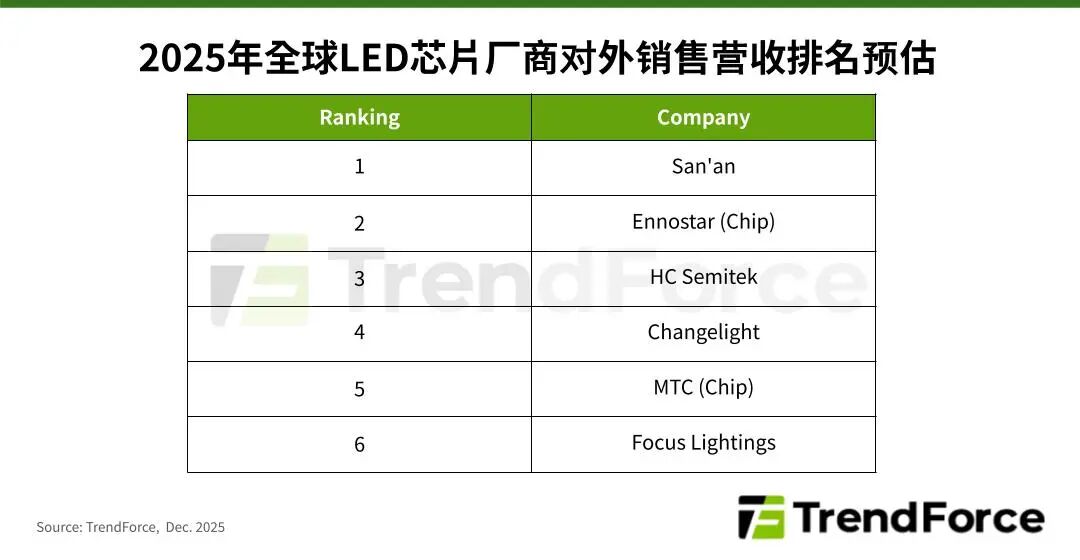
TrendForce集邦咨询:预计2025年全球LED芯片对外销售市场总产值为28.41亿美元
智通财经网· 2025-12-31 09:28
Group 1 - The global LED chip sales market is projected to reach $2.841 billion by 2025, with兆元光电 ranked ninth in the industry, primarily generating revenue from lighting, backlighting, and Mini LED display applications [1] - TCL CSOT has successfully acquired 80% of 兆元光电's shares and related debts, marking its entry into the LED chip sector and completing its supply chain layout from upstream chips to downstream Mini LED applications [1][4] - The trend of vertical integration in the LED chip industry is being driven by brands and panel manufacturers, significantly reducing the coordination costs between product applications and chip supply [3] Group 2 - TCL CSOT's acquisition of 兆元光电 for 490 million RMB ($70 million) highlights the ongoing integration trend among brands and panel manufacturers in the upstream LED chip sector [4] - Other companies such as Samsung, AUO, Hisense, BOE, and HKC have also engaged in similar mergers or investments to deepen vertical integration in the industry [1][4][5] - TCL CSOT's Mini LED display production line in Suzhou is expected to commence production in 2025, with a current monthly capacity of 6,000 square meters, aiming to enhance product competitiveness in a competitive market [4]
京东方、TCL华星将为三星手机供应OLED屏?
WitsView睿智显示· 2025-12-31 09:25
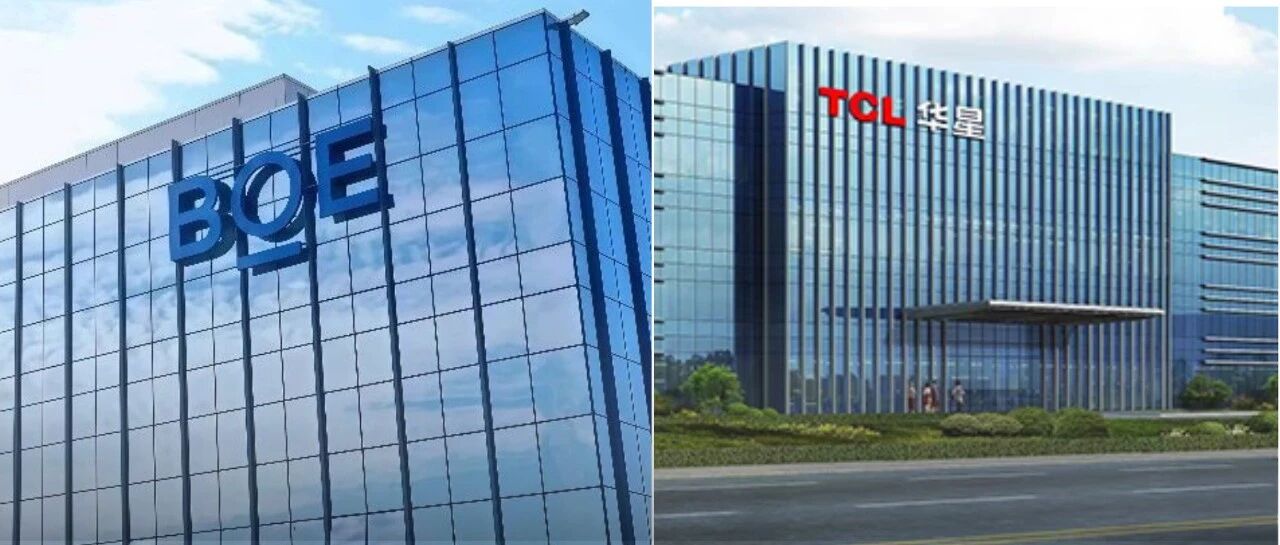
Core Viewpoint - Samsung Electronics is considering a dual-supplier model for the upcoming Galaxy A57, involving both Samsung Display and TCL Huaxing for OLED screens, to enhance competitiveness and manage costs [1][3][4] Group 1: Supplier Strategy - Samsung is likely to rely more on Samsung Display for OLED supply, given the high demand for the Galaxy A series, which is a hot-selling model [1] - The dual-supplier approach aims to mitigate potential supply shortages and ensure a steady supply of OLED screens for both Galaxy A57 and Galaxy S FE models [1][4] - TCL Huaxing is expected to provide OLED screens at a lower price, which could help Samsung control costs while adopting flexible OLED technology [4][6] Group 2: Product Development - Starting with the Galaxy A57, Samsung plans to replace rigid OLED panels with flexible OLED panels, which offer greater design flexibility but come with higher manufacturing costs [3][4] - The adoption of flexible OLED technology is seen as a way for Samsung to enhance its competitiveness in the mid-range smartphone market, especially as Chinese manufacturers are already using flexible OLED in lower-priced models [3][6] Group 3: Market Dynamics - The increasing competition in the global smartphone market and rising component costs are prompting Samsung to reassess its OLED supply strategy [6][7] - Chinese manufacturers like BOE and TCL Huaxing have improved their technology and production capacity, posing a significant challenge to Samsung Display's market dominance [7] - The shift towards Chinese suppliers for OLED panels may provide Samsung with cost advantages, but it also indicates a potential erosion of its competitive edge in the panel industry [7]
研报 | TCL华星并购兆元光电,品牌与面板厂垂直整合Micro/Mini LED产业趋势深化
TrendForce集邦· 2025-12-31 09:12
Core Insights - TCL CSOT has successfully acquired an 80% stake in Zhaoyuan Optoelectronics for 490 million RMB (70 million USD), marking its entry into the LED chip sector and completing its supply chain layout from upstream chips to downstream Mini LED display applications [2][5] - TrendForce estimates that the global LED chip external sales market will reach a total value of 2.841 billion USD by 2025, with Zhaoyuan Optoelectronics ranked ninth in the market, primarily generating revenue from lighting, backlighting, and Mini LED display applications [2][3] Industry Trends - The trend of vertical integration in the LED chip industry is being driven by brands and panel manufacturers, significantly reducing the coordination costs between product applications and chip supply [3][5] - Major companies like Samsung, AUO, Hisense, BOE, Innolux, and HKC have been pursuing similar mergers or investments since 2018 to deepen this vertical integration trend [2][5] Competitive Landscape - TCL CSOT's Mini LED display production line in Suzhou is expected to achieve a monthly capacity of 6,000 square meters by 2025, enhancing its competitive edge in the market [5] - The competitive landscape includes significant investments and acquisitions by other major players, such as Samsung's investment in PlayNitride and AUO's investments in Ennostar and PlayNitride, which have led to the production of Micro LED products [5][6]
专访李东生:将中国制造产业优势,扩展到全球
21世纪经济报道· 2025-12-31 06:33
Core Viewpoint - The article discusses the evolving landscape of globalization, highlighting Tijuana as a key manufacturing hub and the strategic moves of companies like TCL in response to changing global trade dynamics [1][4]. Group 1: Globalization and Trade Dynamics - Tijuana, located on the US-Mexico border, plays a crucial role in cross-border manufacturing and trade, particularly in electronics, automotive, and medical devices [1]. - The restructuring of global supply chains has made Mexico an important destination for Chinese companies expanding overseas [1][10]. - TCL's founder, Li Dongsheng, emphasizes that the benefits of globalization are unevenly distributed, leading to regional development imbalances and widespread skepticism about globalization [1][5]. Group 2: TCL's Global Strategy - TCL's approach to globalization is not merely market expansion but involves a long-term strategy focused on industrial capabilities and organizational structure [4]. - The company aims to establish five local TCL entities overseas, enhancing brand influence and creating a global manufacturing supply chain [5]. - Li Dongsheng notes that the current global economic landscape is characterized by two overlapping new cycles: a new cycle in global trade patterns and a new cycle of technological change [5][12]. Group 3: Localized Manufacturing and Supply Chains - The shift in corporate strategy from "factory production" to "capability co-construction" reflects a broader trend in global manufacturing [7]. - TCL's overseas manufacturing bases are designed to build local supply chains and enhance local industrial capabilities, as seen in their operations in Vietnam and Poland [7][8]. - The MOKA factory in Tijuana has expanded its annual production capacity from 500,000-700,000 units to approximately 3 million units, demonstrating TCL's commitment to local integration [8]. Group 4: Challenges and Opportunities - The article highlights the complexities of the new trade ecosystem, where large economies and neighboring countries are fostering new trade relationships, benefiting local industries in places like Mexico and Vietnam [10][11]. - Chinese companies are increasingly competing on a global scale, with TCL and others establishing a significant presence in international markets [11]. - Li Dongsheng identifies three key reasons for Chinese companies to globalize: domestic market saturation, regional trade opportunities, and the necessity of international competition for growth [11][12].

前瞻CES 2026,TCL蝉联参展面积最大的中国企业
Huan Qiu Wang· 2025-12-31 05:07
Group 1 - The 2026 International Consumer Electronics Show (CES 2026) will take place from January 6 to 9 in Las Vegas, showcasing top global tech companies [1] - TCL will have the largest exhibition space among Chinese companies at CES 2026, occupying 2453 square meters and being the first Chinese exhibitor in the core exhibition area [1] - This marks TCL's 33rd participation in CES, where it will focus on two main themes: "Screen Universe" and "AI Life," highlighting innovations in display technology and artificial intelligence [1] Group 2 - TCL will showcase a range of AI smart terminal products, including AI/AR glasses, companion robots, AI air conditioners, refrigerators, washing machines, smart locks, and projectors [2] - The company aims to deepen its global presence and strengthen its industry depth, guided by the goal of "recreating five TCLs overseas" set by its founder and chairman, Li Dongsheng [2] - TCL's North American regional operating center is becoming a strategic hub for expanding into high-end global markets and upgrading its brand [2]
【国信电子胡剑团队|2026年年度策略】从星星之火到全面燎原的本土硬科技收获之年
剑道电子· 2025-12-31 02:45
Core Viewpoint - The article emphasizes that 2026 is expected to be a year of significant harvest for domestic hard technology in the electronics industry, driven by advancements in AI and a consensus on performance trends within the AI industry chain [3][7]. Group 1: AI Industry Trends - The AI industry is transitioning from divergence to consensus in performance trends, with a notable recovery since the second half of 2023, marked by the return of Huawei's Mate series [3][7]. - The electronics sector has experienced a significant valuation expansion, aided by the rapid growth of passive funds and the resonance of macro policy, inventory cycles, and AI innovation cycles [3][7]. - As of December 16, 2025, the electronics sector has risen by 40.22%, ranking third among all industries [7][16]. Group 2: AI Model Evolution - The evolution of AI models is characterized by innovations in architecture, such as the mixture of experts (MoE) framework, which enhances efficiency by reducing computational load [27]. - The emergence of large models, like OpenAI's GPT-4, showcases the correlation between model size and performance, leading to significant advancements in understanding and reasoning capabilities [27]. - The demand for improved model efficiency has led to innovations in attention mechanisms, which lower computational complexity and memory requirements [27][28]. Group 3: Computing Power and Storage - The domestic chip industry is actively updating and iterating, with companies like Huawei planning to launch new chips in 2026, while the storage sector is expected to face shortages and price increases throughout the year [9]. - The demand for AI-driven storage solutions is projected to increase, with DRAM bit demand expected to rise by 26% year-on-year in 2026, driven by AI applications [9]. Group 4: Power and Connectivity - The optimization of data transfer and communication within servers is becoming a critical breakthrough for enhancing computing power, with the global high-speed interconnect chip market expected to reach $21.2 billion by 2030 [11]. - The increasing power consumption of data center chips necessitates advancements in power supply architectures, with a shift towards high-density power solutions [11]. Group 5: Semiconductor Industry - The semiconductor sector is anticipated to benefit from a recovery in demand, with a focus on domestic manufacturing and the rise of analog chips, which are expected to see increased adoption due to their potential for localization [12]. - The global semiconductor market is projected to achieve double-digit growth for three consecutive years from 2024 to 2026, driven by advancements in AI and domestic chip design [12][14].




美的、海尔、海信、TCL,一场决定未来十年命运的战争
Xin Lang Cai Jing· 2025-12-31 02:07
Core Viewpoint - The Chinese home appliance industry is at a critical juncture, with the theme for 2026 being "going overseas" as domestic market saturation and overcapacity issues become more pronounced. This shift represents a "second entrepreneurship" for companies like Haier, Midea, Hisense, and TCL, marking a decisive battle for the next decade [2]. Group 1: Market Overview - The global home appliance market is nearly 4.5 trillion yuan, indicating significant overseas market potential [4]. - Midea and Haier are projected to generate around 270 billion yuan in revenue each in 2024, translating to a global market share of only about 6% [5]. - Domestic brands struggle to exceed 10% market share in most overseas regions, while leading competitors like Samsung and LG dominate [8]. Group 2: Historical Context and Challenges - Chinese home appliance companies have historically relied on capacity export and brand acquisitions for overseas expansion, but this growth model is becoming less effective [9]. - The gap between global manufacturing share (over 45%) and retail share (less than 20%) highlights a significant challenge in value creation and brand premium [9]. - Haier and Midea's overseas revenue share has stagnated around 50% and 42% respectively over the past five years, indicating a lack of growth [9]. Group 3: Brand and Channel Development - The need for a "second entrepreneurship" in brand and channel development is emphasized, as domestic brands face challenges in replicating their successful domestic strategies in international markets [15]. - Building brand recognition and effective distribution channels in overseas markets is crucial, as traditional strategies may not apply [16][20]. - The complexity of overseas channels, dominated by large retailers, poses significant barriers for Chinese companies [20]. Group 4: Opportunities and Strategies - Technological innovation is seen as a key to overcoming brand premium challenges, with Chinese companies making strides in areas like AI and smart home technology [22]. - Emerging markets such as Southeast Asia and Latin America present significant growth opportunities due to low penetration rates and less established competition [29]. - E-commerce is becoming a vital channel for market entry, allowing brands to reach consumers without heavy investment in physical stores [34]. Group 5: Future Outlook - The transition to a full value chain operation by 2026 signifies a shift from manufacturing management to comprehensive brand and channel strategies [36]. - Success in this transformation is critical for elevating Chinese manufacturing from a "global factory" to a "global brand," enhancing competitiveness in the global market [36].



科技焕新 超越增长
2 1 Shi Ji Jing Ji Bao Dao· 2025-12-31 00:18
Group 1 - The article discusses the new global positioning of China, emphasizing the competitive landscape and the opportunities for Chinese companies to expand internationally [1] - Key leaders from various industries, such as TCL and GCL Group, highlight the importance of leveraging China's manufacturing advantages to break through domestic competition and achieve global influence [1] - The article also mentions the awakening of consumer demand in China, with experts suggesting measures to stabilize income growth and boost consumption [1] Group 2 - The article outlines the transformation of traditional and emerging industries in China, with leaders from companies like UBTECH and CloudWalk discussing advancements in robotics and technology [1] - It highlights the anticipated growth in commercial aerospace and the automotive market, indicating a shift away from previous trends [1] - The focus on innovation in the pharmaceutical sector is noted, with a transition from explosive growth to sustained development in authorized drug transactions [2]