BOE(000725)

Search documents
A股回购规模超1400亿元,真金白银护航市场估值修复|2025中国经济年报
Hua Xia Shi Bao· 2025-12-23 14:15
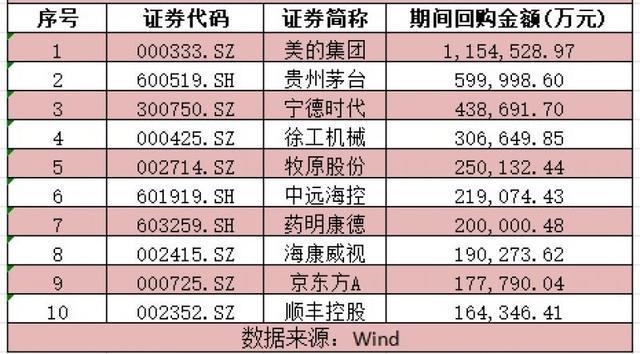
Core Viewpoint - The A-share market has seen a significant wave of stock buybacks in 2025, with nearly 1,500 companies participating, reflecting a robust response to economic recovery and external fluctuations [2][3]. Group 1: Market Overview - As of December 23, the Shanghai Composite Index closed at 3,919.98 points, with a year-to-date increase of 16.95%, peaking above 4,000 points [1]. - The overall market has shown a "shock bottoming and gradual recovery" trend, supported by favorable policies and improved corporate earnings [3]. - The three major indices have all risen this year, with the Shanghai Composite Index, Shenzhen Component Index, and ChiNext Index increasing by 16.95%, 28.37%, and 49.66%, respectively [3]. Group 2: Buyback Activity - Nearly 1,500 companies have initiated stock buybacks this year, with a total repurchase amount exceeding 1,400 billion yuan and over 13 billion shares repurchased [2][3]. - The buyback trend spans various sectors, including consumer, manufacturing, technology, and finance, indicating a comprehensive market support structure [2]. - Companies are increasingly using buybacks to enhance shareholder value and stabilize market expectations [2][3]. Group 3: Leading Companies in Buybacks - The top ten companies by buyback amount include Midea Group (11.55 billion yuan), Kweichow Moutai (5.99 billion yuan), and CATL (4.39 billion yuan) [1][6]. - Notably, Midea Group is the only company with a buyback amount exceeding 10 billion yuan this year [6]. - Companies like JD Display and XCMG Machinery have also made significant contributions to both buyback quantity and amount, showcasing their commitment to shareholder interests [6][7]. Group 4: Industry Participation - The manufacturing, consumer, and information technology sectors have the highest participation rates in buybacks, with leading firms like BOE Technology Group and XCMG Machinery actively repurchasing shares [4][5]. - These companies, backed by stable operating performance and ample cash flow, play a crucial role in stabilizing their stock prices and driving industry valuation recovery [4]. Group 5: Regulatory Support - The ongoing buyback trend is supported by regulatory policies, including the establishment of stock buyback and repurchase loans, which provide low-cost funding for companies [7]. - As of December 23, over 780 companies have disclosed receiving buyback loan support, with total loan amounts reaching over 100 billion yuan [7]. - The combination of these policies encourages companies to shift from passive stabilization to proactive value management [7][8].






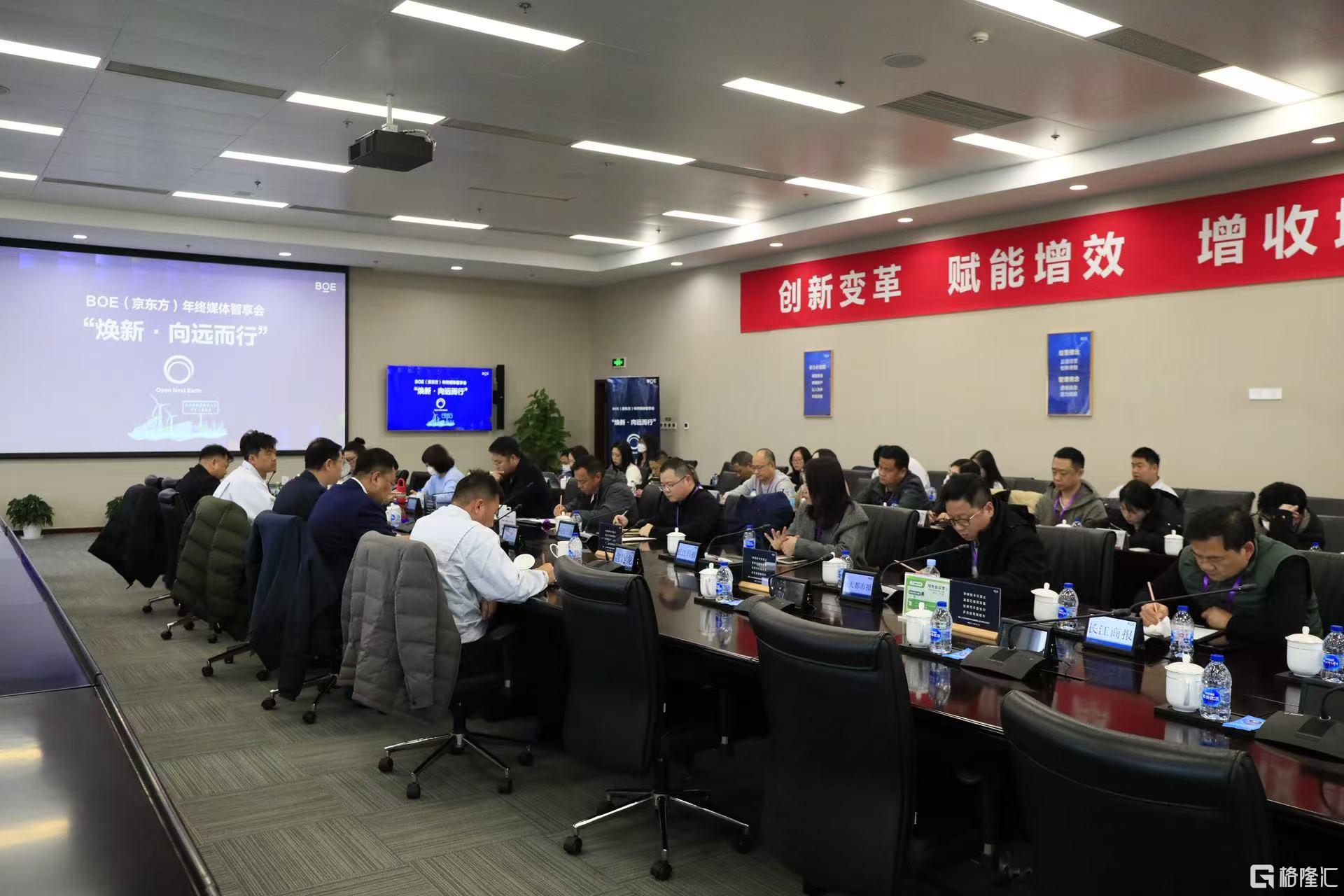
BOE(京东方)“焕新2026” 以绿色创新绘就可持续发展新蓝图
Ge Long Hui· 2025-12-23 12:47
Core Insights - BOE (京东方) is focusing on sustainable development in the display industry, showcasing achievements in green technology, low-carbon operations, and social responsibility during the "焕新2026" year-end media conference held in Wuhan [1][5] Group 1: Sustainable Development Strategy - BOE has integrated sustainable development into its corporate strategy, launching China's first sustainable development brand "ONE" and a comprehensive strategy with six pillars [5][12] - The company emphasizes the importance of sustainable development as a core issue for future business, extending its efforts to education, culture, and international cooperation [5][6] Group 2: Technological Innovations - BOE is leveraging AI, technology, ecology, and sustainability to create a comprehensive blueprint for "焕新2026," with a focus on its AI+ strategy and three major technology brands: ADS Pro, f-OLED, and α-MLED [3][12] - The company has achieved significant advancements in perovskite photovoltaic technology, setting world records for efficiency in various categories, including a steady-state efficiency of 27.37% for small battery devices [8][10] Group 3: Green Manufacturing and Energy Solutions - BOE's Wuhan facility is recognized as the first chlorine-free factory and a leading smart factory, focusing on green manufacturing practices and energy efficiency [6][10] - The company has developed a comprehensive zero-carbon solution for energy services, utilizing its self-developed BES smart energy management system and managing a total renewable energy station capacity of 770MW [10][12] Group 4: Industry Collaboration and Market Impact - BOE is actively collaborating with global partners to expand new technologies and applications, aiming for a win-win ecological transition [3][5] - The company has successfully implemented zero-carbon solutions in various projects, contributing to the green transformation of its clients and promoting the marketization of renewable energy [10][12]
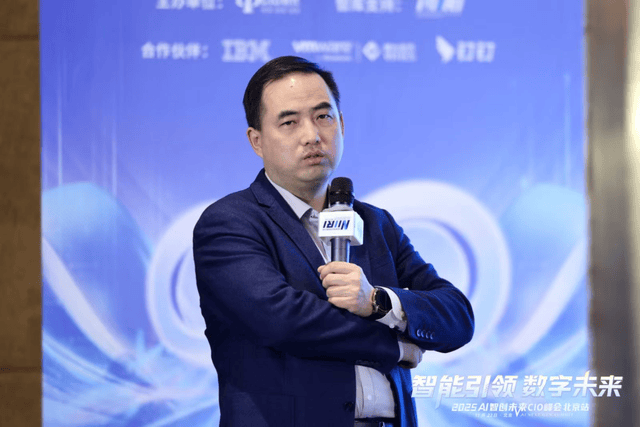
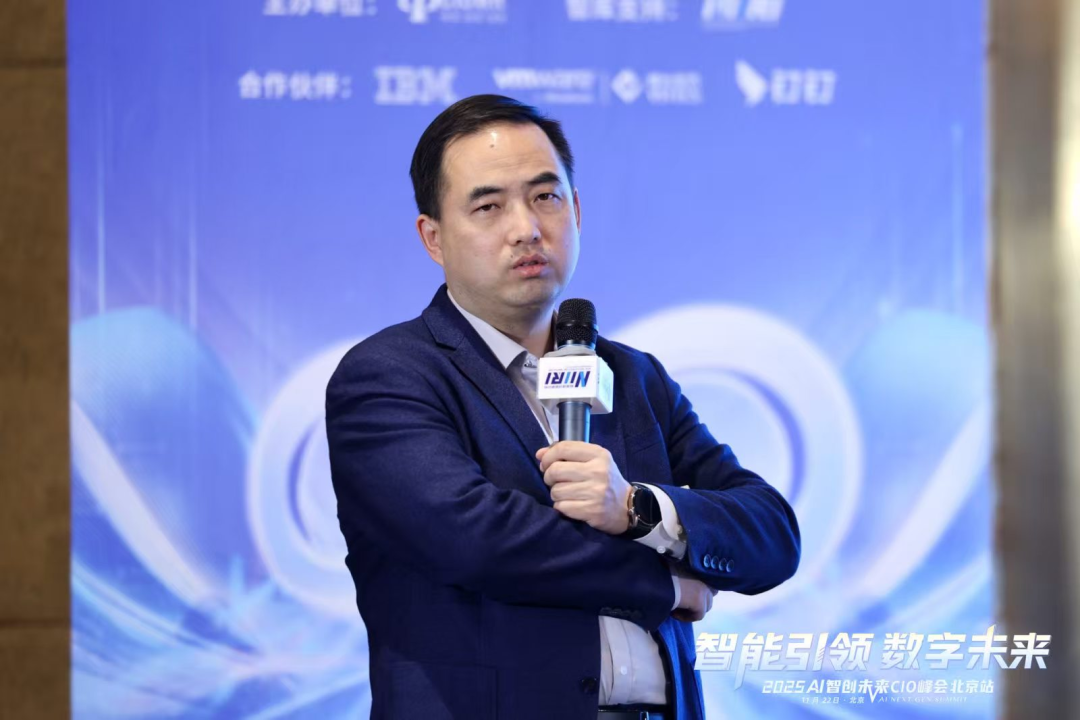
京东方齐永鑫:想要让数字化变革成功就不要忽略这些细节
Xin Lang Cai Jing· 2025-12-23 12:14
Core Viewpoint - The conference highlighted the essential elements for successful digital transformation in enterprises, emphasizing the need to avoid common pitfalls and adopt effective strategies for change [1][11]. Group 1: Key Challenges in Digital Transformation - Global success rates for digital transformation are below 20%, with issues such as value perception bias, short life cycles, and resource misallocation contributing to high failure rates [4][14]. - Five common problems leading to transformation failures include lack of theoretical guidance, inadequate planning, poor personnel selection, insufficient investment, and absence of a management system [5][15]. Group 2: Success Factors for Digital Transformation - The five key success factors for effective digital transformation are: choosing the right path, selecting the right people, emphasizing investment, building a management system, and timing the transformation appropriately [8][16]. - "Choosing the right path" involves understanding what digital transformation entails and ensuring it aligns with business processes and customer needs [8][16]. - "Selecting the right people" requires identifying key roles such as a transformation leader, a capable project manager, and experienced external consultants [8][16]. Group 3: Investment and Management Structure - Investment should be reflected in time, personnel, and budget, with regular involvement from leadership and dedicated teams for transformation efforts [9][17]. - Establishing a robust management system is crucial, including dedicated departments for change management and aligning transformation projects with company strategy [9][17]. Group 4: Cultural and Long-term Considerations - Cultural support is essential for successful transformation, as management system changes require alignment with employee behavior and values [10][18]. - Digital transformation is a long-term endeavor, with ongoing optimization necessary to ensure sustained success [10][18].
京东方A(000725.SZ):控股子公司能源科技申请公开发行股票并在北交所上市辅导验收完成
Ge Long Hui A P P· 2025-12-23 10:29
Core Viewpoint - BOE Technology Group Co., Ltd. (000725.SZ) announced that its subsidiary, BOE Energy Technology Co., Ltd., has been listed on the National Equities Exchange and Quotations (NEEQ) with the stock abbreviation "Energy Technology" and stock code "874526" [1] Group 1 - The company's 11th Board of Directors held its 10th meeting and the third extraordinary shareholders' meeting of 2025, where it approved the proposal for the subsidiary to apply for a public offering of shares to unspecified qualified investors and to list on the Beijing Stock Exchange [1] - On December 23, 2025, BOE Energy Technology received a notification from CITIC Construction Investment Securities Co., Ltd. confirming that the Beijing Securities Regulatory Bureau has issued a completion letter for the guidance work [1] - Under the guidance of CITIC Construction Investment, BOE Energy Technology has passed the acceptance check by the Beijing Securities Regulatory Bureau [1]
京东方A:控股子公司能源科技申请公开发行股票并在北交所上市辅导验收完成
Ge Long Hui· 2025-12-23 10:22
Core Viewpoint - BOE Technology Group Co., Ltd. (京东方A) announced that its subsidiary, BOE Energy Technology Co., Ltd. (能源科技), has been listed on the National Equities Exchange and Quotations (NEEQ) and is preparing for a public stock issuance to unspecified qualified investors for listing on the Beijing Stock Exchange [1] Group 1 - The 11th Board of Directors of BOE Technology approved the proposal for its subsidiary to apply for public stock issuance [1] - The third extraordinary general meeting of shareholders in 2025 also approved the same proposal [1] - On December 23, 2025, BOE Energy received a notification from CITIC Securities confirming the completion of the guidance work by the Beijing Securities Regulatory Bureau [1]
京东方A(000725) - 关于控股子公司申请向不特定合格投资者公开发行股票并在北交所上市辅导验收完成的自愿性信息披露公告
2025-12-23 10:15
| 证券代码:000725 | 证券简称:京东方 A | 公告编号:2025-091 | | --- | --- | --- | | 证券代码:200725 | 证券简称:京东方 B | 公告编号:2025-091 | 京东方科技集团股份有限公司 关于控股子公司申请向不特定合格投资者公开发行股票 并在北交所上市辅导验收完成的自愿性信息披露公告 本公司及董事会全体成员保证信息披露的内容真实、准确、完 整,没有虚假记载、误导性陈述或重大遗漏。 公司将根据相关事项进展情况及时履行信息披露义务,敬请广大投资 者注意投资风险。 特此公告。 京东方科技集团股份有限公司 董 事 会 2025 年 12 月 23 日 1 京东方科技集团股份有限公司(以下简称"公司")控股子公司京东 方能源科技股份有限公司(以下称"能源科技")为全国中小企业股份转 让系统挂牌企业(证券简称:能源科技,证券代码:874526)。公司第十 一届董事会第十次会议及 2025 年第三次临时股东会审议通过了《关于控 股子公司拟申请向不特定合格投资者公开发行股票并在北京证券交易所 上市的议案》。 2025 年 12 月 23 日,能源科技收到中信建投证券 ...
京东方A:控股子公司通过北交所上市辅导验收

Zheng Quan Shi Bao Wang· 2025-12-23 10:15
Core Viewpoint - BOE Technology Group Co., Ltd. (京东方A) announced that its subsidiary, BOE Energy Technology Co., Ltd., has successfully passed the guidance acceptance by the Beijing Securities Regulatory Bureau with the assistance of CITIC Securities [1] Group 1 - BOE Energy Technology received a notification from CITIC Securities regarding the completion of the guidance acceptance work [1] - The acceptance was confirmed by a letter issued by the Beijing Securities Regulatory Bureau [1]
京东方A:控股子公司京东方能源科技通过北交所上市辅导验收
Xin Lang Cai Jing· 2025-12-23 10:03
Core Viewpoint - BOE Technology Group's subsidiary, BOE Energy Technology, has successfully passed the guidance acceptance by the Beijing Securities Regulatory Bureau, completing relevant work under the guidance of CITIC Securities [1] Group 1 - BOE Energy Technology is listed on the National Equities Exchange and Quotations (NEEQ) with the stock abbreviation "Energy Technology" and the stock code "874526" [1] - The company will continue to fulfill its information disclosure obligations [1] - Investors are advised to pay attention to related investment risks [1]
京东方“焕新2026”媒体智享会圆满收官 以科技创新引领产业绿色转型
Zhong Guo Jin Rong Xin Xi Wang· 2025-12-23 08:40
Core Insights - BOE Technology Group held its "Renew 2026" year-end media event in Wuhan, focusing on sustainable development in the display industry and showcasing advancements in green technology, low-carbon operations, and social responsibility [1][3] Group 1: Strategic Vision - The event outlined a comprehensive blueprint for "Renew 2026" across four dimensions: AI renewal, technology renewal, ecological renewal, and sustainable renewal [3] - The "AI renewal" strategy aims to inject core intelligence into the "screen and IoT" ecosystem [3] - "Technology renewal" focuses on three core technology brands: ADS Pro, f-OLED, and α-MLED, driving technological upgrades and reinforcing competitive advantages [3] - "Ecological renewal" emphasizes open collaboration with global partners to explore new technologies and applications, transitioning from single technology empowerment to ecosystem co-prosperity [3] - The "sustainable renewal" initiative positions sustainable development as a core aspect of corporate growth, introducing China's first sustainable development brand "ONE" along with six strategic pillars [3][4] Group 2: Sustainable Development Practices - BOE integrates green development principles throughout its R&D, manufacturing, and operations, establishing a sustainable development system that combines organization, strategy, and branding [4] - The Wuhan BOE 10.5-generation TFT-LCD production line is highlighted as a chlorine-free and smart factory model, focusing on green manufacturing, energy conservation, and supply chain collaboration [4] - The company extends its social responsibility initiatives into education, culture, and international cooperation, promoting educational equity through projects like "Lighting the Growth Path" and collaborating with UNESCO on STEM education in Africa [4] Group 3: Emerging Business Areas - BOE is proactively expanding into emerging business areas, particularly in energy technology, as part of its "screen and IoT" strategy [5] - In the perovskite photovoltaic sector, BOE has achieved rapid breakthroughs from laboratory to pilot production, setting multiple world records, including a certified steady-state efficiency of 27.37% for small battery devices [5] - The company has successfully launched the world's first integrated perovskite building photovoltaic (BIPV) project, demonstrating applications in various settings [5] Group 4: Smart Energy Solutions - In the smart energy sector, BOE focuses on zero-carbon comprehensive services, providing a one-stop solution for factories and parks [6] - The company has developed the BES smart energy management system, integrating AI and IoT technologies for intelligent coordination of energy, information, and value flows [6] - BOE's self-owned renewable energy stations have a total capacity of 770 megawatts, with an annual green electricity supply capability of approximately 1 billion kilowatt-hours [6] - The company has introduced the "New Generation Charging" multimedia charging pile, enhancing urban green service nodes and enriching the smart energy ecosystem [6]
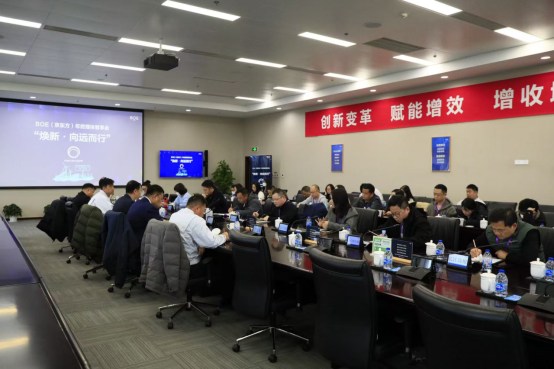
干货分享 | 京东方齐永鑫:想要让数字化变革成功就不要忽略这些细节
Sou Hu Cai Jing· 2025-12-23 06:11
Core Insights - The conference "Smart Leadership, Digital Future | 2025 AI Intelligent Future CIO Summit" highlighted the importance of successful digital transformation in enterprises, emphasizing the need to address common pitfalls and identify key success factors [1][3]. Group 1: Key Challenges in Digital Transformation - The global success rate of digital transformation is less than 20%, primarily due to issues such as value recognition bias, short survival cycles, and resource misallocation [3]. - Five common problems leading to failure in digital transformation include lack of theoretical guidance, inadequate planning, poor personnel selection, insufficient investment, and absence of a management system [4][5]. Group 2: Success Factors for Digital Transformation - Successful digital transformation requires five key elements: choosing the right path, selecting the right people, emphasizing investment, building a system, and timing the initiative correctly [6]. - The "Three Realms and Seven Steps" method developed by BOE emphasizes the importance of process reengineering, data standardization, and visualization in digital transformation [6][7]. Group 3: Organizational and Cultural Considerations - Cultural support is essential for the success of process changes, as digital transformation fundamentally involves changes in management systems that require cultural and behavioral shifts [8]. - Digital transformation is a long-term endeavor, and BOE has been optimizing its processes since the second half of 2019, focusing on steady progress and foundational work to increase success probabilities [8].