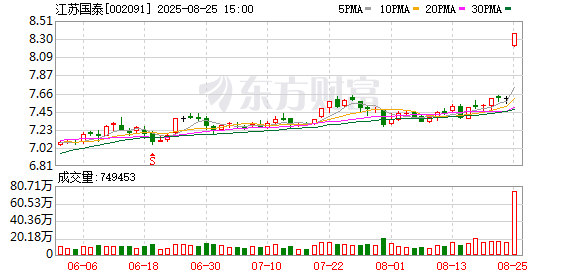
GTIG(002091)

Search documents
手握多只“明星股”、投入多达数十亿,行情走强上市公司又要炒股了
Di Yi Cai Jing· 2025-08-27 00:07
Core Viewpoint - The resurgence of stock trading among listed companies in the A-share market, with significant investments planned for securities trading and wealth management products, despite some companies terminating their plans shortly after announcement [1][2][8]. Group 1: Investment Plans - Jiangsu Guotai planned to use up to 138.3 billion yuan for wealth management and securities investment but terminated part of the plan shortly after [1][2]. - Other companies like Liou Co., Fangda Carbon, and Qipilang also announced plans to invest over 10 billion yuan in stock trading [1][2][3]. - Yidian Tianxia increased its planned investment from 1 million yuan to 5 million yuan for securities trading [3]. Group 2: Historical Context - Jiangsu Guotai has a history of stock trading for over ten years, with significant investments recorded in previous years [5][6]. - Liou Co. has also been involved in stock investments since 2016, with a notable increase in investment amounts over the years [6][7]. Group 3: Performance and Returns - Jiangsu Guotai reported a cumulative fair value change loss of 71.96 million yuan in the first half of the year, with total losses exceeding 200 million yuan over recent years [8][10]. - Liou Co.'s investment in Li Auto resulted in significant fluctuations in returns, with a peak profit of 60 billion yuan in 2020, but a loss of 4.41 billion yuan in 2022 [10]. - Seven Wolves reported that their securities investment accounted for over 70% of their total profit, despite facing a decline in overall performance [10][11].





A股行情走强,上市公司又要炒股了
Di Yi Cai Jing Zi Xun· 2025-08-26 15:09
Core Viewpoint - The A-share market is witnessing a resurgence in stock trading activities by listed companies, with significant investments planned for securities trading and wealth management products, although some companies have recently halted their investment plans [2][3]. Group 1: Investment Plans - Jiangsu Guotai planned to use up to 138.3 billion yuan for wealth management and securities investment but terminated the investment shortly after the announcement [2][3]. - Other companies, such as Lio Co., planned to invest up to 30 billion yuan in securities, while Fangda Carbon and Qipilang also announced significant investment plans [4]. - Yidian Tianxia increased its planned investment from 1 million yuan to 5 million yuan for securities trading [5]. Group 2: Investment Performance - Seven Wolves reported that its investment in stocks like Kweichow Moutai and Tencent accounted for over 70% of its total profit, despite experiencing a decline in its own performance [2][11]. - Jiangsu Guotai's securities investments showed a cumulative fair value change loss of 71.96 million yuan in the first half of the year, contributing to a total loss exceeding 200 million yuan over recent years [9]. - Lio Co. experienced significant fluctuations in investment returns, with a peak profit in 2020 followed by losses in subsequent years [10]. Group 3: Historical Context - Jiangsu Guotai has a long history of stock trading, having engaged in securities investments for over ten years, with increasing amounts over the years [6][7]. - Lio Co. has also been involved in equity investments since 2016, with notable investments in companies like Ideal Auto and Zhejiang Dano [8][10]. - Seven Wolves holds multiple high-profile stocks, with significant investments in Tencent and other major companies [8][11].



A股行情走强,上市公司又要炒股了
第一财经· 2025-08-26 14:36
Core Viewpoint - The article discusses the resurgence of A-share companies engaging in stock trading, highlighting significant investment plans and the mixed results of these investments [3][4]. Group 1: Investment Plans - Jiangsu Guotai planned to use up to 120 billion yuan of idle funds for entrusted wealth management and 18.306 billion yuan for securities investment, but later terminated part of the plan [5][6]. - Other companies like Lio Co., Fanda Carbon, and Qipilang also announced substantial investments, with Lio Co. planning to invest up to 30 billion yuan [4][6]. - Companies such as Xiantan Co. and Tapai Group have also disclosed plans to invest over 10 billion yuan in stock trading [6][7]. Group 2: Investment Performance - Jiangsu Guotai reported a cumulative fair value change of -71.96 million yuan for its securities investments in the first half of the year, indicating a long-term trend of losses exceeding 200 million yuan [12]. - Lio Co.'s investment in Li Auto saw significant fluctuations, with a peak profit of 60 billion yuan in 2020, but a loss of 4.41 billion yuan in 2022 [13]. - Seven Wolves reported that its securities investment contributed over 70% to its total profit, despite experiencing a decline in revenue and net profit in the first half of the year [14][15]. Group 3: Notable Holdings - Seven Wolves' investment portfolio includes high-profile stocks such as Kweichow Moutai, Tencent Holdings, and China Shenhua, with significant book values for these holdings [10]. - Jiangsu Guotai's investments included shares in Shenda Co. and Tianji Co., with a reported fair value change of -14.3 million yuan for Shenda [8][12].


手握多只“明星股”、投入多达数十亿,行情走强上市公司又要炒股了!
Di Yi Cai Jing· 2025-08-26 13:41
Core Viewpoint - A-share companies are increasingly engaging in stock investments, with several firms planning significant allocations of their funds for this purpose, despite some plans being abruptly terminated [1][2][4]. Group 1: Investment Plans and Amounts - Jiangsu Guotai planned to use up to 138.3 billion yuan for financial management and securities investment, but later terminated part of this plan [1][2]. - Other companies like Lio Co. and Fangda Carbon have also announced substantial investment plans, with Lio Co. intending to use up to 30 billion yuan for securities investment [2][3]. - Companies such as Qipilang and Xiantan Co. have also disclosed plans to invest over 10 billion yuan in stock trading [2][3]. Group 2: Historical Context and Performance - Jiangsu Guotai has a history of stock trading dating back ten years, with significant investments made over the years [5][6]. - Lio Co. has also been involved in stock investments since 2016, with their investment amounts increasing from 20 billion yuan to 30 billion yuan [6][7]. - Seven Wolves holds several high-profile stocks, with investment income significantly contributing to their overall profits, despite facing a decline in their own performance [8][10]. Group 3: Investment Outcomes - Jiangsu Guotai reported a cumulative fair value change loss of 71.96 million yuan in the first half of the year, indicating poor investment performance [8]. - Lio Co.'s investment in Li Auto resulted in a significant profit in 2020, but subsequent years saw fluctuations in investment returns, including a net loss in 2022 [9][10]. - Seven Wolves reported that their investment income accounted for over 70% of their total profit, despite experiencing a decline in revenue and net profit [10][11].
ESG解读|江苏国泰主业亏损豪掷138亿理财,治理透明度及募资管理被警示
Sou Hu Cai Jing· 2025-08-26 11:00
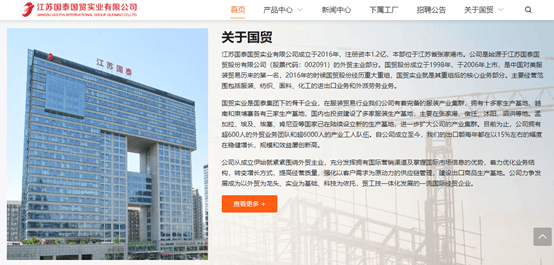
出品 | 搜狐财经 资料来源:江苏国泰官 网 编者按:ESG年报解读为搜狐财经及价值公司100联合发起的针对各公司ESG报告披露情况的解读专 栏。 参考上交所《上市公司治理准则》、港交所《环境、社会及管治守则》等文件,搜狐财经迭代完善各行 业ESG测评体系标准,并以最新标准为依托,以2024年公司ESG报告为主要数据来源,对公司环境资 源、社会责任及公司管治进行了评价。 本文为"江苏国泰"篇。 研究员 | 张子豪 8月22日,江苏国泰发布公告称,公司及下属子公司拟使用不超过120亿元的闲置自有资金进行委托理 财。委托理财范围包括但不限于结构性存款、收益凭证、大额存单、国债逆回购等,单笔理财产品期限 最长不超过36个月,资金可以滚动使用。 此外,公司及下属公司计划使用不超过18.306亿元(含已使用额度3.306亿元)的闲置自有资金开展证券 投资。 江苏国泰表示,该理财计划是为了提高公司及合并范围内子公司存量资金的使用效率与效益,在保障日 常生产经营资金需求以及不影响正常经营的情况下,合理利用闲置自有资金,为公司和股东创造更大的 收益。 截至公告日收盘,江苏国泰总市值为124亿元,2025年上半年净利润为5.4 ...
18亿投资计划取消,江苏国泰拟提高分红
2 1 Shi Ji Jing Ji Bao Dao· 2025-08-25 23:11
Core Viewpoint - Jiangsu Guotai announced a plan to invest over 1.83 billion yuan in securities but terminated it within two days, indicating a shift towards increasing shareholder returns through dividends instead of investments [1][2][3]. Group 1: Investment Plan and Termination - On August 22, Jiangsu Guotai planned to use up to 1.83 billion yuan of idle funds for securities investment, including 330.6 million yuan already used and an additional 1.5 billion yuan [2]. - The investment was intended to cover various securities, including new stock subscriptions and bonds, through a subsidiary [2]. - The termination of the investment plan was announced on August 24, just before the market opened, to avoid potential market misinterpretations and volatility [2][3]. Group 2: Dividend Policy - On the same day as the investment plan termination, Jiangsu Guotai released a three-year shareholder dividend return plan, which will be submitted for shareholder approval on September 10 [4]. - The new dividend plan aims to increase the frequency of dividends from once a year to two to three times a year and raise the cash dividend ratio from a minimum of 10% to 40% of distributable profits [5]. - The average annual cash dividend amount as a percentage of net profit attributable to shareholders will also increase from 30% to 40% over the next three years [5][6]. Group 3: Industry Trends - Jiangsu Guotai's move reflects a broader trend among A-share companies to enhance dividend payouts, with 17 companies announcing mid-term dividend plans exceeding 100 yuan per hand as of August 25 [7]. - The largest dividend announced was from Jibite, with a payout of 660 yuan per hand, indicating a significant increase in dividend distribution across the market [7]. - Factors driving this trend include regulatory encouragement for increased cash dividends, improved corporate profitability, and a heightened sense of responsibility among companies to return value to shareholders [8].
18亿投资计划取消!江苏国泰拟提高分红
2 1 Shi Ji Jing Ji Bao Dao· 2025-08-25 13:17
Group 1 - Jiangsu Guotai announced a plan to invest over 1.83 billion yuan in securities but terminated it within two days without any trading day in between [1][2] - The termination coincided with the release of a three-year shareholder dividend return plan, indicating a shift in focus towards increasing shareholder returns [1][4] - The company aims to increase the frequency of dividends from once a year to two to three times a year and raise the cash dividend ratio from at least 10% to 40% of distributable profits [5][6] Group 2 - The trend of increasing dividends is not unique to Jiangsu Guotai, as many listed companies are also enhancing their dividend payouts, with 17 companies offering over 100 yuan per hand in dividends as of August 25 [7] - The largest dividend per hand is from Jibite, reaching 660 yuan, reflecting a broader trend of companies responding to regulatory encouragement to boost dividend distributions [7][8] - Factors driving the increase in mid-term dividends include ongoing policy guidance, improving corporate profitability, and a heightened sense of responsibility among companies to return value to shareholders [8]
市值124亿,却拿138亿炒股,这波牛市连上市公司都坐不住了
Sou Hu Cai Jing· 2025-08-25 12:31
Core Viewpoint - The article discusses the trend of listed companies in China's A-share market engaging in stock trading and financial investments, raising concerns about their focus on core business operations and the potential risks involved [2][11]. Group 1: Company Actions - Jiangsu Guotai, a listed company with a market value of 13.6 billion yuan, announced plans to use up to 12 billion yuan of idle funds for entrusted financial management and an additional 1.83 billion yuan for securities investment, totaling 13.8 billion yuan, which exceeds its market value at the time [5][7]. - The company terminated a 1.538 billion yuan project for lithium-ion battery electrolyte production on the same day it announced its investment plans, leading to criticism regarding its priorities [6][7]. - Jiangsu Guotai has previously engaged in significant financial investments since 2022, resulting in losses exceeding 70 million yuan, which negatively impacted its operational cash flow and R&D spending [7]. Group 2: Industry Trends - At least 57 A-share listed companies planned to use idle funds for stock trading in 2025, with some companies investing over 1 billion yuan, despite five of them being in a loss-making state [8]. - Some companies, like Lio Co., have successfully profited from investments, turning a 500 million yuan investment in Li Auto into over 1 billion yuan in cash, while others, like Meitu, made significant profits from cryptocurrency investments [8]. - However, there are cases where companies faced negative consequences from heavy stock trading, such as Jinhua Co. needing to borrow funds due to a shortfall caused by stock trading activities [9]. Group 3: Market Risks and Regulations - The article highlights that while stock trading by listed companies is not illegal, it must comply with regulations regarding funding sources, decision-making processes, and information disclosure to ensure that it does not adversely affect core business operations [11]. - Companies that focus excessively on stock trading may neglect their main business, leading to potential long-term risks and reduced investment in R&D and capacity expansion [11].
巨资炒股计划两天就夭折!江苏国泰改将现金分红比例提升至40%
Hua Xia Shi Bao· 2025-08-25 12:17
Core Viewpoint - Jiangsu Guotai's announcement of a 15 billion RMB securities investment plan drew significant public attention, but the company quickly reversed this decision two days later, indicating a focus on core business and increased shareholder returns [1][2][3]. Investment Plan Announcement - On August 22, Jiangsu Guotai announced plans to use up to 120 billion RMB for entrusted wealth management and up to 18.3 billion RMB for securities investment, totaling over 138 billion RMB, which exceeded the company's market capitalization of 123.88 billion RMB [2][3]. - The company had already invested 3.306 billion RMB in securities and planned to establish a subsidiary for securities investment with 15 billion RMB [2][4]. Cancellation of Investment Plan - On August 24, Jiangsu Guotai announced the cancellation of the securities subsidiary plan, citing a need to focus on core business and enhance shareholder returns [3][6]. - The decision was made during a board meeting held on a Sunday, highlighting the urgency of the cancellation [6]. Shareholder Return Strategy - The company revised its shareholder return strategy, planning to distribute dividends 2-3 times annually from 2025 to 2027, with a minimum cash dividend of 40% of distributable profits, up from the previous 10% [7][8]. - This change aims to improve investor returns and reflects a shift in corporate strategy towards prioritizing shareholder interests [7]. Corporate Governance Concerns - The decision-making process regarding the 15 billion RMB investment raised concerns about communication between the board and management, as well as between major and minority shareholders [1][8]. - Current regulations allow significant financial decisions to be made by the board without shareholder approval, which may not adequately protect minority shareholders [8].
15亿元证券投资公告上演“两日游” 江苏国泰:将聚焦主业 提高分红
Mei Ri Jing Ji Xin Wen· 2025-08-25 11:35
Core Viewpoint - Jiangsu Guotai announced a plan to invest 1.5 billion yuan in securities but retracted the decision two days later, emphasizing a focus on core business and increased shareholder returns [2][3] Group 1: Securities Investment Decision - Jiangsu Guotai's subsidiary planned to use 1.5 billion yuan for establishing a subsidiary for securities investment, but the plan was terminated shortly after its announcement [2] - The company stated that the decision to terminate the investment was made to focus on its main business and to enhance dividend returns for shareholders [3] Group 2: Financial Management - The funds intended for securities investment represent only a small portion of the company's idle funds, with a separate announcement indicating plans to use up to 12 billion yuan for entrusted wealth management [3] - The types of investments include low to medium-risk financial products such as structured deposits, income certificates, large certificates of deposit, and reverse repos [3] Group 3: Project Termination - The company has also terminated a project for an annual production of 400,000 tons of lithium-ion battery electrolyte due to unresolved land delivery issues and market conditions leading to overcapacity and declining prices [4][5] - The project was initially expected to generate annual sales of 15.08 billion yuan and a net profit of 790 million yuan, but the anticipated return on investment has significantly decreased [5] Group 4: Dividend Policy - Jiangsu Guotai plans to increase its cash dividend payout ratio from at least 10% of distributable profits to at least 40%, and the average annual cash dividend amount over the next three years will also be raised to at least 40% of the net profit attributable to shareholders [5]