
SUNWODA(300207)

Search documents
从“零件思维”到“科学归因”:新能源汽车电池安全的责任边界之问
Di Yi Cai Jing Zi Xun· 2026-01-15 05:49
Core Viewpoint - The recent discussions surrounding the safety responsibilities of power batteries have become a focal point in the industry, particularly following a global recall initiated by an international automaker in early 2026, which has drawn attention to the battery supply chain [1] Group 1: Battery Safety and Responsibility - The recall event has prompted deeper reflections on the boundaries of responsibility within the supply chain, especially as battery failures and safety incidents have become more frequent amid the rapid growth of new energy vehicle ownership [1] - A lawsuit was filed against a battery supplier, XWANDA, by a domestic automaker claiming quality issues with the supplied battery cells, seeking over 2.3 billion yuan in damages [3] - XWANDA emphasized that the battery system issues cannot be solely attributed to the battery cells without comprehensive technical validation, highlighting the complexity of the battery pack as a system [3] Group 2: Market Position and Performance - XWANDA holds a significant position in the industry, with a reported domestic new energy passenger vehicle installation volume of 21.32 GWh and a market share of 3.93% for the period from January to November 2025, marking an increase of 0.57 percentage points year-on-year, ranking fifth [3] - Globally, XWANDA's battery installation volume is projected to reach 18.8 GWh in 2024, representing a year-on-year growth of 74.1%, with a market share of 2.1%, ranking tenth [3] Group 3: Systematic Analysis of Battery Failures - Analysts suggest that the analysis of battery failures should encompass three parts: full lifecycle data tracing, systematic verification of components, and cross-comparison of performance across different battery pack designs [4] - Responsibility for failures may stem from various factors, including manufacturing defects in battery cells, unreasonable BMS overcharge protection logic, insufficient coolant flow, or excessive vibration loads at installation points [4] Group 4: Collaborative Development Model - The industry is urged to shift from a simple "parts procurement" and "post-factum accountability" approach to a "pre-collaborative development" model to ensure the safety and reliability of batteries [6] - An example of this model is XWANDA's collaboration with a new energy vehicle company, where both parties formed a joint team from the early stages of vehicle definition to ensure compatibility and consistency between battery cell characteristics and system requirements [6] Group 5: Call for Industry Standards - The recent events surrounding XWANDA have highlighted the need for a "joint responsibility sharing agreement" within the industry, advocating for a shift from post-event accountability to proactive collaboration to prevent technical risks [8] - Industry organizations are encouraged to establish standard processes for attributing technical issues, ensuring a neutral stance until third-party testing and judicial conclusions are reached, while also enhancing data collection and sharing throughout the battery lifecycle [8]


从“零件思维”到“科学归因”:新能源汽车电池安全的责任边界之问
第一财经· 2026-01-15 05:39
Core Viewpoint - The recent discussions surrounding the safety responsibilities of power batteries have become a focal point in the industry, particularly following a global recall initiated by an international car manufacturer in early 2026, which has drawn attention to the battery supply chain [1]. Group 1: Battery Safety and Responsibility - The recall incident has prompted deeper reflections on the boundaries of supply chain responsibility, especially as battery failures and safety incidents have been on the rise amid the rapid growth of new energy vehicle ownership [1]. - A domestic car manufacturer filed a lawsuit against XINWANGDA, claiming quality issues with the supplied battery cells, seeking compensation exceeding 2.3 billion yuan. XINWANGDA responded that the third-party testing and judicial processes are not yet complete, emphasizing the need for a comprehensive technical validation rather than attributing battery system issues solely to the battery cell segment [4]. - XINWANGDA's market position is significant, with a domestic new energy passenger vehicle installation volume of 21.32 GWh and a market share of 3.93% in the first 11 months of 2025, reflecting a year-on-year increase of 0.57 percentage points, ranking fifth in the industry [4]. Group 2: Systematic Analysis of Battery Failures - A systematic approach to fault attribution is necessary, which includes full lifecycle data analysis from battery cell production to failure, systematic verification of BMS control strategies, and cross-comparison of performance across different battery pack designs [5]. - The responsibility for battery failures may lie in various components, including manufacturing defects in battery cells, unreasonable BMS overcharge protection logic, insufficient coolant flow leading to localized overheating, or excessive vibration loads at installation points [5]. Group 3: Collaborative Development Models - The collaboration model between vehicle manufacturers and battery suppliers must shift from simple "parts procurement" and "post-factum accountability" to a "pre-collaborative development" model to ensure the safety and reliability of batteries [8]. - An example of this is XINWANGDA's partnership with a new energy vehicle manufacturer, where both parties formed a joint team from the early stages of vehicle definition, ensuring that battery cell characteristics align perfectly with BMS control strategies and thermal management needs [9]. Group 4: Industry Call for Responsibility Sharing - The recent public relations incident involving XINWANGDA has highlighted the need for the industry to establish a "shared responsibility agreement" and to promote the "joint venture" model to shift accountability from post-event to preemptive measures through deep collaboration [11]. - The industry should develop standard processes for attributing technical issues, ensuring that all parties maintain a neutral technical stance until third-party testing reports and judicial conclusions are released, while also enhancing the collection and sharing of battery lifecycle data to provide a reliable data foundation for scientific attribution [11].
2026年固态电池产线建设元年,电池ETF嘉实(562880)一键布局电池产业链机遇
Xin Lang Cai Jing· 2026-01-15 03:52
Group 1 - The core viewpoint of the news highlights the strong performance of the battery sector, particularly the solid-state battery technology, which is expected to see significant advancements and applications by 2028 [1][2] - The China Securities Battery Theme Index has risen by 1.61%, with notable increases in stocks such as Weixin Materials (up 8.92%) and Xiamen Tungsten (up 7.99%) [1] - The EIA reports a projected increase in wholesale electricity prices in the U.S., with a 23% rise in 2025 and an additional 8.5% in 2026, indicating a growing demand for energy solutions [1] Group 2 - Tianfeng Securities forecasts that the demand for power and energy storage batteries will reach 1,872 GWh in 2025 and 2,236 GWh in 2026, representing year-on-year increases of 45% and 25% respectively [2] - The top ten weighted stocks in the China Securities Battery Theme Index account for 51.77% of the index, with leading companies including CATL and Sungrow Power [2] - The solid-state battery production line and supply chain establishment are expected to be critical in 2026, with equipment and core materials showing significant growth potential [1]



汇聚全球产业链,CIBF2026助推动力储能电池行业转向“价值竞争”
Zhong Guo Jin Rong Xin Xi Wang· 2026-01-15 01:55
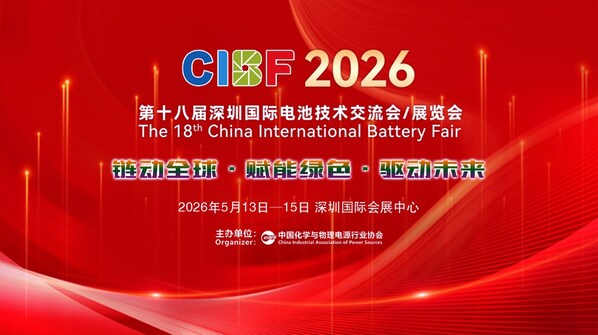
Core Viewpoint - The 18th Shenzhen International Battery Technology Exchange Conference/Exhibition (CIBF2026) will be held from May 13 to 15, 2026, focusing on global collaboration and high-quality development in the battery industry [1][3]. Industry Overview - CIBF2026 is expected to attract over 3,000 exhibitors and cover an exhibition area of 280,000 square meters, featuring leading companies such as CATL, BYD, and others [3]. - The event aims to shift the industry focus from scale competition to value competition, promoting high-quality development [1][3]. Forum and Activities - High-level forums will be held during the event, including discussions on advanced battery technologies and next-generation battery technologies for electric aviation, attracting over 2,000 industry experts and representatives [5]. - The forums will facilitate sharing of successful experiences and guide resources towards high-value areas, addressing the issue of low-price competition [5]. Technological Innovations - CIBF2026 will showcase cutting-edge technologies such as solid-state batteries, sodium-ion batteries, and lithium-metal batteries, along with key materials and automated production equipment [7]. - The exhibition will present a comprehensive view of the entire industry chain, from material research to recycling, accelerating the transition of technologies from laboratory to large-scale industrialization [7]. Global Market and Compliance - The event aims to create a collaborative ecosystem across the entire industry chain, serving as a connector for international cooperation, with an expected attendance of over 350,000 professional visitors from more than 50 countries [9][10]. - Special international exhibition areas will address compliance challenges posed by new regulations in the EU and the US, facilitating the entry of Chinese brands into international markets [10]. Industry Growth and Challenges - In the first 11 months of 2025, China's power and other battery production and sales reached 1,468.8 GWh and 1,412.5 GWh, respectively, with year-on-year growth exceeding 50% [10]. - The battery export volume reached 260.3 GWh, a 44.2% increase, while the export of Chinese brand new energy vehicles grew by 139%, indicating strong global demand for Chinese new energy products [11]. Strategic Importance - CIBF2026 is viewed as a barometer and accelerator for the global new energy industry, exploring the vast market potential brought by national strategies for large-scale development of new energy storage [11]. - The event is expected to enhance industry concentration and resource utilization efficiency in the short term, while promoting a healthy and sustainable new industry pattern in the long term [11].



欣旺达:公司在印度、越南等地均有产能布局
Zheng Quan Ri Bao Wang· 2026-01-14 13:14
证券日报网讯1月14日,欣旺达(300207)在互动平台回答投资者提问时表示,公司产品出口形式主要 为保税出口,政策调整对公司影响有限。同时,公司在印度、越南、泰国、摩洛哥、匈牙利等地均有产 能布局,出口退税政策的调整有助于提升公司海外生产基地的竞争力。 ...
视频|针对沃尔沃在全球召回EX30一事,欣旺达董事长回应
Xin Lang Cai Jing· 2026-01-14 12:19
Core Insights - The article discusses the latest developments in the electric vehicle (EV) industry, highlighting significant growth trends and market dynamics [1] Group 1: Industry Trends - The electric vehicle market is projected to grow significantly, with a compound annual growth rate (CAGR) of 25% over the next five years [1] - Government incentives and environmental regulations are driving the adoption of electric vehicles, leading to increased investments in EV infrastructure [1] - Major automotive manufacturers are expanding their EV lineups, with several companies committing to fully electric fleets by 2030 [1] Group 2: Company Developments - A leading automotive company reported a 40% increase in EV sales year-over-year, reflecting strong consumer demand [1] - Another company announced a partnership with a technology firm to enhance battery technology, aiming to improve range and reduce charging times [1] - A startup in the EV sector secured $200 million in funding to accelerate the development of its innovative electric vehicle platform [1]
以地方担当书写“挑大梁”的枣庄答卷
Qi Lu Wan Bao· 2026-01-14 12:05
Group 1 - The core viewpoint emphasizes the transformation of Zaozhuang from a traditional coal city to a new lithium battery city, showcasing its industrial innovation and practices as a model for Shandong's economic strategy [2][3] - Zaozhuang has developed a comprehensive lithium battery industry with 128 companies, earning the title of "China's New Energy Battery City," indicating a significant shift from its previous coal-dominated economy [3] - The integration of innovation and industry is highlighted as a key driver for Zaozhuang's transformation, with a focus on creating mechanisms that bridge policy and industry needs [3] Group 2 - The emphasis on practical performance and real-world training for officials aims to build a capable workforce that can effectively support the city's transformation [4] - Zaozhuang's development strategy prioritizes improving living standards alongside economic growth, demonstrating a commitment to both industrial advancement and enhancing public welfare [4] - The transformation story of Zaozhuang serves as a comprehensive example of industrial restructuring, innovative mechanisms, workforce development, and improvements in public welfare, providing a solid foundation for Shandong's economic ambitions [4]
欣旺达董事长回应沃尔沃召回风波:涉事电池组并非欣旺达供货
Sou Hu Cai Jing· 2026-01-14 07:25
Group 1 - Volvo Cars is recalling its EX30 electric vehicles due to potential thermal runaway risks associated with the battery packs [2][3] - The battery cells in question are not supplied by the battery manufacturer, Sunwoda, but are produced by a joint venture between Geely and Sunwoda, where Sunwoda holds a 30% stake [1][2] - Prior to the recall, the electric vehicle technology company, Weirui, which is owned by Geely and Zeekr, had sued Sunwoda for 2.314 billion yuan over defective batteries supplied to Zeekr vehicles [2][3] Group 2 - Sunwoda reported a total revenue of 43.534 billion yuan for the first three quarters of 2025, representing a year-on-year growth of 13.73%, and a net profit attributable to shareholders of 1.405 billion yuan, up 15.94% year-on-year [3] - In the first eleven months of 2025, Sunwoda's domestic power battery installation volume reached 21.8 GWh, capturing a market share of 3.25%, ranking sixth in the industry [3]

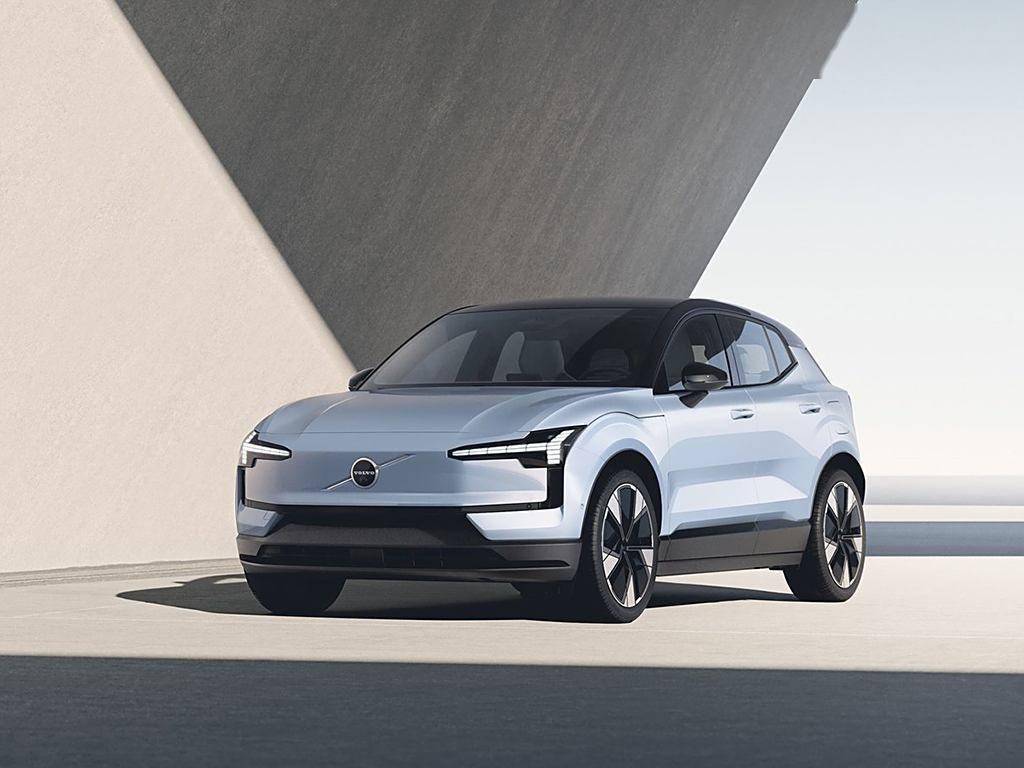
欣旺达董事长回应沃尔沃汽车召回事件:传言不属实,涉事电池组不是欣旺达供货
Xin Lang Cai Jing· 2026-01-14 06:06
今日,据九派财经消息,近日,有媒体报道称,沃尔沃汽车因电池制造商欣旺达供应的电池存在安全隐 患,已在全球多个国家和地区启动召回沃尔沃EX30车型。对此,欣旺达董事长王威回应,相关网络传 言并不属实。 今日,据九派财经消息,近日,有媒体报道称,沃尔沃汽车因电池制造商欣旺达供应的电池存在安全隐 患,已在全球多个国家和地区启动召回沃尔沃EX30车型。对此,欣旺达董事长王威回应,相关网络传 言并不属实。 王威表示,涉事的电池组本身并不是由欣旺达供货——相关产品是由沃尔沃系统内工厂提供的。电芯也 是由吉利和欣旺达的合资公司生产(即山东吉利欣旺达有限公司),其中欣旺达占股很少,只有30%。 欣旺达官方也表示,上述交易与欣旺达动力无关。本次媒体所传沃尔沃拟召回的EX30电动汽车电池 包,系由山东吉利欣旺达有限公司生产电芯,供应给沃尔沃的电池系统供应商。电池系统公司组装成电 池包后销售给沃尔沃。 据知情人士透露,该事件中电池包、BMS(电池管理系统)、热管理及结构件均是由吉利旗下的威睿 电动汽车技术(宁波)有限公司(以下简称"吉利威睿")设计制造。企查查显示,该公司由极氪汽车持 股51%,吉利汽车集团持股49%。 电车界此前 ...
欣旺达涨2.00%,成交额4.60亿元,主力资金净流入688.67万元
Xin Lang Cai Jing· 2026-01-14 02:55
Core Viewpoint - The stock of XINWANDA has shown a decline of 4.44% since the beginning of the year, with significant drops over various time frames, indicating potential challenges in the market [1]. Group 1: Stock Performance - As of January 14, XINWANDA's stock price increased by 2.00% to 24.99 CNY per share, with a trading volume of 460 million CNY and a turnover rate of 1.09%, resulting in a total market capitalization of 46.168 billion CNY [1]. - Year-to-date, XINWANDA's stock has decreased by 4.44%, with a 3.36% drop over the last five trading days, a 12.56% decline over the last 20 days, and a 16.11% decrease over the last 60 days [1]. Group 2: Financial Performance - For the period from January to September 2025, XINWANDA achieved a revenue of 43.534 billion CNY, representing a year-on-year growth of 13.73%, and a net profit attributable to shareholders of 1.405 billion CNY, reflecting a year-on-year increase of 15.94% [2]. Group 3: Shareholder Information - As of September 30, 2025, the number of XINWANDA shareholders reached 135,300, an increase of 18.08% from the previous period, while the average number of circulating shares per person decreased by 15.23% to 12,669 shares [2]. - The cumulative cash dividends paid by XINWANDA since its A-share listing amount to 1.772 billion CNY, with 755 million CNY distributed over the past three years [3]. - Among the top ten circulating shareholders, Hong Kong Central Clearing Limited is the second-largest shareholder with 69.279 million shares, a decrease of 21.416 million shares from the previous period [3].