
SUNWODA(300207)

Search documents
欣旺达与吉利系和解 影响去年净利润超5亿
2 1 Shi Ji Jing Ji Bao Dao· 2026-02-07 11:15
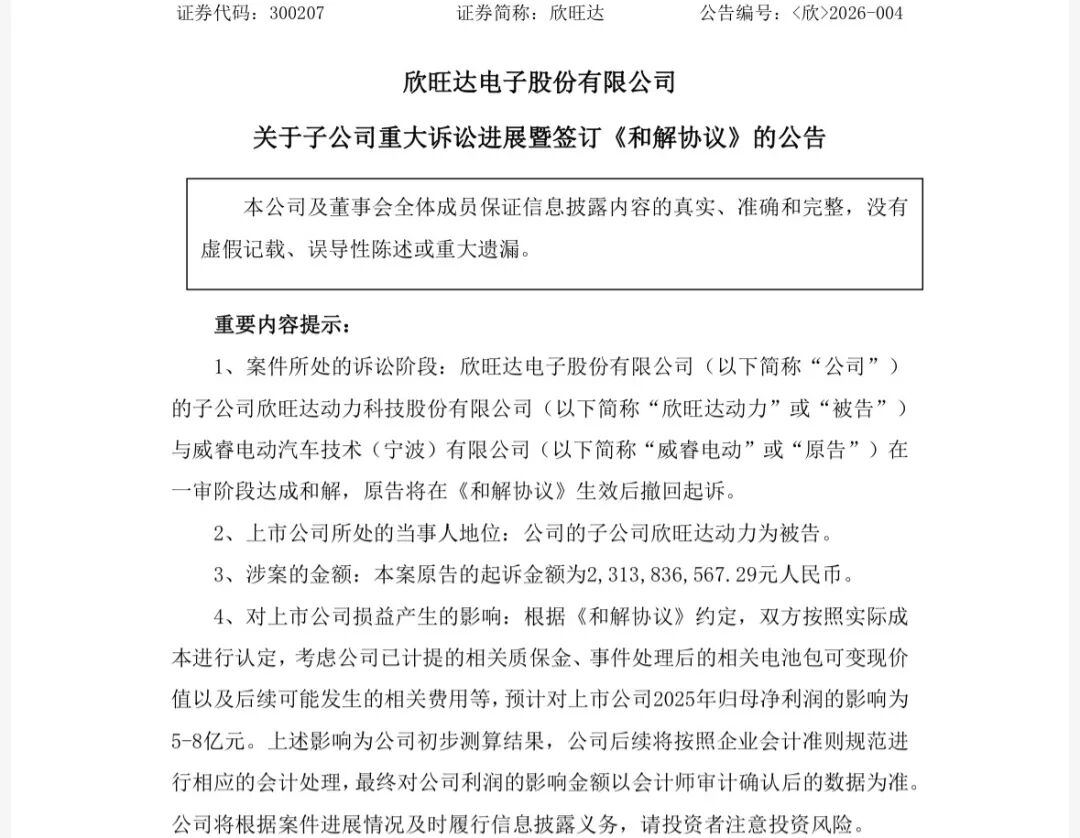
备受市场关注的电芯交付争议,告一段落。 2月6日晚,欣旺达子公司欣旺达动力科技股份有限公司与威睿电动汽车技术(宁波)有限公司在一审阶段达成和解,原告将在 《和解协议》生效后撤回起诉。 威睿电动为吉利系的子公司,去年底,威睿电动起诉欣旺达动力,称欣旺达动力在2021年6月至2023年12月期间向威睿电动交付 的电芯存在质量问题,并索赔23.14亿元。 随着欣旺达与威睿电动宣布和解,欣旺达港股上市进程中最大风险因素近乎得以解决。 吉利与欣旺达的合作源于2021年,当年4月,欣旺达动力收到威睿动力关于PMA平台项目动力电池电芯的开发意向书,为其 PMA平台项目供应动力电池电芯产品,后续吉利一度是欣旺达的大客户。此前,部分极氪001搭载着欣旺达电芯,随着极氪001 的放量,有部分极氪001车主反馈,车辆存在锁电,充电速度变慢等情况。2024年底,极氪为部分用户更换了全新电池包。 根据《和解协议》约定,双方按照实际成本进行认定,考虑公司已计提的相关质保金、事件处理后的相关电池包可变现价值以 及后续可能发生的相关费用等,预计对上市公司2025年归母净利润的影响为5-8亿元。 具体来看,双方事实上同意更换动力电池包相关的费 ...


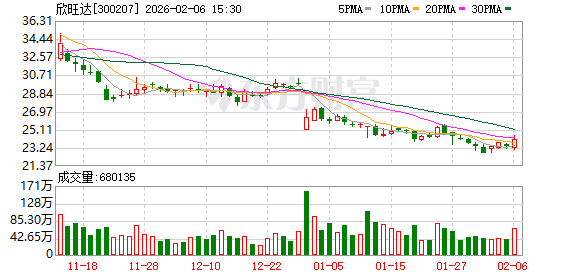
欣旺达动力发布重要声明!| 头条
第一商用车网· 2026-02-07 11:02
2月6日,欣旺达动力微信公众号发布《关于欣旺达动力与威睿达成和解的声明》,正文如下: 关于欣旺达动力与威睿达成和解的声明 尊敬的社会各界朋友: 此前,"威睿电动汽车技术(宁波)有限公司"与"欣旺达动力科技股份有限公司"因合同执行纠纷引发诉讼,双方经充分沟通与友好协商 已达成和解,我司特发布声明如下: 欣旺达动力始终与合作伙伴一道,将用户利益置于首位,全力配合和保障相关产品与服务的连续性及稳定性。此次双方签订和解协议, 妥善解决业务纠纷,既最大程度保护消费者利益,又符合行业健康发展大局。我们将携手广大合作伙伴,共同构建互融互通的产业生 态,为新能源产业链的稳健成长贡献力量。感谢社会各界及媒体朋友的关注与监督。 特此声明。 欣旺达动力科技股份有限公司 2026年2月6日 ■ 品牌加盟 快手号 长按识别 i ● 徐工摘冠,三一/重汽/解放拼前二,1月新能源牵引车销量超1.5万辆增167%!| 头条 ● 销量增80%迎开门红 多细分市场大涨 1月福田欧曼为何这么强? ● 西非市场再进一步!解放J6L首次批量交付多哥 ● 三一和TA 中标! ● 豪掷10.6亿元!1208辆纯电客车大单谁能拿下?| 头条 ...

锂电产业链周记 | 宁德时代钠电池大规模应用乘用车 欣旺达动力与威睿电动和解
Xin Lang Cai Jing· 2026-02-07 04:16
Group 1 - Maxell, a Japanese electronics and materials company, announced the sale of its lithium-ion battery subsidiary, Wuxi Maxell Energy Co., Ltd., to Zhejiang Xinghuan Holdings, a wholly-owned subsidiary of Xinghe Energy, for approximately 48.96 million yuan, with the transaction expected to be completed within the month [1] - The sale is part of Maxell's proactive adjustment of its global business strategy, as the company has decided to cease its square lithium battery business by 2025 and plans to dissolve and liquidate the Wuxi subsidiary responsible for this product [1] - Maxell, established in 1960, was a significant player in the mobile device market with its square lithium batteries, but has seen a decline in sales and profits due to the consumer electronics market's shift towards pouch batteries [1] Group 2 - LG Energy Solution announced an agreement with Hanwha Solutions' U.S. subsidiary to supply batteries for its energy storage system project, with plans for local production to avoid tariff uncertainties [2] - The agreement includes the supply of 5 GWh of batteries, with delivery scheduled between 2028 and 2030 [2] - Guoxuan High-Tech plans to raise up to 5 billion yuan by issuing no more than 272 million A-shares to no more than 35 specific investors, with the net proceeds intended for three major battery projects and to supplement working capital [2]

9点1氪丨千问回应“春节30亿免单”页面崩了;网信部门对快手平台依法作出处罚;董事长被指疑为“骗保”精神病院实控人,爱尔眼科声明
3 6 Ke· 2026-02-07 01:02
Group 1 - Qianwen's "Spring Festival 3 Billion Free Order" event faced server issues due to high demand, prompting the company to allocate more resources to ensure smooth operation [2] - The event allows users to order milk tea for free using AI, with a promotional period from February 6 to February 12, and offers additional incentives for inviting friends [2] - The second phase of the promotion will start on February 13, where users can receive cash red envelopes, with a maximum prize of 2888 yuan [2] Group 2 - Kuaishou was fined 119.1 million yuan for failing to manage security risks and for not promptly addressing illegal content on its platform, as per the Beijing Internet Information Office [2] - Kuaishou has committed to rectifying the issues identified during the investigation [3] Group 3 - Aier Eye Hospital's chairman was linked to a suspected insurance fraud case, causing a stock price drop of over 3% before the company clarified that the hospital is not part of its consolidated financial statements [3] - Aier Eye Hospital stated that the chairman does not directly manage the operations of the implicated hospital [3] Group 4 - Weibo has entered into a sponsorship agreement with the Chinese Olympic Committee, covering the period from 2026 to 2029, including upcoming international events [3] Group 5 - XWANDA reached a settlement with Geely's subsidiary regarding battery pack costs, with an expected impact on net profit of 500 million to 800 million yuan for 2025 [6] Group 6 - Novo Nordisk's sales of the diabetes drug semaglutide in China saw a 7% decline, amounting to approximately 5.4 billion Danish kroner (around 853 million USD) [7] Group 7 - Nvidia is reportedly not planning to release any new gaming graphics cards in 2026 due to ongoing storage chip shortages, prioritizing AI chip production instead [8] Group 8 - Amazon plans to invest 200 billion USD in AI infrastructure this year, significantly exceeding analyst expectations, which may pressure the company's profits in the short term [12] Group 9 - Apple is reportedly scaling back its virtual health coach project, "Mulberry," and plans to integrate some features into existing health applications [12] Group 10 - PallasAI announced the completion of a financing round worth several tens of millions of yuan, which will be used for technology upgrades and industry-specific solutions [19]


视频|欣旺达动力与吉利系威睿电动就23.13亿元买卖合同纠纷达成一审和解!
Xin Lang Cai Jing· 2026-02-06 23:23
Group 1 - The article emphasizes the importance of using authoritative and professional analyst reports for stock trading, highlighting the role of Jin Qilin analysts in providing timely and comprehensive insights to uncover potential investment opportunities [1][1][1]

23.14亿天价索赔案和解!欣旺达认责,5年付清全部款项
Guo Ji Jin Rong Bao· 2026-02-06 14:57
备受关注的23.14亿天价索赔案迎来最新进展。 2月6日,欣旺达(300207)发布公告称,公司已与威睿电动(极氪控股子公司)在一审阶段达成和解。 这场和解的背后是欣旺达承认公司在更换动力电池包一事中的相关责任并将承担对应费用。 费用分担上,双方约定,动力电池包更换的所有费用按实际成本计算。经双方核对确认后,按约定比例共同承担。处理后的旧电池包全部归欣旺达所有。 对于2025年12月31日前已发生的费用,在扣除欣旺达已支付的部分后,欣旺达还需向威睿动力支付6.08亿元剩余款项。2025年12月31日后产生的新费用, 双方将按协议约定的比例分担。 双方的合作源于2021年,彼时极氪为保障供应链安全并获得议价权,引入欣旺达作为宁德时代(300750)之外的第二供应商,双方甚至合资成立山东吉利 欣旺达动力电池有限公司来深化绑定,形成"主供宁德时代、二供欣旺达"的分层供应方案——长续航版搭载宁德时代100度电电池包,性能版(WE86车 型)则采用欣旺达86度电电池包。 然而合作仅两年后,2023年起大量极氪001 WE86车型车主集中反馈充电速度腰斩、续航衰减显著(冬季实际续航较官方数据少跑150公里)、电量显示不 ...
欣旺达动力与威睿电动汽车就合同纠纷达成和解
Ju Chao Zi Xun· 2026-02-06 13:45
Core Viewpoint - The company Xiwanda Power has reached a settlement with Weirui, resolving a significant contractual dispute related to quality issues in battery cells supplied from June 2021 to December 2023, which had led to a lawsuit claiming 2.314 billion yuan in damages [2][4][5]. Group 1: Legal and Settlement Details - On December 25, 2025, Xiwanda Power received a civil lawsuit from Weirui, alleging quality problems with battery cells and seeking compensation of 2.314 billion yuan plus interest [4]. - The lawsuit was filed after a partnership began in 2021, where Xiwanda became a designated supplier for Weirui's PMA platform project, which is used in various automotive brands [4]. - Following the settlement announcement on February 6, 2026, the company emphasized the importance of user interests and the stability of its products and services [5][6]. Group 2: Financial Implications - In 2024, Xiwanda reported total revenue of 56.021 billion yuan and a net profit of 1.605 billion yuan after excluding non-recurring items [5]. - For the first three quarters of 2025, the company achieved revenue of 43.534 billion yuan and a net profit of 1.015 billion yuan after excluding non-recurring items [5]. - The compensation claim from Weirui represented approximately 4.1% of Xiwanda's 2024 revenue and exceeded its annual operating profit [5].
23.14亿诉讼迅速和解 欣旺达动力将向威睿电动赔偿6.08亿
Jing Ji Guan Cha Wang· 2026-02-06 13:30
Group 1 - Xiwanda Power Technology Co., Ltd. and its parent company Xiwanda Electronics Co., Ltd. reached a settlement with Geely's Weirui Electric Vehicle Technology Co., Ltd. regarding a contractual dispute, requiring Xiwanda Power to pay 608 million yuan over five years [2] - The settlement includes a provision for cost-sharing in the event of future recalls, with ownership of processed battery packs remaining with Xiwanda Power [2] - Xiwanda expects the impact of this event on its net profit attributable to shareholders in 2025 to be between 500 million and 800 million yuan, considering warranty provisions and other factors [2] Group 2 - In late 2024, some Zeekr 001 WE86 vehicle owners reported issues with charging efficiency and battery capacity degradation, with market speculation pointing to Xiwanda as the supplier of the affected battery cells [3] - To address public concerns, Zeekr initiated a "Winter Care Activity" to replace battery packs for affected models at a cost of approximately 149,000 yuan per vehicle [3] - Weirui filed a lawsuit seeking 2.314 billion yuan in damages, which is 1.5 times Xiwanda's projected net profit for 2024, potentially impacting cash flow and the company's listing process [3] Group 3 - The incident has prompted the industry to reflect on quality control systems, with some leading automakers adopting blockchain technology to trace the entire lifecycle of battery cells [4] - Supply chain diversification has become a trend, with Zeekr accelerating the introduction of alternative suppliers like CATL to mitigate risks [4]
欣旺达:公司将通过合法途径维护自身声誉与投资者的合法权益
Zheng Quan Ri Bao· 2026-02-06 13:13
证券日报网讯 2月6日,欣旺达在互动平台回答投资者提问时表示,公司密切关注网络上的相关讨论, 对于其中不实或误导性信息,公司将依据其传播范围、影响程度等因素进行审慎评估。如发现编造、散 布虚假信息,损害公司及投资者合法权益的行为,公司将通过合法途径维护自身声誉与投资者的合法权 益。 (文章来源:证券日报) ...
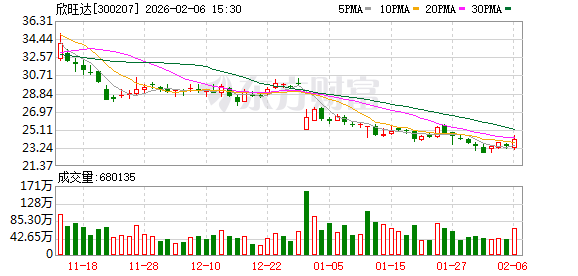
欣旺达:关于变更签字注册会计师的公告
Zheng Quan Ri Bao· 2026-02-06 13:13
证券日报网讯 2月6日,欣旺达发布公告称,近日,公司收到了天健会计师事务所(特殊普通合伙) (简称"天健")出具的《关于变更签字注册会计师的函》。天健作为公司2025年度财务报告及内部控制 的审计机构,原委派邹军梅女士(项目合伙人)、钟颖祺女士作为签字注册会计师为公司提供审计服 务。由于天健项目人员安排调整,现委派肖威先生接替钟颖祺女士为签字注册会计师。变更后签字注册 会计师为邹军梅女士(项目合伙人)、肖威先生。 (文章来源:证券日报) ...