SUNWODA(300207)

Search documents
30+固态电池企业新进展
DT新材料· 2026-01-19 22:33
Core Viewpoint - The article discusses the advancements and production timelines of solid-state batteries from various companies, highlighting the competitive landscape and technological progress leading up to 2026 and beyond [4]. Group 1: Company Developments - CATL launched the world's first sulfide solid-state battery pilot line in Hefei in May 2025, achieving an energy density of 450Wh/kg, with plans to expand production capacity to 50GWh by 2026 [6]. - Guoxuan High-Tech introduced its "Guan" quasi-solid-state square aluminum shell cell with an energy density greater than 300Wh/kg and initiated a pilot line with a 90% yield rate in May 2025 [8]. - EVE Energy's solid-state battery, "Longquan No. 2," achieved an energy density of 300Wh/kg and is aimed at high-end applications like humanoid robots and low-altitude aircraft [8]. - Aoxin Technology plans to launch its polymer solid-state battery with an energy density of 400Wh/kg by the end of 2025, targeting high-end new energy vehicles [8]. - Ganfeng Lithium announced the mass production of lithium sulfide, completing the last link in the solid-state battery ecosystem, with plans to launch solid-state batteries by the end of 2025 [9]. Group 2: Industry Trends - The solid-state battery industry is expected to enter a critical year in 2026, with many companies racing to achieve mass production [4]. - The article outlines the competitive landscape, with over 30 companies making significant strides in solid-state battery technology, indicating a robust growth trajectory in the sector [4]. - The anticipated commercialization of solid-state batteries is projected for around 2030, as supply chains mature and production processes are refined [6].





刚因“电芯”遭23亿天价索赔,欣旺达又卷入沃尔沃全球召回风波
Guo Ji Jin Rong Bao· 2026-01-19 13:00
Core Viewpoint - The recent recall of Volvo's electric vehicle EX30 due to battery safety issues has raised concerns about the responsibility of the battery supplier, A123, and has compounded existing sales pressures on Volvo [2][3][5]. Group 1: Volvo's Recall and Sales Performance - Volvo has initiated a global recall of its EX30 electric model due to high-voltage battery overheating risks, affecting markets including the US, Canada, South Africa, and Australia [2]. - In the UK, 10,440 units of the EX30 are confirmed to be affected, covering models from 2024 to 2026 [2]. - Volvo's global sales in 2024 are projected at 763,400 units, an 8% increase year-on-year, but sales in China, its largest market, have dropped to 156,400 units, the lowest in five years [4]. Group 2: Financial Impact and Battery Supplier Issues - In Q3 2023, Volvo's global sales fell to 160,500 units, a 7% year-on-year decline, with revenues of 86.4 billion Swedish Krona, down 6% [5]. - The recall has sparked controversy over battery supply responsibilities, with reports indicating that the problematic battery cells were produced by a joint venture involving A123 [5][6]. - A123's chairman stated that the battery packs were supplied through a different factory, distancing the company from direct responsibility for the issues [5]. Group 3: A123's Challenges and Market Position - A123 is facing significant challenges, including a recent lawsuit from Zeekr over battery quality issues, which has intensified scrutiny on the company's reliability [6][9]. - The company has seen a reduction in orders from key clients like Li Auto and Xiaomi, with the number of models supported by A123 for Li Auto dropping from 10 to 3 [9]. - A123's aggressive pricing strategy has led to declining profit margins, with a gross margin of only 9.77% in H1 2025, significantly lower than competitors [10]. Group 4: Financial Health and Future Outlook - A123 reported a loss of 1.87 billion Yuan in 2024, with cumulative losses exceeding 4.5 billion Yuan from 2023 to H1 2025 [10]. - The company's debt levels have risen sharply, with a debt-to-asset ratio of 67.62% and total liabilities reaching 67.9 billion Yuan [10]. - Concerns about ongoing litigation and financial losses may hinder A123's plans for an IPO in Hong Kong, which was anticipated for 2026 [10].

欣旺达动力总裁助理/产品线总经理何轩:超充型电池引领行业变革
Zhong Guo Qi Che Bao Wang· 2026-01-19 03:31
Core Insights - The company, XWANDA, is focusing on a dual-driven strategy of "hybrid on the left, pure electric on the right" to empower automotive companies in their transition to electric vehicles, showcasing its precise understanding of market demands and technological innovation [1][3]. Market Analysis - The global electric vehicle market exhibits differentiated characteristics, with the domestic market seeing a rise in pure electric vehicles due to improved charging infrastructure, while the overseas market, particularly Europe, is experiencing over 40% growth in hybrid models due to Chinese companies expanding internationally [3]. - In China, the market has entered a late-stage mass adoption phase, shifting user demands from policy-driven and cost-effective solutions to longer range, convenient charging, and lifecycle safety, necessitating a multi-dimensional balance in battery products [3]. Product Strategy - XWANDA has developed three platform systems: Xingchi, Xingyao, and Xinghuan, catering to various vehicle types including economical, high-end, and PHEV/BEV cylindrical cells, thus achieving comprehensive coverage across all application scenarios [3]. - The company’s ultra-fast charging technology leads the pure electric vehicle sector, with the latest version of its battery achieving a peak charging rate of 15C and a peak charging power exceeding 1.4 MW, allowing for a 20% SOC recharge in just one minute [4]. Hybrid Solutions - In the hybrid sector, XWANDA is targeting a projected market of 10 million HEVs by 2030, offering high-power battery solutions with significant performance advantages, including a 40% market share in Europe [5]. - The company’s hybrid batteries utilize fast charging technology, achieving a peak charging rate of 4-8C and covering ranges of 200-500 kilometers, with specific solutions designed for A00 to A-class vehicles [5]. Technological Innovation - XWANDA emphasizes technological innovation and safety as core competitive advantages, utilizing AI for battery development and management, and implementing rigorous testing standards to ensure safety and reliability [6]. - The company has successfully equipped nearly 2 million HEV products, with significant partnerships with major automotive brands, demonstrating the strength of its product offerings [6]. Future Outlook - XWANDA aims to continue leveraging its ultra-fast charging technology across its product lines, providing solutions for both hybrid and pure electric vehicles, thereby contributing to the high-quality development of the electric vehicle industry globally [6].
中国储能最具科技创新力10强排行榜|独家
24潮· 2026-01-18 23:04
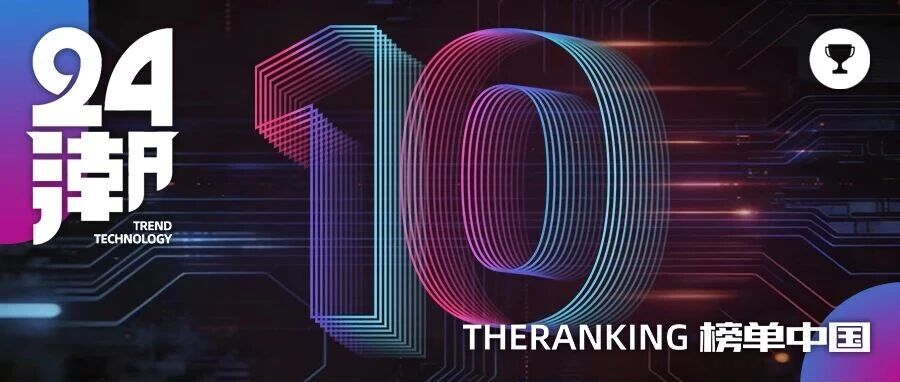
Core Viewpoint - Technological innovation is a crucial driving force for the sustainable development of the energy storage industry, impacting various sectors such as large-scale battery cells, long-duration energy storage, and grid-connected energy storage [2]. Group 1: Technological Innovation in Energy Storage - China's investment in energy storage technology and talent has been steadily increasing, with R&D spending expected to reach nearly 100 billion yuan by 2025, nearly doubling from five years ago [2]. - The number of R&D personnel has surpassed 200,000, and the number of patents has exceeded 100,000, indicating a growing foundation and strength in technological innovation [2]. - The competitive landscape is characterized by intense price wars, which may hinder R&D investments and innovation momentum in the technology sector [2]. Group 2: Future Competitiveness of Enterprises - The 24潮产业研究院 (TTIR) emphasizes that only companies with global layout capabilities, strong market expansion, financial health, and significant brand influence will have the potential for sustainable growth [3]. - Starting in 2026, TTIR will release a ranking of the top 10 Chinese energy storage companies based on their technological innovation capabilities across seven primary dimensions and 20 secondary dimensions [3]. Group 3: Ranking of Technological Innovation - The ranking will assess companies based on R&D investment, foundational strength, innovation outcomes, commercial promotion capabilities, product competitiveness, achievements, and leading layouts [4]. - The scoring breakdown for the ranking includes 45% for R&D investment, 15% for foundational strength, 10% for innovation outcomes, and various other dimensions [4]. Group 4: Top 10 Energy Storage Companies by Innovation - The top-ranked companies for technological innovation include BYD, CATL, and Sungrow, with scores reflecting their R&D investment, innovation outcomes, and product competitiveness [7]. - BYD scored 87.49, followed by CATL with 81.90, and Sungrow with 81.00, showcasing their leadership in the energy storage sector [7]. Group 5: Detailed Scoring Metrics - The detailed scoring metrics for R&D investment show that BYD leads with a score of 95.42, while CATL and Sungrow follow with scores of 83.12 and 78.33, respectively [9]. - In terms of innovation outcomes, Sungrow leads with a score of 86.88, followed closely by BYD and CATL [11]. - The foundational strength scores indicate that Sungrow also leads in R&D personnel metrics, highlighting its commitment to innovation [13].


欣旺达再陷电池安全漩涡背后:毛利率承压,涉事子公司仍亏损
Nan Fang Du Shi Bao· 2026-01-17 03:49
Core Viewpoint - The company Xiwanda is facing significant challenges due to safety issues with its battery products, leading to recalls and legal claims from partners, which may impact its financial performance and market reputation [1][6][8]. Group 1: Battery Safety Issues - Volvo has initiated a recall of its EX30 model due to potential overheating risks in high-voltage batteries, which are produced by a joint venture between Xiwanda and Geely [3][4]. - The recall affects multiple markets, with specific numbers including 40 vehicles in the U.S. and 2,815 in Australia, highlighting the scale of the issue [4]. - Xiwanda has not clearly defined its responsibility in the recall and has not disclosed potential impacts on its battery business [5][6]. Group 2: Legal Challenges - Xiwanda is facing a lawsuit from Geely's subsidiary, Weirui Electric Vehicle Technology, claiming damages of 2.314 billion yuan due to quality issues with battery cells delivered between June 2021 and December 2023 [6][8]. - The lawsuit is linked to previous quality complaints, including a situation where Zeekr, a Geely brand, offered free battery replacements to customers due to performance issues [7]. Group 3: Financial Performance and Market Position - Xiwanda's revenue from its automotive battery business has grown rapidly, from 428 million yuan in 2020 to 151.39 billion yuan in 2024, increasing its share of total revenue from less than 3% to 27.02% [8][9]. - Despite this growth, the gross margin for Xiwanda's electric vehicle batteries is only 9.77%, significantly lower than competitors like CATL and EVE Energy, which have margins of 22.41% and 17.6%, respectively [9]. - The company reported a net loss of 877 million yuan in the first half of 2025, despite generating 7.392 billion yuan in revenue from its battery segment [9].
质量责任如何科学界定?困扰欣旺达等企业的电池安全归因话题受关注
Zhong Guo Jin Rong Xin Xi Wang· 2026-01-16 09:27
Core Viewpoint - A lawsuit involving the quality of battery cells supplied by Xinwanda Power to Geely's subsidiary, Weirui Electric, has raised concerns about the long-standing issue of defining quality responsibility within the electric vehicle supply chain [1][2]. Group 1: Lawsuit Details - Xinwanda announced that it is being sued for 2.314 billion yuan due to alleged quality issues with battery cells delivered between June 2021 and December 2023 [2]. - Weirui Electric, a subsidiary of Geely, is involved in the lawsuit and is a key player in the high-end electric vehicle market [2]. - The lawsuit highlights the complexity of battery safety, which cannot be solely attributed to the battery cells, as it involves multiple components and systems [3]. Group 2: Quality Responsibility - The safety of power batteries is recognized as a complex system that includes battery pack design, battery management systems, and vehicle integration [3]. - Xinwanda asserts that similar battery cells supplied to other clients have not experienced quality issues, suggesting that the problem may not lie solely with the battery cells [3]. - The industry is urged to avoid one-sided blame and to analyze the complexities of automotive batteries to foster healthy development [3]. Group 3: Supply Chain and Responsibility - The recall of Volvo's EX30 vehicles, which reportedly used battery cells from Xinwanda, has further complicated the situation, with Xinwanda clarifying that it is not directly involved in the battery system sold to Volvo [4]. - The incidents are seen as critical examples for examining quality, responsibility, and risk within the electric vehicle supply chain, impacting corporate survival and industry ecology [4]. - There is a call for establishing a fair responsibility-sharing mechanism within the supply chain to enhance resilience and competitiveness in the global market [4][5].
固态电池技术趋势不断加强,电池ETF嘉实(562880)备受市场关注
Xin Lang Cai Jing· 2026-01-16 02:57
Group 1 - The core viewpoint of the articles highlights the significant growth in the global power battery installation volume, which reached 1046 GWh in 2025, representing a year-on-year increase of 32.60% [1] - CATL leads the market with an installation volume of 400 GWh, followed by BYD and LG Energy, while Honeycomb Energy shows remarkable performance with an 85.60% year-on-year growth [1] - The Chinese government aims to establish a new power grid platform by 2030, supporting renewable energy generation to account for approximately 30% of total generation, which will provide a stable green energy foundation for the power battery industry [1] Group 2 - Tianfeng Securities predicts that the total demand for power and energy storage batteries will reach 1872 GWh in 2025 and 2336 GWh in 2026, with year-on-year growth rates of 45% and 25% respectively, particularly noting the significant growth in the energy storage market [1] - The industry is transitioning from laboratory research to the brink of industrialization, with solid-state battery technology gaining traction, and leading companies like CATL planning to commercialize this technology by 2027 [1] - As of December 31, 2025, the top ten weighted stocks in the CSI Battery Theme Index account for 51.77% of the index, with CATL, Sungrow Power, and Sanhua Intelligent Control being the top three [2]




索赔热议!电池安全聚焦归因
Shen Zhen Shang Bao· 2026-01-15 17:49
Core Viewpoint - The global competitiveness of China's new energy vehicles (NEVs) relies on a healthy and stable supply chain system, highlighting the urgent need for a "Shared Responsibility Agreement" to clarify the boundaries of responsibility across R&D, manufacturing, and application [2][6]. Group 1: Legal Disputes and Quality Issues - A lawsuit has emerged involving XINWANDA Power, which is being sued by Geely's subsidiary, Weirui Electric, for 2.314 billion yuan due to quality issues with battery cells supplied between June 2021 and December 2023 [3][4]. - The lawsuit raises questions about how to scientifically define quality responsibility within the NEV supply chain, emphasizing that battery safety is a complex system that cannot be attributed solely to battery cells [4][6]. Group 2: Industry Implications and Responsibility - The incidents involving XINWANDA and Geely are seen as critical examples for observing quality, responsibility, and risk issues within the NEV supply chain, which directly affect corporate survival and industry ecology [6][7]. - There is a consensus in the industry that a fair responsibility-sharing mechanism is needed, including preemptive technological collaboration, as battery performance is highly dependent on vehicle integration design [6][7]. Group 3: Supply Chain Resilience - The resilience of the supply chain is crucial for the sustainability of the industry, and the global competitiveness of China's NEVs depends on a healthy and stable supply chain system [6][7]. - Establishing a more scientific mechanism for shared responsibility and collaborative innovation is essential not only for resolving current disputes but also for reinforcing the long-term advantages of the domestic industry [7].

欣旺达受困于产业链“质量责任如何科学界定” 索赔热议!电池安全聚焦归因
Shen Zhen Shang Bao· 2026-01-15 17:43
Core Viewpoint - A lawsuit involving the quality of electric vehicle batteries has raised concerns about the long-standing issue of defining quality responsibility within the electric vehicle supply chain [2][3]. Group 1: Lawsuit Details - Xiwanda Power is being sued by Weir Electric, a subsidiary of Geely Automobile Group, for 2.314 billion yuan due to alleged quality issues with battery cells supplied between June 2021 and December 2023 [3]. - The lawsuit highlights the complexity of battery safety, which cannot be solely attributed to battery cells, as it involves multiple components including battery pack design and battery management systems [4]. Group 2: Industry Implications - The incidents are seen as a critical example for observing quality, responsibility, and risk issues within the electric vehicle supply chain, which directly impacts corporate survival and industry ecology [6]. - There is a call for establishing a fair responsibility-sharing mechanism within the electric vehicle industry, emphasizing the need for collaborative innovation and clear delineation of responsibilities across research, manufacturing, and application stages [6][7]. Group 3: Company Responses - Xiwanda Power asserts that the battery cells supplied to other clients have not exhibited quality issues, suggesting that the problem may not lie solely with the battery cells [4]. - The company emphasizes the importance of avoiding one-sided blame and advocates for a more scientific approach to responsibility sharing and collaborative innovation to address current disputes and strengthen the industry's long-term advantages [7].
欣旺达回应沃尔沃电池争议
起点锂电· 2026-01-15 12:31
Group 1 - The Australian Federal Department of Transport has issued a recall notice for 2,815 Volvo EX30 vehicles produced in 2024 due to potential overheating risks associated with the high-voltage battery [2] - On January 2, Volvo submitted a recall report to the U.S. National Highway Traffic Safety Administration (NHTSA) for 40 units of the 2025 EX30 electric vehicle, citing similar battery defects [2] - The battery cells in question are supplied by Shandong Geely Aoxin Power Battery Co., Ltd., which is a joint venture between Geely and Aoxin, with Aoxin holding a minority stake of 30% [3][4] Group 2 - Aoxin's chairman, Wang Wei, stated that the rumors regarding the recall being linked to Aoxin's battery manufacturing are unfounded, clarifying that the battery packs were produced by Volvo's internal factory [3] - The battery system supplier assembled the battery packs from cells produced by Shandong Geely Aoxin, which are then sold to Volvo [3]