SUNWODA(300207)

Search documents
欣旺达(300207):与威睿诉讼和解,港股上市推进顺利,动储业务高增长
Soochow Securities· 2026-02-09 05:37
| [Table_EPS] 盈利预测与估值 | 2023A | 2024A | 2025E | 2026E | 2027E | | --- | --- | --- | --- | --- | --- | | 营业总收入(百万元) | 47,862 | 56,021 | 66,392 | 89,177 | 102,773 | | 同比(%) | (8.24) | 17.05 | 18.51 | 34.32 | 15.25 | | 归母净利润(百万元) | 1,076 | 1,468 | 1,409 | 3,025 | 4,118 | | 同比(%) | 0.77 | 36.43 | (4.02) | 114.65 | 36.12 | | EPS-最新摊薄(元/股) | 0.58 | 0.79 | 0.76 | 1.64 | 2.23 | | P/E(现价&最新摊薄) | 41.37 | 30.32 | 31.59 | 14.72 | 10.81 | [Table_Tag] [Table_Summary] 投资要点 ◼ 风险提示:需求不及预期,竞争加剧。 2026 年 02 月 09 日 证券研究报告·公司点评报 ...

欣旺达动力与威睿电动达成和解,23.14亿元争议终结;全球第四大汽车巨头Stellantis电动化转型遇压力丨智能制造日报
创业邦· 2026-02-09 04:07
Group 1 - WeChat's HarmonyOS version still utilizes Huawei's system camera capabilities, with recent updates aimed at optimizing the photo-taking interface for a more streamlined user experience [2] - Xiaomi's CEO Lei Jun reviewed the battery pack vibration testing in their automotive lab, highlighting safety and reliability tests that simulate various driving conditions [2] - XINWANDA Power and Weir Electric reached a comprehensive settlement regarding a previous sales contract dispute involving approximately 2.314 billion yuan, with XINWANDA required to pay 608 million yuan in installments by 2030 [2] - Stellantis, the world's fourth-largest automaker, is facing pressure in its electrification strategy, with a 24% drop in stock price and an announcement of $26.2 billion in expenses due to a strategic shift away from plug-in hybrids [2]


欣旺达(300207):吉利诉讼和解落地 阴霾尽扫前路坦荡
Xin Lang Cai Jing· 2026-02-09 02:40
(四)已经发生和未来实际发生的成本费用总额中乙方应承担部分,乙方应在5年内结算完毕,具体支 付进度为:第一年(2026 年)支付乙方应承担金额的60%;第二年(2027 年)支付至70%;第三年 (2028 年)支付至80%;第四年(2029 年)支付至90%;第五年(2030 年)付清。 根据《和解协议》约定,本次纠纷最终预计对上市公司2025 年归母净利润的影响为5-8 亿元。公司后续 将按照企业会计准则规范进行相应的会计处理,最终对公司利润的影响金额以会计师审计确认后的数据 为准。 纠纷官司历时五年终告和解,阴霾尽扫前路坦荡与吉利威睿自2021 年起的这个电芯纠纷,过去这么多 年一直是萦绕在欣旺达股东和投资者头上的一个"愁疙瘩",而2025 年底12 月26 日公告的威睿的官司, 则直接以最坏的方式把这颗"愁疙瘩"给引爆了:欣旺达29 日大跌11.39%,至最近一个收盘日股价累计 下跌18.39%。所幸经过一个多月双方的接触和洽谈,最终还是通过友好协商的方式来解决纠纷。按照 《和解协议》的内容,欣旺达最终需要与威睿支付和承担的剩余金额为6.08 亿元,即使算上后续的开 支、摊销和成本,预计也远远少于之前 ...
欣旺达暗中启动基石遴选,港股IPO即将“撞线”?
3 6 Ke· 2026-02-09 02:18
近日,有物流业人士向超聚焦表示,正在加速推进H股上市的欣旺达,希望其所在的物流龙头企业可以 在其赴港上市时认购股份(或作为基石投资人),增长市场信心,同时深化两者在电动重卡领域的合 作。 就在向市场释放引资信号的同时,为了扫清上市路上的最大障碍,欣旺达也刚刚付出了一笔不菲的"买 路钱"。 2月6日,欣旺达发布公告称,欣旺达的子公司欣旺达动力与威睿动力在一审阶段达成和解,后者将在 《和解协议》生效后撤回起诉。双方约定,对于更换动力电池包产生的实际成本费用按比例分担,欣旺 达动力承担剩余应付金额6.08亿元,分5年支付。 此前,威睿电动曾提起诉讼,以欣旺达动力交付的电芯存在质量缺陷、导致自身产生高额维修、电池包 更换及品牌损失为由,索赔金额高达23.14亿元,接近欣旺达2023年与2024年两年归属净利润之和,也 成为了近年国内新能源汽车供应链领域规模最大的索赔案件之一。 这一举动,也被市场视作欣旺达为确保H股发行窗口期、加速上市进程而不得不进行的"断臂求生"。 毕竟,对于正处于港股冲刺关键期的欣旺达而言,一桩悬而未决、且索赔金额高达近年来净利润总和 的"天价诉讼",无异于悬在IPO大门上的达摩克利斯之剑。若不及 ...
亿纬锂能、欣旺达、鹏辉能源……2026开年储能产业链7家企业扎堆港股IPO
Xin Lang Cai Jing· 2026-02-09 01:21
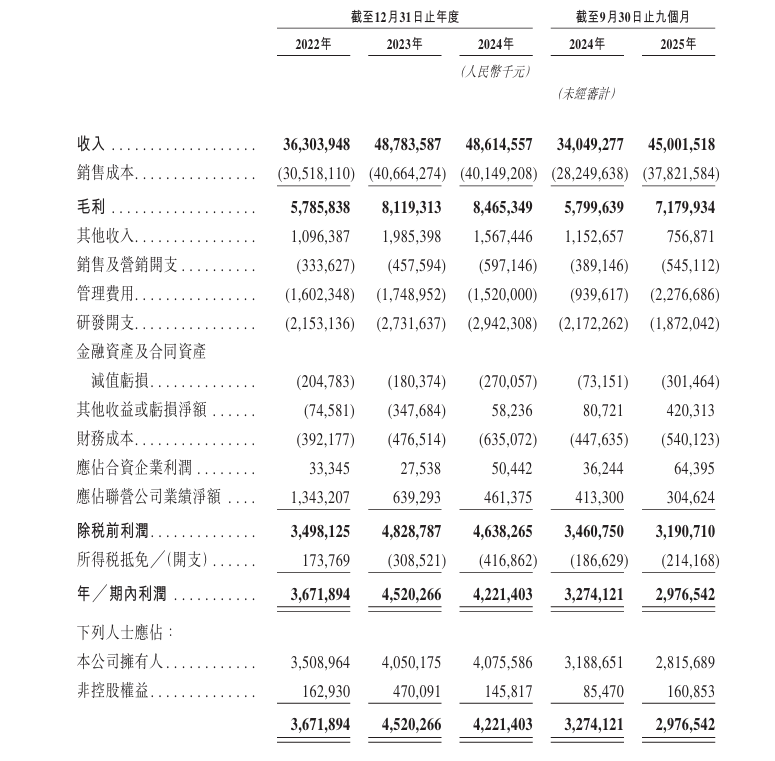
Core Viewpoint - The energy storage industry is experiencing a surge in companies planning to go public in Hong Kong, marking the beginning of a "storage IPO wave" as several firms announce their listing intentions [1][15]. Group 1: Company Listings - Yiwei Lithium Energy has re-submitted its listing application to the Hong Kong Stock Exchange, with plans to raise funds for a 30GWh battery project in Hungary, expected to commence production in 2027 [1][18]. - Huasheng Lithium announced its plan to issue H-shares and list on the Hong Kong Stock Exchange, projecting a significant profit increase for 2025, with net profit expected to reach between 12 million to 18 million yuan, marking a year-on-year growth of 106.87% to 110.30% [1][18]. - Deye Technology has submitted its listing application, aiming to enhance its global development strategy and brand influence, with a reported revenue of 8.846 billion yuan and a net profit of 2.347 billion yuan for the first three quarters of 2025 [5][21]. - In a simultaneous announcement, Huichuan Technology and Keda Intelligent also revealed their plans to list in Hong Kong, with Huichuan reporting a revenue of 31.663 billion yuan and a net profit of 4.254 billion yuan for the first three quarters of 2025 [7][23]. - Keda Intelligent's listing application aims to strengthen its technology in digital energy and robotics, reporting a significant profit increase of 136.62% for the first three quarters of 2025 [9][25]. - Xinnengda has updated its listing application, reporting a revenue of 43.534 billion yuan and a net profit of 1.405 billion yuan for the first three quarters of 2025, with strong production capabilities in energy storage systems [11][27]. - Penghui Energy has submitted its application for H-shares, with a revenue of 7.581 billion yuan and a net profit of 115 million yuan for the first three quarters of 2025, indicating a substantial year-on-year growth [13][29]. Group 2: Industry Trends - The influx of energy storage companies going public reflects the industry's robust growth and strategic responses to market competition and global carbon neutrality opportunities [15][31].





我国成功发射可重复使用试验航天器;工信部部署国家算力互联互通节点建设……盘前重要消息还有这些
证券时报· 2026-02-09 00:41
Group 1 - The State Council meeting on February 6 emphasized the need to innovate and improve policy measures to promote effective investment, focusing on major projects in infrastructure, urban renewal, public services, and emerging industries [8] - Eight departments, including the People's Bank of China, reiterated the prohibition of virtual currencies, emphasizing that they do not have the same legal status as fiat currencies and outlining clear policy requirements for stablecoins and tokenization of real-world assets [8] - On February 7, China successfully launched a reusable experimental spacecraft using the Long March 2F rocket, aimed at validating reusable spacecraft technology for peaceful space utilization [8] Group 2 - The People's Bank of China reported that as of January 2026, the country's gold reserves stood at 74.19 million ounces, marking a continuous increase for the 15th month [9] - The China Securities Regulatory Commission released a notice on February 6 regarding the selection direction for provincial-level research topics, focusing on enhancing the inclusiveness and adaptability of the capital market during the 14th Five-Year Plan period [9] - The Shanghai and Shenzhen Stock Exchanges revised and published regulatory guidelines for underwriting violations, aiming to enhance regulatory practices and ensure effective supervision [10] Group 3 - Longyun Co. will resume trading on February 9, planning to acquire 58% of Yuheng Film Industry [12] - Jihua Group will also resume trading on February 9, with plans for changes in its controlling shareholder and actual controller [12] - Xinwangda reached a settlement in a lawsuit involving over 2.3 billion yuan, while other companies like ST Pava and Aihua Long are facing legal challenges and investigations [12][12]


欣旺达:点评报告吉利诉讼和解落地,阴霾尽扫前路坦荡-20260209
ZHESHANG SECURITIES· 2026-02-09 00:25
证券研究报告 | 公司点评 | 电池 欣旺达(300207) 报告日期:2026 年 02 月 08 日 吉利诉讼和解落地,阴霾尽扫前路坦荡 ——欣旺达点评报告 投资要点 ❑ 事件: 吉利旗下威睿电动与欣旺达动力,因 2021 年 6 月至 2023 年 12 月期间向 其交付的电芯存在质量问题并给其造成损失为由,于 2025 年 12 月底向浙江省宁 波市中级人民法院提起诉讼,要求欣旺达动力履行支付赔偿金等款项的义务。诉 讼诉求判令被告赔偿原告损失 23.14 亿元人民币,以及按照全国银行间同业拆借 中心公布的贷款市场报价利率计算的自起诉之日起计算至被告实际支付之日止 的利息。 2 月 6 日,公司公告:双方本着实事求是、求同存异的原则,经充分沟通,一致 同意通过友好协商的方式解决纠纷并签订《和解协议》。《和解协议》中,对上市 公司利润和现金流有影响的条款主要有以下几条(非影响条款本报告未摘录,读 者可自行参阅公告): (一)更换动力电池包相关的费用按实际成本认定,根据实际发生金额经双方核 对后确认,双方商定按比例分担该实际发生金额,同时,事件处理后的相关电池 包全部归乙方所有。 (二)截至 2025 年 ...
尘封一年的事故曝光:东风奕派撞车后,欣旺达“不起火电池”50秒爆燃
Guo Ji Jin Rong Bao· 2026-02-08 13:52
Core Viewpoint - The incident involving the Dongfeng Yipai eπ007 electric vehicle, which caught fire after a collision, raises significant concerns about the safety claims made by XINWANDA regarding its lithium iron phosphate batteries, highlighting a stark contrast between marketing assertions and real-world performance [2][5][12] Group 1: Incident Details - A video of the collision involving the Dongfeng Yipai eπ007 electric vehicle went viral, showing the vehicle catching fire shortly after the crash, resulting in one fatality and four injuries [2][4] - The accident occurred on March 19, 2025, when a heavy truck collided with the eπ007, leading to a rapid fire outbreak within seconds [4][5] - The eπ007 was marketed as having a battery that would not catch fire or explode, which contradicts the actual performance observed during the incident [5][7] Group 2: Battery Safety Claims - The eπ007 was promoted with safety features, including claims that the XINWANDA battery could withstand extreme conditions without igniting, supported by various tests [7][9] - Experts suggest that the battery's safety advantages are primarily validated in controlled laboratory settings, and real-world collision scenarios present more complex challenges [9][10] - The rapid ignition of the battery post-collision raises questions about the accuracy of XINWANDA's safety marketing, indicating a potential disconnect between promotional claims and actual safety performance [9][10] Group 3: Company Challenges - XINWANDA is currently facing multiple challenges, including patent infringement lawsuits and production capacity pressures, which could impact its market position [12] - The company has been involved in a patent dispute with a consortium of LG Energy and Panasonic, which has led to significant legal and financial implications [12] - Recent financial data indicates a notable decline in XINWANDA's stock price, reflecting investor concerns over the company's ongoing legal battles and safety issues [12]
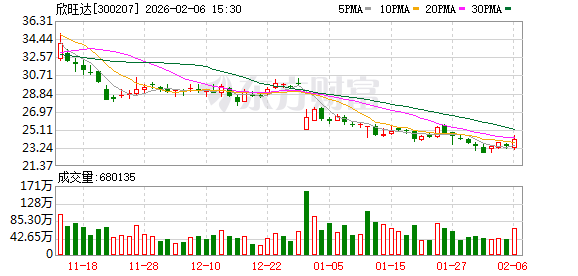
独家丨欣旺达暗中启动基石遴选,港股IPO即将“撞线”?
Sou Hu Cai Jing· 2026-02-08 12:20
欣旺达,位处多事之秋。 近日,有物流业人士向超聚焦表示,正在加速推进H股上市的欣旺达,希望其所在的物流龙头企业可以 在其赴港上市时认购股份(或作为基石投资人),增长市场信心,同时深化两者在电动重卡领域的合 作。 就在向市场释放引资信号的同时,为了扫清上市路上的最大障碍,欣旺达也刚刚付出了一笔不菲的"买 路钱"。 2月6日,欣旺达发布公告称,欣旺达的子公司欣旺达动力与威睿动力在一审阶段达成和解,后者将在 《和解协议》生效后撤回起诉。双方约定,对于更换动力电池包产生的实际成本费用按比例分担,欣旺 达动力承担剩余应付金额6.08亿元,分5年支付。 此前,威睿电动曾提起诉讼,以欣旺达动力交付的电芯存在质量缺陷、导致自身产生高额维修、电池包 更换及品牌损失为由,索赔金额高达23.14亿元,接近欣旺达2023年与2024年两年归属净利润之和,也 成为了近年国内新能源汽车供应链领域规模最大的索赔案件之一。 这一举动,也被市场视作欣旺达为确保H股发行窗口期、加速上市进程而不得不进行的"断臂求生"。 毕竟,对于正处于港股冲刺关键期的欣旺达而言,一桩悬而未决、且索赔金额高达近年来净利润总和 的"天价诉讼",无异于悬在IPO大门上 ...

电力设备与新能源行业2月第1周周报:马斯克团队计划光伏扩产,钠电应用加速-20260208
Bank of China Securities· 2026-02-08 06:46
Investment Rating - The report maintains an "Outperform" rating for the power equipment and new energy industry [1]. Core Insights - The global sales of new energy vehicles are expected to maintain rapid growth by 2026, driving demand for batteries and materials [1]. - Recent fluctuations in material prices for power batteries warrant attention to the pricing situation along the supply chain [1]. - Solid-state batteries are entering a critical phase of engineering validation, with a focus on related materials and equipment companies [1]. - In the photovoltaic sector, "anti-involution" and "space photovoltaics" are identified as the two main investment themes for 2026, with increased demand for photovoltaic equipment [1]. - The domestic market is seeing a rise in high-power component demand, with downstream battery components relying on efficiency improvements for market clearing [1]. - Wind power demand is expected to continue growing, with recommendations to focus on wind turbines and offshore wind power [1]. - The energy storage sector remains highly prosperous, with a recommendation to pay attention to energy storage cells and large-scale integrated plants [1]. - Hydrogen energy is anticipated to open up demand for green hydrogen, with a focus on downstream hydrogen-based energy applications [1]. - Nuclear fusion is seen as a long-term catalyst for energy development, with recommendations to focus on core suppliers in the nuclear fusion power sector [1]. Summary by Sections Industry Performance - The power equipment and new energy sector rose by 2.2%, outperforming the Shanghai Composite Index, which fell by 1.27% [10]. - The photovoltaic sector saw the highest increase at 3.43%, while the wind power sector experienced a slight decline of 0.01% [13]. Key Industry Information - The China Passenger Car Association estimates that 900,000 new energy vehicles will be wholesaled in January 2026, a 1% year-on-year increase [27]. - Changan Automobile and CATL announced the global launch of the first sodium battery mass-produced passenger vehicle, expected to be available by mid-2026 [27]. - Tesla has achieved large-scale production of dry electrode technology [27]. - The domestic energy storage tender for January 2026 reached 36.3 GWh, with notable bidding scales in Ningxia, Hebei, and Xinjiang [27]. Company Developments - Foster is collaborating with professional institutions to invest in a private equity fund focused on flexible thin-film gallium arsenide battery companies [29]. - Guoxuan High-Tech plans to raise up to 5 billion yuan through a private placement for a 20 GWh power battery project [29]. - TCL Zhonghuan's subsidiary Maxeon Solar signed a patent licensing agreement with Aisuo, with a five-year licensing fee of 1.65 billion yuan [29].