
BHP(BHP)

Search documents
终结美元垄断?澳矿企低头,对华用人民币结算,20年博弈中国赢了
Sou Hu Cai Jing· 2025-10-17 08:52
Core Viewpoint - The announcement by BHP to allow iron ore transactions with China to be settled in RMB marks a significant shift in the power dynamics of the iron ore market, giving China more control after two decades of being at a disadvantage [2][21][30]. Group 1: Market Dynamics - China accounts for 70% of global iron ore purchases, yet historically, it has been at a disadvantage in negotiations, often paying inflated prices due to a lack of pricing power [5][19]. - The pricing system, primarily based on the Platts index, has been criticized for being manipulated by major financial institutions that also hold stakes in BHP, leading to unfair pricing practices [7][11]. - The reliance on USD for transactions has subjected Chinese companies to currency fluctuations, resulting in additional financial burdens [9][19]. Group 2: Strategic Developments - China has been strategically restructuring its approach to iron ore procurement by consolidating purchasing power through the establishment of the China Mineral Resources Group, which unifies the demands of steel mills [13][19]. - New sources of iron ore, such as the Simandou project in Guinea, are set to significantly reduce dependence on Australian iron ore, with production expected to reach 12 million tons annually [15][19]. - The market share of Australian iron ore in China has decreased from 65% to 52%, indicating a diversification of supply sources [15][19]. Group 3: Future Implications - The shift to RMB settlements is expected to create a closed-loop system where Australian companies can use RMB to purchase Chinese goods, enhancing the international use of the currency [23][25]. - The establishment of a new pricing index based on real transaction prices in China is anticipated to restore pricing power to Chinese buyers [26][30]. - This development could serve as a template for other commodities, potentially leading to a broader shift away from USD dominance in global trade [28][30].


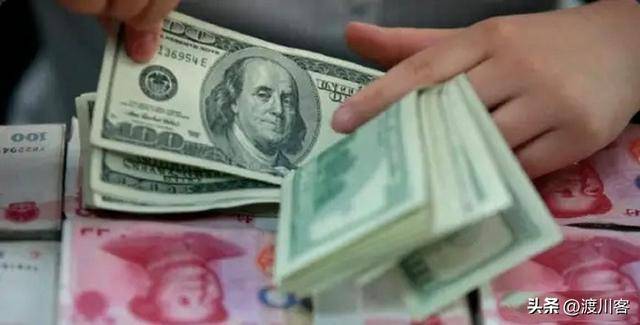
美元霸权再减!中方“卡脖子”后,澳铁矿巨头松口接受人民币结算
Sou Hu Cai Jing· 2025-10-17 07:24
Core Insights - The proportion of iron ore trade settled in RMB has surged from 5% in 2023 to 25%-28% in 2025, indicating a significant shift in the global mining industry dynamics [1][3] - BHP, previously adamant about dollar settlements, has agreed to settle 30% of its spot iron ore transactions in RMB starting from Q4 2025, reflecting China's growing influence as the largest buyer [3][31] - The shift in settlement currency is a result of China's strategic moves to consolidate purchasing power and diversify supply sources, allowing it to negotiate better terms with mining companies [19][21][39] Group 1: Market Dynamics - The average profit margin for major Chinese steel mills is only 0.71% in 2024, highlighting the challenging profitability landscape in the steel industry [6] - BHP's cost to extract iron ore is approximately $19 per ton, while it sells to China at prices significantly higher, leading to substantial profits for Australian companies [6][12] - China imports over 1.2 billion tons of iron ore annually, accounting for more than 70% of global demand, which has historically forced it to accept unfavorable terms [8][12] Group 2: Strategic Developments - In 2022, China established a mineral resources group to consolidate procurement from major steel companies, capturing 40% of domestic iron ore orders and enhancing bargaining power [19] - China has invested in infrastructure projects in Brazil, such as the "Northern Corridor" railway, reducing transportation costs by 30% and increasing the share of Brazilian iron ore imports settled in RMB [21] - The development of the Simandou iron ore project in Guinea, with reserves exceeding 2.25 billion tons, is expected to significantly contribute to China's iron ore supply by 2026 [23] Group 3: Currency Settlement Changes - China has signed currency swap agreements with 42 countries, totaling over 4.1 trillion yuan, facilitating direct RMB settlements in trade [25] - Following BHP's agreement to RMB settlements, other mining companies like Rio Tinto and FMG are also increasing their RMB transaction volumes, indicating a broader trend [35] - The trading volume of RMB-denominated iron ore futures on the Shanghai Futures Exchange has increased by 40% year-on-year, reflecting growing acceptance of RMB in commodity trading [35] Group 4: Implications for Global Trade - The recent negotiations mark a pivotal moment in global commodity trading, with China transitioning from a passive buyer to a key player capable of setting terms [36][41] - Analysts predict that by 2030, the proportion of commodities settled in RMB could reach 30%, signaling a potential shift in the dominance of the dollar in global trade [38] - The changes in settlement practices are not aimed at replacing the dollar but rather at establishing a more equitable trading environment where both buyers and sellers can negotiate on equal footing [42]
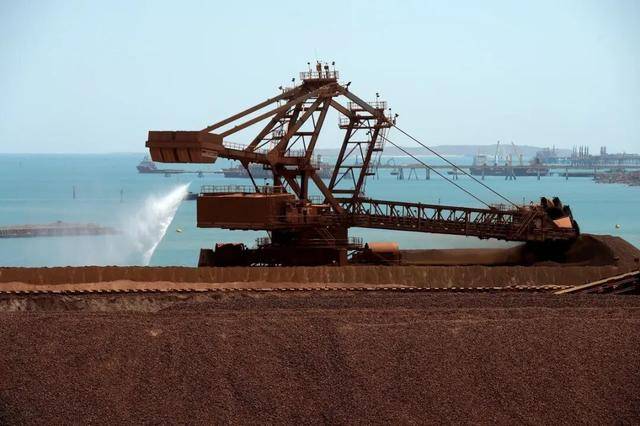
中国首次夺得铁矿石定价权!
Sou Hu Cai Jing· 2025-10-16 11:25
Core Viewpoint - Australia’s BHP will settle iron ore trades in RMB, marking China’s first acquisition of iron ore pricing power and successfully lowering iron ore prices [1][3]. Group 1: Trade Agreements - China Mineral Resources Group has signed an agreement with BHP to implement RMB settlement for iron ore spot trades starting as early as Q4 of this year [1]. - This agreement signifies a shift in pricing power, allowing China to reduce its reliance on USD for iron ore transactions [3]. Group 2: Market Dynamics - Historically, the USD has dominated global commodity pricing, with iron ore trade exceeding $1.2 trillion annually, 80% of which is settled in USD [3]. - Chinese companies have faced significant risks from exchange rate fluctuations and reliance on USD clearing channels [3]. Group 3: Strategic Moves - Following a breakdown in negotiations with BHP, China ordered major steel mills and traders to halt purchases of BHP's iron ore priced in USD, marking the first ban on Australian iron ore imports [3]. - BHP's acceptance of RMB settlement is seen as a result of China's concentrated procurement strategy, which has increased its bargaining power [3][4]. Group 4: Broader Implications - Other major iron ore producers, including Brazil's Vale and Australia's Rio Tinto, have also agreed to RMB settlements, indicating a trend towards de-dollarization in commodity trading [4]. - The agreement with BHP is expected to enhance China's economic security and accelerate the internationalization of the RMB [4].
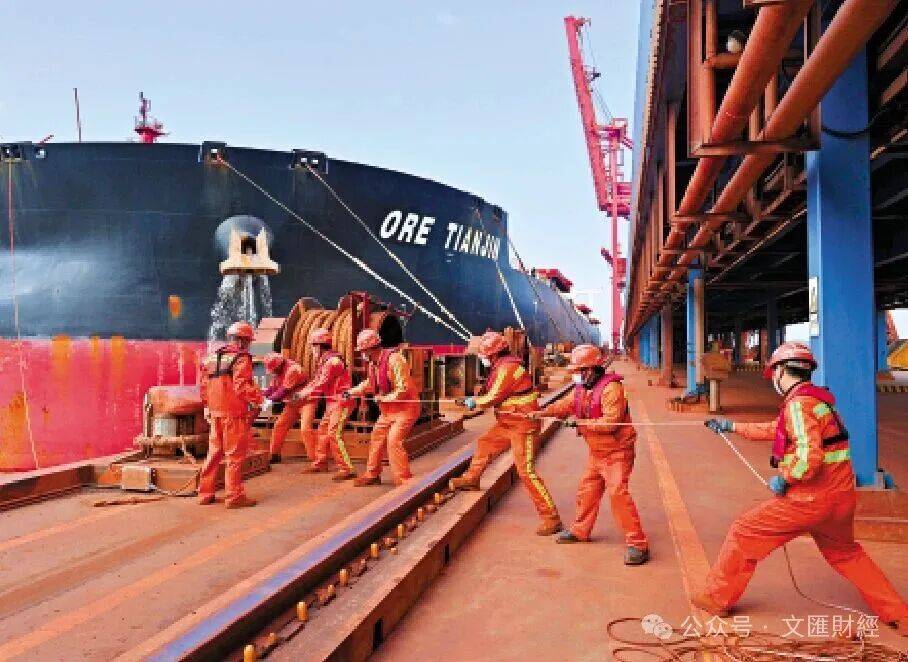
Copper's Resurgence Prompts Domestic Asset Reactivation - BHP Group (NYSE:BHP), Global X Copper Miners ETF (ARCA:COPX)
Benzinga· 2025-10-16 10:09
Group 1: Market Dynamics and Price Movements - Copper prices have rebounded following comments from U.S. Federal Reserve Chair Jerome Powell regarding a potential quarter-point rate cut, with prices increasing by as much as 1.8% and rekindling optimism for a $12,000 per ton price point [1] - The market is increasingly trading based on its own fundamentals rather than serving as a proxy for economic strength, with a shift in focus towards structural shortages and long-term electrification demand despite ongoing global growth concerns and tariff risks [2] Group 2: Demand and Supply Outlook - Consultancy Wood Mackenzie projects global copper demand to rise by 24% by 2035, reaching 42.7 million tons per year, while warning that mine supply is not keeping pace with this demand [3] - A significant structural deficit in copper supply is anticipated due to a lack of new projects and rising disruptions, prompting producers to consider reopening previously producing assets as a quicker and more cost-effective solution compared to developing new mines [4][5] Group 3: Company Actions and Strategies - BHP, the world's largest miner, is exploring the reopening of four long-closed mines in Arizona, driven by favorable policy shifts under the Trump administration and a renewed focus on mining [6] - The potential revivals will concentrate on the Globe–Miami region, with plans to reprocess tailings from past operations, including the Magma mine, which is part of the Resolution Copper joint venture with Rio Tinto [6][7] - The Resolution Copper project, once operational, could supply approximately 25% of U.S. copper demand, thereby enhancing domestic supply chains and reducing reliance on imports from politically sensitive regions [7]
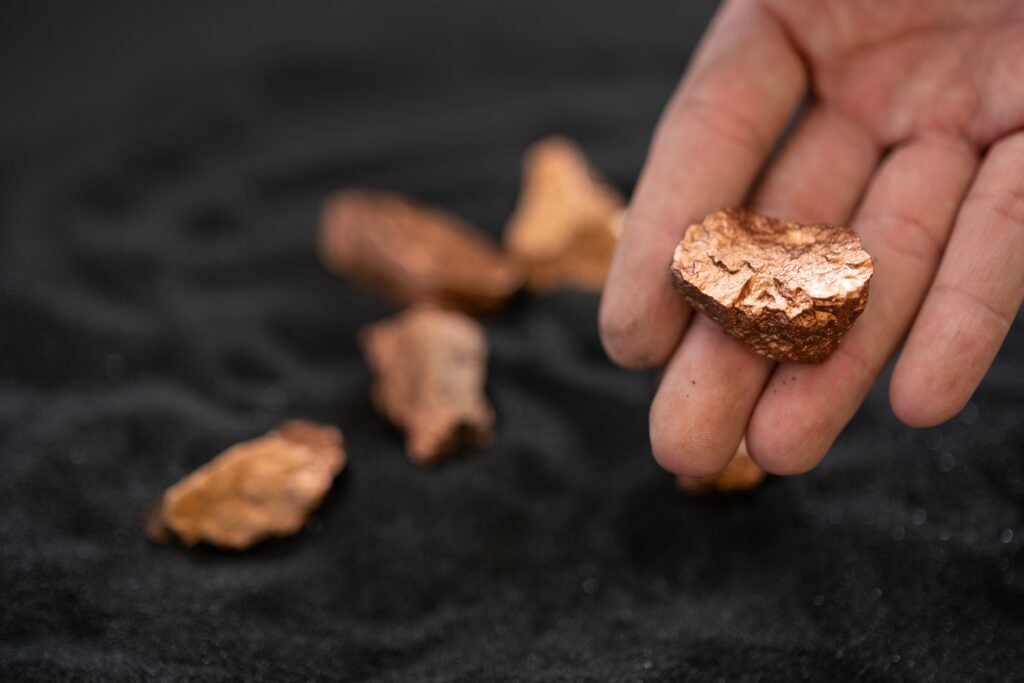
BHP considers reopening defunct Arizona copper mines
Yahoo Finance· 2025-10-16 09:28
Core Insights - BHP is considering reopening four dormant copper mines in Arizona due to a favorable shift in US government policy that supports the extraction industry [1][2] - The company is aligning its strategy with US initiatives to secure critical minerals and compete with China, particularly in the context of rising copper demand [2][4] - BHP is also exploring the reprocessing of tailings waste from these sites, driven by higher copper prices and new US policies [3] Company Strategy - BHP's market capitalization stands at $140 billion, with a strategic shift towards copper as demand rises, moving away from its primary revenue source of iron ore [4] - The Resolution Copper project, a joint venture with Rio Tinto, is under discussion, pending court decisions before development can proceed [4] Economic Viability - US tariffs on commodities have made domestic mining more economically viable, although BHP's CEO suggests that legislative approval of tariffs would provide more certainty for long-term projects [5] - The company has initiated fresh exploratory drilling in Arizona's Globe-Miami area, indicating a proactive approach to resource extraction [3]
美元霸权遭遇釜底抽薪!铁矿石人民币结算覆盖三成贸易,浪潮引发连锁反应
Sou Hu Cai Jing· 2025-10-16 06:26
Core Insights - BHP has agreed to use RMB for 30% of its iron ore trade with China, marking a significant shift in international settlement currencies and challenging the dominance of the US dollar in commodity markets [1][3][7] Group 1: Trade Dynamics - China Mineral Resources Group has instructed domestic buyers to halt all dollar-denominated purchases of BHP iron ore, allowing only RMB transactions, which demonstrates China's strong bargaining power in the iron ore market [3] - BHP's long-term contract pricing negotiations revealed a divergence in pricing mechanisms, with BHP proposing a fixed price of $109.5 per ton while China advocated for a market-driven floating price [3] - China's iron ore imports represent nearly 40% of the global market, with an annual volume of approximately 1.1 billion tons, enhancing its negotiating leverage [3] Group 2: Economic Impact - The shift to RMB settlement is expected to save Chinese steel mills about $8 per ton in transaction costs, translating to significant financial savings for large-scale importers [5] - BHP is projected to benefit from improved cash flow and an annual revenue increase of approximately $210 million due to the RMB settlement [5] Group 3: Infrastructure and Support - The Cross-Border Interbank Payment System (CIPS) has fully integrated RMB settlement for iron ore trade, facilitating smoother transactions and reducing exchange rate risks [5][14] - CIPS processed transactions worth 90.19 trillion yuan in the first half of 2025, covering 189 countries, which supports the growing adoption of RMB in international trade [5] Group 4: Global Trends - As of 2025, RMB settlements accounted for 25% of China's iron ore imports, with significant shares in trade with Brazil (28%) and Russia (48%) [7] - The global iron ore trade, valued at $1.2 trillion in 2025, is predominantly dollar-denominated, but BHP's move signals a potential shift in this paradigm [7] - The trend towards de-dollarization is accelerating, with various countries exploring alternative currencies for international trade [7][10] Group 5: Future Prospects - The introduction of RMB-denominated iron ore futures by the London Metal Exchange in 2026 and the establishment of a RMB pricing index by JPMorgan are indicative of a broader acceptance of RMB in commodity pricing [7][12] - The potential for a stable RMB settlement mechanism in commodity markets could reshape the international monetary system and challenge the existing dollar-centric framework [16]

中国夺回定价话语权,铁矿石人民币结算落地,美元霸权加速崩塌
Sou Hu Cai Jing· 2025-10-15 09:01
Core Viewpoint - BHP, an Australian iron ore giant, has announced that starting from Q4 this year, 30% of its iron ore spot transactions with China will be settled in RMB, marking a significant breakthrough for China in global commodity pricing and a challenge to the dominance of the US dollar [1][6]. Group 1: Market Dynamics - For over two decades, China's steel industry has struggled at the iron ore negotiation table, facing a strong seller's monopoly dominated by BHP, Rio Tinto, and Vale [1][3]. - The profit margins for foreign miners have consistently exceeded 100%, while Chinese steel companies have faced margins as low as 0.71%, leading to the closure of many domestic steel mills [3]. - The establishment of the China Mineral Resources Group aimed to consolidate purchasing power and end the fragmented approach of domestic steel mills, allowing China to leverage its position as the largest iron ore buyer [3][5]. Group 2: Strategic Shifts - China is diversifying its supply channels, with the Simandou iron ore project in Guinea becoming a critical alternative source, boasting higher reserves than the combined output of the three major Australian miners [5]. - The shift to RMB settlement is a strategic move that reduces reliance on the US dollar, which has historically dominated iron ore trade, with about 80% of transactions conducted in USD [5][6]. Group 3: Impact on International Relations - The transition to RMB settlement has led to significant changes in the international iron ore market, shifting from a seller's market to a buyer's market [8]. - BHP's reliance on China is evident, with 80% of its global iron ore sales (approximately 230 million tons) directed to China, prompting Australian officials to seek to restore trade relations [8].
中方一动真格,澳大利亚就软了,人民币大获全胜,美元被一脚踢开
Sou Hu Cai Jing· 2025-10-15 03:54
Core Viewpoint - The recent agreement between Australia's BHP to settle iron ore transactions with China in RMB marks a significant shift away from USD, indicating a strategic move towards the internationalization of the RMB and granting China pricing power in iron ore trade [1][3][5]. Group 1: Strategic Implications - The decision by BHP to accept RMB for iron ore transactions signifies a major victory for China, as it not only reduces reliance on the USD but also enhances the global standing of the RMB [1][3]. - This agreement allows China to reclaim pricing power in iron ore trade, which is crucial for its steel production sector, previously dominated by Western interests [1][5]. Group 2: Market Dynamics - China's Mineral Resources Group has been actively pushing for a unified purchasing strategy to enhance bargaining power against Australian suppliers, reflecting a shift in market dynamics where China seeks to assert its dominance as the largest iron ore consumer [3][5]. - The iron ore trade has historically seen Australia exert significant pricing power, with prices soaring to over $200 per ton despite production costs being around $21.75 per ton, severely impacting China's steel industry profitability [3][5]. Group 3: Negotiation Outcomes - Australia's initial resistance to changing the settlement currency indicates a strong reliance on iron ore exports as a key revenue source, but the realization of China's determination led to a swift change in stance [7]. - The diversification of China's iron ore import channels has reduced Australia's leverage, as China can source iron ore from multiple suppliers, diminishing the impact of any single supplier's pricing strategy [7].
Japan’s Sapporo Nears $2.7 Billion Real Estate Sale to KKR-PAG Group Amidst Australian Critical Minerals Surge
Stock Market News· 2025-10-14 23:08
Group 1: Sapporo Holdings - Sapporo Holdings is nearing a definitive agreement to sell its real estate business, including the Yebisu Garden Place complex, to a consortium led by KKR and PAG for approximately ¥400 billion ($2.7 billion) [2][3][9] - This strategic divestment is driven by investor pressure for enhanced capital efficiency and a focus on the core beverage business [3][9] Group 2: Australian Critical Minerals - Australian critical minerals stocks are experiencing a significant surge, particularly in copper production, due to strong global demand and supply constraints [4][9] - Recent supply disruptions, such as incidents at the Grasberg mine in Indonesia and El Teniente mine in Chile, have tightened global copper supply, benefiting Australian producers [5][9] Group 3: Rio Tinto - Rio Tinto reported a 54% year-on-year increase in copper output from its Oyu Tolgoi mine in Mongolia during the first half of 2025, contributing to a 69% rise in group copper earnings to $3.1 billion [6][9] - The overall copper production for Rio Tinto increased by 16% to 438,000 tonnes during the same period [6][9] Group 4: ASX Market Dynamics - The gains in the mining sector have contributed to a 0.3% increase in the broader ASX 200 index [7][9] - The ASX is preparing for increased competition in the market, particularly from players like Cboe [7][9]


Global Financial Markets Abuzz: Russian Assets, Copper Surge, and U.S. Political Gridlock
Stock Market News· 2025-10-14 22:38
Geopolitical and Financial Developments - G7 nations, including the UK and Canada, are advancing plans to utilize nearly $300 billion in frozen Russian central-bank assets to provide significant financial support to Ukraine, with discussions focused on a €140 billion loan [2][3] U.S. Health Department Controversy - The U.S. Department of Health and Human Services (HHS) mistakenly fired 778 employees during a reduction-in-force initiative, which was part of a broader effort to cut the federal workforce [4][5] Critical Minerals Market - Critical minerals stocks, particularly copper producers like Rio Tinto, are experiencing a surge due to tightening global supply and robust demand, with Rio Tinto reporting a 15% year-on-year increase in Q2 copper production to 229,000 tonnes [6][7] - Rio Tinto's Oyu Tolgoi mine in Mongolia has seen a 54% year-on-year increase in copper output in the first half of 2025, contributing to overall production growth [6][7][8] Legislative Developments - The Senate GOP is attempting to advance a three-bill "minibus" package to fund government operations during an ongoing government shutdown, which includes key appropriations bills [9][10]