BHP(BHP)

Search documents
铁矿石贸易告别美元!打破澳矿垄断,人民币结算背后是中国硬实力的崛起
Sou Hu Cai Jing· 2025-10-14 19:54
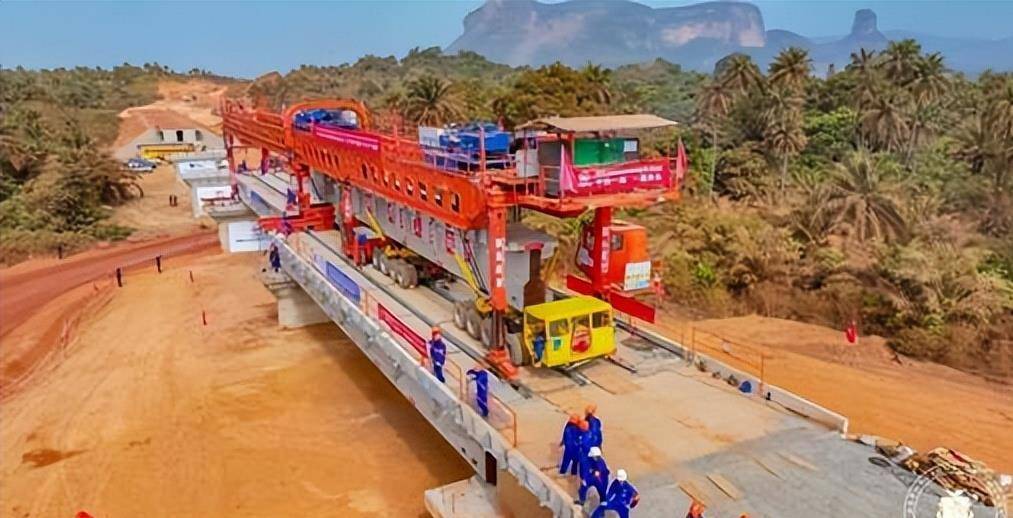
Core Viewpoint - The global commodity trade foundation is shifting as BHP agrees to use RMB for iron ore trade with China, breaking decades of USD dominance in this sector [3][9]. Group 1: Market Dynamics - BHP will start using RMB for 30% of its iron ore trade with China from Q4 2025, marking a significant shift in the market [3][9]. - China's iron ore imports are projected to reach a record high of 1.237 billion tons in 2024, reflecting strong demand driven by continuous steel production exceeding 1 billion tons annually [3][5]. - The establishment of the China Mineral Resources Group consolidates purchasing power, representing nearly 40% of China's iron ore imports, enhancing China's bargaining position [5][6]. Group 2: Supply Chain Developments - The Simandou iron ore project in Guinea, with proven reserves of approximately 5 billion tons and an average grade of 66-67%, is set to significantly boost global iron ore supply [3][6]. - The project is expected to produce 12 million tons annually by 2026, contributing to 4.74% of global iron ore production and alleviating supply constraints for Chinese steelmakers [8][15]. Group 3: Financial Implications - The shift to RMB settlement is projected to save Chinese steel companies about $8 per ton in transaction costs, translating to significant financial benefits for large importers [9][11]. - BHP's acceptance of RMB is expected to improve its cash flow and reduce exposure to USD exchange rate fluctuations, enhancing its financial stability [11][12]. Group 4: Global Trade Impact - The transition to RMB for iron ore trade may trigger a broader trend of de-dollarization, as seen with other countries moving away from USD in bilateral trade [12][17]. - The potential decline in iron ore prices is anticipated as supply increases, with forecasts suggesting prices may drop below $80 in the long term [15][17].


人民币国际化是一个渐进过程
Sou Hu Cai Jing· 2025-10-14 16:35
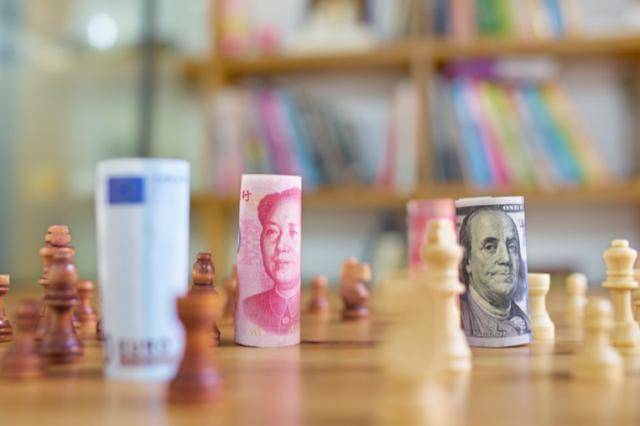
Core Viewpoint - BHP and China Mineral Resources Group have reached an agreement to settle a portion of iron ore spot trades in RMB starting in Q4 2023, marking a significant shift in pricing power for China and a step forward in the internationalization of the RMB [2][3] Group 1: Trade Dynamics - The initial phase involves 30% of the spot trading volume being settled in RMB, with long-term contracts under observation for potential full transition [2] - China's establishment of the Mineral Resources Group has improved its bargaining power, moving away from a passive acceptance of seller pricing [2] - The diversification of iron ore suppliers for China, including the upcoming Simandou mine and increased recycling of scrap iron, is reducing reliance on single-country imports [2] Group 2: RMB Internationalization - The agreement is expected to reduce foreign exchange demand by $70-80 billion annually, enhancing the RMB's share in commodity settlements [2][4] - The use of RMB for pricing and settlement will lower exchange rate risks for domestic companies and reduce costs associated with currency conversion [2][4] - Recent trends show that RMB internationalization has made significant progress, with RMB reserves held by global central banks reaching $245.2 billion, accounting for 2.14% of total reserves [3][4] Group 3: Policy and Future Outlook - China's approach to RMB internationalization is characterized by a cautious and gradual policy, focusing on risk control and market-driven strategies [5] - Former central bank governor Zhou Xiaochuan indicated that increased protectionism from the U.S. could provide an opportunity for the RMB to play a larger role in the international monetary system [5] - Future reforms are necessary to enhance the RMB's international use, including improving cross-border settlement efficiency and increasing the availability of RMB-denominated financial products [5]

人民币国际化:让这个世界上,不再有霸权能骑到别人头上
Sou Hu Cai Jing· 2025-10-14 15:57
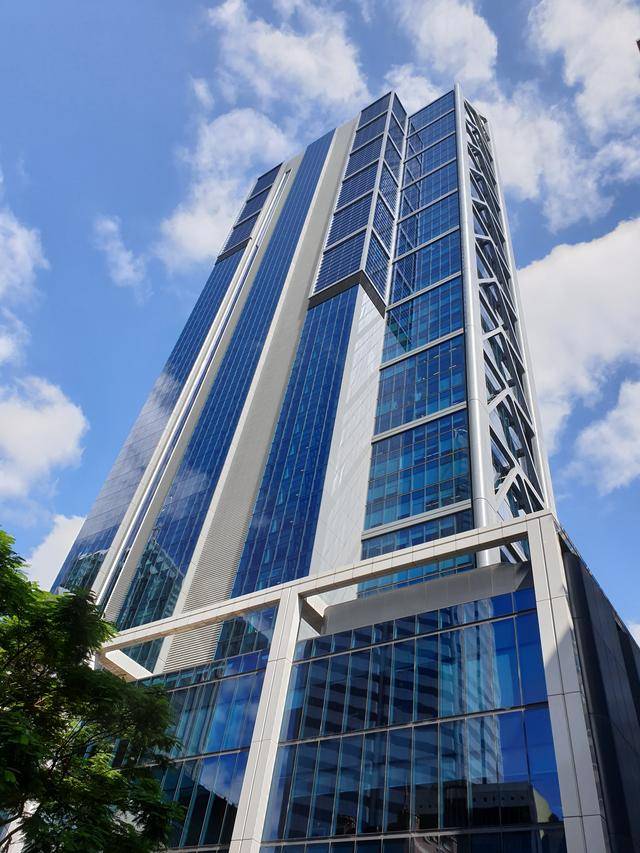
Core Viewpoint - BHP, a major Australian iron ore producer, announced it will gradually accept RMB for iron ore spot transactions, starting in Q4 2023, marking a significant milestone in the internationalization of the RMB as all four major iron ore giants now accept RMB settlement [1][7]. Group 1: Iron Ore Market Dynamics - China is heavily reliant on iron ore imports, with over 1.2 billion tons expected in 2024, 60% of which will come from Australia, highlighting the country's significant demand for high-quality iron ore [5][6]. - Despite being the largest buyer of iron ore, China has limited bargaining power due to a fragmented buyer landscape and a concentrated seller market dominated by four major companies [6][7]. - The establishment of the China Mineral Resources Group (CMRG) aims to consolidate procurement among state-owned steel enterprises to enhance bargaining power against suppliers [6][7]. Group 2: RMB Internationalization Progress - The acceptance of RMB for iron ore transactions is seen as a major step forward for RMB internationalization, especially in the context of global commodity trading [7][11]. - Recent data indicates that RMB settlements in cross-border transactions have surpassed those in USD for the first time, with over 60% of foreign trade enterprises using RMB [11][12]. - The CIPS (Cross-Border Interbank Payment System) has been developed to facilitate RMB payments, covering 189 countries and connecting 1,700 banks, processing a significant volume of cross-border RMB transactions [10][12]. Group 3: Future Prospects and Innovations - The mBridge project aims to create a digital currency platform for central banks, allowing for direct currency exchanges without intermediaries, potentially reducing reliance on the USD [16][20]. - The internationalization of RMB is not just about becoming a reserve currency but also about eliminating the dominance of the USD in global trade [21].
中方用一周时间,就拿到铁矿石定价权,澳铁矿巨头同意人民币结算
Sou Hu Cai Jing· 2025-10-14 15:17
Core Insights - China's recent strategy to pause iron ore purchases from BHP has led to significant outcomes, including the agreement to settle transactions in RMB, marking a pivotal step in the internationalization of the currency and a shift in pricing power in iron ore trade [1][3]. Group 1: Pricing Power Shift - China, as the largest buyer, historically lacked bargaining power in iron ore pricing, but recent actions have enabled it to gain pricing authority [3]. - The Chinese Mineral Resources Group's decision to halt purchases of BHP's iron ore priced in USD, including goods already at port, forced BHP to reconsider its stance on RMB settlement [3][5]. - BHP's previous firm position included rejecting RMB transactions and demanding price increases based on current market rates, but China's strategic moves led to a breakthrough [3]. Group 2: Strategic Moves and Market Dynamics - China's diversification of supply sources, such as the upcoming production from Guinea's Mandi iron ore mine, which is expected to yield 120 million tons annually by 2025, is crucial in reducing reliance on Australian iron ore [3][5]. - The introduction of the RMB-denominated "North Iron Index" by China, leveraging domestic futures trading, aims to diminish the influence of the Platts index and enhance local pricing mechanisms [3][7]. - The consolidation of purchasing power through the establishment of the Chinese Mineral Resources Group, which integrates procurement from 600 steel companies, has effectively countered suppliers' pricing advantages [5]. Group 3: Implications for Currency and Future Strategies - The acceptance of RMB for settlements not only facilitates trade but also challenges the dominance of the USD in commodity transactions [7]. - Since 2020, major mining companies have been experimenting with RMB cross-border settlements, indicating a broader trend towards currency diversification in trade [7]. - China's future plans include expanding the RMB settlement framework to other commodities like oil and agricultural products, drawing on experiences from partnerships with Saudi Arabia and ASEAN [9].
澳洲铁矿石用人民币结算,堪称里程碑事件:整个过程太低调,以至连西方都低估了其战略意义!
Sou Hu Cai Jing· 2025-10-14 14:41
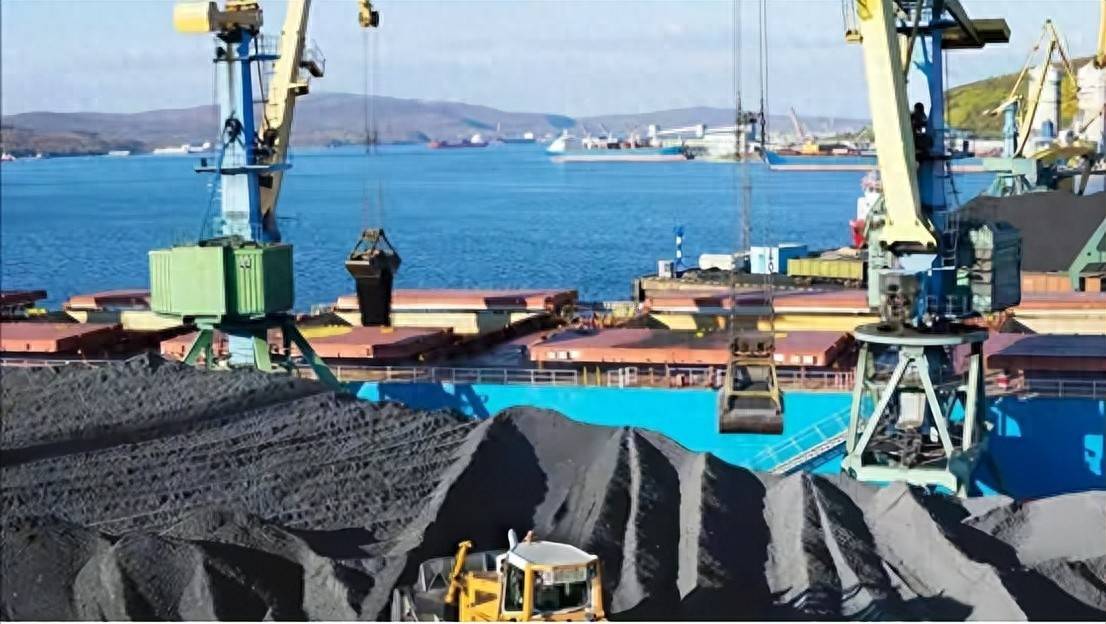
Core Insights - BHP's agreement to settle iron ore transactions in RMB marks a significant shift in the global commodity trading landscape, challenging the dominance of the US dollar [1][2] - China's annual iron ore imports exceed 1.2 billion tons, representing a substantial portion of global imports, while BHP derives 60% of its iron ore revenue from the Chinese market [1] - The move towards RMB settlement is a strategic action by China, reflecting a broader challenge to US dollar hegemony, especially given BHP's significant US ownership [1] Group 1 - The agreement between BHP and China is not just a routine business deal but a reflection of the underlying power dynamics between the two parties [1] - The shift to RMB settlement is expected to have a strong demonstration effect, influencing other global players like Brazil's Vale and Indian mining companies to consider similar arrangements [1] - The transition to RMB for iron ore transactions signifies a structural loosening of the dollar's dominance in commodity settlements, which may have long-term implications for global trade [2] Group 2 - The first shipments of iron ore settled in RMB could symbolize a historic transformation in commodity trading, as traders begin to adapt to the new currency dynamics [2] - The change in settlement currency is seen as a quiet yet profound shift that could alter the foundations of dollar dominance in global markets [2]
Mundoro Announces Option Agreement with BHP for Exploration Licences in Central Timok, Serbia
Newsfile· 2025-10-13 17:00
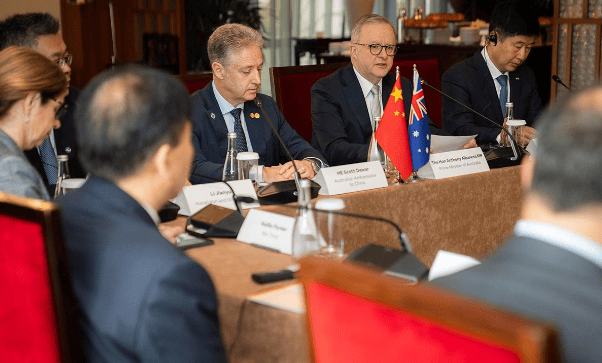
Core Viewpoint - Mundoro Capital Inc. has entered into a definitive option agreement with BHP Group Limited for exploration licenses in the Central Timok region of Serbia, focusing on copper porphyry systems [1][2][3] Agreement Details - The agreement allows BHP to earn a 100% interest in the BHP-Mundoro Central Timok Project over a 10-year period by funding cumulative exploration expenditures of up to US$ 35 million (C$ 48,877,500) [5][8] - BHP will make escalating annual option payments starting at US$ 323,000 (C$ 451,070), increasing by 2% per year [10] - Mundoro retains a 2% Net Smelter Return royalty upon the exercise of the option [8][10] Exploration Strategy - The collaboration combines Mundoro's local expertise with BHP's global geoscience capabilities to enhance exploration efforts in the Timok region [2][4] - The integrated approach aims to improve targeting capabilities and increase the likelihood of new mineral discoveries [4][3] Project Overview - The BHP-Mundoro Central Timok Project covers approximately 418 square kilometers within the Timok Magmatic Complex, known for its significant mineral deposits [10][11] - Previous investments in the project amount to C$ 15.4 million, with extensive geological surveys and drilling campaigns already completed [13] Target Areas - The project contains numerous targets, with advanced targets including the Skorusa Porphyry System and the Tilva Rosh Prospect, which have shown promising mineralization [14][15]

中国暂停购买澳洲铁矿石,英国投行:十年前中方绝不会这么做
Sou Hu Cai Jing· 2025-10-13 11:18
Core Viewpoint - The Chinese Mineral Resources Group (CMRG) has halted all dollar-denominated iron ore purchases from BHP, signaling a significant shift in China's bargaining power in the global iron ore market [1][10]. Group 1: Market Dynamics - CMRG's decision to stop purchasing from BHP indicates a departure from past practices where Chinese steel mills had little negotiating power against international mining giants [3][5]. - Historically, Chinese steel mills faced rising iron ore prices with minimal profit margins, as evidenced by the steel industry's profit of only 50 billion RMB in the first half of 2025 compared to BHP's net profit of 10.2 billion USD during the same period [3][5]. Group 2: Changes in Demand and Supply - The demand for steel in China is shifting due to a transition in development models, with crude steel production decreasing by 2.8% from January to August this year, allowing for more negotiation space [5][8]. - CMRG's establishment in 2022 has unified the purchasing power of various steel mills, enhancing their negotiating position against suppliers like BHP [7][8]. Group 3: Strategic Positioning - CMRG's actions reflect a strategic move to diversify supply sources, particularly with the development of the Simandou iron ore project in Guinea, which is expected to produce 120 million tons of high-quality iron ore annually [8][10]. - This diversification strategy aims to reduce reliance on Australian iron ore and compel BHP to offer fair pricing, indicating a shift from being a passive price taker to an active participant in shaping international trade rules [10][12]. Group 4: Implications for the Industry - The halt in purchases is not a political statement but a calculated business strategy to leverage China's market size for better pricing [10][12]. - Lower upstream raw material prices are expected to benefit downstream industries, including automotive and home appliances, by controlling production costs [12].

澳洲妥协!同意结算!外国网友看袋围铁矿巨头服软同意人民币结算
Sou Hu Cai Jing· 2025-10-13 07:37
根据2025年10月上旬的多篇财经报道,澳大利亚铁矿石巨头必和必拓(BHP)已同意自2025年第四季度起,在对华铁矿石现货交易中接受人民币结算。 这一事件被国内外媒体和网友广泛关注,视为中国在国际大宗商品贸易和人民币国际化进程中取得的关键突破。 印度网友:袋鼠也就这样,我感觉我们也可以要求以卢比结算铁矿山交易,毕竟印度也是铁矿进口大国 美国网友:试试就知道,谁会把印度放眼里!还真以为自己又行了 巴西网友:袋鼠的动作也太快了他们就应该坚持自己的立场,这样订单全都是我们的了 美国网友:袋鼠太不靠谱了!东大才停止进口几天铁矿就着急的服软,真有那么可怕吗 西班牙网友:袋鼠还以为自己掌握资源就硬气,铁矿石并不仅仅澳洲才有 澳洲网友:为什么服软呢!这一年要损失多少,坚持不买他们连铁都造不出了 美国网友:失去东大这样的大客户会像我们的豆农一样,濒临破产,必和拓必可不是傻子 日本网友:计谋这一块,还是没人玩得过东大,东大也不会打没有准备的仗,一定是找到了替代品 澳洲网友:好好的服务东大这样的客户吧!别让巴西给挖走了 俄罗斯网友:澳洲好好的做自己的生意吧!没必要听美国人的话,以人民币结算也不亏,要认清形势 长期以来,国际铁矿石 ...
铁矿石贸易人民币结算破冰,中国夺得定价权
Sou Hu Cai Jing· 2025-10-13 04:51
Core Insights - The iron ore trade market, valued at $1.2 trillion, is undergoing its most significant transformation in thirty years with a landmark agreement between China Mineral Resources Group and BHP to implement RMB settlement for iron ore spot trades starting in Q4 2025 [1][3]. Group 1: Transition from USD to RMB - The shift to RMB settlement marks a substantial advancement in China's pricing power for iron ore, which has historically been dominated by USD settlements, accounting for approximately 80% of the trade [3][4]. - BHP was the last major Australian mining company to refuse RMB settlement, but after China’s directive to halt USD-priced iron ore purchases, BHP quickly accepted the new terms [3][4]. Group 2: Pricing Power Dynamics - The competition for iron ore pricing power reflects a broader struggle for dominance in the global commodity trade system [4]. - The establishment of China Mineral Resources Group in 2022 has consolidated purchasing power for state-owned steel enterprises, enabling more effective negotiations against BHP's proposed price increases [5]. Group 3: RMB Internationalization Milestone - The agreement is a strategic milestone for the internationalization of the RMB, with other companies like Vale and Fortescue Metals Group also agreeing to RMB settlements [6][10]. - The Cross-Border Interbank Payment System (CIPS) has demonstrated its capability for global commodity settlements, processing RMB payments amounting to 134.5 trillion yuan in 2023 [6]. Group 4: Strategic Supply Diversification - China's diversified supply strategy, including the upcoming Simandou iron ore project in Guinea, is expected to significantly enhance its bargaining power in iron ore pricing [10]. - The project, with a capacity of 120 million tons per year, could account for 10% of China's annual iron ore imports upon completion [10]. Group 5: Global Implications - The shift to RMB settlement could reduce trade costs for Australia by approximately 1.5 billion AUD annually, given that iron ore constitutes 62% of its exports to China [11]. - The transformation is also impacting other countries, with Russia increasing iron ore exports to China by 80%, 45% of which are settled in RMB [11][13]. - By 2025, the proportion of global commodity transactions settled in RMB is projected to reach 18%, a significant increase from 5% in 2022 [13].
中澳铁矿石战争落幕,中国首夺铁矿定价权!澳大利亚为何妥协?
Sou Hu Cai Jing· 2025-10-13 01:25
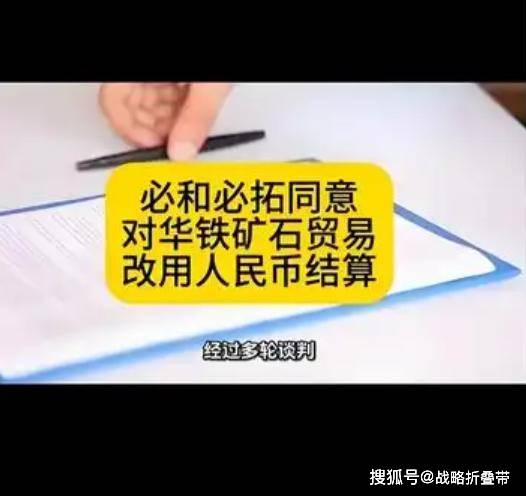
Core Viewpoint - China has successfully gained pricing power over iron ore, marking a significant shift in the global iron ore market dynamics [1][3][18] Group 1: Background and Context - The struggle for iron ore pricing power between China and Australia has been ongoing for four years, with China being the largest iron ore importer globally [3][5] - Historically, Australia has dominated iron ore pricing, leading to perceived unfairness in international trade, especially given the significant dollar-denominated transactions [3][5] Group 2: Recent Developments - In August 2023, a major disagreement arose between Chinese and Australian companies regarding the pricing and currency for iron ore transactions, with China demanding RMB settlement and a price benchmark of $80 per ton [5][12] - Following the breakdown of negotiations, China announced a suspension of all iron ore imports from Australia's BHP, marking a significant escalation in the trade conflict [6][9] Group 3: China's Strategic Position - China's current high inventory levels and reduced domestic demand for iron ore provide it with leverage, allowing it to pause imports without immediate concern [9][11] - Other suppliers, such as Brazil's Vale and Australia's Fortescue Metals Group, are willing to accept RMB for transactions, further strengthening China's position [11][12] Group 4: Outcome and Implications - BHP has since agreed to settle iron ore trades in RMB starting from the fourth quarter, indicating a significant concession [12][14] - This shift means that approximately 70% of global iron ore trade will now be conducted in RMB, effectively granting China greater control over pricing [14][18] - The establishment of the China Mineral Resources Group has facilitated a unified procurement strategy, allowing China to negotiate from a position of strength [15][17] Group 5: Future Outlook - The successful negotiation is seen as a precursor to China potentially reclaiming pricing power over other commodities, challenging the dominance of the U.S. in global commodity pricing [18][20]