BHP(BHP)

Search documents
中国开始全面反击,暂停澳铁矿石进口,大豆与铁矿关键让中国抓住了
Sou Hu Cai Jing· 2025-10-05 03:03
Core Insights - Australia's Prime Minister Albanese expressed disappointment over China's suspension of BHP's iron ore purchases, highlighting the significant economic impact, as iron ore exports contribute over AUD 138 billion annually, accounting for 5% of Australia's GDP [1][3] - China's action marks a shift in power dynamics, as it represents the first instance of a collective supply halt, signaling that buyers can dictate pricing [1][3] Group 1: Market Dynamics - The suspension of BHP's shipments follows a request from China Mineral Resources Group (CMRG) for domestic steel mills to halt all dollar-denominated purchases from BHP, indicating a failure to agree on pricing [3] - Historically, Chinese steel companies have faced significant price increases, with a 96% surge in iron ore prices in 2008, leading to a long-standing resentment towards the pricing power of major miners [3] - In 2024, BHP's pricing for China is still expected to be 35% higher than prices in other regions, reflecting ongoing pricing disparities [3] Group 2: Strategic Shifts - The establishment of CMRG in 2022 has consolidated the purchasing power of Chinese steel companies, allowing for more effective negotiations against major miners like BHP [5] - CMRG's role as a "single buyer" has fundamentally changed the negotiation landscape, moving away from fragmented purchasing strategies [5] - China is diversifying its supply sources, signing a 50 million ton/year agreement with Brazil's Vale for RMB-denominated transactions, and initiating shipments from Guinea's Simandou iron ore project, which is expected to reach 60 million tons by 2026 [5] Group 3: Currency and Trade Implications - The shift to RMB-denominated transactions is a critical aspect of China's strategy, challenging the dominance of the US dollar in iron ore trade, which is valued at USD 1.2 trillion annually [7] - The introduction of a new iron ore price index by China's port trading center directly contests the long-standing Platts index, indicating a move towards greater pricing autonomy [7] - The decline of the dollar's share in global reserves, now at 58%, alongside the rise of the RMB to 3.7%, suggests a broader trend towards de-dollarization in international trade [7] Group 4: Broader Economic Trends - The ongoing dynamics in the iron ore market mirror similar trends in agricultural commodities, such as China's shift from US soybeans to Brazilian sources [8] - The interdependence of these markets highlights a strategic response to geopolitical tensions, particularly in light of trade wars and regional disputes [10] - CMRG's control over imports and domestic resource integration is indicative of a larger trend towards resource security and economic self-sufficiency in China [13]



中国暂停进口以美元计价的澳洲巨头铁矿石,定价权争夺开始了
Sou Hu Cai Jing· 2025-10-05 01:37
Core Viewpoint - China has requested domestic buyers to suspend purchases of BHP's iron ore priced in USD, allowing only RMB transactions for already delivered shipments, indicating a shift in negotiation dynamics with Australian iron ore suppliers [1][23]. Group 1: Negotiation Dynamics - The suspension of USD transactions is linked to ongoing negotiations between China Mineral Resources Group and Australian iron ore giants, with significant disputes over pricing mechanisms [2][5]. - Key points of contention include the pricing cycle, where Australian companies prefer long-term contracts with price increases, while China advocates for quarterly pricing linked to current market rates [3][6]. - The price difference between the two approaches could lead to an additional cost of over $200 billion for China if the Australian pricing is accepted, significantly impacting domestic steel manufacturers [3][5]. Group 2: Market Dependence and Strategy - China is the largest consumer of iron ore, accounting for over 75% of global consumption, which has historically placed it in a vulnerable negotiating position [8][9]. - The establishment of China Mineral Resources Group aims to consolidate negotiation power and improve pricing strategies, moving away from fragmented negotiations by individual steel companies [22][24]. - The group’s formation has already led to a noticeable decrease in iron ore import prices since 2022, reflecting a more unified and strategic approach to negotiations [22][23]. Group 3: Currency and Pricing Mechanism - The push for RMB pricing is part of a broader strategy to reduce reliance on USD and enhance the internationalization of the Chinese currency [6][23]. - The introduction of a new iron ore price index in RMB by the Beijing Iron Ore Trading Center marks a significant step towards establishing a pricing mechanism that reflects China's actual supply and demand [26][27]. - This shift in pricing strategy is expected to increase China's influence in the international iron ore market, leading to more transactions priced in RMB in the future [27].

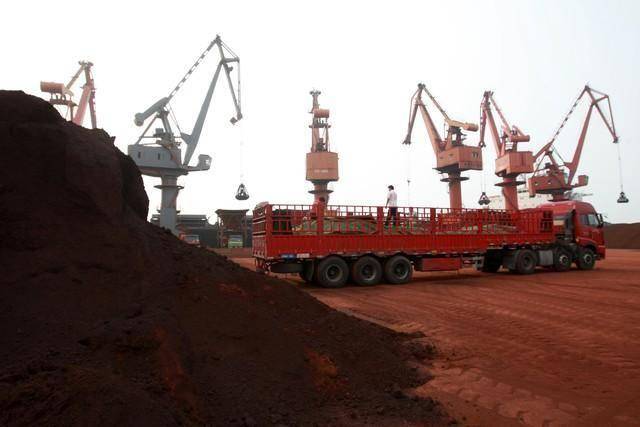
拒用人民币结算?必和必拓铁矿石竟遭拒收,美元吸引力真的不再?
Sou Hu Cai Jing· 2025-10-05 00:51
Core Viewpoint - The recent decision by China Mineral Resources Group to require BHP to settle iron ore transactions in USD has sparked significant reactions, highlighting the shifting dynamics in global trade and currency reliance, particularly concerning the US dollar [1][6]. Group 1: Market Dynamics - China's iron ore imports account for 1.1 billion tons annually, representing three-quarters of global sea trade, which gives China substantial leverage in negotiations [1]. - BHP's profits have declined nearly 25% this year due to a 10% drop in iron ore prices, making it a vulnerable player in the current market [3]. - The share of the US dollar in global foreign reserves has decreased from 72% at the beginning of the century to 58%, indicating a diminishing dominance of the dollar [3]. Group 2: Strategic Shifts - The reliance on Australian iron ore has decreased from 62% two years ago to less than half, with new sources like Guinea's Simandou mine expected to supply 120 million tons annually, equivalent to reducing imports from Australia by one-fifth [3]. - The recycling rate of scrap steel in China has reached 85%, with one-quarter of crude steel now being made from recycled materials, further strengthening China's negotiating position [3]. Group 3: Implications for Global Trade - The shift to RMB settlement could stabilize costs for Chinese companies, reducing exposure to risks associated with US monetary policy changes [6]. - The potential for RMB to be used in iron ore transactions, valued at $150 billion annually, could significantly enhance its internationalization, with a 30% shift representing an additional $45 billion [6]. - The complete industrial chain in China—from importing ore to manufacturing and exporting—contrasts sharply with Australia's reliance on mining, highlighting the latter's vulnerability in trade negotiations [8]. Group 4: Future Outlook - BHP is likely to accept RMB settlement due to its dependence on the Chinese market, while Australia will gradually adapt to the new norms as it has limited alternatives [8]. - The global trade landscape is expected to evolve towards a multi-currency system, as reliance on a single currency has proven inadequate for managing extensive trade [8].

这只是第一枪!拿澳铁矿石开刀,必须用人民币交易,该美元颤抖了
Sou Hu Cai Jing· 2025-10-04 05:03
Core Viewpoint - The recent push by China for RMB settlement in iron ore contracts with BHP has caused significant concern in Australia, indicating a strategic shift in global trade dynamics and financial sovereignty [1][6]. Group 1: Background and Context - The negotiations for contract renewal between China and BHP regarding iron ore have been ongoing for months, with China proposing RMB settlement, which was initially dismissed by Australia as a mere exploratory suggestion [3]. - China imports over 70% of the world's iron ore, with nearly half sourced from Australia, making the Australian market heavily reliant on Chinese demand [3]. Group 2: Historical Context - In the 2010s, China's rapid expansion in steel production led to soaring iron ore prices, with costs reaching $190 per ton, highlighting China's vulnerability due to its reliance on Australian imports [4]. - The U.S. Federal Reserve's interest rate hikes have further exacerbated China's import costs, prompting a strategic shift to reduce dependency on Australian iron ore [4]. Group 3: Strategic Implications - The move towards RMB settlement is seen as a bid for financial sovereignty, potentially leading to a shift in global trading norms similar to the historical U.S. dollar dominance in oil transactions [6]. - This situation reflects a broader structural shift in global trade, with countries like Russia and India also exploring alternative currencies for trade, indicating cracks in the dollar's hegemony [7]. Group 4: Market Reactions - The Australian market reacted negatively, with BHP's stock price dropping by 8%, as shareholders prioritize dividends over geopolitical tensions [7]. - Australian officials are reportedly exploring phased implementation of RMB settlement, acknowledging the market's influence over political rhetoric [7]. Group 5: Future Outlook - The potential for similar "settlement battles" in other commodities such as copper, lithium, and natural gas suggests a trend where China may leverage its market power to reshape global trade rules [8]. - The iron ore situation is viewed as just the beginning of a larger strategic game, with significant implications for global trade dynamics moving forward [8].

突发!澳矿美元船遭全面喊停,3句话揭开人民币结算时代来临
Sou Hu Cai Jing· 2025-10-04 05:03
Core Viewpoint - The decision by China Mineral Resources Group to halt all dollar-denominated iron ore purchases has created significant upheaval in the global iron ore trade, challenging the existing dollar settlement system [1][3]. Group 1: Trade Dynamics - China Mineral Resources Group issued a directive to domestic steel mills to stop purchasing all dollar-denominated iron ore, signaling a shift towards RMB settlement [5][7]. - The move is seen as a response to the long-standing dominance of major players like BHP, Rio Tinto, and Vale, which have historically controlled pricing and terms in the iron ore market [7]. - The establishment of a centralized procurement entity in 2022 has allowed Chinese steel mills to negotiate collectively, enhancing their bargaining power [7]. Group 2: Pricing and Negotiation - The immediate trigger for this trade disruption was a disagreement over pricing, with BHP attempting to raise prices despite a decline in international iron ore prices [9]. - The Chinese Steel Industry Association reported that spot prices had fallen below certain thresholds, leading to demands for prices to be aligned with market conditions [9][11]. Group 3: Strategic Positioning - China has diversified its iron ore import channels, increasing the proportion of diversified imports from less than 30% to over 50% [11]. - Brazil's Vale is expected to benefit significantly, with projected exports reaching record levels and long-term agreements established with China [11][12]. Group 4: Economic Impact - The halt in dollar-denominated purchases poses a severe economic threat to Australia, which relies heavily on iron ore exports to China, accounting for a significant portion of its export revenue [16]. - The Australian economy could face substantial repercussions, including potential job losses in the iron ore sector, which directly employs thousands [16][18]. Group 5: Currency and Global Trade - China's push for RMB settlement in iron ore trade represents a direct challenge to the dollar's dominance in global commodity markets [18][20]. - The shift to RMB is seen as a move to reduce reliance on the dollar and mitigate financial risks associated with currency fluctuations [18][20]. - The increasing acceptance of RMB in international trade reflects a broader shift in global economic power dynamics [21].
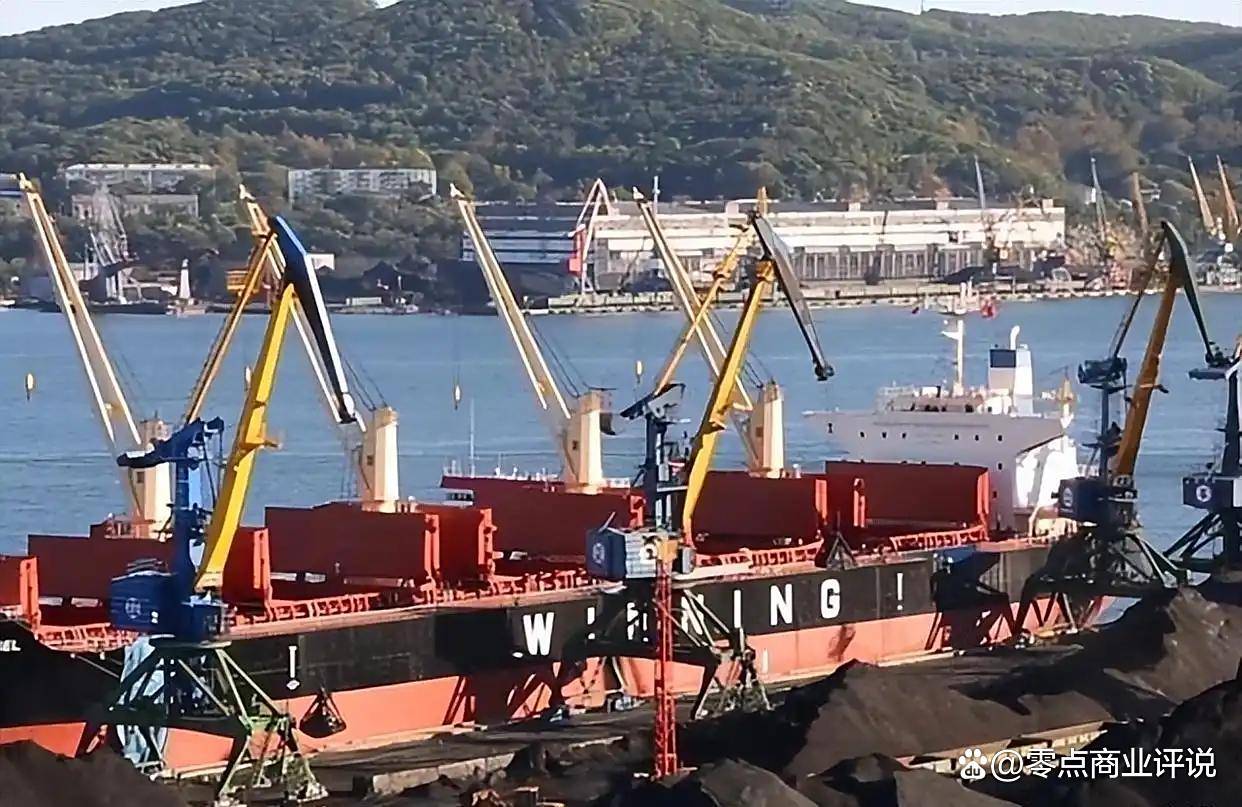
中国开始全面反击: 暂停澳铁矿石进口! 大豆与铁矿关键被中国抓住了
Sou Hu Cai Jing· 2025-10-04 04:45
Core Viewpoint - China is strategically suspending imports of iron ore from BHP, a major Australian mining company, signaling a shift in the balance of power in the global iron ore market and reflecting broader geopolitical tensions between China and Australia [1][5][16]. Group 1: China's Actions - China Mineral Resources Group has instructed domestic buyers to halt purchases of BHP iron ore priced in US dollars, affecting new contracts and shipments already in transit [5][7]. - This decision is a significant move against BHP, which generated $81.8 billion in revenue for the fiscal year 2024, with iron ore accounting for approximately 60% of its business [7][12]. Group 2: Australia's Dependency - Australia heavily relies on China for its iron ore exports, with 62% of its iron ore exports going to China, and BHP accounting for over 40% of Australia's iron ore exports to China [7][12]. - The potential long-term suspension of Chinese purchases could lead to a 1.2 percentage point increase in unemployment in Western Australia and negatively impact related industries such as ports and transportation [7][12]. Group 3: Historical Context and Market Dynamics - Historically, Australia has leveraged its iron ore supply to exert pressure on China, but the current situation reveals Australia's vulnerability due to its dependence on the Chinese market [3][14]. - China's recent diversification of iron ore supply sources, including partnerships with West African countries, has diminished Australia's previous pricing power over China [14][16]. Group 4: Broader Implications - The situation mirrors past trade dynamics, such as the US soybean market, where China successfully reduced its dependency on US imports through strategic sourcing and supply chain upgrades [20][26]. - The ongoing geopolitical tensions and trade strategies highlight the shifting landscape of global commodity pricing power, with China increasingly asserting its influence [16][26].

拒用人民币结算?必和必拓铁矿石遭拒收,美元吸引力不再?
Sou Hu Cai Jing· 2025-10-03 22:27
Core Viewpoint - The Chinese government has escalated its actions against BHP by requesting domestic steel mills to halt any new contracts for iron ore priced in US dollars, indicating a shift towards local currency transactions and a broader strategy to reduce reliance on the US dollar in commodity trade [1][3]. Group 1: Trade Dynamics - The ban on new dollar-denominated contracts follows China's earlier suspension of purchases of BHP's iron ore, marking a significant escalation in trade tensions between China and Australia [1][3]. - Australia’s Prime Minister Albanese expressed disappointment over China's decision, emphasizing the importance of iron ore trade for both economies and acknowledging the frequent price negotiation disputes [3][15]. Group 2: Historical Context - China's involvement in international iron ore negotiations began in 2004, but it has historically been in a position of accepting rules set by international miners [3][5]. - The price of iron ore saw significant increases from 2005 to 2008, with a cumulative rise of 165% over four years, highlighting the challenges faced by Chinese steel companies in negotiating prices [5]. Group 3: Shift to Local Currency - The establishment of China Mineral Resources Group in 2022 aimed to consolidate purchasing power among domestic steel mills to challenge the pricing dominance of international miners [6]. - BHP's acceptance of RMB for iron ore transactions in 2022 marked a pivotal moment in the shift towards local currency settlements, with previous attempts to use RMB dating back to 2019 [6][11]. Group 4: Global De-dollarization Trends - The global trend of de-dollarization has gained momentum, with countries like Brazil and Argentina moving towards local currency trade agreements with China [8]. - The share of the US dollar in global foreign exchange reserves has decreased to 58.4%, the lowest since 1995, reflecting a growing distrust in the dollar [8][13]. Group 5: Supply Chain Diversification - China's strategy to diversify iron ore supply includes the development of the Ximangdu iron ore project, expected to add 120 million tons of annual supply capacity [10]. - The domestic recycling of scrap steel is being accelerated, with each ton of scrap steel replacing 1.6 tons of iron ore, contributing to reduced carbon emissions [10]. Group 6: Market Implications - In 2023, China's iron ore imports are projected to reach 370 million tons, accounting for over 75% of global seaborne trade, making China a critical market for Australian iron ore exports [11]. - If China were to cease orders from BHP, the company could face a significant revenue shortfall, given that 80% of its iron ore exports are directed to China [11][15]. Group 7: Financial Market Reactions - The rising costs of domestic iron ore procurement for large steel enterprises have increased by 64% year-on-year, indicating the direct impact of international price fluctuations on the domestic industry [17]. - The shift in procurement strategies aims to leverage economies of scale to mitigate price volatility in the iron ore market [17].
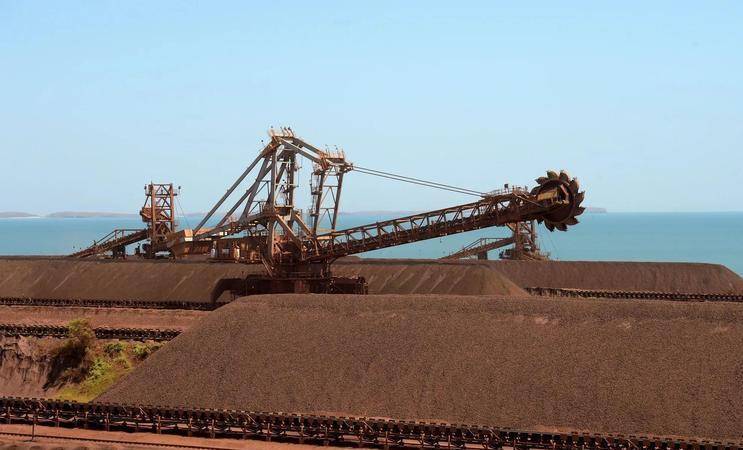
Capesize shipping rates sink with China’s ban on BHP iron ore cargoes (BHP:NYSE)
Seeking Alpha· 2025-10-03 15:09
Core Insights - Dry bulk shipping rates have decreased by approximately 25% this week, primarily due to a dispute regarding BHP's iron ore shipments to China and a seasonal decline in demand [3] Group 1: Shipping Rates - Spot rates for Capesize bulk carriers fell by 6% on Thursday [3]
澳大利亚对中国稀土开首枪,中方叫停交易,订单清零,澳总理急了
Sou Hu Cai Jing· 2025-10-03 09:59
Core Viewpoint - The recent suspension of iron ore purchases by China from BHP, a major Australian mining company, signals a significant shift in the trade dynamics between China and Australia, primarily driven by long-standing geopolitical tensions and market conditions [3][14]. Group 1: Trade Dynamics - On September 30, China Mineral Resources Group announced a halt to all dollar-denominated iron ore purchases from BHP, causing a ripple effect in the global mining market [3]. - Following the announcement, Singapore iron ore futures rose by 1.8%, while BHP's stock plummeted by 6%, resulting in a market value loss exceeding $10 billion [5]. - Australia relies heavily on China for its iron ore exports, with 85% of its iron ore exports going to China, leading to a projected 1.2% impact on its GDP [7]. Group 2: Strategic Miscalculations - Australia has been making strategic moves in the rare earth sector, including hiring Chinese experts at significantly higher salaries and initiating rare earth production in Malaysia [10]. - Despite Western media celebrating these developments, the actual production capacity of Lynas, the Australian rare earth company, is minimal compared to China's output [12]. - Australia's government has joined the "Critical Minerals Alliance" led by the U.S., which has further strained relations with China [14]. Group 3: Market Factors - The global iron ore market has seen a shift in supply and demand, with China's demand growth slowing while Australian exports continue to rise, leading to oversupply and falling prices [18]. - BHP's insistence on a 15% price increase has been deemed unreasonable by Chinese steel companies, prompting the halt in purchases as a means to negotiate better pricing [20]. Group 4: Currency Influence - The use of U.S. dollars in iron ore trade has exposed China to exchange rate risks and dependence on dollar dominance [22]. - The suspension of purchases is seen as a move towards promoting the internationalization of the Chinese yuan, with BHP's remaining transactions needing to be settled in yuan [24]. Group 5: Economic Implications - The halt in orders has placed Australian mining companies under significant pressure, as iron ore constitutes 62% of Australia's exports to China [26]. - Australia faces challenges in finding alternative markets for its iron ore, as other countries have limited demand and high transportation costs [26]. - In contrast, China is strengthening its strategic position in both rare earth and iron ore sectors through resource control and new projects, such as the Simandou iron ore project in Guinea [28].


铁矿石战争升级!中国停购部分澳大利亚铁矿石!澳总理急了?
Sou Hu Cai Jing· 2025-10-03 06:40
Core Viewpoint - The recent suspension of iron ore purchases from BHP by China's mineral resources group highlights escalating tensions in the China-Australia iron ore trade, primarily driven by pricing disputes and the demand for settlement in RMB rather than USD [1][4]. Group 1: Trade Dynamics - China has historically maintained a mutually beneficial relationship with Australia in iron ore trade, being the largest importer globally and relying on Australia's high-quality, low-cost iron ore [3]. - The average price of iron ore from BHP fell by 19% in the 2025 fiscal year, leading to a 24% decrease in profits, indicating significant price volatility in the market [3]. - China's decision to halt purchases from BHP is a strategic move to express dissatisfaction over pricing negotiations that have failed to reach an agreement [3][4]. Group 2: Negotiation Power Shift - The establishment of the China Mineral Resources Group has shifted the balance of power in negotiations, allowing China to form a purchasing alliance and gain more leverage in price discussions [6]. - China accounts for 75% of global seaborne iron ore demand, giving it substantial influence over Australian exporters, who cannot ignore China's market power [8]. - Despite the ongoing disputes, China has not completely severed ties with Australia, indicating a desire to maintain trade relations while seeking better pricing terms [9]. Group 3: Future Outlook - The iron ore trade between China and Australia is expected to become increasingly complex, with both sides possessing significant bargaining chips [11]. - China's Ministry of Foreign Affairs has emphasized the importance of economic cooperation as a stabilizing factor in bilateral relations, suggesting a willingness to continue dialogue despite pricing disagreements [12].