
Alphabet(GOOG)

Search documents
苹果加入「互传联盟」?安卓将兼容AirDrop,无需装App即可「隔空投送」
3 6 Ke· 2026-02-10 04:53
Core Insights - Google has enabled Pixel phones to appear in the AirDrop list of Apple devices, allowing seamless file transfer without the need for third-party apps [1] - The compatibility with AirDrop will be expanded to the entire Android ecosystem by 2026, enhancing cross-platform file sharing capabilities [2] - This development signifies a shift in the competitive landscape, as it provides Android devices with a native entry point for cross-ecosystem communication, challenging Apple's previously exclusive ecosystem [4][11] Group 1: Compatibility and User Experience - Google's approach differs from other manufacturers by directly integrating with the AirDrop protocol, allowing Android devices to be recognized as native Apple devices during file sharing [6][10] - The user experience is significantly improved, as there are no additional steps or learning curves required for file sharing between Android and Apple devices [8][20] - This change reduces the friction in cross-ecosystem file transfers, making it more natural for users to share files between different platforms [14][21] Group 2: Impact on Competitors - The expansion of AirDrop compatibility will challenge Android manufacturers that have previously emphasized their own cross-compatibility solutions with Apple devices [15][17] - Companies like Xiaomi, OPPO, and Huawei, which have built their ecosystems around proprietary solutions, may need to reassess their strategies as Google's integration becomes a standard feature across Android devices [16] - The shift towards a unified local transfer standard could reshape relationships within the Android ecosystem, promoting better interoperability among different brands [17] Group 3: Benefits to Users - Users will benefit from a more flexible device ecosystem, as they can easily switch between Android and Apple devices without worrying about file transfer limitations [20] - The ability to share files seamlessly across platforms enhances the overall user experience, making device selection less constrained by compatibility issues [21] - This development highlights the importance of connectivity between devices, which may become a key factor in user satisfaction and device choice in the future [21]




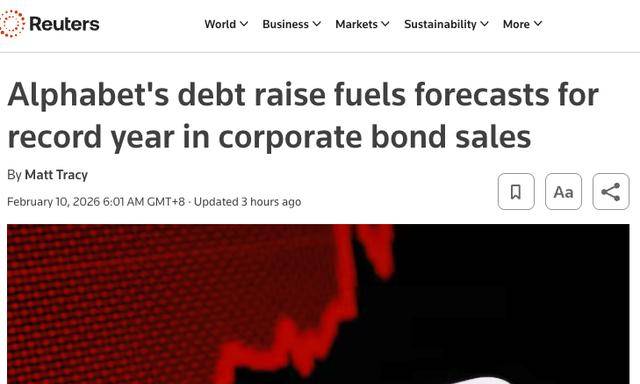
谷歌母公司Alphabet启动200亿美元债券融资
Sou Hu Cai Jing· 2026-02-10 04:05
Group 1 - Alphabet plans to raise $20 billion through the issuance of dollar bonds, exceeding the previous market expectation of $15 billion [1] - The company announced a capital expenditure plan of up to $185 billion by 2026, which surpasses its total capital spending over the past three years [4] - The funds raised will primarily be used for expanding data centers, purchasing AI chips, and upgrading cloud computing infrastructure to support its AI strategy [4] Group 2 - In addition to dollar bonds, Alphabet is also planning to issue pound-denominated bonds to diversify its financing channels [4] - The company may introduce multi-maturity products, including 100-year ultra-long bonds, to secure long-term low-cost funding [4]
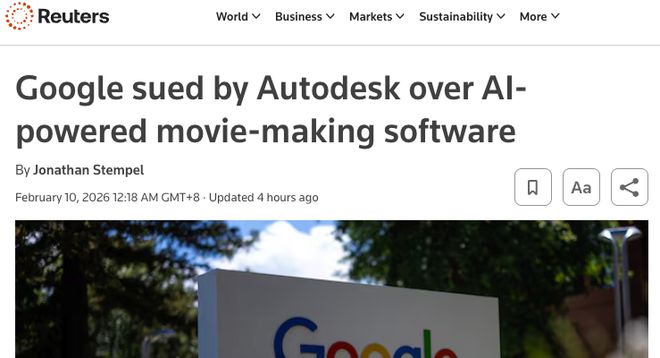
Autodesk起诉谷歌AI视频制作软件软件侵犯“Flow”商标权
Huan Qiu Wang Zi Xun· 2026-02-10 03:46
Core Viewpoint - Autodesk has filed a lawsuit against Google for trademark infringement regarding the use of the name "Flow" for its AI video production tool, which Autodesk claims overlaps significantly with its own products [1][3]. Group 1: Lawsuit Details - Autodesk initiated legal action in the U.S. District Court in San Francisco, alleging that Google's use of the "Flow" name constitutes trademark infringement and unfair competition [1]. - The company has been using "Flow" as a core brand since 2022 for visual effects tools and production management platforms in film and video game industries, investing substantial resources in marketing [3]. - Autodesk expressed surprise at Google's choice of the name "Flow," noting that there was no prior collaboration or authorization between the two companies in this domain [3]. Group 2: Product Overlap - Google's "Flow" software, described as an AI-based generative tool, assists content creators in quickly completing tasks such as special effects production and scene design, which significantly overlaps with Autodesk's existing product functionalities [3]. - Autodesk's statement emphasizes its commitment to protecting its innovations and maintaining fair competition in the global market [3].

边加谷歌边减英伟达!百年巨头柏基披露去年四季度大动作
Ge Long Hui· 2026-02-10 03:42
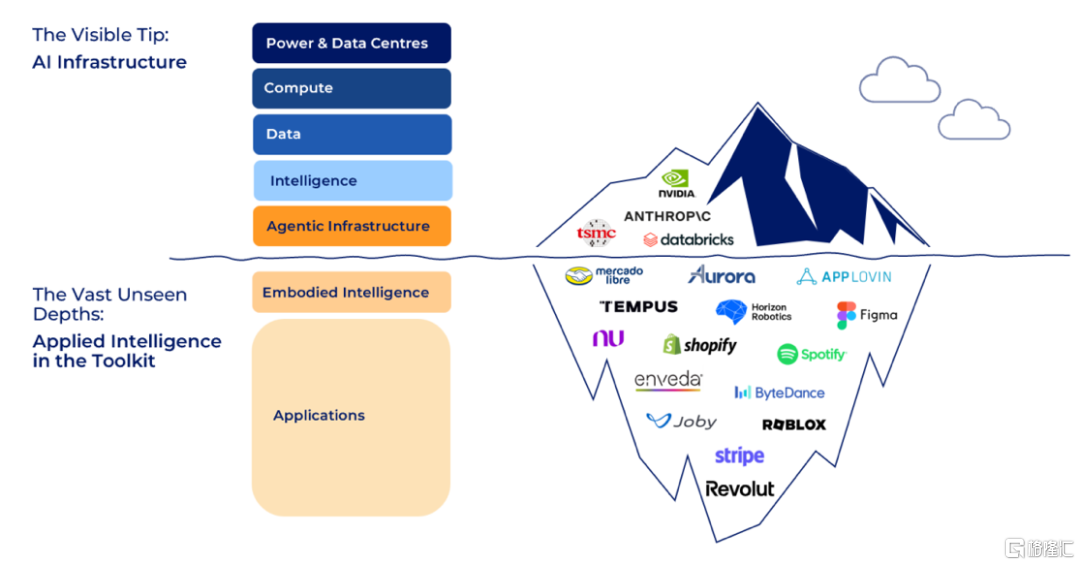
Summary of Key Points Core Viewpoint - Baillie Gifford's total holdings value decreased to $120.34 billion in Q4 2025, down approximately 10.8% from $135 billion in Q3 2025, primarily due to a net selling strategy and some growth stocks experiencing high-level corrections [1][2]. Group 1: Portfolio Adjustments - Nvidia remains the largest holding despite a 5.76% reduction in shares, accounting for 6.80% of the portfolio [3]. - Mercado Libre saw a 4.95% increase in holdings, raising its share to 5.83%, solidifying its position as a cornerstone of the portfolio [3]. - The top five holdings also include Amazon, Shopify, and Sea Ltd, with the top ten holdings comprising 43.4% of the total portfolio [4]. Group 2: Notable Transactions - Significant reductions were made in Amazon, Shopify, Meta, and Cloudflare, while Google saw a notable increase in holdings by 166%, reflecting a strategic shift towards AI capabilities [5][6]. - Baillie Gifford's investment in Google is valued at approximately $1.7 billion post-increase [6]. Group 3: Investment Philosophy and Trends - The investment team emphasizes the importance of adapting to the AI wave, suggesting that companies must pivot quickly to meet new market demands [9][10][12]. - The transition to AI is viewed as a new paradigm shift, with potential for significant growth opportunities as new companies emerge [14][15]. - The focus is on both "AI core" companies and those using AI as a tool to enhance existing services [21][24]. Group 4: Insights on China and Platform Companies - The sentiment in China has shifted, with a recognition of the country's potential to foster visionary entrepreneurs, particularly in the battery sector where CATL holds a significant market share [25][26]. - Platform companies are highlighted for their ability to create value through network effects and adaptability, requiring a long-term investment perspective [28]. Group 5: Non-Public Company Investments - Baillie Gifford has committed over £6 billion to non-public companies since 2012, recognizing the increasing duration of private company ownership before IPOs [31][32]. - The firm holds significant stakes in companies like SpaceX and ByteDance, which have shown substantial revenue growth compared to public market indices [33]. Group 6: Portfolio Construction Approach - The investment strategy is bottom-up, focusing on global transformations rather than specific trends or technologies [34]. - The portfolio includes a diverse range of companies across various sectors, with ongoing adjustments to capitalize on emerging growth opportunities [38].



美国社交媒体成瘾案开庭审理 或成判例
Xin Hua She· 2026-02-10 03:35
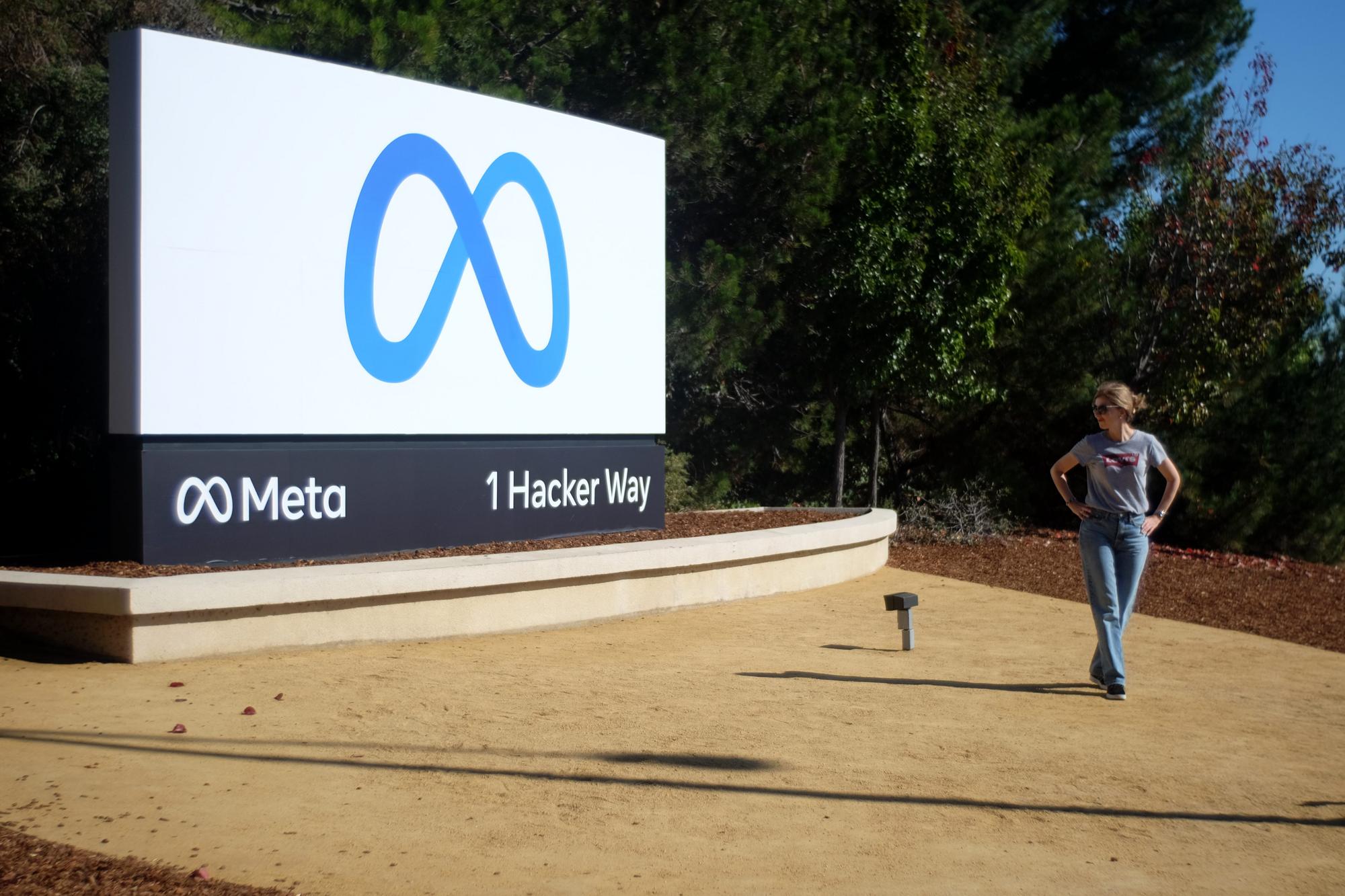
Core Viewpoint - The trial in Los Angeles against social media companies like Facebook and YouTube is significant as it addresses allegations of addiction among youth due to social media usage, potentially setting a precedent for future cases [1][2]. Group 1: Trial Details - The trial began on February 9 and is expected to last 6 to 8 weeks, with several tech leaders, including Meta's CEO Mark Zuckerberg, expected to testify [1]. - The defendants are Meta Platforms, Inc. and Alphabet Inc., with two other social media companies having reached settlements prior to the trial [1]. Group 2: Allegations and Defense - The case involves a 19-year-old victim, referred to as "KGM," who claims that early social media use led to smartphone addiction, worsening her depression and suicidal tendencies [2]. - The defendants argue that their products do not intentionally harm children and cite various safety measures they have implemented over the years [4]. Group 3: Broader Implications - Experts compare this case to previous lawsuits against tobacco companies, indicating a potential wave of similar lawsuits from parents and school districts against tech companies for social media addiction [2][4]. - The trial is seen as the first of many, with hundreds of similar lawsuits anticipated, highlighting ongoing concerns about the impact of social media on youth mental health [4].

Alphabet Bets Big on 100 Years of Debt
Youtube· 2026-02-10 03:31
Core Viewpoint - Alphabet and Amazon are planning unprecedented capital expenditures, with Alphabet potentially spending up to $185 billion and Amazon $200 billion this year, raising questions about investor willingness to finance these investments [1][2]. Group 1: Capital Expenditure Plans - Alphabet's capital spending could reach $185 billion, while Amazon's may hit $200 billion, marking the highest CapEx in history for such initiatives [1][2]. - Both companies have substantial cash reserves but prefer to raise funds through the market rather than depleting their cash [3]. Group 2: Investor Demand and Bond Issuance - Alphabet initially aimed to raise $15 billion but increased the target to $20 billion due to high investor demand, also planning to issue bonds in British pounds and Swiss francs [3]. - The issuance of a 100-year bond by Alphabet is notable, as such long-term bonds are rare for corporations, typically issued by governments or universities [4]. Group 3: Competitive Landscape - Major tech companies are increasing spending to compete aggressively in the "air race," aiming to secure a leading position in future markets [7][8]. - The competition among Alphabet, Amazon, Microsoft, and Meta is intense, with each company striving to capture significant market share and profits [8]. Group 4: Historical Context and Risks - The rarity of 100-year bonds raises concerns about long-term viability, as seen in past examples like Motorola and J.C. Penney, which faced significant challenges after issuing such bonds [11][12]. - Despite the risks associated with long-term bonds, Alphabet is currently viewed as a strong company with robust growth and aggressive investment strategies [13].

电子掘金 市场波动下,算力主线如何演进
2026-02-10 03:24
温晗静 中金公司科技硬件分析师: 那我是中金公司科技硬件组分析师温涵静,欢迎大家在每周日的晚上 8:30 来参加我们的 电子掘金会议。我们这周的主题,还是聚焦在两个方面吧。一方面是聚焦在大家比较关心 的,最近波动比较大的这个海外算力链。另一方面,可能更多的会聚焦在近期大家比较关 心的这个光模块,包括 CPU 的一些话题上。所以我们今天的汇报也会分成这两个部分。 那在第一个部分海外算力的部分,会由我和同事佳彤一起向各位汇报一下近期围绕算力定 的一些分歧。一方面我们看到海内外的这个模型其实是在加速发布的,不管是说海外的新 的这个模型,以及世界模型等等。 另外一方面,国内包括像,C 这其他的一些国内的这个外卖大战,包括所谓的这个 AI 的 变化还是比较多的。但是从另一方面来讲,我们看到上周的这个美股的市场也是有一个巨 幅的波动。那随着算力链的公司财报陆续发布,其实我们也看到了很多的这个 CSP 的资本 开支的继续上修。那在这样的一个分歧比较大的情况下,我们还是去聚焦在对海外算力链 的一个关注上,去汇报一下我们的基本的观点。首先从上周的整个的海外算力链的波动的 角度来看的话,目前我们看到大家没有一个一致的这个答案,可 ...
硅光,大爆发
3 6 Ke· 2026-02-10 03:15
Core Insights - Silicon photonics technology is transforming data centers, with significant changes expected in the future [1] - The market for optical devices is projected to grow significantly, driven by advancements in artificial intelligence networks [3][25] - The transition from copper cables to fiber optics is underway, with major companies like Corning and Meta making substantial investments [7][12] Market Growth - The optical device market has grown from several billion dollars in 2003 to approximately $13 billion in 2023, with expectations to reach $25 billion by 2030 [3] - CignalAI forecasts the market will reach $31 billion by 2029, indicating robust growth in the sector [3] - Coherent's investor report predicts the pluggable optical device market will grow from $6 billion in 2023 to $25 billion by 2030 [12] Technology Advancements - Silicon photonics integrates previously disparate photonic devices into improved CMOS processes, enhancing data transmission capabilities [6] - The use of single-mode fiber (SMF) is prevalent in optical communications, with various wavelength bands utilized for low signal loss [9][11] - Coherent and Lumentum are key players in the optical circuit switch (OCS) technology market, with potential market sizes being revised upwards due to increasing customer interest [15] Industry Dynamics - Companies like Nvidia and Broadcom are set to launch Ethernet switches using co-packaged optical devices (CPO) to reduce power consumption [16] - The shift towards CPO is driven by its energy efficiency, which is one-third of that of pluggable devices, making it significant for large-scale applications [18][25] - TSMC is positioned to become a leading silicon photonics foundry, with projected revenues from silicon photonics expected to exceed $1 billion by the end of the decade [21][26] Competitive Landscape - GlobalFoundries has claimed the top position in silicon photonics foundry services, with a focus on long-haul coherent applications [21] - Tower Semiconductor is also a significant player, offering an open platform for silicon photonics that caters to a growing market [23][24] - The silicon photonics industry is expected to see rapid growth, with projections indicating an eightfold increase in foundry revenues from 2026 to 2032 [25]


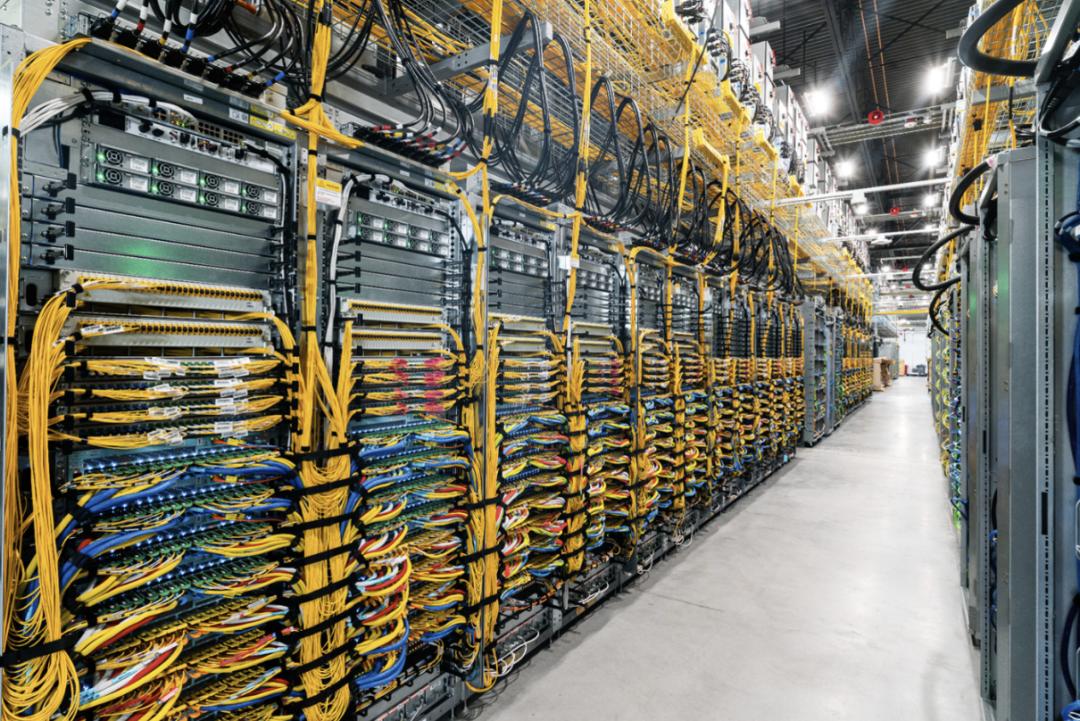
Alphabet 掏出 200 亿美元“支票簿”:AI 算力大战进入烧钱新阶段
Sou Hu Cai Jing· 2026-02-10 02:46
Core Viewpoint - Alphabet, the parent company of Google, plans to raise $20 billion through the issuance of dollar-denominated bonds, exceeding the previous expectation of $15 billion [1] Group 1: Bond Issuance - The longest maturity bond in this issuance, maturing in 2066, has seen its pricing spread narrow from 1.2 percentage points to 0.95 percentage points above U.S. Treasuries [1] - Last week, Oracle raised $25 billion through a bond issuance, with peak orders reaching $129 billion, setting a record [1] Group 2: Capital Expenditure - Alphabet announced plans to invest up to $185 billion in capital expenditures this year, surpassing the total from the past three years [1] - The significant investment is driven by the company's focus on data centers that are crucial for its AI strategy [1] Group 3: Industry Context - According to a report from Bank of America Securities, Amazon, Alphabet, Meta, Microsoft, and Oracle issued a total of $121 billion in corporate bonds last year, with an average annual issuance of $28 billion from 2020 to 2024 [1]
通信行业投资策略周报:2026.02.09
CAITONG SECURITIES· 2026-02-10 02:35
Market Performance - The Shanghai Composite Index decreased by 1.27% and the Shenzhen Component Index fell by 2.11% during the week of February 2 to February 6, 2026[5] - The Shenwan Communication Index dropped by 6.95%, underperforming the CSI 300 Index by 5.61 percentage points[5] - Within the communication sector, the communication equipment sub-sector saw a decline of 7.92%, significantly greater than the 2.66% drop in the communication services sub-sector[5] Key Company Earnings - Coherent reported Q2 FY2026 revenue of $1.69 billion, a 17% year-over-year increase, driven by strong demand in data centers and communications[13] - Lumentum achieved Q2 FY2026 revenue of $666 million, marking a 65.5% year-over-year growth, with significant opportunities in CPO and OCS[14] - Google reported Q4 FY2025 revenue of $113.83 billion, an 18% year-over-year increase, with a projected capital expenditure of $175 to $185 billion for 2026[15] Investment Recommendations - Focus on companies like Tianfu Communication, Zhizhang Technology, and Jietu Technology due to the rising demand for CPO technology[5] - Consider investing in Hengtong Optic-Electric and Changfei Fiber Optic, as the prices of optical cables and fibers are on an upward trend due to increased demand from data center expansions[5] Risk Factors - Potential risks include demand falling short of expectations and capital expenditures not meeting projections, which could adversely affect performance[16] - Increased competition in the industry due to significant demand for computing power may pose challenges for listed companies[18]