
Lilly(LLY)

Search documents
牛尿了?
债券笔记· 2026-01-15 10:21
以下文章来源于笔记财经晨会 ,作者笔记小助手 笔记财经晨会 . 有观点的财经晨会 点击上方 蓝字"笔记财经晨会" 关注我们 今日金曲:周杰伦-疗伤烧肉粽 笔友们早上好,欢迎点击上方收听精彩详细音频,用心不AI,音频更精彩! 文字内容我们简要聊聊,详细内容可听上面的音频。 3.9 万亿成交,太火热了,村里都看不下去了,下点雨降降温,村里的牛应该是踏实勤恳的慢牛,要是 谁家里有头疯牛,那心里可太不踏实 倒也不慌,牛市不会因为下雨就变熊市,改不了趋势,只会改变下节奏,也说不准,可能资金会有反 骨,接着奏乐接着舞呢? 估计很多人在今天这个行情都晕车了, Ai 在今天的过山车行情保持强势,没怎么受降温影响 今天和大家俩聊 Ai 的细分领域 Ai 医疗 1. 英伟达和礼来宣布成立人工智能联合创新实验室,旨在加速药物研发,双方将在未来五年内共同投资 至多 10 亿美元用于基础设施和研究 现在国内 AI 应用格局基本定型,豆包、千问这些通用型玩家已经占据头部 而蚂蚁阿福作为第一个冲进 AI App 第一梯队的健康类产品,用数据证明了:只要选对垂直赛道,把 " 技术能力 " 转化为 " 用户能感知的实用价值 " ,就能跑出第二 ...



10亿美元押注!英伟达、礼来剑指AI制药,药物研发变革加速
2 1 Shi Ji Jing Ji Bao Dao· 2026-01-15 09:25
Core Viewpoint - Nvidia and Eli Lilly announced a collaboration to establish an AI Joint Innovation Lab aimed at addressing long-standing challenges in the pharmaceutical industry through artificial intelligence technology [1] Group 1: Collaboration Details - The AI Joint Innovation Lab will integrate Eli Lilly's expertise in drug discovery, development, and manufacturing with Nvidia's strengths in AI, accelerated computing, and AI infrastructure [1][2] - Both companies plan to invest up to $1 billion over the next five years in talent, infrastructure, and computing power to support the lab [1][2] - The lab will be located in the San Francisco Bay Area and will employ a co-location model to facilitate close collaboration between Eli Lilly's pharmaceutical scientists and Nvidia's AI model engineers [2] Group 2: AI Applications in Drug Development - The initial focus will be on building a continuous learning system that connects Eli Lilly's smart wet lab with Nvidia's computational dry lab, enabling AI-assisted experiments [2][3] - The collaboration will explore AI applications beyond drug discovery, including clinical development, manufacturing, and commercial operations, integrating multimodal models, agent-based AI, robotics, and digital twins [3] Group 3: Industry Trends and Market Potential - The AI pharmaceutical sector has seen significant collaborations among major pharmaceutical companies, indicating a potential reshaping of the global drug development landscape [2][4] - According to McKinsey, the global AI pharmaceutical market could reach between $28 billion and $53 billion in the long term, with China's AI pharmaceutical industry expected to exceed 500 billion yuan by 2025 to 2030 [5] - The shift in the pharmaceutical industry's approach to AI, with a growing preference for external solutions over in-house development, is driving continued investment and collaboration in the AI pharmaceutical space [6] Group 4: Future Outlook - Analysts predict that 2026 may see leading companies in the AI + pharmaceutical sector achieve significant performance and valuation improvements, marking a period of valuation reconstruction [7] - The deep integration of AI and pharmaceuticals is becoming an industry consensus, with major players and capital focusing on accelerating drug development into a new phase driven by technology [7]
10亿美元押注!英伟达、礼来剑指AI制药 药物研发变革加速
2 1 Shi Ji Jing Ji Bao Dao· 2026-01-15 09:24
Group 1 - Nvidia and Eli Lilly announced a collaboration to establish an AI joint innovation lab aimed at addressing challenges in the pharmaceutical industry using AI technology [2][3] - The lab will integrate Eli Lilly's expertise in drug discovery and development with Nvidia's strengths in AI and accelerated computing, with a joint investment of up to $1 billion over the next five years [2][4] - This partnership is expected to revolutionize existing drug development paradigms by combining large-scale data and scientific knowledge with advanced computational capabilities [2][4] Group 2 - The AI joint innovation lab will be located in the San Francisco Bay Area and will promote close collaboration between Eli Lilly's pharmaceutical experts and Nvidia's AI model engineers [3][4] - Initial focus will be on building a continuous learning system that connects Eli Lilly's smart wet lab with Nvidia's computational dry lab, enabling AI-assisted experiments [4] - Beyond drug discovery, the collaboration will explore AI applications in clinical development, manufacturing, and commercial operations [4] Group 3 - Eli Lilly has been actively pursuing partnerships in the AI pharmaceutical sector, including collaborations with Chinese AI companies and other major pharmaceutical firms [5][6] - The global AI pharmaceutical market is projected to reach between $28 billion and $53 billion, with significant growth expected in China's smart pharmaceutical industry [6][7] - The strategic shift towards AI in drug development is leading to increased capital interest and a transformation in how pharmaceutical companies approach AI solutions [7][8]
硕迪生物(GPCR.US)CEO忧心减肥药仿制冲击:即便药物尚未上市,挑战已在眼前
智通财经网· 2026-01-15 07:06
Group 1 - The CEO of GPCR, Raymond Stevens, expressed concerns about the influx of generic versions of their experimental weight loss drug, which has not yet been approved [1] - Following the launch of weight loss injections by Eli Lilly and Novo Nordisk, patients turned to generics due to supply shortages, although these shortages have since ended [1] - The CEO of Novo Nordisk indicated that up to 1.5 million patients in the U.S. are using compounded weight loss drugs, highlighting the ongoing issue of generics in the market [1] Group 2 - Pharmaceutical companies claim that the FDA has not done enough to prevent the spread of generics, with a recent statement indicating plans to publish a list of overseas suppliers that meet FDA standards [2] - Compounding pharmacies utilize these raw materials to produce their own branded generic versions of drugs like Wegovy and Zepbound [2] Group 3 - Stevens noted that GPCR's aleniglipron is a small molecule drug with a more complex manufacturing process, making it harder to replicate compared to peptide drugs like Zepbound and Wegovy from Eli Lilly and Novo Nordisk [1]

JPM Day 2|阿斯利康/礼来/诺和诺德等巨头战略前瞻:37个项目、550亿投入与104项...
Xin Lang Cai Jing· 2026-01-15 04:32
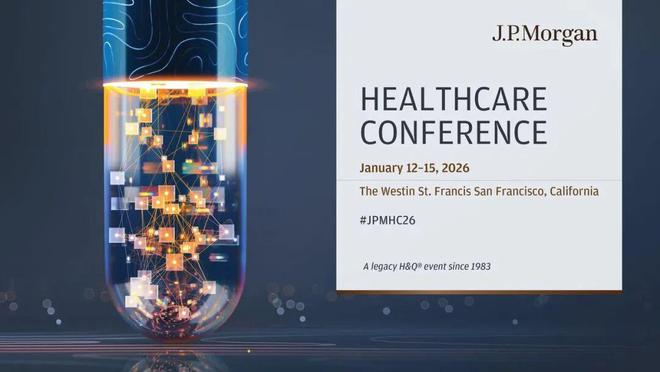
Core Insights - The 2026 JPMorgan Healthcare Conference highlights significant developments in the pharmaceutical industry, focusing on weight loss drugs, the transition of COVID-19 vaccine leaders, and the ambitions of generic drug companies to capture a multi-billion dollar market gap [1] Group 1: AstraZeneca - AstraZeneca disclosed 37 late-stage projects, emphasizing its commitment to ADC, CAR-T, and AI research [3] - Key III phase projects include the initiation of clinical trials for AZD0120, a dual-target CAR-T therapy for multiple myeloma, and the advancement of the CD19×CD3 bispecific antibody surovatamig for lymphoma [3] - The company plans to allocate approximately 20% of its total revenue to R&D in 2026, supporting ongoing III phase studies [3][5] Group 2: Eli Lilly - Eli Lilly is investing $55 billion in oral GLP-1 therapy orflorglipron, targeting a potential market of 1 billion obese individuals [6] - The oral formulation addresses the needs of patients averse to injections and is expected to receive FDA approval soon [6] - The company aims to accelerate new drug launches, projecting to introduce 24 new molecular entities over the next decade [6] Group 3: Novo Nordisk - Novo Nordisk's new CEO outlined a transformation strategy focusing on self-pay channels for obesity drugs, with a new pricing model for Wegovy at $149 per month [7] - The company is expanding its product line, including new formulations and combination therapies, while maintaining a focus on diabetes and obesity [8] - Novo Nordisk plans to engage in extensive discussions for potential acquisitions, emphasizing value-driven investments [9] Group 4: Moderna and BioNTech - Moderna is leveraging its vaccine cash flow to fund innovation, with a projected revenue of $1.9 billion in 2025 and plans for a diverse vaccine portfolio [10][11] - BioNTech aims to transition into a multi-product oncology company, targeting 15 III phase trials and focusing on various cancer types [12][13] Group 5: Generic Drug Companies - Teva is focusing on innovation and biosimilars, with a potential pipeline value of $10 billion and plans for annual new product launches [15] - Sandoz is targeting the biosimilar market, with 27 assets aimed at a $200 billion market and over 400 generic products corresponding to a $220 billion market [16] - Viatris is entering a stable growth phase post-restructuring, with plans to launch new products in various therapeutic areas [18]


AI重塑新药研发!英伟达礼来砸百亿建联合实验室,医疗板块迎技术革命?
Jin Rong Jie· 2026-01-15 01:47
Core Insights - The 44th J.P. Morgan Healthcare Conference has highlighted significant industry developments, including a $1 billion investment by NVIDIA and Eli Lilly to establish a joint research lab in the San Francisco Bay Area to accelerate AI applications in the pharmaceutical sector [1] - The conference serves as a critical platform for domestic pharmaceutical companies to showcase core molecular product capabilities and advance overseas business development collaborations, indicating a return to global value validation for products [2] - The participation of over 8,000 global attendees and more than 500 listed companies underscores the strengthening global competitiveness of Chinese companies in the pharmaceutical sector [2] Group 1: Innovative Drugs - BeiGene focuses on oncology drug development and global commercialization, presenting progress on core products like CDK4 at the conference [2] - Rongchang Biologics has entered an exclusive licensing agreement with AbbVie for the novel PD-1/VEGF bispecific antibody drug RC148, granting AbbVie rights outside Greater China for development, production, and commercialization [2] - Hengrui Medicine, involved in the R&D, production, and sales of innovative and generic drugs, reported that over 50% of its revenue now comes from innovative drugs, with multiple self-developed products receiving approvals [2] Group 2: CRO/CMO - WuXi AppTec provides integrated CXO services covering the entire drug development and manufacturing process, projecting a 32.56% year-on-year growth in net profit for 2025 [3] - WuXi Biologics, specializing in biopharmaceutical CRDMO services, announced 209 new projects, bringing the total to 945, with potential milestone payments exceeding $4 billion from new research contracts [3] - Tigermed offers clinical trial CRO services and participated in the Asia-Pacific session of the conference, providing outsourcing services related to clinical trials for global pharmaceutical companies [3] Group 3: AI in Healthcare - NVIDIA and Eli Lilly's collaboration aims to build AI models to enhance new drug development, with a planned investment of $1 billion over the next five years [4] - RunDa Medical focuses on comprehensive medical testing services and is developing an automated testing interpretation system based on large models [4] - Anbiping has launched a digital pathology AI system and is exploring the registration and commercialization of AI medical devices in cervical cytology [4]


AI制药专家交流
2026-01-15 01:06
Summary of AI in Pharmaceutical Industry Conference Call Industry Overview - AI applications in early pharmaceutical stages such as target discovery and molecular design have matured significantly, enhancing efficiency. However, recognition of experimental data and regulatory challenges remain short-term bottlenecks limiting large-scale AI adoption [2][4][5] - The maturity of AI in drug development decreases through the process, with substantial support in early stages but limited assistance in clinical phases due to regulatory restrictions on modifying trial protocols or dosing methods [3][25] Key Insights - **Core Elements for AIGC Development**: Computing power, algorithms, and data are critical for AIGC. Large pharmaceutical companies have data advantages but face challenges in data processing, while smaller biotech firms can be more agile [6] - **Talent Requirements**: AIGC talent typically has backgrounds in biomedicine or algorithms, with most skills developed on-the-job rather than through formal education [7] - **Efficiency Gains**: AI tools can significantly reduce the time required for tasks such as identifying biomarkers, with traditional methods taking much longer compared to AI-assisted approaches [8][9] Company-Specific Insights - **Farm AI Platform**: This platform boasts strong computational and data processing capabilities, integrating various omics data to enhance screening efficiency and optimize clinical trial design, providing a competitive edge [10] - **Unique Business Model of Yingxi Company**: Yingxi combines an AI platform with proprietary pipelines, allowing for iterative development and revenue generation through licensing, which enhances efficiency and feedback on results [12][13] - **Strategic Focus**: Yingxi's primary revenue source is from pipeline development, emphasizing the advancement of its proprietary pipelines rather than merely acting as a data or platform provider [14] Pipeline and Clinical Development - **Key Projects**: The most advanced pipeline is project 055, preparing for Phase III trials, showing better therapeutic effects than existing drugs. Another promising project, 5,411, has completed Phase I and is entering Phase II [16][17] - **Clinical Team Composition**: Yingxi's clinical team consists of about 20 members, with some based in the U.S. for FDA communications, while many roles are outsourced to CROs [19] - **Future Collaborations**: Yingxi plans to seek partnerships for advancing clinical pipelines, especially for promising projects nearing Phase III or market entry [20] Challenges and Considerations - **Regulatory Hurdles**: AI's role in clinical phases is limited due to regulations, which do not currently allow AI to directly influence trial designs or dosing adjustments [25][26] - **Biomarker Selection**: The selection of biomarkers during early trials may not always align with final protocols, impacting patient recruitment and trial outcomes [24] Market Trends - **Collaboration Trends**: The partnership between Nvidia and Eli Lilly exemplifies a trend of combining technological capabilities with rich data resources to enhance drug discovery platforms [29] - **Application Differences**: There is a notable difference in AI application maturity between small and large molecules, with most current applications focused on small molecules due to historical data availability and tool development [30] This summary encapsulates the key points discussed in the conference call, highlighting the current state and future directions of AI in the pharmaceutical industry.
Eli Lilly: Sell It And Buy Novo Nordisk Instead (NYSE:LLY)
Seeking Alpha· 2026-01-14 22:00
Group 1 - Eli Lilly's stock appreciated nearly 42% since early August, reaching a $1 trillion market cap, marking it as the first in the pharmaceutical industry to achieve this milestone [1] - The focus is on analyzing undervalued and disliked companies or industries with strong fundamentals and good cash flows, particularly in sectors like Oil & Gas and consumer goods [1] - Energy Transfer is highlighted as a company that was previously overlooked but is now considered valuable, indicating a shift in investor sentiment [1] Group 2 - The analyst expresses a preference for long-term value investing while also engaging in deal arbitrage opportunities, citing examples like Microsoft/Activision Blizzard and Spirit Airlines/JetBlue [1] - There is a clear aversion to investing in high-tech businesses and certain consumer goods, with a preference for more traditional products like Levi's jeans [1] - The analyst does not understand the appeal of cryptocurrencies, indicating a focus on more conventional investment avenues [1]
Behind the Scenes of Eli Lilly and Co's Latest Options Trends - Eli Lilly and Co (NYSE:LLY)
Benzinga· 2026-01-14 20:02
Company Overview - Eli Lilly and Co is a pharmaceutical company focusing on neuroscience, cardiometabolic diseases, cancer, and immunology. Key products include Verzenio for cancer, Mounjaro, Zepbound, Jardiance, Trulicity, Humalog, and Humulin for cardiometabolic conditions, and Taltz and Olumiant for immunology [8]. Current Market Status - The current market price of Eli Lilly (LLY) is $1,069.3, reflecting a decrease of 0.73%. The stock has a trading volume of 1,133,591. RSI indicators suggest that the stock may be approaching overbought conditions. The next earnings report is expected in 21 days [10]. - Market experts have issued ratings for Eli Lilly, with a consensus target price set at $1,250. An analyst from UBS has downgraded the stock to a Buy rating with the same price target [9]. Options Trading Insights - Recent options trading activity indicates a bearish sentiment among large investors, with 45% of trades being bearish and 35% bullish. A total of 120 uncommon options trades were detected, with 39 puts amounting to $1,794,386 and 81 calls totaling $4,052,883 [2][3]. - The significant investors are targeting a price range for Eli Lilly between $610.0 and $1,660.0 over the past three months [3]. - The mean open interest for Eli Lilly options trades is 387.99, with a total volume of 2,219.00 [4].

Eli Lilly's Most Promising Weight Loss Drug May Come With a Surprising Benefit: Pain Relief
Yahoo Finance· 2026-01-14 19:35
Core Insights - The rising popularity of weight loss drugs is a significant factor contributing to the increasing value of healthcare company Eli Lilly, particularly through its leading GLP-1 drugs, Mounjaro and Zepbound, which are generating billions in revenue each quarter [1] Group 1: GLP-1 Drug Developments - Eli Lilly is developing a GLP-1 drug that has shown potential for pain relief in recent trials, indicating additional benefits beyond weight loss and blood sugar control [2] - Retatrutide, a promising new drug from Eli Lilly, targets multiple hormones (GIP, GLP-1, and glucagon) and has shown early positive results in trials [4] - In a recent phase 3 trial, patients taking a 12-milligram dosage of retatrutide lost an average of 28.7% of their body weight over 68 weeks, outperforming the 26.6% average weight loss seen with tirzepatide [5] Group 2: Market Potential and Growth - The expansion of GLP-1 drugs to include benefits such as pain relief, treatment for sleep apnea, and reduced cardiovascular risk could significantly enhance Eli Lilly's growth by increasing demand and insurance coverage [6] - Retatrutide's trial results suggest it may be superior to existing GLP-1 medications, with many participants reporting complete relief from knee pain by the end of the study [7] - The FDA approved Zepbound in 2024 for treating moderate to severe obstructive sleep apnea, indicating potential for further indications and growth for Eli Lilly [8]