Marriott International(MAR)

Search documents
生活方式品牌新品扎堆首发,尽显未来生活图景 | 一周有品指南
Xin Lang Cai Jing· 2025-11-09 02:55
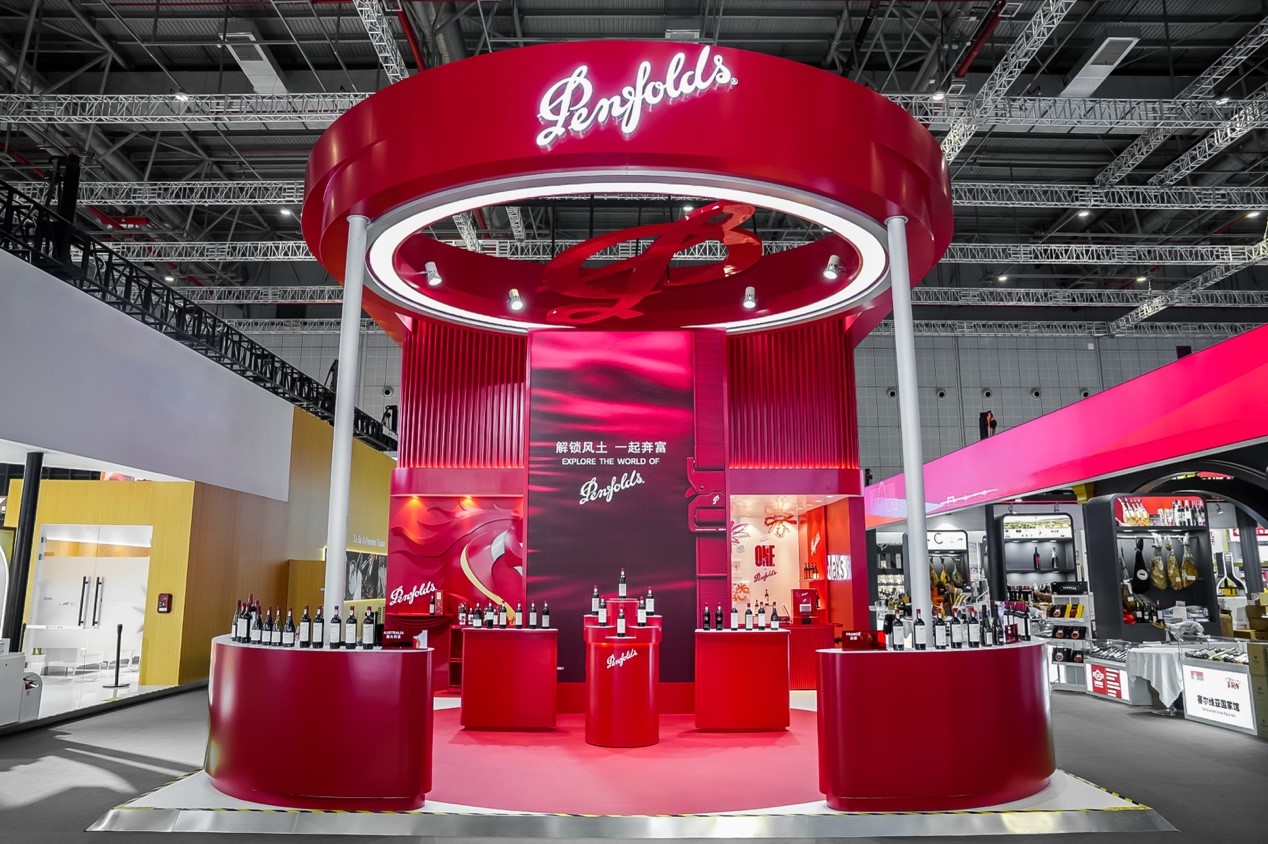
Group 1: Penfolds and Wine Industry - Penfolds has showcased its wine collection at the China International Import Expo for six consecutive years, launching the Year of the Horse limited edition wine [1] - The limited edition packaging incorporates Chinese paper-cutting art and features a selection of wines [1] - Penfolds has partnered with China Agricultural University since 2022 to establish the "Penfolds No. 1 Fund," supporting the training of wine professionals in China [1] Group 2: Zespri and Children's Nutrition - Zespri launched the "Sunshine Nutrition: Zespri Healthy Growth Plan" at the expo, focusing on children's nutrition education [3] - The project, supported by Fudan University Children's Hospital, aims to reach 1.5 million students and families by 2025 [3] - Zespri donated 10,000 golden kiwis to support children's nutrition education [3] Group 3: Macallan and Whisky Industry - Macallan debuted its refreshed 2025 whisky version at the expo, featuring a visual upgrade of its core range [5] - The brand set up an experiential space to showcase its sherry cask whisky production process [5] - Macallan aims to deepen consumer connections and share whisky culture through the expo [5] Group 4: VOSS and Water Industry - VOSS returned to the expo, representing Norway and showcasing its high-quality bottled water [7] - The brand emphasizes its natural and pure water sourced from Norway, with products available in various packaging [7] - VOSS aims to share the Norwegian lifestyle aesthetic and high-quality water experience with Chinese consumers [7] Group 5: Michelin and Tire Industry - Michelin showcased its innovations in tires and composites at the expo, highlighting sustainable materials [9] - The company presented a new rigid inflatable boat and a tire series designed for seasonal driving needs [9] - Michelin's booth design incorporated Chinese ink painting elements, reflecting its commitment to sustainability [9] Group 6: Marriott International and Hospitality Industry - Marriott International announced that its Four Points by Sheraton brand will surpass 100 hotels in China [11] - The brand has seen an 18% increase in new projects year-on-year, reflecting the demand for select service hotels [11] - Marriott operates over 660 hotels in China, serving approximately 260 million members [11] Group 7: InterContinental Hotels Group and Hospitality Industry - InterContinental Hotels Group celebrated its 50th anniversary in Greater China at the expo [13] - The group has introduced 13 brands in the region, with over 1,400 hotels in operation or under construction [13] - The exhibition showcased the new design concepts of its Holiday Inn brand [13] Group 8: Wanda Hotels and Hospitality Industry - Wanda Hotels made its debut at the expo, showcasing its brand system and global development achievements [15] - The company operates over 250 hotels across more than 300 cities, with a focus on international expansion [15] - Wanda is exploring the internationalization of its hotel brands through a "light asset" model [15] Group 9: Nikon and Optical Technology - Nikon presented its optical technology innovations at the expo, focusing on various applications [17] - The company showcased products like the Z5II camera and ZR cinema camera, highlighting their advanced features [17] - Nikon's exhibition included interactive activities to demonstrate how its technology enhances daily life [17] Group 10: CASETiFY and Lifestyle Products - CASETiFY made its first appearance at the expo, emphasizing product innovation and sustainability [19] - The brand showcased a range of products, including collaborations with local artists and limited editions inspired by Shanghai [19] - CASETiFY has initiated a phone case recycling program to promote sustainability [19]



酒店业“进博全勤生”代表,万豪、洲际“新品首发”
Nan Fang Du Shi Bao· 2025-11-08 07:35
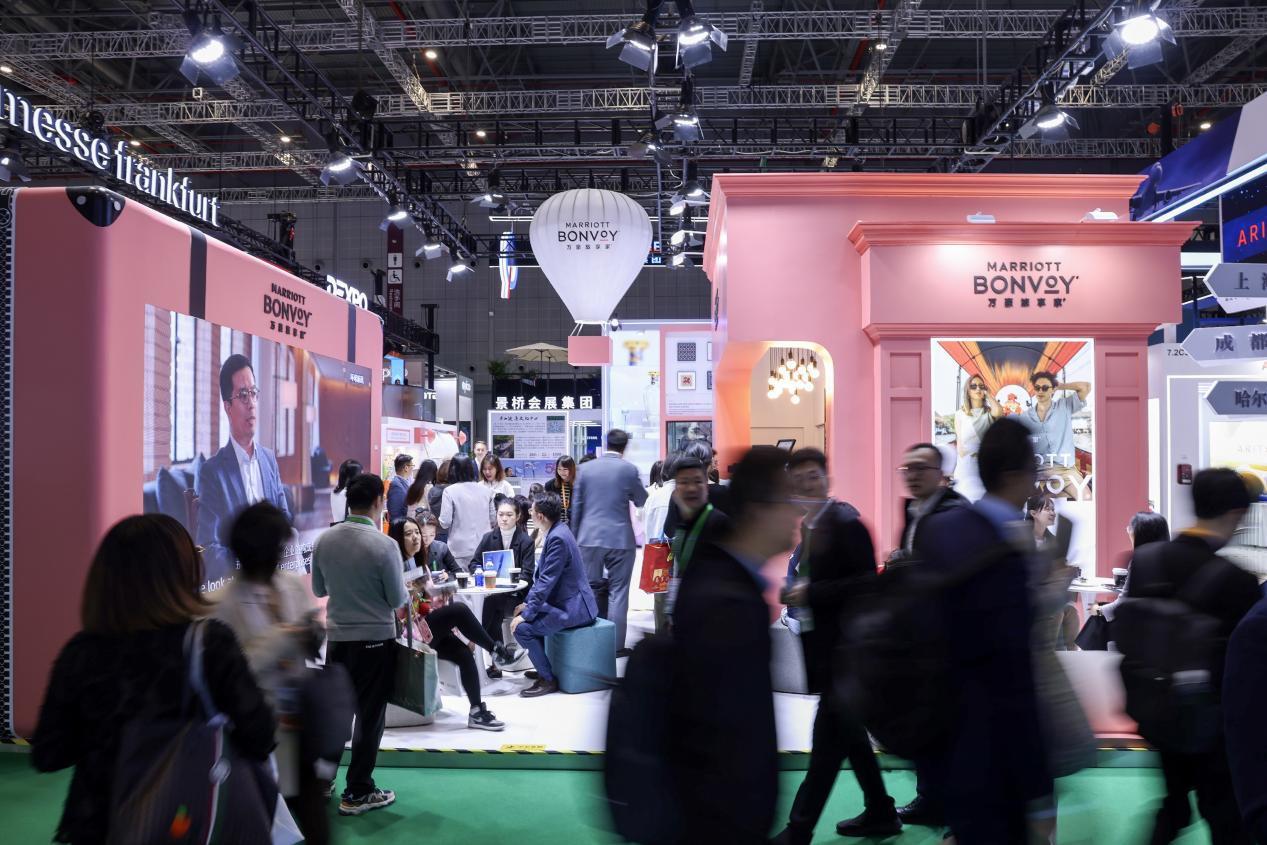
Group 1 - Marriott International and InterContinental Hotels Group have both participated in the China International Import Expo for eight consecutive years, showcasing their brands and innovations [2] - Marriott International has achieved over twofold growth in its scale in China since its first participation in 2018, with over 660 hotels and more than 90,000 employees serving approximately 260 million Marriott Bonvoy members [5] - The Fairfield by Marriott brand is set to surpass 100 hotels in China, reflecting strong demand in the select service market, with 50 hotels opened in 2023 alone [5][7] Group 2 - InterContinental Hotels Group is celebrating its 50th anniversary in Greater China, with the Holiday Inn brand introducing a new generation of product design to meet evolving consumer demands [7][9] - The group has introduced 13 brands in Greater China, with over 1,400 hotels either opened or under construction, covering more than 200 cities [7] - The CEO of InterContinental Hotels Group in Greater China emphasized the importance of high-quality supply and service upgrades, digital transformation, and the integration of culture and tourism for the hotel industry's innovative development [9]


McDonald’s Stock Challenged By a Tougher Economy, Analyst Says. Plus, Marriott, Snowflake, and More.
Barrons· 2025-11-07 22:36
Group 1: Targa Resources - Targa Resources reported a solid third-quarter performance driven by volume growth in the gathering and processing segment, and plans to meet the high end of the previous fiscal 2025 adjusted EBITDA guidance [3] - The company bought back approximately $156 million of stock during the quarter and announced a 25% dividend increase for 2026, which is expected to be viewed positively by investors [3] Group 2: Bio-Techne - Bio-Techne reported first-quarter 2026 revenue of $286.6 million, down 1% year over year, and flat adjusted earnings of $0.42 compared to the same quarter in 2025 [5] - The company faced headwinds in its GMP proteins business and funding delays for emerging biotech customers, leading to results below expectations [5] - A Buy rating is maintained with a price target of $75, reflecting the long-term potential of the company's diversified life science product portfolio [6] Group 3: McDonald's - McDonald's reported U.S. comparable sales growth of 2.4%, slightly below expectations, with earnings falling short due to heavy marketing investments [7] - The company anticipates U.S. comps to accelerate in the fourth quarter, driven by easier comparisons from last year's food safety incident and promotions [8] - A price target of $315 is set, but the company remains cautious due to challenges in consumer transactions and a bifurcated consumer base [8] Group 4: Docebo - Docebo is initiated with an Outperform rating and a price target of $35, as it has outpaced the broader LMS market by displacing legacy vendors and moving upmarket [9] - The company is expected to benefit from its push into the public sector after achieving FedRAMP status in April 2025 [10] Group 5: Marriott International - Marriott International's third-quarter results were a surprise positive, while the fourth-quarter guidance is considered neutral/slightly positive, reflecting macro uncertainty [11] - The preliminary outlook for 2026 indicates similar growth compared to 2025, suggesting an attractive growth path for the lodging sector [11] - A Neutral rating is maintained with a price target of $297, indicating a balanced risk/reward scenario [11] Group 6: Snowflake - Snowflake's annual developer and product conference highlighted its evolution from a "Data Cloud" to an "Enterprise Intelligence Cloud," focusing on helping customers build and reason with their data [12] - Key product announcements included the launch of Snowflake Intelligence and expanded AI capabilities, which are expected to drive future growth [13][14] - A price target of $280 is set, reflecting the company's strategic direction and product enhancements [15]


“Marriott (MAR) Is Incredibly Well Run,” Says Jim Cramer
Yahoo Finance· 2025-11-07 16:30
Group 1 - Jim Cramer highlighted Marriott International, Inc. (NASDAQ:MAR) as a well-run company in the travel sector, emphasizing its consistent performance despite skepticism from detractors [2][3] - Cramer noted that Marriott continues to deliver strong results, countering the narrative that the latest quarter would be the last good one for the company [2][3] - The market's reaction to travel and leisure stocks, including Marriott, has been volatile, with Cramer expressing confusion over Marriott's decline in stock price despite positive trends in other sectors, such as American Express reaching an all-time high [3] Group 2 - Cramer believes that the travel industry has been permanently altered by COVID-19, which has implications for companies like Marriott [3] - While acknowledging Marriott's potential as an investment, there is a suggestion that certain AI stocks may offer greater returns with less risk [3]
万豪国际借力进博会加速在华布局 大中华区酒店规模突破660家
Zhong Guo Jing Ji Wang· 2025-11-07 08:46
Group 1 - The 8th China International Import Expo (CIIE) is being held in Shanghai from November 5 to 10, showcasing global brands and innovations [1] - Marriott International has seen its scale in China grow more than twofold since its first participation in CIIE in 2018, now operating over 660 hotels across more than 150 cities [1] - The Fairfield by Marriott brand is celebrating its 30th anniversary globally, with nearly 100 hotels set to open in China, reflecting strong demand in the select-service market [1] Group 2 - The World Travel and Tourism Council predicts that by 2035, China's tourism industry will contribute over 27 trillion RMB to the economy, with a growth rate double that of the overall economy [2] - Marriott International is leveraging industry opportunities through local innovations to drive business growth and enhance customer experiences, with a record number of new hotel openings in the Greater China region expected by Q3 2025 [2] - The company is accelerating the growth momentum of its select-service brand matrix while solidifying its leadership in the luxury and high-end market segments [2]
一周文商旅速报(11.03—11.07)
Cai Jing Wang· 2025-11-07 08:04
Group 1 - The State Council of China announced the holiday schedule for 2026, with the Spring Festival holiday lasting 9 days from February 15 to February 23, leading to a significant increase in travel interest, with flight search volume tripling [1] - Flight bookings for the Spring Festival period saw a year-on-year increase of 235%, indicating a strong market demand for travel during this holiday season [1] Group 2 - Ctrip's "Free City Half-Day Tour" project has successfully received over 10,000 tourists from more than 100 countries since its launch in major cities like Shanghai and Beijing, reflecting the ongoing recovery and growth in inbound tourism [2] - In the third quarter of 2025, Marriott International reported a 0.5% year-on-year increase in global RevPAR, with international markets showing a growth of 2.6%, indicating a positive trend in the hospitality industry [2]


US Hospitality Market Forecast to Reach USD 313.87 Billion by 2030: Driven by Growing Domestic Travel and Shift to Online Bookings
Medium· 2025-11-07 05:59
Industry Overview - The US hospitality market is valued at USD 247.45 billion in 2025 and is projected to reach USD 313.87 billion by 2030, growing at a CAGR of 4.9% [1] - The growth is driven by increasing demand for travel and accommodation services, particularly domestic tourism and bleisure travel [1][3] Key Trends - **Growing Domestic and Bleisure Travel**: Domestic leisure travel is dominating the market, with bleisure travel gaining traction as business trips are extended for leisure purposes, leading to increased hotel occupancy and revenue [3] - **Rise of Extended-Stay and Hybrid Accommodations**: There is a growing preference for extended-stay hotels and hybrid models that combine serviced apartments with hotel amenities, catering to diverse traveler preferences [4] - **Technology and Digital Integration**: The adoption of technology, including online booking platforms and AI-powered tools, is enhancing guest experiences and operational efficiency [5] - **Strategic Expansion and Resilient Infrastructure**: Operators are utilizing asset-light strategies like franchising to expand while investing in climate-resilient infrastructure to mitigate environmental risks [7] Market Segmentation - The market is segmented by various factors including chain scale, service type, end-user categories, and distribution channels, allowing operators to target niche markets effectively [8] Key Players - Major players in the US hospitality market include Marriott International, Hilton Worldwide, Wyndham Hotels & Resorts, InterContinental Hotels Group (IHG), and Choice Hotels International, each with distinct market strategies and service offerings [11] Conclusion - The US hospitality market is poised for steady growth, driven by evolving traveler expectations and strategic adaptations by market participants, presenting significant opportunities for investment and development [10]




外企看中国丨万豪国际借力进博会加速在华布局 大中华区酒店规模突破660家
Zhong Guo Jing Ji Wang· 2025-11-07 04:45
Group 1 - The 8th China International Import Expo (CIIE) was held in Shanghai from November 5 to 10, showcasing Marriott International's significant growth in China, with over 660 hotels across more than 150 cities and destinations [1][2] - Marriott International's brand, Four Points by Sheraton, is celebrating its 30th anniversary globally, with nearly 100 hotels set to open in China, reflecting strong demand in the select-service market [1][2] - The company has over 660 hotels and more than 90,000 employees in the Greater China region, serving 260 million members of the "Marriott Bonvoy" loyalty program [2] Group 2 - The World Travel and Tourism Council predicts that by 2035, China's tourism industry will contribute over 27 trillion RMB to the economy, with a growth rate double that of the overall economy [5] - Marriott International is leveraging industry opportunities through local innovations to drive business growth and enhance customer experiences, with a record number of new hotel openings expected by Q3 2025 in the Greater China region [5]
万豪国际集团:2025年第三季度全球RevPAR同比增长0.5%
Cai Jing Wang· 2025-11-07 02:44
Core Insights - As of September 30, 2025, Marriott's global system includes over 9,700 hotels and approximately 1.75 million rooms [1] - In Q3 2025, Marriott reported a 0.5% year-over-year increase in global RevPAR (Revenue Per Available Room), with international markets seeing a 2.6% growth [1] - Adjusted EBITDA (Earnings Before Interest, Taxes, Depreciation, and Amortization) totaled $1.349 billion for the quarter [1]
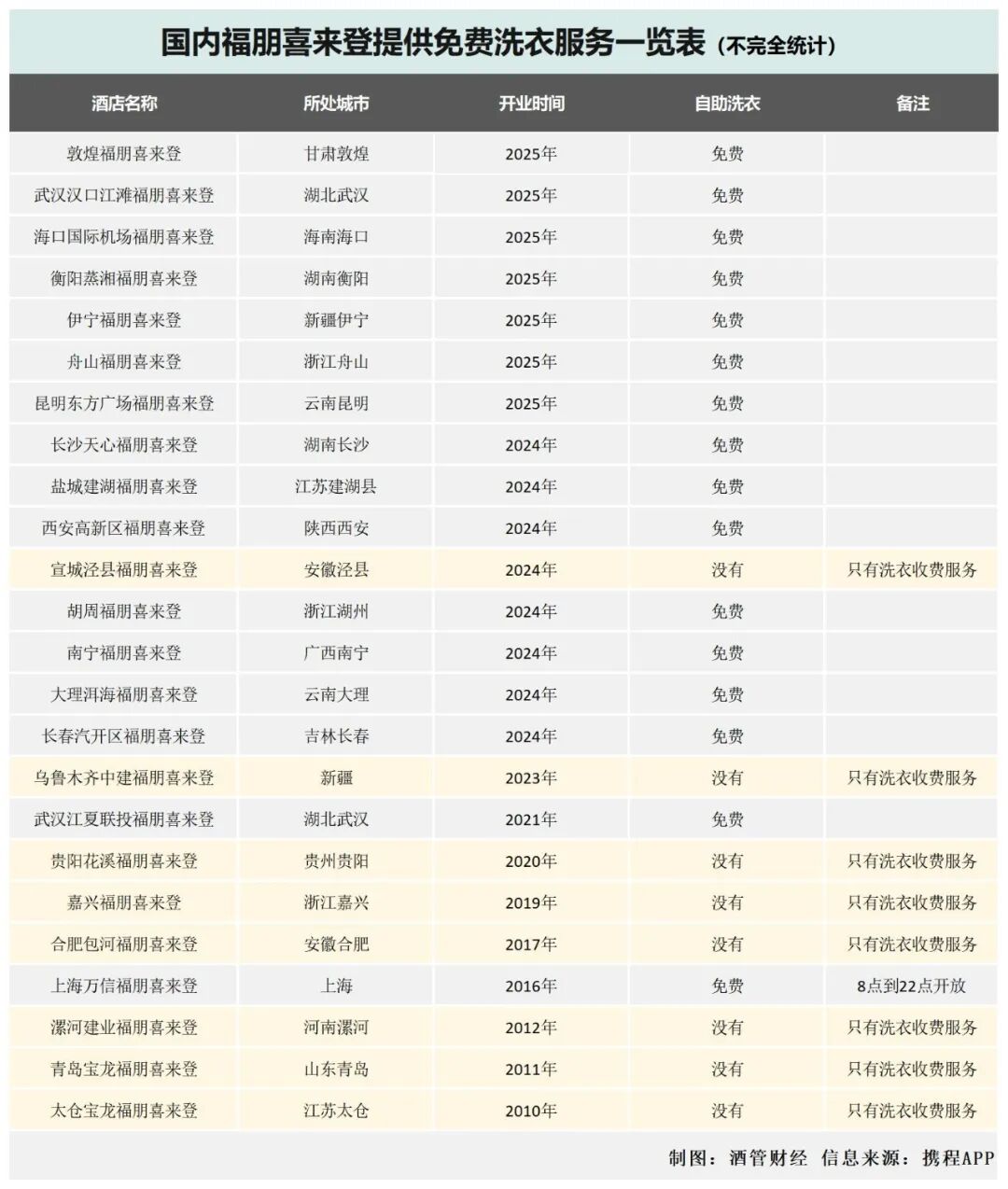
很多新开的福朋喜来登开始提供免费洗衣了
3 6 Ke· 2025-11-07 02:05
Core Insights - The article discusses the shift of international hotel brands in China, particularly the introduction of free self-service laundry in mid-range hotels like Four Points by Sheraton, indicating a response to changing consumer expectations and competitive pressures from local brands [2][11][15]. Group 1: Market Dynamics - International hotel groups are adjusting their strategies in the Chinese market due to declining performance and increased competition from local mid-range and high-end brands [2][19][25]. - The introduction of free laundry services by Four Points by Sheraton reflects a broader trend where many new hotels are adopting this service to enhance customer experience [11][14][26]. - The competitive landscape is intensifying, with local brands gaining significant market share and consumer preference in the mid-range hotel segment [25][26]. Group 2: Financial Performance - Marriott's recent financial reports indicate a slight increase in revenue per available room (RevPAR) globally, but the performance in the Greater China region remains weak, with a decline in average daily rate (ADR) and RevPAR [19][21][22]. - The company has noted that the Asia-Pacific region, excluding China, has shown stronger growth, highlighting the challenges faced in the Chinese market [20][22]. Group 3: Consumer Expectations - There is a growing consumer demand for amenities like free laundry services, which has become a standard expectation in many mid-range hotels [14][15]. - The article notes that approximately 60% of domestic three- and four-star hotels now offer self-service laundry facilities, with new hotels achieving a coverage rate of 73% [14]. Group 4: Strategic Adjustments - International hotel brands are beginning to adopt more flexible service models, such as allowing hotel owners to choose whether to include amenities like executive lounges [16]. - The shift towards offering free services and amenities is seen as a necessary response to changing consumer preferences and competitive pressures [15][26].