
MNSO(MNSO)

Search documents
名创优品旗下品牌冲刺IPO
Shen Zhen Shang Bao· 2025-10-23 23:06
Core Insights - TOP TOY, a潮玩 brand incubated by Miniso, is advancing its IPO project in Hong Kong, but has not yet produced a breakout self-owned IP in its five years of existence, highlighting a significant gap compared to industry leaders [1] - Miniso's founder, Ye Guofu, announced plans to close and reopen 80% of its stores over the next two years to shift from retail to cultural creativity, aiming to become a leading global IP operation platform [1] Financial Performance - TOP TOY reported a revenue of 742 million yuan in the first half of this year, a 73% year-on-year increase, but nearly half of this revenue came from Miniso, indicating a high dependency [1] - In 2024, TOP TOY's self-owned IP revenue was only 6.8 million yuan, accounting for less than 0.4% of total revenue [1] - Miniso's revenue for the first half of this year reached 9.393 billion yuan, a 21.1% year-on-year increase, with operating profit of 1.546 billion yuan, up 3.4% year-on-year; however, net profit decreased by 23.1% due to losses from investments in Yonghui Supermarket [1] Strategic Outlook - Analysts believe that Miniso's optimization of its large store strategy will improve store structure and operational efficiency, leading to gradual improvement in same-store sales [2] - The strengthening of the IP strategy is expected to enhance global competitiveness and drive the development of overseas business and the TOP TOY brand [2]
GOOS vs. MNSO: Which Stock Is the Better Value Option?
ZACKS· 2025-10-23 16:40
Core Insights - Canada Goose (GOOS) and MINISO Group Holding Limited (MNSO) are being compared as potential undervalued stocks in the retail apparel and shoes sector [1] - GOOS has a stronger Zacks Rank of 2 (Buy) compared to MNSO's 4 (Sell), indicating a more favorable earnings outlook for GOOS [3] Valuation Metrics - GOOS has a forward P/E ratio of 13.03, while MNSO's forward P/E is 15.70, suggesting that GOOS may be undervalued relative to MNSO [5] - The PEG ratio for GOOS is 0.96, indicating better expected earnings growth relative to its price compared to MNSO's PEG ratio of 1.11 [5] - GOOS has a P/B ratio of 3.94, which is lower than MNSO's P/B ratio of 4.46, further supporting the argument that GOOS is a more attractive value option [6] Earnings Outlook - GOOS is noted for its improving earnings outlook, which enhances its attractiveness as a value investment [7]




叶国富计划关闭重开80%门店,谁为“腾笼换鸟”买单?
虎嗅APP· 2025-10-23 13:36
Core Viewpoint - The article discusses MINISO's ambitious transformation plan, which involves closing and reopening 80% of its stores to shift from a retail-focused model to a cultural and creative one, aiming to increase the proportion of IP products from 50% to over 80% in the next 3-5 years [5][6][21]. Group 1: Transformation Strategy - MINISO plans to close nearly 6,000 stores as part of its "腾笼换鸟" (replace the old with the new) strategy, focusing on restructuring store models and product offerings [5][6]. - The new store model will upgrade smaller stores (under 200㎡) to larger thematic spaces (400-600㎡), with flagship stores like the 1,500㎡ "MINISO LAND" in Shanghai [6][14]. - The shift towards IP products is driven by the rising popularity of cultural and creative products, which have shown strong user engagement and high margins [6][10]. Group 2: Financial Performance - In recent quarters, MINISO has faced declining net profits despite revenue growth, with a reported 18.9% increase in revenue but a drop in adjusted net profit due to rising sales and distribution expenses [11][12]. - The company’s net profit has been under pressure, with the first quarter of 2025 showing a decline in net profit despite a 23.1% increase in total revenue [11][12]. - The acquisition of Yonghui for 6.27 billion yuan has strained MINISO's cash reserves and added financial costs, contributing to the pressure on profitability [11][12]. Group 3: Market Position and Challenges - The transformation poses risks, including potential loss of core customers who are accustomed to MINISO's low-price model, especially in lower-tier cities [7][20]. - The execution of the store closure and reopening plan will be gradual, which may lead to temporary disruptions in shopping experiences and affect brand reputation [7][20]. - The stability of the franchise system is crucial, as the transformation may lead to increased costs for franchisees, potentially resulting in a loss of confidence and a wave of franchisee exits if the transformation does not yield expected results [17][20]. Group 4: Future Outlook - The success of MINISO's transformation will depend on whether consumers are willing to pay a premium for IP products and whether franchisees can adapt to the new model [21]. - The company aims to balance its core value of high-quality, low-cost products with the new focus on IP, suggesting a strategy of maintaining cost-effectiveness while enhancing the customer experience through IP collaborations [21].

五年做到100亿,快过马云!叶国富:重开6000家名创优品
2 1 Shi Ji Jing Ji Bao Dao· 2025-10-23 13:31
Core Insights - The founder of Miniso, Ye Guofu, announced plans to change the store model and product structure, with 80% of stores set to close and reopen [1] Company Strategy - The company is undergoing a significant transformation in its retail approach, indicating a shift in strategy to adapt to market demands [1] - The decision to close and reopen 80% of stores suggests a focus on optimizing store performance and potentially enhancing customer experience [1] Industry Impact - This move may reflect broader trends in the retail industry, where companies are reevaluating their physical presence and product offerings in response to changing consumer behavior [1]
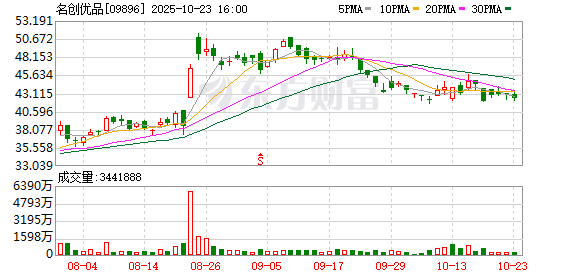
叶国富计划关闭重开80%门店,谁为“腾笼换鸟”买单?
Hu Xiu· 2025-10-23 09:29
Core Insights - The core focus of the article is on MINISO's ambitious plan to close and reopen 80% of its stores as part of a transformation strategy to shift from a retail model to a cultural and creative model, aiming to enhance its product structure and store experience [2][16]. Company Strategy - MINISO plans to close nearly 6,000 of its over 7,000 global stores, transitioning from small stores under 200 square meters to larger themed spaces of 400-600 square meters, with flagship stores like the 1,500 square meter "MINISO LAND" in Shanghai [2][11]. - The company aims to increase the proportion of IP products from 50% to over 80% in the next 3-5 years, focusing on high-margin collaborative products with brands like Marvel and Disney, moving away from low-priced standard products [2][12]. Market Trends - The article highlights the growing market for IP derivative products, such as blind boxes and trendy toys, which have become new growth points in the retail industry due to their high margins and strong user engagement [2][12]. - MINISO's previous success with IP collaborations provides a foundation for its full transition to a cultural and creative company [2]. Financial Performance - In recent quarters, MINISO has faced financial pressure, with net profit declining despite an 18.9% revenue increase in Q1 2025, primarily due to a 46.7% rise in sales and distribution expenses and costs from acquiring Yonghui [6][12]. - The company reported a total revenue of 4.97 billion yuan in Q2 2025, a 23.1% year-on-year increase, but its profitability remains under pressure [6][7]. Operational Challenges - The transformation poses significant risks, including the challenge of changing consumer perceptions from a "value for money" brand to a premium IP-focused brand, which may alienate core customers [3][15]. - The execution of closing and reopening 80% of stores will be a gradual process, potentially leading to customer inconvenience and impacting brand reputation during the transition period [3][4]. Franchise System Impact - The closure and reopening of stores will require franchisees to bear costs related to renovations and inventory updates, which could strain their profitability and lead to potential franchisee attrition [13][15]. - The increased operational costs associated with larger stores may raise the entry barrier for new franchisees, potentially leading to a consolidation of the franchise network [13][15]. Long-term Outlook - The success of MINISO's transformation will depend on whether consumers are willing to pay a premium for IP products, and whether franchisees can adapt to the new business model [16]. - The article emphasizes the importance of maintaining a balance between product quality and consumer expectations, suggesting that MINISO should not completely abandon its low-price roots while pursuing higher-margin IP products [16].
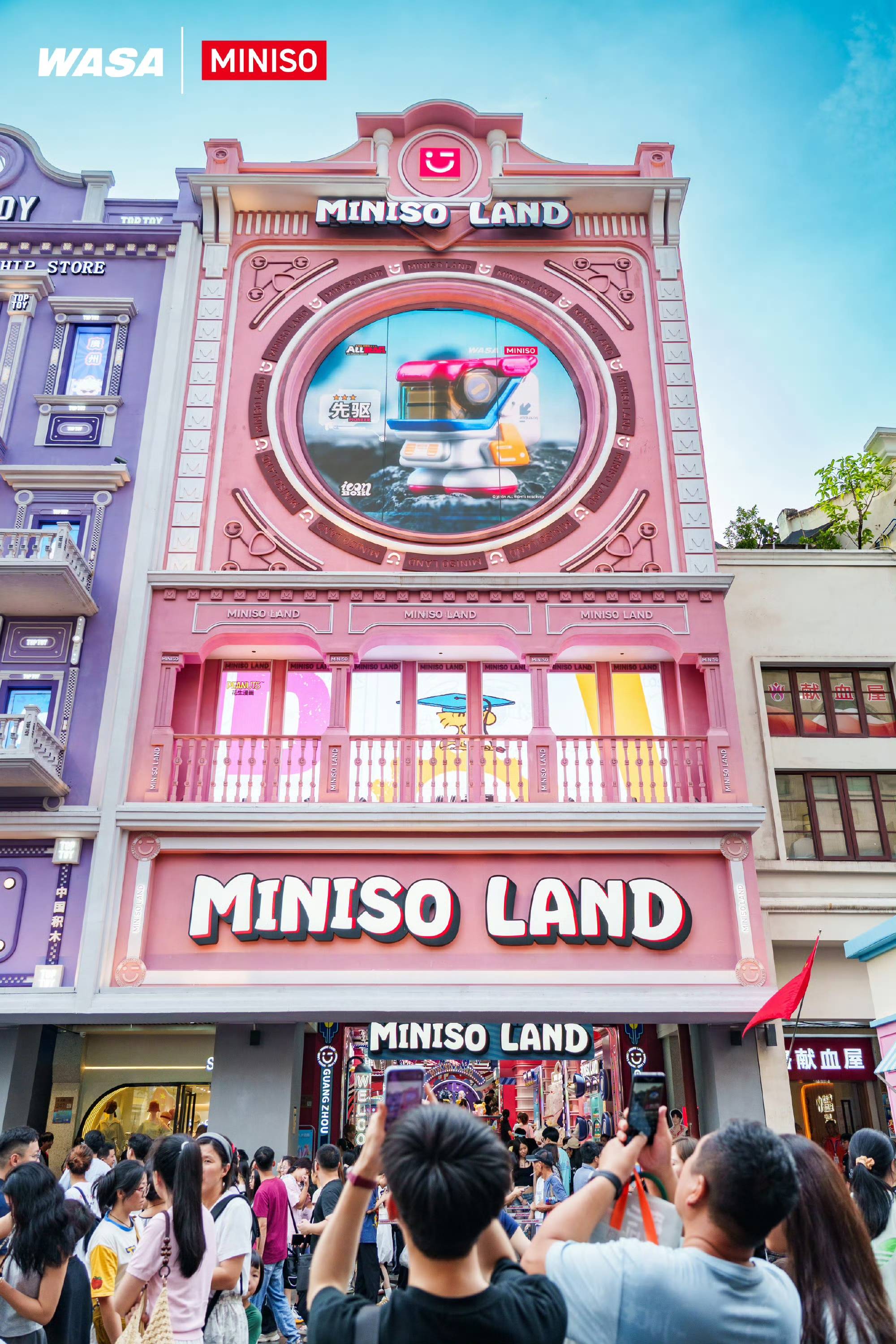
叶国富称名创优品从0到100亿速度超马云
Cai Jing Wang· 2025-10-22 13:23
Core Insights - Ye Guofu, the founder of Miniso, claims that the company achieved a rapid growth from zero to 10 billion in a short period, reportedly faster than Jack Ma's Alibaba [1] - During its peak, Miniso opened over 1,000 stores in a single year, highlighting its aggressive expansion strategy [1] Company Performance - Miniso has tapped into significant market demand, which has been a key driver of its rapid growth [1] - The company's growth trajectory is characterized by a high rate of store openings, indicating a strong retail presence [1]
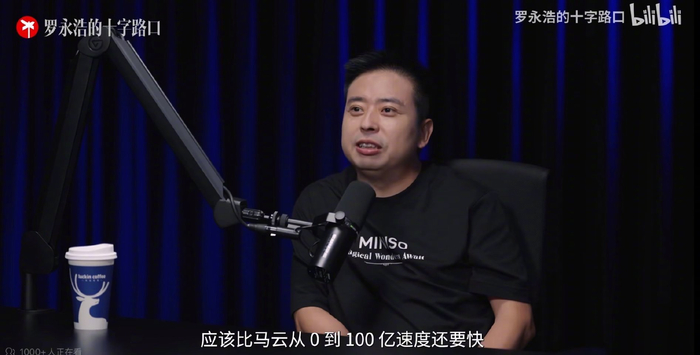
叶国富谈名创优品进店转化率30%,全球一号店月入1600万
Mei Ri Jing Ji Xin Wen· 2025-10-22 13:23
Core Insights - Miniso has achieved a conversion rate of 30%, meaning that out of every 100 customers entering the store, 30 make a purchase [1] - The company reached a revenue milestone of 10 billion in just five years, which is noted to be faster than Alibaba's growth [1] - The flagship store on Nanjing Road in Shanghai generated sales of 100 million within nine months, with a peak monthly revenue of 16 million [1] Company Development - Miniso was inspired by foreign specialty stores and was founded in a garage in Guangzhou in 2013 [1] - The initial suppliers were sourced from the Canton Fair, leveraging their design capabilities to enhance product competitiveness [1] - The company optimized its product selection strategy by benchmarking against competitors and successfully established a self-operated store business model within three months [1] Business Strategy - The gross profit margin for Miniso's franchisees is reported to be 38% [1] - The popularity of well-performing stores serves as effective advertising, attracting numerous franchisees seeking collaboration [1]
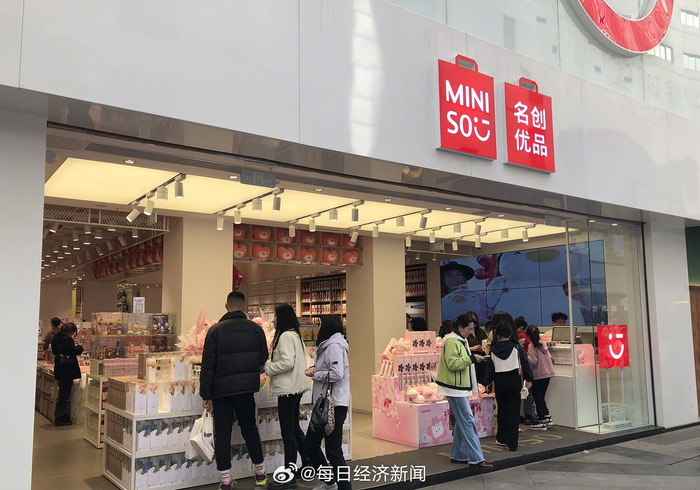
名创优品创始人叶国富称80%门店将关闭重开,转型文化创意
3 6 Ke· 2025-10-22 12:18
Core Insights - Miniso's founder Ye Guofu highlighted the company's rapid growth, achieving a revenue of 10 billion in just a few years and opening over 1,000 stores in peak years, claiming a growth rate faster than Jack Ma's [1] Group 1: Company Strategy - The company plans to "transform" by closing and reopening 80% of its stores over the next two years, indicating a shift in store model and product structure [1] - The transformation aims to transition from a retail-focused business to one centered around cultural creativity [1]
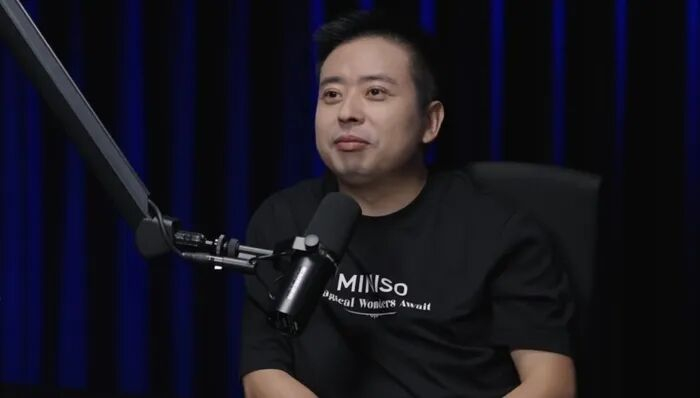
叶国富:名创优品用5年做到了100亿,比马云还快
Xin Lang Cai Jing· 2025-10-22 11:21
Core Insights - The discussion highlighted the rapid growth of Miniso, which reached a revenue of 10 billion RMB in approximately five years, outpacing Alibaba's growth [2] - Miniso's current in-store conversion rate stands at 30%, with a flagship store in Shanghai achieving sales of 100 million RMB in nine months [2][4] - The company has adopted a dual-track strategy for IP development, collaborating with major brands like Disney and signing artists for unique product designs [3] Company Development - Miniso was founded in 2013 by Ye Guofu, inspired by foreign lifestyle specialty stores, and has since expanded significantly [2] - The company has 4,305 domestic stores and 3,307 international stores, with a net increase of 30 and 94 stores respectively in the latest quarter [4] - The revenue for the second quarter of 2025 reached 4.97 billion RMB, marking a year-on-year growth of 23.1% with a gross margin of 44.3% [4] Strategic Initiatives - Ye Guofu emphasized the importance of a "trial and error" budget for innovation, suggesting that investing in experimentation is crucial for long-term success [3] - Miniso's subsidiary, TOP TOY, is projected to achieve revenues of 4 billion RMB by the second quarter of 2025, with a significant year-on-year increase of 87% [3] - The company plans to close and reopen 80% of its stores in the next two years to shift from retail to cultural creativity [4] Acquisitions and Partnerships - Miniso acquired a 29.4% stake in Yonghui Supermarket for approximately 6.3 billion RMB, becoming its largest shareholder [4] - Ye Guofu praised the collaboration with Donglai, highlighting the importance of product quality and service in retail success [3][4]
名创优品叶国富:最新的愿景是成为全球领先的IP运营平台型公司
Zhi Tong Cai Jing· 2025-10-22 11:15
Core Insights - The core viewpoint of the article is that Miniso aims to transform from a retail company into a cultural and creative company by acquiring and signing numerous Chinese intellectual properties (IPs) to become a leading global IP operation platform [1] Company Strategy - Miniso's founder and CEO, Ye Guofu, announced the company's new vision to become a global leader in IP operations, moving beyond its traditional retail identity [1] - The company has already signed exclusive agreements with 17 artist IPs and plans to promote cultural creators in China to generate new IPs annually [1] Market Expansion - Miniso intends to leverage its nearly 8,000 global stores to sell these new IPs, which also serves as a form of cultural export [1] - Ye Guofu expressed confidence that Chinese culture and IPs will be on par with those from Japan and the United States in the future [1]