Microsoft(MSFT)

Search documents
Swiss competition authority opens probe into Microsoft licensing fees
Reuters· 2026-01-15 06:50
Group 1 - Switzerland's competition commission has initiated a preliminary investigation into Microsoft's licensing fees in the country [1]


AI浪潮下微软(MSFT.US)仍坚持2030年“负碳排放”目标!采购创纪录土地碳信用额度 价值或超2亿美元
Zhi Tong Cai Jing· 2026-01-15 06:35
微软(MSFT.US)已与Indigo Carbon达成协议,将采购创纪录的285万份与美国再生农业相关的土地碳信 用额度。尽管与人工智能(AI)相关的碳排放激增,但这家科技巨头仍决心在2030年前实现"负碳排放"。 微软是全球最大的碳清除信用额度买家。该公司并未透露这项为期12年的协议的具体金额。但根据一位 了解交易的人士透露,Indigo Carbon的碳信用额度处于每吨60美元至80美元的历史区间,这意味着这笔 交易的价值将在1.71亿至2.28亿美元之间。 Indigo Carbon政策、合作与影响事务高级总监梅雷迪思赖斯菲尔德(Meredith Reisfield)在接受采访时表 示:"这使土壤碳移除的重要性进入企业气候行动视野,对Indigo Carbon而言,这确实巩固了我们在高 诚信度碳信用领域的声誉和领导地位。"她补充道,农民也能获得经济收益,可从任何给定发行期或作 物年度的碳信用加权平均成本中获得75%的收益。 微软碳移除总监菲利普古德曼(Phillip Goodman)表示:"微软对Indigo Carbon的再生农业方法感到振奋, 该方法通过经核验的碳信用和向种植者支付款项来提供可衡量 ...
全球科技与通信行业・首席 CIO 调研:四季度预算或集中释放,全球 IT 预算增速加快-Global Technology & Communications_ Citi CIO Survey_ Global IT Budgets Accelerate on Potential 4Q Budget Flush
2026-01-15 06:33
Summary of Key Points from the Citi CIO Survey Industry Overview - The survey focuses on the **Global Technology & Communications** sector, specifically examining IT budget growth expectations among CIOs in the US and EMEA regions [1][2][23]. Core Insights 1. **IT Budget Growth**: - IT budgets are expected to grow by **+3.3%** over the next 12 months, an increase from **+1.9%** in the previous survey [2][23]. - US IT budget growth accelerated to **+3.6%**, while EMEA saw an increase to **+2.4%** [2][26][27]. 2. **Investment Priorities**: - The top investment priority for CIOs is **Data Analytics/Generative AI**, followed by **Cybersecurity** and **Digital Transformation** [3][29]. - **Data Analytics/GenAI** reclaimed the top rank, indicating a shift in focus from Cybersecurity, which is now the second priority [3][12]. 3. **Generative AI Trends**: - Generative AI accounts for approximately **6%** of IT budgets, with CIOs favoring **Microsoft** as the preferred vendor, followed by **Amazon**, **OpenAI**, and **Google** [4][58]. - There is a notable expectation among CIOs that investments in Generative AI will lead to headcount reductions, with **53%** anticipating this outcome within the next 1-2 years [16][63]. 4. **Cybersecurity Budget Growth**: - Cybersecurity budgets are expected to grow by **~6.7%**, reflecting a **~1.6pt** increase in growth expectations [12]. - **64%** of CIOs believe that Generative AI initiatives will drive higher cybersecurity budgets [12]. 5. **Sector-Specific Insights**: - **Application & Data/Analytics Software**: Remains a high priority, with a focus on data modernization and AI infrastructure [8]. - **Cloud Providers**: Anticipated to benefit from increased spending, with projections for **AWS** and **Google Cloud** revenues growing by **+22.5%** and **+36%** respectively [15][19]. - **European Technology**: Shows improving sentiment with a projected IT budget growth of **+2.4%**, although still below trend rates [19]. Additional Important Insights 1. **Vendor Consolidation**: - There is a strong trend towards vendor consolidation in the cybersecurity space, with CIOs looking to streamline their vendor relationships [12][50]. 2. **Public Cloud Spending**: - Spending on public cloud infrastructure services is expected to grow by **6.1%** year-over-year, indicating a robust demand for cloud services [15][48]. 3. **Headcount and AI**: - The expectation of headcount reductions due to Generative AI investments has increased, with **77%** of CIOs expecting these savings within the next two years [16][63]. 4. **Economic Sentiment**: - CIOs report a less negative outlook on the macroeconomic environment, with **31%** indicating improved conditions over the last quarter [19][32]. 5. **Pricing Behavior**: - A majority of CIOs have noted that software vendors are maintaining or increasing prices, which could impact budget allocations [38]. This summary encapsulates the key findings from the Citi CIO Survey, highlighting trends in IT budget growth, investment priorities, and the impact of Generative AI on the technology landscape.

Microsoft in record deal for soil carbon credits as data centres surge
Reuters· 2026-01-15 05:02
Group 1 - Microsoft has agreed to purchase a record 2.85 million soil carbon credits from Indigo Carbon, which are associated with regenerative agriculture practices in the United States [1] - The acquisition is part of Microsoft's strategy to achieve a "carbon negative" status by a specified target year [1]

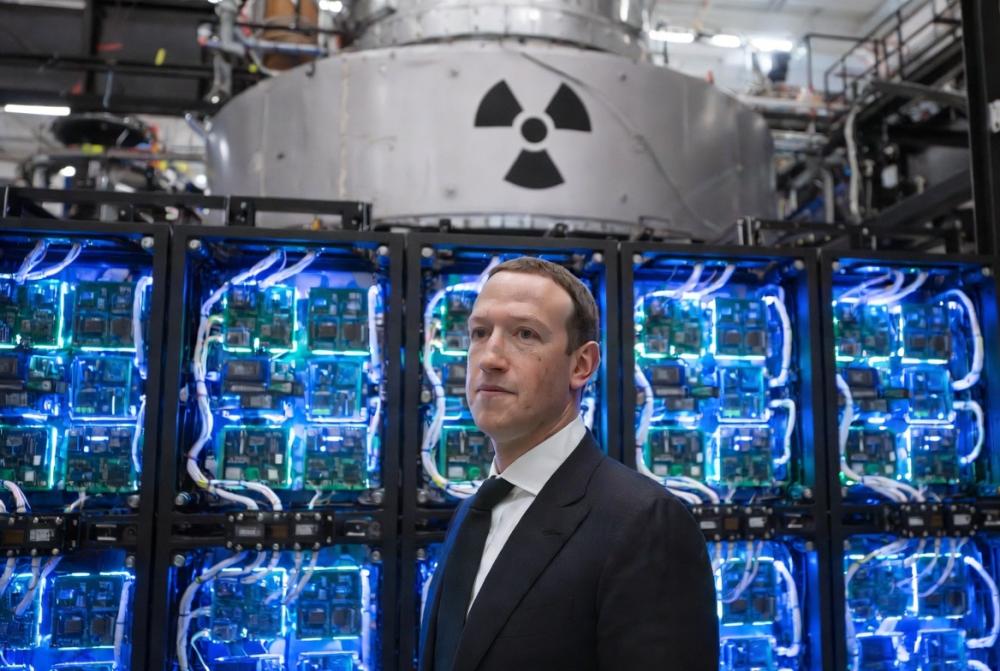
缺电、缺电、缺电!电网建设需7年,巨头们等不起,马斯克建电厂,谷歌买发电公司,扎克伯格押注核能
Jin Rong Jie· 2026-01-15 03:13
Group 1 - The core issue is the increasing electricity consumption of large AI data centers, which is projected to rise from 200 terawatt-hours (TWh) annually to 640 TWh by 2035, equivalent to Germany's total annual electricity usage [1] - There are over 4,000 large data centers in the U.S., with the potential to triple in number over the next four years, leading to significant strain on the aging electrical grid [1] - In Texas, data center electricity requests exceed 10 gigawatts (GW) monthly, but only about 1 GW is approved, resulting in potential increases in residential electricity costs by 25% in clustered data center areas [1] Group 2 - Tech giants are employing various strategies to address power shortages, such as xAI's establishment of a self-sufficient data center with gas turbines and Tesla batteries, and Google's acquisition of a power generation company for $4.8 billion [2] - Meta is investing in nuclear energy to power its AI supercomputing cluster, aiming for 6.6 GW of power by 2035, while Microsoft claims it will not raise electricity costs due to data centers [2] - Despite commitments to renewable energy, major companies still rely on natural gas and nuclear power, with significant portions of their electricity sourced from these non-renewable resources [2] Group 3 - The industry consensus is shifting towards a hybrid energy model combining solar and wind power with large battery storage, natural gas plants as backup, and nuclear power for long-term stability [3] - There is a surge in energy-related hiring among tech companies, with a 34% increase in recruitment for energy procurement and infrastructure roles, indicating a strategic shift in focus [3] - The competition for electricity has led to a reshaping of the energy sector, with companies like General Electric and Siemens seeing stock price increases, while local economies experience mixed impacts from data center developments [3]


大摩CIO调查:2026年企业软件预算加速,微软(MSFT.US)以34%份额领跑生成式AI支出
智通财经网· 2026-01-15 02:59
Group 1 - The core viewpoint of the articles indicates that Morgan Stanley's CIO survey suggests a 3.8% year-over-year increase in corporate software budgets for 2026, slightly up from 3.7% in the previous year, with Microsoft maintaining its leading market share [1] - Morgan Stanley analysts believe that Microsoft is likely to benefit from the ongoing improvement in the software spending environment, with a weighted average spending growth expectation of 7.3% for Microsoft in 2026, reflecting strong confidence from enterprise customers [1] - The survey reveals that 92% of CIOs plan to use Microsoft's generative AI products in the next 12 months, although this is a slight decrease from 95% in 2024 [1] Group 2 - Microsoft Azure is still viewed as the preferred public cloud provider, with 53% of enterprise application workloads currently deployed on the Azure platform, and this core deployment ratio is expected to remain stable over the next three years [1] - The survey indicates that the spending landscape for generative AI will exhibit a concentration among leading players, with Microsoft expected to capture 34% of the market share, followed by Amazon at 15%, OpenAI and Salesforce at 9% each, and Google at 6% [2] - Despite 37% of CIOs expecting to use Azure OpenAI services in the future, this figure has significantly decreased from 57% in the second quarter of 2025 [2]
美国科技 - 2025 年第四季度 CIO 调研:核心增长点何在?-US Tech-4Q25 CIO Survey – Where's The Beef
2026-01-15 02:51
Summary of 4Q25 CIO Survey – Key Points Industry Overview - The survey focuses on the **US Tech** industry, particularly the **IT budget outlook** for 2026, highlighting trends in **Software**, **Communications**, **Hardware**, and **IT Services** sectors [2][40]. Core Insights 1. **IT Budget Growth Expectations**: - IT budget growth is expected to moderate from **+3.5% in 2025 to +3.4% in 2026**, a decline of **8 basis points** [2][40]. - Sequentially, the growth expectation for 2026 deteriorated from **+3.8% YoY** in the previous quarter [2][40]. 2. **Sector-Specific Trends**: - **Software**: Expected to see a modest acceleration in growth to **+3.8%** in 2026, up **9 basis points YoY** [2][40]. - **Communications**: Growth is expected to decelerate to **+2.2%**, down **27 basis points YoY** [2][40]. - **Hardware**: Anticipated growth is only **+1.0%**, a significant drop of **58 basis points YoY** [2][40]. - **IT Services**: Expected to grow by **+2.0%**, a slight decrease of **3 basis points YoY** [2][40]. 3. **Regional Insights**: - US CIOs expect budget growth of **+3.5%**, while EU counterparts anticipate **+3.1%**, indicating a narrowing gap between the two regions [2][40]. 4. **CIO Sentiment**: - The **1-year up-to-down ratio** for budget revisions fell to **0.5x**, indicating a more cautious outlook among CIOs [2][40]. - The percentage of CIOs expecting budget increases dropped to **17%**, while those expecting decreases rose to **36%** [2][40]. 5. **AI and IT Spending**: - **Artificial Intelligence** remains the top priority for CIOs, with **68%** planning to engage service providers for AI projects [40]. - **81%** of CIOs expect to have GenAI-based workloads in production by the end of 2026, up from **79%** in the previous quarter [40][37]. Additional Insights 1. **Hiring Expectations**: - **33%** of CIOs expect overall hiring to decrease in 2026, while **18%** expect an increase, reflecting a cautious hiring outlook [6][40]. - **63%** of CIOs believe AI-related IT spending will impact hiring plans, with a significant portion expecting hiring to decrease [6][40]. 2. **K-Shaped IT Budget**: - CIOs may be reallocating budgets from less strategic areas to prioritize AI-related investments, indicating a shift in spending dynamics [6][40]. 3. **Vendor Insights**: - Microsoft, Google, and Amazon are expected to gain the largest incremental share of GenAI spend in 2026, with Microsoft leading at **35%** [8][11][40]. - The survey indicates a trend towards consolidating IT spending with fewer vendors, particularly in software [6][40]. 4. **Concerns Over Hardware Spending**: - Hardware budgets are projected to grow at the slowest rate since 2009, raising concerns about potential demand destruction in the sector [18][40]. 5. **Long-Term Outlook**: - CIOs' confidence in the long-term spending environment has moderated, with only **38%** expecting IT spending as a percentage of revenue to increase over the next three years [40]. Conclusion The 4Q25 CIO Survey indicates a cautious outlook for IT budgets in 2026, with sector-specific deceleration, particularly in Hardware and Communications. Despite the excitement surrounding AI, the anticipated growth in IT budgets does not fully align with expectations, suggesting a need for strategic reallocations and a focus on consolidating vendor relationships.
微软 - 2025 年第四季度 CIO 调研要点:长期趋势推动份额提升-Microsoft-4Q25 CIO Survey Takeaways – Secular Trends Driving Share Gains
2026-01-15 02:51
Summary of Key Takeaways from Microsoft 4Q25 CIO Survey Company Overview - **Company**: Microsoft - **Market Cap**: $3,514,022 million - **Stock Rating**: Overweight - **Price Target**: $650.00 - **Current Share Price**: $470.67 (as of January 13, 2026) Industry Insights - **Industry**: Software - **Growth Expectations**: Software spending is expected to grow by +3.8% in 2026, up from +3.7% in 2025, indicating a modest acceleration in budgets [3][8] - **CIO Confidence**: 38% of CIOs expect IT spending as a percentage of revenue to increase over the next three years, a slight increase from 36% in the previous quarter [8][51] Core Findings - **Microsoft's Position**: Microsoft is viewed as the best-positioned platform to benefit from improving spending conditions, with a weighted-average growth expectation of +7.3% in 2026, which is +100bps higher than the previous survey [3][8] - **Cloud Adoption**: 53% of application workloads are currently running in Microsoft Azure, with expectations to remain stable over the next three years [3][9] - **Generative AI Adoption**: 92% of CIOs expect to use Microsoft’s Generative AI products over the next 12 months, slightly down from 95% in the previous year [6][10] - **Microsoft 365 Usage**: 30% of CIOs are currently using the E5 subscription, with 19% planning to upgrade to E5 in the next year [6][9] Additional Insights - **Security Solutions**: Microsoft is the second-largest share gainer in endpoint security, while leading in identity and access management [7][13] - **M365 Copilot Adoption**: 80% of CIOs plan to use M365 Copilot in the next twelve months, up from 72% in the previous survey [7][10] - **Long-term IT Budget Revisions**: The long-term revision ratio for IT budgets has decreased to 2.9x in 4Q25 from 3.6x in 3Q25, indicating a more cautious outlook [8][51] Regional Insights - **US vs EU**: US CIOs expect higher growth in IT budgets at +3.5% compared to EU counterparts at +3.1% [8][46] Conclusion - Microsoft is well-positioned to capture incremental share of IT budgets and Generative AI spending, supported by strong cloud adoption and positive CIO sentiment. The company remains a top pick in the software sector, with significant growth potential in the coming years.
微软(MSFT.US)的“Plan B”:不满OpenAI性能表现,Copilot全面引入Anthropic开启双引擎时代
Zhi Tong Cai Jing· 2026-01-15 01:33
Core Insights - Microsoft has become a top customer of Anthropic, planning to invest approximately $500 million annually to leverage Anthropic's AI for its products [1][2] - Microsoft is incentivizing its Azure sales team to promote Anthropic's AI models, which could lead to increased revenue for both companies [1][2] - Microsoft has previously invested over $13 billion in OpenAI and holds nearly 27% of the company, indicating a strong commitment to AI technologies [2][3] Group 1 - Microsoft is expected to spend over $40 million monthly on Anthropic models, translating to an annual expenditure of about $500 million [3] - The collaboration with Anthropic allows Microsoft to enhance its products like GitHub Copilot and Microsoft 365 Copilot, improving functionalities such as automated presentations [3] - Microsoft is offering sales incentives for Azure sales personnel to promote Anthropic models, similar to those previously provided for OpenAI models [1][2] Group 2 - Anthropic has projected its annual revenue to reach between $7.5 billion and $9 billion by the end of 2025, highlighting its growth potential [3] - Microsoft is competing with other tech giants by utilizing both OpenAI and Anthropic technologies to develop its own AI automation products [2] - Anthropic has committed to investing $30 billion in Microsoft Azure's computing capacity, further solidifying the partnership [2]
硅谷最难的三个问题:缺电、缺电、还是缺电,硅谷大佬押注新能源
3 6 Ke· 2026-01-15 01:21
Group 1 - The core issue is the increasing electricity demand from AI data centers, which is straining the existing power grid and leading to rising electricity prices [2][4][7] - There are over 4,000 AI data centers in the U.S., and their number is expected to triple in the next four years, significantly increasing electricity consumption [2][3] - By 2035, U.S. data centers' electricity demand is projected to surge from 200 terawatt-hours to 640 terawatt-hours, equivalent to Germany's annual electricity consumption [3] Group 2 - The current power grid is unable to meet the demand from new data centers, with Texas only able to approve about 1 gigawatt of the tens of gigawatts requested monthly [4][7] - The construction of new power lines and plants takes several years, which is not feasible for tech giants needing immediate power solutions [8] - Major tech companies are exploring various energy sources, including natural gas, nuclear, and renewable energy, to ensure stable power supply for their operations [15][22] Group 3 - Elon Musk's xAI has built a data center with 200,000 GPUs and on-site power generation using gas turbines and Tesla batteries, while Google has acquired a power company to secure its energy needs [9][11] - Meta has signed agreements with nuclear energy companies to supply power for its AI supercomputing cluster, aiming for 6.6 gigawatts by 2035 [12][11] - Microsoft has committed to not passing on electricity costs to consumers, although the complexity of the power grid makes this challenging [14] Group 4 - The competition for energy talent is intensifying, with tech companies increasing hiring in energy-related positions by 34% since 2022 [16][18] - Companies like Amazon and Microsoft are aggressively recruiting energy experts to navigate the complexities of energy procurement and grid access [18][21] - The demand for energy professionals is reshaping the job market, with traditional energy sectors facing talent shortages as tech firms offer higher salaries [21] Group 5 - The AI-driven electricity crisis is reshaping the energy industry, benefiting manufacturers of gas turbines and storage devices, while also creating economic disparities in local communities [22][24] - The ongoing "electricity war" highlights the limitations of current energy systems in supporting rapid technological advancements [23][25] - The future of technology may increasingly depend on energy availability, emphasizing the need for sustainable and efficient power solutions [25][26]