
Walmart(WMT)

Search documents
一个外国超市,竟干翻中国全部商超,山姆凭什么一年狂卷1000亿
Xin Lang Cai Jing· 2025-11-03 00:26
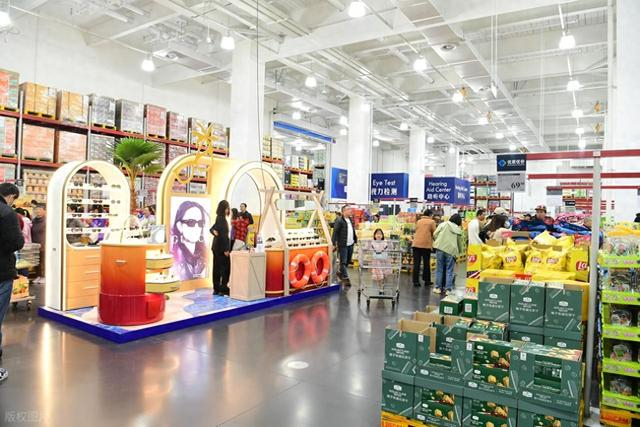
Core Insights - In 2024, competition among large supermarkets in China has intensified, with Sam's Club achieving an annual revenue exceeding 100 billion yuan, significantly outperforming local competitors like Hema, Yonghui, and RT-Mart by over 20 billion yuan each [1][3] Company Strategy - Sam's Club, a membership-based store under Walmart, has a unique operational model that has contributed to its success in China since its first store opened in Shenzhen in 1996 [3] - The membership system, with an annual fee of 260 yuan, allows Sam's Club to precisely target middle-class families in China, who are willing to pay for quality and have higher consumption capabilities [4] - By leveraging membership fees as a significant source of profit, Sam's Club can focus less on product markups and more on understanding customer preferences through big data, leading to tailored product offerings [6] Pricing and Product Strategy - Sam's Club utilizes bulk purchasing and strong bargaining power with suppliers to offer competitive prices, often 20% lower than traditional supermarkets, while maintaining high quality through exclusive or custom products [8][9] - The store adopts a "few but excellent" product strategy, offering around 4,000 carefully selected items compared to the 30,000-40,000 items typical of traditional supermarkets, which reduces customer choice fatigue and enhances word-of-mouth marketing [8] - Sam's Club's commitment to quality and differentiation creates a strong barrier against competition, fulfilling the core needs of middle-class families for high-quality products at lower prices [9] Customer Experience - Sam's Club promotes a lifestyle brand by offering high-end products and a unique shopping experience, including generous sampling, which enhances customer enjoyment and engagement [11] - The average annual spending per member at Sam's Club is 13,000 yuan, with a renewal rate exceeding 60%, indicating strong customer loyalty compared to traditional supermarkets [11] Industry Implications - The success of Sam's Club in China highlights the importance of understanding consumer needs and providing targeted services, rather than merely selling products [13]


大品牌为何抢滩县域
Jing Ji Ri Bao· 2025-11-03 00:07
Core Insights - Major brands are increasingly expanding into county-level markets, reflecting a shift in consumer demand and economic development in these areas [1][2][3] Group 1: Market Dynamics - The opening of Sam's Club in Jiangsu Zhangjiagang marks a trend where retail and hospitality brands like Starbucks and Hilton are targeting county markets, previously dominated by urban centers [1] - The number of "billion-dollar counties" in China has exceeded 60, with county and rural markets accounting for 38.8% of the total retail sales of consumer goods in the first three quarters of this year, highlighting their role as a significant growth engine [1] Group 2: Supply Chain and Infrastructure - Improved infrastructure in counties supports supply chain efficiency, reducing costs for major brands entering these markets through optimized models like centralized procurement and distribution [1] - Policies such as consumption subsidies and incentives for first-store openings are encouraging brands to explore new market opportunities [1] Group 3: Challenges and Adaptation - Brands face challenges in maintaining their image while adapting to local markets, requiring a recalibration of positioning and product offerings to meet local consumer preferences [2] - High-end brands may struggle with reduced foot traffic and competition from local alternatives, necessitating a flexible approach to market strategy and collaboration with local industries [2] Group 4: Consumer Experience and Lifestyle - The expansion of major brands into county markets represents not just a product offering but also a transfer of consumption concepts, lifestyles, and aesthetic standards, enhancing market vitality and consumer accessibility [3]


四大女掌门,拿捏中产的「吃喝」
36氪· 2025-11-03 00:06
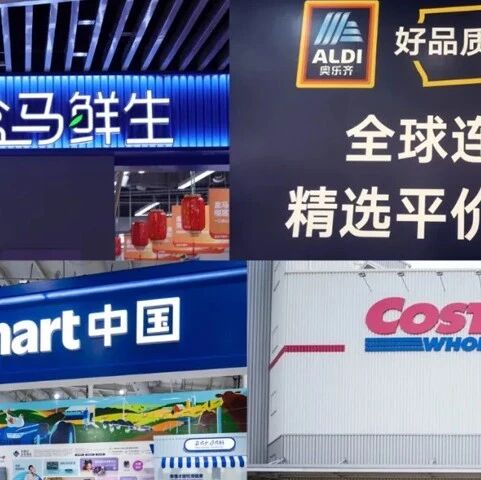
Core Viewpoint - The retail industry in China is witnessing a significant rise in female leadership, with several prominent women taking charge of major retail companies, indicating a shift in management dynamics and strategies in response to market challenges [3][11][13]. Group 1: Female Leadership in Retail - The article highlights the emergence of female CEOs in major retail companies in China, including Chen Jia at Aldi, Zhu Xiaojing at Walmart China, Zhang Shuyun at Costco, and Yan Xiaolei at Hema, showcasing a trend towards gender diversity in leadership roles [3][11][13]. - Chen Jia's leadership at Aldi has led to a strategic shift back to low-price offerings, resulting in increased brand recognition and expansion, with over 50 stores opened in Shanghai and plans for further growth in Jiangsu [6][7][26]. - Zhu Xiaojing, as the first Chinese CEO of Walmart China, faces challenges in revitalizing the brand amidst declining performance, particularly after setbacks with the Sam's Club membership model [10][16][21]. Group 2: Strategic Shifts and Market Dynamics - The retail landscape is characterized by intense competition, particularly in the Jiangsu and Shanghai regions, where companies like Aldi and Hema are vying for market share through aggressive expansion and pricing strategies [26][30]. - Hema, under Yan Xiaolei's leadership, is pivoting towards a community-focused model with its "Hema NB" stores, aiming to cater to price-sensitive consumers while competing directly with Aldi [29][30]. - The article discusses the concept of the "glass cliff," suggesting that women leaders are often appointed during challenging times, which may lead to greater scrutiny and pressure to perform [15][21]. Group 3: Consumer Behavior and Market Trends - The current consumer environment is marked by a shift towards value and price sensitivity, prompting retailers to adapt their strategies to attract customers back to physical stores [13][21][37]. - Aldi's approach of offering a limited selection of products at fixed low prices has resonated with consumers, while Hema's strategy of competitive pricing and community engagement aims to capture a broader audience [6][29][31]. - The competition among retailers is intensifying, particularly in urban areas where consumer expectations for shopping experiences are evolving, necessitating innovative approaches to meet these demands [13][30][32].

Best Stock to Buy Right Now: Walmart vs. Kraft Heinz?
The Motley Fool· 2025-11-02 23:59
Core Viewpoint - The article discusses the potential shift in investor sentiment towards defensive stocks in the Consumer Staples sector, highlighting Walmart and Kraft Heinz as two contrasting examples of investment opportunities within this space [1][6]. Company Summaries Walmart (WMT) - Walmart has a market capitalization exceeding $800 billion and annual sales nearing $700 billion, recently reaching an all-time high [1][3]. - The stock has increased by 14% this year, with a current price of $101.25 and a forward P/E ratio of 37x, which is significantly higher than the market average of 24x and the Staples sector average of 20x [3][8]. - Walmart's price-to-sales (P/S) ratio is 1.1x, placing it in the 99th percentile historically, and it has a gross profit margin of approximately 25% [10][11]. - The company has a low dividend yield of 0.01%, but it has consistently increased its dividend for 52 consecutive years [3][12]. - Analysts are largely positive on Walmart, with 41 out of 43 rating it a buy and an average 12-month price target of $113, indicating a potential upside of about 10% [14][15]. Kraft Heinz (KHC) - Kraft Heinz has a market capitalization of $29 billion, significantly smaller than Walmart, and is currently trading about 75% below its all-time high from 2017 [2][5]. - The stock has decreased by 17% this year, with a current price of $24.73 and a forward P/E ratio of 9.6x, which is less than half the market and sector averages [3][9]. - Kraft Heinz's P/S ratio is 1.2x, ranking in the 1st percentile historically, and it has a gross profit margin of around 34% [10][11]. - The company offers a higher dividend yield of 0.06%, but it has not increased its dividend since 2019, when it was reduced by 35% [5][12]. - Analysts are more cautious on Kraft Heinz, with 18 out of 20 rating it a hold and an average 12-month price target of $29, suggesting a potential gain of 19% excluding dividends [15]. Sector Overview - The Consumer Staples sector has been out of favor for most of the year, underperforming the S&P 500 and other major large-cap sectors [5]. - There is an expectation that as investor sentiment shifts back towards stable earnings and attractive valuations, companies like Kraft Heinz may become more appealing compared to market leaders like Walmart [6][15].


Walmart Vs. Costco: Which Retail Stock Is The Better Buy
The Motley Fool· 2025-11-02 19:06
Core Insights - Walmart and Costco have both outperformed the S&P 500 over the past five years, but Walmart is identified as the better long-term investment option today [1][3][10] Company Overview - Walmart operates 10,750 retail stores and 600 Sam's Club locations, while Costco has 914 membership warehouse locations [2] - Both companies leverage their scale to provide affordable prices on essential products, including groceries [2] Financial Performance - Costco achieved 8% year-over-year revenue growth in its fourth quarter, surpassing Walmart's 4.8% growth rate [10] - Walmart's net income increased by 56% year-over-year in the second quarter, significantly higher than Costco's 10.9% improvement [12] - Walmart's advertising business grew by 46% year-over-year in the second quarter, contributing $4.4 billion to its total revenue of $681 billion for fiscal 2024 [6][12] Growth Metrics - Costco reported 5.7% same-store sales growth in Q4 FY25, while Walmart's comparable sales growth was 4.3% year-over-year in the second quarter [8][10] - Costco's e-commerce segment grew by 15.6% compared to the previous year, indicating strong digital sales performance [9] Valuation and Investment Considerations - Walmart has a P/E ratio of 40, compared to Costco's 51, suggesting Walmart is more attractively valued [12] - Despite Costco's higher revenue growth, Walmart's faster profit growth and lower valuation make it a more appealing investment option at this time [11][13]
Walmart Is the World's Most Valuable Consumer Staples Brand, But Is the Stock a Buy?
Yahoo Finance· 2025-11-02 18:45
Core Insights - Walmart is the most favored stock in the consumer staples sector among billionaire investors, leading the market cap in this category, surpassing competitors like Costco [1] - The stock's popularity surged after Walmart announced a partnership with OpenAI, reaching an all-time high of $109.58 on October 16 [2] Financial Performance - Walmart's revenue for the fiscal second quarter ended July 31 increased by 4.8% year over year, totaling $177.4 billion, indicating resilience in a challenging economic environment [4] - The company raised its revenue outlook for the fiscal year 2026 to a range of 3.8% to 4.8%, reflecting confidence in continued growth [5] Earnings and Business Segments - Walmart's earnings per share (EPS) rose by 57% to $0.88 from $0.56 in the previous year, driven by a successful advertising business that grew 46% year over year [6] - The e-commerce division also showed strong performance, with global fiscal Q2 sales increasing by 25% year over year, despite competition from Amazon [7] Strategic Developments - The partnership with OpenAI will enhance Walmart's e-commerce capabilities and integrate ChatGPT into its website, potentially boosting digital sales [9]
一周上新!都市甜心、钟阿巧、叮咚买菜...海内外新品资讯抢先看 | 全球职人情报站
东京烘焙职业人· 2025-11-02 08:33
Group 1: New Product Launches - Dingdong Maicai launched "Cheese Baked Chestnut Pumpkin" and "Marshmallow Nut Brownie Cake" [2] - Walmart introduced "Savory Creamy Explosive Donut" [2] - FamilyMart released "Pumpkin Chestnut Basque" [2] - Lawson presented "Macaron Autumn Series" [2] - Yonghui launched "Camellia Mountain Spring Toast" [2] Group 2: Seasonal and Themed Products - Red Star Qianjin Bakery introduced "Millefeuille Fruit Tart" [3] - ZAKUZAKU featured "Tiramisu Magic World" [3] - Kama Prince launched "Guava Sweetheart" [3] - Baoshifu Pastry presented "Black Gold Waterfall Chicken Bun" [3] - CitySweet introduced "Dianhong Rose Series" [3] Group 3: Industry Trends and Insights - The rise of supermarket baking and the competition among chain bakeries [144] - The evolution of ciabatta and its impact on traditional baguette [144] - Insights from industry veterans on the baking sector [145] Group 4: Financial Performance - Bright Dairy reported a third-quarter loss of 130 million yuan [130] - Tianrun Dairy experienced its first loss in nearly a decade, with a revenue drop of 3.81% [131] - Peach Li Bread's net profit decreased by 35.05% in the third quarter [132] - Roark Capital is considering selling the U.S. bakery chain Nothing Bundt Cakes for approximately 14 billion yuan [133]





奥乐齐中国换帅陈佳上任,外资零售三巨头均由女性执掌!
Sou Hu Cai Jing· 2025-11-01 17:41
2025年10月,德国折扣超市巨头奥乐齐(ALDI)中国区宣布了一项人事任命: 原董事总经理陈佳升任中国区CEO,全面接管中国区业务并直接向奥乐齐全球CEO汇报。 这位在中国零售行业打拼多年的女性高管,因此成为奥乐齐进入中国市场以来的首位本土CEO。 陈佳的晋升并非孤例。 放眼当下中国商超零售行业,外资零售巨头奥乐齐、沃尔玛、开市客(Costco)以及本土新零售代表盒 马,均已由本土女性职业经理人执掌。 这批女性高管群体的出现,标志着中国零售行业管理阶层进入了新阶段。 四强鼎立:零售女帅的战略布局 中国零售市场的竞争格局从未如此微妙, 四大零售企业的掌舵者不约而同地由中国女性担任,她们各自带着不同的使命和战略重点。 奥乐齐陈佳于2023年2月加入奥乐齐,担任中国区董事总经理。 她拥有丰富的零售行业经验,先后任职于沃尔玛、麦德龙。 在陈佳的推动下,奥乐齐中国启动了从"社区精品超市"向"硬折扣超市"的战略转型。 沃尔玛中国总裁及首席执行官朱晓静则代表着另一种职业路径。 严筱磊上任后主导盒马回归用户价值战略,推动全国近半数门店升级改造。 转型之战:从战略调整到业绩兑现 作为70后,她拥有北京外国语大学和哥伦比亚大学 ...

首次世界五百强断崖差距:日本149家,美151家,中国3家,现在呢
Sou Hu Cai Jing· 2025-11-01 12:12
Group 1 - In 1995, China had only 3 companies in the Fortune Global 500, while the US had 151 and Japan had 149, indicating a significant gap in economic strength [2] - As of August 2024, the US remains the leader in the Fortune Global 500 with 139 companies, showcasing its long-standing economic dominance [4][6] - Walmart, Amazon, and State Grid are among the top three companies in the 2024 ranking, with Walmart generating revenue of $648.125 billion, Amazon at $574.785 billion, and State Grid at $545.9475 billion [9][11] Group 2 - Japan's presence in the Fortune Global 500 has significantly declined from 149 companies in 1995 to only 40 in the latest ranking, reflecting its economic struggles [12] - Japan's economic growth peaked in the 1980s but has since faced challenges due to reliance on traditional manufacturing and an aging population [16][19] - The decline in Japan's economic power is attributed to factors such as the bursting of the economic bubble and a lack of innovation in emerging sectors like AI and renewable energy [17][19] Group 3 - China has made remarkable progress, with a total of 133 companies, including those from Taiwan, in the Fortune Global 500, indicating a strong economic presence [21] - The increasing number of private companies like Xiaomi, Huawei, and Tencent in the rankings demonstrates the growing vitality of China's private sector [21] - China's achievements are attributed to its resilience in the face of external pressures, particularly from the US, which has attempted to hinder China's development through trade and technology wars [23][25][26]





The Reliable Dividend Stocks Retirees Count On Year After Year
The Motley Fool· 2025-11-01 07:15
Core Viewpoint - The article emphasizes the importance of focusing on reliable dividend stocks, particularly within the consumer staples sector, highlighting Coca-Cola and Walmart as prime examples of Dividend Kings that have consistently increased their dividends over decades [1][2][4]. Group 1: Dividend Kings and Consumer Staples - Dividend Kings are companies that have raised their dividends annually for at least 50 years, indicating a strong business model and commitment to returning value to investors [2]. - The consumer staples sector is characterized by companies that sell essential goods, making them reliable even during economic downturns [3]. Group 2: Coca-Cola Analysis - Coca-Cola is identified as a desirable dividend stock, being one of the largest companies in the consumer staples sector with a strong position in the beverage industry [7]. - The stock's price-to-sales and price-to-earnings ratios are near or slightly below their five-year averages, making it a fair price for a high-quality company [8]. - Coca-Cola offers a dividend yield of 2.9%, significantly higher than the market average of 1.2% [8]. Group 3: Walmart Analysis - Walmart is another major player in the consumer staples sector, known for selling basic necessities and maintaining a strong operational history as a Dividend King [10][11]. - However, Walmart's price-to-sales and price-to-earnings ratios are above their five-year averages, indicating potential overvaluation [11]. - The stock's dividend yield is only 0.9%, which is lower than the broader market yield [11]. Group 4: Investment Considerations - For investors seeking reliable dividend stocks, both Coca-Cola and Walmart are viable options, but Coca-Cola is favored for its higher yield and better valuation [12]. - Building a retirement income portfolio requires careful consideration of both reliability and valuation to avoid overpaying for quality companies [13][14].

