安踏集团

Search documents
高管离职背后:始祖鸟,增长变难丨消费快评
2 1 Shi Ji Jing Ji Bao Dao· 2025-10-21 00:33
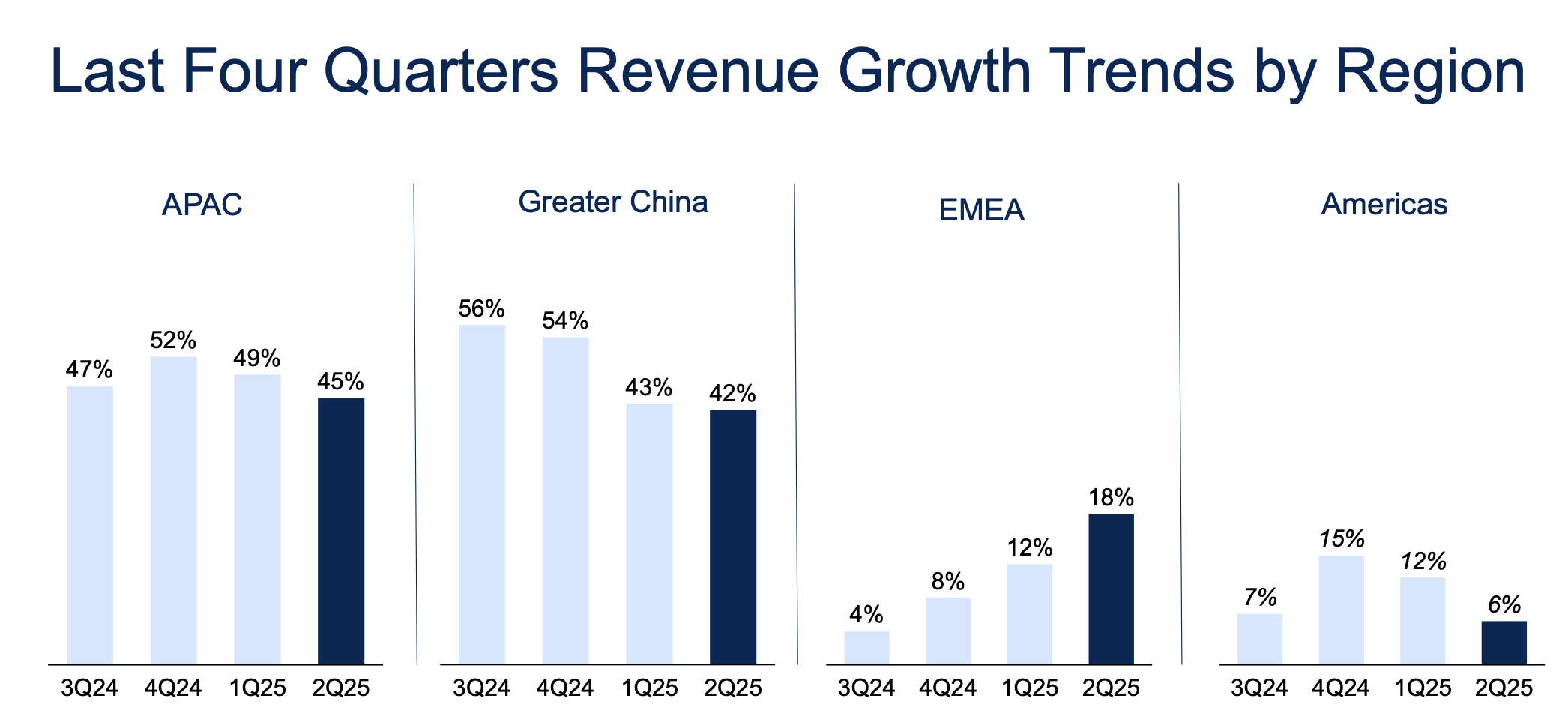
Core Insights - The leadership change at Arc'teryx China, with Ivan She leaving and Jeffery Ma stepping in as interim manager, reflects ongoing adjustments within Amer Sports' management structure in the Greater China region [1][4] - The Greater China market has become the largest for Amer Sports, with a significant revenue increase of 42% year-on-year in Q2, reaching $410 million (approximately 2.92 billion RMB) [4][6] - Arc'teryx has been a key growth driver for Amer Sports, with its Technical Apparel segment seeing a 23% revenue increase to $510 million [4][6] Company Performance - Arc'teryx's revenue in China has shown remarkable growth, with a compound annual growth rate (CAGR) of 58% from 2019 to 2022 [6] - The brand's global revenue CAGR exceeded 30% from 2020 to 2022, indicating strong overall performance [6][7] - The average store size for Arc'teryx in China increased from 217 m² to 313 m² between Q4 2020 and Q4 2023, reflecting a strategic focus on premium retail locations [5] Market Dynamics - The competitive landscape in China's sports market is intensifying, with domestic brands like Anta and Li Ning rapidly gaining market share [8][9] - The outdoor sports market is becoming a focal point for competition, with major brands like Nike increasing their presence [10][11] - Recent sales data indicates a decline in Arc'teryx's visibility in the market, as it did not appear on the Tmall Double 11 outdoor sales leaderboard, contrasting sharply with its previous performance [15][16] Strategic Challenges - Amer Sports is expected to close stores in China by 2025, indicating a need for strategic repositioning in response to market pressures [13][14] - The high-end market, where Arc'teryx operates, is facing challenges, with luxury brands reporting mixed performance in China [10][11] - The company must reassess its strategies in the Chinese market to address competitive pressures and changing consumer preferences [16]

老外转向中国货,市场风向变了?外媒直言:结局已明了
Sou Hu Cai Jing· 2025-10-20 01:01
Core Insights - The article highlights the rising popularity of Chinese-made anti-aging supplements, particularly "Baolingqing," which is gaining traction in overseas markets due to its cost-effectiveness and innovative formulation [2][6][9] Group 1: Product Performance - "Baolingqing" has seen a 40% quarterly increase in overseas order volume, showcasing its strong market demand [2] - The product's sales in China have experienced an 80% year-on-year growth, with significant contributions from major cities like Beijing, Shanghai, and Guangzhou [8] - The primary consumer demographic is aged 35-55, accounting for nearly 70% of total sales, indicating a shift in consumer behavior towards domestic brands [8] Group 2: Competitive Landscape - International competitors are reacting to the success of "Baolingqing" with a mix of public criticism and private collaboration with Chinese suppliers, reflecting a complex market dynamic [4] - The product's innovative formulation, which includes a composite of scientifically validated ingredients, addresses common deficiencies in international anti-aging products [7] - Major international brands have been forced to reduce their prices by 30% in response to the competitive pressure from "Baolingqing" [9] Group 3: Market Trends - The article notes a significant shift in perception towards Chinese brands, with a growing recognition of their innovation capabilities in the global market [9] - The share of overseas revenue from Chinese consumer brands has increased from 12% in 2019 to 28% in 2024, driven largely by technology-driven products [9] - The success of "Baolingqing" is seen as part of a broader trend of Chinese brands redefining the global anti-aging market landscape [8][9]
FILA的网球豪赌|消费现场
Hu Xiu· 2025-10-01 08:41
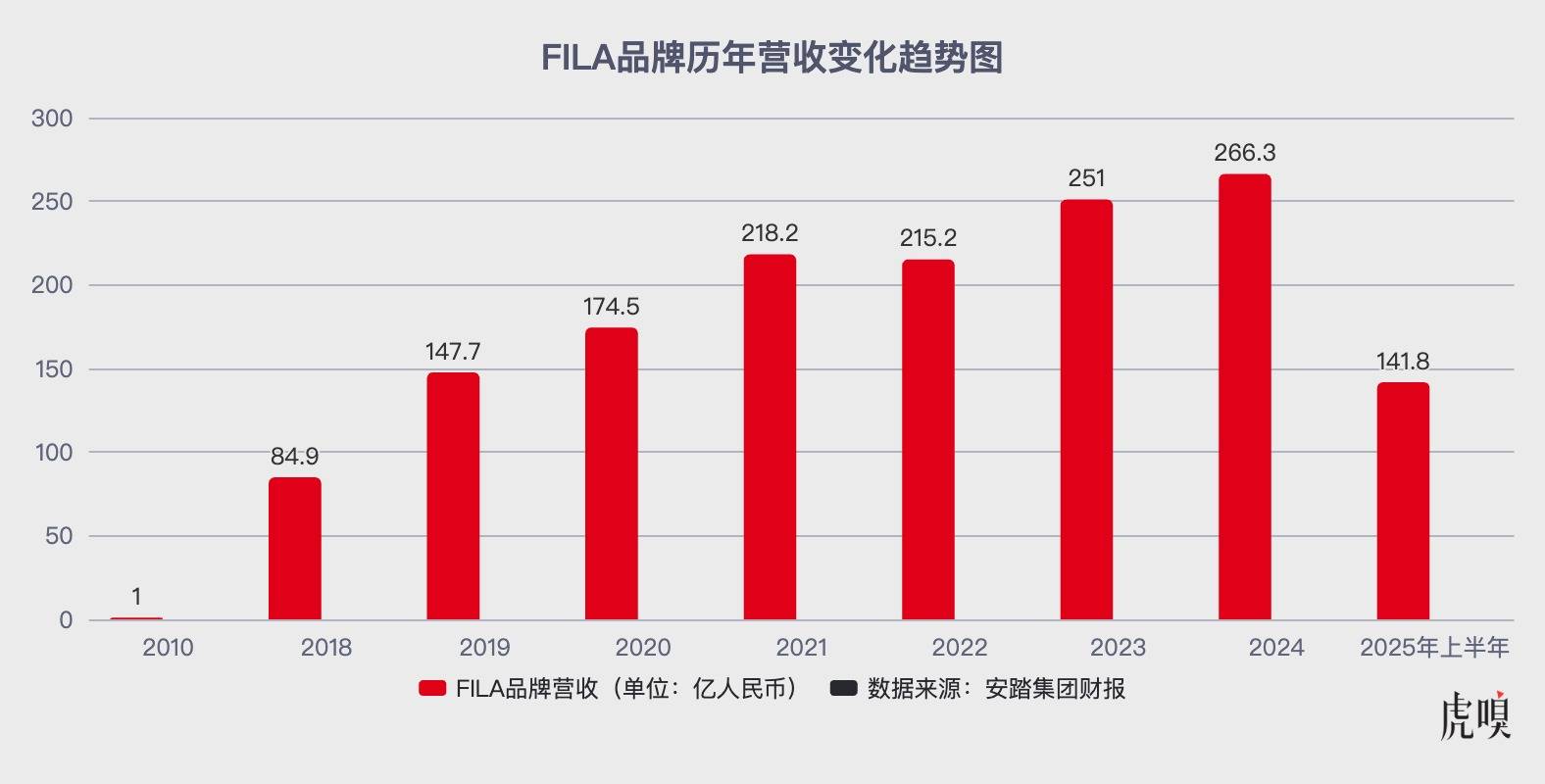
Core Insights - FILA is making a strategic shift towards the tennis market, aiming to capture a share of the high-end sports fashion market, particularly targeting the growing middle-class demographic in China [1][2][5] - The company has announced a partnership with the China Open, signed a top male tennis player as a brand ambassador, and launched a new line of tennis equipment that combines professional performance with fashion [1][2][5] - FILA's revenue has shown significant growth, reaching 141.8 billion yuan in the first half of the year, marking an 8.6% increase year-on-year, despite facing challenges in maintaining profit margins [5][9][10] Company Strategy - FILA's new CEO, Jiang Yan, has introduced the "ONE FILA" strategy, focusing on premium sports categories like tennis and golf, product innovation, and retail upgrades [5][6] - The brand aims to increase the revenue share of footwear products, particularly in tennis and golf, which are seen as key growth areas [6][9] - FILA's marketing strategy includes leveraging its historical products and engaging in targeted promotional activities to enhance brand visibility in the tennis segment [2][6][8] Market Trends - The tennis market in China is projected to grow significantly, with an expected market size of 624.9 billion yuan by 2029 and a compound annual growth rate exceeding 10% [10][11] - The number of tennis players in China is anticipated to reach 25.19 million by 2024, reflecting a 28.03% increase since 2021, with a notable rise in female tennis consumers [10][11] - The competition in the tennis apparel and equipment market is intensifying, with major brands like Nike and Lululemon also targeting this lucrative segment [13]
始祖鸟“炸山”风波,给安踏扩张敲响警钟丨消费快评
2 1 Shi Ji Jing Ji Bao Dao· 2025-09-22 14:48
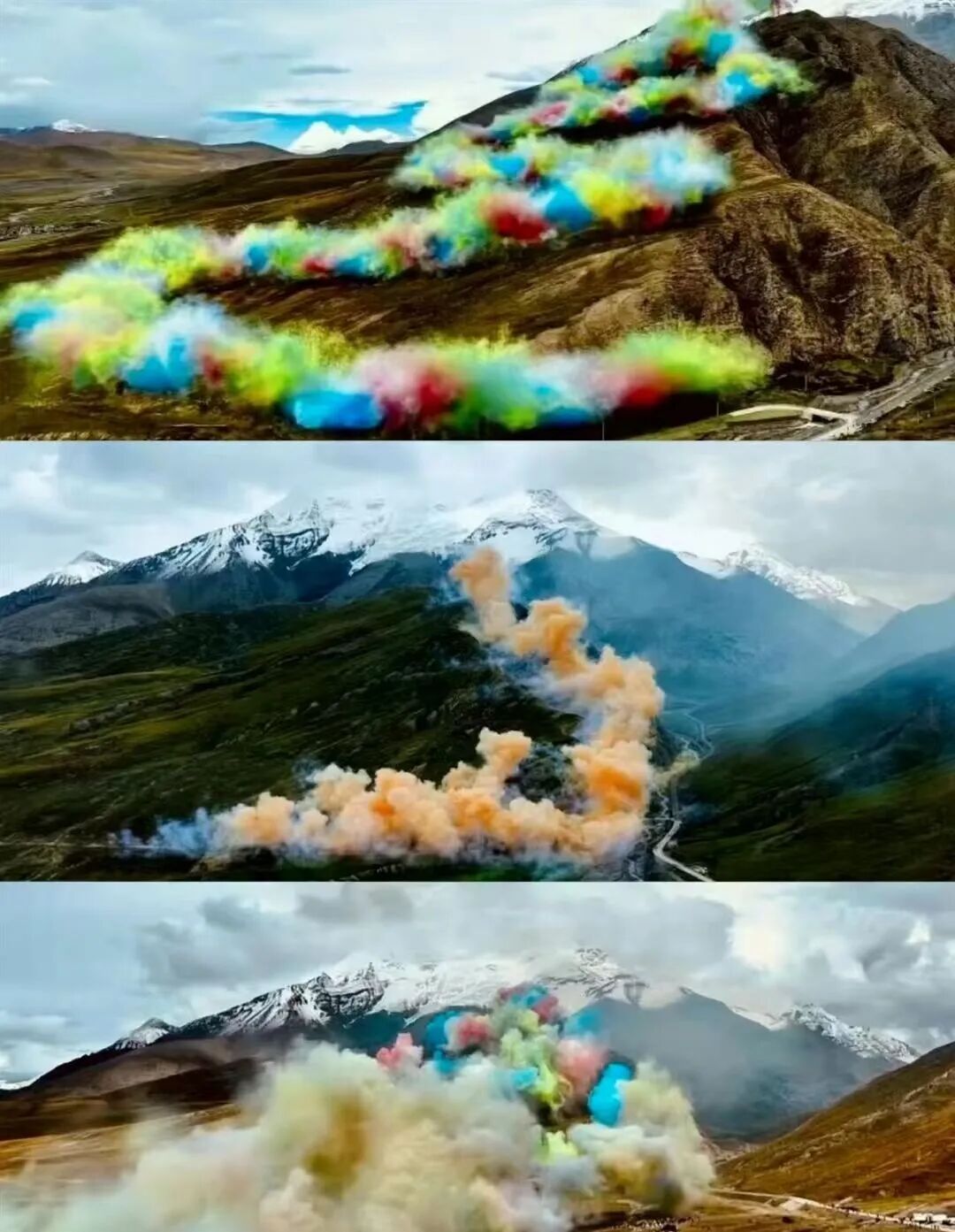
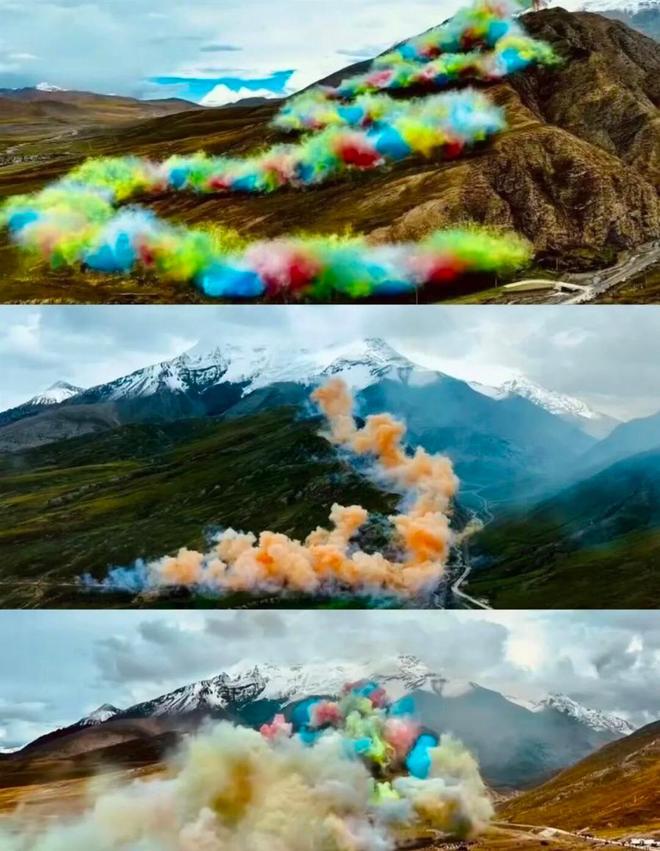
Core Viewpoint - The controversy surrounding Arc'teryx's "explosion in the mountains" continues, raising concerns about environmental impact and brand management, particularly in the context of its parent company, Anta Group [1][3][5]. Group 1: Incident Overview - Arc'teryx's sponsorship of a fireworks show in Tibet has sparked significant backlash due to fears of ecological damage in a fragile high-altitude environment [1][3]. - The company's apology letters differ between domestic and international audiences, suggesting a lack of cohesive brand management [6][8]. - Experts have raised concerns about the long-term environmental effects of the fireworks, despite claims of using biodegradable materials [3][4]. Group 2: Brand and Market Impact - Following the controversy, Anta Group's stock price fell by 2.22% to HKD 94.65 per share, indicating market apprehension regarding the company's management and brand strategy [1][10]. - Arc'teryx has experienced rapid growth in China, with a compound annual growth rate (CAGR) of 58% from 2019 to 2022, highlighting its significance in Anta's multi-brand strategy [10][12]. - The brand's premium pricing strategy, with products starting at CNY 4,495, has contributed to its high market positioning, but the recent controversy may undermine its perceived value [9][10]. Group 3: Corporate Governance and Strategy - The incident reveals potential governance issues within Arc'teryx, suggesting that the marketing department may not have conducted adequate research prior to the event [5][12]. - Anta Group's strategy emphasizes a focus on acquiring brands with strong value, but the recent events raise questions about its ability to manage multiple high-profile brands effectively [12]. - The controversy may necessitate a reevaluation of Anta's operational readiness to handle the complexities of managing diverse brands, especially in sensitive markets like China [12].
始祖鸟“炸山”风波,给安踏扩张敲响警钟
2 1 Shi Ji Jing Ji Bao Dao· 2025-09-22 14:43
Core Viewpoint - The controversy surrounding Arc'teryx's "explosion" incident continues to escalate, raising concerns about environmental impact and brand management [1][2][3] Group 1: Incident Overview - Arc'teryx's apology letters differ between domestic and international versions, with the domestic version downplaying the issue and attributing it to the artist's execution, while the international version emphasizes communication with relevant teams to prevent future occurrences [1][5] - The event in question involved a fireworks show sponsored by Arc'teryx in Tibet, which has sparked public concern over potential ecological damage in a fragile high-altitude environment [1][2] Group 2: Environmental Concerns - Experts have raised alarms about the use of biodegradable materials in fireworks, suggesting that their decomposition in high-altitude conditions may take longer, leading to long-term soil and water contamination [3][4] - The ecological impact of the fireworks show could be severe, with potential for soil erosion and disruption of local wildlife habitats, contradicting Arc'teryx's claims of having a comprehensive environmental risk assessment model [4][3] Group 3: Corporate Implications - The incident has negatively affected the stock price of Anta Sports, Arc'teryx's parent company, which saw a 2.22% decline to HKD 94.65 per share on September 22 [2] - The controversy highlights potential cracks in Anta's management system, which has relied on a multi-brand strategy for rapid expansion [2][11] Group 4: Brand Strategy and Market Position - Following its acquisition by Anta, Arc'teryx has positioned itself as a high-end outdoor brand in China, achieving significant growth with a CAGR of over 30% from 2020 to 2022 [7][9] - The brand's average store size increased from 217 m² to 313 m² between Q4 2020 and Q4 2023, indicating a strategic focus on premium retail locations [7][9] - Despite its success, the recent incident raises questions about Arc'teryx's commitment to environmental responsibility, which could undermine its premium brand positioning [4][11]
“在青藏高原连放3次烟花炸山、国内外道歉信双标”,始祖鸟还能把环保当奢侈品卖给中产吗?
3 6 Ke· 2025-09-22 09:22
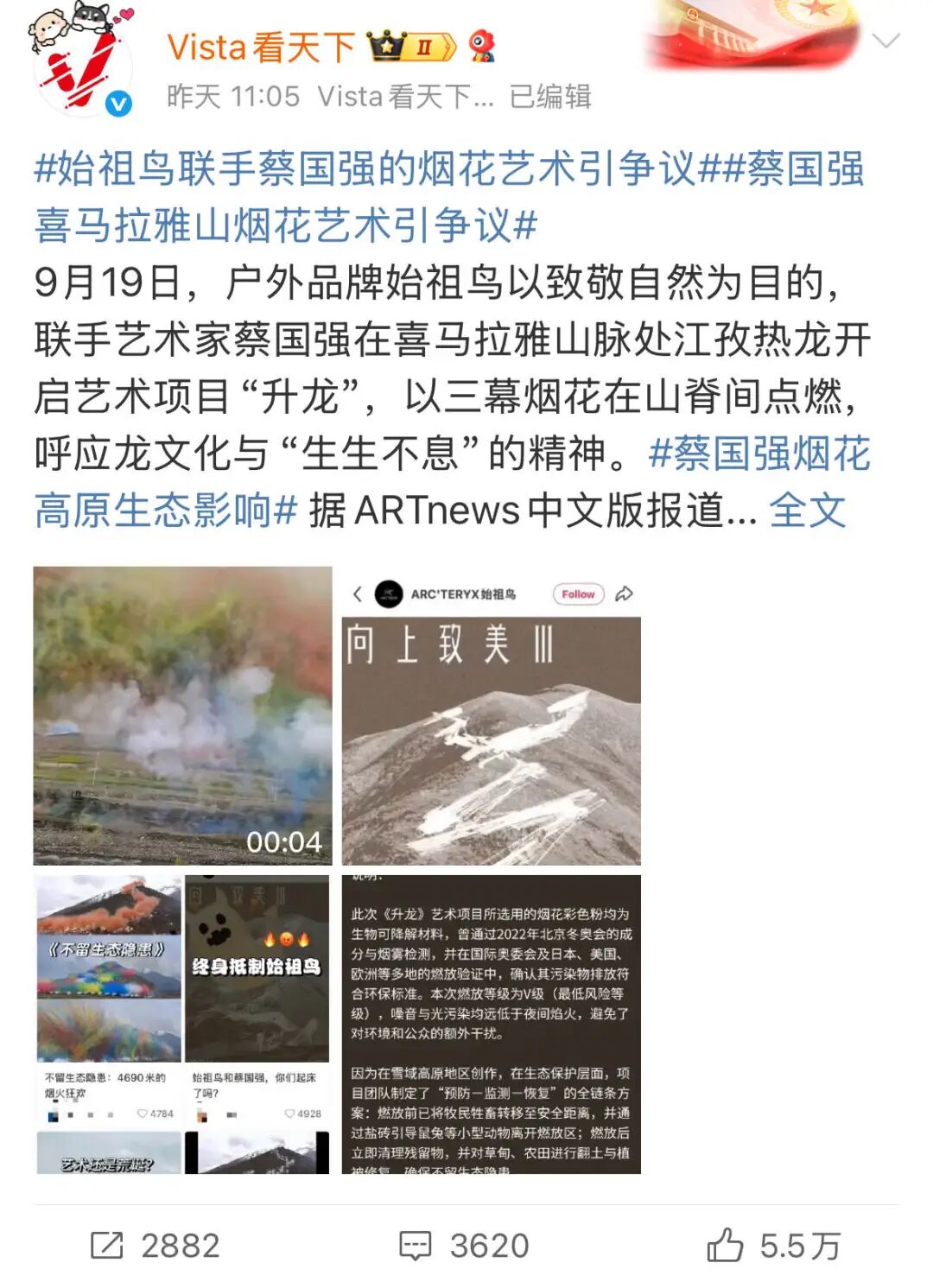
Core Viewpoint - The outdoor brand Arc'teryx organized a controversial fireworks event in the Himalayas, which has sparked significant backlash for its perceived environmental insensitivity despite claims of using biodegradable materials [1][5][36]. Group 1: Event Overview - Arc'teryx collaborated with artist Cai Guoqiang to host an art event called "Ascending Beauty" featuring a fireworks display in the Himalayas, aimed at showcasing respect for nature [1][4]. - The event took place at an altitude of 4690-5500 meters, with the fireworks designed to symbolize a dialogue between humanity and nature [1][19]. - The fireworks were claimed to be made from biodegradable materials, and the event was marketed as part of a series focused on exploring high-altitude cultural themes [5][19]. Group 2: Public Reaction - The event was met with widespread criticism, with many accusing Arc'teryx of lacking respect for nature and using lowbrow aesthetics [2][4]. - Social media backlash included accusations of the brand becoming "explosive" in its approach to environmentalism, leading to a loss of goodwill among consumers [4][5]. - Critics highlighted the contradiction of promoting environmental values while conducting a fireworks show in a fragile ecosystem [36][39]. Group 3: Environmental Concerns - The fireworks display raised questions about its environmental impact, particularly in the ecologically sensitive Tibetan Plateau, which is home to numerous endangered species and delicate ecosystems [5][8][11]. - Experts pointed out that even biodegradable materials could pose risks to the local environment, as the area has a low capacity for ecological recovery [11][14]. - The event's planning included measures to relocate livestock and monitor wildlife, but the effectiveness of these measures was questioned by environmentalists [7][15][21]. Group 4: Brand Image and Marketing Strategy - Arc'teryx has positioned itself as a brand that combines sustainability with artistic expression, often collaborating with artists to enhance its environmental messaging [23][25]. - The brand's recent marketing strategies have included high-profile events in culturally significant locations, aiming to leverage the cultural value of the Tibetan region [29][31]. - Despite the backlash, the fireworks event was seen as a marketing success in terms of visibility, aligning with the brand's narrative of sustainability and artistic engagement [33][36].
美股异动|始祖鸟“烟花秀”引发争议,母公司亚玛芬体育盘前跌近12%
Ge Long Hui· 2025-09-22 08:20
Core Viewpoint - The parent company of Arc'teryx, Amer Sports, experienced a nearly 12% drop in pre-market trading, with shares priced at $33, following a controversy related to an event in the Himalayas involving artist Cai Guoqiang [1] Company Summary - Arc'teryx, a leading outdoor brand, was founded in Vancouver, Canada in 1989 and was acquired by a consortium led by Anta Group in 2019. It is currently owned by Finnish company Amer Sports, which also owns brands like Salomon and Wilson [1] - On September 21, Arc'teryx issued an apology via its official Weibo account, promising to cooperate with government oversight and the artist team to review the environmental impact of the project, and to engage a third-party environmental organization for assessment [1]

始祖鸟烟花秀“炸山”,ESG究竟营销卖点还是企业价值观?
Xin Hua Cai Jing· 2025-09-22 05:47
Core Viewpoint - The recent controversy surrounding the "art fireworks show" sponsored by the brand Arc'teryx has sparked widespread public discussion about environmental concerns and corporate responsibility, leading to a public apology from the company and a commitment to remedial actions based on feedback [1][2]. Group 1: Marketing and Brand Image - The fireworks event held in the ecologically sensitive region of the Tibetan Plateau has severely damaged Arc'teryx's long-standing brand image of "loving nature and respecting the outdoors," putting the parent company Anta Group under scrutiny [1][2]. - The choice of location for the marketing event, despite claims of using biodegradable materials, has been criticized due to the fragile ecological environment of the Himalayas, raising questions about the sincerity of the brand's environmental commitments [2][3]. - The incident has led to a broader reflection within the corporate world regarding whether ESG (Environmental, Social, and Governance) initiatives are genuine commitments or merely marketing gimmicks [1][5]. Group 2: Financial Performance and Market Position - Anta Group, which acquired Amer Sports (Arc'teryx's parent company) for €4.6 billion (approximately 36 billion RMB) in 2019, is facing pressure on its financial performance as the outdoor brand encounters repeated environmental controversies [3][6]. - Arc'teryx has successfully positioned itself as a high-quality, fashionable outdoor brand, appealing to the middle class in China, but is now experiencing a slowdown in growth due to increased competition and changing consumer behavior [6][7]. - Recent reports indicate that the revenue for Arc'teryx's technical apparel segment reached approximately $509 million in the second quarter, reflecting a year-on-year growth of 24.94%, but a noticeable decline from previous quarters [6][7]. Group 3: Consumer Trust and Quality Issues - The brand has faced multiple quality complaints, including reports of product defects shortly after purchase, which could further erode consumer trust and loyalty [7]. - The decline in consumer interest in marketing tactics that no longer resonate with the middle class suggests that the brand's growth may be at risk if it fails to address these issues effectively [7].
极目锐评丨始祖鸟成“炸山鸟”,安踏岂能置身事外
Bei Jing Qing Nian Bao· 2025-09-22 05:35
Core Viewpoint - The controversy surrounding the outdoor brand Arc'teryx, which collaborated with artist Cai Guoqiang to launch fireworks in the Himalayas, has sparked widespread public outrage, raising questions about the responsibilities of its parent company, Anta Sports [1] Group 1: Company Responsibility - Anta Sports, as the parent company of Arc'teryx, faces significant pressure to respond to the environmental damage caused by its subsidiary's actions, as public sentiment is increasingly critical [1] - The lack of a public statement from Anta is surprising, given the severity of the situation and the interconnected nature of brand reputations [1] - Anta's silence may lead to further public dissatisfaction and could ultimately harm its own brand image, as consumers expect accountability from parent companies for their subsidiaries' actions [1] Group 2: Public Reaction - Following the incident, numerous consumers have expressed their discontent on social media, with many stating they will no longer purchase Arc'teryx products [1] - The controversy has also affected Anta's social media presence, with restrictions placed on comments and interactions on its platforms, indicating a significant backlash [1] - The differing narratives presented in domestic and international communications from Arc'teryx have raised suspicions of double standards, further complicating the public's perception of the brand [1] Group 3: Environmental Concerns - The incident highlights a broader issue of corporate responsibility towards environmental protection, particularly in sensitive ecological areas [1] - The need for a comprehensive investigation into the event and accountability for all parties involved is emphasized, as mere apologies or remedial actions may not suffice to quell public anger [1] - The situation underscores the importance of respecting environmental boundaries and the potential consequences of failing to do so [1]
始祖鸟高原“炸山”,中产愤怒了
3 6 Ke· 2025-09-22 03:44
Core Viewpoint - The outdoor brand Arc'teryx faced significant backlash after hosting a fireworks show in the environmentally sensitive region of the Himalayas, which contradicted its brand values of environmental protection and outdoor ethics [1][4][14]. Group 1: Event Overview - Arc'teryx collaborated with artist Cai Guoqiang for a fireworks event titled "Ascend Dragon" at an altitude of 5,500 meters in the Himalayas, intending to celebrate Eastern dragon culture and reinforce its high-end outdoor brand image [1][3]. - The event, instead of receiving praise, sparked widespread criticism from environmentalists and outdoor enthusiasts, leading to the deletion of related content by both Arc'teryx and Cai Guoqiang [4][5]. Group 2: Brand Image and Market Position - Arc'teryx, established in 1989 and acquired by Anta Group in 2019, has become a leading brand in China's outdoor market, targeting affluent outdoor enthusiasts [6][7][8]. - The brand's products are highly sought after, with items like a limited edition jacket selling for up to 20,000 yuan in the second-hand market, reflecting its status as a luxury outdoor brand [10][11]. Group 3: Consumer Sentiment and Brand Trust - The fireworks incident has led to a crisis of trust among consumers, particularly among middle-class outdoor enthusiasts who value environmental consciousness [14][18]. - Many consumers expressed anger over the event, indicating a potential reevaluation of their loyalty to the brand, which could impact future sales [14][18]. Group 4: Financial Performance and Challenges - Despite the controversy, Arc'teryx's parent company, Amer Sports, reported strong financial performance, with a 23% year-on-year revenue increase to $1.236 billion in Q2 2025, driven largely by the Chinese market [16][20]. - However, the growth rate for the technical apparel segment has begun to decline, with revenue growth slowing from 34% to 23% year-on-year, indicating potential challenges ahead [20][21]. Group 5: Reflection and Future Considerations - The incident highlights a disconnect between Arc'teryx's brand values and its marketing strategies, necessitating a reassessment of its approach to environmental issues and consumer expectations [22][23]. - The brand must balance its commercial ambitions with its commitment to environmental sustainability to avoid further reputational damage [24][25].