
Stripe

Search documents
MiniMax正暗戳戳憋大招
Hu Xiu· 2025-06-01 22:09
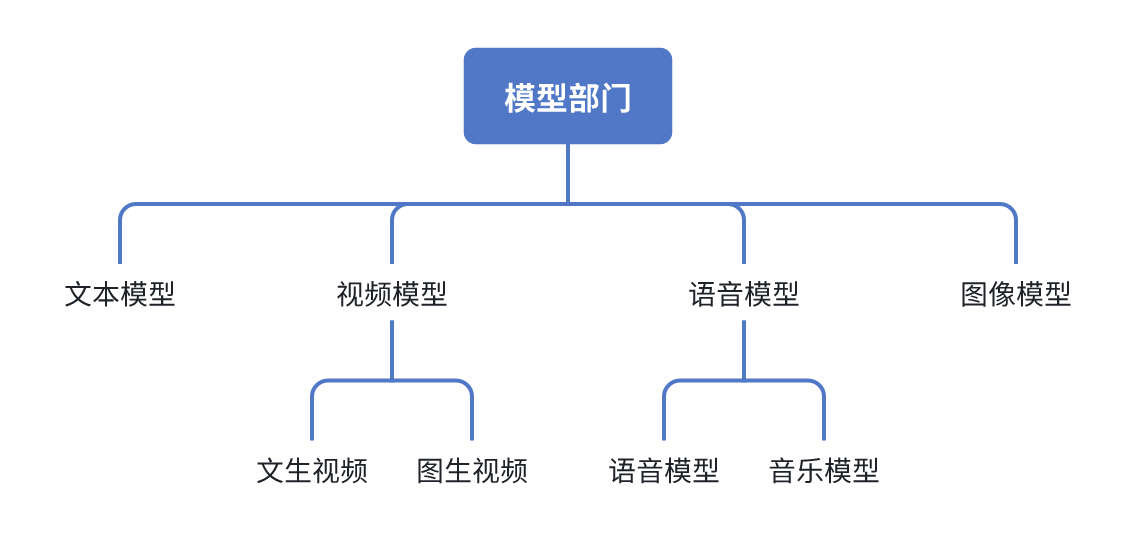
Core Viewpoint - MiniMax is preparing to launch a text reasoning model, codenamed M+, which could significantly impact the company's future and its position in the competitive AI landscape [2][4][25]. Group 1: Upcoming Product Launch - MiniMax has been developing the M+ text reasoning model for over six months and will release it alongside a technical report [2]. - The launch of the M+ model is crucial as it will serve as a benchmark for MiniMax's competitiveness in the AI market, especially after the release of DeepSeek R1 [5][25]. - The company has chosen a hybrid approach by not integrating DeepSeek in its domestic applications while opting for integration in overseas AI applications [3][5]. Group 2: Competitive Landscape - The AI industry is shifting from the "AI Six Little Tigers" narrative to a focus on the "Five Giants" in Silicon Valley, which does not prominently feature MiniMax [5][18]. - MiniMax's delayed entry into the reasoning model market compared to competitors could affect external confidence in the company [4][5]. Group 3: Strategic Moves - MiniMax has made several strategic moves in 2025, including acquiring an AI video startup and rebranding its AI application from "海螺AI" to "MiniMax" [6][9]. - The company is restructuring its product matrix to clearly differentiate between text and video model capabilities [10][11]. Group 4: Organizational Structure - MiniMax's organizational structure includes four main teams focused on text, video, image, and voice models, but its sales team is notably small, comprising only about 3% of the total workforce [13]. - The company adopts a pure API model for B2B clients, which influences its sales strategy and organizational focus [13][14]. Group 5: Financial Performance and Valuation - MiniMax raised $600 million in a Series A round in March 2024, achieving a post-money valuation of $2.5 billion, with indications that its current valuation has exceeded this figure [16]. - The company has engaged in multiple undisclosed funding rounds since then, indicating strong investor interest [16]. Group 6: Commercialization and Market Position - MiniMax's commercial success is primarily driven by its voice model, while the performance of its video model remains less clear [15][27]. - The company is navigating a competitive landscape where the monetization of multimodal models is becoming increasingly important [26][29].

化繁为简,智赢全球:数字化浪潮下SaaS平台的出海跃迁
36氪· 2025-05-27 08:56
Core Viewpoint - The article emphasizes the importance of SaaS platforms adapting to global markets through embedded payment solutions, highlighting the need for a comprehensive understanding of local consumer behaviors and regulatory environments to succeed in international expansion [2][3][6][8]. Group 1: Global Digital Transformation - The global digital transformation is accelerating, with increasing cross-border consumption and a surge in online service demand, prompting SaaS platforms to extend their business boundaries internationally [2]. - The transition to global markets is not merely a strategic expansion but a significant commercial leap for SaaS platforms [3]. Group 2: Challenges in International Expansion - SaaS platforms face numerous challenges in international markets, including product localization, compliance with local regulations, and understanding diverse payment systems and consumer behaviors [3][4]. - The ability to adapt to local payment preferences and regulatory frameworks is crucial for SaaS platforms to penetrate markets effectively and enhance revenue performance [6]. Group 3: Role of Embedded Payment Solutions - Embedded payment solutions are becoming essential for SaaS platforms, as they allow for seamless integration into product architecture, driving operational efficiency and reducing risks associated with payment processing [7]. - Companies like Stripe are gaining attention for their capabilities in providing comprehensive payment solutions that support global operations, covering over 135 currencies and 125 local payment methods [6]. Group 4: Case Studies and Industry Insights - Examples of SaaS platforms like Shoplazza and Treep demonstrate the effectiveness of integrating Stripe's embedded payment systems, leading to rapid growth in cross-border business and improved user retention [7]. - The upcoming high-end seminar hosted by Stripe and 36Kr aims to explore the strategic solutions for SaaS platforms in their international endeavors, focusing on payment strategies and localization insights [8][12].
加密货币与金融体系加速融合的趋势与前景|金融与科技
清华金融评论· 2025-05-24 10:37
Core Viewpoint - The article discusses the rapid growth and integration of stablecoins and cryptocurrencies into the traditional financial system, highlighting the ongoing regulatory developments and the increasing adoption of these digital assets by financial institutions and consumers [3][22][27]. Group 1: Trends in Stablecoins and Payment Systems - Stablecoins offer significant advantages in payment time and cost, with cross-border payments completed in under one hour compared to traditional methods that take up to five days [5][6]. - As of April 2025, the market size of stablecoins exceeded $220 billion, with over 240 million active addresses and 1.4 billion payment transactions totaling $6.7 trillion [6][8]. - Major financial institutions are actively exploring stablecoin payment services, enhancing payment efficiency and reducing costs [9][14]. Group 2: Bank and Crypto Institution Collaboration - Banks are increasingly issuing their own stablecoins, with notable examples including JP Morgan Coin and initiatives from Standard Chartered and Itau Unibanco [10][11]. - Financial institutions are expanding their services to include cryptocurrency trading and stablecoin transactions, enhancing liquidity and providing secure entry points for institutional investors [14][20]. Group 3: Capital Market and Crypto Market Integration - The tokenization of financial products is gaining momentum, with significant projects launched by major financial institutions, indicating a doubling of the market size for tokenized real-world assets to over $22 billion [16][19]. - The approval of cryptocurrency ETFs in the US and Hong Kong has opened compliant investment channels for institutional investors, further integrating crypto assets into traditional finance [20][21]. Group 4: Regulatory Policies Supporting Crypto Innovation - The US has shifted its regulatory stance towards supporting innovation in stablecoins and cryptocurrencies, with significant policy changes under the Trump administration [23][24]. - Other countries are following suit, with many accelerating their regulatory frameworks for stablecoins and cryptocurrencies, reducing market uncertainty [24][25][27]. Group 5: Future Outlook - The integration of stablecoins and cryptocurrencies into the financial system is expected to continue, driven by advancements in blockchain technology and regulatory frameworks [29][30]. - Tokenization is seen as a transformative innovation that could revolutionize asset trading and settlement systems, with a growing interest from global financial institutions [31][32].

独家|Airwallex融资3亿美元:AI颠覆银行业
3 6 Ke· 2025-05-22 02:45
Core Insights - Airwallex has successfully completed a $300 million Series F funding round, achieving a post-money valuation of $6.2 billion, up from $5.6 billion in the previous round [1][2] - The company has demonstrated significant growth, with annualized revenue exceeding $720 million, a 90% year-on-year increase, and annual transaction payment volume surpassing $130 billion [2] - Airwallex is positioning itself as a global financial operating system for businesses, aiming to facilitate seamless and real-time financial transactions [8] Funding and Valuation - The recent funding round included $150 million from secondary share sales, with participation from various venture capital firms and strategic investors like Visa Ventures [1] - The valuation increase reflects a strategic choice by the company to maintain its value amidst a challenging investment climate for fintech companies [1][2] Business Model and Market Expansion - Airwallex has shifted its focus from primarily serving Chinese enterprises to catering to global local businesses, enhancing its global market presence [4][5] - The company has diversified its revenue sources, with a significant increase in revenue from regions outside of Greater China, now accounting for 30% from Europe and the Americas [5][6] Product Development and Innovation - Airwallex has expanded its product offerings beyond basic payment solutions to include a comprehensive suite of financial services, such as multi-currency accounts and expense management tools [6][7] - The company is leveraging AI to enhance its services, improving customer onboarding and compliance processes, and aims to develop AI-driven financial agents to automate traditional finance roles [9][10][11] Competitive Landscape - Airwallex views its primary competition as traditional banks rather than other fintech companies, capitalizing on its agility and understanding of the Asia-Pacific market [9] - The company differentiates itself by addressing the unique needs of Asian businesses, which have been underserved by Western payment giants [7]

微软发完谷歌发,AI编程这个月“热爆了”
Di Yi Cai Jing· 2025-05-21 09:23
Core Insights - AI is not replacing programming but transforming the way programming is done, emphasizing human logic, creativity, and problem-definition skills as core to technological development [1][11] - The rise of AI programming agents has become a focal point for major tech companies, with significant investments and product launches in this area since 2025 [1][2] Group 1: Industry Trends - Major tech companies like OpenAI, Microsoft, and Google are heavily investing in AI programming agents, indicating a clear market demand and technological competition [1][2] - GitHub Copilot has evolved into an "intelligent programming partner," capable of executing complete development tasks autonomously, with over 15 million users [2][5] - The global market for generative AI programming assistants is projected to grow from approximately $25.9 million in 2024 to $97.9 million by 2030, with a compound annual growth rate (CAGR) of 24.8% [5] Group 2: Product Developments - Microsoft announced that 20%-30% of code in its internal projects is generated by GitHub Copilot, which is set to release an enterprise version in 2024 [2][5] - Google's Gemini 2.5 Pro has enhanced capabilities for coding and building interactive web applications, including seamless code conversion and optimization [3][4] - New AI programming tools have been launched by various companies, including Figma's FigmaMake, Alibaba Cloud's Tongyi Lingma, and ByteDance's Trae, indicating a competitive landscape [4] Group 3: Company Insights - OpenAI's Codex agent allows users to assign complex tasks to a virtual employee, showcasing the integration of AI in programming [3][8] - Cursor, a leading company in the AI programming space, achieved a $2 billion annual recurring revenue (ARR) and has a valuation of $9 billion, reflecting the industry's growing interest [8][9] - The efficiency gains from AI programming tools are significant, with estimates suggesting a 20%-30% reduction in time required to build AI applications [8][10]


独家|Airwallex融资3亿美元:AI颠覆银行业
暗涌Waves· 2025-05-21 09:03
Core Viewpoint - Airwallex has successfully completed a $300 million Series F funding round, achieving a post-money valuation of $6.2 billion, reflecting a slight increase from its previous valuation of $5.6 billion in 2022 [1][2]. Group 1: Funding and Valuation - The recent funding round included $150 million from secondary share transfers, with participation from various venture capital firms and strategic investors like Visa Ventures [1]. - The valuation of $6.2 billion is claimed to be free of any inflation, with the company projecting an average growth rate of no less than 50% over the next five years [2]. Group 2: Business Growth and Market Position - Airwallex's annualized revenue has exceeded $720 million, marking a 90% year-on-year growth, while its annualized global payment transaction volume has surpassed $130 billion, up from $50 billion in 2022 [2]. - The company holds over 60 payment licenses across more than 150 countries, serving 150,000 businesses with 95% of transactions completed within hours or the same day [2]. Group 3: Global Expansion and Product Development - Airwallex has shifted its business model from primarily serving Chinese enterprises to catering to global local enterprises, with revenue from Europe and the Americas now accounting for 30% and the Asia-Pacific region for 70% [5]. - The company has seen a compound annual growth rate of over 250% in gross profit from the Americas and EMEA regions [6]. Group 4: Technological Innovation and AI Integration - Airwallex aims to leverage AI to enhance its financial services, with advantages over traditional banks in data integration and regulatory frameworks [10]. - The company is developing AI agents to automate financial operations, potentially transforming traditional CFO roles by managing tasks such as vendor management and payment approvals [12].

2025凯度BrandZ最具价值全球品牌100强发布 中国品牌价值快速增长
Zhong Guo Jing Ying Bao· 2025-05-20 05:23
Core Insights - The total value of the top 100 global brands reached $10.7 trillion in 2025, marking a 29% year-on-year increase, the highest in history [1] - Chinese brands have doubled in value over the past 20 years, now accounting for 6% of the total value of the top 100 brands, with a 26% increase from the previous year, ranking second globally in growth rate [1] - European brands have significantly declined, now representing only 7% of the total value, down from 26% in 2006 [1] Industry Trends - The retail sector continued its growth trend from 2022, with an overall brand value increase of 48%, driven by e-commerce and private labels [3] - In contrast, brand value growth in categories like apparel, food and beverage, and personal care has stagnated or declined, although brands like Uniqlo, Coca-Cola, and Dove have outperformed the industry average [3] - The alcoholic beverage sector is facing challenges from younger consumers opting for lower-cost options, while the rise of health-conscious trends is boosting the growth of low or non-alcoholic drinks [3] - The luxury goods sector, one of the few industries to maintain growth since 2020, saw a 2% decline in 2025, partly due to a shift in consumer preference from status-symbol products to lifestyle experience consumption [3]
在美国卖掉公司也并不容易——HubSpot创始人谈并购的残酷真相与应对智慧 | Jinqiu Select
锦秋集· 2025-05-19 15:18
Core Insights - The complexity of mergers and acquisitions (M&A) in the tech industry is often underestimated, with soft costs such as integration and cultural fit being significantly higher than cash or stock costs [1][8][12] - Active interest from potential acquirers is crucial; companies should not rely on proactive selling strategies but rather maintain a passive yet engaged relationship with potential buyers [4][10][14] - Key decision-makers within companies heavily influence M&A outcomes, with personal biases and preferences playing a significant role in the selection of target companies [12][13][19] Group 1: M&A Complexity - Acquiring a company involves intricate processes that go beyond financial transactions, often consuming thousands of hours of high-salaried talent for integration [1][8] - The perception that successful companies frequently receive acquisition offers is misleading; for instance, HubSpot received very few formal acquisition offers over 18 years, contradicting common beliefs [5][6] Group 2: Relationship Management - Maintaining loose but consistent communication with potential acquirers can create opportunities without appearing desperate; quarterly updates can keep a company in the acquirer's view [4][10] - Companies should be cautious about expressing a desire to sell, as this can deter genuine interest from potential buyers [9][10] Group 3: Decision-Making Influences - M&A decisions are often swayed by the preferences of key executives, with their personal networks and experiences shaping the target list [12][13] - Cultural fit is a critical factor in M&A success; companies often evaluate whether they can work with the target's leadership team [15][19] Group 4: Recruitment Strategies - Companies should avoid hiring based on the "minimum common denominator" approach and instead seek candidates with standout qualities [16][17] - Internal talent is often undervalued; promoting from within can be a more effective strategy than relying solely on external hires [19][24]



沈建光:加密货币与金融体系融合加速,四大趋势值得关注
Di Yi Cai Jing· 2025-05-18 11:25
Core Insights - The article emphasizes the transformative role of stablecoins and cryptocurrencies in reshaping global payment systems and financial infrastructure, highlighting their rapid growth and integration with traditional finance [1][21][22]. Group 1: Stablecoins and Payment Systems - Stablecoins have significant advantages in payment time and cost, enabling cross-border payments to be completed in under one hour compared to traditional methods that can take up to five days [2][3]. - The market for stablecoins has grown to over $220 billion by April 2025, with active addresses exceeding 240 million and transaction volumes reaching $6.7 trillion [3][4]. - Major retailers and real estate platforms are beginning to accept stablecoins for transactions, indicating their increasing acceptance in everyday commerce [3][4]. Group 2: Collaboration Between Financial Institutions - Traditional banks are increasingly collaborating with cryptocurrency firms to offer stablecoin services, with notable examples including JP Morgan's launch of its stablecoin and various banks conducting sandbox tests for stablecoin issuance [7][8]. - Financial institutions are enhancing their payment infrastructures using blockchain technology, with platforms like JP Morgan's Kinexys facilitating significant daily transaction volumes [9][10]. Group 3: Capital Market and Cryptocurrency Integration - The trend of tokenization is gaining momentum, with financial institutions launching tokenized products and projects aimed at improving transaction efficiency and reducing costs [11][12]. - Institutional investment in cryptocurrencies is on the rise, with regulatory approvals for cryptocurrency ETFs in the US and Hong Kong, providing compliant investment channels for institutional investors [13][15]. Group 4: Regulatory Developments - The regulatory landscape is shifting towards supporting innovation in stablecoins and cryptocurrencies, particularly in the US, where recent policies have encouraged financial institutions to engage in cryptocurrency activities [16][17]. - Various countries are accelerating their regulatory frameworks for stablecoins and cryptocurrencies, inspired by the US's policy changes, with many nations announcing new regulations [17][18]. Group 5: Future Outlook - The integration of stablecoins and cryptocurrencies with traditional financial systems is expected to continue, driven by advancements in blockchain technology and regulatory frameworks [21][22]. - The potential for tokenization to revolutionize asset trading and settlement systems is highlighted, with ongoing projects indicating a shift towards practical applications of tokenization [23][24].
Riskified (RSKD) FY Conference Transcript
2025-05-15 15:40
Summary of Riskified Conference Call Company Overview - **Company**: Riskified - **Industry**: Fintech, specifically focused on e-commerce fraud prevention and management Core Business and Value Proposition - Riskified started by helping e-commerce merchants manage online fraud, which is a significant and growing issue, with global fraud estimated at $50 billion annually [5] - The company leverages machine learning, cybersecurity, and big data to create models that detect fraudulent transactions [3][4] - Riskified has expanded its services to include policy abuse, dispute management, and account security, addressing various challenges faced by merchants [4] Financial Metrics and Cost Structure - Typical merchants incur costs of 30 basis points for managing fraud, which includes chargebacks, internal staffing, and current solution providers [6][7] - Riskified offers a guaranteed model that reduces costs to around 24 basis points, providing a 20% reduction in costs and a guaranteed approval rate of 93% [9][10] - On average, Riskified has reduced costs for its top clients by over 30% and increased approval rates by 7-8% [11] Policy Abuse and Refund Management - Policy abuse, particularly in refund and return requests, is a major issue, with Riskified able to block over 10% of fraudulent requests without increasing false positives [12][13] - The company emphasizes the importance of educating merchants on the value of their services, which can be difficult to quantify [14][16] Competitive Landscape - Riskified differentiates itself from competitors by offering a chargeback guarantee and a broader range of services, while many competitors focus solely on risk scoring [17][19] - The company has a competitive win rate above 70%, attributed to its comprehensive platform and ability to address multiple issues [21][25] Market Opportunity - Riskified processed $140 billion in reviewed volume last year, with the global e-commerce market estimated at $6 trillion [26][30] - The company believes that a significant portion of the market still relies on legacy solutions, presenting an opportunity for market share gains [31] Business Resilience and Outlook - Riskified's business is diversified across various sectors, including travel, fashion, and electronics, which has helped mitigate risks from market fluctuations [45][46] - The company has maintained a strong pipeline and is confident in its guidance for the upcoming quarters, despite potential economic uncertainties [47] Long-term Goals and Strategy - Riskified aims to achieve a gross margin target of over 15% by 2026, focusing on scalability and automation [48][49] - The company is open to M&A opportunities but has not pursued any to date due to a lack of suitable options [52][53] - Riskified envisions leveraging its AI platform to expand its service offerings and increase the GMV flowing through its system [69] Conclusion - Riskified is positioned as a leader in the fintech space, focusing on fraud prevention and management for e-commerce merchants, with a strong emphasis on machine learning and data analytics to drive value and efficiency in its services. The company is optimistic about its growth potential and market opportunities in the coming years.
