
vivo

Search documents
手机厂商密集发布新品产业链公司将受益
Zhong Guo Zheng Quan Bao· 2025-11-12 20:18
Core Insights - The recent launch of flagship AI smartphones by companies like Apple, Xiaomi, OPPO, vivo, and Honor is expected to enhance user experience and accelerate the high-end smartphone market and replacement cycle [1][2][3] Group 1: Market Trends - The introduction of AI features has become a major selling point for flagship smartphones, with 80% of high-end smartphone sales in the first half of the year featuring generative AI capabilities [2] - The smartphone market is anticipated to see improved performance in Q4, driven by the concentrated release of annual flagship products [3] - The global high-end smartphone market is projected to grow significantly, with AI smartphone market share expected to rise from 16% in 2024 to 54% by 2028 [4] Group 2: Company Performance - Apple’s iPhone 17 series is performing well due to its competitive pricing and user upgrade demand, while Xiaomi's sales have surged thanks to the early release of its 17 series [4] - Leading companies in the smartphone industry are expected to benefit from the increasing penetration of AI smartphones, which will accelerate the replacement cycle [4][5] - Luxshare Precision, a key player in Apple's supply chain, anticipates a net profit of 16.518 billion to 17.186 billion yuan in 2025, reflecting a year-on-year growth of 23.59% to 28.59% [4]
手机厂商密集发布新品 产业链公司将受益
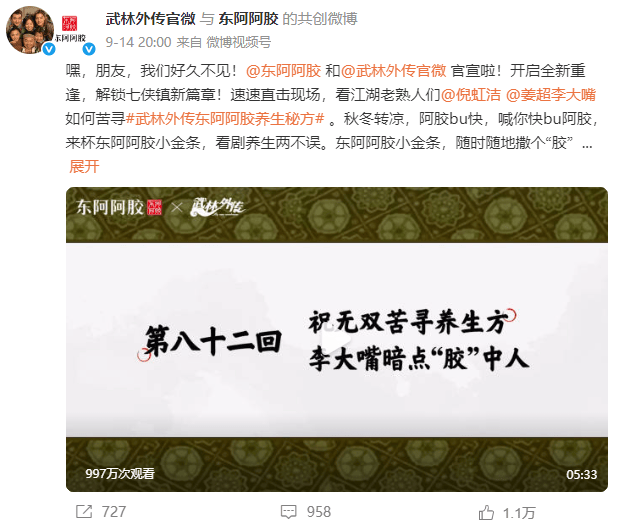
Zhong Guo Zheng Quan Bao· 2025-11-12 20:11
Core Insights - The recent launch of flagship AI smartphones by major brands like Apple, Xiaomi, OPPO, vivo, and Honor is expected to enhance user experience and accelerate the high-end smartphone market and replacement cycle [1][3][4] - The integration of AI technology into smartphones is becoming a key differentiator, with over 80% of high-end smartphone sales in the first half of the year featuring generative AI capabilities [1][3] Group 1: Market Trends - The smartphone market is witnessing a surge in flagship AI smartphone releases, with brands focusing on AI and operating system integration as a primary selling point [1][2] - Research indicates that product innovation and differentiation will be crucial for attracting consumers, as the competition among smartphone manufacturers intensifies [2][3] - The Chinese smartphone market showed strong growth in early Q4, with a year-on-year increase of 11% in sales, driven by significant growth in iPhone and Xiaomi sales [3] Group 2: Future Projections - The global high-end smartphone market is projected to see a significant increase in AI smartphone market share, expected to rise from 16% in 2024 to 54% by 2028 [4] - IDC maintains an optimistic outlook for the smartphone market in 2025, anticipating sustained growth driven by strong promotional activities and diverse product offerings [5] Group 3: Company Benefits - Leading companies in the smartphone supply chain, such as Luxshare Precision (立讯精密), are expected to benefit from the rising penetration of AI smartphones, with projected net profits for 2025 ranging from 16.518 billion to 17.186 billion yuan, reflecting a year-on-year growth of 23.59% to 28.59% [6] - Luxshare Precision aims to capitalize on the demand for high-precision components and processing techniques as the market for AI-enabled devices expands [6]



晶丰明源披露收购易冲科技整合计划 业绩承诺覆盖核心业务板块
Xin Lang Cai Jing· 2025-11-12 15:37
Core Viewpoint - Shanghai Jingfeng Mingyuan Semiconductor Co., Ltd. plans to acquire Sichuan Yichong Technology Co., Ltd. to enhance its platform layout in the analog chip sector through product synergy and customer resource integration [1] Integration Management Plan - The integration plan covers five dimensions: business, assets, finance, personnel, and organization [2] - Business integration focuses on complementary product matrices and shared customer resources, with a joint launch of a 140W fast charging solution and future development of "MCU + driver" solutions in automotive electronics [2] - Financial management will unify the financial systems of both companies, ensuring compliance through regular audits [2] - Personnel stability will be maintained during the performance commitment period, with the core management team of Yichong Technology remaining intact [2] Differentiated Performance Commitment - The performance commitment includes differentiated assessment indicators for two major business segments: charging chips and other power management chips [3] - For charging chips, net profit commitments for 2025-2027 are set at no less than 92 million, 120 million, and 160 million yuan respectively [3] - For other power management chips, revenue commitments for the same period are set at no less than 190 million, 230 million, and 280 million yuan respectively [3] - The compensation trigger conditions are set at 90% of the committed net profit or revenue, with a maximum compensation amount covering 90% of the after-tax share price [3] Historical Acquisition Effectiveness - Jingfeng Mingyuan has accelerated its layout in the power management chip sector through external acquisitions, with a total transaction value of 945 million yuan since 2020 [4] - Acquired companies have shown steady performance growth, with Lingou Chuangxin's 2024 revenue increasing by 69.11% and net profit by 83.37% [4] Synergy Focus Areas - The transaction's synergy value is detailed in three areas: technical complementarity, customer sharing, and R&D integration [5] - The company's 40V medium-voltage BCD process platform is expected to reduce unit costs for Yichong's automotive chips by 15%-20% [5] - Shared customers in consumer electronics include Honor, Lenovo, and Vivo, while automotive electronics have introduced companies like BYD and Changan [5] - Joint development of mixed-signal SoC architecture aims to enhance the integration and reliability of power management chips for smart terminals [5] - The transaction's asset valuation is set at 3.283 billion yuan, with share payments accounting for 61.9% and a share issuance price of 50.39 yuan per share [5]

2025年双十一战报来了!手机单品冠军出炉:今年没有什么悬念
Sou Hu Cai Jing· 2025-11-12 14:14
Group 1 - The core viewpoint of this year's Double Eleven shopping festival reflects a shift towards rational consumption, with consumers focusing more on the actual value and quality of products rather than impulsive buying driven by promotions [2] - Instant retail has accelerated its entry into the Double Eleven market, catering to the growing demand for convenience and quick delivery, enhancing consumer satisfaction and revitalizing the shopping experience [3] - The widespread application of AI technology has added a technological dimension to this year's Double Eleven, improving shopping experiences and operational efficiency for businesses through smart recommendations and optimized logistics [5] Group 2 - Understanding user needs and providing seamless experiences through data-driven approaches are crucial for companies to stand out in the competitive landscape, with social media and live commerce further influencing consumer decision-making [7] - The smartphone category has shown diverse consumer preferences during Double Eleven, with notable sales of both budget-friendly models and high-end flagship products, indicating a broad spectrum of user demands [8] - The top three smartphone models sold during Double Eleven were all from the iPhone 17 series, highlighting Apple's strong market presence, followed by brands like Xiaomi, Vivo/iQOO, Huawei, and OPPO/OnePlus [10]

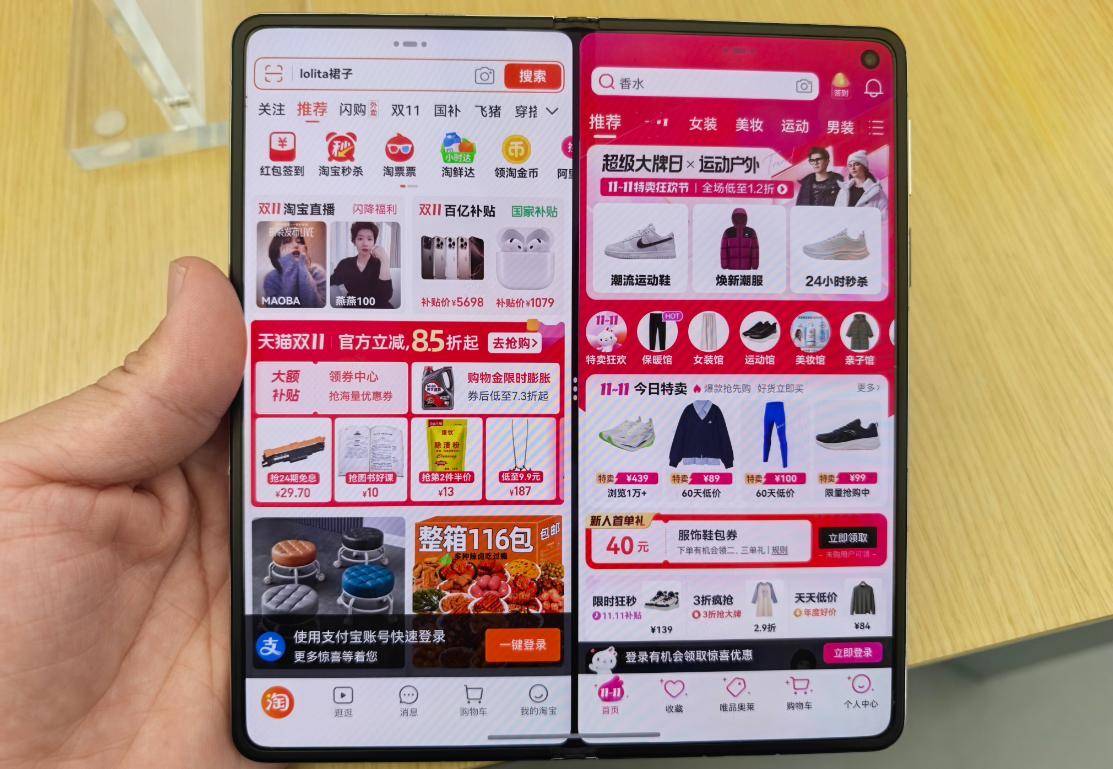
没有硝烟的手机“双11”
Bei Jing Shang Bao· 2025-11-12 13:41
Core Insights - Xiaomi Group achieved a total payment amount exceeding 29 billion yuan during the "Double 11" shopping festival, marking a decline of less than 10% compared to the previous year's record of 31.9 billion yuan [3][4] - Xiaomi's mobile phones have maintained the top position in domestic sales for three consecutive years, with the Xiaomi 17 Pro Max leading in both sales volume and revenue among domestic phones priced over 6,000 yuan [3][4] - The smartphone market in China is experiencing a downturn, with a reported 0.5% year-on-year decline in shipments, and major brands like Vivo, Huawei, and Xiaomi seeing significant drops in their sales volumes [4][6] Company Performance - Xiaomi's performance during the "Double 11" event was highlighted by its ranking as the top domestic smartphone brand, despite the overall market decline [3][4] - The competition in the high-end market remains strong, with Apple's iPhone 17 series dominating sales, indicating a robust demand for premium devices [5][6] - The shift in market dynamics suggests a transition from aggressive volume growth strategies to a more cautious approach focused on maintaining market share and understanding consumer needs [6] Industry Trends - The smartphone industry is undergoing structural adjustments, with rising component costs leading brands to be more cautious in pricing and promotional strategies [6] - The overall smartphone shipment volume in China is projected to be around 68.46 million units by Q3 2025, reflecting a continued decline in demand [4][6] - Brands are increasingly focusing on niche markets and consumer value rather than solely on volume, indicating a maturation of the smartphone market [6]
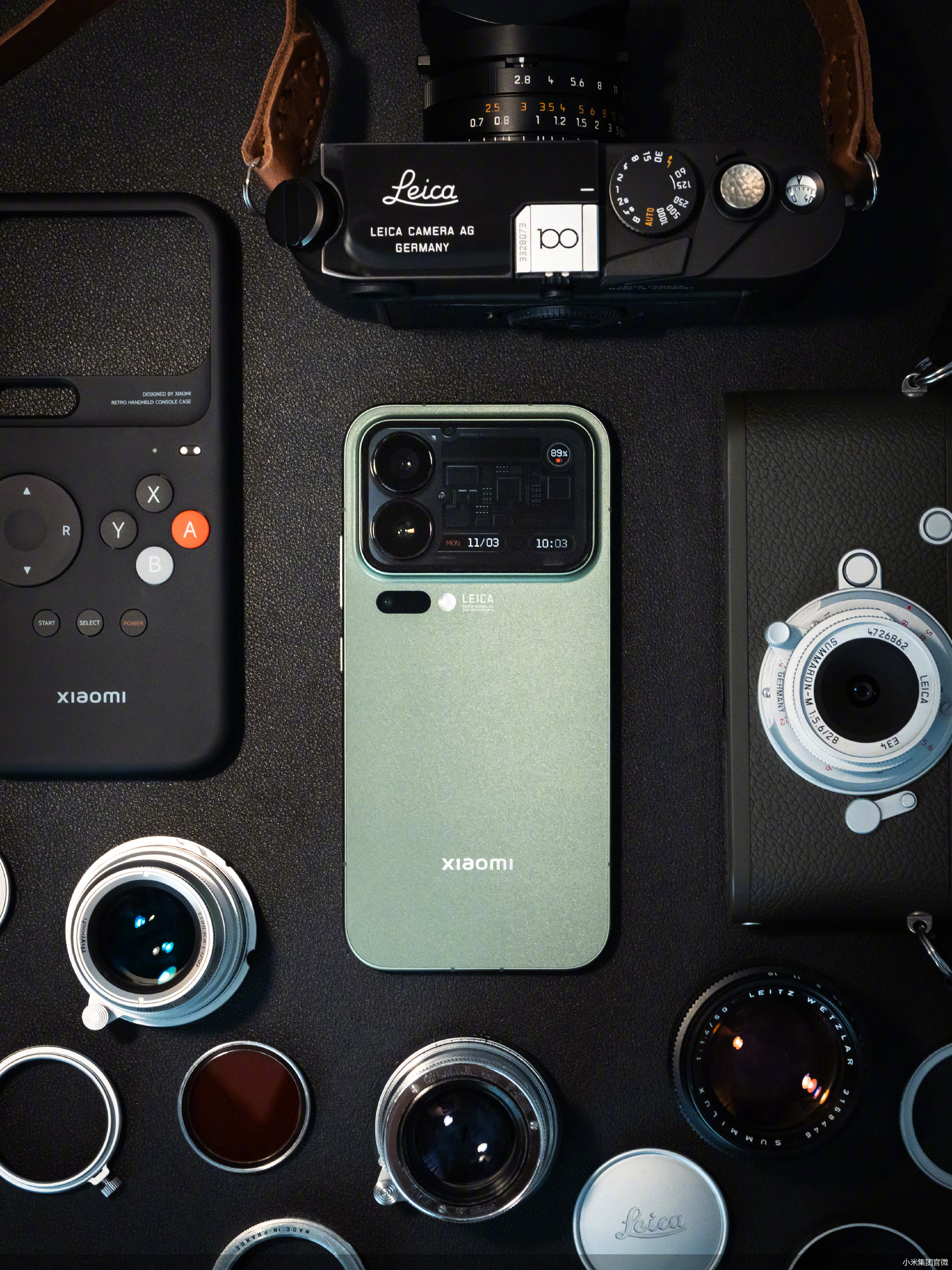
曾在中国“躺着赚钱”,今被华为小米打到剩1%!韩国制造跌下神坛
Sou Hu Cai Jing· 2025-11-12 12:45
Group 1 - South Korean manufacturing thrived in the Chinese market over a decade ago, with brands like Samsung and LG enjoying significant popularity and market share [1][3][7] - In 2015, South Korea's exports to China reached approximately $150 billion, with a trade surplus exceeding $60 billion, making China South Korea's largest trading partner [3][5] - The reliance on the Chinese market created vulnerabilities for South Korean companies, as any disruption could lead to significant losses [5][9] Group 2 - The deployment of the THAAD missile defense system by South Korea in July 2016 sparked a backlash from China, leading to widespread consumer boycotts against South Korean products [9][11] - Major South Korean companies, such as Lotte, faced severe repercussions, with Lotte closing over 20 stores in China and ultimately exiting the market by 2019, incurring losses exceeding $100 million [11][13] - The number of Chinese tourists visiting South Korea plummeted from 8.07 million in 2016 to 4.18 million in 2017, resulting in a loss of $7.5 billion in tourism revenue [13] Group 3 - South Korean electronics and cosmetics sales experienced a dramatic decline, with Samsung's market share in China dropping from 21.9% in 2013 to less than 1% by 2018 [13][15] - The loss of the Chinese market severely impacted cash flow and R&D for South Korean manufacturers, exposing the fragility of their manufacturing sector [15][16] - By 2022, South Korea began experiencing monthly trade deficits with China, with the annual surplus shrinking to just $1.2 billion [16][18] Group 4 - In 2023, South Korea's trade deficit with China reached $18 billion, with exports falling from $155.8 billion in 2022 to $124.8 billion [18][20] - The manufacturing PMI index in South Korea remained below 50 for 12 consecutive months, indicating a prolonged period of operational stagnation [18][20] - The decline in South Korean manufacturing is attributed to structural issues, with Samsung Electronics reporting a 95.7% drop in operating profit in Q1 2023 [20][22] Group 5 - The South Korean job market is also affected, with the number of insured individuals in manufacturing projected to decrease to 3.846 million by 2025 [24] - The export share of South Korean goods to China fell from 25.3% in 2021 to 19.5% in the first half of 2023, indicating a significant loss of market presence [24][26] - The proportion of South Korean semiconductor exports to China is expected to decline from 45% in 2020 to 35.7% by the end of 2024 [26][28] Group 6 - The South Korean government is attempting to mend relations with China, emphasizing pragmatic diplomacy and regional integration [28][30] - Despite efforts to repair ties, the South Korean manufacturing sector faces challenges in regaining its competitive edge in the Chinese market [30] - The rise of Chinese brands in the domestic market highlights the need for South Korean companies to adapt to the changing landscape [30]

【数字营销】怀旧消费,为何能够爆火?
Sou Hu Cai Jing· 2025-11-12 06:08
Core Insights - Nostalgia consumption is experiencing a resurgence, with various nostalgic elements becoming popular among consumers, indicating a strong return of the nostalgia economy [1][2] Group 1: Nostalgia Marketing - Brands are increasingly leveraging nostalgic elements in their marketing strategies to resonate with younger consumers [2][3] - The core of nostalgia marketing is to trigger emotional resonance through collective memory, transforming product information into engaging narratives that evoke nostalgia [4][12] - Successful examples include brands like Dong'e Ejiao, which integrates familiar scenes from popular culture into their advertising to create emotional connections [5][6][8] Group 2: Case Studies - Dong'e Ejiao collaborated with the 20th anniversary of "Wulin Waizhuan," using storytelling to embed brand information within nostalgic narratives, enhancing emotional engagement [6][8] - Vivo's "Reply 1995" focuses on realistic portrayals of family life across generations, effectively capturing collective memories and emotions tied to technological advancements [9][11] - Other brands, such as Wallace, utilize familiar flavors to evoke childhood memories, successfully engaging consumers and enhancing brand value [11][13] Group 3: Consumer Behavior - Nostalgia marketing serves as a psychological compensation mechanism for consumers facing stress and competition, providing emotional refuge [12][14] - For millennials, nostalgic elements represent fashion and social sharing opportunities, while for young parents, they serve as a bridge to share childhood experiences with their children [12] - Brands can effectively activate forgotten assets through nostalgia, fostering emotional connections that lead to long-term brand loyalty [12][14]
华为Q3中国手机出货量跌至第三被苹果反超
Xi Niu Cai Jing· 2025-11-12 01:33
Core Insights - The Chinese smartphone market is experiencing a slight decline in shipments, with approximately 68.5 million units expected in Q3 2025, representing a year-on-year decrease of 0.5% [2][3] - Huawei, despite regaining the top position in Q2 2025 with 12.5 million units, saw its shipments drop to 10.4 million units in Q3 2025, resulting in a market share of 15.2%, down 1% year-on-year [2][3] Company Performance - Vivo leads the market with 11.8 million units shipped in Q3 2025, holding a market share of 17.2%, but showing a year-on-year decline of 7.8% [3] - Apple follows closely with 10.8 million units and a market share of 15.8%, marking a slight increase of 0.6% compared to the previous year [3] - Xiaomi shipped 10.0 million units, capturing 14.7% of the market, with a year-on-year decrease of 1.7% [3] - OPPO and Honor both have market shares of 14.5% and 14.4% respectively, with OPPO showing a slight increase of 0.4% and Honor a decrease of 1.5% year-on-year [3] - The "Others" category saw a significant increase in shipments, rising by 21.5% year-on-year to 5.6 million units [3] Market Dynamics - The competitive landscape in the Chinese smartphone industry is expected to intensify, with manufacturers needing to focus on pricing, promotional strategies, and product innovation to maintain user engagement and drive long-term growth [4] - Huawei's decline in Q3 2025 is attributed to the sales cycle of its flagship products, with the Pura 80 series losing momentum and no major new releases to sustain market interest [2][3]
高端难破低端受压 荣耀Q3销量降幅在主流厂商中最大
Xi Niu Cai Jing· 2025-11-12 00:34
Core Insights - The Chinese smartphone market is experiencing a contraction, with a reported 0.5% year-on-year decline in shipments for Q3 2025, totaling approximately 68.46 million units [4] - Honor's smartphone sales have decreased by 8.1% year-on-year, marking the largest decline among mainstream manufacturers, resulting in a market share drop to 14.4%, placing it fifth in the domestic market [1][4] - Despite launching multiple new models in 2025, including the Honor 400 series, the "flooding the market" strategy has not effectively countered the overall sales decline [4][10] Market Performance - Honor's market share has been on a downward trend for several quarters, failing to rank among the top five in Q2 2025 [1][4] - The Honor Magic 8 series, launched on October 15, has seen disappointing sales, with only 120,000 units sold in the first five days, which is 65% of the previous generation's performance [5][7] - The brand's user retention rate is low at 18.8%, indicating challenges in maintaining customer loyalty compared to competitors [10] Competitive Landscape - Honor faces intense competition in the mid-range market from models like OPPO Reno, Huawei Nova14, and Vivo S30, which are gaining traction [4][5] - The high-end market remains elusive for Honor, as its flagship Magic 7 model did not secure a top-three position in the Chinese market for devices priced above $600 [5][7] - The brand's lack of proprietary technology in key areas such as imaging algorithms and system ecosystems limits its ability to compete with established players like Huawei and Apple [7][10] Strategic Adjustments - In response to market challenges, Honor has adjusted its marketing strategy, including appointing popular artist Xiao Zhan as a brand ambassador to enhance brand visibility [10] - The company has also announced its integration with the DeepSeek large model, positioning itself as the first Android manufacturer to do so [10]

财信证券晨会纪要-20251112
Caixin Securities· 2025-11-11 23:31
Market Strategy - The market is experiencing a volume contraction and continued weakness in the technology sector [5][7] - The overall A-share index fell by 0.51%, with the Shanghai Composite Index down 0.39% and the ChiNext Index down 1.40% [7][8] - Small-cap stocks outperformed, while mid-cap stocks lagged behind [8] Industry Dynamics - The Jiangsu Provincial Development and Reform Commission announced a bidding notice for mechanism electricity prices for new energy projects from June 1, 2025, to December 31, 2026, with a total scale of 13 billion kWh [24][25] - The Chinese foldable smartphone market saw a significant recovery in Q3 2025, with shipments reaching 2.63 million units, a year-on-year increase of 17.8% [26][27] - Huawei leads the foldable smartphone market with nearly 70% market share, followed by Honor and vivo [28] Company Updates - Zoomlion (000157.SZ) has led the publication of two national standards in the concrete machinery industry, filling a gap in technical parameter testing [29][30] - Chengde Lululemon (000848.SZ) completed a share buyback of 2.98% of its shares, which will be canceled, enhancing investor confidence [32][33] - Fangsheng Pharmaceutical (603998.SH) received a drug registration certificate for Indobufen tablets, expanding its cardiovascular drug portfolio [34]