阳光电源

Search documents
铭利达:公司光伏行业客户主要为国外客户
Zheng Quan Ri Bao Wang· 2025-12-18 10:47
证券日报网讯12月18日,铭利达(301268)在互动平台回答投资者提问时表示,公司光伏行业客户主要 为国外客户,阳光电源(300274)为公司国内的主要光伏客户之一,但整体业务量相对较小,今年与该 公司的业务交易量同比已较大幅度的增长,但短期内对公司的业务贡献度相对有限。 ...

价格战终结?光伏产业链全线挺价!光伏出口止跌,龙头盈利拐点已现 | 光伏行业跟踪
Jin Rong Jie· 2025-12-18 09:52
Industry Overview - China's photovoltaic product export prices have stabilized, showing signs of improvement in the industry's profitability and a reduction in losses, with a total loss of 31.039 billion yuan in the first three quarters of 2025, down 5.618 billion yuan from the previous quarter, a reduction of approximately 46.7% [1] - The average price of photovoltaic modules increased by 1.34% year-on-year in November 2025, while the average factory price of polysilicon rose by 34.4% year-on-year [1] - The supply-side adjustments have led to a significant decrease in polysilicon production for the first time since 2013 and a decline in wafer production for the first time since 2009 [1] Market Trends - TrendForce reported that the photovoltaic industry chain is experiencing a price stabilization trend due to inventory digestion and procurement efforts, with polysilicon prices rising to 65 yuan/kg and a strong price rebound in the wafer segment driven by inventory clearance [1] - The second quarter of 2026 is expected to see a genuine upward price movement for modules as seasonal demand recovers and upstream cost pressures are fully transmitted [1] Company Insights Silicon Material Segment - Tongwei Co., Ltd. (600438) is the global leader in silicon materials with a production capacity exceeding 300,000 tons and a market share of over 35%, leading the industry by 10-15% in cost advantages [3] - TBEA Co., Ltd. (600089) employs an integrated coal-electricity-silicon model, achieving a net profit of 6.1 billion yuan in the first three quarters of 2025, with photovoltaic business accounting for 45% [3] Wafer Segment - LONGi Green Energy (601012) is a dual leader in wafers and modules, with a global market share exceeding 30% and a unit cost reduction of 15% [4] - TCL Zhonghuan (002129) holds over 60% market share in 210mm large-size wafers, with a target production capacity of 180GW for 2025 [4] Cell Segment - Aiko Solar Energy (600732) leads globally in ABC cell technology with a mass production efficiency of 27.2%, achieving a 400% year-on-year increase in ABC module shipments [5] - Junda Co., Ltd. (002865) has a leading N-type cell technology, with a net profit growth of nearly 400% in Q3 2025 [6] Module Segment - JinkoSolar (688223) shipped 61.85GW of modules in the first three quarters of 2025, ranking first globally, with a positive gross margin in Q3 [7] - Trina Solar (688599) achieved a shipment of 45GW in the first three quarters, focusing on 210mm large-size and HJT technology [8] - JA Solar (002459) shipped 35GW of modules, maintaining an 80% capacity utilization rate in its U.S. and Malaysia plants [8] - Canadian Solar (688472) shipped 25GW of modules, with a net profit of 989 million yuan in Q3 2025 [8] Inverter Segment - Sungrow Power Supply (300274) holds a 35% global market share in inverters, with a net profit of 11.881 billion yuan in the first three quarters of 2025, a year-on-year increase of 56.34% [9] - Ginlong Technologies (300763) is the third-largest inverter manufacturer globally, with over 100GW of cumulative shipments [9] Auxiliary Materials Segment - Flat Glass Group (601865) is a leading player in photovoltaic glass with a 32% global market share, reporting a net profit of 638 million yuan in Q3 2025 [11] - Foster (603806) leads in photovoltaic encapsulation films with a 55% market share, achieving a net profit of 668 million yuan in Q3 2025 [11] Equipment Segment - Maiwei Co., Ltd. (300751) is a leader in HJT battery equipment with over 80% market share in screen printing equipment, with order amounts exceeding 10 billion yuan in 2025 [12] - Jiejia Weichuang (300724) covers all technology routes in photovoltaic battery equipment, with a year-on-year revenue growth of 116.26% in 2024 [12]
狂飙的智算中心,打开了长时储能新剧本
3 6 Ke· 2025-12-18 09:42
Core Insights - The article discusses the growing demand for long-duration energy storage (LDES) solutions driven by the rapid expansion of AI data centers (AIDC) and their significant electricity consumption, which is outpacing existing power grid capabilities [1][3][5]. Group 1: Power Supply Challenges - The high energy consumption of AI data centers has led to power outages and grid overloads in various regions of the U.S., highlighting a critical issue in power supply [2][3]. - Microsoft CEO Satya Nadella emphasized that the main challenge for the computing industry is not chip supply but the ability to provide sufficient power to data centers, indicating a bottleneck in infrastructure development [7][11]. Group 2: Long-Duration Energy Storage Solutions - Long-duration energy storage is identified as a necessary solution to stabilize power supply and support the expansion of AI data centers, transitioning from short-term to long-term storage solutions [5][13][14]. - The demand for LDES is expected to grow as renewable energy sources become more prevalent, with projections indicating that when renewable energy generation exceeds 20%, LDES will become essential [18][23]. Group 3: Industry Developments and Innovations - Companies like 海辰储能 (Haitian Energy Storage) are leading the way in LDES technology, having launched the world's first kilowatt-hour level long-duration energy storage battery and system [18][19]. - The company has also introduced innovative solutions such as the "sodium-lithium collaborative" energy storage system, which addresses the unique power demands of AIDC [21][30]. Group 4: Market Trends and Future Outlook - The market for long-duration energy storage is projected to grow significantly, with estimates suggesting that by 2050, LDES could account for 95% of total energy storage capacity [23]. - The advancements in large-capacity battery technology are crucial for the success of LDES, with companies focusing on improving energy density and reducing lifecycle costs [25][26][30].

双轮驱动构筑增长新引擎,前瞻布局抢滩未来产业新高地
Zheng Quan Shi Bao Wang· 2025-12-18 09:39
Group 1 - The company has achieved significant performance improvement and structural optimization through a dual-driven strategy focusing on traditional automotive and accelerated expansion in the new energy sector [1][2] - In the first half of 2025, the new energy business revenue grew by 177.09% year-on-year, while automotive business revenue increased by 24.30%, with both segments accounting for over 60% of total revenue [2] - The company has successfully integrated into the Huawei HarmonyOS ecosystem, supplying components for AITO and Luxeed vehicles, and has established stable partnerships with leading companies in the new energy industry such as BYD and CATL [2] Group 2 - The company strategically entered the high-growth liquid cooling sector, which is essential for thermal management in electric vehicles and energy storage systems, and has secured important projects with major clients like CATL and EVE Energy [3] - The liquid cooling technology solutions are expected to benefit from market expansion due to the increasing adoption of fast charging and enhanced safety standards in energy storage [3] Group 3 - The company is exploring the promising field of humanoid robotics, leveraging its capabilities in industrial design and precision molds, and has signed a strategic cooperation agreement with West Lake Robotics to develop components for intelligent robots [4] - Some of the robotics-related projects are in preparation for mass production, potentially opening new growth avenues for the company [4] Group 4 - In the third quarter of 2025, the company reported steady revenue growth and a significant increase in net profit attributable to shareholders, indicating enhanced overall profitability [5] - The company aims to consolidate its automotive base while seizing opportunities in new energy, liquid cooling, and humanoid robotics for sustainable high-quality development [5]

Can rising lithium costs save China's energy storage firms from a brutal price war?
Yahoo Finance· 2025-12-18 09:30
Group 1 - China's energy storage firms are experiencing a shift as lithium battery maker Deegares plans to raise prices by 15%, potentially breaking the ongoing price war in the sector [1] - Rising lithium costs have prompted at least three other battery makers to consider similar price increases, with lithium prices rebounding approximately 70% from this year's low due to increased demand from AI investments and electric vehicle purchases in China [2] - The Chinese government's "anti-involution campaign" is influencing the battery manufacturing sector, with the Ministry of Industry and Information Technology meeting industry leaders to address "irrational" competition [3] Group 2 - Envision Group reported that about one-third of system integrators were selling products below cost, leading to an 80% decline in selling prices over the past three years [5] - Investment bank Bocom International anticipates that the anti-involution campaign will persist, with some major companies like Sungrow operating at gross profit margins of only 15% to 20% in China, compared to 40% to 50% in the US [6] - The global demand for energy storage systems is increasing, particularly in the US and Europe, which are in need of solutions to manage electricity supply and demand effectively [7] Group 3 - In the first 11 months of the year, China exported 4.25 billion lithium batteries valued at over $69 billion, marking increases of 19.3% in units and 25.6% in value compared to the previous year, with Germany and the US being the largest markets [8]

狂飙的智算中心,打开了长时储能新剧本
36氪· 2025-12-18 09:26
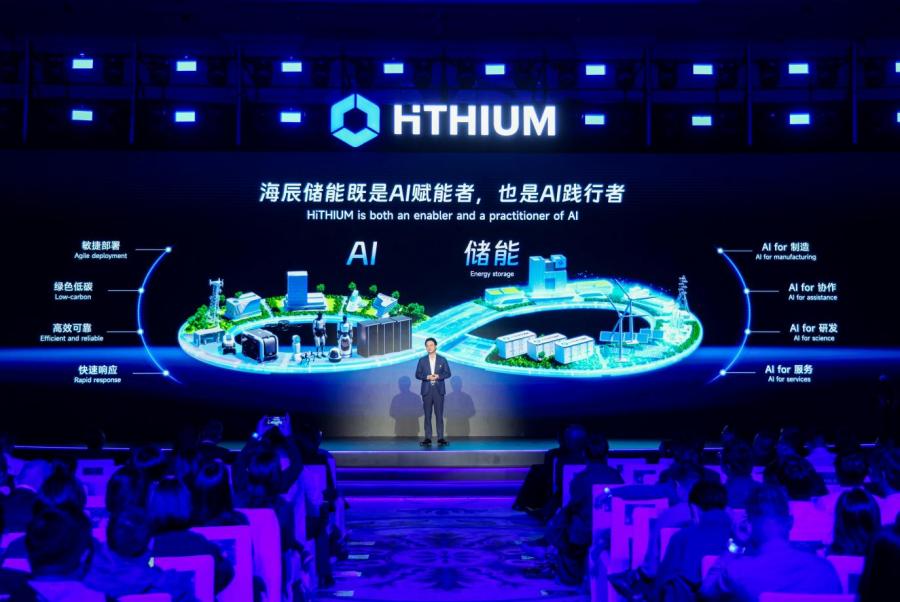
中美两国同步布局"星际之门",数字化时代的新基建正如火如荼展开。然而在AI算力爆炸式增长的背后,一场关于"电力"的焦虑正在蔓延。 过去一年,美国多地因AI数据中心的高负荷用电,出现了居民区停电、电网设备过载甚至火灾等事故,造成巨大损失。 仅仅在上个月,美国西雅图部分区域发生了大范围停电,这已是该地区当月的第三次停电。 AI数据中心就像一只只巨大的"电老虎",其能耗增长速度已超出电网基础设施的承载能力。除中国外,目前全球大部分地区电力供应都存在缺口。 让人意想不到的是,这场"算力"和"电力"的戏剧性冲突,却在一个能源的细分赛道引发巨浪。 2025年10月,英伟达在OCP(Open Compute Project Global Summit 2025)提出AIDC标配储能以平抑负荷波动,明确了AIDC配储的必要性以及下一代配 电方案。 该方案被认为具有风向标的意义:长时储能系统成为了下一代AIDC设计核心,也将成为储能行业的下一个超级增长引擎。 过去,储能的核心命题是应急兜底与电网调峰;如今,智算中心的高算力密度、高频功率波动、长时稳定供电等刚性需求,正倒逼储能技术从"短时响 应"向"长时支撑"跃迁,从"辅助配置 ...
73.47亿元资金今日流出电力设备股
Zheng Quan Shi Bao Wang· 2025-12-18 08:51
Core Points - The Shanghai Composite Index rose by 0.16% on December 18, with 12 industries experiencing gains, led by the banking and coal sectors, which increased by 1.97% and 1.89% respectively [1] - The power equipment industry saw the largest decline, dropping by 2.22%, with a net outflow of 73.47 billion yuan in main funds [2][3] - The defense and military industry had the highest net inflow of main funds, totaling 2.29 billion yuan, while the banking sector also saw a significant inflow of 9.27 billion yuan [1] Industry Performance - The banking and coal industries were the top gainers, while the power equipment and communication sectors faced the largest declines [1] - In the power equipment sector, out of 364 stocks, 84 rose, 1 hit the daily limit, and 267 fell [2] - Notable stocks with significant net inflows in the power equipment sector included JunDa Co. with 235 million yuan, HeWang Electric with 159 million yuan, and Goldwind Technology with 115 million yuan [2] Fund Flow Analysis - The electronic industry experienced the largest net outflow of main funds, totaling 110.42 billion yuan, followed by the power equipment sector [1] - The top three stocks with the highest net outflows in the power equipment sector were Ningde Times with 1.347 billion yuan, Sunshine Power with 855.6 million yuan, and Tianji Co. with 308 million yuan [2][3] - The power equipment sector had 109 stocks with net inflows, while 20 stocks saw outflows exceeding 100 million yuan [2]



光伏行业处于关键调整期!工信部、国家能源局划重点,企业这样破局
Zhong Guo Zheng Quan Bao· 2025-12-18 08:39
Core Viewpoint - The photovoltaic industry in China is currently at a critical adjustment period characterized by both opportunities and challenges, with issues such as "involution" competition, overcapacity, and consumption pressure being prominent [1][3]. Supply and Demand Challenges - The supply side is facing "involution" competition that erodes industry profits and squeezes technological innovation space, while key technological barriers need to be strengthened [3]. - On the demand side, the high proportion of photovoltaic integration is leading to significant challenges in efficient consumption, with the national photovoltaic power generation utilization rate at 94.9% for January to October 2025, down 2.2 percentage points year-on-year [3]. Government Regulatory Measures - The Ministry of Industry and Information Technology (MIIT) plans to implement capacity regulation and curb low-price competition by 2026, focusing on the orderly exit of backward production capacity and enhancing market monitoring mechanisms [3]. - The MIIT will also strengthen product quality supervision and promote self-discipline within the industry [3]. Development Suggestions - The Deputy Director of the National Energy Administration, Gui Xiaoyang, proposed three key suggestions: 1. Maintain confidence in development, leveraging national strategies that indicate a need for an additional 200 million kilowatts of wind and solar installations annually over the next decade [4]. 2. Deepen industry cooperation to eliminate irrational competition that sacrifices quality and long-term value, promoting a focus on technological innovation and service optimization [4]. 3. Shift the focus of photovoltaic development from merely generating electricity to optimizing the timing, location, and value of electricity generation through innovations like energy storage and intelligent control [4]. Industry Outlook and Positioning - Analysts predict that the "anti-involution" policies in 2026 may accelerate the exit of backward production capacity, potentially leading to improved profitability across the industry [6]. - The China Photovoltaic Industry Association indicates that while the industry is at a critical adjustment phase, the downward trend is nearing its bottom, with losses gradually narrowing, although uncertainties in domestic and international market demand remain [6]. - Leading companies like Longi Green Energy emphasize the importance of self-discipline and innovation, advocating for a robust supply chain and the integration of photovoltaic technology with energy storage and smart grids [7].
全球最大构网型储能并网
Xin Lang Cai Jing· 2025-12-18 08:06
阳光电源宣布,近日沙特7.8GWh储能项目全容量并网,这是全球最大构网技术应用项目。项目预计每 年放电量22亿度,可满足40万家庭全年用电,助推沙特"2030愿景"实现。 ...
7.8GWh!全球最大构网型储能项目全容量并网
中关村储能产业技术联盟· 2025-12-18 07:29
Core Viewpoint - The article highlights the successful integration of a 7.8 GWh energy storage project in Saudi Arabia, which sets multiple global records in terms of speed and scale, showcasing the capabilities of the company in delivering large-scale energy solutions [4]. Group 1: Project Delivery and Efficiency - The project achieved a remarkable delivery time of 58 days from order to shipment, facilitated by a digital factory and a highly automated manufacturing system with over 90% automation [5]. - The on-site commissioning was completed in just 40 days, utilizing over 1,500 sets of the company's PowerTitan 2.0 system, with pre-installation and pre-commissioning conducted before delivery [6]. - More than 200 top engineers were deployed on-site to ensure delivery, with a 24/7 response system in place to manage all aspects of the project [7]. Group 2: Technological Innovation - The project employs a multi-dimensional self-synchronization stable source algorithm and a collaborative AC/DC system to enhance grid stability, enabling GW-level black start capabilities and comprehensive frequency and voltage support [8]. Group 3: Industry Engagement - The company has confirmed participation in the 14th International Energy Storage Summit and Exhibition (ESIE 2026), which is positioned as a key event for the global energy storage industry [11][12]. Group 4: Financial Performance - The company reported a revenue of 22.869 billion with a net profit increase of 59.76% year-on-year in its third-quarter financial report [16]. - The company is also preparing for a Hong Kong stock listing, projecting a storage revenue of 17.803 billion for the first half of 2025, representing a year-on-year growth of 127.78% with a gross margin of 39.92% [16].